
REVIEW · PERU
8-Day Peru Ancestral Energies
One word for this trip: efficient. You’re packed into an 8-day Lima to Cusco to Puno to Lake Titicaca circuit that hits big names like Machu Picchu and the Sacred Valley, without you having to stitch logistics together.
What I like most is how much is actually included. You get airport and rail transfers, lodging for 7 nights, and scheduled sightseeing with an English-Spanish speaking guide, so you can focus on the places. I also appreciate the small-group feel, with a maximum of 15 travelers, because Cusco and Machu Picchu days can feel smoother when you are not fighting crowds in your own group.
One thing to think about before you book: the itinerary climbs to high altitude areas (including around 4,800 m on the way to Puno). If altitude affects you, plan ahead with medicine or a doctor’s advice, and don’t treat that day like a casual stroll.
In This Review
- Key things that make this tour work
- An 8-day route that saves you from planning fatigue
- Lima’s Historical Center plus Larco Museum: the intro you need
- Cusco on foot: markets, gold-linked temples, and the Twelve Angled Stone
- Sacsayhuaman, Q’enqo, Tambomachay: Inca engineering with breathing room
- Sacred Valley day: Chinchero textiles, Moray microclimates, and Ollantaytambo
- Machu Picchu: train, bus ride, and the reality of visitor circuits
- From Cusco region to Puno: Andahuaylillas, Racchi, and La Raya
- Lake Titicaca: Uros floating islands and Taquile Quechua culture
- Price and value: what you pay for, and what you still need to budget
- Logistics you should plan for: altitude, pacing, and flights
- Who should book this Peru energy tour
- Should you book 8-Day Peru Ancestral Energies?
- FAQ
- Where does the tour start and where does it end?
- Are airport transfers included?
- Does the price include lodging and meals?
- Is the Machu Picchu train ticket included?
- Are Machu Picchu admissions included?
- What flights are not included?
- How many travelers are in the group?
- Is there a guide, and what languages are used?
- Will the itinerary involve high altitude?
- What is the cancellation policy?
Key things that make this tour work
- Small group size (up to 15) helps you keep moving without losing the personal touch
- Machu Picchu includes train and the bus ride from the station, with staff assistance
- All key admissions are covered on the tours, so your budget is more predictable
- Sacred Valley pacing is practical, combining viewpoints with major sites and a real lunch break
- Lake Titicaca visits mix history and living culture, with Uros and Taquile included
- VIPAC-style operations emphasize punctual transfers and clear communication, based on guest feedback
Shortlisting Lima? These reviews come up alongside this one most often.
- Lima: Ultimate Peruvian Food Tour
★ 4.9 · 700 reviews - Full Day Paracas Ica and Huacachina from Lima All Included
★ 4.5 · 623 reviews - Lima’s Vibrant Heritage: Exploring the City’s Landmarks Half-day
★ 4.5 · 581 reviews - From Lima: Day trip to Paracas, Ica and Oasis Huacachina
★ 4.6 · 409 reviews
An 8-day route that saves you from planning fatigue
This is one of those Peru trips that feels like someone already did the hard thinking for you. You start at J Chavez Intl Airport in Lima and end at Inca Manco Capac International Airport in Juliaca. In between, the schedule ties together Lima, Cusco, the Sacred Valley, Machu Picchu, Puno, and Lake Titicaca islands in a way that makes sense for first-timers.
At $1,264 per person, the real question is value. On paper it’s a lot of sights for 8 days, but the practical value comes from what’s bundled: lodging, airport transfers, shared tours with an English-Spanish guide, and the Machu Picchu train ticket plus key admissions. If you were to DIY this, the “where do I book what” stress is usually what costs you time and money.
Lima’s Historical Center plus Larco Museum: the intro you need
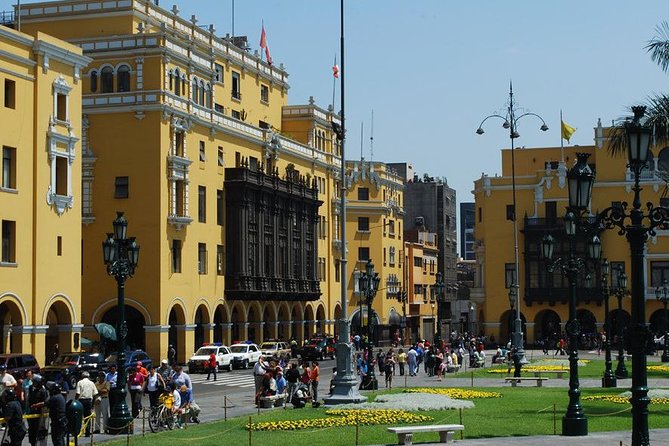
Day 1 starts in the best possible way, with your first Peru day anchored in the Historical Center. After you arrive, you transfer to your hotel, then you tour with stops like the Convent of Santo Domingo and Universidad Mayor de San Marcos. From there you walk through Plaza Mayor, the Government Palace, the Municipality, and the Cathedral of Lima.
This matters because Lima’s colonial core is dense, and guided context helps you connect the dots fast. If you wander on your own, you can end up seeing buildings without understanding why they matter.
Then you end with a visit to the Larco Museum, a smart move because it shifts the focus from colonial Lima to Peru’s deeper past. You’ll see collections of gold artifacts, textiles, and ceramics. It’s a good way to “reset your eyes” after walking around city landmarks, and it helps you understand the materials and art traditions you’ll keep noticing throughout the country.
Cusco on foot: markets, gold-linked temples, and the Twelve Angled Stone
Cusco begins with an airport meet and greet and a transfer to your hotel, then you get an afternoon of orientation plus classic highlights. You start at Plaza de San Cristóbal for panoramic city views. That viewpoint is more than a photo stop. It helps you understand how Cusco’s layout sits in the valley and how the hills shape movement.
Next is the San Pedro Market, where you’ll pick up local flavors and learn about what’s sold. For many people, this is the first time Peru feels real in a daily-life way, not just a list of monuments.
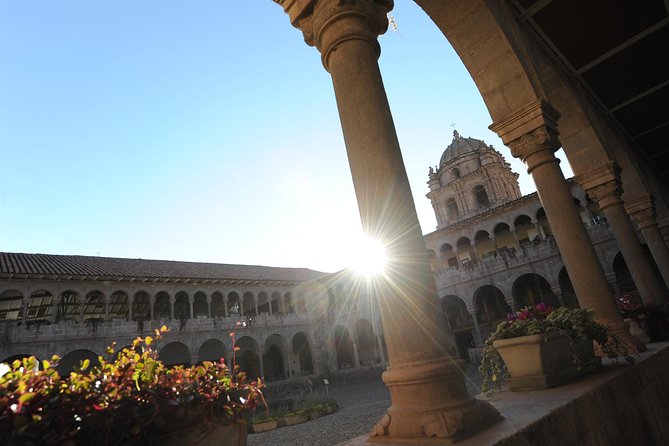
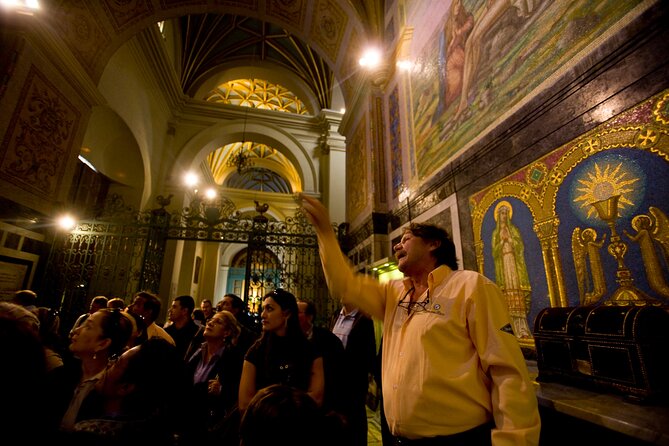
Then comes Qorikancha Temple, described as magnificent with walls that used to be covered in gold. Even if you know the story of Inca wealth, seeing how it’s presented today makes the history feel physical. After that, you walk down from the artisan neighborhood of San Blas toward Hatun Rumiyoc, passing places like the Palace Inca Roca and the Archbishops Palace. One of the standout sights is the world-famous Twelve Angled Stone, a cool moment because it shows off Inca precision in a way you can actually see.
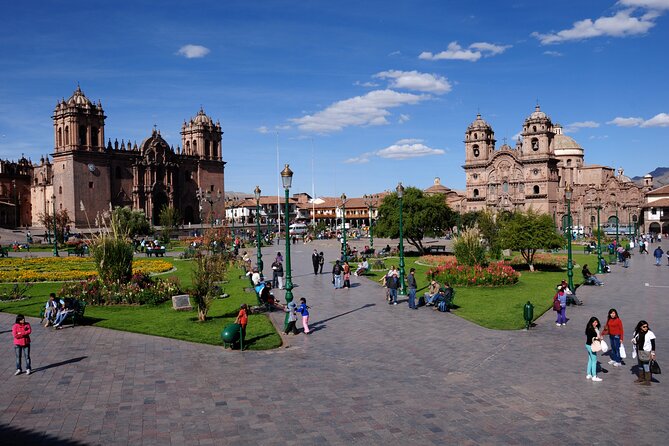
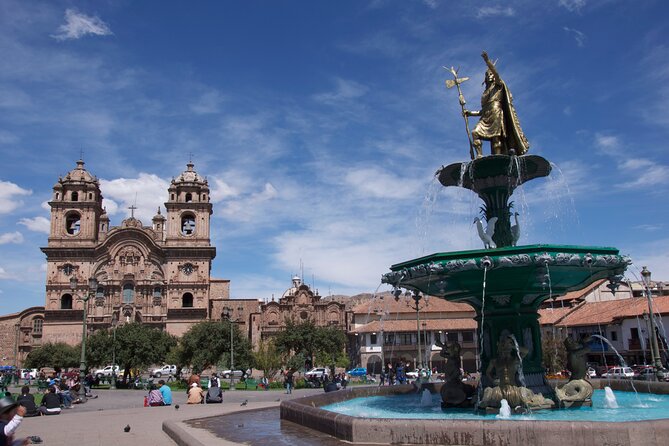
You finish at Plaza de Armas for the cathedral, which houses colonial works. This day works because it’s a blend: you get views, food, Inca and colonial layering, and walking time that helps you adjust to Cusco.
Sacsayhuaman, Q’enqo, Tambomachay: Inca engineering with breathing room
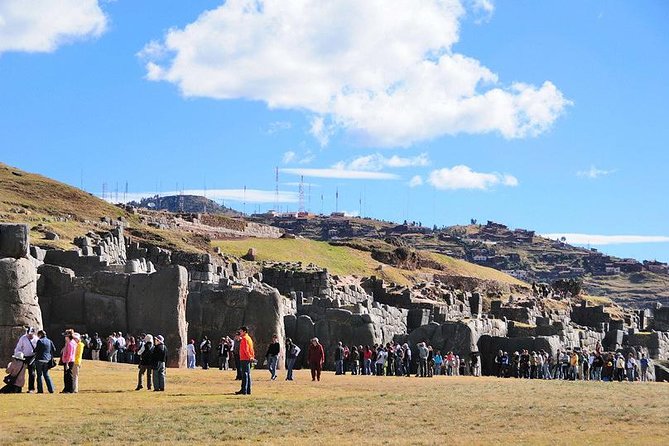
Day 3 is all about stepping outside the densest parts of the Cusco circuit. In the morning, the plan is to leave crowds behind for Sacsayhuaman, described as a citadel with colossal constructions surrounded by a landscape that feels in balance with the structures. If you only see Sacsayhuaman from afar, it can look like more ruins. Here, the guided pacing helps you notice how the stonework relates to the terrain.
After that, you continue to Q’enqo, including an altar for sacrifices embedded in rocky formations. The value here is interpretation, not just inspection. The site can be confusing if you don’t get a bit of context.
You wrap up with stops at the Puca Pucará lookout and Tambomachay, noted for architectonic excellence and connected to Andean cosmovision. The afternoon is free afterward, which is a big deal on a trip with altitude and long travel days. Use that time to hydrate, eat lightly, and pace yourself.



Sacred Valley day: Chinchero textiles, Moray microclimates, and Ollantaytambo
Day 4 shifts you into the Sacred Valley of the Incas, and it’s one of the most satisfying days because it combines craft, agriculture, and a major living site.
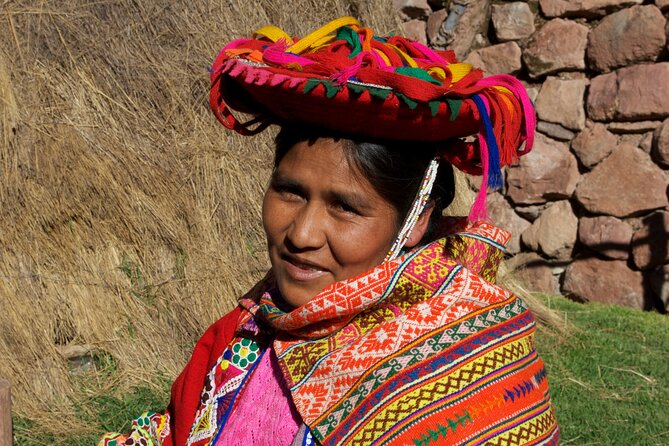
You start with Chinchero, famous for weaving women. There’s a short stop in a textiles center where you can appreciate old Inca techniques for dyeing and spinning using alpaca wool. Even if you are not buying anything, this helps you understand why these textiles matter economically and culturally. It also makes later sites feel less like random stops and more like part of a connected system.
Then you visit the Inca plaza with a colonial church. That mix is a recurring theme in Peru, and seeing it in the Sacred Valley helps you understand how Inca and colonial eras overlap in daily life.
Next up is Moray, where you’ll see concentric agricultural terraces designed as a kind of microclimate lab. The terraces are visually striking, but the practical point is how the site shows purposeful land use, not just architecture.
After lunch, you head to Ollantaytambo, including the Temple of the Ten Windows, the Bath of the Princess, and the Sun Temple. And yes, you get that classic viewpoint experience from the heights. The payoff here is that you’re not only walking through ruins. You’re in a place that still has an active human presence, so it feels more lived-in than a remote museum.
You also get lodging in the area, which is smart for pacing because the Machu Picchu day starts the next morning.
Machu Picchu: train, bus ride, and the reality of visitor circuits
Day 5 is your Machu Picchu day, built around taking the train from Ollantaytambo station. You depart on a selected train, arrive at Machu Picchu station, then staff assist you to board the bus up a winding road with views of the Urubamba River and deep canyon scenery.
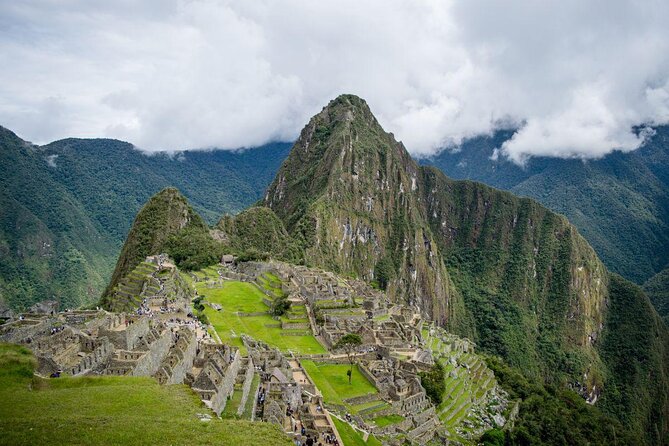
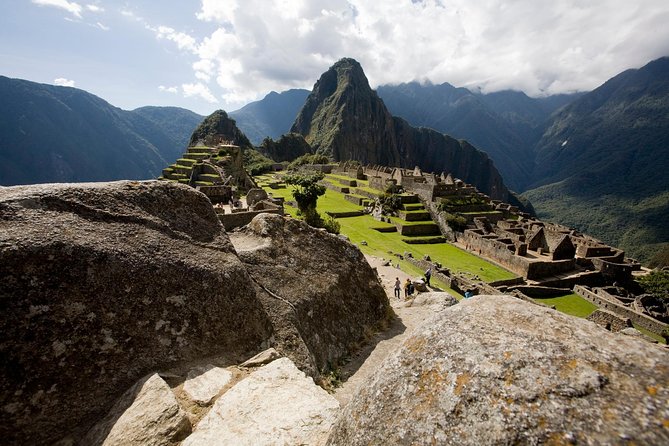
When you reach Machu Picchu, the itinerary emphasizes terraces, staircases, ceremonial sites, and urban areas. That’s the right framing because Machu Picchu is not one landmark, it’s a whole town-like design. Lunch is included on-site, then you return by train and transfer to your hotel in Cusco.
Two important practical notes come with this trip. First, Machu Picchu has new visitor circuit routes (three main routes) to distribute people across the site. The tour prioritizes route 2, and if it’s not available you’ll be informed about alternatives such as circuit 3B or circuit 1B, so you can confirm before tickets are issued.
Second, the Machu Picchu ticket is not refundable, and date changes are not accepted. If you think there’s any chance you might need to change plans, make sure your travel dates are firm before locking this day.
From Cusco region to Puno: Andahuaylillas, Racchi, and La Raya
Day 6 is a long but interesting transfer day, because you don’t just “get to Puno.” You stop along the way with major cultural stops.
You’ll depart by tourist bus, traveling alongside the Vilcanota River and crossing toward the altiplano. The first stop is the Church of the Apostle St. Peter in Andahuaylillas, also known as La Sixtina de América. The walls and ceiling have 17th-century mural paintings, and this is one of those moments where Peru reminds you it has deep colonial art as well, not only Inca stone.
Next is Racchi, Temple of the God Wiracocha. You’ll see remains of columns and walls that help you grasp the scale of what the Inca built.
Then comes La Raya at 4,800 m, where the watershed divides rivers that connect toward different basins, including flows that go toward the Amazonas. This is the highest-altitude-feeling part of the trip, so it’s worth taking it slow, drinking water carefully, and keeping expectations realistic.
Lunch is included, and then you visit the Pucará Site Museum before arriving in Puno.
Lake Titicaca: Uros floating islands and Taquile Quechua culture
Day 7 gives you a full Lake Titicaca experience, not just a quick boat ride. In the morning you board a motorboat to visit the Uros, described as people who sought refuge inside Lake Titicaca, using ancient techniques to build islands. You’ll also see how they continue building their islands and make a living from visitors.
From there you sail to Taquile Island, known for traditions and clothing maintained over time. You’ll have music and dances, and you’ll enjoy lunch at a community restaurant, described as simple but very rich in nutrients. After lunch, there’s time to walk around the area for views of the lake.
This day is valuable because it connects you to living culture. The itinerary doesn’t treat Titicaca as a background. It treats it as a community-driven place with traditions you can witness firsthand.
Price and value: what you pay for, and what you still need to budget
Let’s talk money in a practical way. The price is $1,264 per person. What helps this feel like value is that you are not paying extra for every admission and transit piece. The package includes transfers from airports to hotels, shared transfer to the train station, and round trip railway ticket to Machu Picchu based on your selected hotel category.
Lodging is covered for 7 nights, and you get breakfasts (7) plus lunches (4). Admissions are included on tours, with many listed as free or included depending on the day.
What is not included matters just as much. Food and drinks are not included unless specified. Also, the flights Lima to Cusco and Juliaca to Lima are not included, though the sales team can assist. Finally, there is $32 per person for airport taxes for Lima-Cusco and Puno.
So the best way to think about the price is this: you’re paying for a guided, bundled route with key logistics and entry costs handled. If you would otherwise spend days arranging transport, tickets, and timing across multiple cities, this can be a smooth, cost-controlled way to see Peru.
Logistics you should plan for: altitude, pacing, and flights
This tour is marked as suitable for most travelers, but altitude is real. The itinerary includes days in Cusco and higher points like La Raya around 4,800 m. If you’ve had altitude problems before, bring medicine or get advice before you depart.
Flights also deserve attention. The guidance is clear: when you book your flight from Lima to Cusco, it must be in the morning, and arriving by noon is too late. You also need to provide passport details at booking, or confirmation can fail.
If you like a schedule that keeps the day structured, you’ll probably feel comfortable here. If you prefer total free time and lots of wandering at your own pace, you may wish there were more spare hours. Still, the itinerary does include breathing space, like the free afternoon after the Sacsayhuaman and Q’enqo day.
Group size also helps. With up to 15 travelers and shared tours, the pace is more manageable than big buses.
Who should book this Peru energy tour
I think this tour is a great fit if you want a “greatest hits” Peru experience with minimal planning friction. It’s especially suitable for first-time visitors who want Machu Picchu, Sacred Valley stops, and Lake Titicaca in one trip. The small group size also makes it easier to ask questions and keep up without feeling lost.
You might want to think twice if you have strong sensitivity to altitude or you need flexibility to change travel dates, since Machu Picchu tickets are not refundable and date changes are not accepted. Also, if you dislike coach-style days, the transfer day to Puno will feel long, even though it includes multiple stops.
Should you book 8-Day Peru Ancestral Energies?
If you want a guided route that hits Peru’s major spiritual and historical landmarks, I’d lean toward booking. The combination of included transfers, guided walks, lodging, admissions, and the Machu Picchu train ticket makes it easier to control your budget and avoid the most stressful planning steps.
My advice is to book with your eyes open. Make sure your flight into Cusco is morning, respect altitude with real caution, and lock in your Machu Picchu date because tickets can’t be changed. If you do that, you’ll likely enjoy a trip that feels full, organized, and grounded in the places you came for.
FAQ
Where does the tour start and where does it end?
The tour starts at J Chavez Intl Airport in Lima, Peru. It ends at Inca Manco Capac International Airport in Juliaca, Peru.
Are airport transfers included?
Yes. Transfers from the airport to hotels are included.
Does the price include lodging and meals?
Yes. You get 7 nights of accommodation in selected hotels (subject to availability), 7 breakfasts, and 4 lunches.
Is the Machu Picchu train ticket included?
Yes. The tour includes a round trip railway ticket to Machu Picchu based on the selected hotel category.
Are Machu Picchu admissions included?
Yes. All admission tickets on tours are included, and the itinerary includes the Machu Picchu visit. The Machu Picchu ticket itself is not refundable, and date changes are not accepted.
What flights are not included?
Flights Lima to Cusco and Juliaca to Lima are not included. The sales team can assist you.
How many travelers are in the group?
This tour/activity has a maximum of 15 travelers.
Is there a guide, and what languages are used?
Yes. Tours are shared with an English-Spanish speaking guide.
Will the itinerary involve high altitude?
Yes. The route includes La Raya at about 4,800 m, and altitude sickness guidance is provided, including bringing medicine or asking a doctor before you depart.
What is the cancellation policy?
Free cancellation is available. You can cancel up to 24 hours in advance for a full refund, with cut-off times based on local experience time.
More Tour Reviews in Lima
- Lima: Ultimate Peruvian Food Tour
★ 4.9 · 700 reviews - Full Day Paracas Ica and Huacachina from Lima All Included
★ 4.5 · 623 reviews - Lima’s Vibrant Heritage: Exploring the City’s Landmarks Half-day
★ 4.5 · 581 reviews - From Lima: Day trip to Paracas, Ica and Oasis Huacachina
★ 4.6 · 409 reviews - Private transfers from Lima Airport or to Lima Airport
★ 4.0 · 359 reviews
Freshly reviewed across Lima
- LIMA: HALF-DAY SANDBOARDING TOUR★ 4.5 · 3 reviews
- Lima: Escapada de 2 Días a la Reserva Nor Yauyos-Cochas★ 3.1 · 3 reviews
- Private Tour Casa Aliaga,San Francisco Convent, Larco Museum★ 4.8 · 3 reviews
- From Lima : 360° Panoramic Bus★ 4.0 · 3 reviews
- Lima: Market Tour and Cooking Class with Pisco Sour★ 5.0 · 3 reviews
- Lima: Market Tour, 35 Fruits Tasting & Cooking Class★ 5.0 · 3 reviews