
REVIEW · PERU
8-Days Peru, The Rise of the Inca Empire
Unforgettable ruins meet real logistics. This 8-day route strings together Inca and colonial sites with enough structure to keep you moving smoothly between cities.
What I like most is the pre-arranged transport and airport handoffs that reduce the usual scramble. I also like how the plan bundles major highlights without feeling like a checklist.
One possible drawback: Machu Picchu day can feel tight, and if timing goes sideways for lunch or your visit length, your day can feel rushed.
In This Review
- Key things to know before you go
- Lima’s old streets and Peru’s ancient art set the tone
- Entering Cusco’s Inca heart: Qorikancha, the Cathedral, and Sacsayhuaman
- Sacred Valley without chaos: Pisac ruins, markets, and Yucay’s living culture
- Moray’s microclimates and Maras salt pans: science plus surreal photos
- Machu Picchu by train: how the day flows and where timing can sting
- The Andes to Puno: Andahuaylillas, Racchi, La Raya, and Pucará
- Lake Titicaca day that focuses on people: Uros and Taquile
- Price and what you actually get for $1,280
- Who should book this, and who should think twice
- Should you book 8-Days Peru, The Rise of the Inca Empire?
- FAQ
- Where does the tour start and end?
- Is airfare included?
- Does the tour include airport transfers?
- What is the maximum group size?
- Are Machu Picchu tickets refundable?
- What Machu Picchu visitor circuit will I get?
- How do you travel to Machu Picchu?
- What meals are included?
- Can I join if I’m worried about altitude?
- How far in advance can you cancel for a full refund?
Key things to know before you go
- Lima first, Andes later: start with UNESCO Lima and Peru’s ancient art so Cusco and Inca sites make more sense.
- Cusco’s Inca foundations under colonial layers: Qorikancha and the Cathedral show the collision of worlds in stone.
- Sacred Valley plus local craft experiences: Pisac ruins, artisan shopping, and weaving and dyeing demonstrations at Yucay.
- Science-of-farming stops: Moray’s microclimates give you an extra reason to care about the terrain.
- Machu Picchu with new visitor circuits: route 2 is prioritized, then 3B or 1B if needed.
- Finish in Puno: you end on Lake Titicaca territory, so Bolivia and extra Peru nights become easy add-ons.
Shortlisting Lima? These reviews come up alongside this one most often.
- Lima: Ultimate Peruvian Food Tour
★ 4.9 · 700 reviews - Full Day Paracas Ica and Huacachina from Lima All Included
★ 4.5 · 623 reviews - Lima’s Vibrant Heritage: Exploring the City’s Landmarks Half-day
★ 4.5 · 581 reviews - From Lima: Day trip to Paracas, Ica and Oasis Huacachina
★ 4.6 · 409 reviews
Lima’s old streets and Peru’s ancient art set the tone
Starting in Lima is smart. You get oriented to Peru’s layers before you hit the high Andes, and that makes the Cusco weeks feel less like a jump cut.
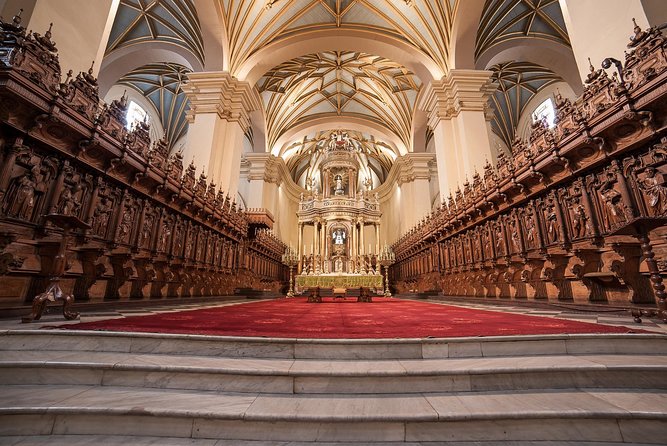
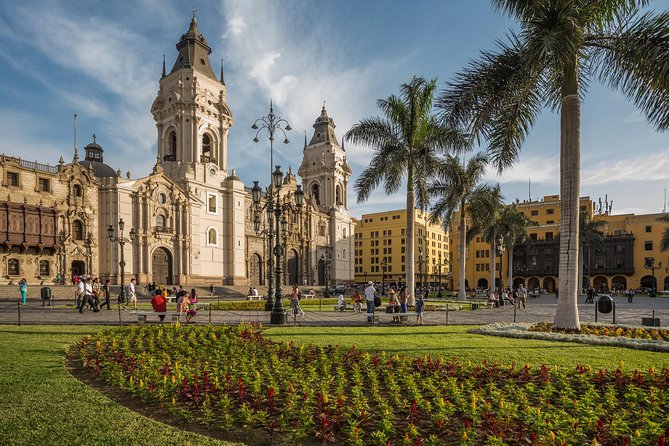
Your day begins with a city-center tour of the Centro Histórico de Lima, a UNESCO World Heritage Site. You’ll see places like Plaza Mayor and the Government Palace area, plus the Cathedral, which is built on top of earlier structures. One standout detail: the tour includes the Convent of Santo Domingo, tied to the city’s earliest foundation stories, and it also highlights major sites at the University of San Marcos. If you’re the type who likes context, this kind of framing helps you notice what’s happening when the Incas later repurpose landscapes and sacred spaces.
Then comes the Museo Larco. I like this museum stop because it gives you a guided bridge between what you see in ruins and what people actually made and believed. You’ll spend time with gold pieces, textiles, and ceramic collections, and the museum also points you toward ancient Peru’s worldview through artifacts. It’s not just pretty stuff, it’s a shortcut to understanding symbols, status, and everyday life.
One practical note: Lima days can feel very “museum and walking,” so bring water and comfy shoes, even if the pace feels controlled.
Entering Cusco’s Inca heart: Qorikancha, the Cathedral, and Sacsayhuaman
Cusco is where your trip shifts from learning to awe. This tour gives you a solid Cusco orientation day that hits major monuments without wasting time.
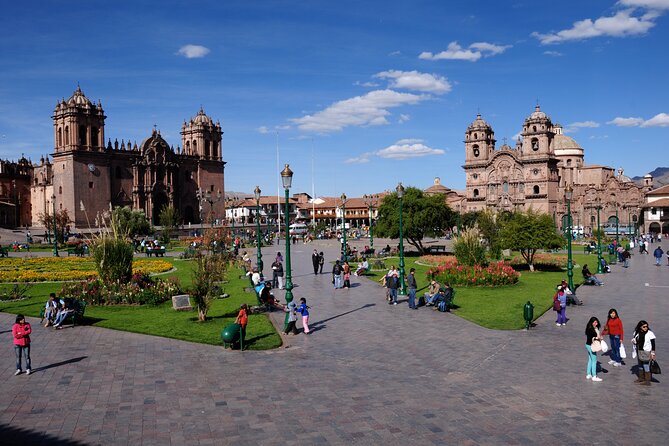
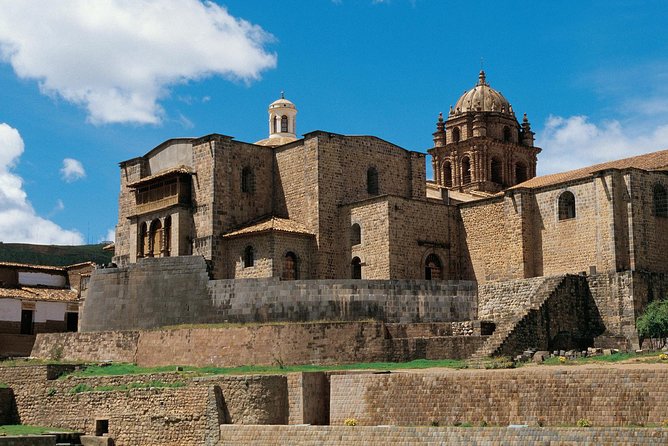
You start at Qorikancha, once the Temple of the Sun. The important idea here is not the legend of gold walls, it’s the fact that the Inca stonework is still the backbone. The convent built on top shows the fusion of Inca and colonial architecture, so you’ll literally see history stacked. That matters because later Inca sites feel more like living systems than random ruins.
Next is the Cusco Cathedral. I like the way this stop is framed: it isn’t only about Christian art, it’s about how the building sits on older Inca foundations. You’ll also see colonial-era artwork tied to the Cusco School of Art. If you care about how styles and symbols blend when empires collide, this is one of the more satisfying stops in Cusco.
Then you climb to Sacsayhuaman. This is the site for big Inca engineering visuals. Huge stone blocks, some over 4 meters, fitted with no mortar. That kind of construction is hard to fully picture from photos, so being there is the point. The tour also continues to Q’enqo for ceremonial rock carving, Tambomachay (often called the Inca Baths) for aqueduct-like water channels, and a panoramic look from Puca Pucará on the way back.
Drawback to consider: Cusco is at altitude, and days like this add walking and time outdoors. If you’re altitude-sensitive, go easy in the morning, hydrate, and consider speaking with your doctor before you travel, since altitude sickness medicine is specifically recommended in the trip info.
Sacred Valley without chaos: Pisac ruins, markets, and Yucay’s living culture
The Sacred Valley day is built to keep your interest layered: ruins, then village life, then craft and tradition. That mix helps the region feel real, not staged.
You start with the Sacred Valley drive through the Urubamba River area, which gives you that sense of why the Incas cared about this place. Fertile land, workable climate, and strategic location. That practical angle is worth paying attention to because it explains why terrace systems and agricultural sites show up everywhere.
Pisac is your main ruin stop, perched high above the valley. You’ll see well-preserved Inca engineering with terraces and ceremonial structures, plus the views over the colonial town below. Then you head down into the Pisac village itself. This part is one of the most enjoyable pieces of the day because you get narrow cobblestone streets and adobe houses alongside the market scene.
And yes, there’s a market. You’ll get time to shop for handmade textiles, ceramics, silver jewelry, and other crafts from local artisans. If you’re careful with your spending, this is also a good place to buy gifts that feel tied to place instead of generic souvenirs.
After that, the tour includes the Museo Inkariy and then Yucay Live Culture Center. I like Yucay because it turns “textiles matter to the Incas” into something you can actually watch. You’ll see weaving and dyeing techniques, adobe-making, preparation of chicha (corn drink), and you’ll spend time with Andean camelids like llamas and alpacas.
Possible drawback: this day can be long with multiple stops, so keep expectations flexible. You’ll want breaks, even if the pace feels managed.
Moray’s microclimates and Maras salt pans: science plus surreal photos
This is a day for people who like the why behind the landscape.
Moray is fascinating because of its circular terraces. The idea presented is that the site recreated up to about 20 microclimates, like an agricultural laboratory. You don’t need a biology degree to appreciate it, but it helps you understand how Inca farmers manipulated temperature and growing conditions using the terrain itself. Standing among the terraces, you can see how clever design reduces risk.
Then you go to Salinas de Maras, the salt mines. This spot is unique because the salt pans are still being worked by local families. The view is also dramatic, thousands of small shallow pools filled by salty spring water that evaporates under the sun, leaving a glistening result against red clay hills. It’s one of those places where photos look good, but the real wow is scale and the contrast of colors.
Practical tip: bring sun protection. Between outdoor terraces and open salt flats, shade can be limited.



Machu Picchu by train: how the day flows and where timing can sting
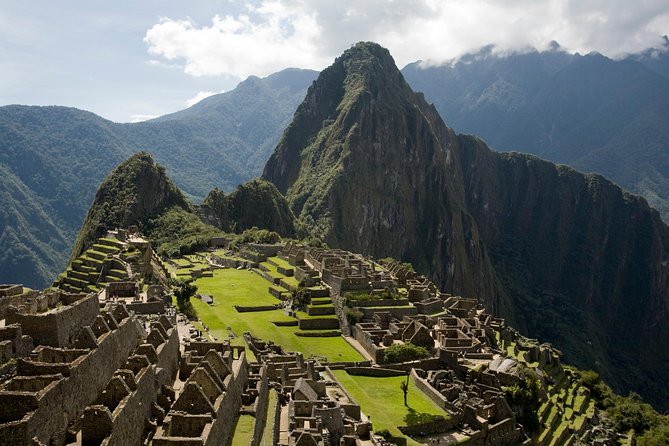
Machu Picchu is the headline. The route here is set up to reduce stress: you board at Ollantaytambo station, ride the train to Machu Picchu station, then use a bus up to the site.
Once you arrive, you’ll be guided through the terraces, staircases, ceremonial sites, and urban areas. This matters because Machu Picchu can feel like one giant postcard if you wander randomly. With a planned entry and route options, you see more of the story of how the city works.
You also get lunch at the coordinated time. The included meal is a buffet lunch at Sanctuary’s Lodge restaurant, which means you have a fixed point to refuel before the return train and transfer back to Cusco.
Now, the part to treat seriously: Machu Picchu now uses visitor circuits. Route 2 is given priority, and if it’s not available, you’re informed about circuit 3B or circuit 1B options before tickets are issued. Also, the Machu Picchu admission ticket is not refundable, and date changes or amendments are not accepted. If you need to change your visit date, you’ll need a new entrance ticket.
This is where one real-world issue shows up from a past booking: one person reported feeling rushed and spending less time at Machu Picchu than they expected because of how lunch timing was handled. You should protect yourself from that kind of disappointment by treating lunch timing as part of your visit plan. If you want a slower pace, say so early to your guide and clarify how much time you’ll have between entry and lunch.
The Andes to Puno: Andahuaylillas, Racchi, La Raya, and Pucará
After Cusco, you switch from day-trip mode to “journey with stops,” which helps break up the long travel segment.
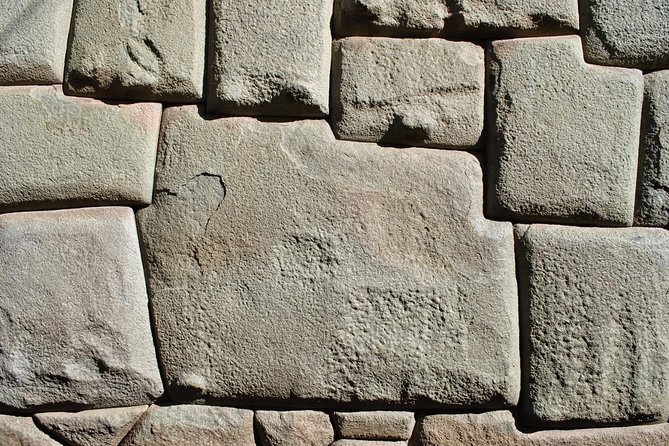
The tour bus heads from Cusco region toward Puno, and the plan includes meaningful stops rather than just driving. First is Andahuaylillas, where you’ll visit a beautiful chapel. Then comes Racchi, the Temple of the Wiracocha god, with impressive walls and narrow streets. You also get lunch time and a viewpoint stop at La Raya, described as the natural border between Cusco and Puno.
Before arriving, you stop at the Pucará Museum. You’ll also get a chance to get one of the local bull-shaped ceramics. This is one of those small shopping moments, but it also gives you a connection to regional craft traditions outside the main Inca sites.
You arrive in Puno late afternoon. That timing is useful because it keeps Lake Titicaca day from getting eaten by travel delays, but it also means you’ll likely want a low-key evening.
Lake Titicaca day that focuses on people: Uros and Taquile
This is a full day on the lake, with an emphasis on living traditions.
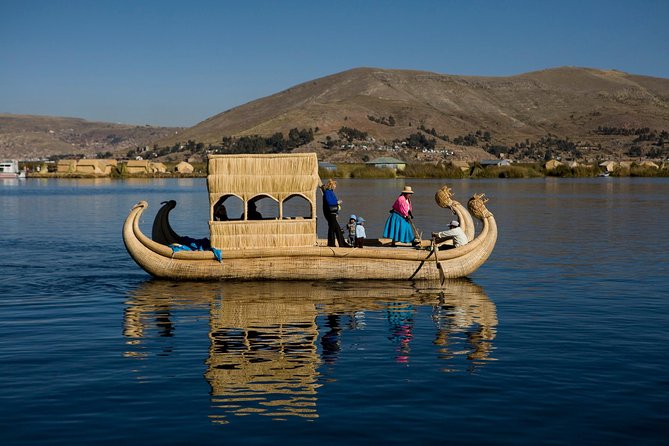
First come the Uros floating islands, built by hand using totora reeds. The tour includes time with the inhabitants of these islands. Next you head to Taquile Island, where settlers still maintain ancestral traditions and wear colorful typical clothing. You’ll have time to explore and get some of the best lake views.
A typical lunch is provided on the island. Then you return to the city in the afternoon.
A useful way to manage expectations: Lake Titicaca can feel like it’s about scenery and boats, but what keeps this day worthwhile is the human dimension. If you like cultural contact more than just ticking geography off, this stop will work well.
Price and what you actually get for $1,280
At $1,280 per person, this isn’t a cheap trip, but the cost starts to make sense when you list what is included and what is not.
What you get included:
- Round-trip arrival and departure airport transfers
- Guided city tour in Lima and major guided stops in Cusco and Sacred Valley
- Voyager train tickets for the Machu Picchu day
- Machu Picchu excursion with a buffet lunch at Sanctuary’s Lodge
- Bus transfer from Cusco to Puno with visits and lunch on route
- Lake Titicaca day with Uros and Taquile plus a typical lunch
- 7 nights accommodation at selected hotels
- 3 lunches and 7 breakfasts included
What you do not get:
- Flights tickets (you fly Lima to Cusco)
- Food and drinks beyond what’s specified
For value, the biggest money-savers are the train tickets and the structured transfers, especially around Machu Picchu, where last-minute changes are painful. Also, the tour caps at a maximum of 15 travelers, which usually helps keep group logistics from turning into herding.
Still, watch for downtime risk. One past booking mentioned a long stretch with no planned activities after Machu Picchu, and they also struggled to get hotel name and schedule information in advance. You can reduce that risk by requesting your day-by-day timing and lodging details as soon as you book, not a day before.
Who should book this, and who should think twice
This tour fits best if you:
- Want major Inca sites plus colonial highlights without planning day-by-day logistics
- Prefer to have transport handled, especially for the Machu Picchu train and bus connection
- Enjoy a mix of ruins and hands-on culture, like weaving and dyeing in Yucay
- Like finishing in Puno so you can keep going toward Bolivia or add nights in Peru
Think twice if you:
- Hate timing constraints and want maximum free time at each big site
- Need a highly detailed schedule far in advance and get anxious when hotel info or day timing isn’t sent early
- Are especially sensitive to altitude and prefer a slower start or additional acclimatization options
A small but important note from the trip details: when booking your flight from Lima to Cusco, it must be in the morning. Arrival by noon is too late. If you’re mixing international flights, build in extra buffer time.
Should you book 8-Days Peru, The Rise of the Inca Empire?
If your priority is seeing Lima, Cusco, Sacred Valley, Machu Picchu, and Lake Titicaca in one organized sweep, this is a strong choice. The overall rating is high at 4.8 with 94% recommended, and that usually points to the trip doing the basics well: transport, timing, and coverage of the big emotional hits.
My recommendation is conditional, but practical: book it if you’re comfortable following a set plan on Machu Picchu day, and take two steps to protect your experience. First, confirm your Machu Picchu circuit option and understand your visit timing. Second, ask for your hotel names and day timing earlier than the evening before so you’re not stuck guessing.
FAQ
Where does the tour start and end?
The tour begins in Lima and ends in Puno.
Is airfare included?
No. Flight tickets are not included. You fly Lima to Cusco.
Does the tour include airport transfers?
Yes. It includes round-trip arrival and departure airport transfers, plus transfer bus station to hotel and to the airport.
What is the maximum group size?
The tour has a maximum of 15 travelers.
Are Machu Picchu tickets refundable?
No. The Machu Picchu admission ticket is not refundable, and date changes or amendments are not accepted.
What Machu Picchu visitor circuit will I get?
Route 2 is given priority. If route 2 is not available, you are informed about circuit 3B or circuit 1B options before tickets are issued.
How do you travel to Machu Picchu?
You board at Ollantaytambo station, take the train to Machu Picchu station, then go by bus up to Machu Picchu.
What meals are included?
Breakfast is included for 7 days, and lunch is included for 3 days, including the Machu Picchu buffet lunch and typical lunch during the Lake Titicaca stop.
Can I join if I’m worried about altitude?
Most travelers can participate, but the trip info recommends bringing altitude sickness medicine or asking a doctor for advice before you depart.
How far in advance can you cancel for a full refund?
You can cancel up to 24 hours in advance for a full refund.
More Tour Reviews in Lima
- Lima: Ultimate Peruvian Food Tour
★ 4.9 · 700 reviews - Full Day Paracas Ica and Huacachina from Lima All Included
★ 4.5 · 623 reviews - Lima’s Vibrant Heritage: Exploring the City’s Landmarks Half-day
★ 4.5 · 581 reviews - From Lima: Day trip to Paracas, Ica and Oasis Huacachina
★ 4.6 · 409 reviews - Private transfers from Lima Airport or to Lima Airport
★ 4.0 · 359 reviews
Freshly reviewed across Lima
- LIMA: HALF-DAY SANDBOARDING TOUR★ 4.5 · 3 reviews
- Lima: Escapada de 2 Días a la Reserva Nor Yauyos-Cochas★ 3.1 · 3 reviews
- Private Tour Casa Aliaga,San Francisco Convent, Larco Museum★ 4.8 · 3 reviews
- From Lima : 360° Panoramic Bus★ 4.0 · 3 reviews
- Lima: Market Tour and Cooking Class with Pisco Sour★ 5.0 · 3 reviews
- Lima: Market Tour, 35 Fruits Tasting & Cooking Class★ 5.0 · 3 reviews