
REVIEW · PERU
Ayahuasca Ceremony 1 Day in Cusco
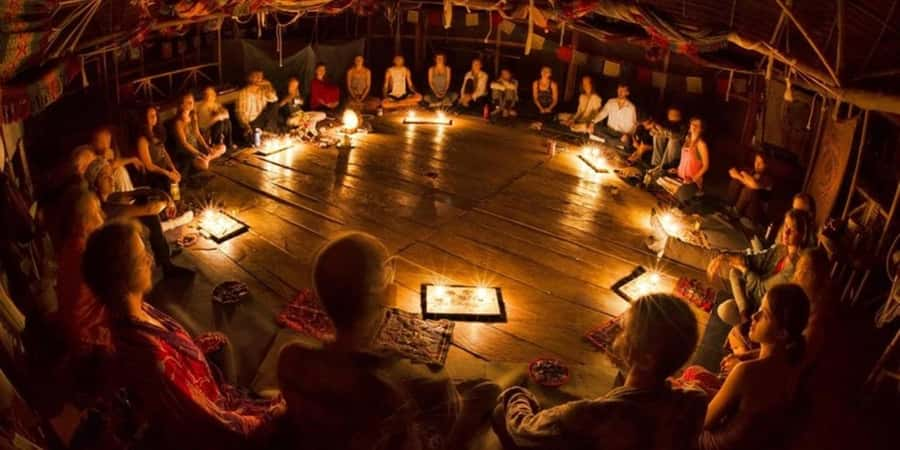
Cusco night + cactus medicine can be a surprisingly gentle shift. I love the small-group setup and the grounded pacing that centers on Connect, Heal, Release, not hype. The only real catch is that the ceremony is very strict about preparation and rules, and the altered states are described as subtle rather than dramatic visuals.
The biggest recurring praise I see is for Maestro Luis and the calm safety vibe, with clear guidance from pickup through the opening ritual and meditation. You also get a remote-feeling setting only about 15 minutes from Cusco, which helps the whole thing feel less like a show and more like a real pause.
In This Review
- Key points I’d plan around
- San Pedro Wachuma in Cusco, not a loud party ritual
- Getting out of Cusco fast, then turning down the volume
- The opening ritual: fire, black tobacco cleansing, and a slow descent
- What you can expect from Wachuma: subtle, conscious, and body-forward
- Energetic cleansing with the 4 elements, why that structure helps
- Pisac time: guided walk, tea ceremony, and a rustic night
- The diet rules: the part that changes everything
- What to bring, plus what you will wish you packed
- Price and value: what you are paying for and who it fits
- Safety vibe, language support, and the role of Maestro Luis
- Who should not book, and who should think twice
- Should you book this Cusco San Pedro Wachuma ceremony?
- FAQ
- What medicine is used in this Cusco ceremony?
- How long does the Wachuma experience last?
- Will I lose consciousness during the ceremony?
- Where is the ceremony located relative to Cusco?
- How many people are in the group?
- What pre-ceremony diet is recommended?
- What should I bring?
- Who should not take part?
- What languages are offered?
Key points I’d plan around
- Maestro Luis at the center of it: strong feedback on feeling supported and understood from the start.
- Fire, black tobacco cleansing, and flowery water: your body is guided into a relaxed state before the medicine.
- San Pedro Wachuma effects lasting 5 to 7 hours: described as mostly in the physical-emotional body, with no loss of consciousness.
- Energetic cleaning with the 4 elements: earth, fire, air, and water show up as part of the ritual structure.
- Pisac add-ons with rustic lodging: a guided walk, tea ceremony, and a night stay can make this more than just one hour of ceremony time.
Nearby in Cusco, these earned their own write-ups
- Machu Picchu Day Trip from Cusco
★ 4.5 · 1,644 reviews - From Cusco: 2-Day Trip to the Sacred Valley and Machu Picchu
★ 4.6 · 265 reviews - From Cusco: 1-day Machu Picchu Tour by Train
★ 4.6 · 138 reviews - Machupicchu 1 day tour
★ 5.0 · 128 reviews
San Pedro Wachuma in Cusco, not a loud party ritual
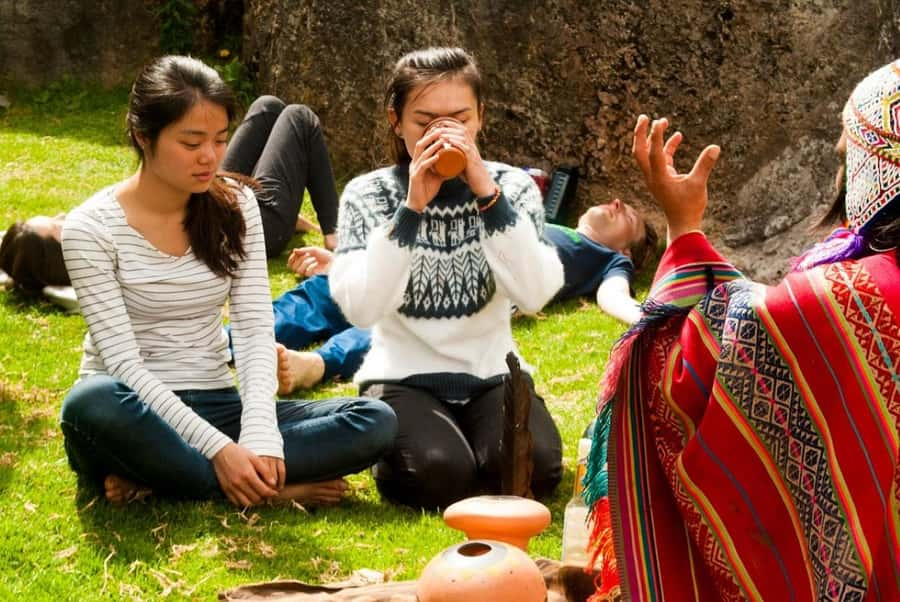
This experience is named like an ayahuasca ceremony day in Cusco, but the medicine described here is San Pedro Wachuma, a cactus-based ritual drink. The timing, instructions, and what you are supposed to feel align with Wachuma specifically, including the note that you stay conscious.
That matters for expectations. If you are hoping for a big Hollywood-style blast of visuals, you might feel underwhelmed. If you want a calmer, body-first experience where you quiet the mind and look inward, this format seems built for that.
What I like most is the stated aim: connect, heal, release. The language may be spiritual, but the structure is practical. You get a clear opening, a guided space, time to rest, and then a guided way to integrate and let go of accumulated energy charges in the body.
Getting out of Cusco fast, then turning down the volume
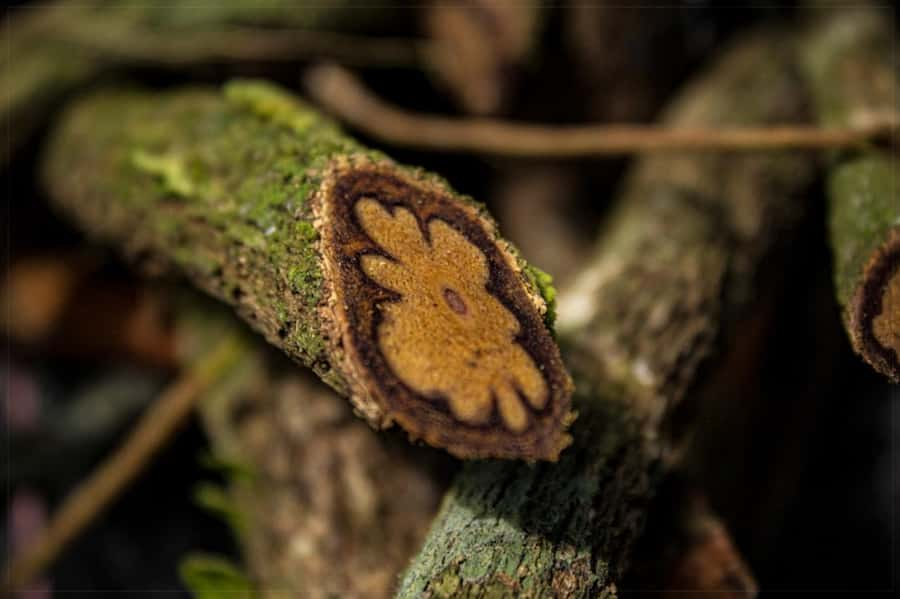
The ceremony site is close to Cusco, around 15 minutes away, but still described as natural and remote. That combination is useful. You do not spend your whole evening fighting traffic or altitude logistics, yet you still get away from city noise.
Pickup is offered from multiple Cusco locations, including major hubs like Plaza de Armas and nearby neighborhoods such as San Sebastián, San Pedro Market, and Wanchaq. The transfer is private round trip, which is a big value for a one-day or short overnight format. You are not squeezed into a mixed shuttle lineup.
The group size is limited to 10 participants, which often changes the tone. You tend to get more attention during the opening and questions, and the ceremony can feel less crowded in the sacred space.
The opening ritual: fire, black tobacco cleansing, and a slow descent
Before anyone drinks, the ceremony begins with lighting the fire. From there, you go through a cleansing process using black tobacco and flowery water. Even if you are not steeped in Andean traditions, this sequence gives your nervous system a cue: this is not casual. It is staged.
Next, you prepare with a small meditation to drink the ancestral medicine. The experience description puts the onset around 1 hour after drinking, and it emphasizes that the altered state is very subtle at first. You might notice changes in how you perceive air and the environment, and that gradual shift is part of what helps people feel like they are merging with the shamanic ancestral process.
The opening is also guided by fire and ancestral music with traditional instruments. That matters because it gives your attention a focal point that is not your own spinning thoughts. If your mind usually races, music plus fire plus breath cues can be a strong reset button.
What you can expect from Wachuma: subtle, conscious, and body-forward
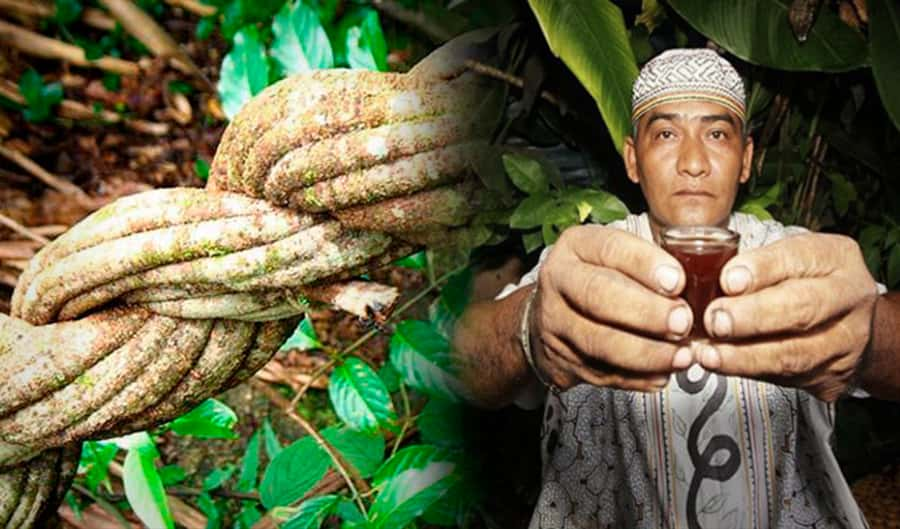
The document here is clear: you experience altered states in about 1 hour, but consciousness is not lost. Effects last 5 to 7 hours, continuing until midnight.
This is not sold as a chaotic ride. It is described as a quiet relaxation that lives mostly in the physical-emotional body. That is a different promise than medicines framed as purely visionary. Here, the goal is integration, harmony, and release of energy charges you have built up in your body.
You are also told that meditation induced by the Wachuma drink can feel spontaneous and natural, merging with the place’s nature and the shamanic process. The big theme is integration and unification, almost like your mind stops fighting itself and starts making peace with the present moment.
If you are sensitive, or if you are the type who gets anxious about uncertainty, the fact that consciousness is expected to remain present may feel reassuring. You still need to prepare properly, but you are not entering this with the fear of losing control.
Energetic cleansing with the 4 elements, why that structure helps
A notable part of this experience is the “energetic cleaning work” linked to the earth, fire, air, and water elements. The description frames it as a core ritual piece, connected to preparation and the shamanic process.
Even without getting into metaphysical claims, this kind of structure is useful because it gives the evening a shape. You are not just waiting for effects to happen. You are moving through stages: cleanse, meditate, drink, open sacred space, rest, and then relax into integration.
The experience also repeats that the ceremony supports releasing energy charges accumulated in the body. Again, you can interpret that however you want, but the intention shows up as a calm, release-oriented pacing, not a tough or confrontational approach.
Pisac time: guided walk, tea ceremony, and a rustic night
The schedule includes time in Pisac, including a guided tour and walking, plus an overnight rustic stay and a sunrise moment. That can be a good match for the type of person who wants more than one ceremony hour.
There is also a tea ceremony listed in the schedule. That fits the same general pattern as the main ceremony, which is gradual, ritualized preparation. Tea ceremonies often serve as a gentle way to settle you down before the main medicine window.
The practical question is timing. The activity duration is listed as 7 hours, but the inclusions include 1 night of rustic lodging and the itinerary references sunrise and an overnight. So plan for this to behave more like a short retreat block than a simple single-session add-on. If you have other bookings that require strict timing, double-check your exact pickup and return schedule with the operator before you commit.
The diet rules: the part that changes everything
If you only remember one section, make it this. The experience strongly advises a diet at least 1 day before, and ideally 3 days in advance for better reception, meditation, and rest.
The recommended approach is simple but strict:
- Avoid meat of any kind.
- Ideally avoid dinner the night before.
- Eat fruit and drink plenty of water, tea or hot tea without sugar.
- Avoid alcohol and other substances, including strong drinks.
- Rest the day before and avoid movements that create physical fatigue.
This is not busywork. It is meant to support digestion and help you have a cleaner, more comfortable experience during the meditation and integration phase.
You are also told you can eat after the ceremony, with fruit and water recommended before heading back to lodging. That is another practical detail I appreciate because it means the day has an end point for your body, not just a medicine window.
What to bring, plus what you will wish you packed
The packing list here is unusually specific, and it is worth following. Plan for cold and for comfort, especially since you might be waiting, meditating, and resting.
Bring:
- Warm clothing
- Change of clothes
- Camera
- Water (important because water is listed as not included)
- Comfortable clothes
- Gloves
- Sleeping bag
- Socks
- Cash
- Scarf
- Daypack
Why this matters: a remote-feeling space near Cusco can still get chilly, and you may be sitting or resting longer than you expect. A sleeping bag suggestion also tells you the lodging is rustic, so do not assume hotel bedding comfort.
Also pay attention to what is not allowed:
- Intoxication, alcohol, and drugs
- Smoking indoors and in the vehicle
- Weapons or sharp objects
- Alcoholic drinks in the vehicle
- Littering
- Short skirts, and several other items are listed as not allowed
- Pets are not allowed (assistance dogs allowed)
If you arrive without warm layers, you might spend mental energy on comfort instead of calm integration.
Price and value: what you are paying for and who it fits
The price is listed at $380 per group (shown as up to 1 participant in the provided details). That can sound steep until you look at what’s included.
You get:
- Private transportation round trip (Cusco to Pisac)
- The San Pedro Wachuma ceremony
- Wachuma drink or medicine
- 1 night of rustic lodging
- Natural breakfast
- Energetic cleaning work with the 4 elements
- Ancestral music with traditional instruments
- Meditation
You are paying for a guided ritual experience that is more structured than a casual evening out. The limited group size also suggests less crowding, and the inclusion of transfer and at least one night makes this easier to plug into a Cusco itinerary.
So who should consider it?
- You want a serious, traditional format focused on relaxation, healing, and release.
- You prefer small groups with a facilitator who can respond to needs.
- You can follow the diet prep rules and show up ready to rest.
If you want a luxury setup or a purely sightseeing-heavy day, this might not match your style.
Safety vibe, language support, and the role of Maestro Luis
Safety is more than medical checklists. It is also how you are treated before and during the ceremony.
The strongest praise I see in the feedback is for Maestro Luis, described as master shaman Luis, plus the overall feeling of being guided and clarified. People also highlight ease from the first moment, hotel pickup, and staff support with questions and needs showing up as the evening changes.
Language support is English and Spanish. That’s important because the diet instructions, what to expect after drinking, and the meaning of the ritual steps can affect how comfortable you feel. If you speak either language, you should feel less in the dark.
Even with good guidance, treat this like a real health and well-being event. Avoid coming in with alcohol or other substances, and take the prep seriously.
Who should not book, and who should think twice
The experience explicitly lists these groups as not suitable:
- Children under 9 years
- Pregnant women
- People with pre-existing medical conditions
If you have any medical condition, do not assume this is fine because the effects are described as subtle and consciousness is not lost. Medical suitability is not something to guess. If you are unsure, ask your healthcare provider first.
Who might also think twice:
- People who cannot follow diet restrictions or have difficulty resting the day before.
- People who want strong, guaranteed visual hallucinations. The description emphasizes subtle perception shifts, relaxation, and integration rather than dramatic outcomes.
Should you book this Cusco San Pedro Wachuma ceremony?
Book it if you want a traditional, structured ritual close to Cusco, with a calm, release-oriented approach and strong facilitator support. I’d especially consider it if the idea of fire cleansing, black tobacco cleansing, ancestral music, and a conscious, body-forward Wachuma experience feels aligned with how you want to heal and reset.
Skip it if you cannot follow the diet and rules, or if you are bringing medical concerns you have not cleared with professionals. Also skip if your top goal is intense visuals. This ceremony is described as subtle, relaxing, and integration-focused.
If you are ready for quiet work, a remote-natural setting near the city, and a small group with Maestro Luis leading the process, this is the kind of Cusco experience that can change your whole trip pace.
FAQ
What medicine is used in this Cusco ceremony?
The ceremony described here uses San Pedro Wachuma, including the Wachuma drink or medicine.
How long does the Wachuma experience last?
The effects are described as lasting about 5 to 7 hours, up to midnight.
Will I lose consciousness during the ceremony?
No. The description says consciousness is not lost at any time.
Where is the ceremony located relative to Cusco?
The site is close to Cusco, about 15 minutes away, in a natural and remote place.
How many people are in the group?
The group is limited to 10 participants.
What pre-ceremony diet is recommended?
You are strongly advised to diet at least 1 day before, and ideally 3 days before. In general, avoid meat of any kind, avoid alcohol, and eat fruit with plenty of water and unsweetened tea if possible. Dinner the night before is ideally avoided.
What should I bring?
Bring warm clothing, a change of clothes, comfortable clothes, gloves, socks, a sleeping bag, a scarf, a daypack, cash, and a camera. Water is also recommended since it is listed as not included.
Who should not take part?
This is not suitable for children under 9 years, pregnant women, or people with pre-existing medical conditions.
What languages are offered?
The instruction is available in English and Spanish.
More 1-Day Tours in Cusco
- Machu Picchu Day Trip from Cusco
★ 4.5 · 1,644 reviews - From Cusco: 2-Day Trip to the Sacred Valley and Machu Picchu
★ 4.6 · 265 reviews - From Cusco: 1-day Machu Picchu Tour by Train
★ 4.6 · 138 reviews - Machupicchu 1 day tour
★ 5.0 · 128 reviews - Machu Picchu full day trip from Cusco
★ 5.0 · 102 reviews
More Tour Reviews in Cusco
- Cusco: Humantay Lake Tour with Breakfast and Buffet Lunch
★ 4.9 · 2,976 reviews - From Cusco: Moray, Maras Salt Mines & Chinchero Weavers Tour
★ 4.8 · 1,925 reviews - From Cusco: Full-Day Group Tour of Machu Picchu
★ 4.7 · 1,767 reviews - Machu Picchu Day Trip from Cusco
★ 4.5 · 1,644 reviews - Cusco: Half-Day City Tour with Sacsayhuaman and Q’enco
★ 4.6 · 1,129 reviews
Freshly reviewed across Cusco
- Excursion Cusco – Puno – Titicaca Observatory Train★ 5.0 · 3 reviews
- Sacred Valley Vip Cusco★ 4.7 · 3 reviews
- Cusco | Humantay Lake 1-Day Tour with Breakfast and Lunch★ 5.0 · 3 reviews
- Full-Day Condor Viewpoint & Inca Sites Tour★ 5.0 · 3 reviews
- Best of Cusco: Private Walking Tour with a Local★ 3.6 · 3 reviews
- From Cusco: Full-Day Private Sacred Valley Tour★ 5.0 · 3 reviews