
REVIEW · PERU
Cochahuasi Animal Sanctuary® Admission Ticket
A trip to Cochahuasi changes how you see wildlife. With a prebooked ticket, you avoid waiting in line and get a guided walk through rescued Andean animals and the conservation work behind their care. The whole visit is paced so you can take it in at a calm, practical speed, not as a rushed photo stop.
I especially like the local guide format, because you’re not just looking at animals, you’re getting clear explanations of what happened to them and what the sanctuary can realistically do next.
One heads-up: the place may not feel like a postcard sanctuary. Some animal areas can seem small or enclosed, and your reaction will depend on how you personally handle the reality of rehabilitation facilities.
In This Review
- Quick hits before you go
- What Cochahuasi is doing for Andean wildlife
- Price, timing, and value from Cusco
- The visit flow: how your guided walk actually plays out
- Stop 1 at Cochahuasi: what you’ll see and what you’ll learn
- Animals in rehab, cages, and the question of expectations
- Transportation from Cusco: keep the day smooth
- What to bring, and what to skip
- Who should book Cochahuasi, and who might prefer something else
- Should you book this ticket?
- FAQ
- How long is the Cochahuasi Animal Sanctuary admission visit?
- What is included in the ticket?
- Is food or drinks included?
- Do children need to be with an adult?
- What group size should I expect?
- What is the cancellation policy?
Quick hits before you go
- Skip-the-line timing: book ahead so you do not lose time when you arrive.
- Rescue and rehab focus: many animals cannot be released due to injuries or human imprinting.
- Real conservation education: the guide explains recovery stories and what conservation efforts mean day-to-day.
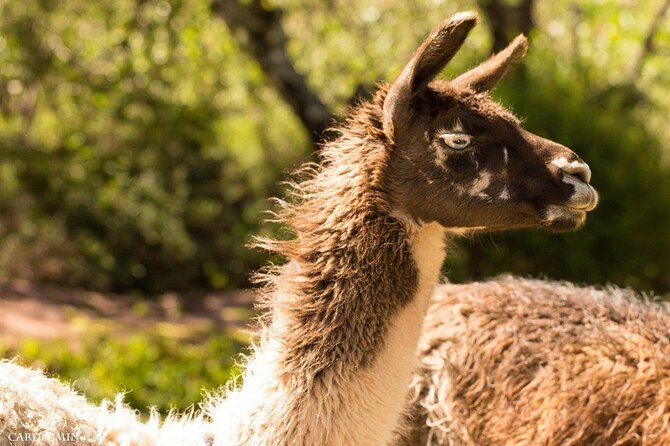
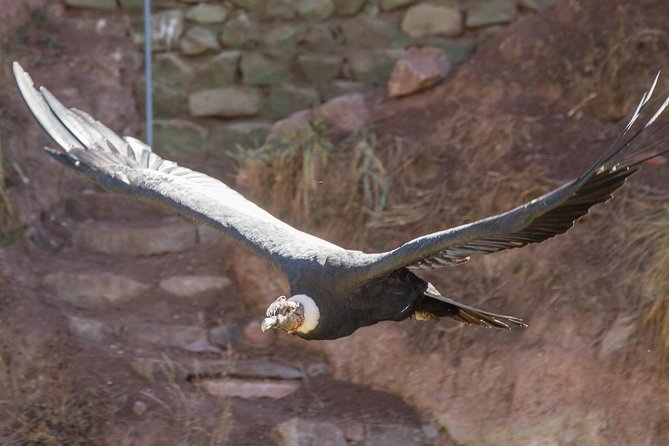
- Andean animal variety: you may see condors, pumas, bears, monkeys, llamas, and alpacas (plus other local species).
- Small group size: maximum of 15 people, which helps questions not get swallowed.
- Plan your ride: the sanctuary is relatively remote from Cusco, so arrange transport so you are not waiting around.
Nearby in Cusco, these earned their own write-ups
- 2-Day Tour: Sacred Valley & Machu Picchu – All Tickets Included
★ 5.0 · 42 reviews - Cusco Tourist Ticket and Sacred Valley Site Pass
★ 4.2 · 28 reviews - Excursion from Cusco to Machu Picchu + Entrance Tickets Incl
★ 3.9 · 16 reviews - Puno: Route Of The Sun to Cusco with Lunch and Ticket Option
★ 3.9 · 9 reviews
What Cochahuasi is doing for Andean wildlife
Cochahuasi Animal Sanctuary is built around a simple truth. When wild animals are abused, trafficked, injured, or raised by humans, returning them to life in the wild is not always possible. The sanctuary’s whole reason for existing is to give those animals a safe future, even when that future is not freedom.
This is not a place that promises a perfect rescue ending for every animal. The good news is that there is real conservation thinking here. Many rescued animals cannot go back to the wild because of health issues or because they’ve become too used to people. In those cases, sanctuaries become a permanent home, with treatment, care, and monitoring.
You also get a more honest education than the usual wildlife poster version. The sanctuary’s guides explain that rehabilitation is complex. Some animals can be released after recovery, while others need ongoing care. That distinction matters, because it turns a one-hour visit into a chance to understand why conservation is hard work, not a single feel-good moment.
Price, timing, and value from Cusco
The admission ticket is $10 per person, and the visit runs about 45 minutes to 1.5 hours. That time window is a sweet spot in Cusco. You get enough time to walk, listen, and see multiple animal areas without it eating your whole afternoon.
Booking ahead usually helps. This experience is commonly booked about 6 days in advance, and the main advantage you’re paying for is practical: you avoid waiting in line. In a busy tourist city, saving time is not just comfort. It gives you more control over your day.
Here is another value angle that stood out from experience with local pricing. One account noted that paying at the sanctuary on site can be 20 soles per person, while the advance ticket comes out to $10 USD. Exchange rates move, but the big idea is the same: in many cases, prebooking can be a better deal plus less hassle.
Group size is capped at 15 travelers, and that matters more than you might think. Smaller groups tend to mean your guide can answer questions without rushing. It also makes the walk feel less like a cattle-line and more like a guided tour where you can pause and actually look.
The visit flow: how your guided walk actually plays out
The experience is basically one stop, but it is structured. You enter Cochahuasi with a local guide, and you explore the sanctuary with the kind of pacing that is meant for learning. The format is guided, yet you also have room to see things at your own speed.
Expect the guide to focus on two things as you move through the grounds. First, they explain where the animals came from and what they went through before arriving. Second, they explain what the sanctuary is doing now, including what might happen later for specific animals.
That combination is the point of a ticket like this. If you only see animals, you might fill in the blanks with guesses. With the guide, you understand the context behind each case. You also learn how rescue and care decisions get made, which is usually the part people wish they had known once they’re already outside.
The visit is designed to be doable even if you are not super athletic, but you should still have moderate physical fitness. You’ll be moving around the sanctuary grounds for close to an hour. If you prefer long flat strolls, bring your comfortable shoes and take your time.
Also, children must be accompanied by an adult. If you’re traveling as a family, this is not a drop-off situation, and you’ll want to plan to stay with your kid throughout the walk.
Stop 1 at Cochahuasi: what you’ll see and what you’ll learn
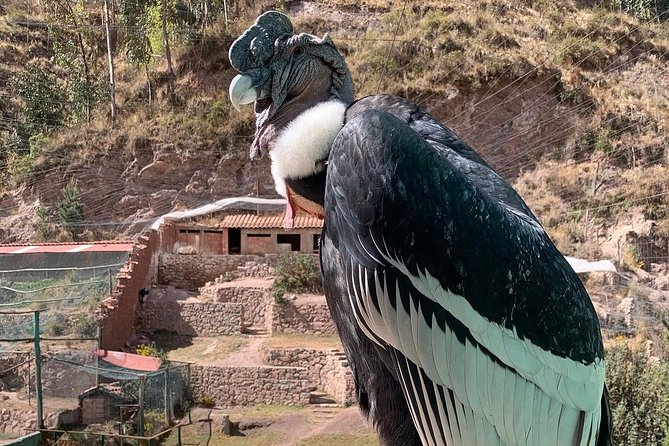
Stop 1 is the sanctuary itself. This is where you meet rescued Andean wildlife up close and hear the animals’ stories.
The guide experience tends to be the difference between a quick look and an educational visit. The sanctuary staff and guides are described as passionate about their work and comfortable answering questions. That matters because many of the animals you see have histories that are difficult to process.
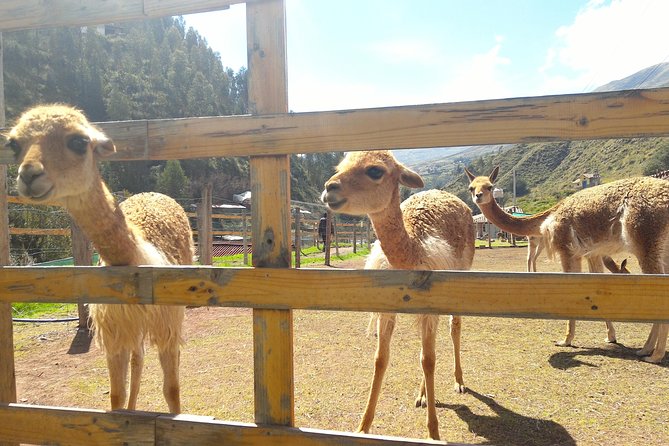
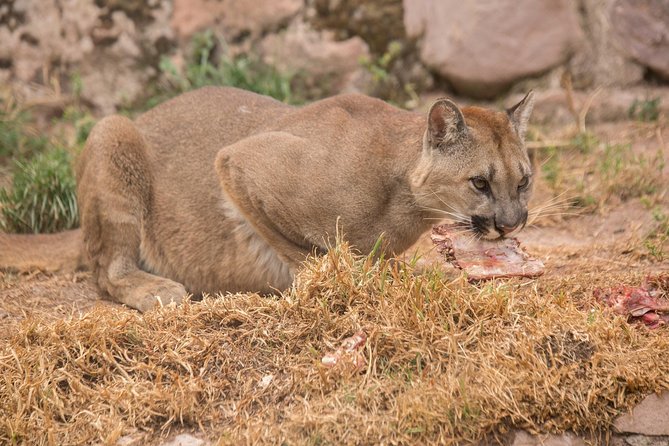
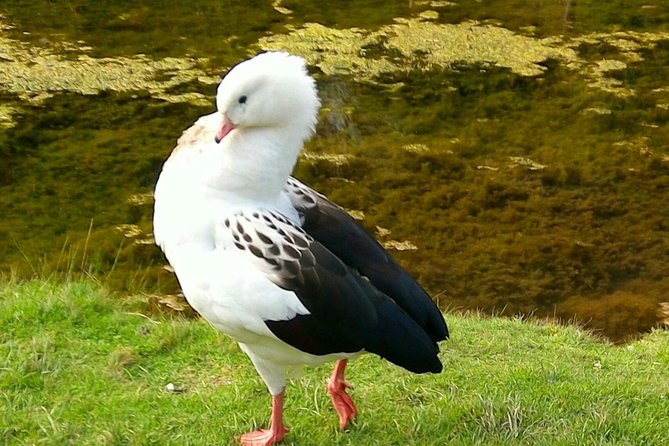
Here are species you may encounter, based on what people say they saw: condors, pumas, bears, monkeys, llamas, and alpacas. The exact lineup can vary, but the animal variety is usually a core part of why people book this.
One detail that made the visit feel more real for many people is the way the guide connects the animal’s condition to the care plan. For example, one account highlighted pumas that had teeth and claws removed in a previous situation. The sanctuary helped by creating dentures so the animals could eat meat again. That is not a gimmick. It’s a practical example of the kind of problem-solving sanctuaries do.
You might also get hands-on moments with calmer animals such as alpacas, depending on how things are operating during your visit. Some accounts specifically mention feeding and petting alpacas as a highlight. If that part matters to you, go in with patience and a listening attitude. The guide will tell you what’s allowed and what’s safe for both you and the animals.
And remember the broader lesson the sanctuary tries to teach. Even when an animal looks healthy enough to view, their story can include trauma, injury, or human interaction that changes their future. That is why the guide’s explanations matter so much.
Animals in rehab, cages, and the question of expectations
This is the tricky part, and it’s why I’m being upfront. A sanctuary can be both compassionate and difficult to see.
Some people come away feeling the animals are safe, well cared for, and content, and they note the guide’s explanations made it easier to understand the living areas. Others feel the facilities look more like enclosures than what they expected from the word sanctuary. One account described small spaces and maintenance issues.
So how do you handle that without turning it into an argument in your head? Start with what the sanctuary itself implies in its mission: many animals cannot be released, so they are going to spend time in controlled areas. That can look harsh if you expect open savanna freedom.
At the same time, you can look with both eyes. Ask the guide questions about the animal’s condition and the purpose of each enclosure. If the guide explains treatment plans, recovery stages, or why a specific animal cannot be released, you’ll see the logic behind the setup.
If hygiene or maintenance is a concern for you, take a moment to observe from a respectful distance. The goal is not to nitpick. The goal is to judge whether the sanctuary is offering the safety and care it claims to deliver. Your standards should be about animal welfare, not about whether the place looks like a perfect tourist attraction.
Also, you might notice that the sanctuary team responds to criticism by emphasizing that all animals were rescued from situations of abuse or illegal trafficking, and that animals not releasable are still given safe and appropriate conditions. That response matters. It means they take feedback seriously and see this as an improvement process, not a finished product.
Transportation from Cusco: keep the day smooth
Cochahuasi is about 30 minutes from Cusco, but the key detail is that the sanctuary can feel remote. One account mentioned the visitor took an Uber and then realized they needed a return plan. That kind of mistake is easy to make, especially if you’re trusting app pickup times too much in a place with limited access.
The practical solution is simple: arrange your round trip. Some people say that when you take a cab or Uber there, you can pay a small fee and have the driver wait while you visit, then return you to Cusco. That is the easiest way to avoid getting stuck while you wait for transport.
If you prefer a less stressful plan, ask your taxi driver in Cusco to confirm pickup timing before you go. Build in buffer time. This is not about being late. It’s about giving yourself slack so the visit stays calm.
What to bring, and what to skip
Food and drinks are not included, so plan accordingly. You can usually make this work with a simple plan: eat before you go, then bring small personal items like water.
Because this is an animal-focused visit with walking time, wear shoes you can handle on uneven ground. Also, keep in mind that you may spend some time standing or pausing while the guide explains a case.
If you’re sensitive to animal welfare visuals, prepare yourself mentally before you arrive. The stories can be intense because they involve abuse, trafficking, or injury. The guide context can help you process it, but it does not erase the reality.
Who should book Cochahuasi, and who might prefer something else
This ticket fits well if you love wildlife and want conservation education that is grounded in real rescue work. You’ll probably enjoy it most if you like learning how rehab decisions get made, not just seeing animals for a quick glance.
It also makes sense for travelers who want a manageable half-day option in Cusco. The visit length is short enough to slot into a busy itinerary, and the group cap keeps it from feeling chaotic.
It might be less satisfying if you are expecting a polished, open-range, resort-style experience. The sanctuary’s value comes from doing difficult rehabilitation work for animals who cannot return to the wild. That can look small, enclosed, or plain, even when the care is sincere.
For families, it can work if the child can handle a guided walk and you’re comfortable staying with them the entire time. The requirement that children be accompanied by an adult means you will be part of the experience, not watching from the sidelines.
For anyone with mobility limits, remember the requirement of moderate physical fitness. If you’re unsure, bring extra time and ask about pacing when you arrive.
Should you book this ticket?
Book it if you want a guided wildlife conservation visit that teaches you why some animals have to live in sanctuaries and how rehab changes outcomes. The advance ticket is also a practical win, and the price is low enough that you can justify the learning experience even on a tight budget.
Skip or rethink if you need a more traditional, “open zoo” feel and you know you struggle with enclosures or maintenance issues in animal care settings. Also, if you do not want to think about transport from a remote location, make sure you’ve arranged your return ride before you step in.
If you do go, go with the right expectation. This is not about perfect freedom. It’s about survival, treatment, and the hard choices conservation requires.
FAQ
How long is the Cochahuasi Animal Sanctuary admission visit?
It typically lasts about 45 minutes to 1 hour 30 minutes.
What is included in the ticket?
A local guide is included.
Is food or drinks included?
No, food and drinks are not included.
Do children need to be with an adult?
Yes. Children must be accompanied by an adult.
What group size should I expect?
The experience has a maximum of 15 travelers.
What is the cancellation policy?
You can cancel for a full refund if you cancel at least 24 hours before the experience’s start time. If you cancel less than 24 hours before, the amount paid is not refunded.
More Tickets in Cusco
- 2-Day Tour: Sacred Valley & Machu Picchu – All Tickets Included
★ 5.0 · 42 reviews - Cusco Tourist Ticket and Sacred Valley Site Pass
★ 4.2 · 28 reviews - Excursion from Cusco to Machu Picchu + Entrance Tickets Incl
★ 3.9 · 16 reviews - Puno: Route Of The Sun to Cusco with Lunch and Ticket Option
★ 3.9 · 9 reviews - From Cusco: Machu Picchu Tour with Hiking Ticket
★ 5.0 · 6 reviews
More Tour Reviews in Cusco
- Cusco: Humantay Lake Tour with Breakfast and Buffet Lunch
★ 4.9 · 2,976 reviews - From Cusco: Moray, Maras Salt Mines & Chinchero Weavers Tour
★ 4.8 · 1,925 reviews - From Cusco: Full-Day Group Tour of Machu Picchu
★ 4.7 · 1,767 reviews - Machu Picchu Day Trip from Cusco
★ 4.5 · 1,644 reviews - Cusco: Half-Day City Tour with Sacsayhuaman and Q’enco
★ 4.6 · 1,129 reviews
Freshly reviewed across Cusco
- Excursion Cusco – Puno – Titicaca Observatory Train★ 5.0 · 3 reviews
- Sacred Valley Vip Cusco★ 4.7 · 3 reviews
- Cusco | Humantay Lake 1-Day Tour with Breakfast and Lunch★ 5.0 · 3 reviews
- Full-Day Condor Viewpoint & Inca Sites Tour★ 5.0 · 3 reviews
- Best of Cusco: Private Walking Tour with a Local★ 3.6 · 3 reviews
- From Cusco: Full-Day Private Sacred Valley Tour★ 5.0 · 3 reviews