
REVIEW · PERU
Cusco: Archaeological Park Morning Tour
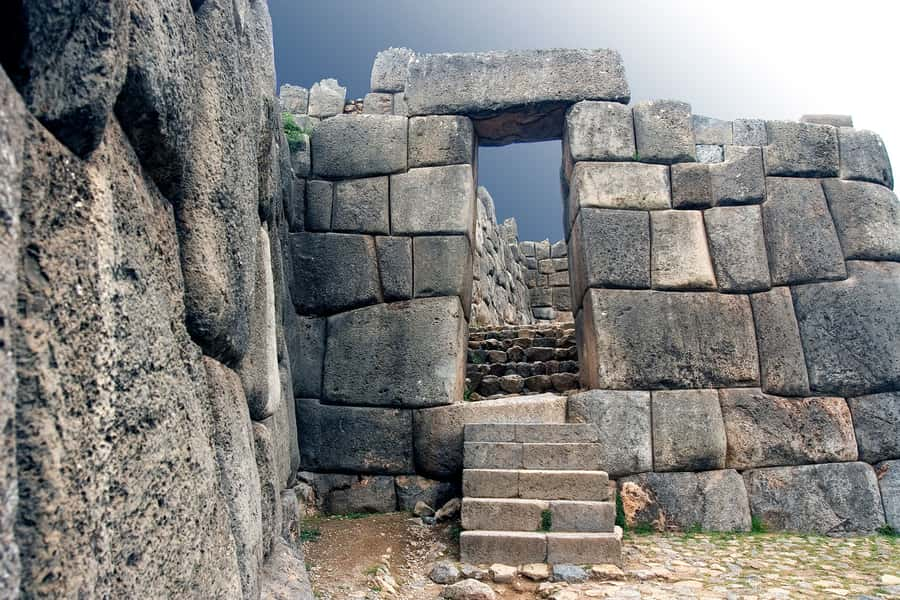
Inca stone plus morning light make this tour special. I love the scale of Sacsayhuaman and how it ties into Inca sun worship and water use, and I also love the eerie, underground feel of Qenqo and its sacrifice galleries. The main drawback is simple: the base price does not include site tickets, and if your hotel pickup notes are fuzzy, drop-off can feel a bit messy.
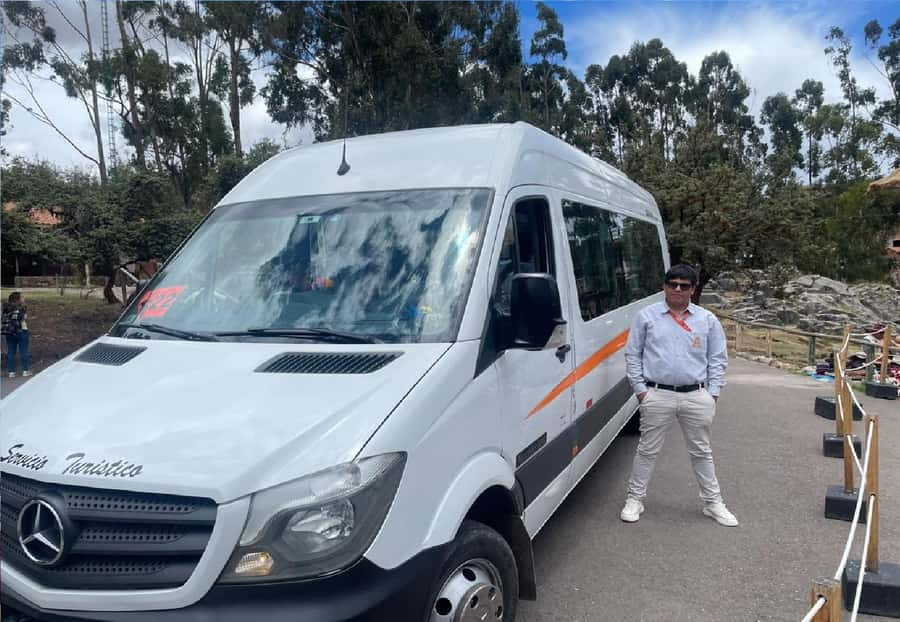
This is built as a tight, structured 6-hour morning: you get hotel pickup around 8:45 AM, a guided start at Coricancha, then you head out to the big ruins. You’ll also get a photo stop in the Bosque de Eucaliptos area before finishing back near central Cusco by about 2:00 PM to 2:30 PM.
If you like history that’s tied to how people actually lived, this route works. It focuses on how the Incas used water and designed sacred spaces, not just quick photo moments. Wear comfortable shoes and bring water, because you’ll be on your feet more than you might expect.
In This Review
- Key highlights worth your time
- Cusco morning timing: how this 6-hour plan feels in real life
- Coricancha first, then out to the ruins
- Sacsayhuaman: the giant rocks and why they matter
- Qenqo’s underground galleries and the Sun God rituals
- Bosque de Eucaliptos de K’enko: a photo stop that helps your legs
- Puca Pucara: terrace lines and the idea of surveillance
- Tambomachay: Inca hydraulic engineering you can almost hear
- Price and ticket reality: what $13 actually buys you
- What to bring (and what to skip)
- Who this tour suits best
- Should you book Cusco: Archaeological Park Morning Tour?
Key highlights worth your time
- Sacsayhuaman’s massive fortifications and the way water and sun beliefs show up in the design
- Qenqo’s underground gallery layout used for rituals linked to the Sun God
- Puca Pucara’s surveillance terraces with stairways and big walls built for watching the region
- Tambomachay’s aqueducts and water gutters showing Inca hydraulic engineering in action
- A eucalyptus photo stop at Bosque de Eucaliptos de K’enko to break up the driving and walking
Nearby in Cusco, these earned their own write-ups
- Sacred Valley Experience and Machu Picchu Sunrise 2-day Journey
★ 5.0 · 60 reviews - Humantay Lake small group with late morning departure option
★ 4.5 · 55 reviews - 08am Departure Rainbow Mountain Tour: Late Morning Tour
★ 4.9 · 28 reviews - Cusco South Valley: Morning Half Day Tour
★ 4.2 · 15 reviews
Cusco morning timing: how this 6-hour plan feels in real life
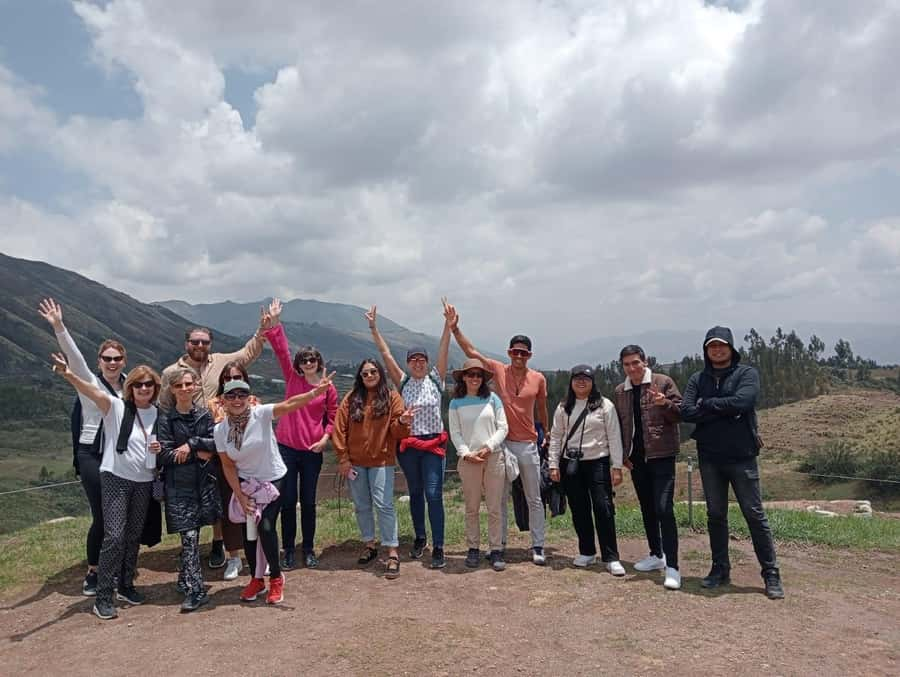
The tour runs for about 6 hours, starting with pickup around 8:45 AM. That timing matters in Cusco, because you’ll beat the later crowds and get to enjoy sites with softer morning light.
You’ll likely start with a short transfer, then a 45-minute guided visit at Coricancha. After that, the day shifts into big-outdoor terrain with the rest of the stops spread across the Cusco area. Plan your morning meal with that in mind, you’ll want energy for walking and stairs.
One practical thought: the tour ends back at the main square area, with timing averaging 2:00 PM to 2:30 PM. That’s great because you can still eat lunch near the center, but it also means the day has a “keep moving” rhythm, not a slow museum stroll.
Coricancha first, then out to the ruins
Coricancha is built into this tour as an early guided stop (about 45 minutes). Even if you’ve only heard the name, I like this placement because it sets the tone for the rest of the morning, sacred spaces and beliefs come first.
The day also includes a quick bus or coach transfer period early on, around 20 minutes. That’s useful on a half-day, because you spend more time actually looking at ruins and less time figuring out routes on your own.
What to watch for here is your pace. With multiple guided segments, you’ll hear a lot of information in a short time window. If you’re the type who likes to take notes, bring a pen or use your phone notes app, because you can miss details if you’re just bouncing from photo to photo.
Sacsayhuaman: the giant rocks and why they matter
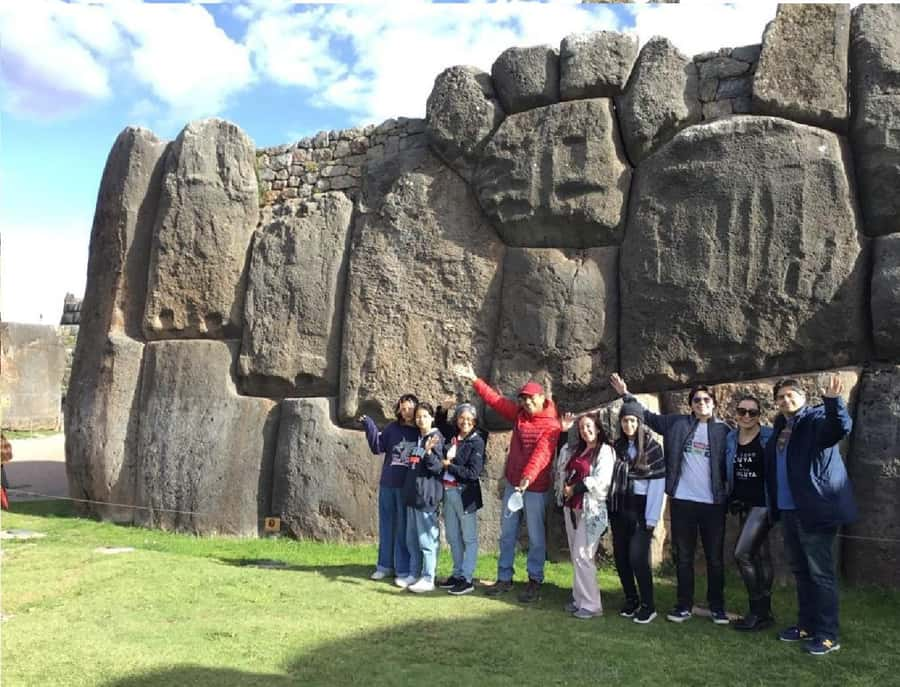
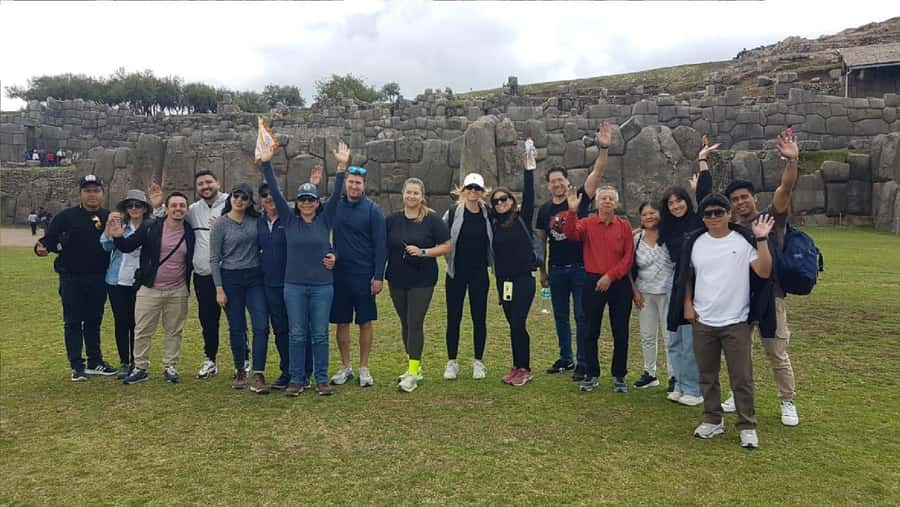
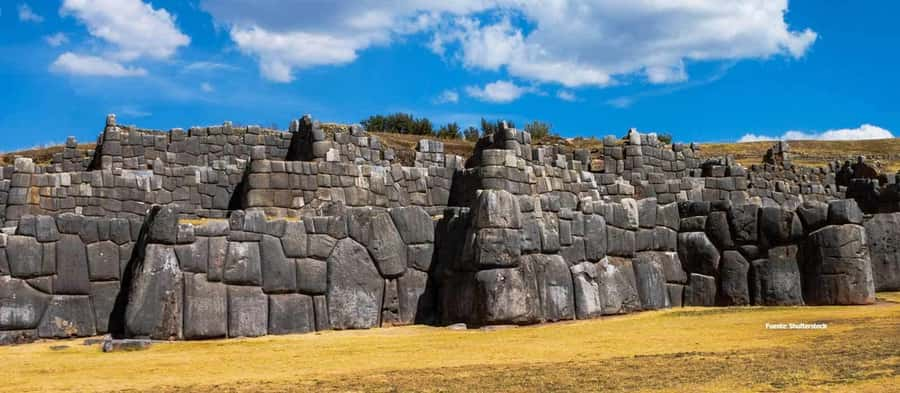
Sacsayhuaman is the big stone moment on this itinerary. You’ll have about 45 minutes guided here, and the focus is not only the views, it’s the way the Inca built with purpose.
This stop is tied to reverence for the sun god, and the tour description also points you toward the relationship between the sacred setting and water use. Translation for your day: don’t just look at the “wow” rocks. Look for how the place is shaped and organized, because that’s what the guide will connect to ritual and daily life.
Two things I like about Sacsayhuaman for first-timers:
- It’s visually dramatic even if you’re tired, the scale does the heavy lifting.
- It gives you a way to understand Inca planning, sacred space was integrated into the landscape and practical engineering.
A drawback to keep in mind is the walking. Even if the guided time is set, you’ll still navigate uneven ground and stairs. Comfortable shoes are not optional.
Qenqo’s underground galleries and the Sun God rituals
Next comes Qenqo, also guided for about 45 minutes. Qenqo is described as a place with underground galleries forming a kind of labyrinth, used for sacrifices linked to the Sun God.
I find this stop unusually memorable because it’s the opposite of the “open-air viewpoint” vibe. Instead of wide panoramas, you’re thinking about enclosed spaces and ritual choreography. The guide will help you connect what you’re seeing to the idea that these spaces were designed for specific religious functions.
Here’s a tip for your own visit: slow down for the underground portions and stop trying to photograph everything. Use your eyes first, then take a few photos from angles where you can see the geometry. The “labyrinth” idea is easier to grasp once you’ve spent a minute just tracking how the passages and chambers relate.
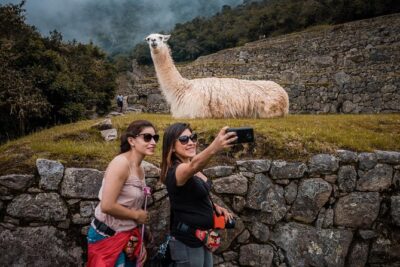
If you’re short on patience for extra add-ons, keep your expectations realistic. One piece of feedback mentioned a llama farm sales pitch as a potential distraction on similar morning tours in the region. I can’t say it’s guaranteed on every departure, but it’s smart to ask your guide at the start whether any extra stop is planned, so you can decide if you’re okay with it.
Bosque de Eucaliptos de K’enko: a photo stop that helps your legs
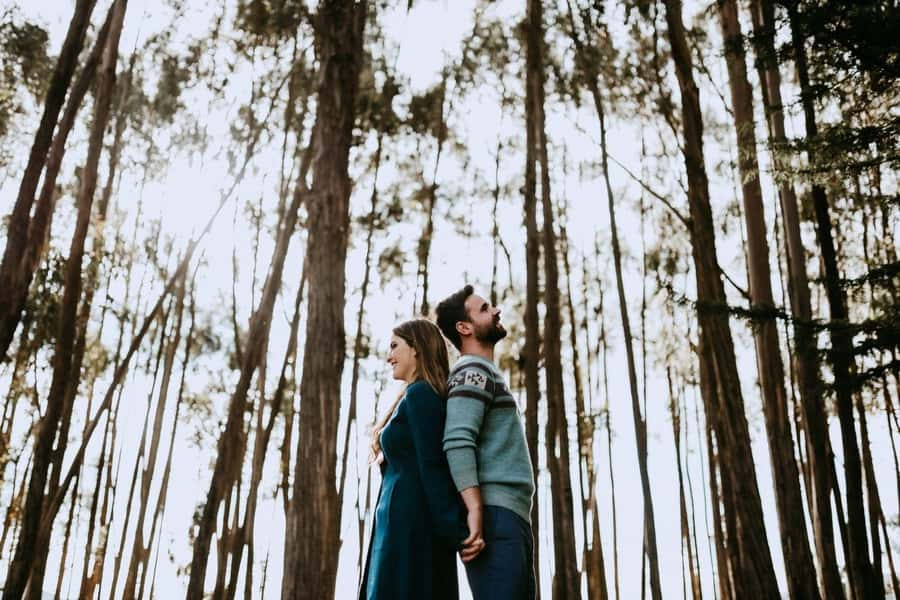
After Qenqo, the itinerary includes a photo stop at Bosque de Eucaliptos de K’enko for about 35 minutes. This is the kind of break I appreciate on a morning route with several ruins in a row.
It gives you a chance to step out, grab a drink, and reset your brain before Puca Pucara and Tambomachay. If you’re traveling with someone who wants photos, this is also a natural moment to pause without feeling rushed.
I recommend using this time for practical stuff too, not just pictures. If you’ve been holding back on water earlier, this is when to catch up. Small hydration wins can make the difference between enjoying the final two sites and feeling drained.
Puca Pucara: terrace lines and the idea of surveillance
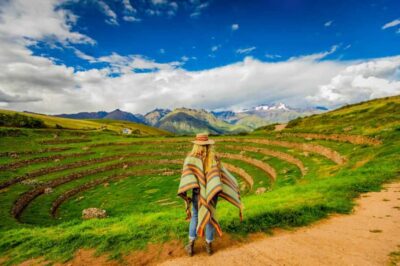
Puca Pucara is described as an Incan surveillance center made of terraces, staircases, and large walls. It’s guided as part of the route, and it’s another reason I like this tour for people who enjoy how architecture reflects function.
A lot of Cusco ruins are explained as sacred or ceremonial. Puca Pucara adds a different angle, communication and observation. When you look at terraces and walls, try to picture how someone would move, watch, and send signals. The design tells that story even if you don’t speak a word of Spanish.
Two ways this stop helps your understanding:
- You see how the Incas used elevation and built to support watching the region.
- You get a change of scenery and structure, terraces feel different than fortress walls or underground galleries.
If you’re sensitive to steep steps, take it slow. Terrace sites can be tougher than they look from the roadside. Give yourself time to adjust footing and keep an eye on where you place your feet.
Tambomachay: Inca hydraulic engineering you can almost hear
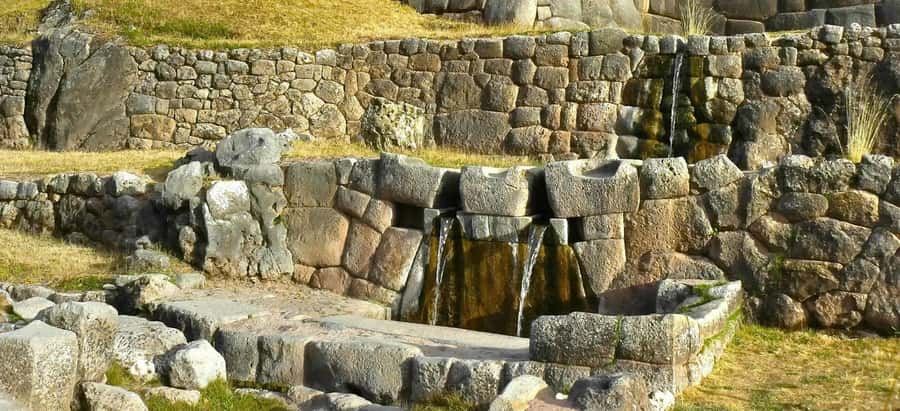
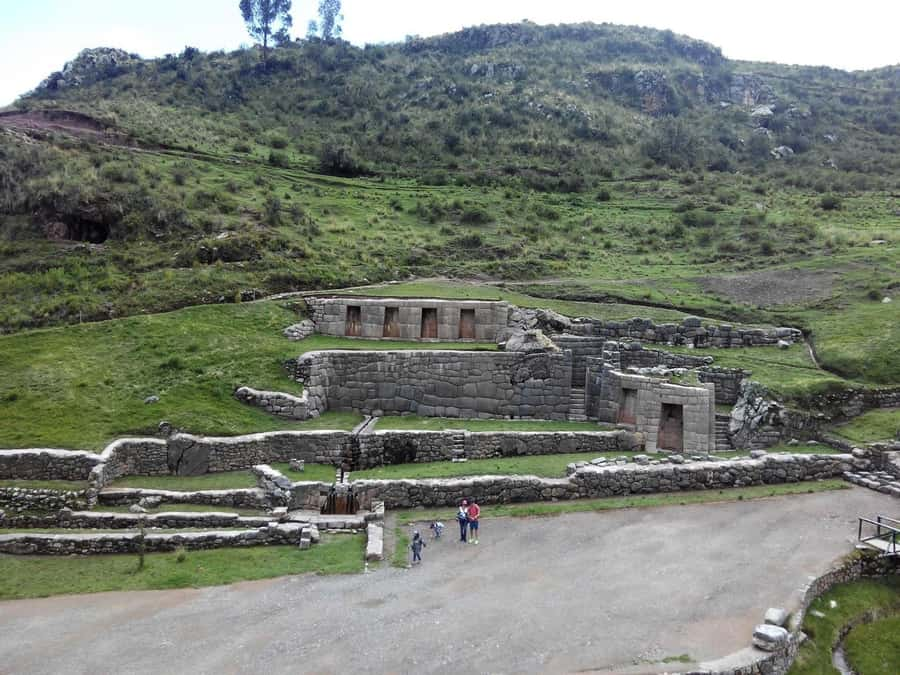
The final major ruin stop is Tambomachay, described as an Incan resting place. Here, you’ll see aqueducts, waterfalls, and water gutters, and the emphasis is very much on Inca hydraulic engineering.
This is the section where the tour’s theme clicks. Earlier you’re learning about sun worship and ritual spaces. Here you’re watching how sophisticated water systems supported daily life and sacred settings. That combination, beliefs plus engineering, is exactly what makes this morning tour feel more than just a list of monuments.
As you look at the aqueducts and gutters, try a “systems” mindset. Ask yourself what the water is doing, where it’s coming from, and where it’s meant to go. Even without a deep technical background, you’ll start noticing how the channels guide flow.
One more practical note: because water features are involved, the air can feel cooler and the ground can be slick in spots. Stick with your comfortable shoes, and if there’s any damp surface, slow down.
Price and ticket reality: what $13 actually buys you
The price is listed as $13 per person, and it includes Cusco hotel pickup, round-trip transportation, and a professional guide. That’s solid value for a morning route that covers multiple sites spread out beyond the city center.
But here’s the important part for your budget: the tourist ticket is not included and it’s listed as 70 soles. Also, Koricancha has an additional 15 soles ticket. So the true cost in practice is the base tour price plus those required admissions.
That said, the structure still makes sense. If you had to arrange transport and guides for each stop separately, you’d likely spend more than this. The guide is the payoff here, you’re paying for connections between the ruins and the way they were used.
One logistics point from feedback that you can act on: confirm your pickup and drop-off details before the tour leaves. In one account, a participant said they were dropped far from their hotel and had trouble getting back, with the address details provided causing confusion. You can avoid stress by double-checking the exact meeting address and having your hotel name and address written down.
What to bring (and what to skip)
This tour asks you to bring:
- Passport or ID card
- Comfortable shoes
- Water
That’s all very reasonable. I’d add one more personal habit: bring a small snack, especially if you tend to get hungry. The tour is about 6 hours, and the itinerary finishes around 2:00 PM to 2:30 PM.
What you should skip:
- Pets are not allowed.
- The tour is not suitable for pregnant women.
If you’re traveling with mobility limits, the multiple ruins and terrace staircases can be challenging. You might want to ask before booking if the route is manageable for your specific needs, since the description focuses on guided site walking rather than easy access.
Who this tour suits best
This is a smart fit if you:
- Want a structured morning that hits several key Inca sites without planning
- Enjoy the “how they lived” angle, especially water systems and Sun God linked rituals
- Like guides who explain the connection between architecture and meaning
It’s less ideal if you:
- Hate unexpected add-on sales pitches, especially anything like a llama farm stop
- Need very flexible pacing, because this is scheduled and you’ll move between sites
- Prefer a slow, independent museum style day
Should you book Cusco: Archaeological Park Morning Tour?
I’d book this morning tour if you want a high-value, guided route with Sacsayhuaman, Qenqo, Puca Pucara, and Tambomachay packed into one easy-to-follow day. The focus on sacred spaces and hydraulic engineering makes it feel cohesive, not random.
Before you commit, do two things: budget for the site tickets (70 soles plus Koricancha’s 15 soles) and confirm your exact pickup and where you’ll be dropped off, especially if your lodging is not right in central Cusco. If you’re good with a 6-hour schedule and comfortable walking, this is one of the most practical ways to see a lot of the Cusco archaeological park area in a single morning.
More Morning in Cusco
- Sacred Valley Experience and Machu Picchu Sunrise 2-day Journey
★ 5.0 · 60 reviews - Humantay Lake small group with late morning departure option
★ 4.5 · 55 reviews - 08am Departure Rainbow Mountain Tour: Late Morning Tour
★ 4.9 · 28 reviews - Cusco South Valley: Morning Half Day Tour
★ 4.2 · 15 reviews
More Tours in Cusco
- Cusco: Humantay Lake Tour with Breakfast and Buffet Lunch
★ 4.9 · 2,976 reviews - From Cusco: Moray, Maras Salt Mines & Chinchero Weavers Tour
★ 4.8 · 1,925 reviews - From Cusco: Full-Day Group Tour of Machu Picchu
★ 4.7 · 1,767 reviews - Cusco: Half-Day City Tour with Sacsayhuaman and Q’enco
★ 4.6 · 1,129 reviews - Machu Picchu: Full-Day Tour from Cusco with Optional Lunch
★ 4.6 · 927 reviews
More Tour Reviews in Cusco
- Cusco: Humantay Lake Tour with Breakfast and Buffet Lunch
★ 4.9 · 2,976 reviews - From Cusco: Moray, Maras Salt Mines & Chinchero Weavers Tour
★ 4.8 · 1,925 reviews - From Cusco: Full-Day Group Tour of Machu Picchu
★ 4.7 · 1,767 reviews - Machu Picchu Day Trip from Cusco
★ 4.5 · 1,644 reviews - Cusco: Half-Day City Tour with Sacsayhuaman and Q’enco
★ 4.6 · 1,129 reviews
Freshly reviewed across Cusco
- Excursion Cusco – Puno – Titicaca Observatory Train★ 5.0 · 3 reviews
- Sacred Valley Vip Cusco★ 4.7 · 3 reviews
- Cusco | Humantay Lake 1-Day Tour with Breakfast and Lunch★ 5.0 · 3 reviews
- Full-Day Condor Viewpoint & Inca Sites Tour★ 5.0 · 3 reviews
- Best of Cusco: Private Walking Tour with a Local★ 3.6 · 3 reviews
- From Cusco: Full-Day Private Sacred Valley Tour★ 5.0 · 3 reviews