
REVIEW · PERU
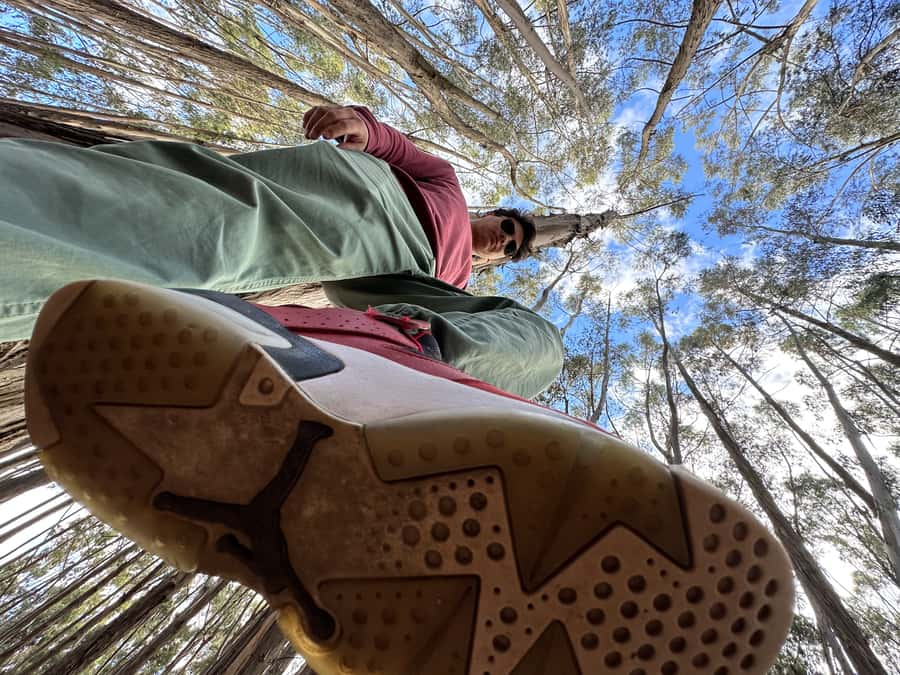
Cusco: Archeological Sites Tour and Forest Photo Experience
Five hours in Cusco, and you learn fast. This tour strings together four Inca ruins inside Cusco with the high-drama Coricancha stop, then adds a Qenqo forest photo session that turns landmarks into keepsakes. I especially liked the way the guide explains the ceremonial purpose of Qenqo, and I also liked that you get a professional-style photo session plus a digital souvenir file. The main thing to consider is cost creep: you still need to budget for the tourist ticket and Coricancha entry, which are not included.
What makes it work is the pacing. You get hotel pickup, you move efficiently across sites, and you finish back in central Cusco while your feet still feel like feet. I also like that the itinerary focuses on recognizable Inca places you can point to on a map, not just a long ride and a quick stop.
One potential drawback: the schedule is tight enough that being late can mean you miss the last ruin. So show up early, and keep your expectations realistic for a 5-hour loop.
In This Review
- Quick hits before you go
- A half-day Cusco loop that hits Qenqo, Puca Pucara, Sacsayhuaman, Tambomachay, and Coricancha
- Pickup, timing, and why being on time matters here
- Qenqo ceremonial rock and the Qenqo forest photo session
- Puca Pucara: the Inca military ruins you can walk through
- Sacsayhuaman’s limestone blocks and the idea of a solar sanctuary
- Tambomachay: the baths of the Incas and the water-and-purification angle
- Coricancha: wrap yourself in the Temple of the Sun
- Price and value: what $17 really buys you in Cusco
- What to bring: shoes, sun, rain, and cash for entrances
- Who should book this tour, and who might skip it
- Final verdict: should you book the Cusco archaeology and forest photo experience?
- FAQ
- Where do I get picked up for the Cusco ruins and Qenqo forest tour?
- Which Inca sites are visited during the tour?
- How long is the tour?
- What language is the guide available in?
- Is the Qenqo forest entrance included?
- Is Coricancha entrance included in the price?
- What is the tourist ticket, and is it included?
- Do I get photos from the Qenqo forest session?
- What should I bring for the day?
Quick hits before you go
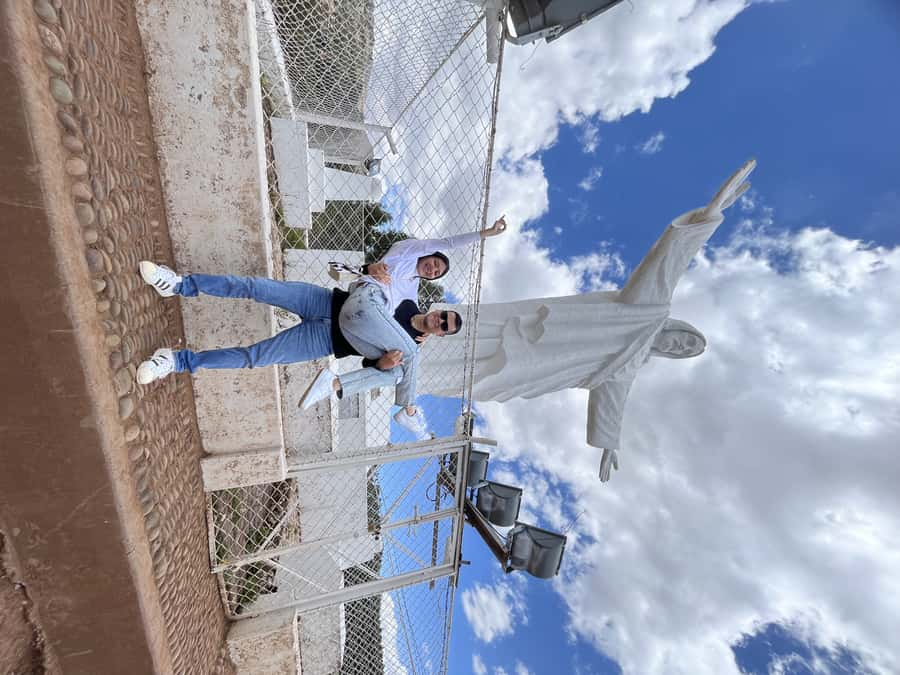
- Four Inca sites within Cusco, plus Coricancha for the big finale
- Qenqo ceremonial rock by day, then the Qenqo forest photo session for memorable shots
- Sacsayhuaman built with large limestone blocks, tied to protection and solar purpose
- Tambomachay and its water story, known as the Incas baths
- Puca Pucara for a military look at guard posts, streets, and patios
- A digital souvenir photograph is included, but plan on extra paid entrances for key sites
Shortlisting Cusco? These reviews come up alongside this one most often.
- Cusco: Humantay Lake Tour with Breakfast and Buffet Lunch
★ 4.9 · 2,976 reviews - From Cusco: Moray, Maras Salt Mines & Chinchero Weavers Tour
★ 4.8 · 1,925 reviews - From Cusco: Full-Day Group Tour of Machu Picchu
★ 4.7 · 1,767 reviews - Machu Picchu Day Trip from Cusco
★ 4.5 · 1,644 reviews
A half-day Cusco loop that hits Qenqo, Puca Pucara, Sacsayhuaman, Tambomachay, and Coricancha
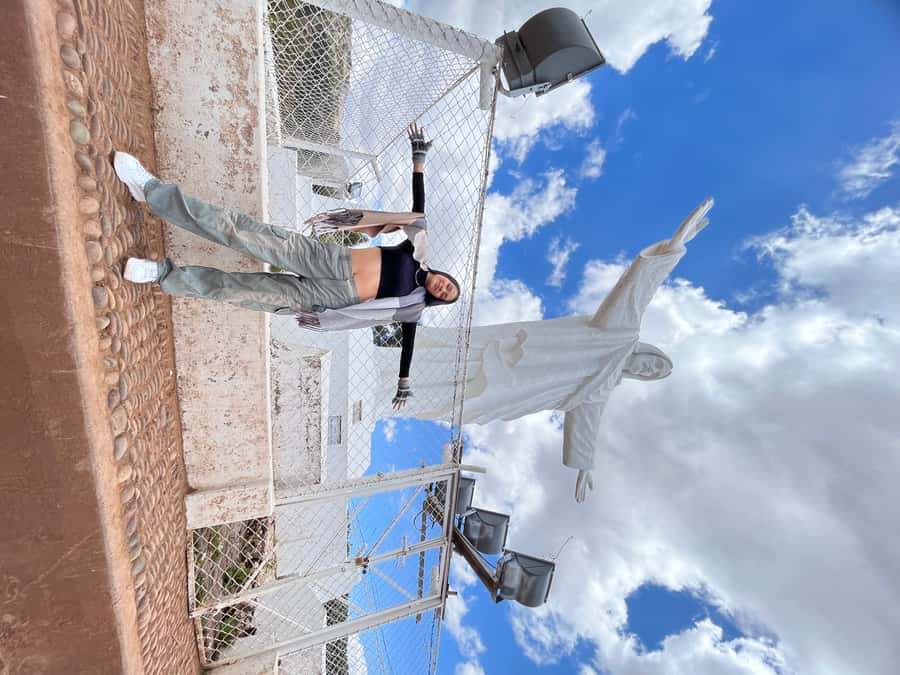
This is a focused Cusco archaeological sites tour built for limited time. In about 5 hours, you cover the Inca “greatest hits” around the city: Qenqo, Puca Pucara, Sacsayhuaman, Tambomachay, and then you end at Coricancha (Temple of the Sun). If you have only one afternoon to connect the dots, this is the kind of route that helps your brain feel organized again.
The tour also does something smart with the order. You start with ruins that are close enough to feel like part of the city. Then you move toward the more monumental views at Sacsayhuaman and water-themed Tambomachay. After that, you shift to the photo experience in the Qenqo forest, so you’re not just looking at stones, you’re capturing a moment in the scenery those stones still shape.
Language-wise, you’ll have a live guide in Spanish or English, which matters in Cusco. The difference between “I see a wall” and “I know why this mattered” is mostly explanation.
Pickup, timing, and why being on time matters here
Your day begins with pickup from your hotel in Cusco and returns you back to the center of Cusco. You’ll be asked to wait in the lobby 10 minutes prior to your scheduled pickup time. The driver holds a sign with their last name, and they won’t wait more than 5 minutes after the scheduled pickup time.
That may sound nitpicky, but it directly affects the experience. The route includes multiple stops in a short window, so late arrivals can throw off the day. If you want all four ruins plus Coricancha, treat the pickup time like an appointment with your future self.
Transportation is not described in detail, but you can safely assume you’ll be moving between sites by car. That’s part of the value for a half-day. You get the benefit of guided timing without needing to figure out local logistics on your own.
Qenqo ceremonial rock and the Qenqo forest photo session
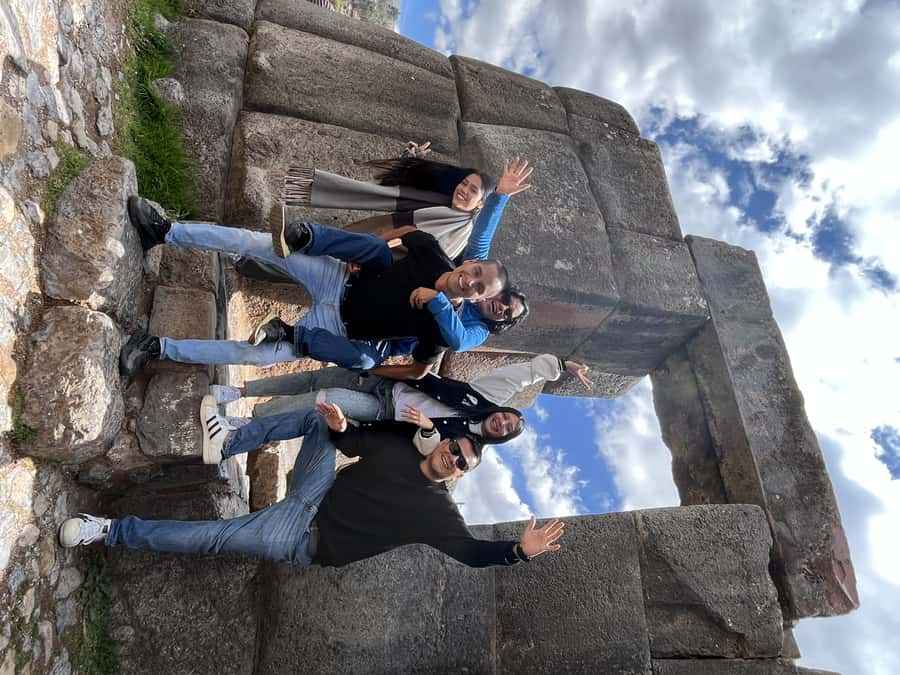
Your first major stop is Qenqo, a natural rock formation that became a ceremonial center. Even without going deep into technical terms, Qenqo is one of those sites where the landscape feels intentional. The rock setting is dramatic, and the sense is that this place was made for rituals, not just sightseeing.
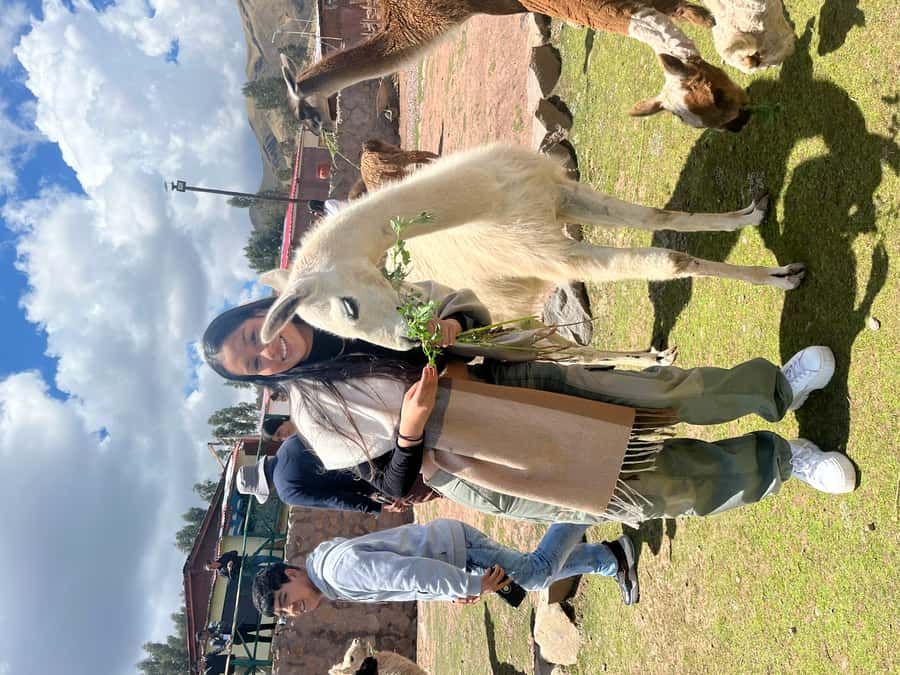
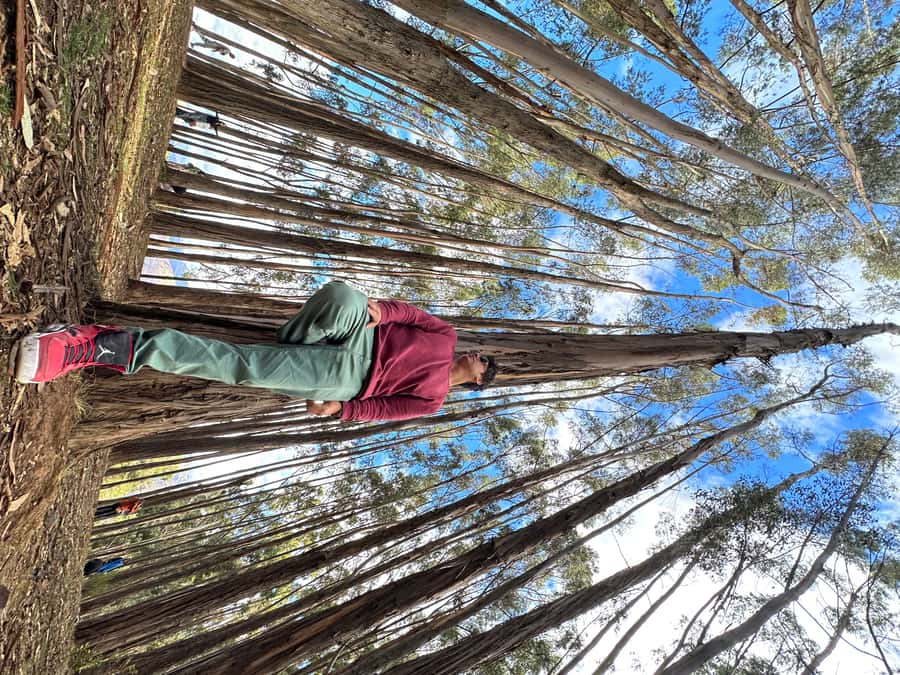
Then comes one of the tour’s signature moments: you enter the Qenqo forest for a photo session. This is where the experience stops being only about ruins and starts being about you in the memory. An expert photography guide takes the shots, and you get the souvenir photograph as a digital file.
What I’d recommend you do, practically:
- Wear comfortable shoes first, because you’re still moving around a site.
- Bring clothing that looks good in outdoor light, since you’re not just standing still.
- Pay attention to the guide’s cues for poses and timing, because the whole point is to translate the scenery into something you’ll actually keep.
Also note: entrance to the Qenqo forest is included. That saves you one extra ticket step during a day that is already packed.
Puca Pucara: the Inca military ruins you can walk through
After Qenqo, you visit Puca Pucara, described as a site of military ruins and Inca guard posts. This stop is valuable because it gives you a different angle on Inca civilization. It’s not only temples and sacred architecture. Here you see practical design: stairs, streets, houses, and patios, plus the idea of a defensive presence.
When guides explain how the spaces worked, Puca Pucara becomes easier to visualize. You can imagine movement between areas, daily routines, and why the Inca would build and staff these locations rather than leaving security entirely to distant forces.
Possible drawback to keep in mind: compared to the big visual punch of Sacsayhuaman, Puca Pucara is more about layout and structure. If you like sites where the story is in the details, you’ll probably enjoy it. If you want only the most dramatic views, you might feel it’s slightly quieter.
Sacsayhuaman’s limestone blocks and the idea of a solar sanctuary
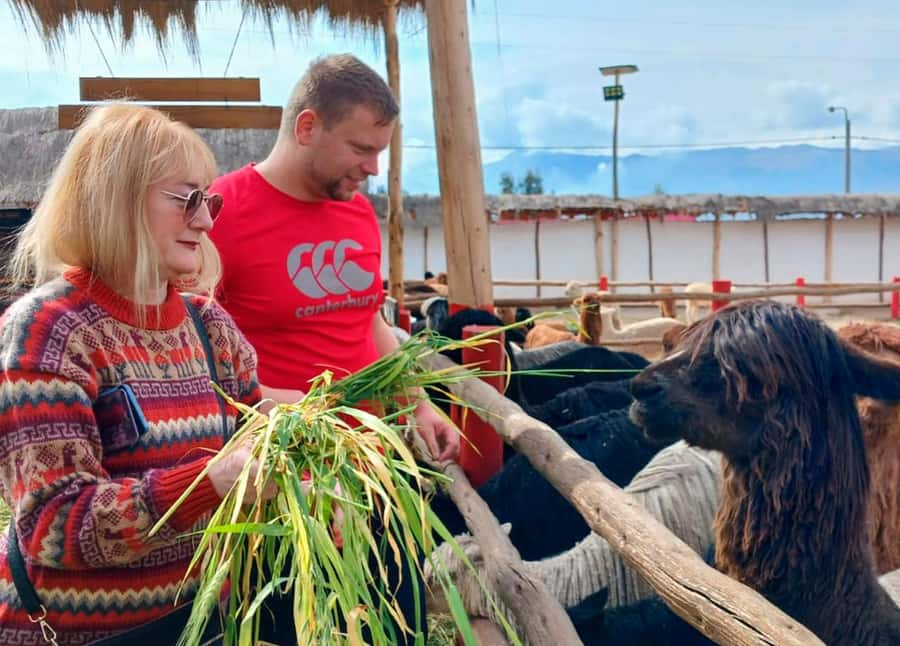
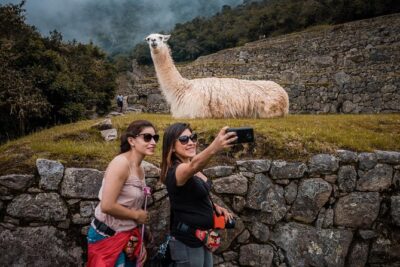
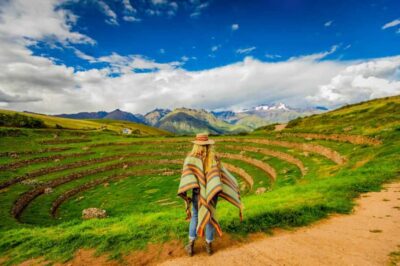
Next up is Sacsayhuaman, a solar sanctuary created by the last dynasties of the Incas. This is the kind of place where you can quickly understand the effort behind it. The tour emphasizes the massive limestone blocks, and the reason is practical as well as symbolic: these constructions helped protect the city from attacks by invaders.
This stop is a strong choice for first-time Cusco visitors because it connects two things at once:
- The stones are impressive, even from normal walking distance.
- The explanation links those stones to both defense and solar meaning.
If you want the site to make sense, listen closely when the guide frames how the design fits the city’s needs. Sacsayhuaman is one of those places where “just looking” can feel incomplete unless someone gives you a map for what to pay attention to.
Tambomachay: the baths of the Incas and the water-and-purification angle
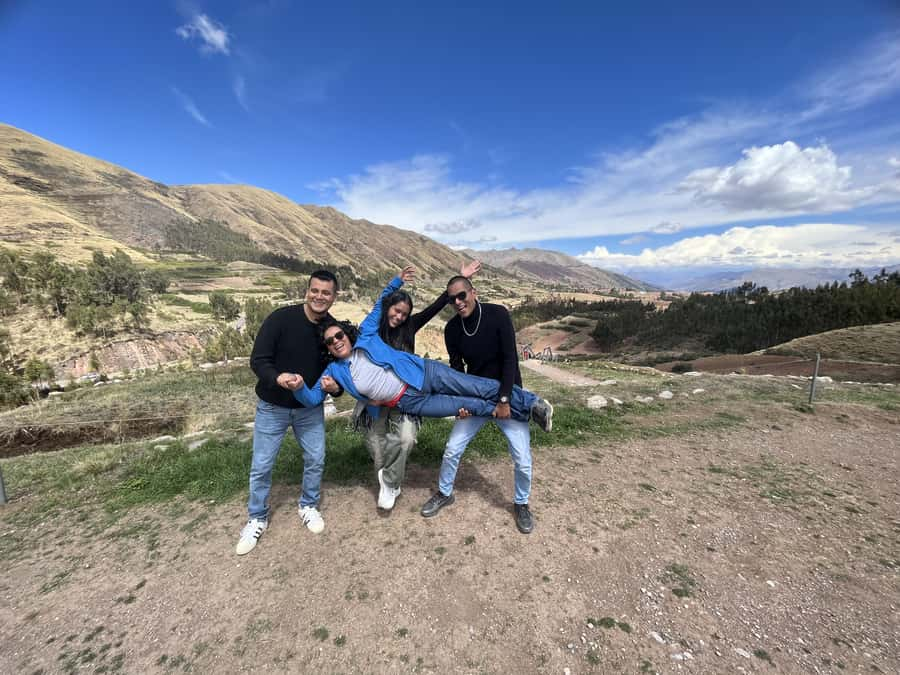
Then you continue to Tambomachay, located about 9 kilometers from the city. This is known as the baths of the Incas due to the shape of its fountain of water. The tour also notes that the site may have been a temple related to the cult of water and purification.
Why this stop is worth your attention: water is one of the most human themes in Cusco ruins. It’s not only about altitude and stone. It’s about survival, ritual, and daily life, all tied to how a community managed water.
What you should do here is keep an eye on the fountain structure and how water would have moved through the site. Even if you don’t know the technical background, you’ll probably get the basic idea quickly: the design wasn’t random. It was meant to work, and it was likely meant to matter.
Coricancha: wrap yourself in the Temple of the Sun
You end with Coricancha, the Temple of the Sun. This is the stop people talk about for a reason. The guided visit focuses on the temple’s architecture and stone construction, highlighting that it was the most important temple of the Inca empire. In other words, this is where the tour’s title promise comes true: history you can feel in the structure.
One important budgeting note: Coricancha entrance is not included. You’ll need to pay an additional 15 soles for entry. Also, the tourist ticket (70 soles) is not included. So your headline price is not the full cost of doing everything on the route.
How to make the most of Coricancha during a guided visit:
- Watch how the stones are explained, not just how they look.
- Take in the overall layout before focusing on individual details.
- If you care about photos, ask the guide where they recommend you pause for pictures so you don’t lose time later.
Price and value: what $17 really buys you in Cusco
At $17 per person, this half-day tour can be great value if you want guidance plus multiple stops. But to judge it fairly, you need to add the extras.
Not included:
- Tourist Ticket: 70 soles
- Coricancha entrance: 15 soles
- Food and drink
Included:
- Pickup and return to your hotel
- Guided tour of the four ruins and Coricancha
- Souvenir photograph in a digital file
- Entrance to the Qenqo forest
Here’s the practical way to think about value. You’re paying for three things:
- Someone to stitch the sites into a coherent story across five hours.
- Transport time saved, plus hotel pickup that keeps you from juggling local tickets and routes.
- The photo session and the digital souvenir, which turns the day into more than just a walk.
If you’re the type who enjoys architecture explanations and wants a photo memory, the $17 start price is easy to justify. If you’re trying to minimize spending and you also prefer to wander with no guide, you might find a self-guided plan cheaper. But you’ll probably miss the “why this matters” layer that makes these sites connect.
What to bring: shoes, sun, rain, and cash for entrances
The tour gives a clear packing list, and you should follow it. Bring:
- Comfortable shoes
- Sun hat
- Biodegradable sunscreen
- Jacket
- Rain gear
- Comfortable clothes
- Cash
Why cash matters: the key paid items you’ll likely need are the tourist ticket and Coricancha entrance, and neither is included. Having cash ready avoids the last-minute scramble that can derail a tight schedule.
Even if you’re not a planner, do one small thing: double-check you have the right clothes for walking plus the weather for a changing day. You’re outside for multiple stops and then you’ll be at the forest photo area, so comfort beats fashion.
Who should book this tour, and who might skip it
I think this tour fits best if you:
- Have limited time in Cusco and want the major Inca stops efficiently
- Like guided context, not just stone piles
- Want a photo session with an expert guide and a digital souvenir
- Prefer a half-day format over a longer day trip
Consider skipping or at least adjusting expectations if you:
- Want only the biggest views and don’t care about military or water-themed ruins
- Are very sensitive to schedule tightness, because multiple sites means you need to be punctual
- Hate paying extra entrances on top of the tour price
Also, one caution based on real-world reports: photo handling and the day’s final timing can sometimes feel inconsistent if logistics go sideways. Your best defense is simple. Confirm how you’ll receive the digital souvenir, and make sure you’re early for pickup so you don’t lose time at the end of the route.
Final verdict: should you book the Cusco archaeology and forest photo experience?
If you want an efficient, guided Cusco archaeological sites tour that connects Qenqo, Puca Pucara, Sacsayhuaman, Tambomachay, and Coricancha, this is a strong option. The standout value is the combination of guided ruins plus a Qenqo forest photo session with a digital souvenir.
My only hesitation is the add-on cost reality. You should budget for the tourist ticket (70 soles) and Coricancha entry (15 soles), and you should show up on time to protect the full itinerary. If you handle those two things, you’ll likely leave with both knowledge and photos, which is exactly what a half-day should deliver.
FAQ
Where do I get picked up for the Cusco ruins and Qenqo forest tour?
Pickup is included from your hotel in Cusco. You should wait in the hotel lobby 10 minutes before the scheduled pickup time. The driver will hold a sign with their last name on it, and they will not wait more than 5 minutes after the pickup time.
Which Inca sites are visited during the tour?
You’ll visit four Inca ruins within Cusco: Qenqo, Puca Pucara, Sacsayhuaman, and Tambomachay. You also end with a visit to Coricancha (Temple of the Sun).
How long is the tour?
The duration is 5 hours.
What language is the guide available in?
The live tour guide is available in Spanish and English.
Is the Qenqo forest entrance included?
Yes. Entrance to the Qenqo Forest is included.
Is Coricancha entrance included in the price?
No. Coricancha entrance is not included. It costs 15 soles.
What is the tourist ticket, and is it included?
The tourist ticket is not included and costs 70 soles.
Do I get photos from the Qenqo forest session?
Yes. A souvenir photograph is included as a digital file.
What should I bring for the day?
Bring comfortable shoes, a sun hat, biodegradable sunscreen, a jacket, rain gear, comfortable clothes, and cash.
More Tours in Cusco
- Cusco: Humantay Lake Tour with Breakfast and Buffet Lunch
★ 4.9 · 2,976 reviews - From Cusco: Moray, Maras Salt Mines & Chinchero Weavers Tour
★ 4.8 · 1,925 reviews - From Cusco: Full-Day Group Tour of Machu Picchu
★ 4.7 · 1,767 reviews - Cusco: Half-Day City Tour with Sacsayhuaman and Q’enco
★ 4.6 · 1,129 reviews - Machu Picchu: Full-Day Tour from Cusco with Optional Lunch
★ 4.6 · 927 reviews
More Tour Reviews in Cusco
- Cusco: Humantay Lake Tour with Breakfast and Buffet Lunch
★ 4.9 · 2,976 reviews - From Cusco: Moray, Maras Salt Mines & Chinchero Weavers Tour
★ 4.8 · 1,925 reviews - From Cusco: Full-Day Group Tour of Machu Picchu
★ 4.7 · 1,767 reviews - Machu Picchu Day Trip from Cusco
★ 4.5 · 1,644 reviews - Cusco: Half-Day City Tour with Sacsayhuaman and Q’enco
★ 4.6 · 1,129 reviews
Freshly reviewed across Cusco
- Excursion Cusco – Puno – Titicaca Observatory Train★ 5.0 · 3 reviews
- Sacred Valley Vip Cusco★ 4.7 · 3 reviews
- Cusco | Humantay Lake 1-Day Tour with Breakfast and Lunch★ 5.0 · 3 reviews
- Full-Day Condor Viewpoint & Inca Sites Tour★ 5.0 · 3 reviews
- Best of Cusco: Private Walking Tour with a Local★ 3.6 · 3 reviews
- From Cusco: Full-Day Private Sacred Valley Tour★ 5.0 · 3 reviews