
REVIEW · PERU
Cusco: Chonta Canyon and Condor Flight Tour with Lunch
If you like nature with a side of archaeology, this day fits. You start near Cusco, head into the Andes, then spend time watching Andean condors in Chonta Canyon, guided all the way. I especially like the way the tour mixes dramatic wildlife time with real sites like Killarumiyoq and Tarawasi, not just a drive and a quick stop.
Two things I’d highlight. First, you get a proper condor watching window, with time at three canyon viewpoints to scan for soaring birds. Second, the guide in Spanish and English helps you understand what you’re seeing, so the views feel less random and more meaningful. One consideration: it is a long day with a hike and an ascent, so it is not a good fit if you have issues with heights, vertigo, heart problems, or mobility limits.
In This Review
- Key things that make this tour worth your day
- Chonta Canyon Condors, Killarumiyoq Skies, and Tarawasi Ritual Views
- Morning pickup in Cusco: what the 12-hour schedule really feels like
- Killarumiyoq in Anta: why an archaeo-astronomical stop makes the day click
- Tarawasi near Limatambo: Usno ceremonial platforms and ritual geography
- The Huayronka Bridge detour and the climb to Chonta village
- Chonta Canyon viewpoints: the hike, camouflage vests, and condor watching
- Lunch in Chonta village: a real meal breaks up the long day
- Getting photos and staying comfortable: what to bring and how to use it
- Price and value: why $150 can feel fair for a 12-hour condor day
- Who this tour suits, and who should skip it
- Should you book this Chonta Canyon and Condor Flight Tour?
Key things that make this tour worth your day
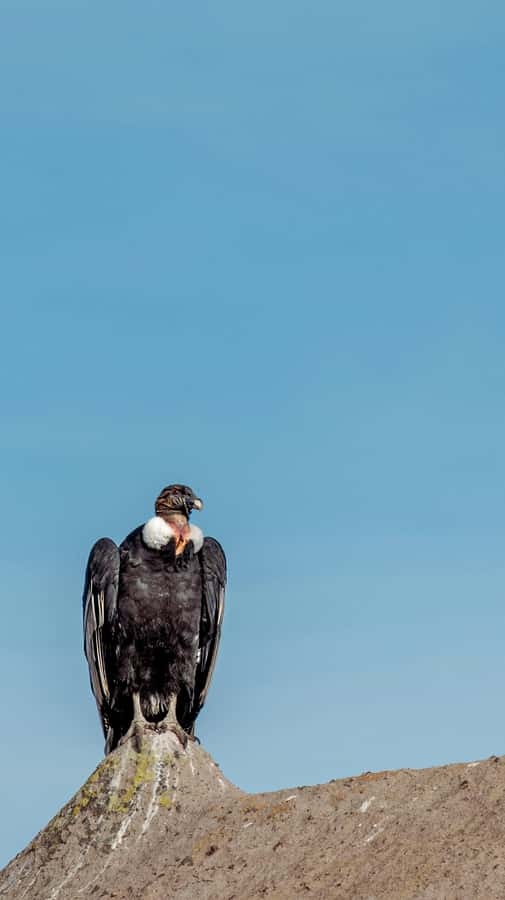
- Condor viewing time at three Chonta Canyon viewpoints, including a full stretch to admire and photograph
- Expert guiding in Spanish and English, plus safety support with a first aid kit and oxygen balloon
- Archaeology stops with sky-and-ritual context, at Killarumiyoq and Tarawasi (Usno ceremonial platform)
- A scenic climb to the village of Chonta via a detour toward Huayronka Bridge
- Lunch in the Chonta area, so you are not doing a scavenger hunt for food mid-tour
- Camouflage vests provided, designed to help you blend while watching wildlife at close range
Chonta Canyon Condors, Killarumiyoq Skies, and Tarawasi Ritual Views
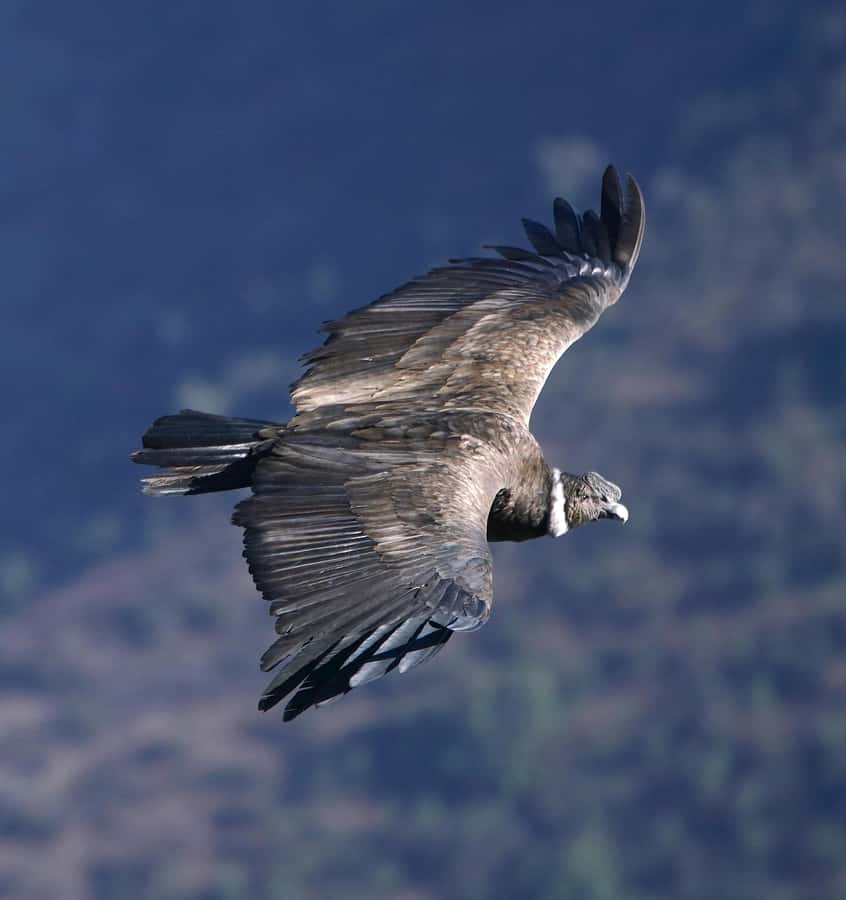
This is a classic Cusco-area “big wow” day, but it is not just about the birds. The tour is built around two types of highlights that people often separate: high-energy wildlife time and slower, brain-involved archaeology. You get both, and you get a guide who explains what you are looking at instead of leaving you to guess.
The condors are the headline, and Chonta Canyon really is one of the best places in Peru to spot them. But the tour also gives you grounding stops that connect the landscape to people, including an archaeo-astronomical site and a ceremonial platform connected to Andean ritual traditions. If you enjoy understanding why a place matters as much as how it looks, this format will feel satisfying.
I also like the pacing, because it is structured around observation. You do not rush from one viewpoint to another like you’re checking boxes. You get time to look, then time to photograph, which is where good condor watching happens.
Morning pickup in Cusco: what the 12-hour schedule really feels like
The day starts early, around 7:00 am, with pickup from the city center area in Centro Histórico. From there you ride in a van toward the first stops, with breaks and guided time built in. By the end, you return to Cusco around 7:00 pm, dropping you near Plaza Regocijo or close to your hotel.
Plan for a long stretch where you are mostly seated between stops. The itinerary includes multiple van segments, including ride time to Anta, then out toward Limatambo and on to the Andes climb. If you hate long travel days, this might feel like a grind. If you can handle a big day, it is the kind of outing that makes the early start feel earned.
Also, remember you are traveling from high elevation Cusco into more mountain terrain. The tour includes a first aid kit and an oxygen balloon, which is a thoughtful safety touch on a day like this. It does not remove the need to take care of yourself, but it is reassuring.
Killarumiyoq in Anta: why an archaeo-astronomical stop makes the day click
Your first guided visit is to Killarumiyoq, an archaeo-astronomical site in Anta, with about an hour on site. This is not just ruins for ruins’ sake. The “sky” angle helps you read the location, and it adds a layer of context before you head into condor country.
You’ll likely get explanations that connect how people in the Andes used the sky to track seasons and rituals. Even if you do not know much going in, an hour is enough time for the guide’s framing to land. You start the day with the sense that the landscape has meaning, not only scenery.
One drawback to keep in mind: you’ll want comfortable shoes even for the archaeology portion. The ground can be uneven around old sites, and you’ll be walking more than you think. If you only pack slick city shoes, you’ll feel it later during the canyon hike.
Tarawasi near Limatambo: Usno ceremonial platforms and ritual geography
Next you visit Tarawasi, near Limatambo, where you can see one of the few remaining Andean ceremonial platforms called Usno. This stop feels different from Killarumiyoq because it leans toward ritual use rather than sky-reading. It is a chance to shift from “how people watched the heavens” to “how people held ceremonies in place.”
You’ll also have a break around this stretch, since lunch comes after Tarawasi. That matters because the day starts to stack up: guided time, then food, then climbing and hiking. Getting a built-in meal avoids the common problem of arriving hungry and rushed, which is when the experience starts to slip.
If you care about cultural sites and want more than one “ruins moment,” Tarawasi is a strong add-on. It helps the tour feel like more than a wildlife safari.
The Huayronka Bridge detour and the climb to Chonta village
After lunch, the tour heads toward Huayronka Bridge, with a scenic detour. Then you do an hour-long ascent through Andean landscapes to reach the village of Chonta. This is one of the more physically demanding parts of the day, and it’s also where your appreciation builds.
Views start to open up more as you climb, and you’ll feel like you’re moving into the condors’ world. The Andes terrain changes, air feels sharper, and the day becomes less about “tour stops” and more about getting into position.
Here is a practical tip: bring warm clothing. The tour asks you to pack warm layers, and that advice is not random. You are climbing, then waiting and watching, often with wind and changing temperatures near viewpoints. A light jacket and hat can save your comfort.
Chonta Canyon viewpoints: the hike, camouflage vests, and condor watching
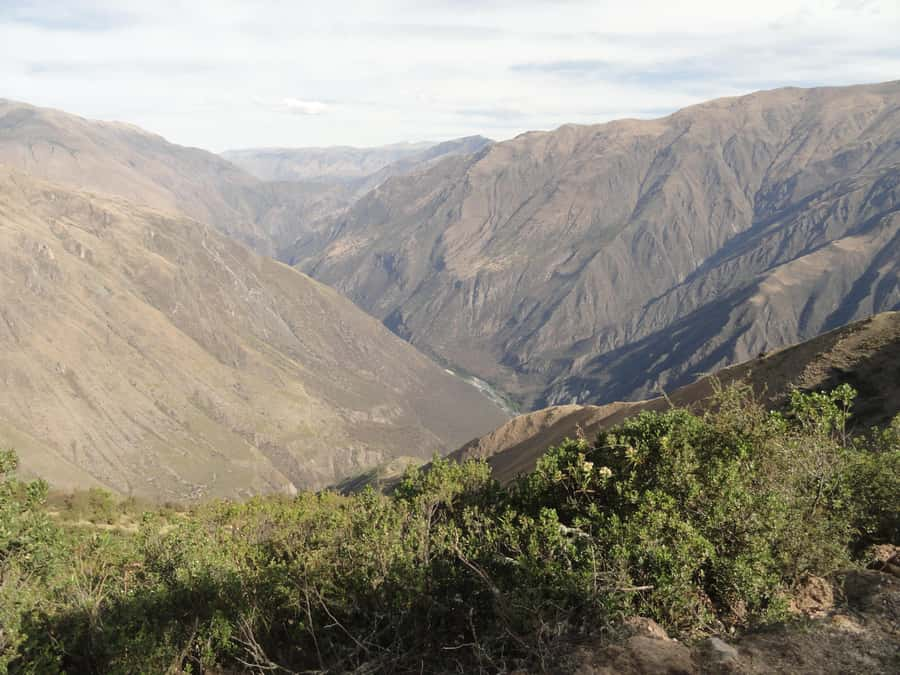
This is the main event. From Chonta village, you take a 50-minute hike toward the canyon viewpoints. From there, you reach three viewpoints where you spend about two hours watching and photographing condors as they soar across the canyon.
The tour provides camouflage vests, and that matters. You’re not in a tight room with a bunch of people holding signs. You are out in the landscape, and blending in helps keep the focus on the birds. It also makes you feel like you are on a wildlife mission, not wandering around.
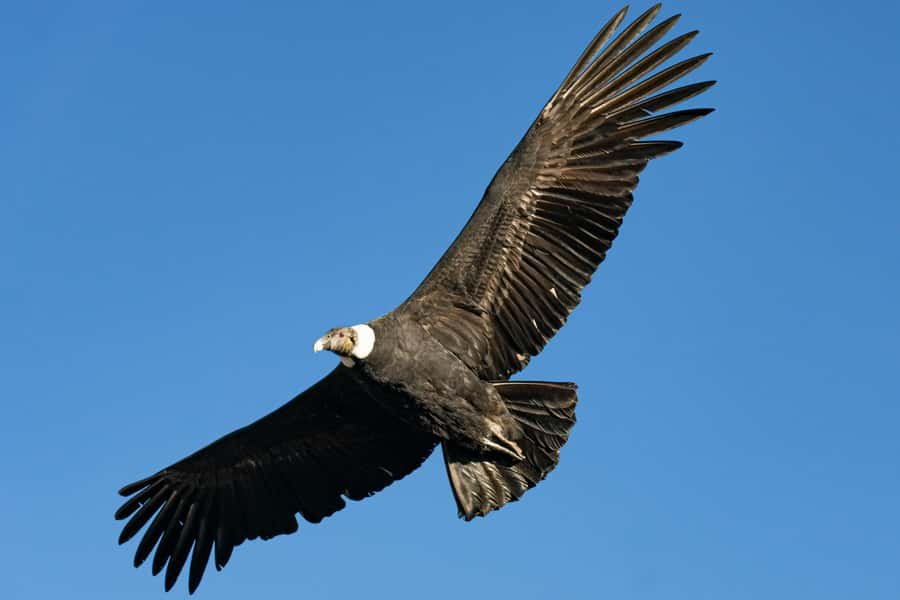
Once you’re at the viewpoints, patience becomes part of the skill. Andean condors do not perform on cue. You are there long enough to increase your odds, and your guide helps you find the best observation angles. In at least one past experience with Guide Rafael, the group was taken to top observation points, and condors were seen for hours, sometimes at surprisingly close distance. That is the whole point of having multiple viewpoints and a real viewing window.
One consideration: this is a viewpoint experience. If you are afraid of heights or have vertigo, you should think hard about whether you can stay safe and comfortable. The tour is not suitable for people with those conditions, and that is not just paperwork.
Lunch in Chonta village: a real meal breaks up the long day
Lunch is included, and it’s served at a local restaurant in the village of Chonta (with about an hour scheduled). I like that the tour builds in a meal that is part of the day’s flow rather than leaving you on your own to hunt for food.
Still, you should treat lunch as one guaranteed stop, not a replacement for everything. The tour data explicitly says water and snacks are not included, so bring those extras. Condor watching can take time, and you do not want to be trying to ration energy after a hike.
If you are sensitive to altitude or just feel off early in the morning, eating at the scheduled break can make the rest of the day feel easier. It is also one of those small “value” touches, because it saves you from spending your own money and time searching along the route.
Getting photos and staying comfortable: what to bring and how to use it
If your goal is photos, this day is about timing and positioning, not fancy gear. You’ll be at viewpoints for long enough to wait for wingbeats and perfect angles. That means your comfort matters, because cold hands and sore legs can ruin your concentration.
Here’s what to bring, based on the tour’s list:
- Comfortable shoes for uneven ground and the canyon approach hike
- Warm clothing and a hat, because temperatures can shift
- Camera and extra capacity, because you will likely take a lot
- Sunscreen for high-altitude sun
- Snacks and water since they are not included
- Cash, in case you want to handle anything on the spot
Also follow the rules: don’t touch plants, and follow the no littering policy. You’ll enjoy the viewpoints more when you stay focused on the birds instead of worrying about messing up the environment.
One more practical note: entrance tickets to Killarumiyoq, Tarawasi, and Chonta Canyon are not included. You’ll want to budget about 20 USD per person for those. If you forget, you may end up scrambling, and on a tight schedule that is never fun.
Price and value: why $150 can feel fair for a 12-hour condor day
At $150 per person, this tour sits in the “serious day trip” category. The value comes from what you get layered together: hotel pickup in the city center, transportation, a professional guide who works in both Spanish and English, lunch, safety gear, and enough time to actually watch condors instead of rushing.
The cost is easier to justify when you factor in the structure. A full 12 hours with guided stops, plus a multi-viewpoint wildlife segment, is not the same as a half-day drive. And lunch is included, which is one less expense you deal with while you’re busy hiking and watching.
Your main add-on to consider is the entrance tickets, about 20 USD per person for Killarumiyoq, Tarawasi, and Chonta Canyon. Water and snacks are also not included, so budget for that yourself. Add those items in your planning and you’ll get a more accurate total cost.
If you’re traveling as a private group, that is another value point. You get your own group experience rather than sharing your guide and viewpoints with a huge crowd. It can make it easier to hear instructions and keep pace on the hike.
Who this tour suits, and who should skip it
This is a strong fit if you want:
- Condor viewing with real time built in (multiple viewpoints and a long watch)
- A day that mixes wildlife with archaeology stops like Killarumiyoq and Tarawasi
- Guidance in Spanish and English, so you understand the sites and the wildlife context
It is also a good choice if you prefer being guided to the right places rather than trying to self-organize a canyon spotting day. The route includes specific sites, a planned lunch break, and a hike to viewpoints, which is hard to replicate on your own without local coordination.
Skip this tour if any of these apply:
- Pregnancy
- Mobility impairments
- Heart problems
- Afraid of heights or vertigo
That’s not just caution, it’s about safety on ascents, hikes, and canyon viewpoints.
Should you book this Chonta Canyon and Condor Flight Tour?
I think you should book if you want one day that feels like Cusco at its best: archaeology that connects to how people viewed the world, and condors that turn the landscape into living theater. The combination of a guided day, lunch included, and serious condor watching time makes it a practical way to use a limited trip window.
Don’t book if you hate long days, you are uncomfortable with heights, or you know you’ll struggle with a hike and an hour-long ascent. Also, budget for entrance tickets and bring your own water and snacks, so you are not stuck hungry or unprepared.
If you can handle the physical reality and you care about seeing condors well, this is the kind of outing that actually delivers beyond a quick photo moment.