
REVIEW · LAKE TITICACA
Day Trip, Sun Route Circuit between Cusco and Puno
6:30 AM bus rides can be great.
This Sun Route circuit is a full 10-hour sweep of Andean highlands, with big views, meaningful sites, and a real sense of how pre-Inca and Inca-era ideas shaped sacred worship. You get a bilingual guide and admission tickets so you are not stuck juggling details all day.
What I like most is the variety packed into one run: you start in Andahuaylillas at the Church of San Pedro Apóstol and then shift to the Raqchi temple ruins tied to Wiracocha worship. The other win is the pacing, with a lunch stop in Sicuani and a photo stop at Abra La Raya so the day does not feel like one long blur of bus windows.
The one consideration is the altitude. Abra La Raya is over 14,100 feet (4,300 meters), so if you are sensitive to altitude, plan to move slowly and take it easy during the higher stretch.
In This Review
- Key highlights you should know
- The 6:30 AM start, 5:30 PM finish, and why this works
- Andahuaylillas and San Pedro Apóstol, the Sistine Chapel of America vibe
- Raqchi Temple ruins and Wiracocha worship, sacred ideas you can still read
- Sicuani lunch break, the moment you reset your energy
- Abra La Raya pass, your 14,100-foot reality check
- Pukara Lithic Museum, how the highlands explain early civilizations
- Drop-off logistics and how to plan your evening
- Price value at $89, what you are paying for
- Who this Sun Route day trip is best for
- Should you book this Sun Route day trip?
- FAQ
- Where does the tour start and end?
- Which stops are included in the tour?
- How long is the tour?
- What is included in the price?
- Do I need a passport?
- Is hotel pickup included?
- Can I choose the direction of travel?
Key highlights you should know
- Andahuaylillas Church visit focused on sacred art and Andean religious atmosphere
- Raqchi Temple of Wiracocha with a clear look at worship and Spanish-era changes
- Abra La Raya pass photo stop at 14,100+ feet (4,300+ meters)
- Pukara Lithic Museum that connects early highland civilizations to what you see now
- Sicuani buffet lunch so you have real fuel before the mountain pass portion
The 6:30 AM start, 5:30 PM finish, and why this works
This trip is built as a day circuit between Cusco and Puno, with departures at 6:30 AM from the bus station option you choose (Cusco or Puno). You end around 5:30 PM, so yes, it is a long day, but it is not a random drive. The schedule targets a run of high-impact stops that each give you a different layer of the region.
I appreciate that the tour time is tight but not rushed at every stop. Most visits are guided for around 45 minutes, which is long enough to understand what you are looking at without turning into a lecture marathon. You also get a dedicated 25-minute photo stop at Abra La Raya, which matters because at altitude, the clouds and light can change fast.
If you are the type who likes a “one-day greatest hits” plan, this makes sense. If you want unhurried wandering, you might feel the clock. The good news is that your guide gives you context so you get more from each stop than you would on your own, especially with limited time.
Andahuaylillas and San Pedro Apóstol, the Sistine Chapel of America vibe
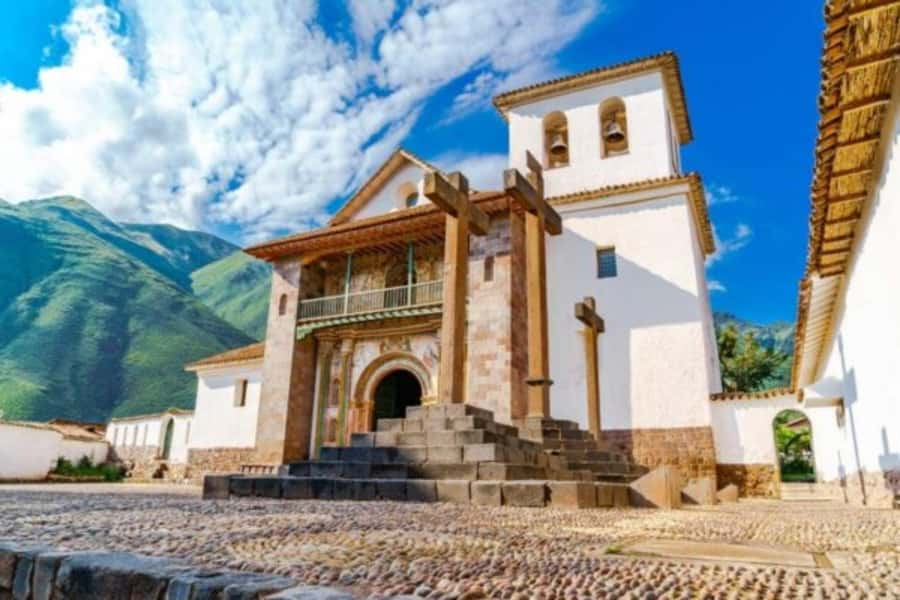
Your day begins with a town stop in Andahuaylillas about an hour after boarding, where you visit the Church of San Pedro Apóstol with a guided tour (about 45 minutes). This is the kind of place that works even if you are not a church-history person. The reason is atmosphere: you step into a setting designed for worship, with details that reward close looking.
You will also learn how this site became famous as the Sistine Chapel of America. That nickname is not just marketing fluff. It points to the way the church blends strong religious imagery with a local Andean sensibility, so you are not only seeing architecture, you are seeing a statement about belief made visible.
A practical tip: arrive ready to look up. In church interiors, the interesting parts often live higher than you expect, especially if you assume everything is at eye level. Wear something comfortable you can move around in, because even a “short” visit can involve a bit of turning, stepping, and repositioning for views inside.
The best part here is the shift from landscape to meaning. After hours of traveling, the church stop gives your eyes and your brain something specific to focus on.
Raqchi Temple ruins and Wiracocha worship, sacred ideas you can still read
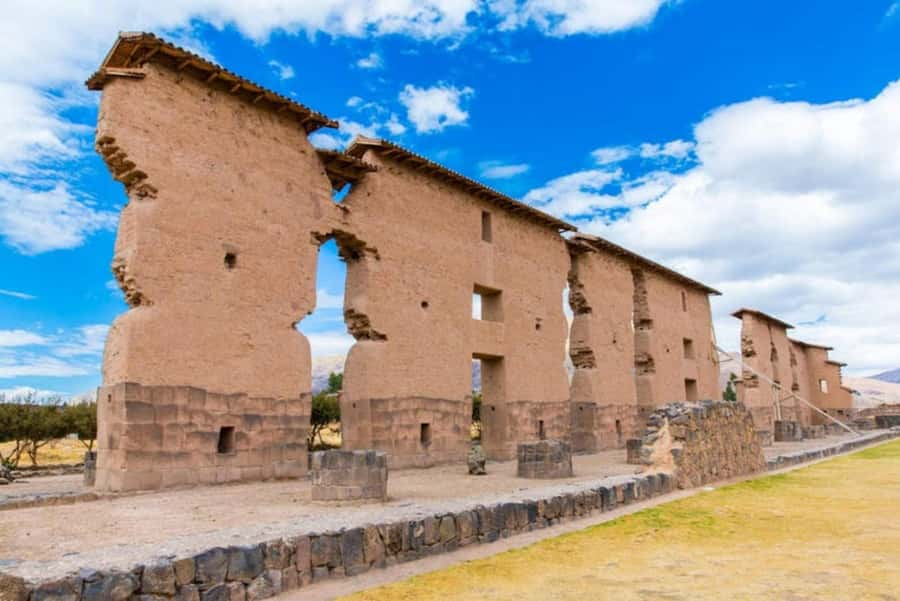
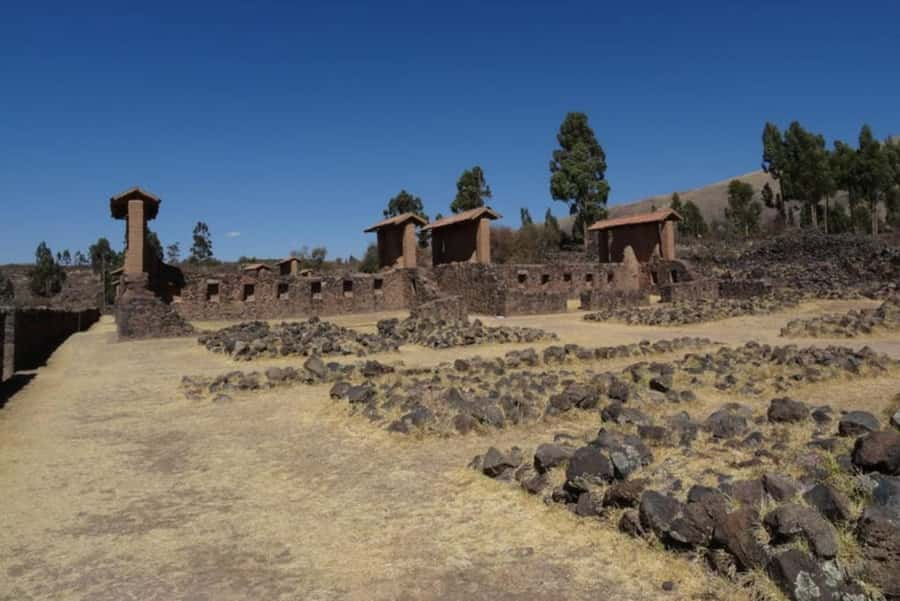
Next comes the archaeological stop at Raqchi, where you visit the temple ruins dedicated to Wiracocha (guided tour, about 45 minutes). Wiracocha is a major figure in Andean religious tradition, and this stop is built to help you understand how that deity was revered and what legacy remained after the arrival of the Spaniards.
That last part matters. This is not presented as a simple “before and after” story. You are guided through how worship connected to place, and how Spanish influence changed the religious world around it. Standing near the ruins, you get a sense that sacred worship was not only about beliefs in the abstract. It was about physical sites, materials, and how people gathered around shared meaning.
At Raqchi, the guided time is just long enough for orientation. If you spend too much time staring without context, it can feel like scattered stone. With the guide’s framing, those stone elements start to make sense as part of a larger sacred setting.
Potential drawback: because it is a bus day, weather can affect what you can comfortably explore at the site. If the light or temperature is rough, you may spend more time under the practical “shade line” than you want. Still, the stop is worth it because it is one of the clearest ways the day connects faith and history in a tangible location.
Sicuani lunch break, the moment you reset your energy
Between the sacred sites and the altitude stretch, you get a break in Sicuani for a buffet lunch. This is one of the most important pieces of the plan. A day like this has two big drains: the long ride time and the thin-air tiredness. A proper meal is what keeps you from feeling wrecked before Abra La Raya.
I like that lunch is not treated like an afterthought. It gives you time to recharge so the remaining driving and sightseeing feel manageable rather than exhausting. Buffet style also helps because it keeps things flexible, especially if you have a limited appetite in the morning or you are hungry later than expected.
What to do: pace yourself. If you go too heavy, altitude can make you feel sluggish. If you keep it moderate and focused on filling but not overly heavy food, you will feel better for the pass later.
Even if you are not a big eater, bring a snack you like. The schedule is fixed, and once you are back on the bus, you are usually committed to the timing. A small personal backup can be the difference between “fine” and “hangry” on the final leg.
Abra La Raya pass, your 14,100-foot reality check
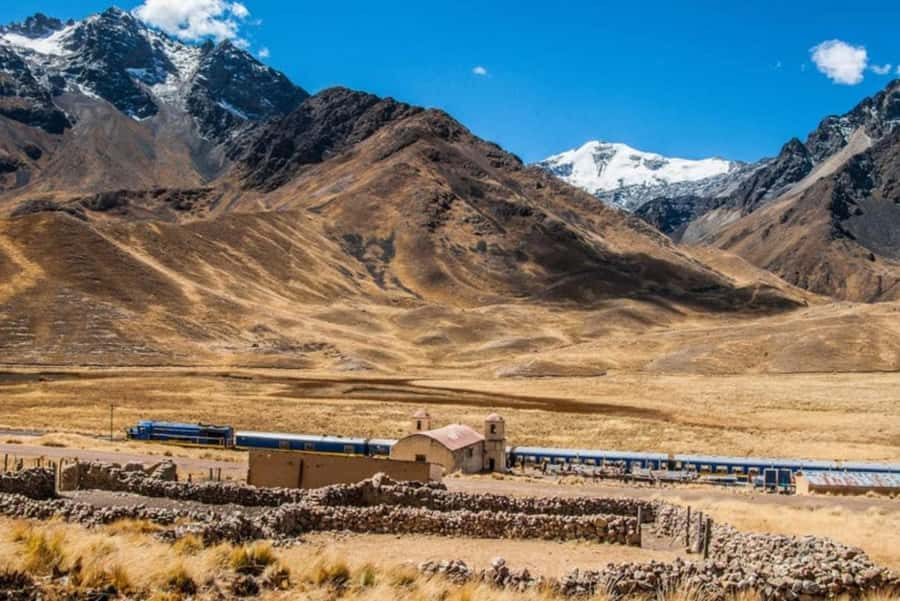
Then you climb to Abra La Raya, a mountain pass over 14,100 feet (4,300 meters) above sea level. You get a photo stop of about 25 minutes. That sounds short, but it is the right amount of time to step out, take in the views, and not let cold or altitude grind you down.
This is where your body gives you the final say. If you are prone to headaches or feel winded easily, take it slow the second you get out of the bus. Breathe calmly, walk gently, and keep your efforts small. The goal is not to “push through.” The goal is to arrive, look, and get back.
I also recommend being mentally ready for changing conditions. At high passes, light can shift quickly, and cloud cover can flip the view from dramatic to flat in minutes. That is why a dedicated stop helps. You are not trying to take photos while moving, which is a common mistake on fast tours.
If you are traveling with someone who gets altitude-sick, bring your comfort items and plan to stick close to the group. The short stop is not meant for lingering. It is a classic “make the most of the moment” stop.
Pukara Lithic Museum, how the highlands explain early civilizations
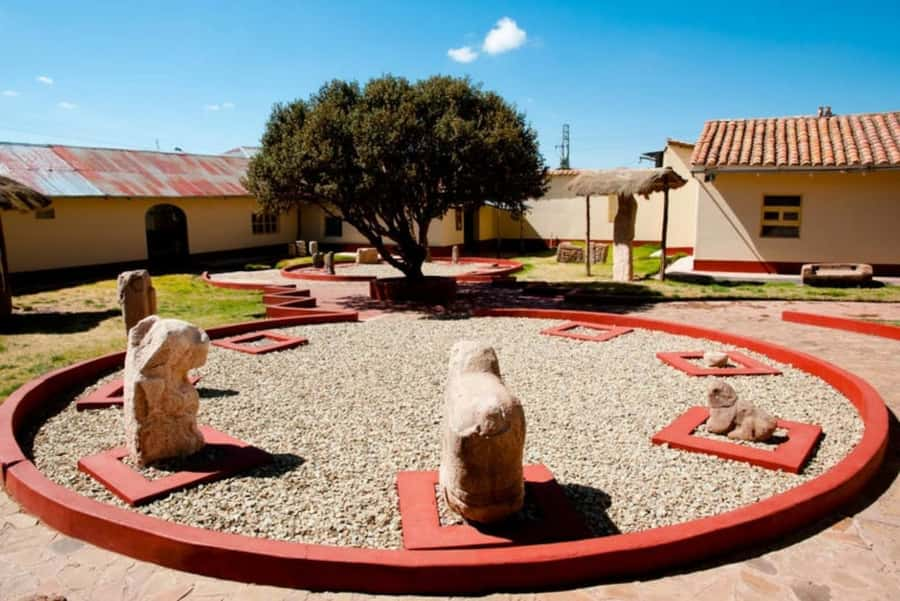
The day closes with a visit to the Pukara Lithic Museum (guided tour, about 45 minutes). This museum focuses on the origins of Andean civilization in the highlands, using stone-related pieces and context to help you connect what you learned earlier to how people lived, made tools, and expressed culture.
I like museum stops on trips like this because they turn “wow, that is old” into “I get why it matters.” After the church and ruins, the museum provides a different angle: not only sacred sites and temples, but also the material world that supported daily life in the highlands.
The most practical benefit is that it helps you process the day while you are still in tour mode. By the time you reach the museum, you have seen religious architecture and temple remains. The guided explanation then pulls those observations together into a bigger story you can remember later, even after the bus takes you back to your drop-off.
One note: museums can feel repetitive after many outdoor sites, so pay attention to what the guide is emphasizing. Ask yourself what the museum is saying the stone objects represent, and how they fit into highland life. If you stay curious, 45 minutes flies by.
Drop-off logistics and how to plan your evening
At the end of the circuit, your Sun Route tour finishes at the Puno bus station (or the matching drop-off depending on your booked direction), arriving around 5:30 PM. This is a real end point, not “close by somewhere.” If you are continuing travel, it is a good idea to have your next plan set up with some buffer.
Because this is a long day, I suggest you avoid scheduling something that demands a lot of energy right after arrival. Even if you feel fine, altitude fatigue can creep in late. Give yourself time to eat, hydrate, and decompress.
If you want to reduce stress, pick your onward travel with a little slack. You do not want to be racing across town while your body is still processing a high-mountain day.
Price value at $89, what you are paying for
The price is $89 per person for a 10-hour day trip that includes a lot more than just transport. You are paying for the full bus circuit, a bilingual guide (English and Spanish), a buffet lunch, and entry to the major stops: the Andahuaylillas church, Raqchi, and the Pukara Lithic Museum.
That is the key value point. A lot of day trips look cheap until you add admissions, guide time, and the cost of getting between sites. Here, those essentials are packaged. You can spend your mental energy on understanding what you are seeing, not on tickets and timing.
You also get a practical bonus: skip the ticket line. Even if you love planning, line time can eat up what little time you have at high-focus stops. Cutting that wait makes the day feel more efficient.
If you are traveling solo and you hate commuting, this also has strong value. You get a pre-built route between Cusco and Puno with structured stops rather than spending your day coordinating multiple legs.
Who this Sun Route day trip is best for
This tour fits best if you:
- Want an organized day that links sacred sites and highland civilization context
- Prefer guided interpretation over guessing what ruins and religious details mean
- Like the “great variety in one day” approach, church interior, temple ruins, high pass views, then a museum
It might be less ideal if you:
- Are very altitude-sensitive and you do not want a high pass at over 14,100 feet
- Need a slow pace with lots of free time at each stop
- Hate bus days and would rather spend multiple days unpacking fewer locations
If you are short on time between Cusco and Puno, this can be a smart way to use the gap productively.
Should you book this Sun Route day trip?
Yes, if you want a structured day that connects key Andean sites with guided context and you are comfortable with altitude. The biggest strengths are the stop variety and the fact that admissions and a bilingual guide are included, so you spend less time managing logistics and more time understanding the places.
If altitude makes you nervous, consider your comfort level honestly. Abra La Raya is high, and the stop is short, but it is still real altitude. If you can handle that, this circuit is a strong use of a single day between Cusco and Puno.
FAQ
Where does the tour start and end?
You board the bus at 6:30 AM either in Cusco or at the Puno bus station, depending on the route you choose. The tour ends around 5:30 PM, with drop-off at the Puno bus station (or the matching end point for your chosen direction).
Which stops are included in the tour?
The tour includes a visit to the Church of San Pedro Apóstol in Andahuaylillas, the Raqchi archaeological site, a photo stop at Abra La Raya, and a guided visit to the Pukara Lithic Museum.
How long is the tour?
The duration is 10 hours.
What is included in the price?
Transportation by bus, a bilingual tour guide (English and Spanish), buffet lunch, admission tickets to the Andahuaylillas church, Raqchi, and the Pukara Lithic Museum, and skip-the-ticket-line are included.
Do I need a passport?
Yes, you should bring your passport.
Is hotel pickup included?
Hotel pickup and drop-off are not included. You can add pickup and drop-off during booking, or arrange it separately (the option mentions adding a taxi service for up to 4 people).
Can I choose the direction of travel?
Yes. You choose Cusco to Puno or Puno to Cusco during the booking process.
Lake Titicaca Tours side by side.
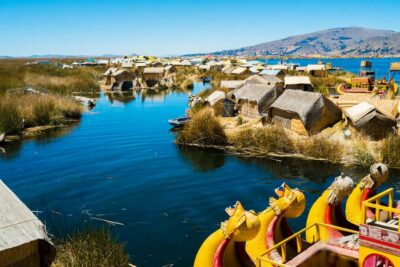 ★ 4.5From Puno: Uros, Amantaní & Taquile Islands 2-Day TourFrom $59452 reviews
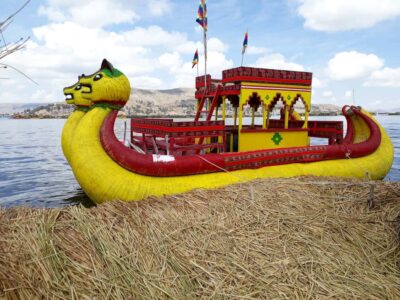 ★ 4.4From Puno: Floating Islands of the Uros Half-Day TourFrom $10394 reviews
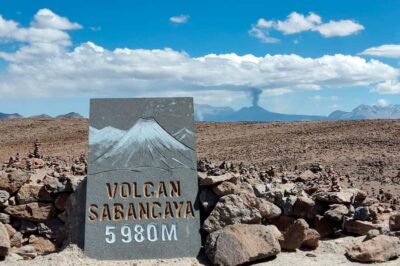 ★ 4.62-Day Tour Colca Canyon in Arequipa with end in PunoFrom $78248 reviews
 ★ 4.4Lake Titicaca 2-Day Tour to Uros, Amantani and TaquileFrom $69199 reviews
 ★ 4.4Puno: Full-Day Tour of Lake Titicaca and Uros & TaquileFrom $33178 reviews
 ★ 4.7Puno: Full-Day Route of the Sun Tour to Cusco with LunchFrom $44131 reviews
 ★ 4.8Cusco: Scenic Route of the Sun to Puno with Buffet LunchFrom $44101 reviews
 ★ 4.2Floating Islands of the UrosFrom $7101 reviews
Also on these Peru lists