

REVIEW · LAKE TITICACA
From Cusco: 2-Night Lake Titicaca Excursion
Lake Titicaca feels like another planet. I like how this trip packs boat time and real island community visits into a tight schedule, without you having to figure out transport yourself.
My favorite part is the mix of sights and people time, from the famous reed islands to a guided look at life on Amantani. One thing to watch for: the pace is driven by water and bus schedules, and plans can shift with weather, which can change how long you actually spend at each stop.
In This Review
- Key Things You Should Know Before You Go
- Lake Titicaca In One Tight Circuit (Cusco to Puno and Back)
- Overnight Peru Hop Buses and the Wi-Fi Lifeline
- Day 2 Morning in Puno: From Hostel Storage to Boat Time
- Entering the Uros Reed Islands: What You Learn and What You Might Wish Was Different
- Amantani Island Community Visit: The Real Reason This Trip Feels Worth It
- Llachon Peninsula Lunch and the Value of Small, Quiet Time
- The Huacachina and Paracas Highlights: Confirm What Your Actual Days Include
- Price and Logistics: Is It Worth $86 Per Person?
- What It Feels Like on the Ground: Timing, Pacing, and Group Reality
- Who Should Book This (and Who Should Skip It)
- Final Verdict: Should You Book This Tour?
- FAQ
- Where is the meeting point in Cusco?
- When does the bus leave Cusco?
- What time do you arrive in Puno?
- What does the tour include besides transportation?
- Is breakfast or dinner included in Puno?
- Do you get any luggage storage in Puno?
- What should I bring?
- What languages is the guide?
- Is this tour affected by weather?
Key Things You Should Know Before You Go

- It is a lake circuit, not a full Peru tour: you mainly live on the water between Cusco, Puno, Uros, Amantani, and the Llachon Peninsula.
- Two overnight buses do the heavy lifting: you sleep on the road both ways, so your “on the ground” time is concentrated.
- A bilingual guide is included: English and Spanish interpretation helps a lot when you’re learning local history and daily life.
- Lunch is handled at Llachon: that is one less meal you need to plan for, but breakfast and dinner are not included in Puno.
- Bring extra cash for extras: the trip can include small costs along the way, so plan beyond the base price.
- Some advertised highlights may need confirmation: the info you see can mention Huacachina and Paracas, but your detailed itinerary here focuses on Lake Titicaca stops.
Uros, Taquile and Amantani, other crossings
- Cusco: Scenic Route of the Sun to Puno with Buffet Lunch
★ 4.8 · 101 reviews - Full Day Lake Titicaca Tour from Cusco
★ 4.5 · 91 reviews - From Cusco: 2-Day Lake Titicaca Tour
★ 4.4 · 74 reviews - From Cusco: Titicaca Lake – Full day tour with sleeper bus
★ 3.9 · 72 reviews
Lake Titicaca In One Tight Circuit (Cusco to Puno and Back)

This is a value-focused way to see Lake Titicaca without booking separate tickets and tours. The tradeoff is time compression. You are doing a classic “sleep, ride, boat, explore, sleep again” rhythm, so you will feel the itinerary more than you’ll linger.
The overall goal is clear: you start in Cusco, reach Puno, then spend the core day on the lake with guided stops. It is listed as a 3-day duration, but it is also described as effectively a one-day lake experience paired with two overnight bus journeys.
If you like straightforward itineraries with a guide doing the planning, you’ll probably appreciate the structure. If you crave slow travel and long unhurried stays, you may feel rushed.
Overnight Peru Hop Buses and the Wi-Fi Lifeline
You meet in Cusco at the Hop private bus terminal at Industrial 252. From Plaza de Armas, plan around 10 to 15 minutes to get there, then be ready for a late start, because the bus departs at 9:30 pm.
The buses run overnight to Puno, arriving around 5:30 am. One practical perk is onboard high-speed Wi-Fi, but it is only available through Peru Hop. If you rely on maps or messaging to stay coordinated, that alone can make the night bus feel less painful.
You should also accept that this is not the kind of ride where you “rest comfortably all night.” It is transport that gets you into position for the lake day. Pack your snacks and water, and bring whatever helps you sleep in a bus seat.
Day 2 Morning in Puno: From Hostel Storage to Boat Time

Once you arrive in Puno, you transfer to a partner hostel where you can store luggage for free while the tour runs. Then you go straight into the lake segment, not into a big Puno sightseeing block. That saves time, but it also means you should not plan on using your early morning to explore the city much.
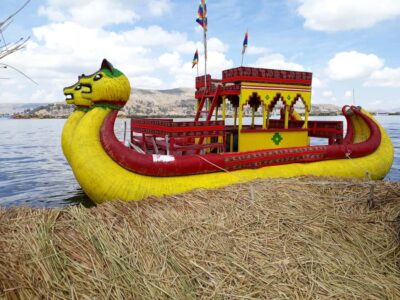
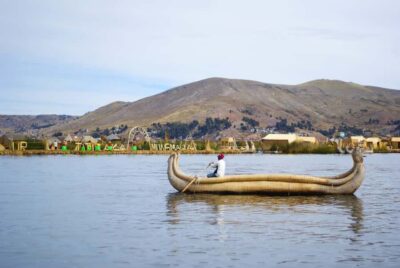
When you’re ready, the guided tour begins with a boat ride to the Uros Islands. This is one of the most recognizable sights on the lake, and the guide’s job is to turn it from a quick photo stop into an actual explanation of how reed islands work and why they exist.
After the Uros visit, the plan continues across the lake toward Amantani Island, with cruising on Lake Titicaca described as the highest navigable lake in the world. That phrase matters because it explains why the journey itself is part of the experience, not just the route between destinations.
Entering the Uros Reed Islands: What You Learn and What You Might Wish Was Different
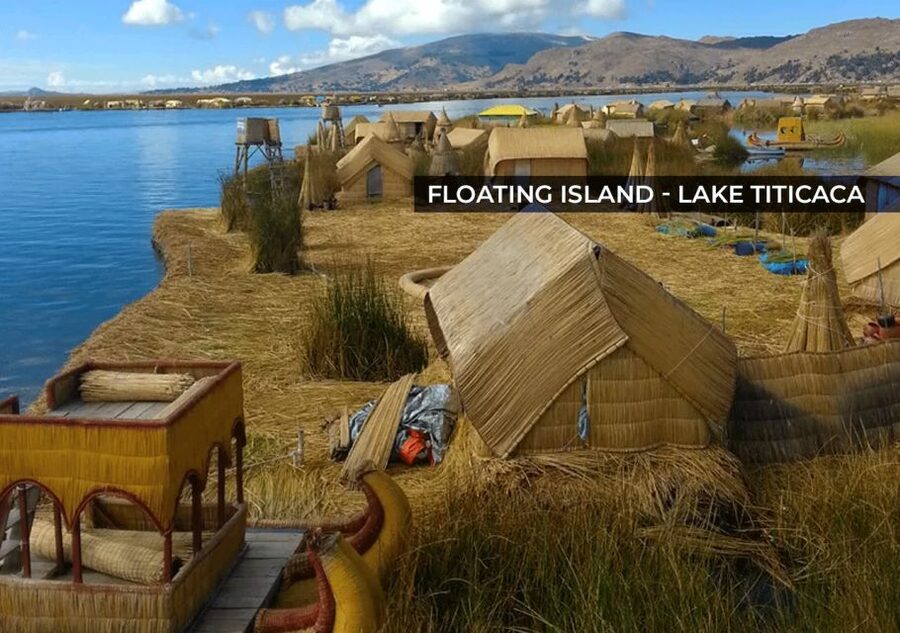
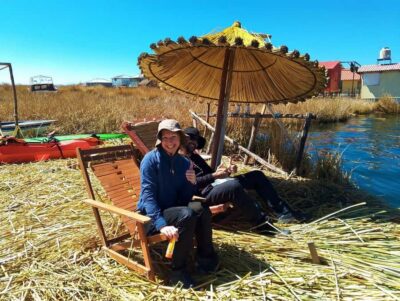
The tour includes entry to the Uros Floating Islands and a guided walkthrough. Expect to see how the islands are built and maintained, and you’ll get context on how people use the reeds and live on water in a way that is different from everything most visitors are used to.
This is also where you should calibrate expectations. The Uros are famous, and because they’re famous, the experience can feel more staged to some people than they expected. In a perfect world, you want to see the real day-to-day life close up. In real life, your exact viewing may depend on timing and which island area you’re taken to.
My practical advice: ask your guide for clarity on what you will actually see beyond the first viewing spot. You are paying for guided entry here, so you should get more than just a quick look and a souvenir browse.
Nearby in Cusco, these earned their own write-ups



Amantani Island Community Visit: The Real Reason This Trip Feels Worth It
After Uros, your boat journey continues to Amantani Island, described as remote. That word matters. Getting farther from the most tour-busy pockets usually changes the feel of the day, because you’re more likely to encounter local routines rather than a constant parade of visitors.
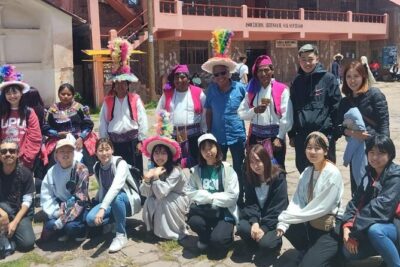
The tour includes entry to Amantani Island and a guided tour focused on traditional history, lifestyle, and the island community. This is the part of the itinerary that often becomes the emotional payoff for the day. You are not just watching scenery, you are learning how people live in a place shaped by the lake.
Timing also shapes the feel. You get an island tour, then later you move onward to the Llachon Peninsula. Because of that schedule, you won’t have “days to bond” with the community. But if you want a respectful introduction and meaningful conversation time, it is a good balance for a short trip.
One more reality check: Amantani time depends on weather and lake conditions, and the whole itinerary is stated as subject to changes due to issues like rain, mudslides, overflows, strikes, and demonstrations. So bring flexibility, and do not treat every clock minute as guaranteed.
Llachon Peninsula Lunch and the Value of Small, Quiet Time
Around 12:30 pm, the plan shifts from Amantani to the Llachon Peninsula. You take the boat across and then have lunch in the shore-side village of Llachon.
Lunch being included is a big deal for value. It removes one meal you’d otherwise need to manage while you are busy with boats, transfers, and limited time. It also helps you experience life on the shore, not only on the islands.
After lunch, you get free time in a picturesque spot on Lake Titicaca. That is where you can slow down and just look. You might take photos, watch daily routines, or simply enjoy a rare moment when you are not moving between two destinations.
You do need to think about the tradeoff: free time is great, but it depends on how the schedule lands that day. On a compressed itinerary, a lot of “free time” can actually become “waiting time” if timing slips. You should plan your expectations that the day is run by transport realities.
The Huacachina and Paracas Highlights: Confirm What Your Actual Days Include

Here’s a heads-up that can save you disappointment. The highlights mention a thrilling Huacachina buggy ride and exploring Paracas Reserve with desert-meets-ocean views. But the detailed itinerary you provided here focuses on Lake Titicaca stops: Uros, Amantani, and Llachon, plus overnight buses between Cusco and Puno.
So you should not assume those two highlights are automatically included in your specific departure. Since the tour details matter day by day, I recommend you confirm with the operator before you book, or right after you book, what version of the itinerary you are getting.
If Huacachina and Paracas are included in your package, that would be a very ambitious add-on. If they are not, you will still get a solid Lake Titicaca experience, but it will be more focused and less geographically scattered.
Price and Logistics: Is It Worth $86 Per Person?

At $86 per person, this trip looks like a budget-friendly way to do boat-based lake islands plus guided interpretation. The price makes sense because you are buying bundled transport and entry fees, not just a sightseeing boat ride.
Included items that drive value:
- Guided transportation from Cusco to Puno (overnight bus)
- Boat transportation during the lake portions
- Bilingual English and Spanish guide
- Entry tickets to Uros and Amantani
- Lunch in Llachon Peninsula
- Onboard high-speed Wi-Fi through Peru Hop
What you still need to budget:
- Breakfast and dinner in Puno are not included
- Hotel pickup is not included
- Food and small costs can pop up during island days, so keep some extra cash handy
One review detail that lines up with the reality of this kind of tour: you often end up spending more than you planned because there are frequent opportunities for paid add-ons. That doesn’t mean the trip is overpriced. It means you should travel ready for small, optional costs.
Also, pay attention to the “bag storage” detail. The schedule mentions free luggage storage at a partner hostel. But the package notes list hostel bag storage as not included. The safest move is to confirm what is covered for your specific booking so you do not get surprised.
What It Feels Like on the Ground: Timing, Pacing, and Group Reality
This is a tour where the “group plan” matters. You’ll be moving as a unit between Cusco and Puno, then between lake stops. That is why a bilingual guide is valuable, because they can keep you oriented and help you understand what you’re seeing as the boat schedule moves you along.
Pacing is the biggest emotional variable with this itinerary. If everything runs on time, the day feels efficient and you use most of the available daylight. If timing gets stretched, you can end up with long waits at the hostel area while the schedule catches up.
There is also a practical comfort factor. One piece of feedback pointed to the hostel bathrooms needing to be cleaner and ready when visitors arrive. That’s not a dealbreaker for everyone, but it is a reminder: you’re booking a tour that relies on partner facilities, and those facilities may not be hotel-level.
Who Should Book This (and Who Should Skip It)
I think this trip fits best if you want:
- A guided introduction to Uros and Amantani
- A simple plan with buses and boats arranged for you
- You’re okay with overnight travel and a fixed schedule
- You want lake views without adding extra complicated bookings
It may be a poor fit if you:
- Need wheelchair access, since wheelchair users are listed as not suitable
- Are pregnant, since pregnant women are listed as not suitable
- Have very young kids, because children under 4 are listed as not suitable
- Expect lots of time to hang out in one place, because the itinerary is built for movement
If you’re the type who likes to control your own timing, you might prefer booking separate tickets and staying longer in Puno. But if you’re trying to do Lake Titicaca within a limited window, this is a structured, relatively efficient approach.
Final Verdict: Should You Book This Tour?
If your main goal is Lake Titicaca with guided island context, I’d say it is worth considering. The included guide, entry tickets, boat transport, and included lunch do a lot of work for the $86 price. Plus, you get the overnight bus logistics handled, which is often the hardest part for first-timers.
Before you book, do two quick checks:
- Confirm whether your departure includes the advertised Huacachina and Paracas items, since the day-by-day plan shown here is Lake Titicaca focused.
- Bring snacks, water, and extra cash, and accept that weather can change the flow of the day.
If you go in with that mindset, you’ll likely come away with more than just photos. You’ll have stories from the reed islands and a guided look at island life on Amantani.
FAQ
Where is the meeting point in Cusco?
You meet in the Hop private bus terminal at Industrial 252.
When does the bus leave Cusco?
The Peru Hop overnight bus departs from Cusco at 9:30 pm.
What time do you arrive in Puno?
The bus arrives in Puno in the morning, around 5:30 am.
What does the tour include besides transportation?
It includes boat transportation, a bilingual English and Spanish guide, entry tickets to the Uros Floating Islands and Amantani Island, and lunch in the Llachon Peninsula.
Is breakfast or dinner included in Puno?
No. Breakfast and dinner in Puno are not included.
Do you get any luggage storage in Puno?
You transfer to a partner hostel where you can store your luggage for free while you go on the tour, but the package notes list hostel bag storage as not included, so confirm what is covered for your booking.
What should I bring?
Bring a passport or ID card, snacks, water, and cash.
What languages is the guide?
The guide is bilingual in English and Spanish.
Is this tour affected by weather?
Yes. The itinerary is subject to variation due to weather issues and other events that do not allow the normal development of the itinerary.
More Tours in Cusco
- Cusco: Humantay Lake Tour with Breakfast and Buffet Lunch
★ 4.9 · 2,976 reviews - From Cusco: Moray, Maras Salt Mines & Chinchero Weavers Tour
★ 4.8 · 1,925 reviews - From Cusco: Full-Day Group Tour of Machu Picchu
★ 4.7 · 1,767 reviews - Cusco: Half-Day City Tour with Sacsayhuaman and Q’enco
★ 4.6 · 1,129 reviews - Machu Picchu: Full-Day Tour from Cusco with Optional Lunch
★ 4.6 · 927 reviews
More Tour Reviews in Cusco
- Cusco: Humantay Lake Tour with Breakfast and Buffet Lunch
★ 4.9 · 2,976 reviews - From Cusco: Moray, Maras Salt Mines & Chinchero Weavers Tour
★ 4.8 · 1,925 reviews - From Cusco: Full-Day Group Tour of Machu Picchu
★ 4.7 · 1,767 reviews - Machu Picchu Day Trip from Cusco
★ 4.5 · 1,644 reviews - Cusco: Half-Day City Tour with Sacsayhuaman and Q’enco
★ 4.6 · 1,129 reviews
Island Time on Titicaca
- Cusco: Scenic Route of the Sun to Puno with Buffet Lunch
★ 4.8 · 101 reviews - Full Day Lake Titicaca Tour from Cusco
★ 4.5 · 91 reviews - From Cusco: 2-Day Lake Titicaca Tour
★ 4.4 · 74 reviews - From Cusco: Titicaca Lake – Full day tour with sleeper bus
★ 3.9 · 72 reviews - From Cusco to Lake Titicaca: 2-Day Homestay Tour
★ 4.5 · 56 reviews
Freshly reviewed across Cusco
- Excursion Cusco – Puno – Titicaca Observatory Train★ 5.0 · 3 reviews
- Sacred Valley Vip Cusco★ 4.7 · 3 reviews
- Cusco | Humantay Lake 1-Day Tour with Breakfast and Lunch★ 5.0 · 3 reviews
- Full-Day Condor Viewpoint & Inca Sites Tour★ 5.0 · 3 reviews
- Best of Cusco: Private Walking Tour with a Local★ 3.6 · 3 reviews
- From Cusco: Full-Day Private Sacred Valley Tour★ 5.0 · 3 reviews
Lake Titicaca Tours side by side.
 ★ 4.5From Puno: Uros, Amantaní & Taquile Islands 2-Day TourFrom $59452 reviews
 ★ 4.4From Puno: Floating Islands of the Uros Half-Day TourFrom $10394 reviews
 ★ 4.62-Day Tour Colca Canyon in Arequipa with end in PunoFrom $78248 reviews
 ★ 4.4Lake Titicaca 2-Day Tour to Uros, Amantani and TaquileFrom $69199 reviews
 ★ 4.4Puno: Full-Day Tour of Lake Titicaca and Uros & TaquileFrom $33178 reviews
 ★ 4.7Puno: Full-Day Route of the Sun Tour to Cusco with LunchFrom $44131 reviews
 ★ 4.8Cusco: Scenic Route of the Sun to Puno with Buffet LunchFrom $44101 reviews
 ★ 4.2Floating Islands of the UrosFrom $7101 reviews
Also on these Peru lists