
REVIEW · LAKE TITICACA
From Cusco: Titicaca lake with the route of the sun in 2 day
Two days, three ancient worlds. I like this trip because the Route of the Sun gets you off the couch early and teaches you as you travel, then finishes with Lake Titicaca and island life. You start with a guided run of major sights, then you roll right into a boat day that shows how people live on the lake.
My second favorite part is the balance: an easy-to-follow transit schedule on day 1, plus real culture stops on day 2, including the reed-built Uros islands and textile tradition on Taquile. The main drawback to consider is time pressure, especially on the lake day, where the program can feel structured, so if you want lots of free-floating wandering time, this may not feel flexible.
In This Review
- Key highlights you should actually care about
- Cusco to Puno on the Route of the Sun: the 6:30 start that pays off
- Andahuaylillas and Raqchi: the stops that make the drive feel like sightseeing
- Paso de la Raya and Nevado de Chimboya: the quick viewpoint you should not skip
- Pucará’s Lithical Museum: a culture detour with interesting objects
- The Titicaca day starts early: 6:30 pickup and a full boat program
- Uros floating islands: how the reed islands work and what to watch for
- Taquile island: textiles, tradition, and how people spend their days
- Guides and timing: why organization matters more than you think
- Value check: does $158 make sense for this route?
- Practical tips before you go: what to pack and how to plan your night
- Who this trip fits best
- Should you book this Route of the Sun and Titicaca tour?
- FAQ
- How long is the tour from Cusco to Titicaca via Puno?
- How much does it cost?
- What time do you get picked up in Cusco on day 1?
- What islands do you visit on Lake Titicaca?
- Are meals included?
- What languages are guides offered in?
- What is the cancellation policy?
Key highlights you should actually care about
- A guided Route of the Sun day 1: Archaeology stops plus a buffet lunch, so you are not just riding a bus.
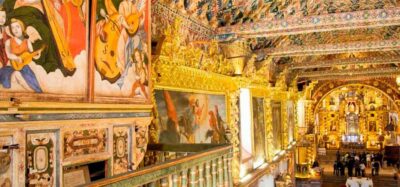
- Sistine Chapel of Andahuaylillas vibes: 17th-century murals and Cusco paintings in one of the route’s best stops.
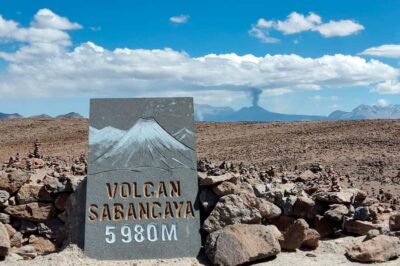
- Paso de la Raya photo moment: Quick scenic timing by the Cusco-Puno border near Nevado de Chimboya.
- Uros floating islands, explained in plain terms: Reed construction, history, and the local economic system.
- Taquile textiles you can see up close: Men’s weaving skill, including water-resistant techniques.
- Two-day pace that fits a short window: Good if you want Cusco to Titicaca without building a custom itinerary.
Uros, Taquile and Amantani, other crossings
- TRIP FROM PUNO TO CUSCO WITH THE ROUTE OF THE SUN
★ 4.7 · 16 reviews - Cusco: Bus Turistico Puno Cusco con Tour y Buffet
★ 4.2 · 7 reviews
Cusco to Puno on the Route of the Sun: the 6:30 start that pays off
This is a classic “get there the interesting way” route. You are picked up from your Cusco hotel at 6:30 a.m., then you head to the bus station and start moving through the high-impact sights on the Route of the Sun to reach Puno. If you hate dead time, this layout is your friend. Instead of arriving at Puno and then scrambling to fill the day, you already collect highlights along the drive.
The timing also matters. You reach Puno at about 5:00 p.m. on day 1, which gives you an evening to settle in. Just plan for one thing: the tour includes your transfer to your Puno hotel after you arrive, but it does not include the hotel night in Puno, so you will need to book lodging separately.
And yes, day 1 is a lot of “bus plus stops.” But the stops are not random. They are chosen so you understand the region in layers, Inca and pre-Inca sites first, then the cultures around Lake Titicaca once you get there.
Andahuaylillas and Raqchi: the stops that make the drive feel like sightseeing
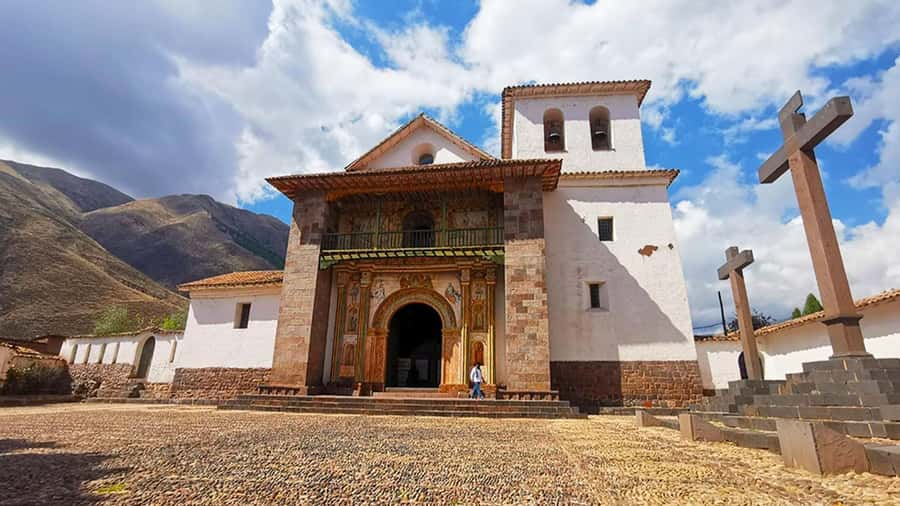
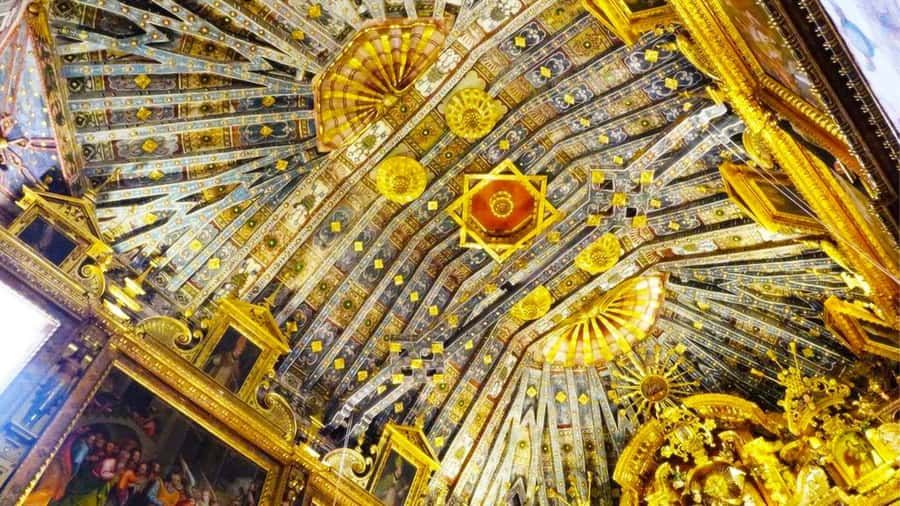
Day 1 starts with a top-tier art and architecture hit: the Sistine Chapel of Andahuaylillas, from the 17th century. You get the nickname Sistine of the Andes because of the murals and the Cusco paintings inside. This is one of those places where it helps to look slowly, not just snap photos and rush out. Even if you only catch a few sections of the artwork, it gives you a better feel for how Andean and colonial styles mixed over time.
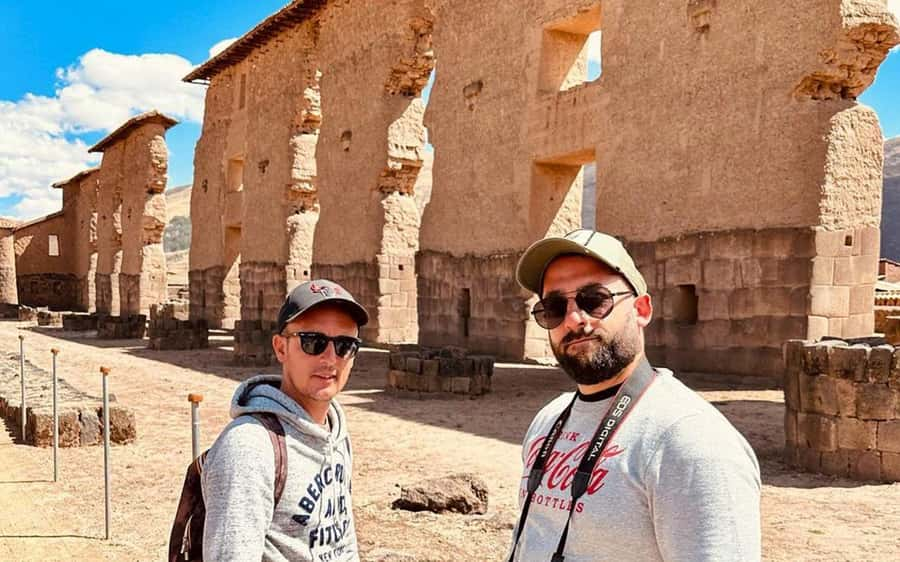
Next comes the Raqchi Archaeological Complex, also known as the Temple of the god Wiracocha. Wiracocha is described here as the supreme Inca deity, and the site visit gives you a sense of how central belief systems were to major constructions. The practical benefit for you is that by the time you are done with Raqchi, you are not thinking of the Andes as just scenery. You start thinking of it as a map of meaning.
Also, you avoid the classic travel trap of arriving hungry and unprepared. Around noon, the tour includes a buffet lunch at a tourist restaurant, with national and regional options.
Paso de la Raya and Nevado de Chimboya: the quick viewpoint you should not skip
After lunch, you hit Paso de la Raya, the border between the cities of Cusco and Puno. This is not a “stay all day” stop. The visit lasts about 7 to 10 minutes, but that short window is exactly why it works. The goal is a photo and a quick reset.
From here, you can see the Nevado de Chimboya, and the timing helps you catch the moment before you are back in transit mode. If you are the type who always wants one good shot of a place, this is a built-in opportunity. Just keep your camera ready when the bus pulls over, because the stop is brief by design.
Pucará’s Lithical Museum: a culture detour with interesting objects
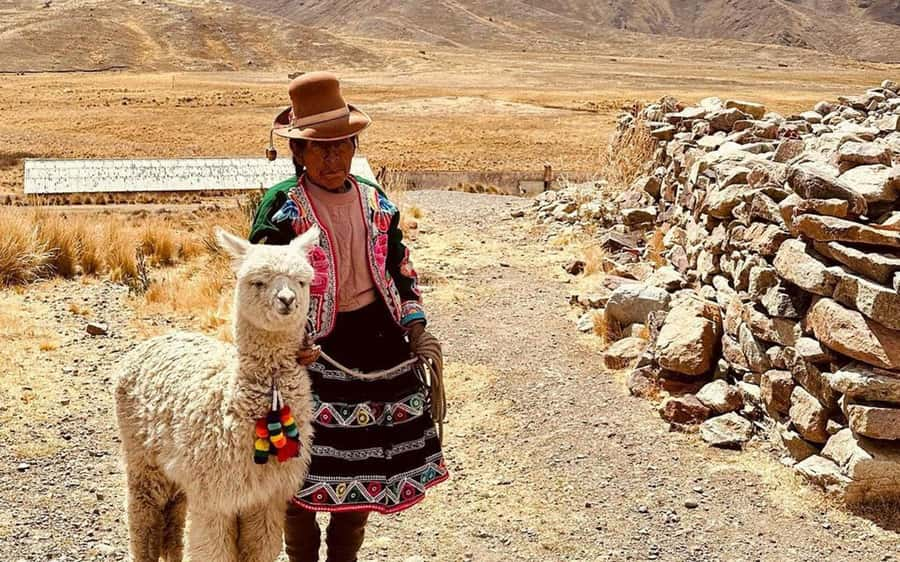
The last major day 1 stop is the Lithical Museum of Pucará. This museum is tied to the Pucará culture, which developed from around the 1600s BC to 400 AD. That timeframe is the key idea here: this is not just a quick add-on for names and dates. It helps you connect what you see later on the lake to deeper roots.
The museum visit focuses on ceramics and sculptures, including zoomorphic figures, animal-like forms. You might also hear about a notable sculpture called Hatun Aqac, translated in the tour description as the supreme cutthroat. It is a striking name, and it is the kind of detail that makes a museum visit stick because it gives you a specific anchor instead of only general notes.
The practical value: by the time you arrive in Puno near 5:00 p.m., you have already “learned the region” a bit. Day 2 is more enjoyable when you understand what you are looking at.
The Titicaca day starts early: 6:30 pickup and a full boat program
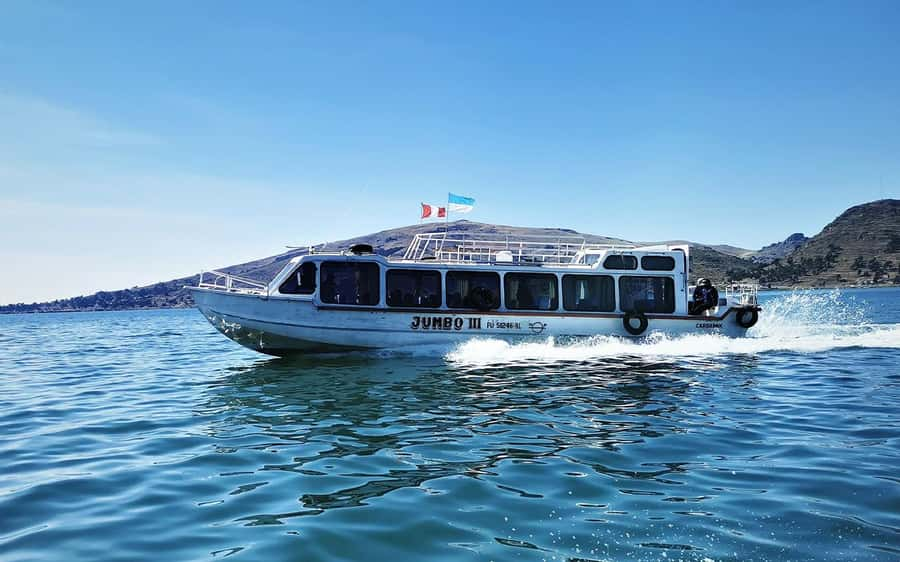
On day 2, you are picked up again at 6:30 a.m., either from the bus station or your hotel in Puno, then transferred to the port. From there, you board a boat for Lake Titicaca, described as the highest navigable lake in the world.
The schedule is built for momentum, not lounging. You return to the port at 4:00 p.m. That gives you a full day for Uros and Taquile, with limited downtime between locations.
If you hate rushing, I get it. But here is why this structure can still be worth it: the lake is easiest to enjoy when you visit it as a route, not as a vague wish. The program moves you through two very different ways of living on the water, and it keeps you from wasting time figuring out transport on your own.
Uros floating islands: how the reed islands work and what to watch for
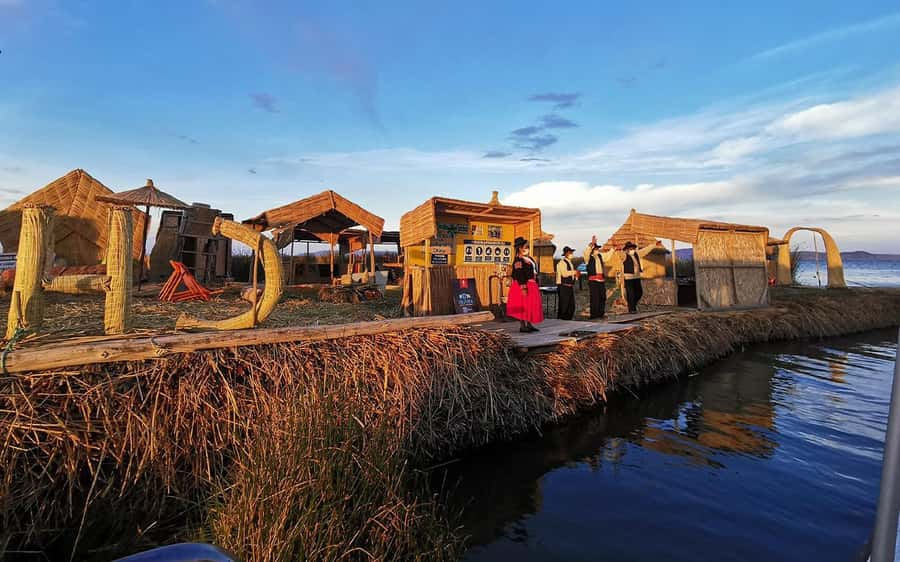
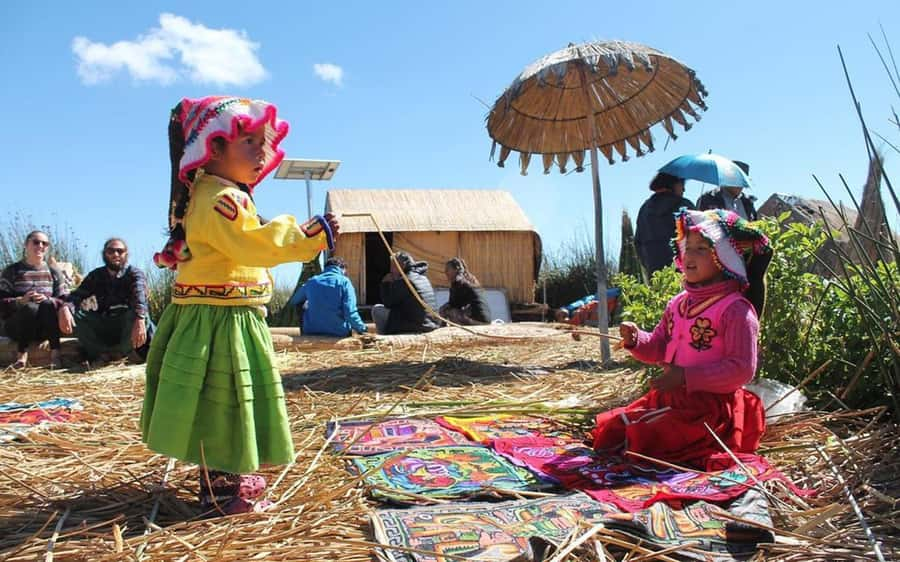
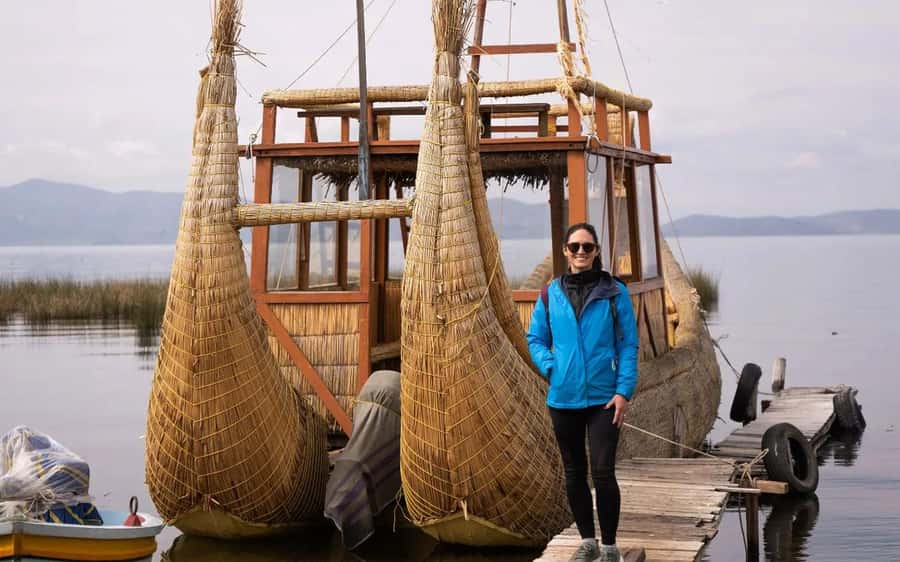
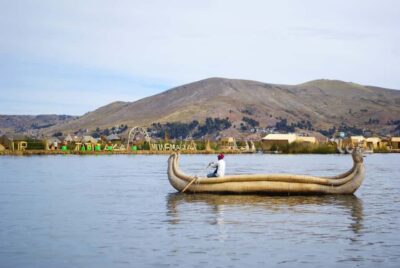
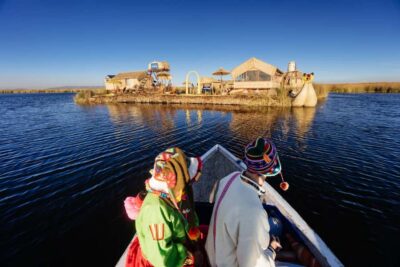
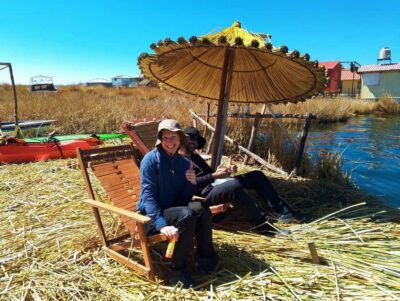
Your first lake stop is the floating island of Los Uros. These islands are made of reeds, and the guide explains the history of the islands plus their economic system. You will also learn about local customs and see crafts.
What I like about this part is that it is not framed as pure spectacle. The guide provides context, so you can look at the environment with more meaning. When you understand that these are reed-built living spaces, you naturally pay attention to practical details: how the materials are used, what daily life might look like, and how traditions get maintained.
A small note based on a recurring theme in the overall feedback: the island segments can feel “must-do” within the tour flow. So if your ideal version of Uros includes long, independent exploring, you may feel the schedule tighter than expected. If you are happy to follow a guided program and focus on learning, it tends to feel fine.
Taquile island: textiles, tradition, and how people spend their days
After Uros, you travel by water to Taquile. This island is highlighted for its landscape views, cultural life, and archaeological value, with local customs that have remained intact for years. You are not only viewing ruins or scenery here. You are seeing tradition as a living practice.
One of the main draws is textiles. The tour specifically mentions that the men of Taquile carry out textile activity with major skill, including techniques described as water-resistant. The knowledge is said to be transmitted from generation to generation, so it is not a single-time performance. It is a continuation of work.
If you enjoy craft-focused travel, Taquile is the kind of place that makes you slow down. Instead of rushing to a viewpoint, you look at hands at work and try to understand why certain patterns and methods matter to community life.
Lunch is where you need to be alert. The route notes say you can enjoy a typical lunch of the area that is not included. But the package details also list lunch for day 2 as included. The safe move is simple: when you book, confirm whether your day 2 lunch price is covered or if you should budget separately.
Guides and timing: why organization matters more than you think
One of the strongest positive themes connected to this experience is organization. People liked that pickup times are kept and that the trip runs on schedule. In a two-day itinerary, that is not a small thing. When you are short on time, a late bus or an overlong stop can squeeze your island time hard.
This tour also runs with a professional guide in English and Spanish. That bilingual setup matters if your group has different language comfort levels, and it usually makes the explanations clearer when you are hearing both perspectives. It also helps you get more out of each stop, especially at sites like Andahuaylillas and Raqchi, where visual details are easier when someone points out what is important.
Value check: does $158 make sense for this route?
At $158 per person for 2 days, you should evaluate what you are buying, not just what you pay.
Here is the value logic as I see it:
- Day 1 includes a guided route with multiple entry ticket stops plus a buffet lunch.
- Day 2 includes a guided boat day to two island experiences with entry tickets.
- Pickup and transfers are handled, including hotel pickup in Cusco and transfers around Puno.
So you are paying for time saved plus logistics handled. If you were to DIY this, you would spend effort coordinating transport across cities and figuring out boat transport and entry timing for Uros and Taquile. Even if you find cheaper options, they often come with more uncertainty.
Now the drawback side: one critical note in the overall feedback points to cost and choice feeling mismatched, especially around the lake portion feeling less optional than expected. That is not automatically a dealbreaker. But it is your signal to ask yourself what you want from Titicaca: strict guided flow and explanations, or lots of independent wandering and flexible pacing.
If you like structure and you want to leave with a clear sense of Cusco to Puno to lake culture, the price can feel fair. If you dislike set programs, consider a more flexible Titicaca arrangement.
Practical tips before you go: what to pack and how to plan your night
This is a practical packing list, and I recommend you follow it closely because it is tied to the actual day demands.
- Bring your passport.
- Wear comfortable shoes, because you will walk through sites and move around docks.
- Pack a sun hat and sunscreen. Sun matters on both the route and on the water.
- Bring a camera and comfortable clothes suited for outdoors.
- Carry cash.
For the biggest planning item, remember this: the tour does not include the hotel night in Puno. You will arrive around 5:00 p.m. on day 1, so you should book a place for that evening. If you are already thinking ahead, you will be happier if your hotel is easy to reach from the handoff point on day 1 and is convenient for your day 2 pickup.
Who this trip fits best
This is a great fit if you:
- Want Cusco to Titicaca in two days without building a complex plan.
- Like archaeological stops with a guide explaining what you are seeing.
- Enjoy island culture, especially when it includes hands-on craft themes like Taquile textiles.
- Appreciate a schedule that actually gets you to each location on time.
It is less ideal if you:
- Want lots of free time on the lake with minimal structure.
- Get stressed by early starts and a full day that runs until around 4:00 p.m.
Should you book this Route of the Sun and Titicaca tour?
I would book it if your priority is a smooth, guided route from Cusco to Puno, then a guided lake day with Uros and Taquile in one go. The main reason is value for time: you get multiple entry sites on day 1, then a proper boat-based Titicaca experience on day 2, with pickup and transfers handled.
Before you say yes, do two quick checks:
- Confirm what is actually included for day 2 lunch, since the notes conflict.
- Decide how you feel about a set program on the islands. If you prefer flexibility, this may feel a bit rigid.
If you want structured sightseeing and culture that connects across the altiplano, this is a sensible way to do it in 48 hours.
FAQ
How long is the tour from Cusco to Titicaca via Puno?
The experience lasts 2 days.
How much does it cost?
The price is $158 per person.
What time do you get picked up in Cusco on day 1?
You are picked up from your Cusco hotel at 6:30 a.m. on day 1.
What islands do you visit on Lake Titicaca?
On day 2, you visit the floating islands of Uros first, then you go to Taquile.
Are meals included?
Day 1 includes a buffet lunch. For day 2, the route notes say typical lunch is not included, so you should confirm with the operator what is covered in your exact booking.
What languages are guides offered in?
The tour includes guides in English and Spanish.
What is the cancellation policy?
You can cancel up to 24 hours in advance for a full refund.
More Tour Reviews in Pucara Peru
- TRIP FROM PUNO TO CUSCO WITH THE ROUTE OF THE SUN
★ 4.7 · 16 reviews - Cusco: Bus Turistico Puno Cusco con Tour y Buffet
★ 4.2 · 7 reviews
Island Time on Titicaca
- TRIP FROM PUNO TO CUSCO WITH THE ROUTE OF THE SUN
★ 4.7 · 16 reviews - Cusco: Bus Turistico Puno Cusco con Tour y Buffet
★ 4.2 · 7 reviews
Freshly reviewed across Pucara Peru
- Cusco: Bus Turistico Puno Cusco con Tour y Buffet★ 4.2 · 7 reviews
- TRIP FROM PUNO TO CUSCO WITH THE ROUTE OF THE SUN★ 4.7 · 16 reviews
Lake Titicaca Tours side by side.
 ★ 4.5From Puno: Uros, Amantaní & Taquile Islands 2-Day TourFrom $59452 reviews
 ★ 4.4From Puno: Floating Islands of the Uros Half-Day TourFrom $10394 reviews
 ★ 4.62-Day Tour Colca Canyon in Arequipa with end in PunoFrom $78248 reviews
 ★ 4.4Lake Titicaca 2-Day Tour to Uros, Amantani and TaquileFrom $69199 reviews
 ★ 4.4Puno: Full-Day Tour of Lake Titicaca and Uros & TaquileFrom $33178 reviews
 ★ 4.7Puno: Full-Day Route of the Sun Tour to Cusco with LunchFrom $44131 reviews
 ★ 4.2Floating Islands of the UrosFrom $7101 reviews
 ★ 4.8Cusco: Scenic Route of the Sun to Puno with Buffet LunchFrom $44101 reviews
Also on these Peru lists