
REVIEW · PERU
Half-Day Local Communities and Social Tour in Lima
Cemeteries can teach you more than churches. This half-day Lima tour trades the usual city sights for local hill communities, starting at a colorful cemetery tied to Andean burial traditions, then moving into neighborhoods where people run real businesses and community projects. You’ll get a guided day that mixes cultural insight with everyday human stories, including a homemade lunch.
What I liked most is how you actually meet people, not just watch from the sidewalk. The bilingual guide team helps you communicate with locals, and the lunch is prepared by a local cook in a home setting.
One thing to consider: this is not a sit-all-day tour. There’s sun, traffic can affect timing, and you’ll do a small amount of walking on uneven terrain, so comfortable sneakers matter.
In This Review
- Key moments to look for
- A half-day Lima that feels human, not staged
- Cementerio de Nueva Esperanza, where burial traditions mix faith and culture
- San Juan de Miraflores neighborhood visit: houses, small businesses, and local leadership
- Home-cooked lunch: why this meal matters more than the food
- The price makes sense when you count what’s included
- Sun, walking, and Lima traffic: the practical stuff that affects comfort
- Who should book this tour, and who should skip it
- Should you book this Half-Day Local Communities and Social Tour in Lima?
- FAQ
- How long is the tour?
- Is the tour private?
- What are the main stops during the tour?
- Is lunch included?
- Are admission tickets included?
- What kind of walking is involved?
- Is it safe for people with back or neck issues?
- What if the tour is canceled or altered?
- What should I bring for Lima’s sun?
Key moments to look for
- Cementerio de Nueva Esperanza: colorful Andean burial customs in a cemetery built into hills and settlements
- Bilingual guide teamwork: translation and context that makes conversations feel real
- House workshops and neighborhood visits: meeting artisans and small business owners at home
- Lunch prepared locally: a home-cooked meal served in a family setting
- Community projects with kids: you may see activities connected to the work your visit supports
- Photogenic cemetery views: wide overlooks that make it easier to get great photos
Nearby in Lima, these earned their own write-ups
- Lima’s Vibrant Heritage: Exploring the City’s Landmarks Half-day
★ 4.5 · 581 reviews - Lima: Pachacamac Ruins & Barranco Half-Day Guided Tour
★ 4.6 · 296 reviews - Pre Inca Temple of Pachacamac Half-Day Tour from Lima
★ 4.5 · 283 reviews - Essential Lima: Half-Day Tour with Catacombs & Pick-Up
★ 5.0 · 141 reviews
A half-day Lima that feels human, not staged
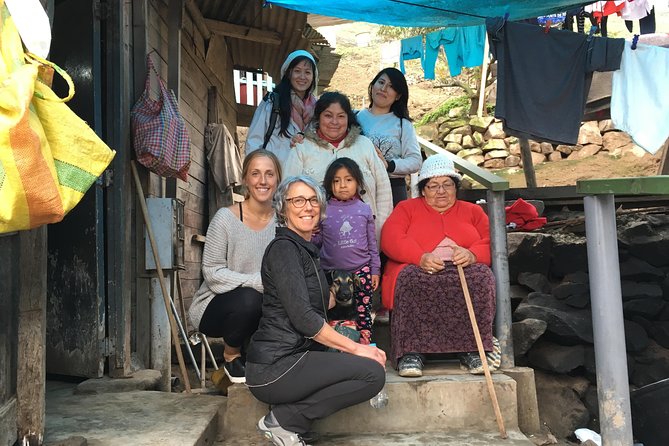
Lima can be a split city. You can spend days bouncing between polished areas, good restaurants, and big museums, then go home still knowing very little about how many Peruvians live day to day. This tour is designed to fix that.
The day runs about 5 to 6 hours with hotel pickup and drop-off, plus private transportation. You’re not crammed into a big group either. It’s set up as a private tour, so your pace and your questions matter. That matters in places where you’re there to learn, not to gawk.
It also stays focused on relationships. You’ll hear stories directly from community members and leaders. You’ll see how small social and environmental projects show up in daily life. And you’ll share lunch that is cooked locally, not ordered from a tourist menu.
Is it comfortable? Mostly yes, but plan for reality. Lima’s sun can be intense even when it’s cloudy, and the terrain is uneven in parts. Think sturdy shoes, water, and a calm attitude.
Cementerio de Nueva Esperanza, where burial traditions mix faith and culture
The tour’s first main stop is Cementerio de Nueva Esperanza. After about a 50-minute drive, you arrive at a cemetery that is famous for being the second-largest cemetery in the world. You’ll spend around 30 minutes there, and admission is included.
This isn’t a “silent marble” cemetery. The setting is colorful, and it’s literally built into the hills and human settlements around it. That gives you a very different feel from the cemeteries many visitors know. From the viewpoints, you get big, scenic looks over the area, which is great if you like photos. Just remember you’re photographing real places, in use by real families. Move respectfully.
The cultural education here is a big part of why people love the tour. You learn about Andean burial traditions and how beliefs show up in what families do. One particularly striking piece that comes up is the mixture of Catholic symbols and Andean traditions, including objects and herbs associated with witchcraft or folk practices. On November 1st, Day of the Dead, families visit loved ones and bring food and drink, turning remembrance into a kind of community gathering.
For me, the value is that the guide helps you read what you’re seeing. Without that, a visitor could miss the point entirely and just see decorations. With context, you understand this as living culture, not an odd roadside stop.
Practical note: cemeteries involve uneven surfaces and standing time. If your legs or knees are sensitive, take it slow and tell your guide if you need a gentler pace.
San Juan de Miraflores neighborhood visit: houses, small businesses, and local leadership
After the cemetery, you head to San Juan de Miraflores. This part is where the tour shifts from cultural learning to real neighborhood life.
You’ll be taken to a local lady’s home where she has created her own small business and artisan workshop. This is one of the tour’s strengths. It doesn’t feel like you’re touring an exhibit. You’re meeting someone in the space where she works, where customers come, and where daily life continues around the business.
Next, you move through the neighborhood with a bilingual guide and a local guide. That two-guide setup matters. A bilingual guide can translate and explain the background. A local guide can point out what outsiders usually miss, like which projects are community-led, what challenges people face, and how local residents organize around solutions.
You also visit several families and community leaders. The day may include meeting leaders connected with the project your visit supports. And on some days, you might even see kids participating in activities tied to that work. That part is important because it shifts the conversation from “poverty you should feel sad about” to “community resilience people build with their hands.”
The neighborhood stop is scheduled for around 3 hours, and admission here is free. Most of the time, it’s not one big performance. It’s short visits in different houses and shared spaces, so you get a varied picture without spending the whole time on a single street.
One consideration: you will smell and hear the neighborhood as it is, including sounds like animals and everyday household activity. That’s part of the authenticity. If you’re looking for silence and air-conditioned comfort, this won’t be that kind of day.
Home-cooked lunch: why this meal matters more than the food
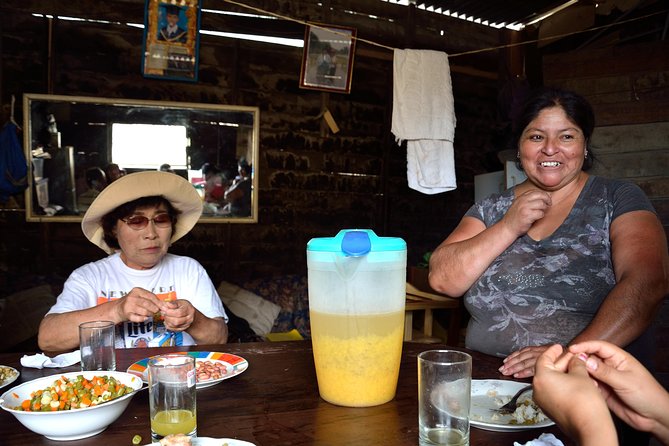
Lunch is included, and it’s one of the tour highlights. You eat at the house of the local cook, and the meal is described as homemade and delicious.
Food is one of the fastest ways to create human connection during travel. When someone cooks for you at home, you’re not just buying a meal. You’re being welcomed into their routine for a short time. In the past, people on this tour have talked about feeling moved by the cook’s story, including the effort it takes to provide meals for children and older neighbors when resources are tight.
You may also notice that the drinks and dishes reflect local ingredients and daily patterns, not tourist assumptions. In the neighborhood, sweet drinks made from corn have come up in accounts from past guests, and that kind of detail is exactly what you’re paying for when you choose a community-based lunch instead of a generic restaurant.
For you, the practical payoff is that lunch keeps the day balanced. You’re not zooming around hungry while trying to process tough realities. The meal gives you a break and a calmer moment before you continue learning.
And there’s a quieter value too: the lunch is part of the tour’s local support model. The day includes a contribution to the social project visited on tour, so your money isn’t only covering transport and guide time.




The price makes sense when you count what’s included
At $182 per person, this is not a bargain. Lima can offer cheaper half-day options. But this tour earns its price in a very concrete way.
Here’s what your fee covers, based on the tour details:
- Hotel pickup and drop-off
- Private transportation
- A local and bilingual guide team
- Lunch prepared by a local cook
- Admission ticket included for the cemetery stop
- A contribution to the social project visited
If you’ve done other city tours, you know that cheap options often skimp on guide time, skip admissions, or funnel you through places that generate ticket revenue without much local impact. This one does the opposite. You’re paying for access to people and projects, plus the time it takes to do that respectfully.
Is $182 still a lot for a half-day? Yes. The right mindset is to treat it like a cultural exchange with real logistical value. You’re not wandering on your own in an unfamiliar part of the city and hoping someone will explain what matters. Your guides handle the communication and the context, and the tour includes the meals and support component.
Sun, walking, and Lima traffic: the practical stuff that affects comfort
This tour sounds simple on paper, but Lima runs on real-world timing. The transfer time can vary because of traffic, so if you must be back on time, tell your operator ahead of schedule.
On the comfort side, the tour includes small walking on uneven terrain. That means uneven paths, steps, or surfaces that don’t feel flat and smooth. Wear comfortable sneakers, not sandals.
Then there’s the sun. Most of the year, Lima’s sun can be intense, and especially from December to April. Even when it looks cloudy, the sun can still wear you down. Bring:
- Sunscreen
- Water
- A hat
Also, this tour is not recommended for participants with serious back or neck problems. That’s because you’ll be moving on uneven ground and spending time standing while you look around.
Finally, go in with moderate fitness. You’re not hiking, but you are out and about. The day works best when you can handle short stretches of walking and being outside for several hours.
Who should book this tour, and who should skip it
I’d steer you toward this tour if you want Lima with less performance and more direct conversation. You’ll enjoy it most if you like:
- Cultural details you can only learn by asking questions
- Visiting neighborhoods and meeting community members
- A lunch experience that’s part of local life, not a stop for show
- Photography, especially at the cemetery viewpoints
It’s also a strong choice for families who can handle the reality of a neighborhood setting. One family account noted that the experience was eye-opening for a 10-year-old and her friend, with the tour feeling safe and well guided. That said, the tour involves walking and exposure to sun, so it’s best for kids who can stay patient and follow instructions.
You should skip it if you have serious mobility limits or medical concerns affecting your back or neck. And if you get overwhelmed by intense sun, noise, or strong smells, plan your strategy. Bring your hat and water, and take breaks when you need them.
Should you book this Half-Day Local Communities and Social Tour in Lima?
If you’re choosing between a standard “highlights of Lima” day and something more personal, I think this is the one to book. The reason is simple. It’s structured to connect you with local people, local work, and local projects, not just local scenery.
Book it if you want:
- A cemetery stop with serious context about Andean burial traditions
- Neighborhood visits focused on small businesses and community leaders
- A home-cooked lunch that fits the day’s mission
- A guide team that helps you communicate and understand what you’re seeing
Skip it if you’re looking for luxury comfort, minimal walking, or a purely entertainment-style itinerary. This is educational, human, and sometimes intense, but it’s also thoughtful and grounded.
If you want an authentic Lima that doesn’t end at the city’s best-known corners, this half-day experience is a strong fit.
FAQ
How long is the tour?
The tour lasts about 5 to 6 hours.
Is the tour private?
Yes. It’s listed as a private tour/activity, so only your group participates.
What are the main stops during the tour?
You visit Cementerio de Nueva Esperanza and then San Juan de Miraflores.
Is lunch included?
Yes. Lunch is included, prepared by a local cook.
Are admission tickets included?
Yes. Admission for the cemetery stop is included, and the second stop is described as having admission free.
What kind of walking is involved?
There is a small amount of walking on uneven terrain, so comfortable sneakers are recommended.
Is it safe for people with back or neck issues?
It’s not recommended for participants with serious back or neck problems.
What if the tour is canceled or altered?
The tour can be canceled or altered due to extremely poor weather, political situation, or unexpected events. In that case, you’ll be offered an alternative date or a full refund.
What should I bring for Lima’s sun?
Bring sunscreen, water, and a hat. The sun can be strong even when it’s cloudy.
More Half-Day in Lima
- Lima’s Vibrant Heritage: Exploring the City’s Landmarks Half-day
★ 4.5 · 581 reviews - Lima: Pachacamac Ruins & Barranco Half-Day Guided Tour
★ 4.6 · 296 reviews - Pre Inca Temple of Pachacamac Half-Day Tour from Lima
★ 4.5 · 283 reviews - Essential Lima: Half-Day Tour with Catacombs & Pick-Up
★ 5.0 · 141 reviews - Lima: Miraflores Trending Flavors Half-Day Walking Tour
★ 4.9 · 98 reviews
More Tours in Lima
- Lima: Ultimate Peruvian Food Tour
★ 4.9 · 700 reviews - Lima: Paracas and the Huacachina Oasis Guided Day Tour
★ 4.5 · 354 reviews - Lima: Pachacamac Ruins & Barranco Half-Day Guided Tour
★ 4.6 · 296 reviews - Pre Inca Temple of Pachacamac Half-Day Tour from Lima
★ 4.5 · 283 reviews - Lima: Magic Water Circuit Light Show Tour with Pickup
★ 4.9 · 251 reviews
More Tour Reviews in Lima
- Lima: Ultimate Peruvian Food Tour
★ 4.9 · 700 reviews - Full Day Paracas Ica and Huacachina from Lima All Included
★ 4.5 · 623 reviews - Lima’s Vibrant Heritage: Exploring the City’s Landmarks Half-day
★ 4.5 · 581 reviews - From Lima: Day trip to Paracas, Ica and Oasis Huacachina
★ 4.6 · 409 reviews - Private transfers from Lima Airport or to Lima Airport
★ 4.0 · 359 reviews
Freshly reviewed across Lima
- LIMA: HALF-DAY SANDBOARDING TOUR★ 4.5 · 3 reviews
- Lima: Escapada de 2 Días a la Reserva Nor Yauyos-Cochas★ 3.1 · 3 reviews
- Private Tour Casa Aliaga,San Francisco Convent, Larco Museum★ 4.8 · 3 reviews
- From Lima : 360° Panoramic Bus★ 4.0 · 3 reviews
- Lima: Market Tour and Cooking Class with Pisco Sour★ 5.0 · 3 reviews
- Lima: Market Tour, 35 Fruits Tasting & Cooking Class★ 5.0 · 3 reviews