
REVIEW · PERU
La casa de Aliaga, an alive colonial jewel at Lima center.
A count’s mansion in the heart of Lima. I love the original colonial architecture and the paintings and materials that survived for centuries. The only real catch is you’ll see just a focused slice of the house in a 40-minute guided visit.
This UNESCO-recognized colonial jewel sits right next to Peru’s Government Palace. You’re walking through the living legacy of the 16th direct descendant of a Spanish conqueror, who carries the title of count, and keeps the house maintained.
In This Review
- Key things to know before you go
- Casa de Aliaga: a Lima mansion next to the Government Palace
- The 40-minute guided walk: what the visit actually covers
- Entering a UNESCO-recognized colonial legacy
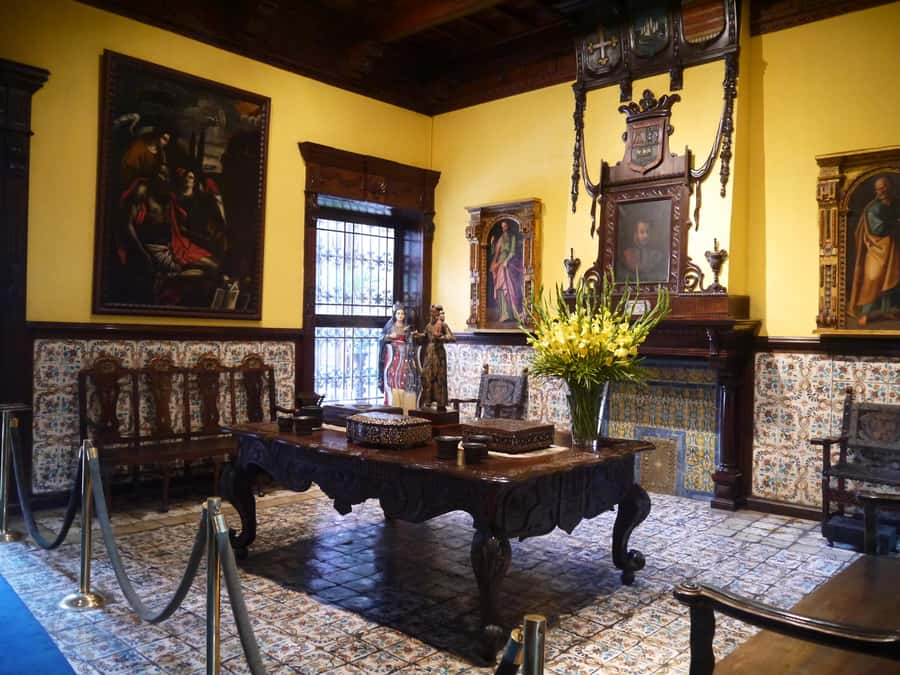
- Architecture and materials you can read with your eyes
- Art, the count’s title, and social influence in Peru
- Price and value: what the $40 includes, and what it doesn’t
- Logistics that matter in Lima’s historic center
- Who this suits best, and who should pass
- Should you book Casa de Aliaga?
- FAQ
- Where is the meeting point for Casa de Aliaga?
- How long is the guided tour?
- How much is the tour, and what is included?
- Is the entrance fee included?
- What languages are the guides?
- Is the experience wheelchair accessible?
- Are alcohol or drugs allowed during the visit?
- Can I cancel for a full refund?
- Can I reserve now and pay later?
Key things to know before you go
- Lima’s oldest mansion: Peru’s oldest mansion, and one of the oldest in America
- A living family house: inhabited by the 16th descendant of a Spanish conqueror in Peru
- UNESCO-recognized cultural legacy: the site is officially recognized for its cultural importance
- A short guided route: plan on 40 minutes, and expect a limited portion of the home
- Authorized guiding only: tours run only with a small list of approved guides
Shortlisting Lima? These reviews come up alongside this one most often.
- Lima: Ultimate Peruvian Food Tour
★ 4.9 · 700 reviews - Full Day Paracas Ica and Huacachina from Lima All Included
★ 4.5 · 623 reviews - Lima’s Vibrant Heritage: Exploring the City’s Landmarks Half-day
★ 4.5 · 581 reviews - From Lima: Day trip to Paracas, Ica and Oasis Huacachina
★ 4.6 · 409 reviews
Casa de Aliaga: a Lima mansion next to the Government Palace
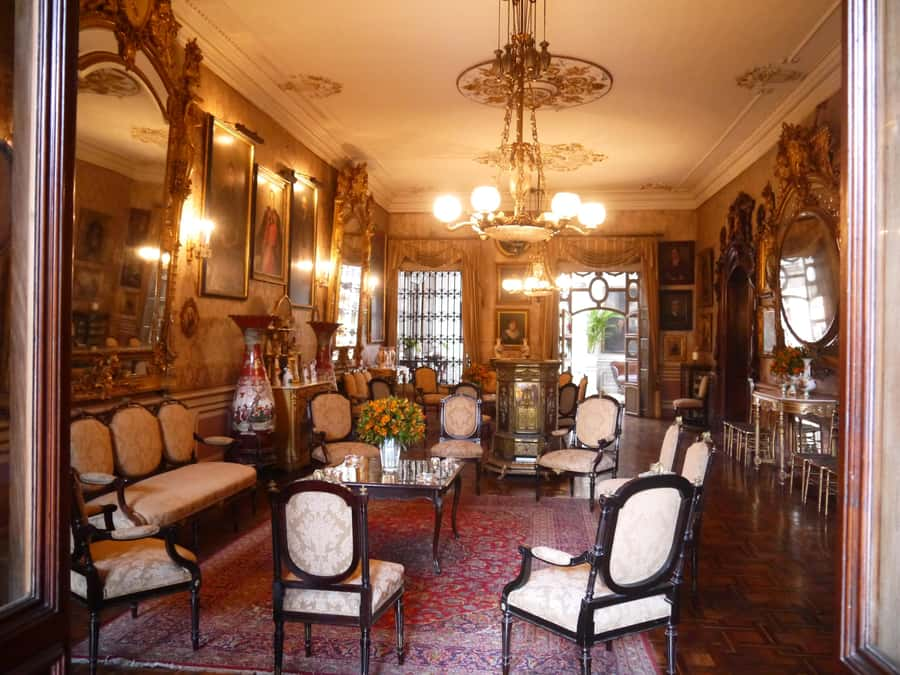
Casa de Aliaga is the kind of place you notice even before you enter. It sits in Lima’s historic center at street level, right next to the Government Palace area, so the setting feels tied to power from the first steps. This is not a museum where everything is behind glass and far away. It’s a colonial house that has stayed inhabited, maintained, and cared for, which changes the whole feel of the visit.
What I like best is the contrast. You’re in a central Lima location, surrounded by the energy and bureaucracy of the present, then you cross into a calmer world of stone, art, and family tradition. The house is described as Peru’s oldest mansion, and also among the oldest in America. That matters because it means you’re not just seeing old walls, you’re seeing layers of time in the same structure.
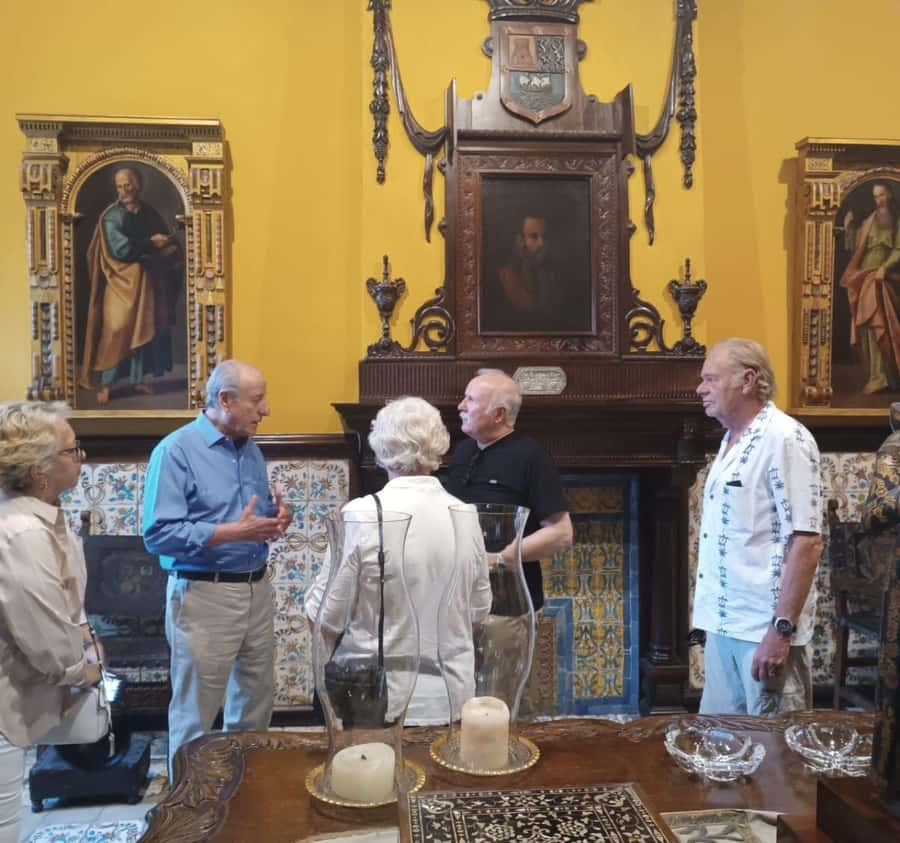
The other big draw is who lives there. The current owner is the 16th direct descendant of a Spanish conqueror in Peru, and the family also holds a noble title of count. If you’re the type who wonders how colonial society actually worked on the ground, this is one of the few places in Lima where the answer is tangible.
One practical point to keep in your head: this tour is short. You won’t walk every corridor and room of the property. You’ll tour an important slice, with an authorized guide leading the story in English or Spanish.
The 40-minute guided walk: what the visit actually covers
The experience is built around a tight guided tour of about 40 minutes. That timing is part of the value, because you get historical context without burning half a day in the historic center. But it also means you should show up ready to focus. This is not a long, wander-at-your-own-pace house.
You start at Casa de Aliaga, and your guide leads you from the entry toward the rooms and features included in the visit. Expect emphasis on:
- construction materials and how the house has been kept in good condition
- art and paintings displayed within the home
- the atmosphere and style that reflect the family’s role over time
Here’s the honest tradeoff. Some visitors note that only a small section of the house is accessible on the tour. That’s not a dealbreaker if you’re going for meaning over volume, but it is something to expect. If you want “see everything” access, this isn’t that kind of experience.
Also, this is a guided visit with an official tour guide authorized by the house. You’ll feel that structure. In one case, a scheduling mix-up led to a long wait for a replacement guide, and the situation was corrected later. When it works smoothly, the guide experience is a huge part of the magic. When it doesn’t, the small nature of the operation can make delays more noticeable than at big attractions.
Entering a UNESCO-recognized colonial legacy
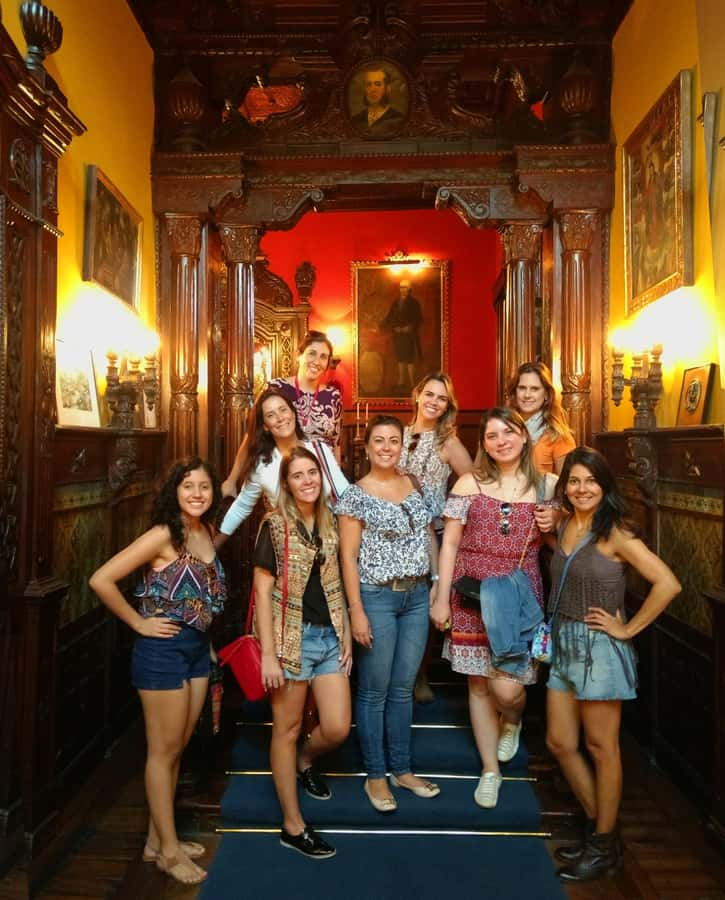
Casa de Aliaga is described as a UNESCO site recognized for its cultural legacy. That label matters in a practical way. It means the site has recognized value, and the house is treated as something worth protecting, not just selling tickets for.
So what should you look for when you’re inside? Focus on the physical evidence of continuity:
- the care in maintenance, which you can see in how the space is preserved
- the architectural choices that help a colonial home “hold up” across centuries
- the way art and style are presented as part of everyday household identity, not only as decorative background
This is the kind of place where history doesn’t sit in a single date. The house stood by from the foundation of Lima into modern times, and that shows up as a lived-in continuity. When a home is continuously inhabited by the same family line, the structure becomes a kind of timeline. You’re not just looking at the past, you’re seeing how the past got carried forward.
And because the current owner is part of that lineage, the story has a specific center of gravity. This isn’t a vague “colonial era” lecture. It’s about a particular family line, its ties to Spanish conquest-era power, and how that influence shaped social foundations in Peru.
Architecture and materials you can read with your eyes
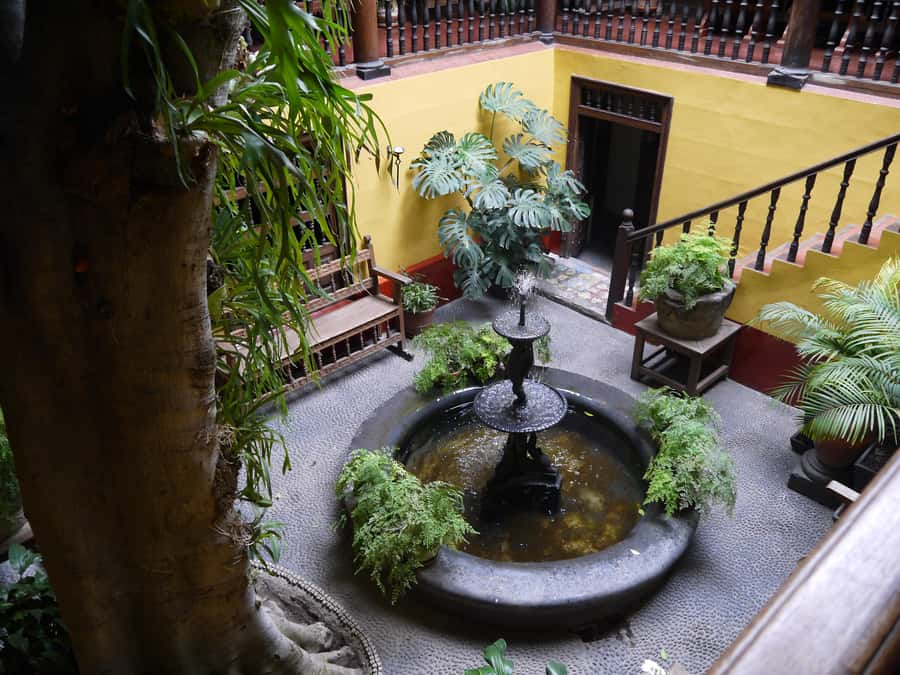
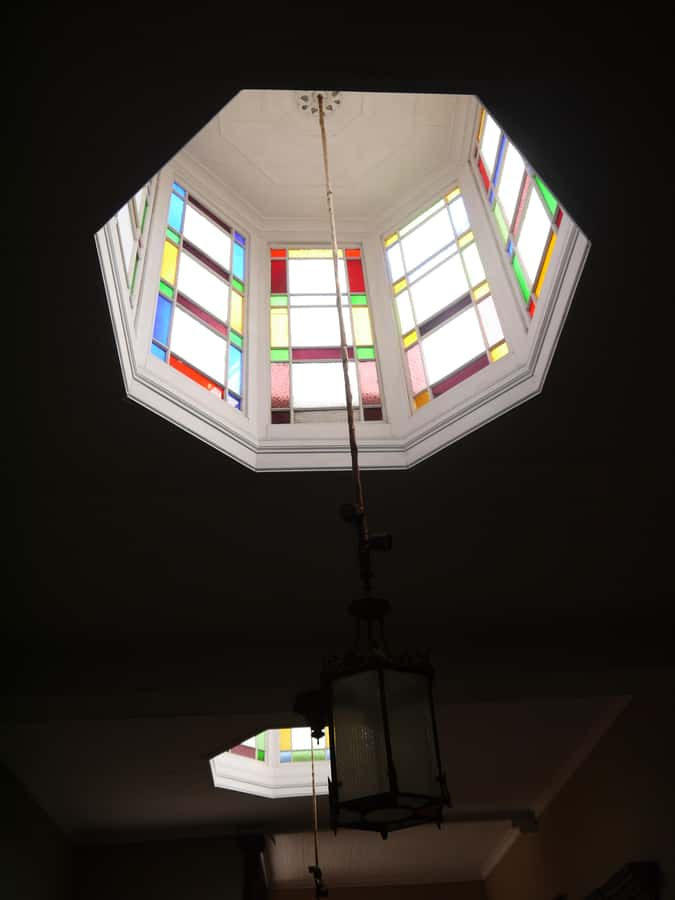
In many historic homes, you spend half your time guessing what you’re seeing. Here, you’re guided toward what matters. The tour highlights the materials used for construction and the way the house has been maintained. You’ll also hear about the architecture and overall style that create a distinct atmosphere.
I think the best trick is to slow down for the details. Even in 40 minutes, you can train your eyes to notice:
- how the house’s structure supports its age
- how surfaces and finishes look preserved rather than “restored to look new”
- how the layout and rooms help create a sense of formality and family identity
The reason I’m emphasizing this is simple. Old buildings can be impressive, but old buildings without explanation become scenery. Casa de Aliaga is strongest when you treat it like a document. Each room and feature is part of a larger story about how wealth, status, and daily life were expressed under colonial rules.
If you care about authentic spaces, this is exactly the type of visit that avoids the “theme park” feeling. A real inhabited house has constraints and routines. You notice those in how the space is presented, and you feel it in the atmosphere.





Art, the count’s title, and social influence in Peru
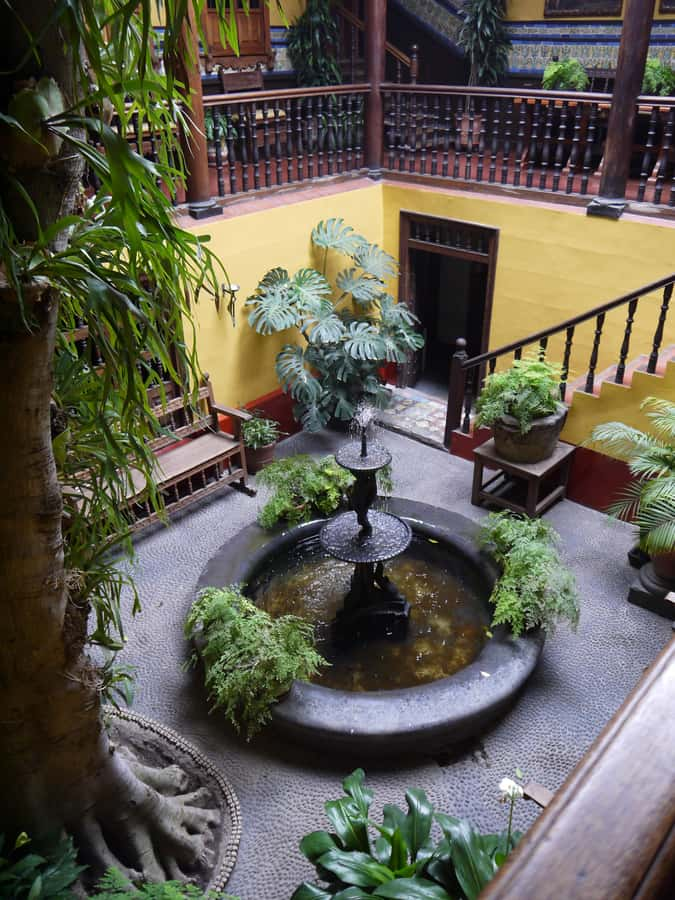
This house isn’t just old, it’s connected to social power. The current owner is the 16th direct descendant of a Spanish conqueror in Peru, and the family holds a nobility title of count. Those details are not trivia. They explain why the house has lasted, why it was maintained, and why the collection of art and style reflects a long-standing place in society.
The guide route typically weaves together architecture and heritage with family legacy. You’ll hear how the materials, paintings, and ongoing upkeep point to the cultural contributions of this family in the formation of Peruvian social bases. That phrasing may sound formal, but the takeaway is clear: this is a house where influence is visible.
This is also where I think the tour delivers the most for curious travelers. If you’ve been studying colonial Peru and want to connect big historical ideas to something you can stand in, this is one of the cleanest links in Lima. You can walk away with a more concrete understanding of how colonial-era families anchored themselves and how status stayed relevant enough to keep a house alive into the present.
One more practical note: the house rules you’ll be asked to follow include no alcohol and no drugs. Keep it simple, and treat the visit like entering a dignified home.
Price and value: what the $40 includes, and what it doesn’t
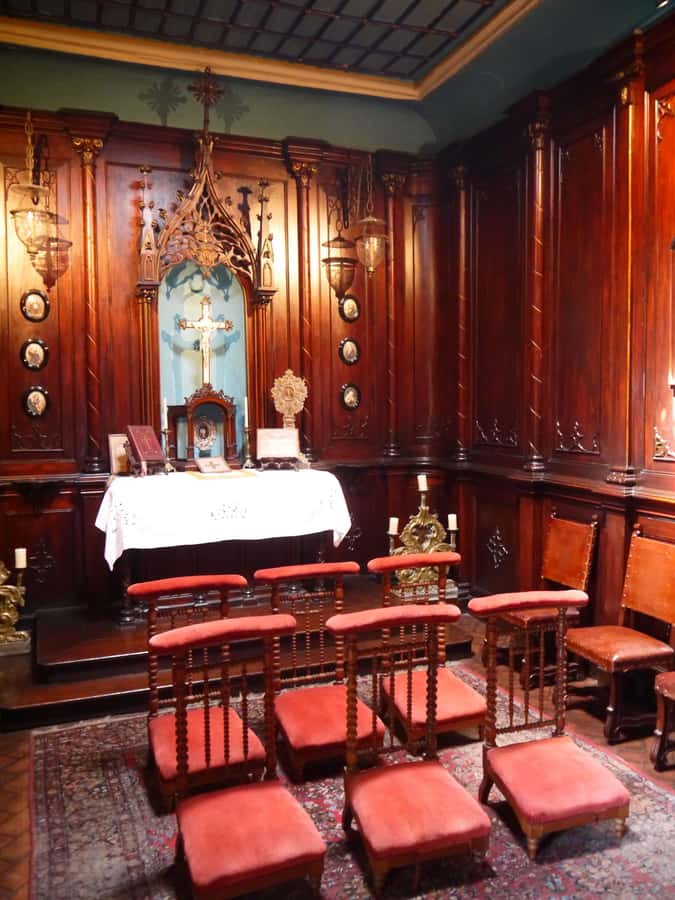
The listed price is $40 per person for a 40-minute guided tour. That price covers the authorized guide and reservations. The entrance fee to the house is separate, at S/. 35 soles (around US $9).
So is it worth it? For many visitors, yes, because the guide time is the real product here. Casa de Aliaga’s value is not a self-guided walk through empty rooms. You’re paying for interpretation from an official guide connected to the house. In a short window, you get context that helps you actually understand what you’re seeing.
However, you should budget for the entrance fee on top of the tour cost. If you’re traveling with others, that matters, since it adds up quickly. Once you account for both, you’re paying for a focused experience centered on cultural legacy and a house that is still lived in.
Also consider your priorities. If your Lima plan already includes several museums and you’re craving something more human and specific, this fits nicely. If you’re trying to maximize “square footage per minute,” the fact that only a small section is visitable could feel limiting.
Logistics that matter in Lima’s historic center
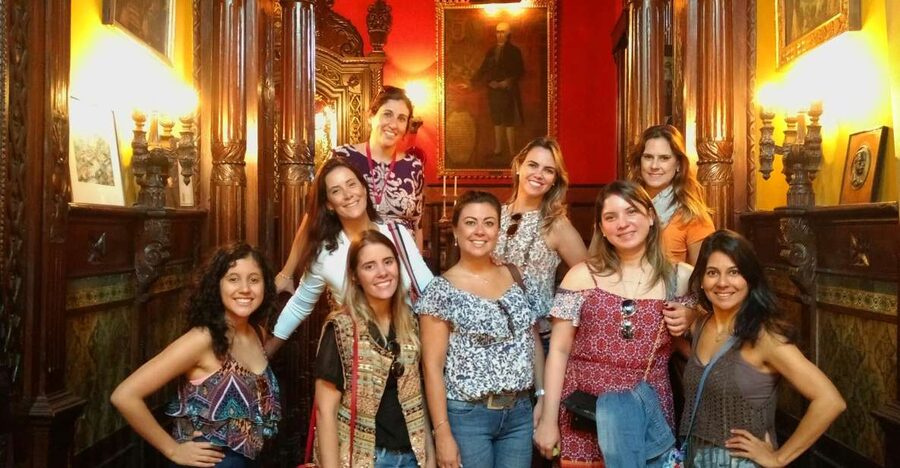
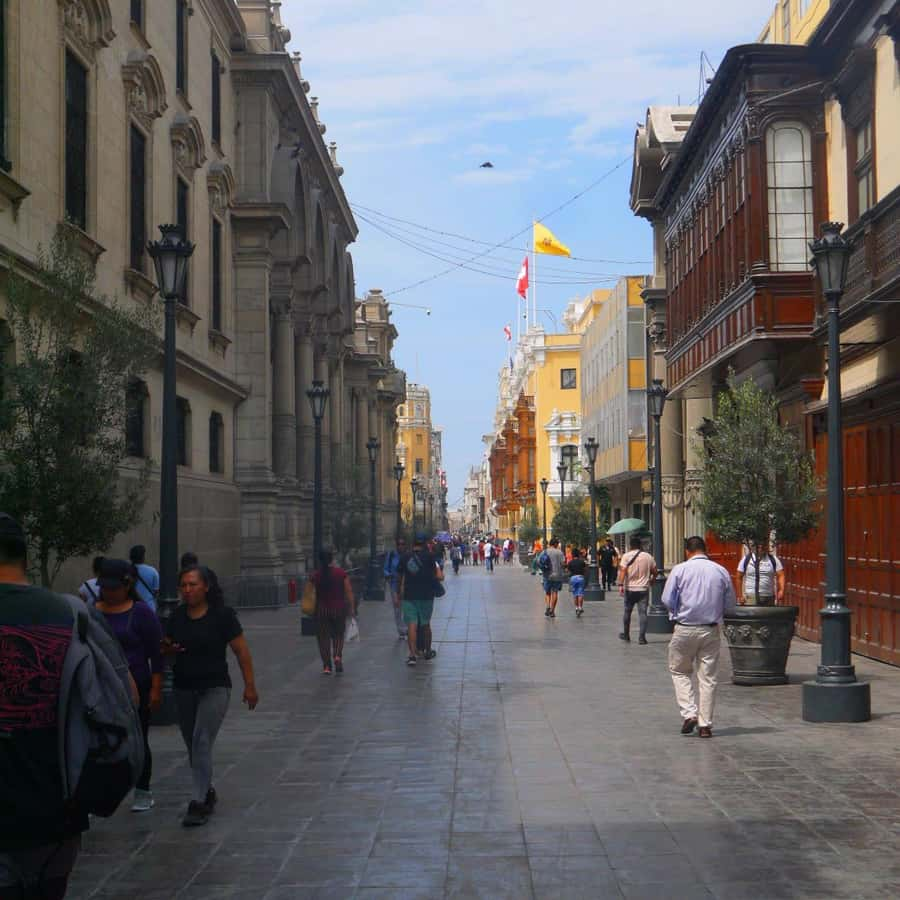
Your meeting point is at Casa de Aliaga in Lima’s historic center. You’ll meet at the door of Aliaga’s house, located on the right side of the Government Palace. The area is part of the pedestrian circuit, so expect to walk a bit from nearby streets and intersections.
Because the tour is only 40 minutes long, the best move is to arrive a touch early and settle in mentally. With a short visit, being late can shrink the experience more than you’d expect.
One operational reality to keep in mind: the tour can only be realized with a small list of authorized tour guides. That structure helps maintain quality, but it also means the day can hinge on guide availability. If you’re on a tight schedule, it’s wise to keep a small buffer before your next activity.
Who this suits best, and who should pass
Casa de Aliaga is best for you if:
- you want a real colonial home setting, not just a reproduced one
- you care about how power and families shaped Peru over time
- you like short, focused tours with a guide who connects the dots
- you enjoy art and architecture as evidence, not background
It may not be your match if:
- you hate time-boxed tours and want to linger freely
- you expect to see the entire mansion end-to-end
- you prefer self-guided visits where you can move at your exact pace
Guide experience can also vary. Some tours have been praised for guides who bring strong knowledge and a friendly style. On the other hand, there have been cases where scheduling went wrong and a replacement guide arrived late, turning the start into a waiting game. If you know you handle uncertainty poorly, schedule it early in your day so you have time to adjust.
Should you book Casa de Aliaga?
If you want something different in Lima, this is a strong yes. Casa de Aliaga gives you a close-up look at a colonial mansion that is still alive, tied to a continuous family line, and recognized for its cultural legacy. The short 40-minute guided format is practical, and the authorized guiding is a big part of the payoff.
Book it if you value meaning over volume. You’ll appreciate the architecture, the art, and the social story tied to the count’s title and the 16th descendant line. If your only goal is to tick off a long list of sights, you might feel it’s too short. But if you want one memorable, historically grounded visit with a real sense of place, Casa de Aliaga is a smart use of time.
FAQ
Where is the meeting point for Casa de Aliaga?
You meet at the Casa de Aliaga house door in Lima’s historic center, on the right side of Peru’s Government Palace, in the pedestrian circuit area.
How long is the guided tour?
The guided tour lasts about 40 minutes.
How much is the tour, and what is included?
The price is $40 per person. It includes an official tour guide authorized by the house and reservations.
Is the entrance fee included?
No. The entrance fee is S/. 35 soles, around US $9.
What languages are the guides?
The tour guide provides live interpretation in Spanish and English.
Is the experience wheelchair accessible?
Yes, it is wheelchair accessible.
Are alcohol or drugs allowed during the visit?
No. Alcohol and drugs are not allowed.
Can I cancel for a full refund?
Yes. Free cancellation is available up to 24 hours in advance for a full refund.
Can I reserve now and pay later?
Yes. You can reserve your spot and pay later, booking without paying today.
More Tour Reviews in Lima
- Lima: Ultimate Peruvian Food Tour
★ 4.9 · 700 reviews - Full Day Paracas Ica and Huacachina from Lima All Included
★ 4.5 · 623 reviews - Lima’s Vibrant Heritage: Exploring the City’s Landmarks Half-day
★ 4.5 · 581 reviews - From Lima: Day trip to Paracas, Ica and Oasis Huacachina
★ 4.6 · 409 reviews - Private transfers from Lima Airport or to Lima Airport
★ 4.0 · 359 reviews
Freshly reviewed across Lima
- LIMA: HALF-DAY SANDBOARDING TOUR★ 4.5 · 3 reviews
- Lima: Escapada de 2 Días a la Reserva Nor Yauyos-Cochas★ 3.1 · 3 reviews
- Private Tour Casa Aliaga,San Francisco Convent, Larco Museum★ 4.8 · 3 reviews
- From Lima : 360° Panoramic Bus★ 4.0 · 3 reviews
- Lima: Market Tour and Cooking Class with Pisco Sour★ 5.0 · 3 reviews
- Lima: Market Tour, 35 Fruits Tasting & Cooking Class★ 5.0 · 3 reviews