
REVIEW · PERU
Lima: Shanty Town Exploration
Change happens fast in Lima. This half-day visit gives you a real look at how many Peruvians live, with Inca-built ruins and everyday neighborhood moments tied together in one smooth morning. I especially like the balance of big cultural stops plus human-scale encounters, and I also like that the guide helps you actually connect, not just pass through. One consideration: this is a walking and climbing day, so the paths and stairs can be an issue, especially if you have mobility concerns.
What I like most here is how the day reads like a story. You start in the modern area of Lima, then you watch the surroundings shift, then you step into a market and a school, and finally you look out from a high point over the community. I love that at the end you get views from the highest point, which makes the morning make more sense. The potential drawback is simple: there is no food included, so you’ll want to plan for an empty stomach or an early snack before pickup.
In This Review
- Key moments that make this tour worth your time
- A 7:00 am reality check, and why it works
- Leaving Lima’s modern center for everyday neighborhoods
- Inca-built ruins: how to read what you’re seeing
- Traditional market stop: fruits, small talk, and respect
- Inside a local school visit
- Climbing to the shanty town’s highest point
- Photography, people, and how to behave
- Price and what you really get for $79
- What to bring, and what to leave at your hotel
- Who this tour suits (and who should skip it)
- Should You Book This Lima Shanty Town Exploration?
- FAQ
- What time does pickup happen?
- How long is the tour?
- How much does it cost?
- What’s included in the price?
- Is food and drink included?
- What languages are available for the guide?
- Is it wheelchair accessible?
- Can I cancel for free?
- Is it private?
Key moments that make this tour worth your time
- 7:00 am pickup and a fast change of scenery so you see more than just the tourist patch of Lima
- Inca-built ruins stop that adds a Peru-wide context to what you’re seeing in the neighborhoods
- A traditional market visit with fresh produce, friendly conversation, and real everyday life
- School visit inside a local education space where you can see how students learn day to day
- Climb to the highest point nearby for wide views that put the whole community into perspective
Shortlisting Lima? These reviews come up alongside this one most often.
- Lima: Ultimate Peruvian Food Tour
★ 4.9 · 700 reviews - Full Day Paracas Ica and Huacachina from Lima All Included
★ 4.5 · 623 reviews - Lima’s Vibrant Heritage: Exploring the City’s Landmarks Half-day
★ 4.5 · 581 reviews - From Lima: Day trip to Paracas, Ica and Oasis Huacachina
★ 4.6 · 409 reviews
A 7:00 am reality check, and why it works
This tour starts early, around 7:00 am, and that matters. Lima changes fast once you leave the polished, brochure version of the city. Getting out in the morning means you see the transition before the day gets hot, crowded, or scattered.
I like the structure because it avoids the usual “look, take photos, leave” pattern. You’re not only seeing buildings, you’re also meeting people in places where life happens: a market, a school, and streets near the homes. And because it’s a private group with a live guide, you can ask questions in the language you choose, whether that’s Spanish, English, French, Portuguese, or Quechua.
The vibe is respectful and curious. You’re there to observe, learn, and connect, not to judge. That’s the difference between a photo tour and a meaningful cultural morning.
Leaving Lima’s modern center for everyday neighborhoods
Pickup is included from hotels in Miraflores, San Isidro, and Barranco, and then you ride out past the modern parts of Lima. This isn’t about shock for shock’s sake. It’s about seeing how quickly the city’s realities can change once you move away from the main tourist corridors.
On the drive, you’ll notice traditional homes and people living old fashioned lifestyles. The guide helps you interpret what you’re seeing, and that interpretation is key. When you know what to look for, simple things like how people move around their neighborhood, how homes are arranged, and how daily routines work start to make sense.
One practical tip: since you’ll be looking out from the vehicle and then walking after, wear comfortable shoes from the start. You do not want sore feet to ruin the best part, and the day’s not long enough to recover.
Inca-built ruins: how to read what you’re seeing
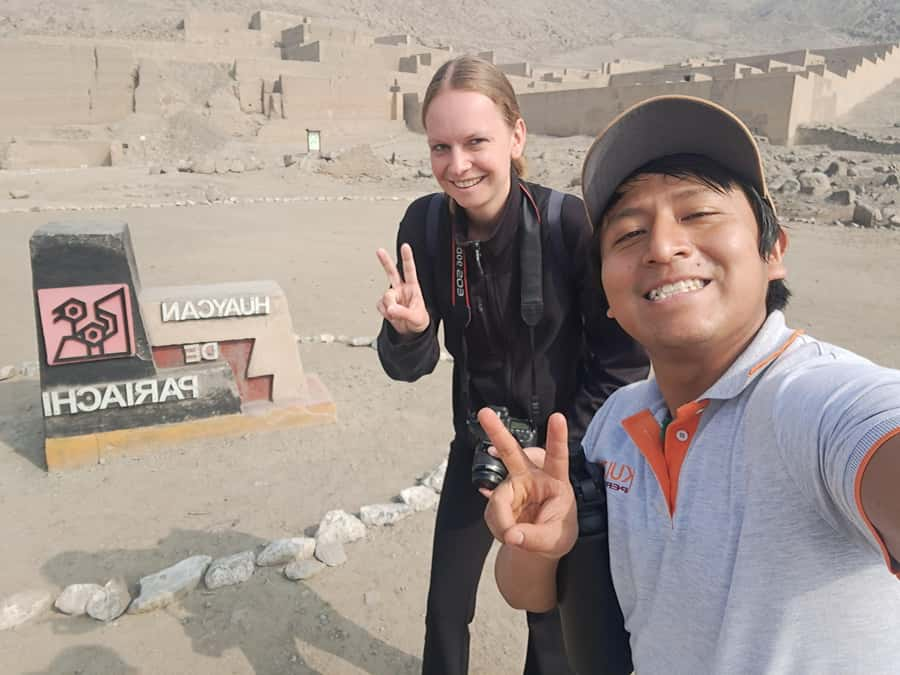
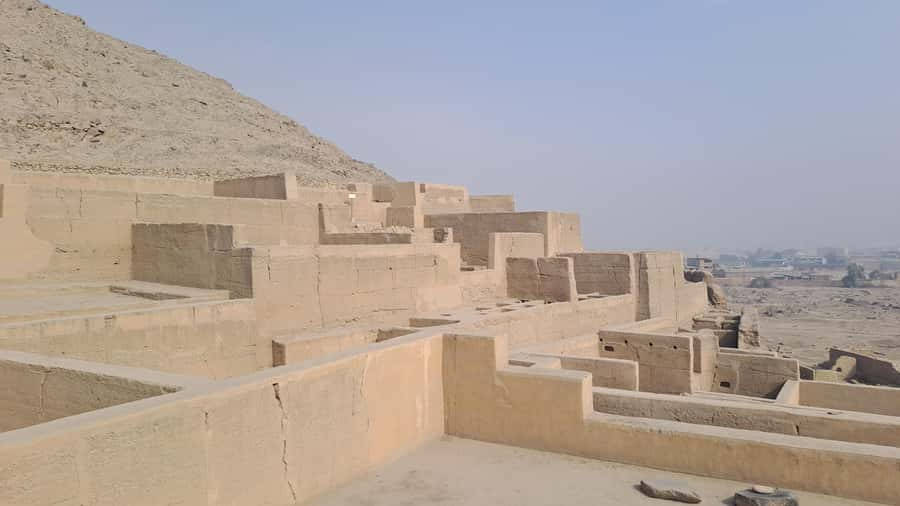
The day includes a famous archaeological site built by the Incas. Even if you’ve visited Inca ruins elsewhere, this stop can feel different because it’s set inside the Lima region and tied into the modern city’s story.
What I like about starting with ruins is that it gives you a time anchor. You see the long arc of Peru, not just the present day. The guide will walk you through what you’re looking at, so you’re not stuck guessing at layouts, structures, or purpose.
You’ll also get skip the ticket line included with your experience, plus entrances are covered. That means less time waiting and more time learning, which is a big deal on a 6-hour itinerary. You want your brain fresh for the real-life neighborhood stops after.
The potential drawback is that ruins visits can involve uneven ground. Bring shoes that handle dirt and steps, and keep your hat on if the sun hits hard.
Traditional market stop: fruits, small talk, and respect

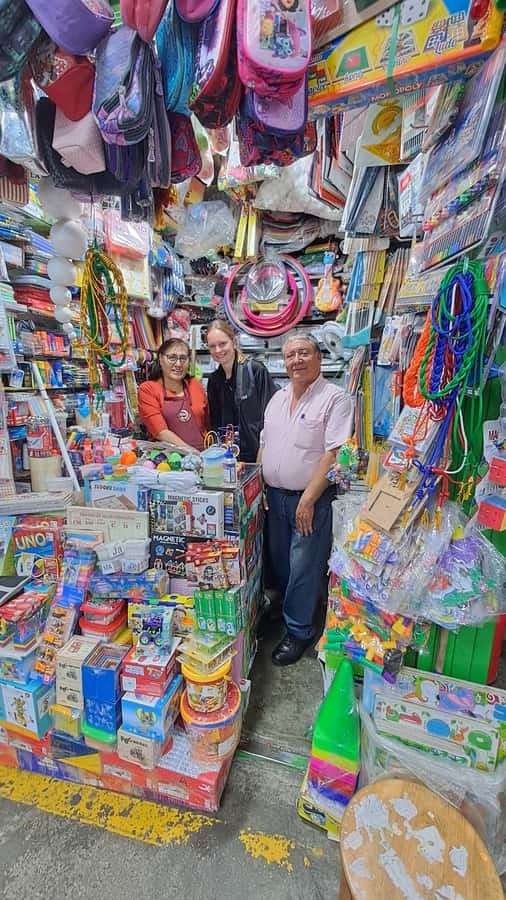
Next you’ll stop at a traditional Peruvian market. This is where the tour becomes personal fast. Markets are not only about shopping. They are social hubs, information exchanges, and places where people show pride in what they grow and sell.
You’ll see fresh fruits and vegetables on display, and you’ll get time to enjoy the variety. One review detail I found especially useful: a guide named Jordan took someone through the market first, explained what was being sold, and even helped them try lots of fruit. That kind of guided explanation turns a quick glance into an understanding of tastes, seasons, and daily habits.
Another thing you’ll notice: locals are friendly, and they often don’t mind taking pictures with you. Still, keep it respectful. Ask first, keep your phone use quick and considerate, and don’t block aisles while you pose.
Also, plan for the fact that there’s no food included in the tour price. If you try things at the market, treat it like you’re sampling on your own dime.




Inside a local school visit
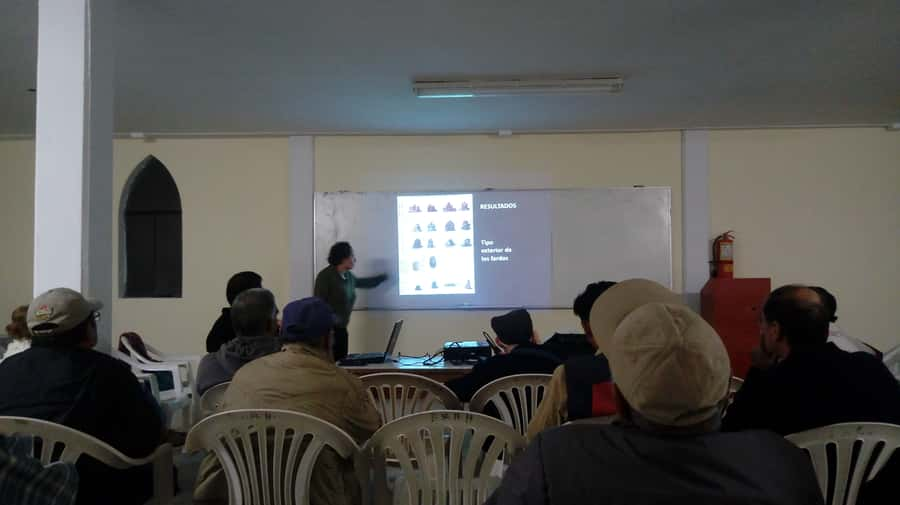
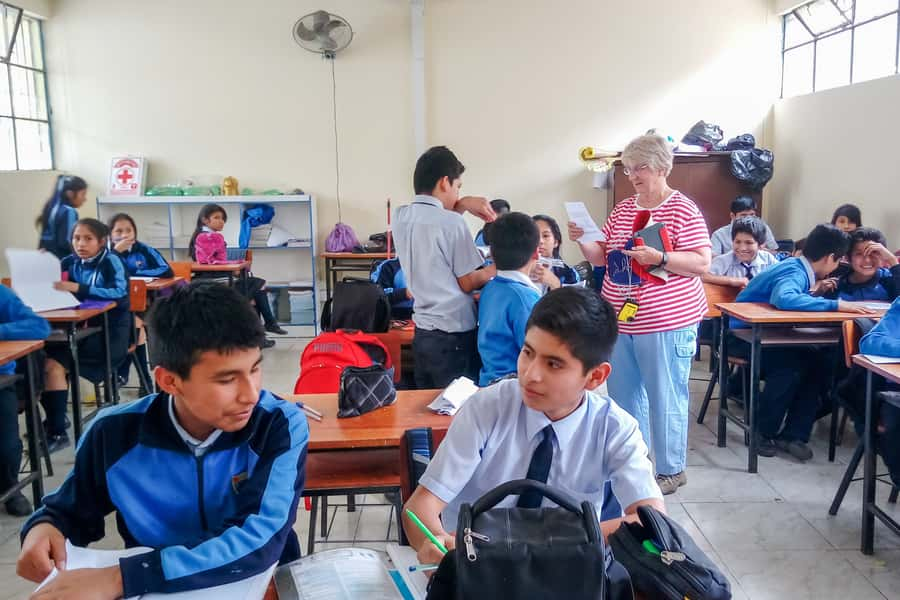
A local school visit is one of the most powerful parts of this tour, because it’s grounded and ordinary. You see students and teachers in a public education setting, and you get a window into how students learn as a daily routine, not a distant concept.
In the reviews, the school time stands out as a highlight. One person said it was the best experience ever, noting that it was easy to connect with students and teachers and to see a real public school from the inside. That directness is what you should aim for: approach with calm curiosity, follow your guide’s lead, and remember you’re entering a working space.
This is also a moment where your questions matter. Ask about school life, what students study, and how the day flows. But keep your questions human-sized. Staff and students have their own schedules, and your guide will help you keep the moment comfortable for everyone.
If you’re the type who gets overwhelmed by emotional intensity, prepare gently. This stop can feel close to home in a way that ruins visits do not. That’s normal. Take a breath, be kind, and let the experience land.
Climbing to the shanty town’s highest point
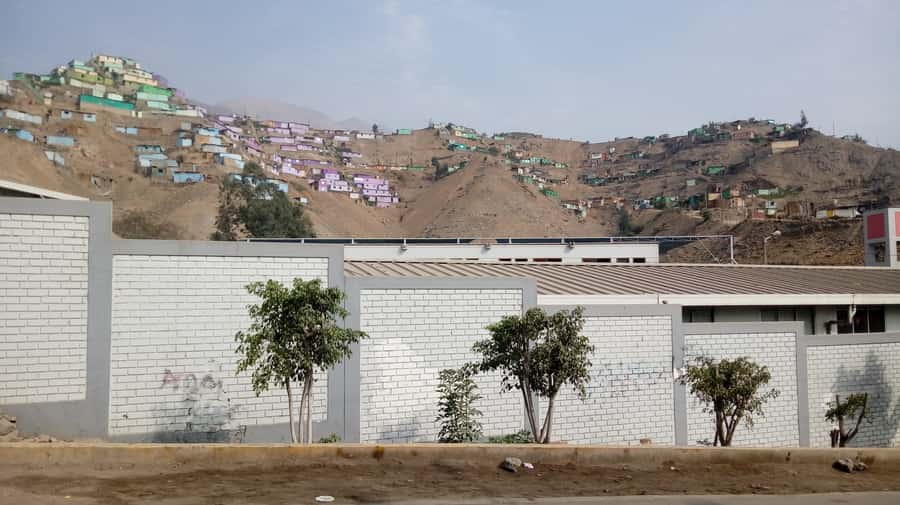
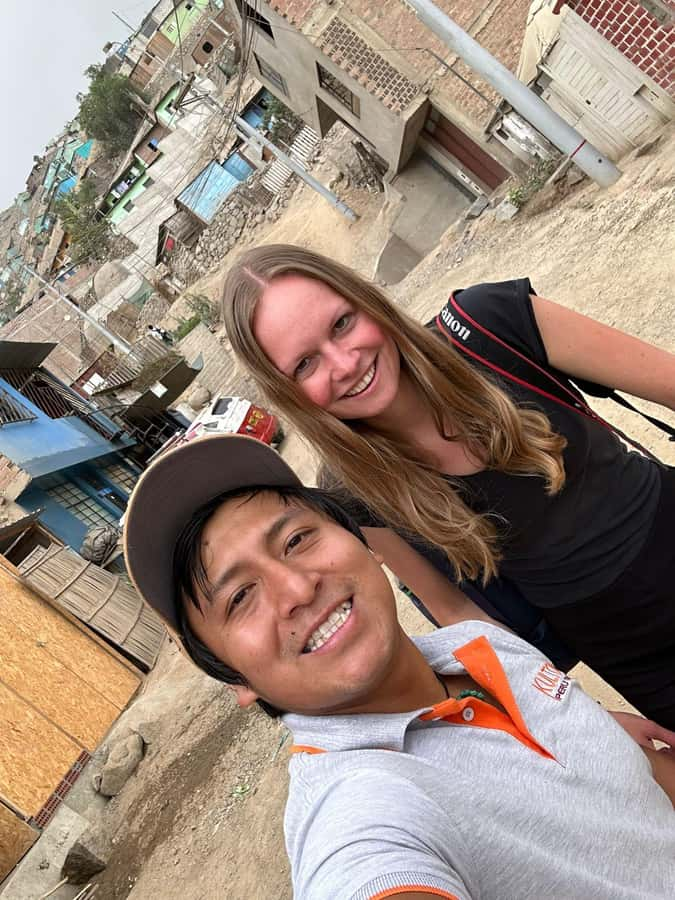
The finale is a climb up to the highest point in the area for wide views over the community. After the market and school visits, those views snap the morning into focus. You can understand why people built where they did, how neighborhoods spread out, and how geography shapes daily life.
The climb itself is part of the experience, not just a means to an end. Wear shoes with solid grip, and take it slow. If you rush, you’ll miss the atmosphere and you’ll feel it in your legs later.
The payoff is the perspective. You’ll look out over the traditional community where the majority of Lima’s citizens live. That line matters because it reframes what you may have thought you knew about the city. It’s not just a place you pass through. It’s a place where families live, work, learn, and build community.
If you’re easily uncomfortable with steep paths or you tire quickly, consider whether you’re physically up for it. The tour notes also say it is not suitable for pregnant women, people with mobility impairments, and wheelchair users, so I’d treat that seriously.
Photography, people, and how to behave
This tour involves human interaction. That’s not a vague statement. You’ll meet locals who may happily take pictures with you, and you’ll be in spaces like markets and a school. So your behavior is part of the experience.
I suggest you do three things. First, use your guide as the filter. If you want to take a photo, ask through the guide so you follow local comfort levels. Second, keep your body language soft. Don’t hover, don’t crowd, don’t turn every conversation into a transaction. Third, respect the setting. In a market, move around quickly when needed and keep your camera low when people are working.
One more practical point: the tour asks you to wear colorful clothes because it’s an expression of happiness, and it notes that dark clothes are thought to be bad luck. That may sound superstitious, but it also functions like a social cue. Color tends to feel friendly, and it helps you blend into the mood rather than look like you’re arriving for a confrontation.
Price and what you really get for $79
At $79 per person for about 6 hours, you’re paying for a lot more than transportation. Here’s what your money covers: hotel pickup and drop-off, a local tour guide, entrance tickets, and you skip the ticket line at the archaeological site. That’s a meaningful value piece, because time saved is time you keep for learning and asking questions.
It’s also private group, which usually means the guide can pace the day around your questions and comfort level. Your guide also speaks multiple languages, including Quechua, which is a big deal if you want to understand details beyond the basics.
What you need to budget for is simple: food and drink are not included. So if you want snacks or a meal after, plan your timing. The good news is the itinerary is tight enough that you can easily pair it with a later lunch or early dinner back in your neighborhood.
Is it worth it? If you want a guided look at everyday Lima, including school and market life plus an archaeological anchor, this is one of the more direct ways to do it without turning it into a spectacle.
What to bring, and what to leave at your hotel
Pack for walking and sun. The essentials are comfortable shoes and a sun hat. Bring sunscreen too, since the day includes outdoor time for ruins and the climb.
Also, keep your bag situation simple. Pets are not allowed. Oversize luggage is not allowed. Large bags and luggage are not allowed. This is one of those rules that can be annoying if you show up with a giant carry-on, so travel light.
For clothing, consider the colorful outfit guidance. It’s framed as an expression of happiness, and dark clothes are thought to bring bad luck. If you like the idea of participating in local culture in a small way, this is an easy win.
Finally, remember that this is not listed as suitable for people with mobility impairments or wheelchair users. Even with “wheelchair accessible” language in the details, the safety note is clear, so verify with the provider if you have any mobility concerns.
Who this tour suits (and who should skip it)
This tour is a great fit if you want to see the real Lima beyond viewpoints. You’ll get a mix of culture, daily life, and perspective building: Inca ruins, a traditional market, a local school visit, and views from the highest nearby point.
It’s also a solid choice if you like guided context. The experience is built around a live guide and multiple language options, so you’re not stuck with a checklist and vague explanations.
Where it may not fit is also clear. It is not suitable for pregnant women, people with mobility impairments, and wheelchair users. If you have trouble with stairs, uneven ground, or longer walking stretches, skip it and look for an alternative that matches your physical needs.
If you’re the type who gets uneasy around real human situations, approach gently. The tour is about respectful observation and connection, not about making anyone perform for you. Follow your guide’s cues, be kind, and you’ll get the full value of the day.
Should You Book This Lima Shanty Town Exploration?
I think you should book this tour if your goal is understanding, not just sightseeing. The combination of market life, a school visit, and then a viewpoint climb makes the morning feel cohesive. And the guide component is not decorative. In the reviews, a guide named Jordan is singled out for caring attention, huge knowledge, helping guests connect with locals, and even guiding fruit sampling at the market. That’s the kind of guiding that turns a route into a relationship.
I’d pass or at least verify if your mobility is limited, if you’re pregnant, or if you dislike physical climbs and uneven walking. Also, remember the tour does not include food and drink, so plan your meals around a morning that starts at 7:00 am.
If you want a respectful, guided look at everyday Lima with context you can actually use, this is a strong value pick.
FAQ
What time does pickup happen?
Pickup is at 7:00 am from hotels in Miraflores, San Isidro, and Barranco.
How long is the tour?
The tour runs for 6 hours.
How much does it cost?
It costs $79 per person.
What’s included in the price?
The price includes hotel pickup and drop-off, a local tour guide, and entrance tickets. Skip the ticket line is included as well.
Is food and drink included?
No. Food and drink are not included.
What languages are available for the guide?
The live tour guide is available in Spanish, English, French, Portuguese, and Quechua.
Is it wheelchair accessible?
Wheelchair accessible language is included in the tour details, but it also states it is not suitable for wheelchair users and people with mobility impairments. If this affects you, it’s smart to confirm the practical route and fit with the provider before booking.
Can I cancel for free?
Yes, you can cancel up to 24 hours in advance for a full refund.
Is it private?
Yes, it’s listed as a private group experience.
More Tour Reviews in Lima
- Lima: Ultimate Peruvian Food Tour
★ 4.9 · 700 reviews - Full Day Paracas Ica and Huacachina from Lima All Included
★ 4.5 · 623 reviews - Lima’s Vibrant Heritage: Exploring the City’s Landmarks Half-day
★ 4.5 · 581 reviews - From Lima: Day trip to Paracas, Ica and Oasis Huacachina
★ 4.6 · 409 reviews - Private transfers from Lima Airport or to Lima Airport
★ 4.0 · 359 reviews
Freshly reviewed across Lima
- LIMA: HALF-DAY SANDBOARDING TOUR★ 4.5 · 3 reviews
- Lima: Escapada de 2 Días a la Reserva Nor Yauyos-Cochas★ 3.1 · 3 reviews
- Private Tour Casa Aliaga,San Francisco Convent, Larco Museum★ 4.8 · 3 reviews
- From Lima : 360° Panoramic Bus★ 4.0 · 3 reviews
- Lima: Market Tour and Cooking Class with Pisco Sour★ 5.0 · 3 reviews
- Lima: Market Tour, 35 Fruits Tasting & Cooking Class★ 5.0 · 3 reviews