
REVIEW · PERU
Lima: Spiritual Healing with Xanga – The Smokeable Ayahuasca
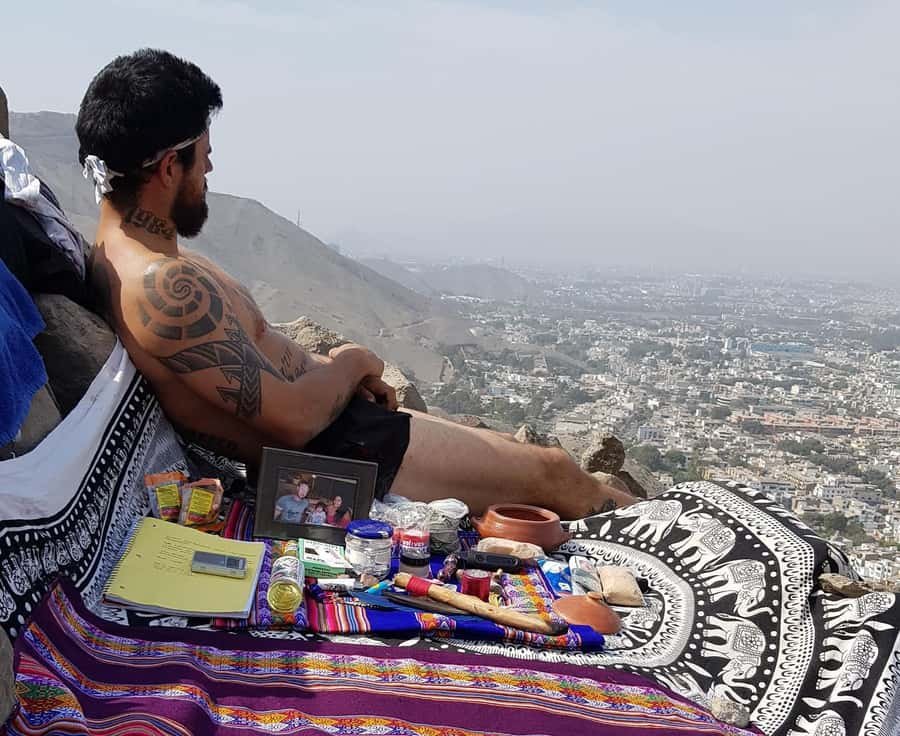
Trying spiritual medicine in Lima feels strangely practical. Here, Xanga is smokeable and aims for the same active ingredient as ayahuasca, but in a shorter, more manageable time window. I like that it is set up so you have a real structure, not a mystery box, and I also like the calm, personal guidance from Paul in a small group.
One thing to weigh is that the active effects are usually short, about 15-30 minutes, even though you can do multiple journeys. If you want the long, all-day feel of traditional drinkable ayahuasca, this experience may feel different.
In This Review
- Key highlights I’d plan around
- Xanga in Lima, the short version of ayahuasca
- Paul’s role, and why the guidance matters
- The Huaca de La Luna area hike: nature time, not a long trek
- The pre-medicine cleanse: Palo Santo, sage, sacred essences
- The Coca and Hapé ceremonies, plus what they do for the experience
- The Xanga ceremony: smokeable journey, not a long marathon
- After the medicine: fruit, refreshments, and integration therapy
- Price and what you’re really paying for
- Who should book, and who should pause
- A practical packing checklist for the mountain ceremony
- Should you book the Lima Xanga ceremony with Xanga Peru?
- FAQ
- Where is the ceremony located?
- How long is the experience?
- How many people are in the group?
- Who guides the ceremony?
- What is Xanga, and how long do the effects last?
- Is Xanga likely to cause nausea?
- What should I bring or avoid?
Key highlights I’d plan around
- Smokeable timing you can actually fit: the journey itself is about 15-30 minutes, with options for more than one journey.
- Lima, not the jungle: the ceremony takes place on a mountain near Huaca de La Luna, so you get nature plus city convenience.
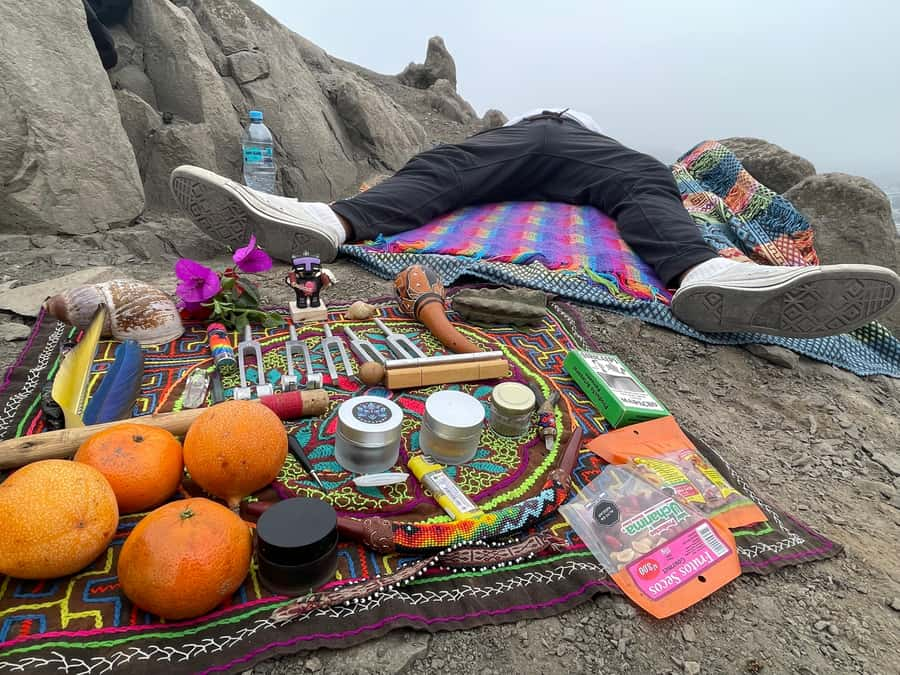
- Ritual flow before the medicine: Palo Santo cleansing, Pachamama offering, Coca ceremony, Hapé ceremony, then sound therapy.
- Small group support: limited to 4 participants, guided by Paul with English and Spanish.
- Less likely nausea, per the design: compared with drinkable ayahuasca, Xanga is described as much less likely to cause nausea or vomiting.
Shortlisting Lima? These reviews come up alongside this one most often.
- Lima: Ultimate Peruvian Food Tour
★ 4.9 · 700 reviews - Full Day Paracas Ica and Huacachina from Lima All Included
★ 4.5 · 623 reviews - Lima’s Vibrant Heritage: Exploring the City’s Landmarks Half-day
★ 4.5 · 581 reviews - From Lima: Day trip to Paracas, Ica and Oasis Huacachina
★ 4.6 · 409 reviews
Xanga in Lima, the short version of ayahuasca
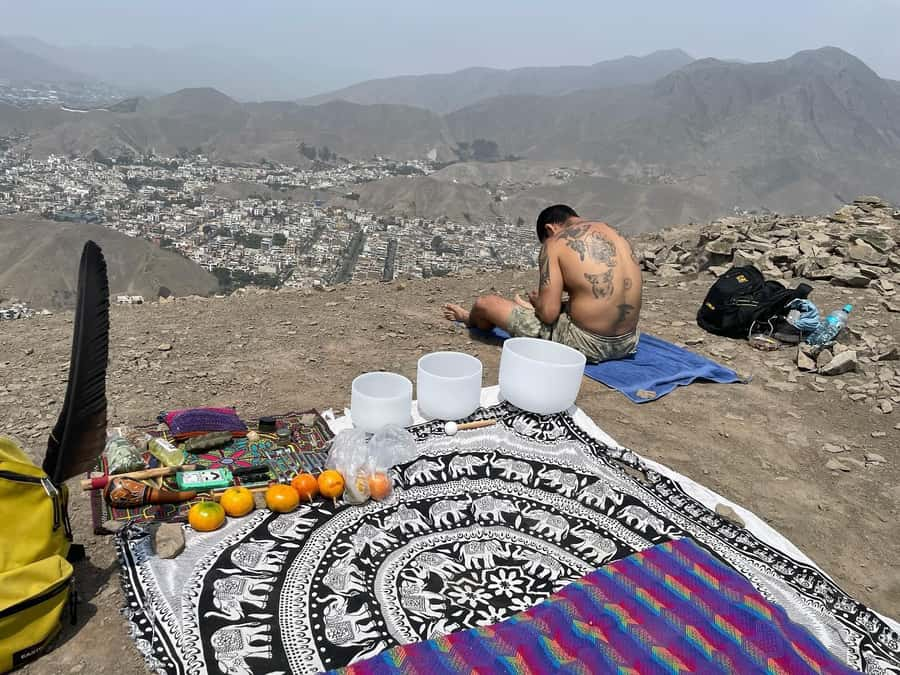
Let’s start with the big idea. This is smokeable ayahuasca, called Xanga, offered right outside Lima Province. You do not need to travel into the jungle to sit through an intense ceremony in the Peruvian tradition. That matters for value, time, and stress. You can do something transformative without building a whole week around logistics.
Xanga is made from Mimosa Hostilis as the principal plant, with Egyptian Blue Lotus and Syrian Rue among other plants prepared in-house. The program positions Xanga as having the same active ingredient as ayahuasca, but with a much shorter experience window. In practice, that means you still get the spiritual and emotional journey people come for, but you are not tied up for the typical multi-hour brew cycle.
What I like about this, as a traveler, is that it respects your reality. You still leave the city, get mountain air, and go through ritual. But you are not gambling your whole day.
Paul’s role, and why the guidance matters
The ceremony is facilitated by Paul, an experienced practitioner trained in Andean shamanic traditions. What you should care about here is not mystique, it’s containment. The medicine experience can be intense, and structure helps you stay oriented.
From how the ceremony is described, Paul does more than hand you a seat. You get a tailored approach, and the pacing is deliberate. Before anything medicine-like happens, you move through cleansing and honoring rituals. Then you get sound therapy. Then, after, you get fruit, refreshments, and integration therapy.
For you, that translates into less guesswork. Even if you are coming in with big intentions, you still want someone guiding the arc: what happens first, what to expect in the middle, and how to come back afterward.
The Huaca de La Luna area hike: nature time, not a long trek
You’ll meet at Huaca de La Luna 420. The directions are specific, and I’d follow them closely. You go along Los Fresnos, pass the church, continue until Vilcabamba, then turn left and continue down Vilcabamba to Huaca de La Luna. From there, you turn right and keep going up Huaca de La Luna to the grey building marked 420.
When you’re outside, you call Paul or use the top-right intercom button. It’s set up so you do not drift around wondering if you’re in the right place.
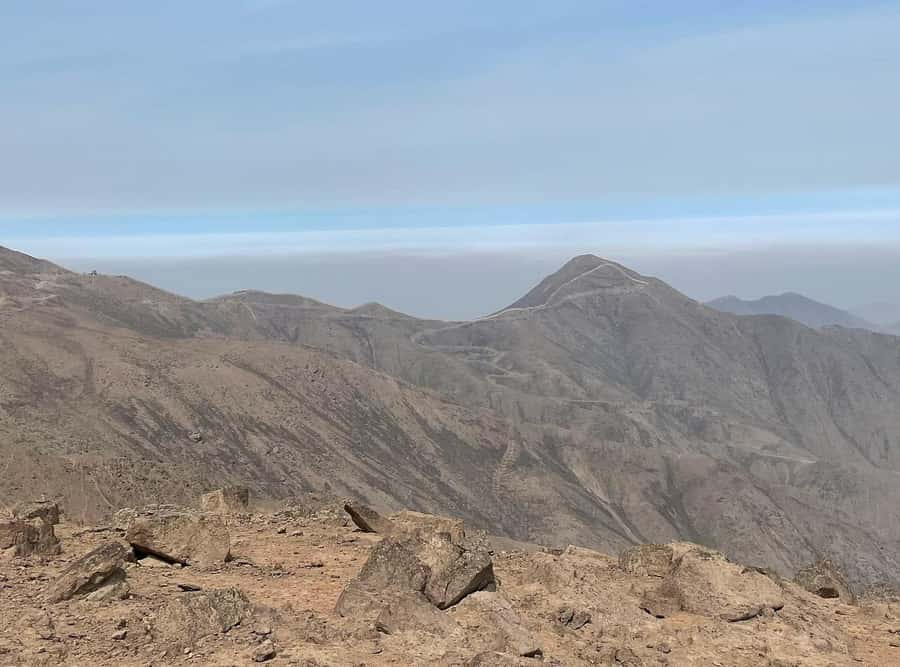
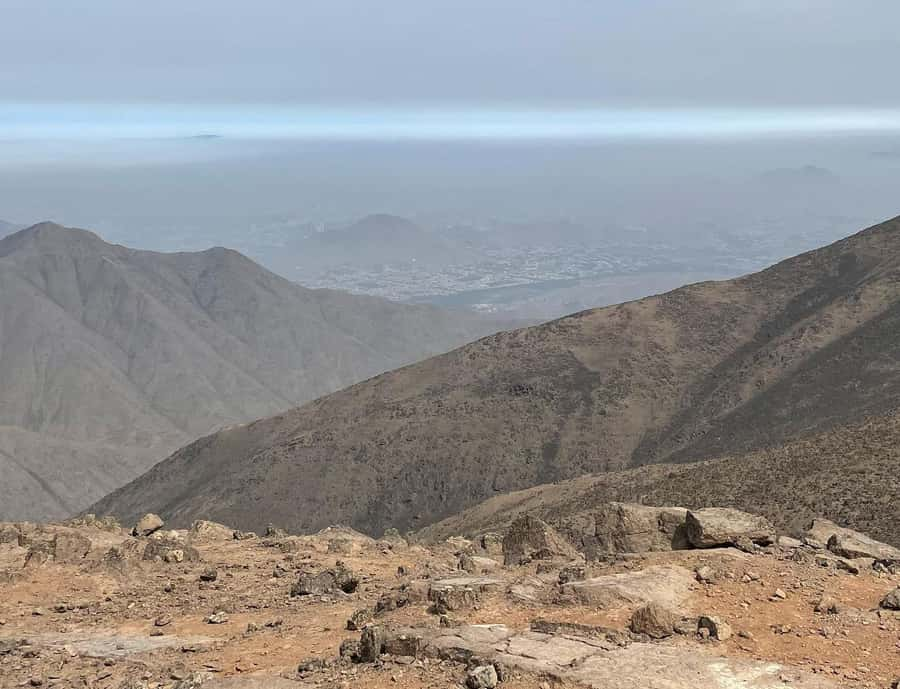
Then you hike. The timing is described in two ways: about a 20-minute hike up to where the ceremony happens, and also a hiking block listed around 30 minutes each way. Either way, you should plan for a moderate walk on uneven ground. Bring comfortable shoes and dress for sun, because this is Peru and the light can be strong.
The upside: you’re not stuck indoors waiting for a ritual. The hike also sets the mood. It’s a physical transition, then you do the mental shift.
The only caution I’ll flag is that the whole experience assumes you can hike comfortably for roughly that short window. It’s not a hard trek, but it is not flat either.
The pre-medicine cleanse: Palo Santo, sage, sacred essences
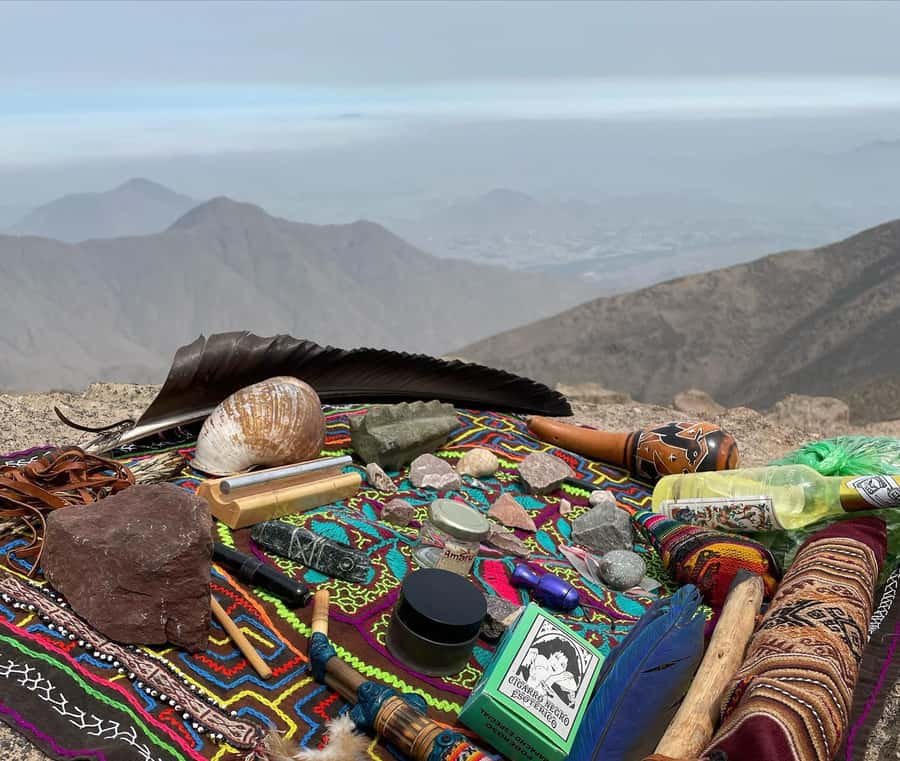
Before Xanga, you start with a cleansing ritual using Palo Santo, white Mexican sage, and sacred essences. The point is to clear your mental and energetic space. Even if you’re skeptical, this part is valuable in a human way: it signals that you’re entering a space with rules and intention.
You also do a Pachamama offering, which is framed as an act of gratitude to Mother Earth. That matters because it pulls you out of a purely personal mindset. You’re not just trying to fix yourself in isolation. You’re participating in a relationship with the place you’re standing.
If you tend to overthink, this section is useful. It gives your mind something to do and a framework for attention.




The Coca and Hapé ceremonies, plus what they do for the experience
Next comes two more culturally grounded rituals: a Coca ceremony and a Hapé ceremony.
You’re likely to feel these as “preparation” more than “the main event.” That’s because the main medicine journey is shorter and happens later. Coca is used here to connect with ancestral energies. Hapé is described as cleansing and opening your energetic channels.
I would treat these as your transition tools. They can help you shift from street-mind to ceremony-mind. That’s important when your actual medicine window is only 15-30 minutes. If you show up scattered, you’ll miss more than you think.
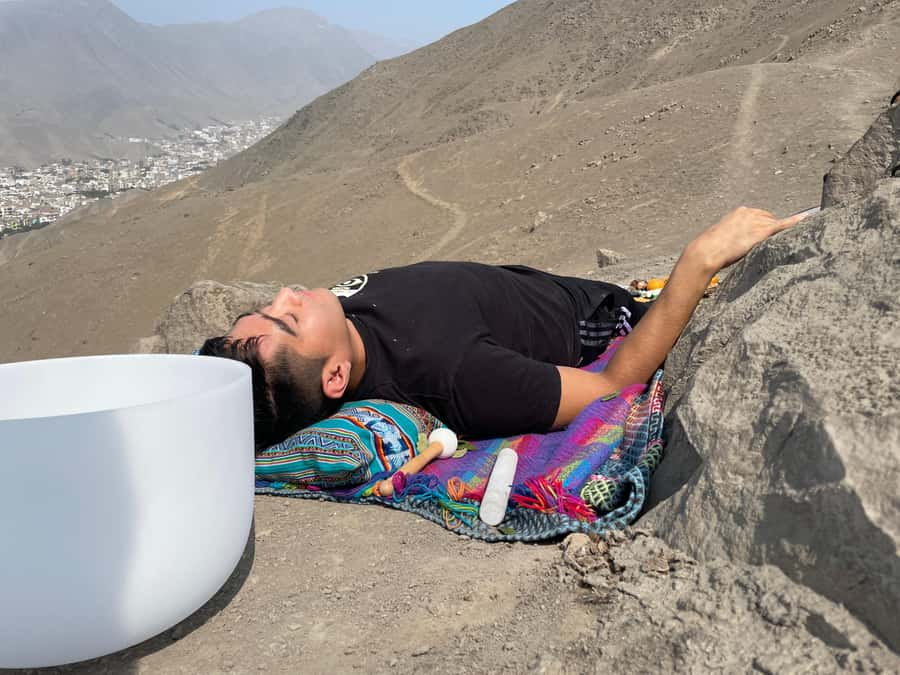
There’s also sound therapy after the Hapé portion. Sound therapy is described as relaxing and harmonizing through vibration. Again, this is about bringing your body and breath into sync so the medicine portion lands in a calmer frame.
The Xanga ceremony: smokeable journey, not a long marathon
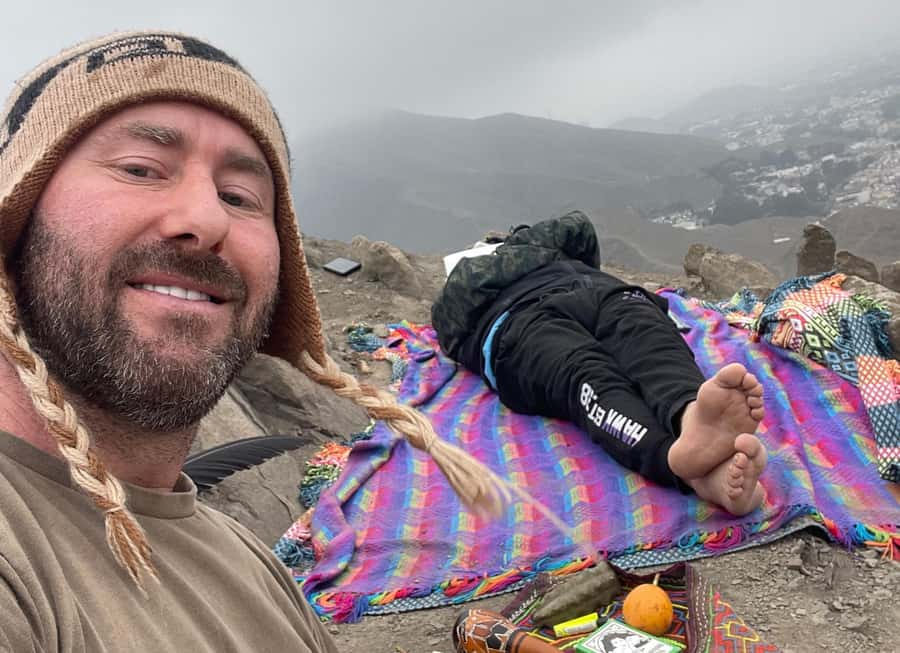
Now the center of the experience: the Xanga ceremony itself.
Xanga is smokeable plant medicine prepared in-house. The program says its active ingredient matches ayahuasca, but the experience is shorter, lasting about 15-30 minutes. That’s a big difference from traditional drinkable ayahuasca, where you often plan for several hours.
The format is also flexible. You’re welcome to journey various times during the ceremony. So you might start with one cycle, then do additional journeys depending on what the facilitator guides you toward. If you’re worried that shorter means weaker, the structure here is designed to give you repeat access within a controlled setting.
One of the most important claims is comfort. Unlike ayahuasca, Xanga is described as much less likely to cause nausea, vomiting, or other undesired effects. In travel terms, that matters because you want to stay present and not spend your ceremony focused on your stomach.
What does that feel like? The program frames it as a transcendental journey that can support deep exploration of the self, emotional stabilization, and mental clarity. It also references spiritual evolution, heightened awareness of spiritual realms, and a stronger bond with the natural world.
You should still expect intensity. Even if side effects are less likely, altered states are still altered states. The benefit of the guide is that Paul can help you stay grounded when the mind starts doing its thing.
After the medicine: fruit, refreshments, and integration therapy
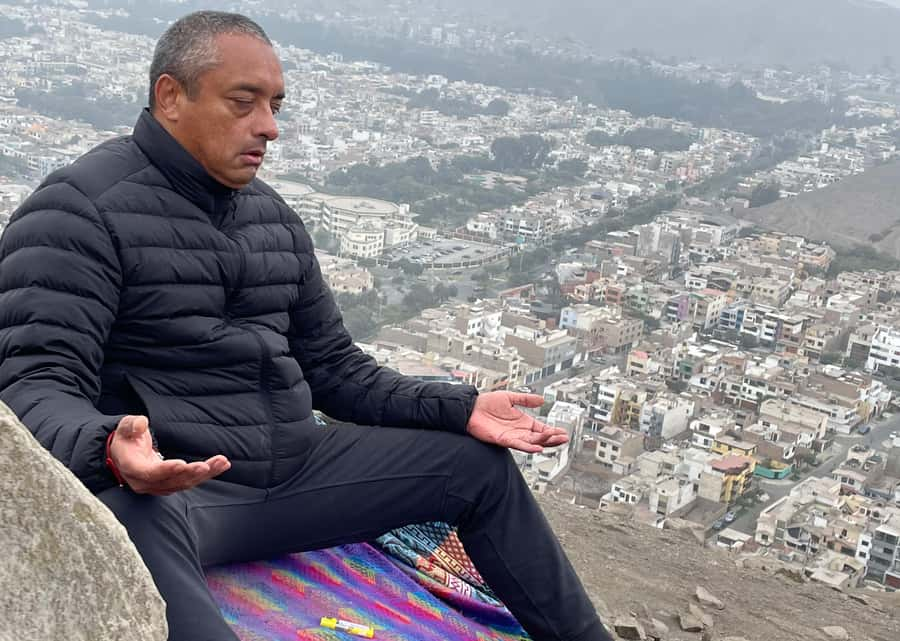
When the ceremony ends, you don’t just get released into the city like nothing happened. You get fruit, refreshments, and integration therapy.
Integration matters because your mind might be clearer, emotional, or both. Integration therapy is where you connect what happened during the journey to your real life. The program also highlights that by the end of the ceremony, participants return to normal with no undesired after effects. Your comfort still depends on how you respond personally, but the design is clearly built around a gentle landing.
Also, the pacing matters. You hike back down after the guided portion, so you get movement plus structure. That’s often easier than trying to transition instantly to a couch and a Netflix binge.
If you are planning your day, I’d keep your next blocks light. Even if you feel fine, the mind can stay processing for a while.
Price and what you’re really paying for
The price is $300 per person for a total duration around 3-4 hours.
Is it expensive? For Lima, it’s a serious line item. But you are not just paying for a product. You’re paying for a full guided ritual sequence, a small group setting limited to 4 participants, and a mountain ceremony space near Huaca de La Luna 420. You’re also paying for Paul’s facilitation and the integration support right after.
Value here is less about the smoke part, and more about the wrapper. Rituals like Palo Santo cleansing, Pachamama offering, Coca and Hapé, sound therapy, and integration are time-intensive and require someone to run the flow smoothly. At this price point, I’d expect that structure to be the core of what you receive, and that’s what’s described.
Transportation to and from the venue is not included. So add taxi or rideshare time to your budget and schedule.
Also consider the short duration. If you travel from elsewhere in Peru or you’re coming from Lima already, shorter medicine time can be a value win. You still get a deep experience, without the logistical drag of a long brew session.
Who should book, and who should pause
This isn’t a casual wellness class. The medicine and the rituals are intended for adults.
It is not suitable for pregnant women or children under 18 years. If you have health problems or are using prescription medications, you need to contact for advice first. If you are taking meds and you cannot get clear guidance, I’d pause. This is one of those situations where your doctor’s input matters.
You must not have consumed alcohol or other drugs for at least 48 hours prior to the ceremony, and alcohol and drugs are not allowed.
If you’re someone who wants a spiritually oriented experience with guided support, short enough to plan into a day, this is a strong match. If you want the classic long ayahuasca timetable, you may prefer drinkable sessions instead. Xanga is positioned as shorter, and the design centers on that.
A practical packing checklist for the mountain ceremony
The program gives basic but useful guidance on what to bring. I’d follow it.
Bring:
- sun hat
- jacket
- comfortable clothes
Even if it feels warm in Lima, the mountain air can be cooler, especially later. You’ll be outside around hike time and you’ll want to stay comfortable during the ceremony.
Also, prepare to arrive sober. No alcohol or drugs in the 48 hours before, and no alcohol during the experience.
Should you book the Lima Xanga ceremony with Xanga Peru?
If you want a guided smokeable ayahuasca-style experience in Lima Province, with a clear ritual sequence and a short, structured medicine window, I think this is worth serious consideration. The small-group size, Paul’s Andean-shaman training background, and the detailed flow from cleansing to integration are the reasons to book, not just the novelty of doing it near Huaca de La Luna.
But book with open eyes. The active journey is short, about 15-30 minutes, and it’s not meant to replace the long drinkable ayahuasca experience for people who want hours-long effects.
My rule for deciding: if you’re traveling with limited time, and you want structured spiritual healing with lower likelihood of nausea, this fits. If you need a long-form, multi-hour brew, you might feel like this is a different kind of experience.
FAQ
Where is the ceremony located?
The meeting point is Huaca de La Luna 420. You follow the directions through Los Fresnos and Vilcabamba, then continue up Huaca de La Luna to the grey building marked 420.
How long is the experience?
The total duration is around 3-4 hours, including hiking time.
How many people are in the group?
The group is limited to 4 participants.
Who guides the ceremony?
The ceremony is facilitated by Paul, an experienced practitioner trained in Andean shamanic traditions. The tour guide speaks English and Spanish.
What is Xanga, and how long do the effects last?
Xanga is smokeable plant medicine prepared in house from Mimosa Hostilis as the principal ingredient, along with other plants. The effects are described as lasting about 15-30 minutes, and you may be able to journey various times during the ceremony.
Is Xanga likely to cause nausea?
The information provided says Xanga is much less likely to cause nausea, vomiting, or other undesired side effects compared to drinkable ayahuasca.
What should I bring or avoid?
Bring a sun hat, jacket, and comfortable clothes. You should not have alcohol or other drugs within the previous 48 hours, and alcohol and drugs are not allowed. The ceremony is not suitable for pregnant women or children under 18 years. If you have health problems or take prescription medications, you should contact for advice.
More Tour Reviews in Lima
- Lima: Ultimate Peruvian Food Tour
★ 4.9 · 700 reviews - Full Day Paracas Ica and Huacachina from Lima All Included
★ 4.5 · 623 reviews - Lima’s Vibrant Heritage: Exploring the City’s Landmarks Half-day
★ 4.5 · 581 reviews - From Lima: Day trip to Paracas, Ica and Oasis Huacachina
★ 4.6 · 409 reviews - Private transfers from Lima Airport or to Lima Airport
★ 4.0 · 359 reviews
Freshly reviewed across Lima
- LIMA: HALF-DAY SANDBOARDING TOUR★ 4.5 · 3 reviews
- Lima: Escapada de 2 Días a la Reserva Nor Yauyos-Cochas★ 3.1 · 3 reviews
- Private Tour Casa Aliaga,San Francisco Convent, Larco Museum★ 4.8 · 3 reviews
- From Lima : 360° Panoramic Bus★ 4.0 · 3 reviews
- Lima: Market Tour and Cooking Class with Pisco Sour★ 5.0 · 3 reviews
- Lima: Market Tour, 35 Fruits Tasting & Cooking Class★ 5.0 · 3 reviews