
REVIEW · AMAZON JUNGLE
Puerto Maldonado: 4-Day Tambopata Rainforest Tour
Tambopata feels close, not staged. I love Lake Sandoval for the sheer animal density, and I love the clay lick sunrise for parakeets, parrots, and macaws. One heads-up: the stay is intentionally basic jungle-style, so you should expect cold showers and limited privacy.
This tour works because it moves at rainforest speed. I also like the small group format and the fact you get bilingual guides who are out there spotting animals, not just reading facts. Still, the jungle is the jungle, so some sightings depend on weather and what the animals choose to do.
By the guides’ energy, it feels like you’re walking with local pros. Sergio and Mirko (and the wider team at Green House Tambopata) have a real gift for turning a short pause in the brush into a full wildlife moment. If you’re sensitive to early mornings or night walking, plan for that now, not later.
In This Review
- Key points you’ll care about most
- Green House Tambopata: jungle-style base near the Tambopata River
- Day 1, the Tambopata River: sunset walks and a night hike
- Day 2, sloth search and Lake Sandoval’s otter and caiman world
- Day 3, Machigenga culture and the Santa Teresa wetland for piranhas
- Day 4, clay lick sunrise: macaws and parrots eating earth
- Sergio, Mirko, and the team: how guide skill changes your odds
- Food and comfort: tasty meals, cold showers, and a more authentic rhythm
- Price and value: is $424 fair for 4 days in Tambopata?
- Who this Tambopata tour suits, and who should skip it
- Should you book this 4-day Tambopata rainforest tour?
- FAQ
- What does the tour price include?
- What is not included in the tour?
- What time is check-in and check-out?
- How does pickup work if I arrive by bus or flight?
- What are the main wildlife activities across the 4 days?
- What time is the clay lick experience?
- Do I need to bring anything specific?
- Are there any items I’m not allowed to bring?
- What language will my guides speak?
- Is cancellation free, and how far in advance?
Key points you’ll care about most
- Lake Sandoval time of day: the afternoon is chosen when animals tend to be more active
- Clay lick morning: small green parrots and two macaw species feed on earth along the Tambopata River banks
- Night hike chances: tarantulas, snakes, poison dart frogs, and night monkeys are part of the night search
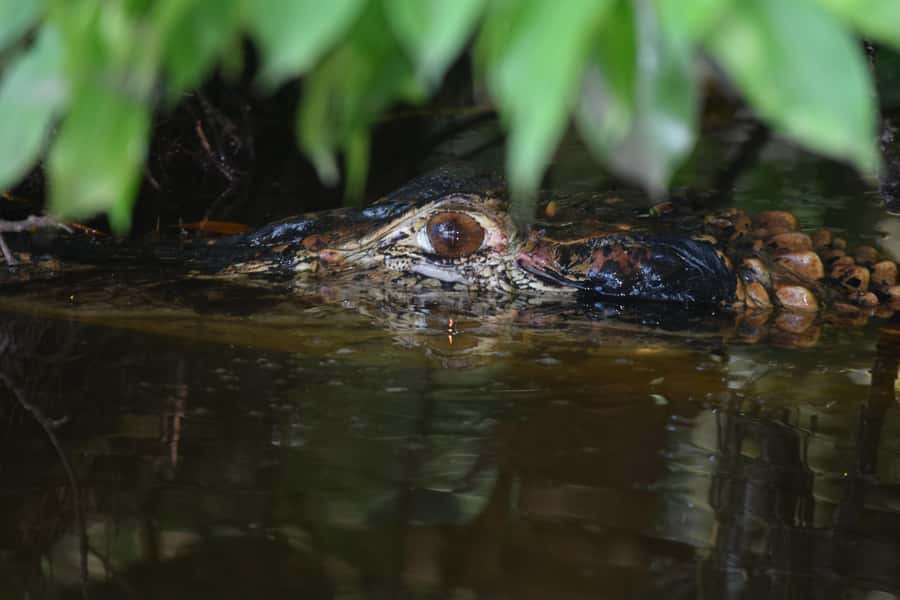
- Sloth and caiman searching: a morning focused on three-toed sloths and caimans along the river
- Community-run wetland: Santa Teresa manages habitat for parrots, yellow-faced macaws, and piranhas
- Jungle-style home base: cabins on the Tambopata River shore, with communal areas and lots of authentic jungle sound
Green House Tambopata: jungle-style base near the Tambopata River
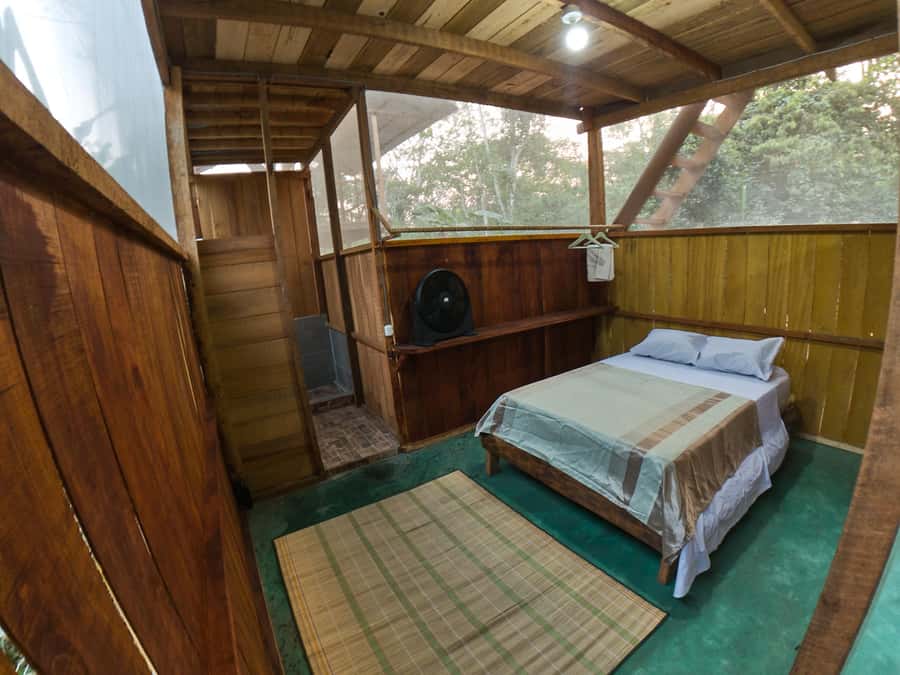
Green House Tambopata is set up for real rainforest living, not a resort bubble. You stay in a jungle house on the Tambopata River shore, about 27 minutes from the airport, and you settle into simple cabins rather than polished hotel rooms. You’ll also find a more social setup than you might expect, with communal areas where everyone naturally hangs out between excursions.
What I like is that this place feels functional for rainforest travel. You can recharge, then head back out without the usual “commute to the jungle” hassle. The reviews also point to practical perks like mosquito nets, filtered drinking water, and at least some WiFi (handy when you want to upload a few photos before the next outing). There’s also outdoor space for relaxing, plus a swimming pool and hammocks mentioned by multiple visitors.
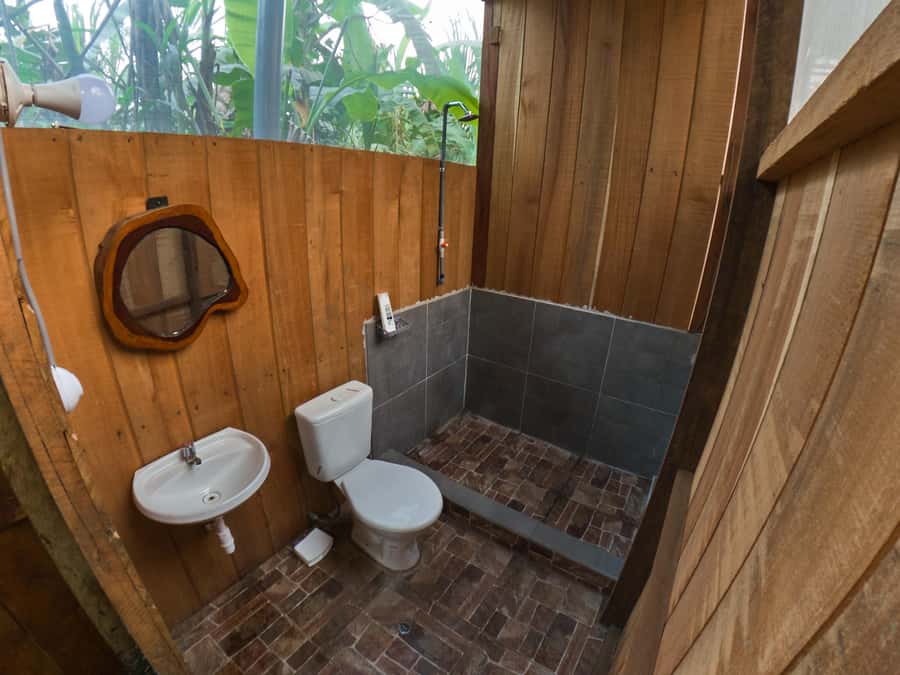
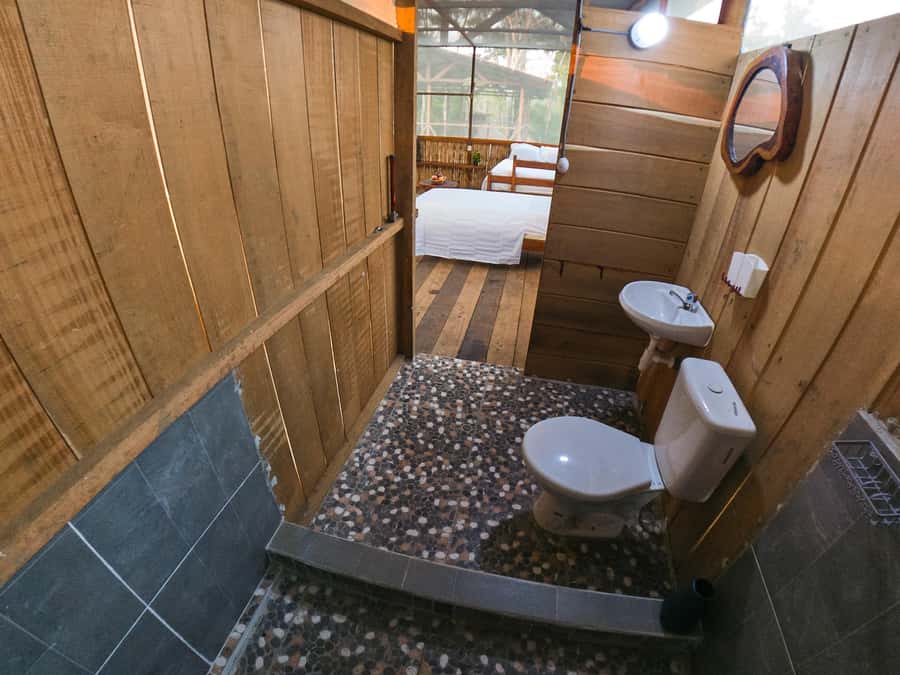
The main trade-off is comfort, not safety. Expect basic accommodations and limited privacy, plus cold showers (no hot water). In hot, humid Amazon weather, a cold rinse can feel refreshing, but if you’re someone who needs warm water to sleep well, factor that in.
Day 1, the Tambopata River: sunset walks and a night hike
Day 1 starts smoothly: you get pickup from the Puerto Maldonado area and meet at the main office around check-in time (Fauna slow coffee is listed as the reference point). Then you head to the jungle house and settle in for lunch before your first real outing.
In the late afternoon, you’ll go for a walk along the riverbank with a natural lookout point for sunset viewing. This part matters because it sets your rhythm for the trip. You’re not rushing into darkness without context. You start by understanding the river edges, the soundscape, and the kind of wildlife activity that happens around human shoes and flashlight beams.
Then comes the night hike. This is where the rainforest becomes a different planet. You’re out after dark with a high probability of spotting tarantulas, snakes, poison dart frogs, and night monkeys. Even if you don’t see all of them every time, the goal is to hunt actively and move carefully, not to wander randomly.
What you should bring for this day is simple: sturdy shoes, insect repellent, and a flashlight. The tour also specifically asks for head covering (or kippah) in case it’s part of how the guides run certain cultural or religious moments.
Day 2, sloth search and Lake Sandoval’s otter and caiman world
This is the day that feels like a wildlife mission in the best way. Starting around 9 am, you search for three-toed sloths and caimans along the river. The activity lasts about 2.5 hours, which is long enough for patience to pay off. In the Amazon, “waiting” is part of the work, and this schedule respects that.
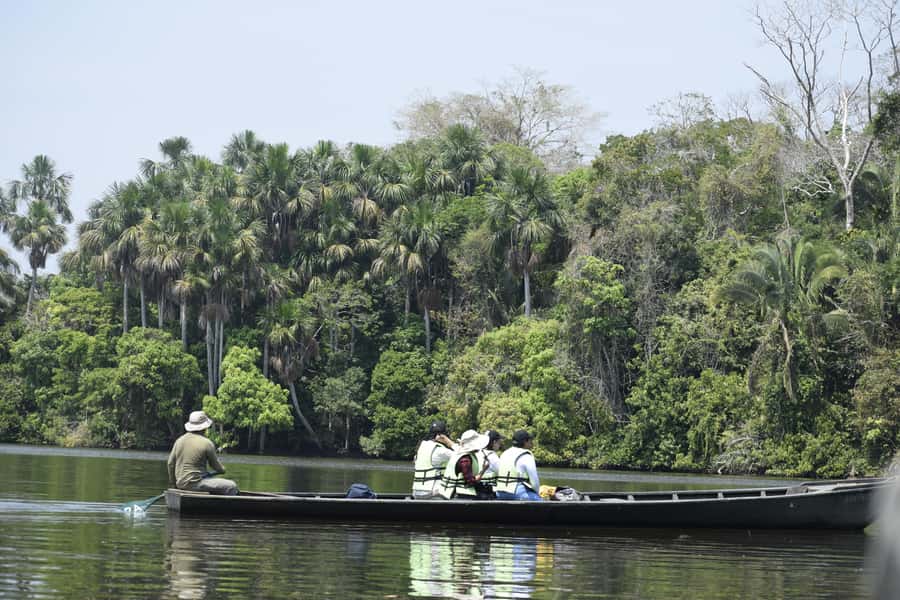
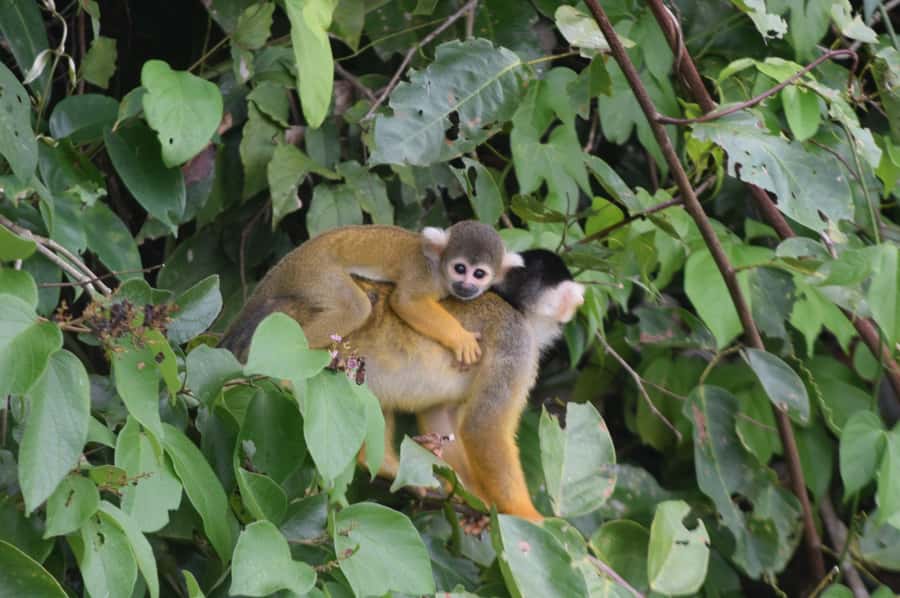
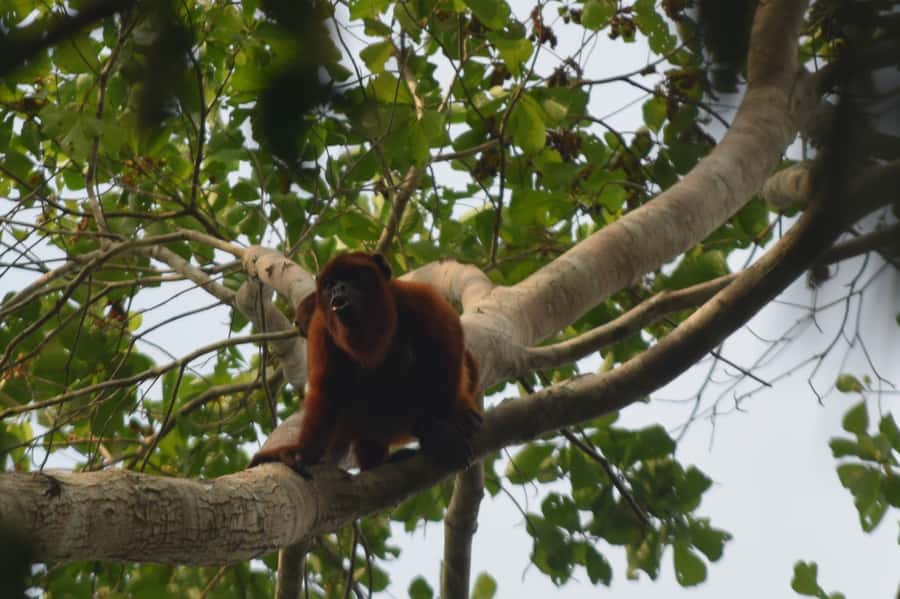
Then you navigate toward Lake Sandoval around midday. This is an important design choice: the afternoon is picked because weather is cooler and animals can be more active. Lake Sandoval is your chance to see monkey species, black caimans, and giant river otters, along with lots of birds. The palm-fringed scenery around the lake also gives you more places for animals to move through, which helps your odds.
When you return, you walk back about 3 km and then catch another sunset, this time on the Madre de Dios River. That end-of-day timing is a nice touch. It keeps the day from feeling like a nonstop sprint while still giving you that last “one more look” moment.
A reality check that helps: sightings are never guaranteed. But the tour’s pacing does a good job stacking the right habitats with the right times of day, and that’s how you get more “good surprises” instead of constant disappointment.
Day 3, Machigenga culture and the Santa Teresa wetland for piranhas
Day 3 starts with a 9:15 am river trip to the Machigenga family area, tied to pre-Inca culture. You’ll watch for capybaras on the riverbank as you go, then reach the Native house for a cultural visit. This isn’t just a photo stop. You learn about local life, adaptation, and idiosyncrasies, which helps you understand the rainforest as something people live with, not just something you tour.
I also like the way the day includes a sustainability angle through community involvement. The tour notes that visits are designed to bring more local residents into tourism, improving quality of life compared to life solely within the community. That matters to me because it changes how the experience feels. You’re not just consuming nature, you’re seeing how nature and livelihoods connect.
In the afternoon, around 3:30 pm, you switch gears to a wetlands area managed by the Santa Teresa community. This is the only segment described as being by car, roughly 37 minutes, because the river route would take far longer. The wetland is a key wildlife habitat: parrots and small yellow-faced macaws nest there, and it’s also part of a broader fish ecology because large catfish spawn there.
That links directly to piranhas. The tour specifically mentions the habitat supports yellow-bellied piranhas. In practice, this is one of those “you came for the rainforest animals, and the rainforest delivers” moments. If you’re curious about how predator and prey rhythms work in these waters, this stop gives you a real-world anchor.
This day also sits between action blocks with downtime built in, which is useful. You’ll be tired in a good way, and the schedule leaves room to reset before the next dawn.
Day 4, clay lick sunrise: macaws and parrots eating earth
Your last morning starts early, because clay lick wildlife is all about timing. With checkout at 9:00 am, the active clay lick window runs from about 5:25 am to 7:15 am. You’re up before full daylight to watch small green parrots and macaws feeding on a clay wall along the Tambopata River banks.
This is one of the most distinctive parts of the whole trip. You’re not just hoping you’ll spot animals in the canopy. You’re watching them concentrate at a specific feeding spot, which raises your odds of seeing multiple species in a shorter time.
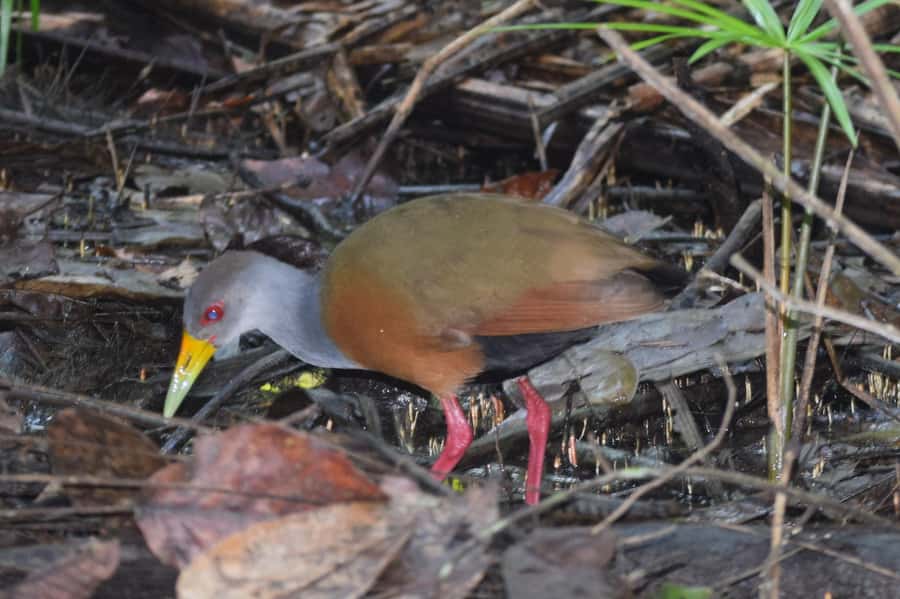
The tour also highlights two species of macaws at the clay lick, plus parakeets and parrots. If you’re a bird person, this is your moment. If you’re not, it can still convert you fast, because the movement, wing flashes, and group behavior are far more active than most people expect.
Why the clay matters: earth at these licks helps animals deal with plant chemicals in their diet and adds minerals they need. In other words, the clay lick isn’t a random ritual, it’s functional.
After the morning viewing, you head back around 10:00 am to the main office for transfer to the airport or bus station and the tour ends.
Sergio, Mirko, and the team: how guide skill changes your odds
This tour rises and falls on guides, and here the staff names show up again and again. Sergio gets praised for spotting animals from far away and staying upbeat while answering questions. Mirko also stands out in reviews for leading extra effort, including additional night searching for sloths when possible.
That kind of guide behavior matters because in the Amazon, small decisions make a big difference. A guide who reads the terrain and understands where animals move will do more than show up on time. They will help you notice things you would otherwise miss, like movement patterns along water edges or how birds react when something larger passes nearby.
The team is also described as friendly and accommodating in day-to-day logistics, from making sure everyone is included to handling dietary needs. Multiple reviews mention dietary preferences and allergies being considered seriously, including vegan options. So if you have food requirements, this is the kind of tour where you can feel more confident meals will be handled responsibly.
Food and comfort: tasty meals, cold showers, and a more authentic rhythm
Food on this trip is a real plus. Reviews highlight delicious local meals, fresh juices, and strong portions. There’s also mention of unlimited coffee and clean filtered water, which helps when you’re waking up early and walking a lot.
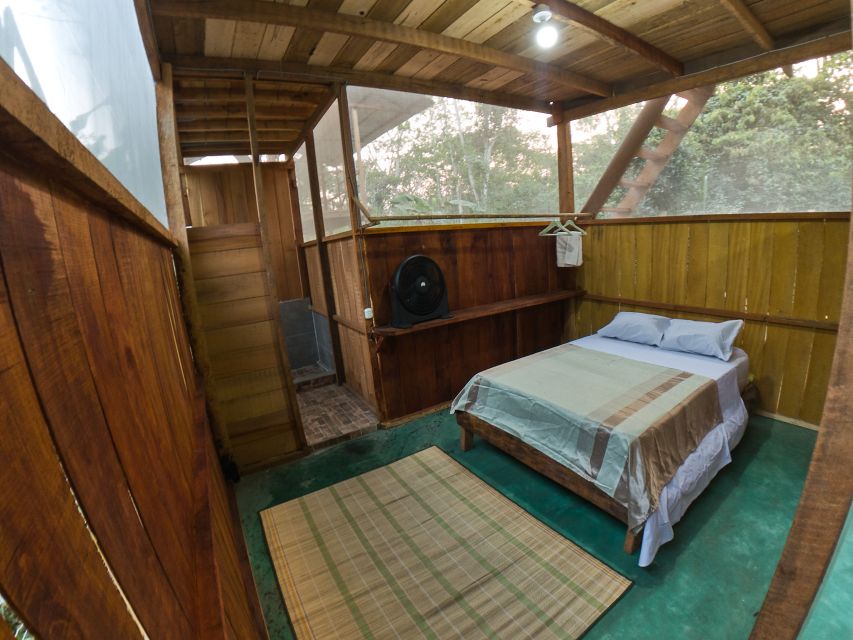
Accommodation is where you should set expectations. Your room is basic, and some cabins are simple and set up for mosquito control, with mosquito nets and practicality over polish. Multiple reviews mention no hot water, so showers are cold. The trade-off is that the jungle setting is literal. You’ll likely fall asleep to jungle sounds, and the shared communal vibe can feel more like living in the forest for a few days than visiting it.
If you’re used to hotel privacy and warm water, this might feel like a downgrade. If you’re okay with basic comfort, it actually improves the experience because you stop trying to “escape” the jungle and start letting it be part of your senses.
One more practical note: roads are described as bumpy in Puerto Maldonado area transport. If you have back issues or get carsick easily, you’ll want to be prepared for that, especially on the day that includes a car transfer segment.
Price and value: is $424 fair for 4 days in Tambopata?
$424 per person sounds like a lot until you break down what you’re buying. For that price, you’re not just paying for a room and a few walks. You’re paying for:
- Entrance fees to Tambopata National Reserve
- Bilingual guides
- Multiple guided wildlife outings, including night searching and clay lick viewing
- Meals included in the package (with day-specific exceptions)
- Water during the tour
- Pickup and drop-off from the main office area and transport from town timing windows
The value becomes clearer because the itinerary is built around wildlife timing: sloth and caiman searching in the morning, Lake Sandoval later in the day, and a very early clay lick schedule. That schedule requires guide staffing and access to reserve areas, not just sightseeing.
The places where you should budget extra are also clearly stated: sodas and alcohol are not included, breakfast on the first day and lunch on the last day are not included, and pickup/drop-off have time cutoffs (no pickup before 8:30 am, and no drop-off after 11:00 am).
For the kind of traveler this fits, the price is pretty logical. If you want a guided, wildlife-focused Tambopata experience without DIY planning, you’re paying for the planning, the local expertise, and the protected access. If you’re the type who can DIY transport and park logistics and you don’t care about guided spotting, you might compare options. But for most people, the small group, multiple outings, and reserve time are what justify the cost.
Who this Tambopata tour suits, and who should skip it
This is a strong match if you want a hands-on Amazon experience with real wildlife focus and cultural context. You’ll likely enjoy it most if you can handle:
- Walking and early starts (including a pre-dawn clay lick)
- Night hikes with a flashlight
- Basic accommodations and limited privacy
- Bug awareness, including insect repellent
It’s also described as a small group experience limited to 18 participants, which helps keep the pace from feeling chaotic.
Skip it if you need hotel comfort. And note the explicit limits: not suitable for babies under 1 year, people over 309 lbs (140 kg), or people over 70 years.
Should you book this 4-day Tambopata rainforest tour?
I’d book this if you want Tambopata National Reserve wildlife at the right times of day, plus a clay lick sunrise that actually delivers bird watching instead of hoping. The biggest strengths are the variety across the four days, and the way guides like Sergio and Mirko can turn spotting into a real skill rather than luck.
You might skip it if your top priority is comfort over nature. The lodge is a jungle house, not a luxury resort, and the cold shower reality is part of the deal. Also, if you hate early mornings or night walks, this trip will challenge you.
If you can handle basic accommodations and you’re excited about otters, sloths, caimans, and birds, this itinerary is built for you. It’s not just a checklist. It’s a rhythm of river, reserve, culture, and dawn wildlife that makes the Amazon feel tangible in four short days.
FAQ
What does the tour price include?
The tour includes pickup and drop-off from the main office, reserve entrance fees to Tambopata National Reserve, bilingual guides, water, and meals (with day-specific exceptions).
What is not included in the tour?
Sodas and alcoholic drinks are not included. Breakfast on the first day and lunch on the last day are also not included. Pickup before 8:30 am and drop-off after 11:00 am are not included.
What time is check-in and check-out?
Check-in starts at 12:30 pm. Check-out is at 9:00 am on the last day.
How does pickup work if I arrive by bus or flight?
Pickup is organized based on your flight time arrival. If you arrive by bus, the pickup time is listed as 9:30 am. The tour also notes pickup from the bus station or main town after 10:00 am.
What are the main wildlife activities across the 4 days?
You can expect sloth and caiman searching, wildlife viewing around Lake Sandoval, night hike searching, and a clay lick morning with small green parrots and macaws. There’s also a cultural visit and a community-managed wetland area.
What time is the clay lick experience?
The clay lick activity runs from 5:25 am to 7:15 am on the last day.
Do I need to bring anything specific?
Bring comfortable shoes, insect repellent, sunscreen, a flashlight, and a head covering or kippah. Comfortable clothes and a flashlight are also recommended.
Are there any items I’m not allowed to bring?
High-heeled shoes are listed as not allowed.
What language will my guides speak?
Guides are bilingual, in English and Spanish.
Is cancellation free, and how far in advance?
Free cancellation is offered up to 24 hours in advance for a full refund.
Amazon Jungle Tours side by side.
 ★ 4.5Tambopata Peruvian Amazon Jungle for Three Days/Two NightsFrom $350329 reviews
 ★ 4.5Puerto Maldonado: Sandoval Lake 4-Day, 3-Night Guided TourFrom $30090 reviews
 ★ 5.0Belen Market and La Venecia Loretana Tour With A Local GuideFrom $5085 reviews
 ★ 5.04 Day Tour to the Manu National ParkFrom $38981 reviews
 ★ 4.53-Day All Inclusive Guided Jungle Tour from Iquitos at Maniti Eco-LodgeFrom $45974 reviews
 ★ 4.54 Day Tambopata Amazon Wildlife & Canopy ExperienceFrom $58572 reviews
 ★ 5.0Manu National Park Tour 4days/3nightFrom $47069 reviews
 ★ 5.04 Day Tambopata Jungle Tour with Local GuideFrom $36064 reviews
Also on these Peru lists