
REVIEW · PERU
Visit to the Cochahuasi Animal Sanctuary with rescued animal
Rescued animals have a way of changing you. This 3-hour Cochahuasi Animal Sanctuary visit outside Cusco is part animal meet-and-learn, part conservation support, and it centers on rescued stories from Peru’s mountains and coastal jungle. I love how the day is led by a professional wildlife specialist guide who connects what you see to respect and real care for wildlife.
Two things I particularly liked: the VIP animal houses access, and the chance to interact with llamas and alpacas in a guided, thoughtful way. You do not just watch from a distance. You learn why these animals are here and what the sanctuary is trying to do for them, including education and rescue-focused work.
One consideration before you go: the animals’ backstories are not sugarcoated. Expect to hear some “sad but necessary” history for each species, and because the sanctuary time is limited (40 minutes to 1 hour plus a short free window), you will leave wanting more.
In This Review
- Key things to know before you go
- Cusco pickup and the 30-minute ride to the sanctuary
- What you’ll see: rescued species from Peru’s mountains to coastal jungle
- VIP animal houses: where education becomes more than a slogan
- Llamas and alpacas interaction: respectful contact, guided learning
- The schedule inside the sanctuary: what “40 minutes to 1 hour” really means
- Crafts and products stop: what it is, and how to use it wisely
- Transportation, languages, and who leads the day
- Price and value: is $50 a fair deal for a 3-hour mission?
- Who this sanctuary visit suits best (and who might skip)
- Should you book Cochahuasi Animal Sanctuary in Cusco?
- FAQ
- Where is the Cochahuasi Animal Sanctuary experience located?
- How much does the tour cost?
- How long is the activity?
- How long do you spend inside the sanctuary?
- Is hotel pickup and drop-off included?
- What animals can you expect to see?
- Is there interaction with llamas and alpacas?
- What is included besides the animal viewing?
- What is not included in the price?
- What languages is the tour offered in?
- FAQ
- Is there free cancellation?
- Can I reserve now and pay later?
Key things to know before you go
- A real conservation mission, including education and efforts to release animals back when possible
- VIP animal houses access that goes beyond a basic walkthrough
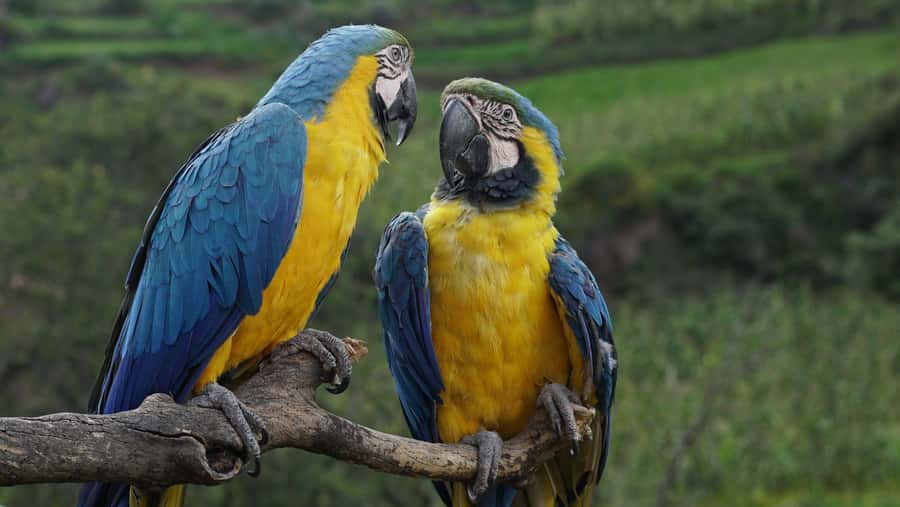
- A wide species mix, including Andean spectacled bears, pumas, macaws, and monkeys
- A short but meaningful free time window (20 to 25 minutes)
- Llamas and alpacas interaction is included, not just viewing time
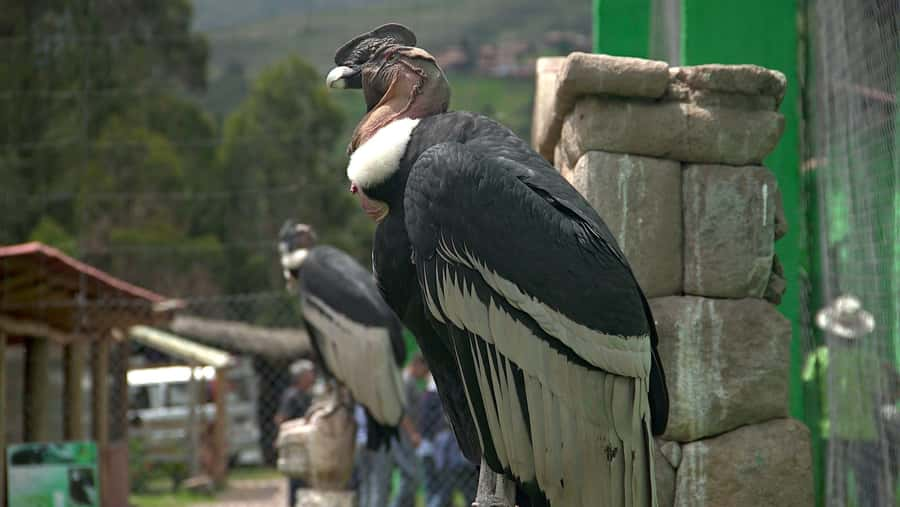
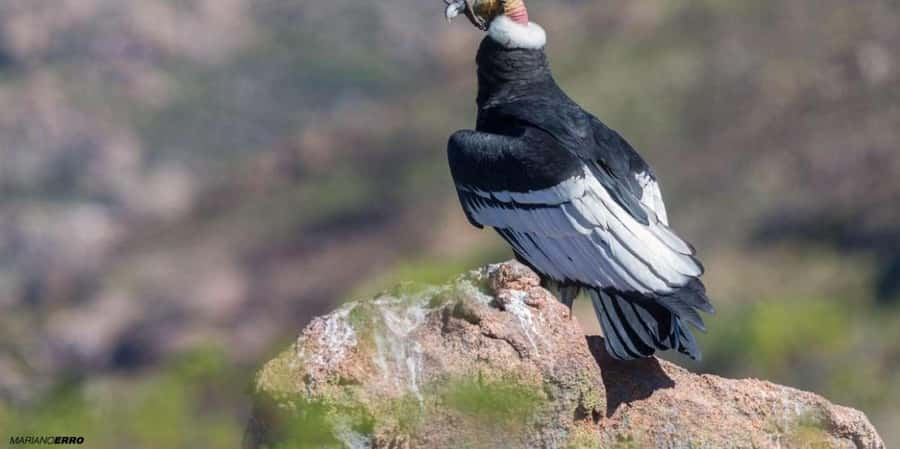
- A notable release story involving a male Andean condor tracked with a GPS and satellite system in 2019
Cusco pickup and the 30-minute ride to the sanctuary
Your visit starts with hotel pickup in Cusco. From the city, it is about a 30-minute car ride to the sanctuary area, and you can use that travel time to get oriented with the group and guide.
This is also a nice length for a half-day activity. Three hours total is long enough to get value, but short enough that you can still keep your Cusco schedule flexible. The tour runs in Spanish and English, so you can follow the animals’ stories without feeling like you are missing key points.
As you head out, remember the tone of the experience: this is not a theme park. The vibe is guided empathy, and that matters because the animals you see each carry a reason they ended up in rescue.
What you’ll see: rescued species from Peru’s mountains to coastal jungle
Once you arrive, you will meet a great variety of rescued animals. The sanctuary focuses on species connected to Peru’s regions, with animals coming from both the mountain side and the coastal jungle side of the country. That mix gives you a broader picture of wildlife conservation than a single-species rescue.
The species list you should expect includes:
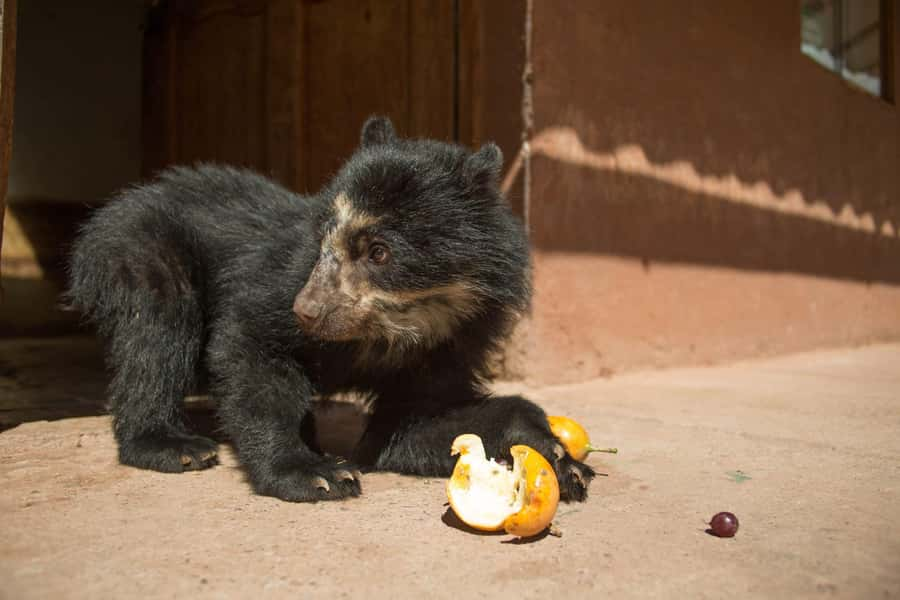
- Andean spectacled bears
- Pumas
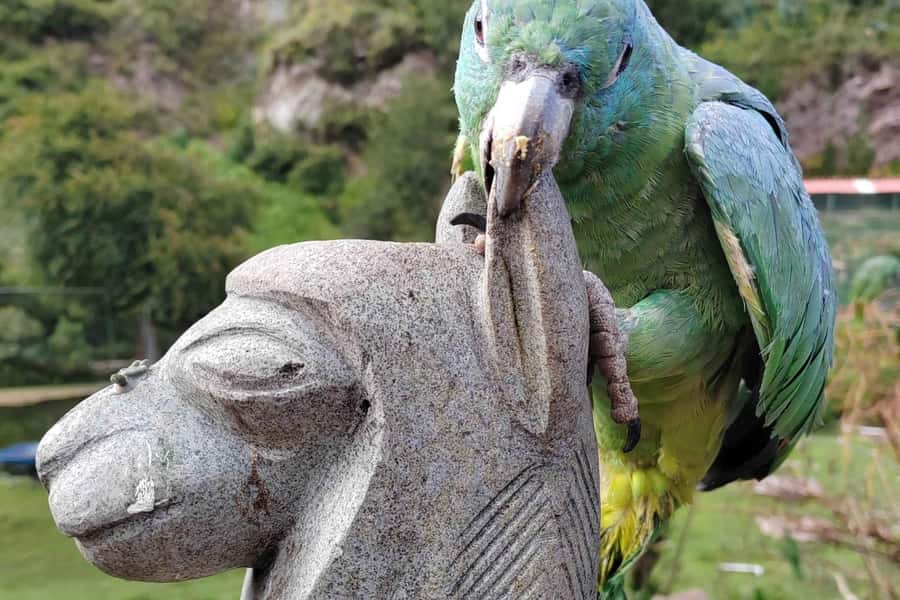
- Macaws
- Monkeys
- Plus additional rescued animals that fit the sanctuary’s overall diversity
Each animal is connected to a slightly sad story. The point is not to shock you. It is to make the conservation message stick, because you see the consequences of harm to wildlife and you understand why respect matters.
One thing I appreciate about this kind of sanctuary setup is that your attention is guided. You are not left alone with a fence and a camera. The specialist guide helps you put names, needs, and risks together so your visit becomes practical knowledge, not just sightseeing.
VIP animal houses: where education becomes more than a slogan
A big part of the value here is that you get access to the VIP animal houses. In practical terms, this is where your visit shifts from “look at animals” to “learn how rescued animals are cared for.”
You will also see enrichment for animals. That word matters. Enrichment is not decorative. It is how caretakers support wellbeing in a safe environment, and it is usually tied to keeping animals mentally and physically stimulated while they are living in sanctuary care.
This is also where the sanctuary’s mission shows up most clearly. The focus is education, and the work includes releasing some animals that are in danger of extinction when conditions allow. A striking example from 2019 is a male Andean condor that used a GPS and satellite system, part of the sanctuary’s efforts for wildlife back in the wild.
If you care about conservation, you will likely feel the “why” click. You are supporting a system that thinks in timelines, not quick fixes.
Llamas and alpacas interaction: respectful contact, guided learning
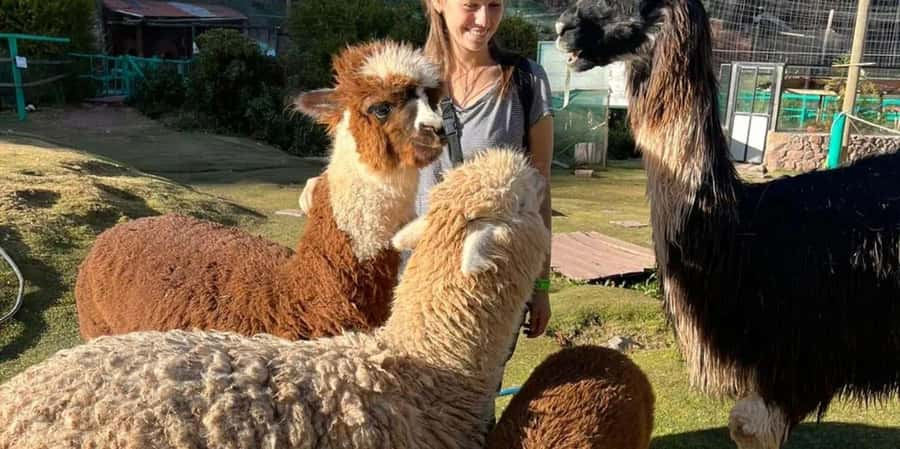
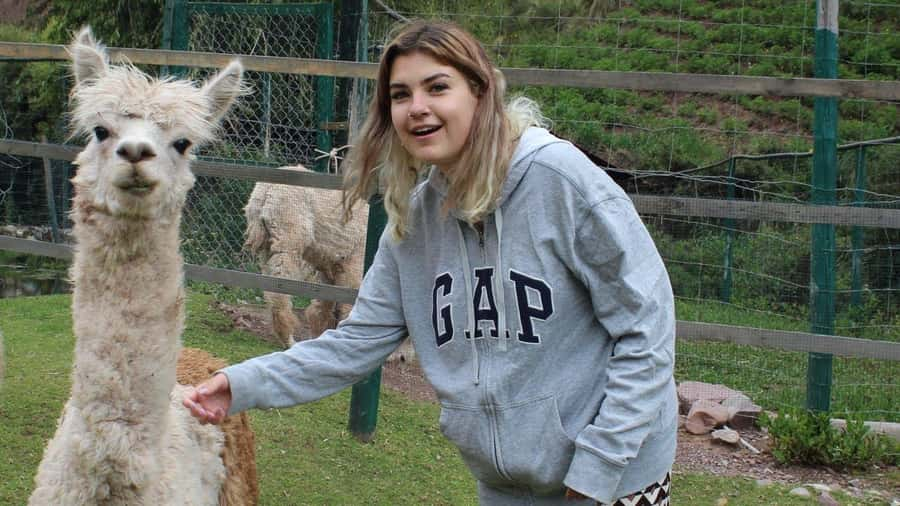
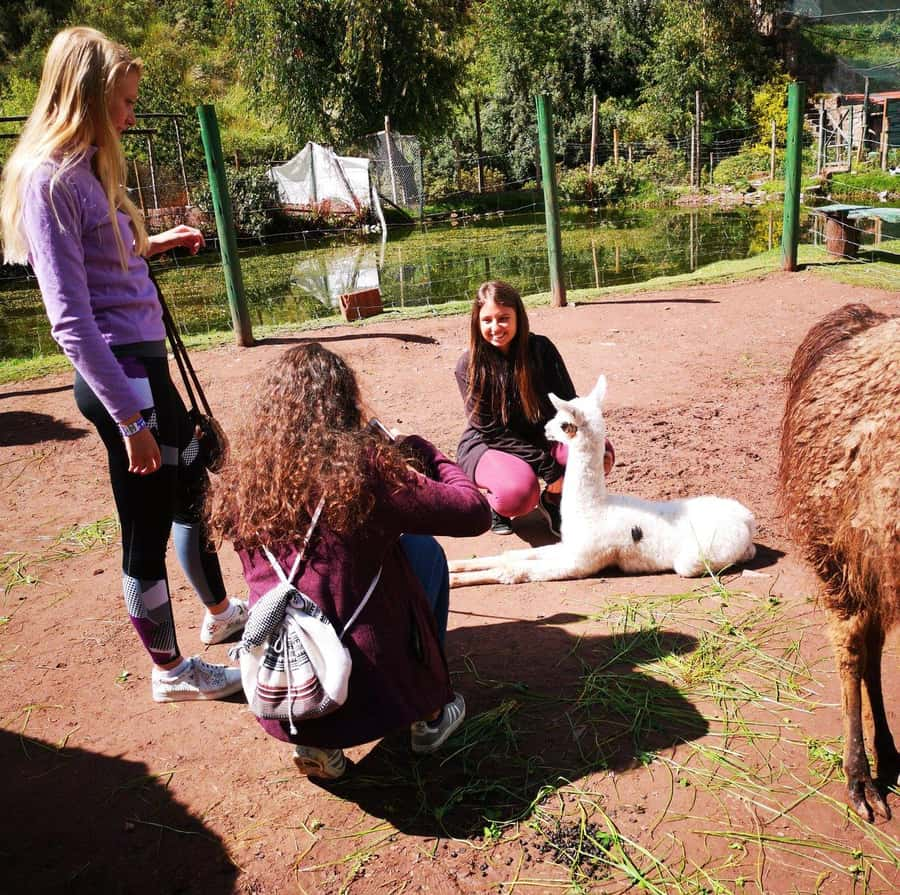
The tour includes interaction with llamas and alpacas. This is a different emotional feel than the big carnivores and bears you may see afterward. It is more gentle, more hands-on, and it gives you a breather during the day.
Because the tour is led by a professional wildlife specialist guide, the interaction is part of the learning flow, not an afterthought. I like that the sanctuary does not treat the gentle animals as a distraction. Instead, it pairs interaction with context, so you leave understanding how animal care works across species.
Timing-wise, you will do your sanctuary tour first (40 minutes to 1 hour), then you get a short free time window (20 to 25 minutes). Depending on how your group moves, your llama and alpaca interaction can help balance the emotional weight of rescued wildlife stories.
If your travel style includes hands-on moments but you also want them to be responsible, this is one of the stronger reasons to pick this experience. It gives you contact and it still keeps the message animal-centered.
The schedule inside the sanctuary: what “40 minutes to 1 hour” really means
You are on-site for about 40 minutes to 1 hour during the sanctuary portion. That is a short window, but it can still be meaningful when the guide is doing the heavy lifting of explanation.
Here is how to think about it:
- Expect a structured walkthrough of animals, with guide context
- Expect VIP animal house access as part of that guided flow
- Expect enrichment concepts to be pointed out rather than left for you to guess
- Expect your free time later as a smaller independent window
Then you get free time from 20 to 25 minutes. Use that time to absorb what you missed in the rush, take photos if that is your thing, and ask any last questions you have been saving. I find this kind of built-in quiet time helps you avoid the “constant moving” feeling that can happen on day trips.
Also, because the stories are slightly sad, the pause can help you process. You are not forced to keep your emotions on a treadmill.
Crafts and products stop: what it is, and how to use it wisely
After the sanctuary part, you will be in the area of products and crafts. This is your decompression moment, and it can be a practical way to keep the visit grounded in local life.
The trade-off is that it is time away from the animals, so keep your expectations honest. You are not going there for a deep market tour. You are getting a brief shopping and browsing window as part of the overall experience.
One helpful detail: gifts are listed as not included, so if you want souvenirs, plan to pay separately. If you want to keep it simple, you can treat this area like a quick cultural stop and focus your spending only on items you truly want.
Transportation, languages, and who leads the day
The tour includes hotel pickup and drop-off, plus round trip transportation to the sanctuary area outside Cusco. That matters because it removes a major headache when you are figuring out Cusco logistics. You show up at your hotel, and you do not have to negotiate rides once you are done.
You will travel with a professional wildlife specialist guide. That is a key point, because it is one thing to see animals. It is another to understand what you are seeing, why these animals are rescued, and what the sanctuary’s conservation goals are.
Languages are Spanish and English. If you are traveling with mixed-language companions, it can still work well because the tour is specifically offered in both. Just make sure you book the language option if that matters for your comfort.
Price and value: is $50 a fair deal for a 3-hour mission?
The price is $50 per person for a 3-hour experience. On its face, that might sound like a “standard tour price.” But it is worth judging by what you get for that money.
You are not paying only for entry. Your included items are doing real work for the sanctuary and your learning:
- Hotel pickup and drop-off
- Round trip transportation
- A professional wildlife specialist guide
- VIP animal houses access
- Interaction with llamas and alpacas
- Food for animals
- Enrichment for animals
That adds up because it supports day-to-day care, not just a one-time viewing. Also, the sanctuary work includes education and release efforts when possible, like the Andean condor tracked with GPS and satellite technology back in 2019.
The main value question for you is emotional and ethical fit. If you care about animal welfare and conservation education, this feels aligned. If you only want a quick “see animals” outing with zero emotional weight, the rescued stories might feel like more than you bargained for.
Who this sanctuary visit suits best (and who might skip)
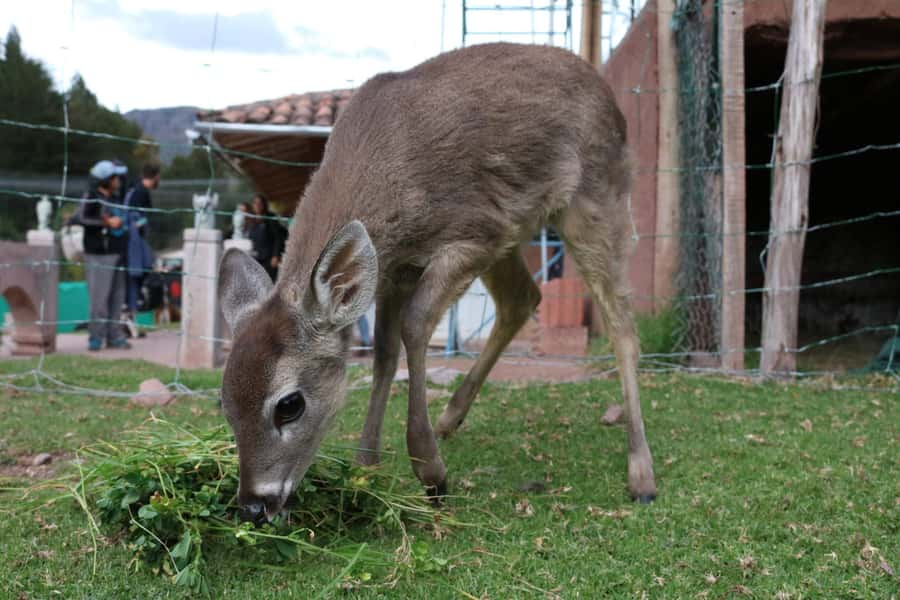
This is a strong choice if you:
- Want an animal experience tied to conservation and education
- Appreciate guided learning over self-guided photo stops
- Like respectful interaction, especially the included llama and alpaca time
- Feel good supporting a rescue mission
It may be a tough match if you:
- Avoid emotionally heavy stories, because the animals’ histories are described as slightly sad
- Prefer long, freeform time on-site, because sanctuary time is capped at 40 minutes to 1 hour plus 20 to 25 minutes free time
- Want everything fully packaged, because some items are not included (like gifts and visitor food or drinks, depending on what you expect)
For most people, though, the balance is good: enough structure to learn, enough freedom to breathe, and a clear conservation focus.
Should you book Cochahuasi Animal Sanctuary in Cusco?
If you are in Cusco and you want a meaningful animal visit that supports rescue work, I think you should book. The combination of VIP animal houses, a specialist guide, enrichment and animal food being included, and the added llama and alpaca interaction makes the $50 feel tied to impact rather than just access.
My “go for it” advice is simple: if conservation education and rescued animal stories resonate with you, this is a great use of 3 hours. If you want only lighthearted sightseeing, you might find the rescue backstories a bit heavy.
FAQ
Where is the Cochahuasi Animal Sanctuary experience located?
It is in the Cusco Region, Peru.
How much does the tour cost?
The price is $50 per person.
How long is the activity?
The duration is 3 hours.
How long do you spend inside the sanctuary?
The tour in the sanctuary can last from 40 minutes to 1 hour, plus free time from 20 to 25 minutes.
Is hotel pickup and drop-off included?
Yes. Hotel pick-up and drop-off service is included.
What animals can you expect to see?
You may see Andean spectacled bears, pumas, macaws, monkeys, and other rescued animals.
Is there interaction with llamas and alpacas?
Yes. Interaction with llamas and alpacas is included.
What is included besides the animal viewing?
Included items include professional wildlife specialist guide, VIP animal houses access, food for animals, and enrichment for animals.
What is not included in the price?
Gifts, food, drinks, and tickets to the animal sanctuary are not included.
What languages is the tour offered in?
The live tour guide is available in Spanish and English.
FAQ
Is there free cancellation?
Yes. You can cancel up to 24 hours in advance for a full refund.
Can I reserve now and pay later?
Yes. You can reserve your spot and pay nothing today.