
REVIEW · MACHU PICCHU
2-Day Sacred Valley & Machu Picchu by Train – Small Group Tour
Machu Picchu, with the stress removed. This small-group Sacred Valley and Machu Picchu by train tour strings together Inca stops outside Cusco, alpacas at Awana Kancha, Pisac and Ollantaytambo, then a guided Machu Picchu citadel visit. What I like most is the max 9 travelers setup, which makes it easier to keep a relaxed pace, and the way your guide shapes the Machu Picchu experience with key highlights like Condor Temple. The one drawback to watch is that the itinerary is tightly timed, so any ticket or timing hiccup can affect your return schedule.
You start with hotel pickup in Cusco and end with private transport back to Cusco after the train ride. Day 1 balances big views with a couple of practical stops for photos and shopping, plus a big restaurant-style buffet lunch in Urubamba. Day 2 is all about Machu Picchu, with breakfast, a bus ride up, guided walking through the citadel, then return train time and a drop-off that gives you a chance to decompress.
In This Review
- Key Points Worth Noting Before You Go
- Why This Train-Based Sacred Valley Plan Makes Sense
- Getting Oriented in Cusco: Inca Ruins and the Cristo Blanco Option
- Awana Kancha Alpaca Farm: More Than a Quick Photo Stop
- Taray Viewpoint and Pisac Archaeology: Views, Terraces, and Real Engineering
- Pisac Market Time and Urubamba Buffet Lunch: Shopping Without Losing the Plot
- Ollantaytambo Fortress and the Train to Aguas Calientes
- Settling Into Aguas Calientes the Evening Before Machu Picchu
- Guided Machu Picchu Citadel: Condor Temple and the Why Behind the Stones
- The Return Train and Private Transfer Back to Cusco
- Price and Value: What $599 Covers (and Why It’s Not Just Transportation)
- Small Group Size and Guide Impact: Why Ruben and Elvis Keep Getting Mentioned
- Possible Snags to Plan For: Ticket Lines, Reimbursements, and Tight Timing
- Who Should Book This Tour, and Who Might Want a Different Style
- Should You Book This Sacred Valley and Machu Picchu Train Tour?
- FAQ
- What does the tour include for Machu Picchu?
- Are Huayna Picchu or Machu Picchu mountain tickets included?
- How long is the tour and how many people are in the group?
- Where does the tour start in Cusco?
- Is lunch included?
- How do cancellations work?
Key Points Worth Noting Before You Go
- Small group size (up to 9) means you get more back-and-forth with your guide and fewer crowd bottlenecks.
- A guided Machu Picchu citadel visit helps you connect the dots on temples, terraces, and named features like Condor Temple.
- Pisac has both ruins and market time, so you get the story and the shopping without turning the day into a sprint.
- Ollantaytambo to Aguas Calientes by train keeps you off the road and rewards you with mountain and river views.
- Cusco pickup and return transport saves you from the hardest part of planning: moving between all the right places on schedule.
Other citadel visits, ticket types and start times
- From Cusco: Full-Day Group Tour of Machu Picchu
★ 4.7 · 1,767 reviews - Machu Picchu Day Trip from Cusco
★ 4.5 · 1,644 reviews - Machu Picchu: Full-Day Tour from Cusco with Optional Lunch
★ 4.6 · 927 reviews - Cusco: 4-Day Inca Trail to Machu Picchu with Accommodation
★ 4.8 · 432 reviews
Why This Train-Based Sacred Valley Plan Makes Sense
There are two ways to reach Machu Picchu. One is to DIY the logistics and hope nothing goes sideways. The other is to let a team run the hard parts: pickup, transfers, train scheduling, and entry timing. This tour goes for the second approach, which is exactly why it works for a lot of first-timers.
The big value is that you do not spend your limited Peru time grinding through public transport. You get a full day in the Sacred Valley on Day 1, then you sleep in Aguas Calientes so Day 2 is simpler. And you still get that classic Machu Picchu day rhythm: bus up, guided route at the citadel, then time afterward before you head back down.
You also get a helpful “shape” to the trip. Instead of wandering randomly, you’re guided through major Inca areas in a logical order, which helps you understand what you’re seeing. If you want the famous hits, without turning your vacation into a logistics project, this setup is a strong fit.
Getting Oriented in Cusco: Inca Ruins and the Cristo Blanco Option
Your day begins with hotel pickup in Cusco in the morning. You then ride out through the Cusco region, with passes by key Inca archaeological sites including Sacsayhuaman, Qenqo, and Pucapucara. Even if you do not stop at each one for a long walk, seeing them from the road helps you understand why Cusco was such a strategic center.
There’s also an optional stop at the Cristo Blanco viewpoint for panoramic city views. This is a smart early move. Before you start driving deeper into the Sacred Valley, it gives you quick orientation and a feel for the geography: valleys, ridges, and the way the city sits in the hills.
Practical tip: if you bring a camera, this is one of the easiest places to get a clean “Cusco wide shot” without needing extra planning. If you are short on photo energy later, you will be glad you banked a few angles here.
Awana Kancha Alpaca Farm: More Than a Quick Photo Stop
Awana Kancha is one of those stops that could feel touristy, but here it’s timed like a cultural break. You visit an alpaca farm experience that focuses on South American camelids such as llamas, alpacas, huanacos, and vicuñas.
What makes this worth your time is the interaction angle. You get a chance to manually feed the animals, and the guide explains how wool and textile traditions shaped Andean life for centuries. In other words, you’re not just taking pictures. You’re learning how the fibers ended up on clothing and why different animals matter.
Also, this is a good place to reset. By the time you reach the farm, you’ve been riding and listening to history. Awana Kancha gives you movement, faces to look at, and a calmer pace for about 20 minutes.
Taray Viewpoint and Pisac Archaeology: Views, Terraces, and Real Engineering
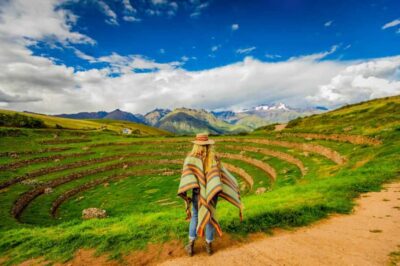
After Awana Kancha, the tour pauses at the Taray Viewpoint for quick Sacred Valley views. This stop is short, but it’s visually powerful: you can see ancient Inca terraces and get a sense of how the valley’s farmland and settlements connect to the surrounding peaks. Your guide also ties the scenery to agriculture, which helps you look at terraces as systems, not just ruins.
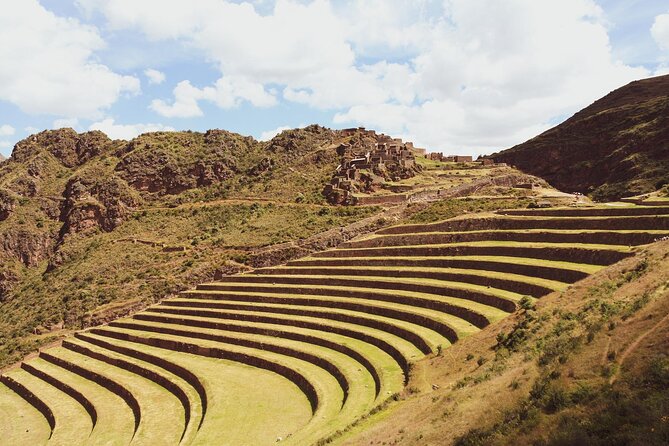
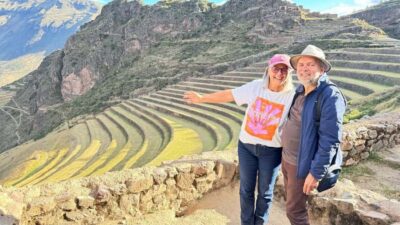
Then you move on to the Pisac Archaeological Site. Pisac is famous for its agricultural terraces carved into the mountainside. The visit includes walking through areas like stone residences and ceremonial altars, plus the water channels that made farming possible.
The main drawback here is also simple: it’s a site above the valley, so you’ll want comfortable shoes and a steady pace. But the payoff is big. Pisac gives you that moment where everything starts clicking. You see how Inca design used terrain, water, and elevation together.
More Sacred Valley itineraries on our list

Pisac Market Time and Urubamba Buffet Lunch: Shopping Without Losing the Plot
Pisac also gets a second hit, and it’s scheduled differently than the ruins. You get time at the Pisac Market, where you can browse handwoven textiles, ceramics, silver jewelry, and other traditional souvenirs.
This is where you should go in with a plan. Market time is brief, so I suggest deciding what you want beforehand: a scarf, a small textile item, or one or two gifts. If you wander without priorities, you can burn your time fast.
Afterward, you head to Urubamba for a buffet lunch. The schedule calls for a buffet with lots of options, including vegetarian choices, plus Andean favorites and coastal-style items. Even if you’re not a “buffet person,” this lunch stop is useful because it’s a full reset before the afternoon climb into the Ollantaytambo area and the train day.
One note: you will likely be tired after a day of walking and photo stops. A buffet gives you flexibility to pick what you can eat comfortably.
Ollantaytambo Fortress and the Train to Aguas Calientes
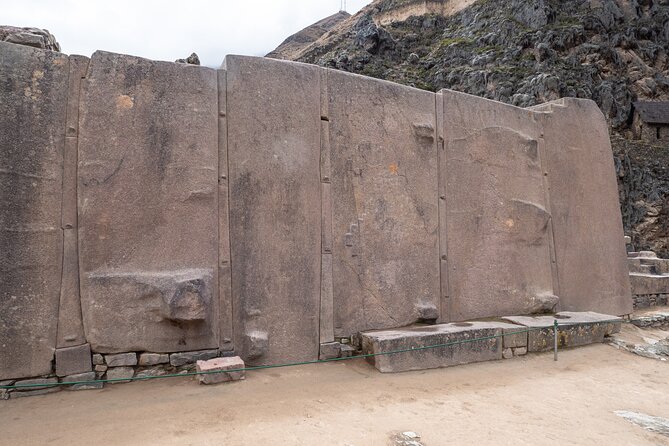
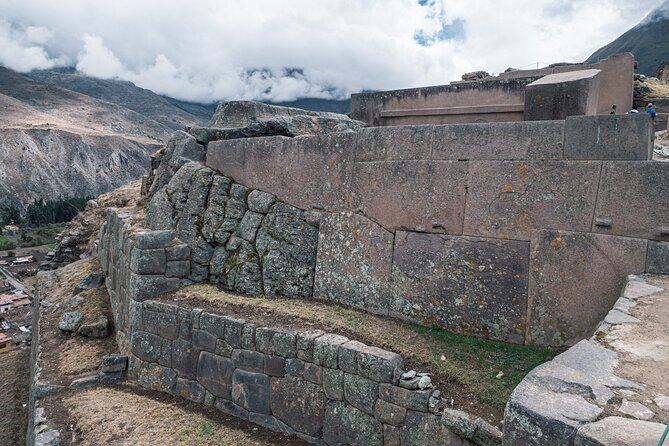
In the afternoon, you visit Ollantaytambo, including its fortress area and terraces. This site is a strong contrast to what you’ll see at Pisac. Ollantaytambo feels more like a place built for defense and control, and it played a key role in the Sacred Valley power story.
Then comes the part many people actually look forward to: the train ride from Ollantaytambo to Aguas Calientes. You’ll board your service, and the itinerary mentions Expedition category as the baseline, with the possibility of an upgraded Vistadome option depending on what’s arranged for your departure. Either way, you’re riding along the Urubamba River corridor with mountain and valley views.
Why this matters: taking the train reduces fatigue. You’re not wrestling roads and schedules while you’re trying to save energy for Machu Picchu tomorrow. It also builds anticipation as you get closer to Aguas Calientes, the base town for the classic citadel day.
Settling Into Aguas Calientes the Evening Before Machu Picchu
By early evening you arrive in Aguas Calientes and get escorted to your hotel for check-in. This matters more than it sounds. Machu Picchu days run on specific entry timing, and having the night before taken care of removes a chunk of stress.
Your evening is yours. You can walk the town, grab a drink or snack at local cafés, or just rest. The schedule also lists hot springs at Aguas Calientes as optional, but not included as a default.
Practical tip: if you want to visit hot springs, plan it as an optional add-on that might cut into your recovery time. Your feet and legs will want rest after Day 1 and before the Machu Picchu citadel walking.
Guided Machu Picchu Citadel: Condor Temple and the Why Behind the Stones
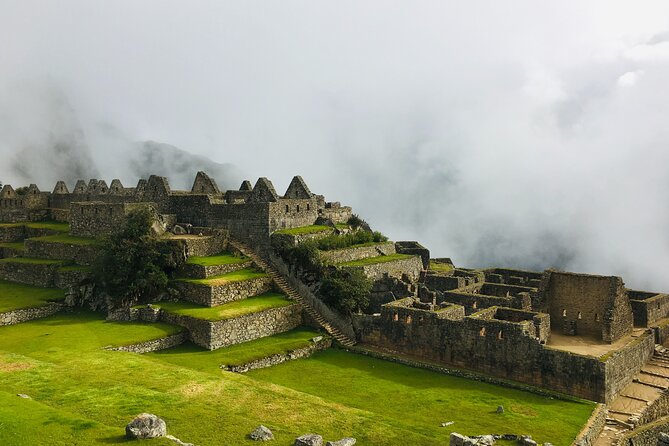
Day 2 is Machu Picchu. After breakfast, you head to the bus station and take the ride up to the entrance. From there, your guided tour starts.
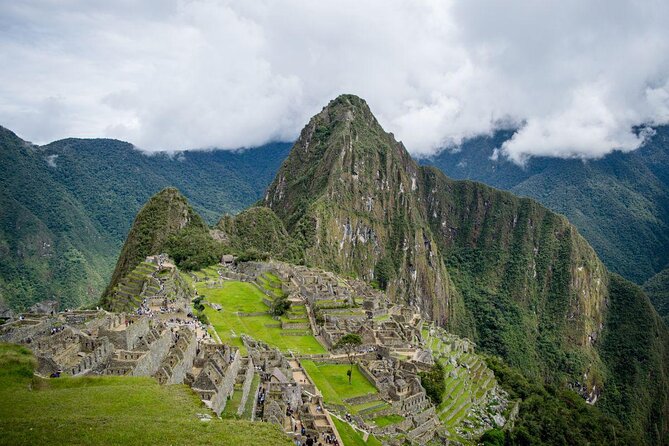
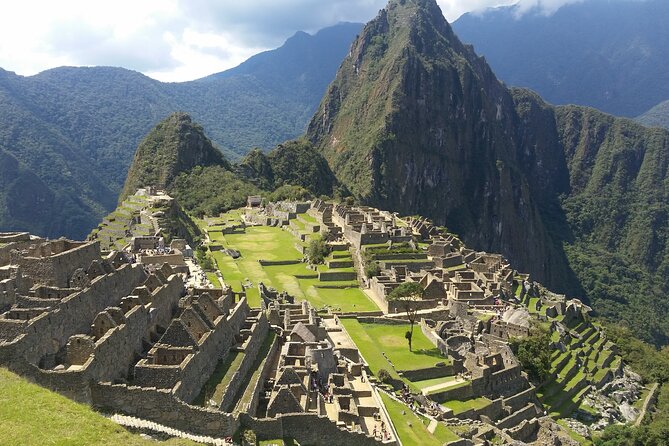
This is the heart of the value: a guide helps you read the site. You’ll walk through temples, terraces, and the kind of “hidden corners” that are easy to miss if you go in alone. The itinerary specifically calls out famous buildings, including Condor Temple, plus the overall spiritual and historical setting.
You also get spare time after the guided portion to explore on your own. That’s important. It gives you a chance to slow down for photos, or to linger where you personally feel the pull. If you are the type who needs a moment to just take it in, that extra time is a lifesaver.
Then you ride the bus back to Aguas Calientes for lunch time. Just be aware there is conflicting detail in the package notes about Day 2 lunch being included or not. My advice: confirm directly with the operator which lunch is actually covered for your date, so you are not surprised at the meal moment.
The Return Train and Private Transfer Back to Cusco
After your time at Machu Picchu and lunch stop, you board the train back to Ollantaytambo at about 2:00 PM. From there, a driver is waiting for your final transfer to Cusco, with an expected arrival around 6:00 PM.
That return timing is not just a “nice to have.” It affects whether you can enjoy Cusco that evening or whether you’ll feel like you’re rushing to catch something else. For most people, getting back in the early evening gives you enough time to eat, shower, and mentally land the trip.
If your international flight is early the next day, you should treat this as your buffer test. I recommend avoiding any same-day-of-return pressure like tours stacked back-to-back or urgent appointments. This tour gives you a clear schedule, but transit days can always vary.
Price and Value: What $599 Covers (and Why It’s Not Just Transportation)
At $599 per person, you’re paying for more than a ticket and a train seat. This is a logistics bundle.
Here’s what’s clearly included in the package list:
- Breakfast and lunch (with the note that Day 2 lunch is marked as not included in one section, so confirm for your date)
- Guided tours of Pisac, Ollantaytambo, and the Machu Picchu citadel
- Machu Picchu entrance ticket (citadel)
- Train Ollantaytambo to Aguas Calientes
- Bus Aguas Calientes to Machu Picchu
- Private transport Ollantaytambo to Cusco
- Hotel pickup in Cusco
What you are not paying for by default includes optional add-ons like Huayna Picchu or Machu Picchu mountain tickets, plus hot springs.
So the value question becomes simple: would you rather spend your time planning trains, bus connections, ticket pickup, and guided routes? If yes, the price feels fair because it buys your time and coordination. If you love DIY and you already have tickets locked in and your transport mapped, you might find cheaper ways. But most people who book this are buying simplicity.
Small Group Size and Guide Impact: Why Ruben and Elvis Keep Getting Mentioned
This tour caps at 9 travelers, which changes the vibe immediately. Smaller groups usually mean:
- fewer waits for the guide to check paperwork or tickets
- more chances to ask questions without the guide rushing away
- better pacing during stops like Pisac market time and guided Machu Picchu walking
In the experience notes you provided, guides like Ruben and Elvis earn strong praise for knowledge, friendliness, and keeping things moving. Others you named, such as Pedro, Cesar, Diego, and Julio, highlight different strengths, like calm guiding energy or strong history explanations.
The reason I care about guide variety is practical. Machu Picchu is crowded and confusing for first-timers. A guide who can manage the flow and explain what you’re seeing makes the difference between snapping photos and actually understanding the place.
Possible Snags to Plan For: Ticket Lines, Reimbursements, and Tight Timing
Every organized tour has a risk area, and this one is basically the “systems” layer: tickets, coupons, and last-mile transport coordination.
One note in your information describes a situation where a participant hit stress points around ticket handling and bus ticket reimbursement, plus a later-than-expected return to Cusco. I’m not saying this will happen to you. But I am saying you should act like it could.
Here’s how you protect your trip:
- Keep your passport info handy. If the operator asks for a passport copy by message, respond fast.
- Double-check your Machu Picchu entry details the day of, so you know what ticket you have and where you need to go.
- When it comes to meals listed as included or not, confirm directly. Meal confusion is the easiest way to feel off on a high-stress day.
- Do not plan a tight next-day international departure right after you return.
If you handle logistics like a calm adult (not a panicked tourist), the tour should feel smooth. If you hate uncertainty, build buffer time.
Who Should Book This Tour, and Who Might Want a Different Style
This is a good match if you:
- want a 2-day plan that covers the Sacred Valley and Machu Picchu without you micromanaging trains and buses
- like guided structure, especially for Machu Picchu
- enjoy a mix of ruins, a market stop, and time on the train
- prefer smaller groups (max 9)
You might want a different approach if you:
- absolutely hate fixed schedules, because Machu Picchu timing is not negotiable
- want to spend more than a couple hours in each place, because stops like Pisac market are brief by design
- are strongly dependent on hot springs or extra mountain hikes, because those are optional and tickets are not included by default
Should You Book This Sacred Valley and Machu Picchu Train Tour?
I’d book it if you want the classic Peru highlight route, but with less planning burden. The combination of Cusco pickup, a full Sacred Valley Day 1 (Pisac plus Ollantaytambo), the train ride to Aguas Calientes, and a guided Machu Picchu citadel morning is a smart use of two days.
Before you pay, do two quick checks:
1) Confirm whether Day 2 lunch is included for your specific departure, since your notes list conflicting details.
2) Ask the operator which Machu Picchu circuit or entry plan you will follow for your ticket type, and what time you should be ready for bus pickup.
If you do those two things, you’re likely to get what you came for: great views, meaningful context, and a smoother Machu Picchu day than trying to stitch it all together yourself.
FAQ
What does the tour include for Machu Picchu?
You get the bus ride from Aguas Calientes to Machu Picchu, a guided tour of the Machu Picchu citadel, and the entrance ticket to the Machu Picchu citadel.
Are Huayna Picchu or Machu Picchu mountain tickets included?
No. Entrance tickets to Huayna Picchu mountain and Machu Picchu mountain are not included, since they are optional.
How long is the tour and how many people are in the group?
The tour runs for 2 days (approx.) and has a maximum of 9 travelers.
Where does the tour start in Cusco?
The meeting point is Plaza Regocijo (Cusco). The start time is 7:00 AM, with hotel pickup in Cusco mentioned in the itinerary.
Is lunch included?
Breakfast and lunch are listed under the included items, but the schedule also notes that lunch on the second day is not included. I recommend confirming which lunch meals are covered for your specific departure.
How do cancellations work?
You can cancel for a full refund if you cancel up to 24 hours in advance of the experience’s start time. If you cancel less than 24 hours before, the amount you paid is not refunded.
More Tour Reviews in Cusco
- Cusco: Humantay Lake Tour with Breakfast and Buffet Lunch
★ 4.9 · 2,976 reviews - From Cusco: Moray, Maras Salt Mines & Chinchero Weavers Tour
★ 4.8 · 1,925 reviews - From Cusco: Full-Day Group Tour of Machu Picchu
★ 4.7 · 1,767 reviews - Machu Picchu Day Trip from Cusco
★ 4.5 · 1,644 reviews - Cusco: Half-Day City Tour with Sacsayhuaman and Q’enco
★ 4.6 · 1,129 reviews
Sacred Valley, Further Afield
- Cusco: Sacred Valley, Pisac, Ollantaytambo, Salt Mines Moray
★ 4.6 · 1,058 reviews - Sacred Valley: Chinchero, Moray, Ollantaytambo & Pisac+Lunch
★ 4.8 · 501 reviews - Sacred Valley: Maras & Moray by Quad Bike from Cusco
★ 4.6 · 418 reviews - From Cusco: 2-Day Trip to the Sacred Valley and Machu Picchu
★ 4.6 · 265 reviews - Full-Day Excursion to Sacred Valley, Pisac and Ollantaytambo from Cusco
★ 4.5 · 174 reviews
Reaching the Citadel, Other Options
- From Cusco: Full-Day Group Tour of Machu Picchu
★ 4.7 · 1,767 reviews - Machu Picchu Day Trip from Cusco
★ 4.5 · 1,644 reviews - Machu Picchu: Full-Day Tour from Cusco with Optional Lunch
★ 4.6 · 927 reviews - Cusco: 4-Day Inca Trail to Machu Picchu with Accommodation
★ 4.8 · 432 reviews - From Cusco: 2-Day Trip to the Sacred Valley and Machu Picchu
★ 4.6 · 265 reviews
Freshly reviewed across Cusco
- Excursion Cusco – Puno – Titicaca Observatory Train★ 5.0 · 3 reviews
- Sacred Valley Vip Cusco★ 4.7 · 3 reviews
- Cusco | Humantay Lake 1-Day Tour with Breakfast and Lunch★ 5.0 · 3 reviews
- Full-Day Condor Viewpoint & Inca Sites Tour★ 5.0 · 3 reviews
- Best of Cusco: Private Walking Tour with a Local★ 3.6 · 3 reviews
- From Cusco: Full-Day Private Sacred Valley Tour★ 5.0 · 3 reviews
Machu Picchu Tours side by side.
 ★ 4.7From Cusco: Full-Day Group Tour of Machu PicchuFrom $3211,767 reviews
 ★ 4.5Machu Picchu Day Trip from CuscoFrom $3361,644 reviews
 ★ 4.6Machu Picchu: Full-Day Tour from Cusco with Optional LunchFrom $283927 reviews
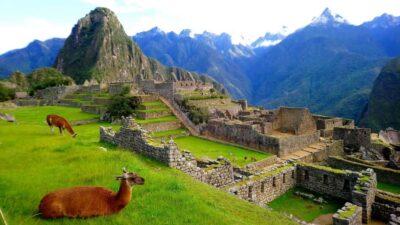 ★ 4.8Cusco: 4-Day Inca Trail to Machu Picchu with AccommodationFrom $470432 reviews
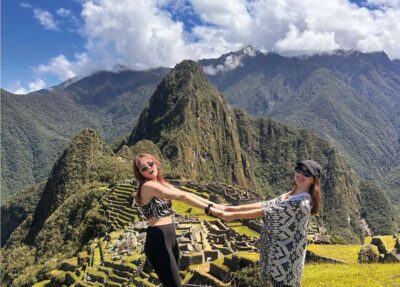 ★ 4.6From Cusco: 2-Day Trip to the Sacred Valley and Machu PicchuFrom $370265 reviews
 ★ 4.9Cusco: Machu Picchu 2-Day Inca Trail with Panoramic TrainFrom $582260 reviews
 ★ 4.2From Cusco: 2-Day Inca Trail to Machu PicchuFrom $290244 reviews
 ★ 4.9Machu Picchu: Inca Trail 2-Day Overnight Guided TourFrom $585203 reviews
Also on these Peru lists