
REVIEW · MACHU PICCHU
Cusco: 4-Day Inca Trail to Machu Picchu with Accommodation
Machu Picchu is the payoff, not the whole story. This Cusco-to-Machu Picchu adventure starts with a big 50 km downhill bike and keeps going with coffee roasting and jungle trail time. You’ll also get a chance to slow down at the end of Day 2 with Cocalmayo thermal baths if you choose them.
One thing to plan for: the jungle and train-town lodging is functional. Expect basic nights in hostel-style stays, not spa-level comfort.
In This Review
- Key moments worth marking on your calendar
- Cusco start: where Day 1 energy comes from
- Abra Málaga downhill bike: the big fun, done safely
- Practical reality check
- Pispitayoc eco-house night: the forest break you need
- Day 2 on the Qhapaq Ñan: coffee roasting and trail viewpoints
- Cocalmayo thermal baths option
- Santa Teresa daybreak to Hidroeléctrica: coffee and coca on the move
- Aguas Calientes matters: resting smart before Machu Picchu
- Day 4 at Machu Picchu: the early hike and the guided core
- Getting back down
- Value and what your $470 really buys
- Lodging and meals: decent basics, good consistency
- Guides make the difference: names you should look for
- Who this tour fits, and who should skip it
- Small group size: how 9 people changes the vibe
- What to pack and how to handle altitude and weather
- Should you book this Cusco 4-day Machu Picchu package?
- FAQ
- How long is the Cusco 4-Day Inca Trail to Machu Picchu experience?
- What time is pickup on Day 1?
- Where do I meet the guide?
- How many people are in the group?
- What meals are included?
- Is Machu Picchu fully guided?
- Are the Cocalmayo thermal bath tickets included?
- Is transportation back to Cusco included?
- What documents do I need to bring?
- Who should not take this tour?
Key moments worth marking on your calendar
- Abra Málaga downhill bike (about 50 km in ~3 hours) that actually feels like an Andes adventure, not just transport
- Coffee roasting you can participate in, not just watch
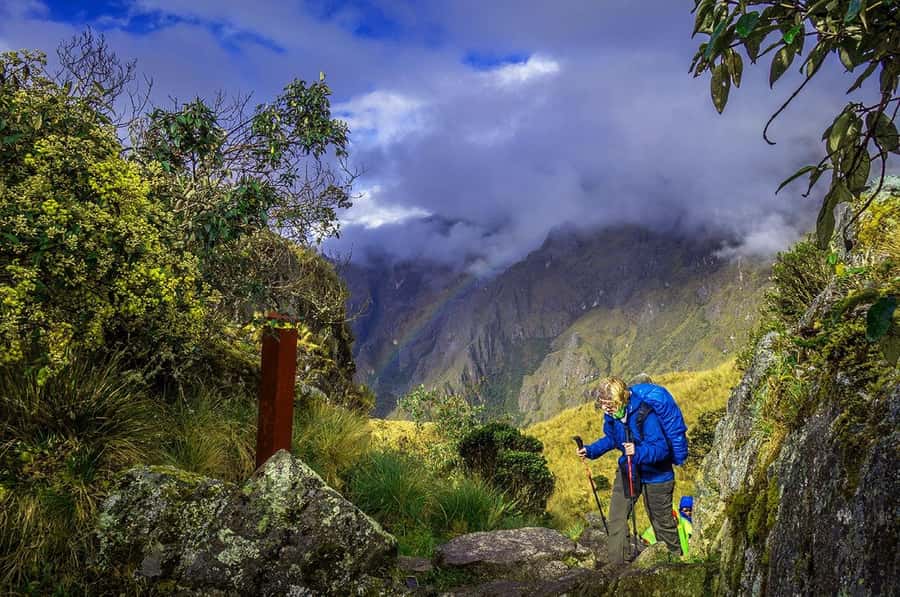
- Qhapaq Ñan trail sections with viewpoints and bird-and-plant spotting (coca, coffee, fruit trees)
- Cocalmayo thermal baths option after a day of hiking and altitude changes
- 4:00 am Machu Picchu start, then a 2-hour guided walk through the key sections
Other citadel visits, ticket types and start times
- From Cusco: Full-Day Group Tour of Machu Picchu
★ 4.7 · 1,767 reviews - Machu Picchu Day Trip from Cusco
★ 4.5 · 1,644 reviews - Machu Picchu: Full-Day Tour from Cusco with Optional Lunch
★ 4.6 · 927 reviews - Cusco: 4-Day Inca Trail to Machu Picchu with Accommodation
★ 4.8 · 432 reviews
Cusco start: where Day 1 energy comes from
Day 1 kicks off early, with a pickup at 6:00 AM from the Cusco Main Square (Plaza Mayor de Cusco). You’ll get called by name and matched to the agency jacket, then the group heads out through parts of the Sacred Valley.
That early departure matters more than it sounds. It gives you time to reach the high pass area before the day heats up, and it keeps the whole bike-and-hike sequence from feeling rushed. Also, Cusco altitude is real, so starting smart helps you keep your breathing under control before the first big effort.
You’ll pass through Chinchero, Urubamba, and Ollantaytambo on the way. Even if you’ve visited the Sacred Valley before, this route is useful because it connects cultural stops to the natural drama of what’s coming next.
Abra Málaga downhill bike: the big fun, done safely
The adventure truly begins at the Abra Málaga pass, with views over Huacay Willca. After you get your biking gear, you’re set up for a long downhill run through Puna and Cloud Forest zones.
This is not a short, gentle “try it for fun” ride. It’s a downhill journey lasting about 3 hours and covering around 50 km, with a real change in scenery as you drop in elevation. You also get the safety kit you’ll want on a route like this: elbow and knee pads, gloves, goggles, a helmet, plus a rain jacket.
The end point is Huaman Marq’a ruins, which adds meaning to the ride. You’re not just going down a mountain for speed, you’re arriving at a historic pause point that makes the day feel like a route, not a ride.
A short van transfer and a walk then bring you to Santa María, and from there you head toward Pispitayoc village for your overnight stay. Think forest air, a quieter night, and a sense that you’ve left the road behind.
Practical reality check
A downhill bike day can still be tiring even when it feels “easy.” Your legs do the work at the brakes, and your core works to stay stable. If you’ve got tight back issues, this is one of the parts that can feel rough, which is why the tour is not listed as suitable for people with back problems.
Pispitayoc eco-house night: the forest break you need
Day 1 ends with dinner included at an eco-house in Pispitayoc. This is where the tour shifts gears from adrenaline to atmosphere.
The benefit is simple: you’re giving your body a night in the forest after a long transfer and a long bike day. The drawback is also simple: forest stays are quiet and basic by design. If you’re expecting hotel comfort, you’ll feel the difference.
Even so, this kind of overnight is exactly why people choose an Inca Jungle style route instead of going straight to Aguas Calientes and Machu Picchu. You get time in the setting between the “big sights.”
Other Inca Trail departures, permits included
Day 2 on the Qhapaq Ñan: coffee roasting and trail viewpoints
Day 2 starts with breakfast, then moves into a hands-on activity: the guide teaches you coffee roasting and you participate. This isn’t framed as a quick photo stop. It’s an experience that slows you down just long enough to notice how farming connects to daily life in the region.
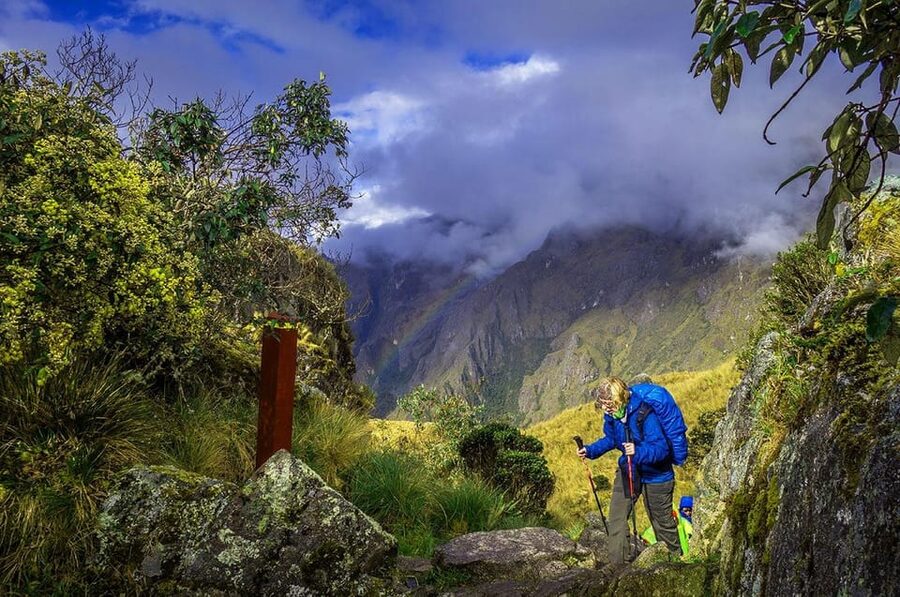
After that, the hike follows part of the Inca Trail network, the Qhapaq Ñan. You’ll walk through areas with changing plant life, and you’ll be able to spot plantations including coca, coffee, and fruit trees. That mix matters because it shows how different crops share the Andean slopes, depending on elevation and conditions.
The hike reaches the Huancarcasa viewpoint at 1750 meters, with panoramic breaks and time to look around. This is also a good day for bird spotting. The elevation shifts are what make the bird-and-plant mix feel like a living textbook.
Lunch happens when the trail descends to Qellomayo village at 1200 meters. From there, you continue toward Cocalmayo. The timing is tight enough to feel like a bonus, not a replacement.
Cocalmayo thermal baths option
There’s an option to use the Cocalmayo thermal baths at about 1450 meters before arriving in Santa Teresa at 1515 meters for dinner and another overnight.
Here’s the key practical point: the thermal bath tickets are not included. So if hot springs are your goal, budget for that add-on. If you’re okay skipping them, you’ll still have a satisfying day of hiking and viewpoints.
Santa Teresa daybreak to Hidroeléctrica: coffee and coca on the move
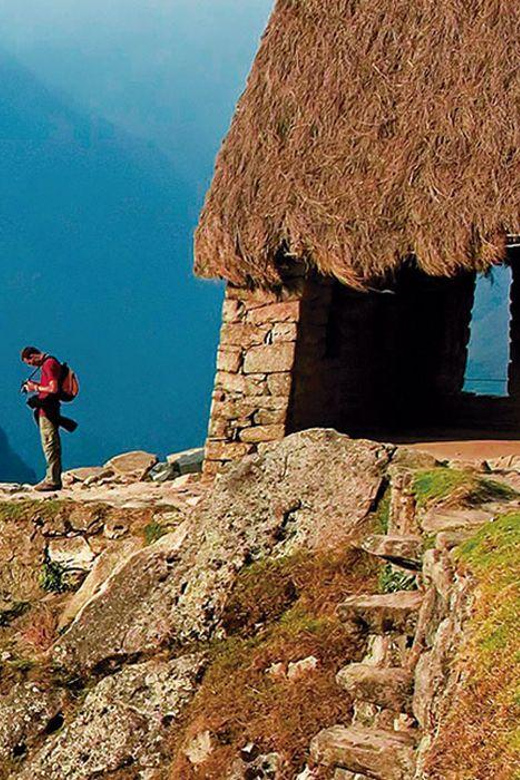
Day 3 begins with breakfast in Santa Teresa (1515 m). Then you trek for about 3 hours through coffee and coca plantations, heading toward Hidroeléctrica at 1900 m.
Lunch is scheduled there, plus a scheduled break. This pause is important because Day 3 has a different feel than Day 2. It’s less about dramatic viewpoints every hour, and more about getting your legs moving consistently.
After lunch, you resume for about 3 more hours along the train track, eventually arriving in Aguas Calientes (1950 m). This part of the route is flat compared to the earlier climbs, so it’s a good “reset” leg. You’ll still feel the altitude and the long day, but the effort is steadier.
Once you arrive in Aguas Calientes, the afternoon is free. That’s valuable because it gives you time to eat at your own pace, explore a bit, or just rest before the Machu Picchu morning.
In the evening, you meet for dinner and talk through the upcoming climb.
Aguas Calientes matters: resting smart before Machu Picchu
The free time in Aguas Calientes is not filler. It’s your chance to get sleep and manage your energy.
This tour includes a hostel night in Aguas Calientes, which means you should expect simple comfort and shared spaces. The practical takeaway: pack like you’ll be switching between activity gear and rest gear quickly.
Also, Day 4 starts very early. That’s why your choices on Day 3 afternoon matter. Eat early, hydrate, and don’t plan anything that steals your sleep.
Day 4 at Machu Picchu: the early hike and the guided core
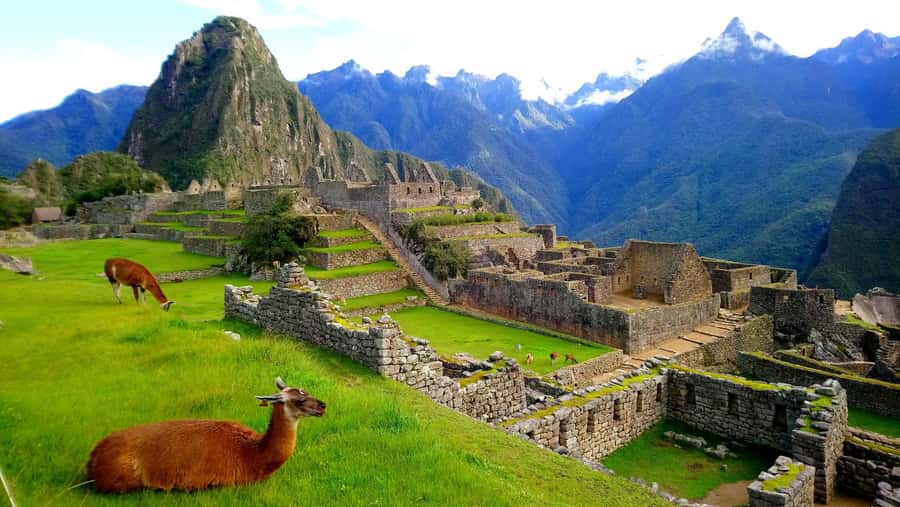
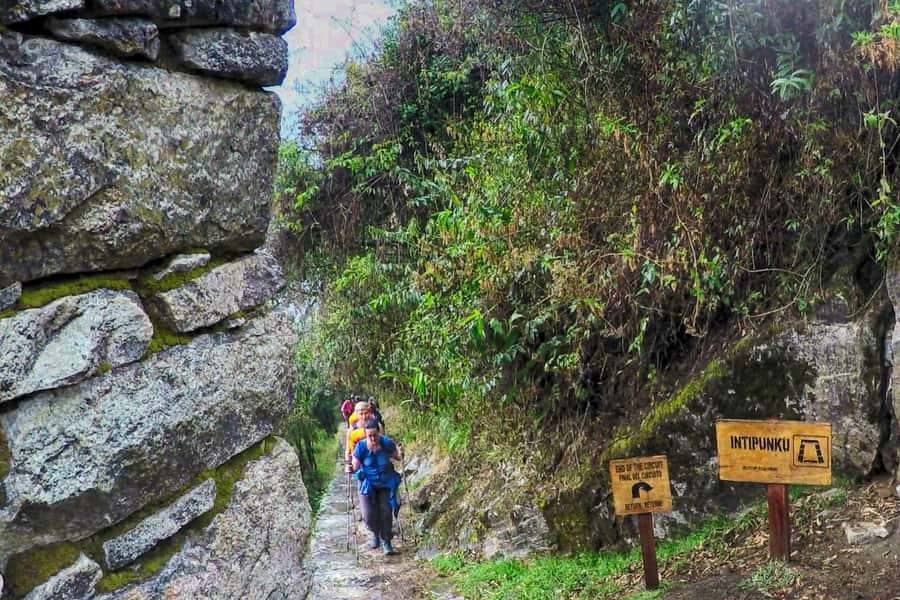
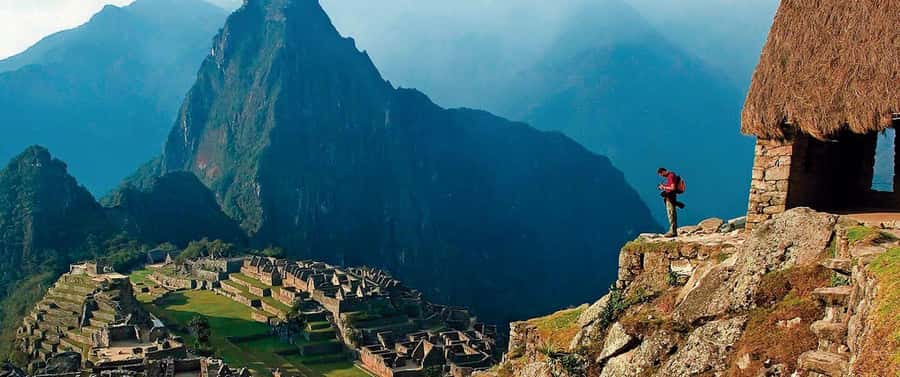
Day 4 begins at 4:00 AM, with a hike up to Machu Picchu at 2400 meters, lasting about 1.5 hours. This early start is one of the best parts of the whole program. It’s your best chance to beat crowds and catch the citadel before the day gets fully loud.
At the site, you get a 2-hour guided tour focused on the most significant parts of Machu Picchu. After that, you’ll have free time for personal exploration.
That combination is what you want. The guided portion helps you understand what you’re looking at, and the free time lets you linger around the spots that catch your eye once the context clicks.
Getting back down
After your Machu Picchu time, you collect belongings back in Aguas Calientes at 1950 m, then take the train to Ollantaytambo. From there, a bus returns you to Cusco. All of this is included, so you’re not juggling multiple tickets and schedules at the end of a long effort.
Value and what your $470 really buys
At $470 per person for 4 days, what you’re paying for is more than “a Machu Picchu ticket.” You’re buying a complete flow: transport into the Sacred Valley, a long downhill bike segment with safety gear, multi-day meals, lodging in three different zones, and the logistics that connect it all.
The included list is doing a lot of the heavy lifting:
- Entrance tickets to Machu Picchu
- Return train ticket Aguas Calientes to Ollantaytambo
- Return bus from Ollantaytambo to Cusco
- All breakfasts, lunches, dinners except the first breakfast and last lunch in Aguas Calientes
- Professional bilingual guide (English-Spanish)
- First aid kit
- Kona bicycle plus full protective gear
- 1 night in Pispitayoc eco-house
- 1 night in Santa Teresa hostel
- 1 night in Aguas Calientes hostel
You still have a couple “pay if you want it” items. For example, Cocalmayo hot springs tickets are not included, and there’s an optional bus up and down to Machu Picchu that’s described as optional.
The value angle is that the tour stitches together big experiences you’d have to arrange separately if you traveled independently. When Machu Picchu logistics and timing are the stress, having a single plan can be worth a lot.
Lodging and meals: decent basics, good consistency
Meals are included for most of the trip: 3 breakfasts, 3 lunches, 3 dinners. What’s not included is your first breakfast and the last lunch in Aguas Calientes.
That matters because it nudges your planning. For the first morning, you’ll want your breakfast handled before pickup or during the time you’re supposed to be awake before leaving Cusco. For the last lunch in Aguas Calientes, you’ll be eating on your own, so keep some cash or a payment plan ready.
As for lodging, you’re not in resort mode. You’re in:
- Pispitayoc eco-house with dinner included
- Santa Teresa hostel
- Aguas Calientes hostel
In practice, that means the rooms are there so you can recover. The repeated praise from groups tends to focus less on luxury and more on being clean enough, quiet enough, and well positioned for the schedule.
Guides make the difference: names you should look for
This itinerary runs on timing, pacing, and good communication. The tour includes a professional bilingual guide (English-Spanish), and the tour experience gets noticeably better when your guide is strong at explanation and group energy.
In the guide rotation, names like Richard, Francis, Amaru, Gerson, Luis, and Armando show up again and again alongside comments about personality, culture storytelling, and motivation on harder parts. If you see one of these names attached to your departure, that’s a good sign.
You’ll also benefit if your guide is good at logistics. Machu Picchu mornings are not the time to improvise. This route depends on your guide keeping your group on track from Cusco pickup to the 4:00 AM climb.
Who this tour fits, and who should skip it
This is an active 4-day program with biking plus hiking, and it changes elevation a lot. It’s listed as not suitable for pregnant women, people with back problems, and wheelchair users.
So who is it best for?
- People who want Machu Picchu but also want the “how you get there” part to be the adventure
- Solo travelers who like a small group atmosphere (limited to 9 participants)
- Travelers who enjoy active days with structured breaks and included meals
Who might think twice:
- Anyone who only wants gentle walking
- Anyone who needs a very comfortable bed and quiet service every night
- Anyone sensitive to early mornings, since Day 4 begins at 4:00 AM
Small group size: how 9 people changes the vibe
With a maximum of 9 participants, you get something you rarely get on larger tours: faster group organization and more attention during gear checks, pacing, and transitions.
That size also supports the cultural side of the tour. Coffee roasting and Inca trail walking work better when the guide can talk with the group instead of talking at them.
It’s one of the reasons this type of tour often feels personal even though you’re sharing the day with other people.
What to pack and how to handle altitude and weather
You’ll be given a rain jacket, but you should still pack for wet conditions and cooler mountain air. Bring layers you can adjust, especially because the trip drops from higher passes down into warmer jungle zones and then climbs back toward Machu Picchu.
You’ll also want to be ready for:
- Long days with biking and hiking
- Altitude swings between start areas, viewpoints, and the Machu Picchu climb
- Early wakeups, especially Day 4
In terms of documents, bring your passport or ID card. A copy is accepted, so you can carry the right paperwork without overthinking it.
Should you book this Cusco 4-day Machu Picchu package?
Book it if you want a smart mix of action and structure. The downhill bike, the coffee roasting, and the guided 2-hour Machu Picchu tour are exactly the kind of combination that turns a big destination trip into a full memory.
Skip it or choose another format if your idea of travel is mostly sitting. This is not a slow sightseeing cruise. It’s designed around biking, multiple hikes, and a very early Machu Picchu morning.
If you’re an active traveler who likes your tours to handle the logistics, this one looks like a strong value. You’re paying for coordination as much as for sights, and the included transport, tickets, and meals remove a lot of stress during the most complicated part of Peru travel.
FAQ
How long is the Cusco 4-Day Inca Trail to Machu Picchu experience?
It’s 4 days total.
What time is pickup on Day 1?
You’re picked up from the Cusco Main Square at 6:00 AM.
Where do I meet the guide?
Meet in the Cusco Main Square (Plaza Mayor de Cusco). The guide will call your name and wear the agency jacket.
How many people are in the group?
The group is small, limited to 9 participants.
What meals are included?
You get 3 breakfasts, 3 lunches, and 3 dinners. The first breakfast and the last lunch in Aguas Calientes are not included.
Is Machu Picchu fully guided?
You get a 2-hour guided tour of the most significant parts of Machu Picchu. After the guided portion, there is free time for you to explore.
Are the Cocalmayo thermal bath tickets included?
No. The Cocalmayo hot springs tickets are not included.
Is transportation back to Cusco included?
Yes. After Machu Picchu, you take the train from Aguas Calientes to Ollantaytambo, then a bus from Ollantaytambo to Cusco.
What documents do I need to bring?
Bring your passport or ID card. A copy is accepted.
Who should not take this tour?
It is listed as not suitable for pregnant women, people with back problems, and wheelchair users.
More Tour Reviews in Cusco
- Cusco: Humantay Lake Tour with Breakfast and Buffet Lunch
★ 4.9 · 2,976 reviews - From Cusco: Moray, Maras Salt Mines & Chinchero Weavers Tour
★ 4.8 · 1,925 reviews - From Cusco: Full-Day Group Tour of Machu Picchu
★ 4.7 · 1,767 reviews - Machu Picchu Day Trip from Cusco
★ 4.5 · 1,644 reviews - Cusco: Half-Day City Tour with Sacsayhuaman and Q’enco
★ 4.6 · 1,129 reviews
Other Inca Trail Departures
- Cusco: Machu Picchu 2-Day Inca Trail with Panoramic Train
★ 4.9 · 260 reviews - From Cusco: 2-Day Inca Trail to Machu Picchu
★ 4.2 · 244 reviews - Machu Picchu: Inca Trail 2-Day Overnight Guided Tour
★ 4.9 · 203 reviews - Short Inca trail to MachuPicchu || 2days – 1nigth ||
★ 5.0 · 103 reviews - 4 Day Inca Trail Trek to Machu Picchu Multi day tour
★ 5.0 · 70 reviews
Reaching the Citadel, Other Options
- From Cusco: Full-Day Group Tour of Machu Picchu
★ 4.7 · 1,767 reviews - Machu Picchu Day Trip from Cusco
★ 4.5 · 1,644 reviews - Machu Picchu: Full-Day Tour from Cusco with Optional Lunch
★ 4.6 · 927 reviews - From Cusco: 2-Day Trip to the Sacred Valley and Machu Picchu
★ 4.6 · 265 reviews - Cusco: Machu Picchu 2-Day Inca Trail with Panoramic Train
★ 4.9 · 260 reviews
Freshly reviewed across Cusco
- Excursion Cusco – Puno – Titicaca Observatory Train★ 5.0 · 3 reviews
- Sacred Valley Vip Cusco★ 4.7 · 3 reviews
- Cusco | Humantay Lake 1-Day Tour with Breakfast and Lunch★ 5.0 · 3 reviews
- Full-Day Condor Viewpoint & Inca Sites Tour★ 5.0 · 3 reviews
- Best of Cusco: Private Walking Tour with a Local★ 3.6 · 3 reviews
- From Cusco: Full-Day Private Sacred Valley Tour★ 5.0 · 3 reviews
Machu Picchu Tours side by side.
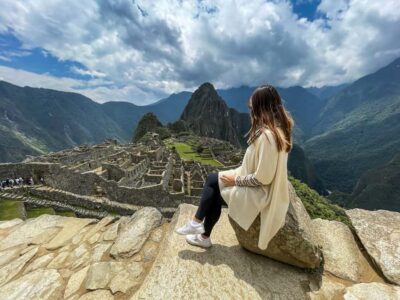 ★ 4.7From Cusco: Full-Day Group Tour of Machu PicchuFrom $3211,767 reviews
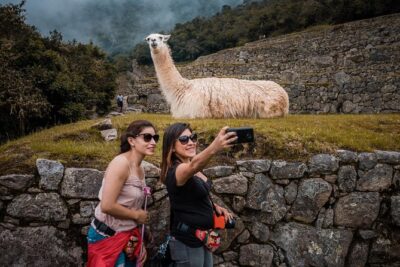 ★ 4.5Machu Picchu Day Trip from CuscoFrom $3361,644 reviews
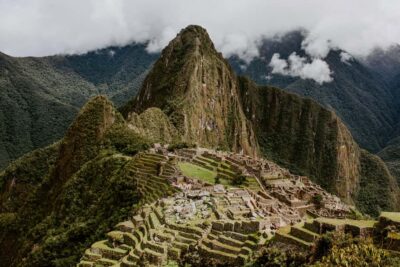 ★ 4.6Machu Picchu: Full-Day Tour from Cusco with Optional LunchFrom $283927 reviews
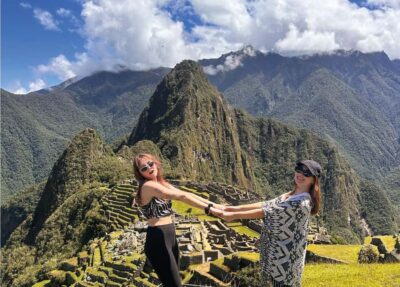 ★ 4.6From Cusco: 2-Day Trip to the Sacred Valley and Machu PicchuFrom $370265 reviews
 ★ 4.9Cusco: Machu Picchu 2-Day Inca Trail with Panoramic TrainFrom $582260 reviews
 ★ 4.2From Cusco: 2-Day Inca Trail to Machu PicchuFrom $290244 reviews
 ★ 4.9Machu Picchu: Inca Trail 2-Day Overnight Guided TourFrom $585203 reviews
 ★ 4.0The First Class Machu Picchu Train by Inca RailFrom $855182 reviews
Also on these Peru lists