
REVIEW · MACHU PICCHU
5-Day Classic Salkantay Trek to Machu Picchu return by Train
Five days, one huge Peru payoff. This Classic Salkantay trek takes you from Cusco high into the Andes, then down into the Peruvian jungle, and ends with a guided day at Machu Picchu. It is the kind of route that changes scenery every day, without feeling random.
I love that the trip pairs big views with smart pacing. You start with Humantay Lagoon, then hit the high pass at Abra Salkantay, and later you get a real break in Cocalmayo thermal baths. One possible drawback: it is non-refundable and it moves early, including a 5 AM start on day 2, so you should be ready for an active schedule.
I also like the way the trek handles comfort at night. You sleep in glass huts and domes, and you get a foam sleeping mat plus a cook and first aid gear. If you do not bring a sleeping bag, nights can feel colder than you expect, especially at altitude.
In This Review
- Key highlights worth planning around
- How the Classic Salkantay route actually feels in 5 days
- Day 1: Cusco pickup, Humantay Lagoon, and sleeping in glass huts
- Day 2: Abra Salkantay (the high point) and the descent to Colpapampa
- Day 3: Playa Sahuayaco jungle hike, plus Cocalmayo thermal baths
- Day 4: Llactapata and the Inca Trail taste before Aguas Calientes
- Day 5: Guided Machu Picchu, free time, and optional Huayna Picchu timing
- Price and logistics: is $699 good value for this route?
- Camping comfort: glass huts, domes, and what to pack so you sleep well
- Who should book this trek, and who should reconsider
- Should you book the 5-day Salkantay trek with train return?
- FAQ
- FAQ
- How long is the trek?
- What is the starting point area for the first hike?
- Is Machu Picchu entry included?
- Are the camping accommodations included?
- Do I need to bring a sleeping bag?
- Are meals included throughout the trip?
- Is the Cocalmayo thermal baths entry fee included?
- What about the bus from Aguas Calientes to Machu Picchu?
- Can I get vegetarian food?
Key highlights worth planning around
- Humantay Lagoon on day 1, reached after a hike that warms you up but still feels like a big win
- Abra Salkantay high point on day 2, with views of snow-capped peaks like Salkantay, Humantay, Tucarhuay, and Pumasillo
- Cocalmayo thermal baths stop, a jungle-day reset even though the entry fee is not included
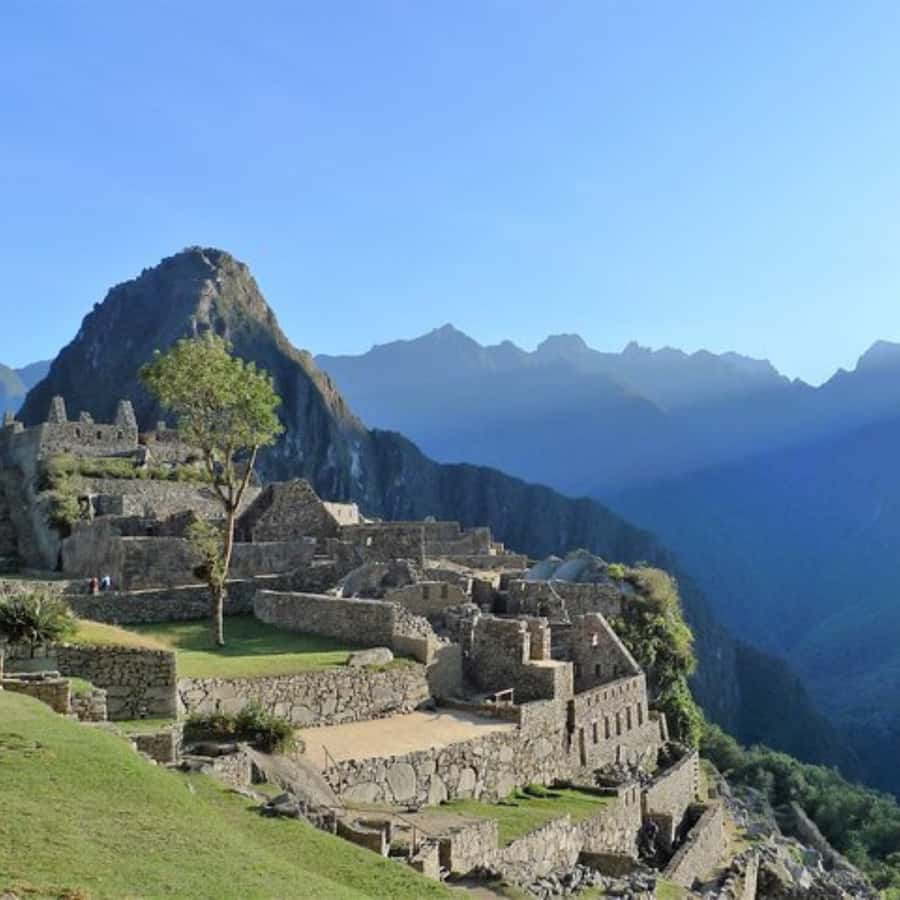
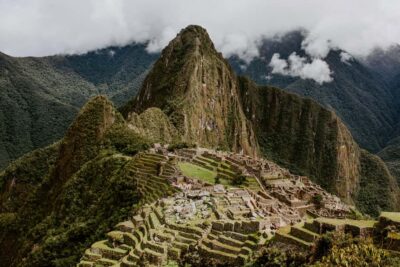
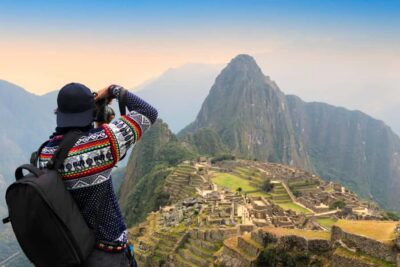
- Llactapata with a local guide on day 4, plus your first clear glimpses of Machu Picchu Mountain and Huayna Picchu Mountain
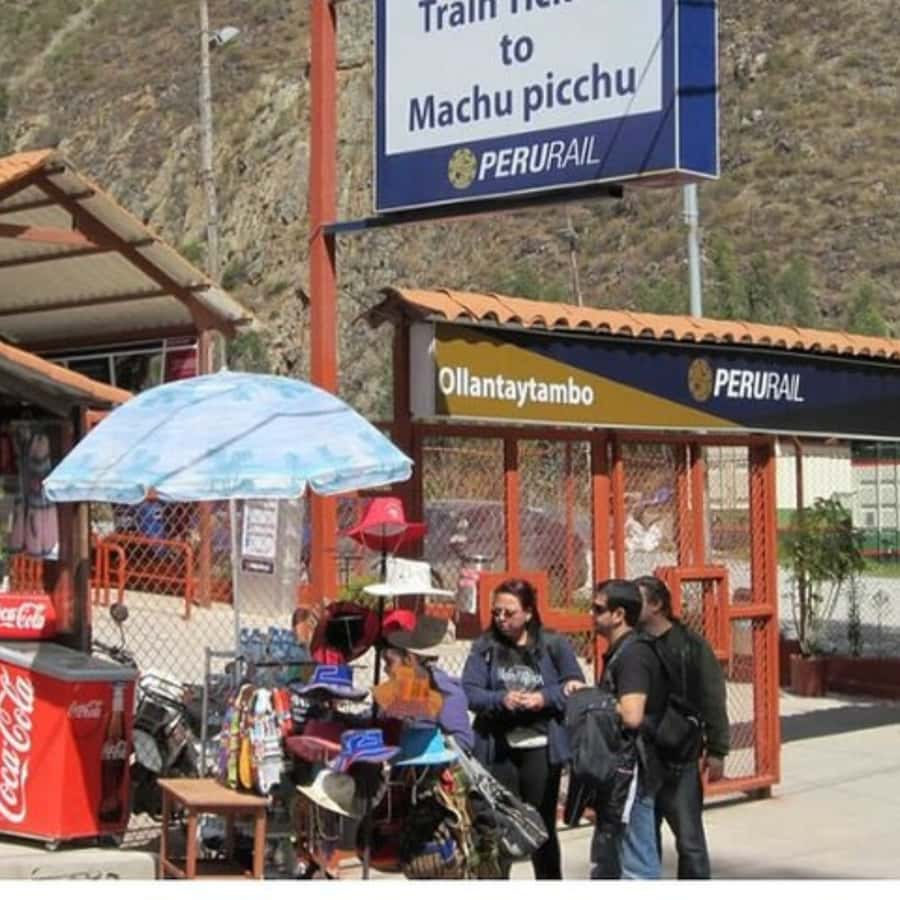
- Return by train on day 5, leaving Aguas Calientes for Ollantaytambo at 2:55 PM
- Luggage help with horses, planned around a carry limit (and backed by a dedicated duffle bag)
Shortlisting Soraypampa? These reviews come up alongside this one most often.
- Tour to Laguna Humantay with breakfast and lunch from Cusco
★ 4.7 · 3 reviews
How the Classic Salkantay route actually feels in 5 days
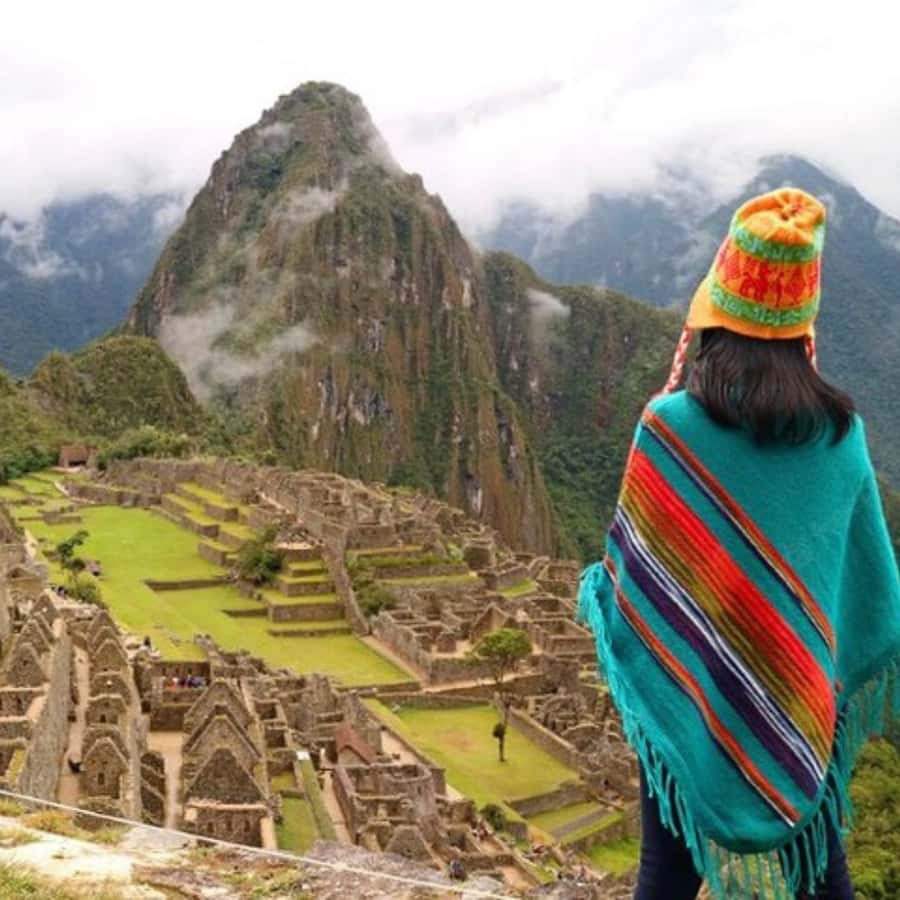
This itinerary has a clean storyline. Day by day, you go from alpine altitude to warmer valleys to lush jungle, then you finish with Inca history and the big grand finale at Machu Picchu.
That flow matters. If you only hike one type of terrain, the trip can feel repetitive. Here, you get high views first, then a downhill grind, then a greener, steamier day, then a quieter archaeological ramp-up before Machu Picchu.
Also, the “trek to Machu Picchu” part is not just hiking. You get guided time at the sites, plus transport links that keep you from spending your days figuring out connections.
Day 1: Cusco pickup, Humantay Lagoon, and sleeping in glass huts
You start early with hotel pickup in Cusco. After breakfast, you drive toward the trailhead at Challacancha, then hike for about 3 hours until you reach the campsite area in Soraypampa.
From there, you do the Humantay Lagoon hike, about 1.5 hours. This is a shorter leg than the big passes later in the trek, but it has that classic “you climbed for this” reward: high-Andes scenery and water that looks impossibly scenic against the mountains.
By around 6 PM you are back at Soraypampa for tea and dinner, then you sleep in glass huts. I like this setup because it keeps you immersed in the trek without requiring you to set up camp every night.
Practical consideration: this is an early start and a full first day. If you are sensitive to altitude, take it slow on the first uphill sections and focus on steady breathing.
Day 2: Abra Salkantay (the high point) and the descent to Colpapampa
Day 2 begins with breakfast at 5 AM. Then you hike for about 3 hours from Soraypampa toward Abra Salkantay, the route’s highest point.
This is one of the most exciting segments because the views are listed clearly. You are not just hoping for snow-capped peaks. You get sights of Salkantay, Humantay, Tucarhuay, and Pumasillo as you climb.
After the high point, you start descending toward Huarachmachhay. You get lunch, then continue onward to the Colpapampa campsite, where you sleep in domes.
The good news is that the hardest “altitude payoff” part happens with a defined plan. The less-good news is that mornings at altitude can feel sharp, even if the sun is bright. Wear layers and keep your pace controlled.
One more comfort detail I appreciate: you are not carrying a load like a self-supported trek. Horses handle luggage within the planned limits, and you have that daily routine (breakfast, hike, meals, camp) without extra logistics stress.
Day 3: Playa Sahuayaco jungle hike, plus Cocalmayo thermal baths
Day 3 leans hard into “different Peru.” You hike about 5.5 hours through the Peruvian jungle from Colpapampa to Playa Sahuayaco.
Even though it is longer on paper, I find it mentally easier because the trail feels more varied than pure high-altitude switchbacks. You also stop for lunch at Playa Sahuayaca, so you are not constantly thinking about food.
Then comes the thermal break at Cocalmayo. This is one of the highlighted experiences, and it is a smart choice after two high-effort mountain days. The catch: thermal bath entry is not included, so you should expect to pay that extra onsite.
You return to camp around 6 PM for tea and dinner. If you like the idea of walking hard, then actually recovering in a real way, this is the day that makes the trek feel worth it.
Day 4: Llactapata and the Inca Trail taste before Aguas Calientes
Day 4 starts with sunrise breakfast. You then walk along the Inca Trail, with views of the Santa Teresa Valley.
After about 2.5 hours of ascent, you reach Llactapata, an Inca archaeological site. You get a local guide here, which is a nice upgrade from passively seeing stonework. You also get your first big glimpses of Machu Picchu Mountain and Huayna Picchu Mountain. That moment helps you understand what you are building toward.
After lunch, you continue toward Hidroeléctrica. Then you have two options to reach Aguas Calientes: walk for about 3 hours, or take the train.
Either way, you arrive in Aguas Calientes, eat dinner at a local restaurant, and sleep in a hotel. I like that this day ends with real rest. By the time you reach Machu Picchu, you want your legs functioning, not just surviving.
Day 5: Guided Machu Picchu, free time, and optional Huayna Picchu timing
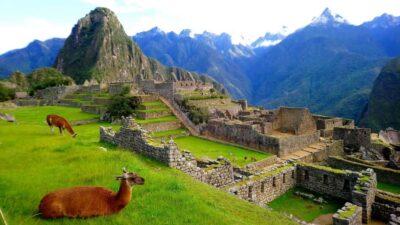
Machu Picchu day is structured and friendly. You get a guided tour of the Machu Picchu archaeological site first, which is especially valuable here. It is easy to miss the meaning of what you are seeing when you only have vague context.
After the guided portion, you get free time to explore on your own. That balance is important. Guidance gets you oriented fast. Free time lets you wander toward the views that grab you.
There is also an optional climb timed by groups. If you want Huayna Picchu Mountain, the first group hikes from 6 to 8 AM, and the second group is from 9 to 11 AM. The same timing approach applies if you opt for Machu Picchu Mountain, using the pre-designated slots.
After visiting, you return to Aguas Calientes for lunch, then train back to Ollantaytambo. The train leaves at 2:55 PM, and the tour finishes with drop-off at Plaza Regocijo in Cusco after tourist transport.
One logistics note to plan around: the route includes a round trip bus to Machu Picchu, but there is also a mention that the Aguas Calientes to Machu Picchu bus round trip ticket can cost about $25. If you want zero surprises, confirm how that is handled for your exact departure.
Price and logistics: is $699 good value for this route?
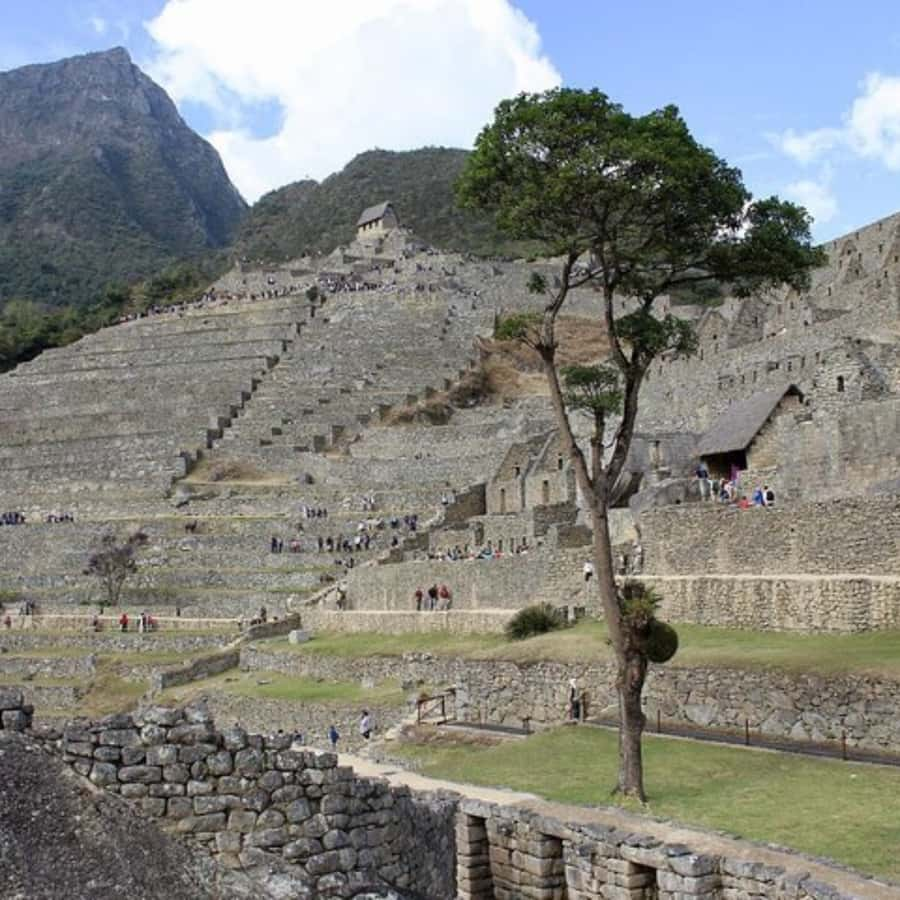
At $699 per person for 5 days, you are paying for much more than a bed and a walk.
What you do get included:
- Machu Picchu entry ticket
- A guided trek with a certified English/Spanish speaking guide
- Transportation to the start of the Salkantay route
- 3 nights camping plus 1 night hotel in Aguas Calientes
- Meals: 4 breakfasts, 4 lunches, 4 dinners
- Water and daily snacks
- A foam sleeping mat (2.5 inches thick) and a duffle bag for your stuff
- Horse support to carry luggage (within the stated limits)
- Return train ticket between Aguas Calientes and Ollantaytambo
- Tourist transport between Ollantaytambo and Cusco
- Bus transport to Machu Picchu
- First aid equipment
What you do not get included (or may pay extra for):
- Sleeping bag
- Thermal bath entry in Cocalmayo
- Lunch on the last day
- Aguas Calientes to Machu Picchu bus round trip ticket may be extra (listed as $25)
- An optional train option labeled termo electrical at an extra $35 per person
So is it worth it? In my view, yes, if you want an organized, mostly handled experience that gets you from Cusco to the high pass, through jungle, into Aguas Calientes, and then back to Cusco with train support.
If you are the type who loves DIY planning and already has hiking gear like a sleeping bag, you might find cheaper ways. But for most people, the combination of Machu Picchu entry, multiple guided segments, meals, and transport links is where the value shows up.
Also, the guide quality seems to be a standout. One reviewer singled out Holger as a perfect guide through the experience. That kind of guidance matters on a trek where timing, comfort, and pacing can make or break your day.
Camping comfort: glass huts, domes, and what to pack so you sleep well
This trek does not leave you totally in the wilderness. You get sleep setups like glass huts on day 1 and domes on later camping nights. That is a big deal if you have never done high-altitude camping.
You also get a personal double foam sleeping mat, 2.5 inches thick. It helps, but it is not a substitute for a good cold-weather sleeping system.
What to bring is clearly spelled out:
- Hiking shoes
- Comfortable clothes
- Sleeping bag
Here is the practical lesson. If you pack like this is a warm hike at sea level, you will suffer at night. Bring layers you can sleep in and accept that altitude nights can cool down fast.
One more small comfort advantage: the route provides water and daily snacks. That cuts down on constant shopping during the trek. Still, you should plan to carry a little personal flexibility for taste and preferences.
Who should book this trek, and who should reconsider
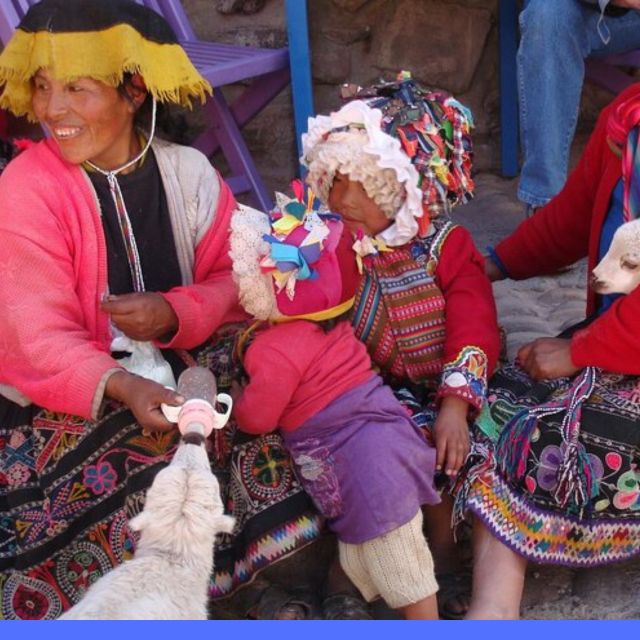
This is a great match if you want:
- A guided trek with defined camp stops
- Big high-mountain views plus jungle walking
- A real Machu Picchu day with a guide and timed optional climbs
- Help with luggage via horses, based on a carry limit
You should reconsider if:
- You want a trip with minimal physical effort. There are multiple multi-hour hikes, including a high point day and a longer jungle day.
- You do not want to start early. Day 2 breakfast is at 5 AM, and day 4 starts at sunrise.
- You are not comfortable camping, even with domes and glass huts.
Good news: vegetarian food is available on request at no extra charge. Also, you can bring luggage up to 13 lbs (6 kilos) for horses to carry, which makes the whole experience feel more manageable.
Should you book the 5-day Salkantay trek with train return?
If you want the classic Salkantay experience that truly leads into Machu Picchu, I think this is an easy yes.
Book it if you like guided structure, want meals and transport handled for you, and you are excited by a trek that shifts from high Andes to jungle to Inca ruins. The best reason is the full arc, you do not just hike, you also get to understand what you are seeing, especially on Machu Picchu and at Llactapata.
Pass or switch to another option if you are very heat-sensitive, hate early mornings, or do not want to camp at all. And make sure you bring a sleeping bag, because that is the one missing piece that can change your night comfort fast.
FAQ
FAQ
How long is the trek?
It runs for 5 days.
What is the starting point area for the first hike?
You are picked up in Cusco and then driven to Challacancha, where the hike begins.
Is Machu Picchu entry included?
Yes. Entry to Machu Picchu is included.
Are the camping accommodations included?
Yes. You get 3 nights of camping accommodations during the trek, plus 1 night in a hotel in Aguas Calientes.
Do I need to bring a sleeping bag?
Yes. Sleeping bags are not included, so you should bring your own.
Are meals included throughout the trip?
Yes. The tour includes 4 breakfasts, 4 lunches, and 4 dinners. Lunch on the last day is not included.
Is the Cocalmayo thermal baths entry fee included?
No. Thermal bath entry in Cocalmayo is not included.
What about the bus from Aguas Calientes to Machu Picchu?
The information lists round trip bus transport to Machu Picchu as included, but it also notes that the Aguas Calientes to Machu Picchu bus round trip ticket is not included and costs $25. You should plan for that possible extra cost.
Can I get vegetarian food?
Yes. Vegetarian food is available upon request at no extra charge.
More Tour Reviews in Soraypampa
- Tour to Laguna Humantay with breakfast and lunch from Cusco
★ 4.7 · 3 reviews
Freshly reviewed across Soraypampa
- Tour to Laguna Humantay with breakfast and lunch from Cusco★ 4.7 · 3 reviews
Machu Picchu Tours side by side.
 ★ 4.7From Cusco: Full-Day Group Tour of Machu PicchuFrom $3211,767 reviews
 ★ 4.5Machu Picchu Day Trip from CuscoFrom $3361,644 reviews
 ★ 4.6Machu Picchu: Full-Day Tour from Cusco with Optional LunchFrom $283927 reviews
 ★ 4.8Cusco: 4-Day Inca Trail to Machu Picchu with AccommodationFrom $470432 reviews
 ★ 4.6From Cusco: 2-Day Trip to the Sacred Valley and Machu PicchuFrom $370265 reviews
 ★ 4.9Cusco: Machu Picchu 2-Day Inca Trail with Panoramic TrainFrom $582260 reviews
 ★ 4.2From Cusco: 2-Day Inca Trail to Machu PicchuFrom $290244 reviews
 ★ 4.9Machu Picchu: Inca Trail 2-Day Overnight Guided TourFrom $585203 reviews
Also on these Peru lists