
REVIEW · CITY
City Tour Cusco
Cusco can feel like a blur. This half-day route gives you a clear, guided path through five major Inca sites, with architecture and ritual themes you can actually connect. You start at Qorikancha and end at Tambomachay, with breaks for photos and a smooth van ride between stops.
I really like that this tour keeps the pacing friendly, with guided time at each place and enough focus to understand what you’re seeing. The guide experience has a big impact here, and names like Jhonny, Victor, Jorge, and Saul come up for bringing the sites to life with energy, clear explanations, and a kind, attentive vibe.
One possible drawback: entry costs are not included. Expect separate spending for archaeological tickets, including Qorikancha, and plan for tips on top of the $32 base price.
In This Review
- Key highlights you should care about
- The Cusco route in 5 hours, and why it feels manageable
- Starting at Plaza de Armas: your easiest launch point
- Qorikancha: Temple of the Sun and the Inca-Spanish mix
- Saqsayhuamán: Inca fortress walls built from enormous stone
- Q’enqo: ritual center, rock-cut chambers, and altars
- Puka Pucara: the red military fortress and defensive design
- Tambomachay (Baño del Inca): water worship and hydraulic engineering
- Private transportation plus an oxygen ball: small included perks
- Price and entrance fees: the real value of $32
- Guides make the difference, and this one has a pattern
- What you should expect at each stop, in real terms
- Who this Cusco city tour is best for
- Should you book City Tour Cusco?
- FAQ
- Is the City Tour Cusco price $32 per person for about 5 hours?
- What is included in the tour?
- Are entrance tickets included for the sites?
- Where do I meet, and where does the tour end?
- How many people are in the group?
- Is the booking refundable or changeable?
Key highlights you should care about
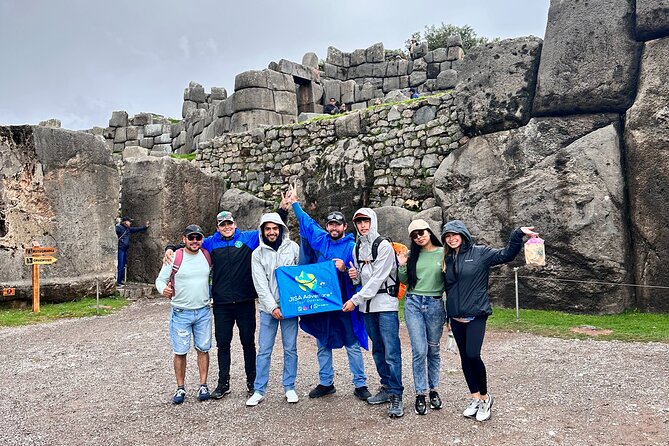
- Small group size (max 12), which usually means less crowd pressure while you’re listening
- Private transportation between key Cusco ruins, so you spend more time at the sites
- Official tourism guide at every stop, with explanations that link Inca purpose to what you see
- Oxygen ball included, a useful included extra if you want it for peace of mind
- Five big sites in about 5 hours, a strong first-day sampler without feeling rushed
Nearby in Cusco, these earned their own write-ups
- Cusco: Half-Day City Tour with Sacsayhuaman and Q’enco
★ 4.6 · 1,129 reviews - City Tour Cusco Qoricancha Sacsayhuaman y Tambomachay
★ 4.7 · 617 reviews - Open Bus Cusco City Tour
★ 4.5 · 219 reviews - Cusco: City Tour | Half-Day Tour to 4 Archaeological Sites
★ 4.6 · 206 reviews
The Cusco route in 5 hours, and why it feels manageable
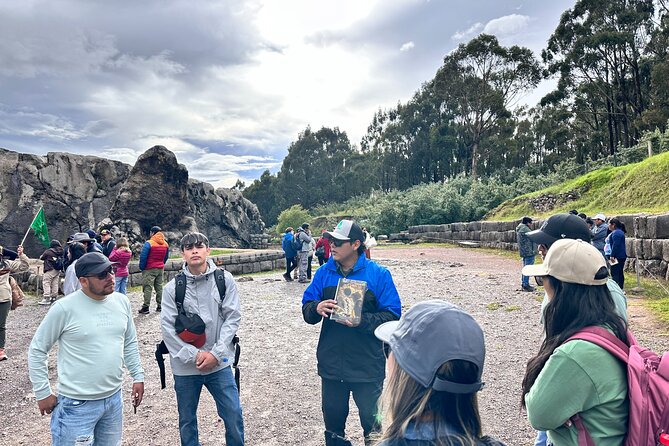
This is a classic Cusco city tour setup: you meet at Plaza de Armas, hop into private transport, and rotate through major archaeological stops spread around town. The total time is listed at about 5 hours, and that matters because Cusco days can stack up fast with altitude considerations, long taxi rides, and weather changes.
Instead of hopping randomly, you get a guided thread. The stops are not all the same type of place. You move from sun and religion, to fortress and defense, to ritual chambers, to water worship. When you do it in one run, the big takeaway becomes easier: the Incas built sacred space, political power, and practical systems using the same brain.
Also, the small group size matters more than you’d think. With up to 12 travelers, your guide can actually slow down when someone has a question, and you are less likely to get lost in a big crowd during photo moments.
Starting at Plaza de Armas: your easiest launch point
Your tour starts and ends back at Plaza de Armas, Cusco (08000), Peru. That’s a big practical plus. You’re not trying to find a remote pickup location, and you can plan your day around being back near the center.
It also helps that the activity is listed as near public transportation. Even if you’re starting the day with taxis or walking, you’re not stuck in a logistics maze.
The tour runs daily within the listed hours (Monday through Sunday). Confirmation is provided at booking time, so you should have a clear go/no-go before you head out.
Qorikancha: Temple of the Sun and the Inca-Spanish mix
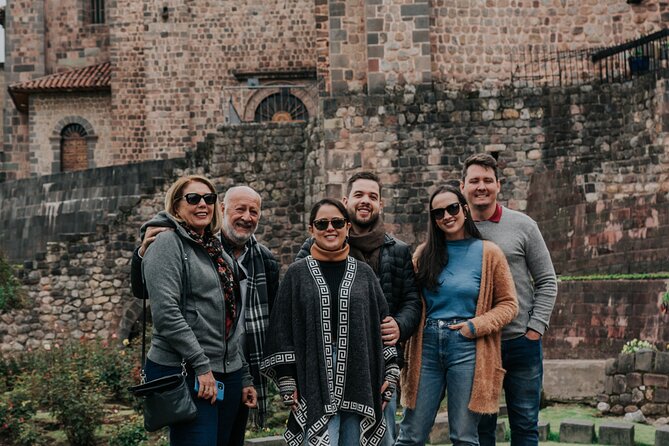
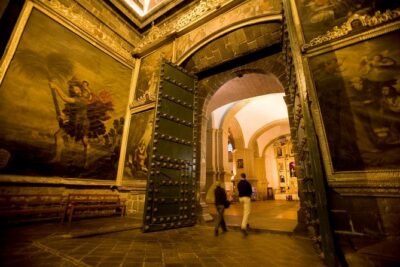
Your first stop is Qorikancha, also known as the Temple of the Sun. Expect guided time of about 45 minutes. This place is interesting because it’s not only about Inca engineering or Inca religion, it’s also about how later Spanish colonial presence changed the site.
You’ll look at the fusion of Inca stonework and Spanish colonial architecture, and your guide should give you the history and cultural importance in plain terms. The practical value of starting here is that it gives you a mental anchor. If you understand what Qorikancha represented, then the later sites (ritual, defense, water) start to feel like different chapters of the same worldview.
Potential drawback: plan for the entrance cost. Qorikancha’s entry is specifically listed as not included, with an extra 7 dollars for that site.
Saqsayhuamán: Inca fortress walls built from enormous stone
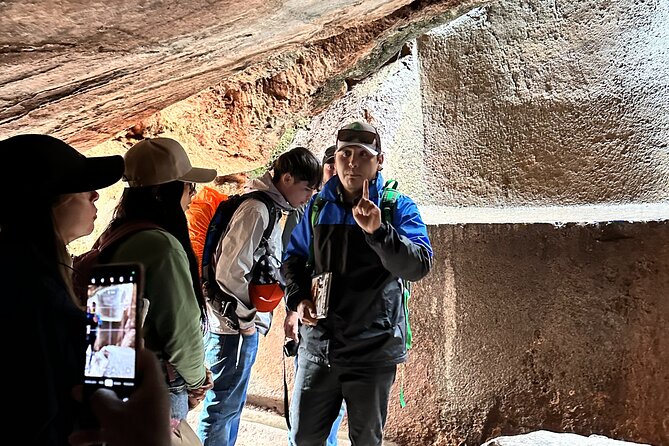
Next comes Saqsayhuamán, reached after about 20 minutes by vehicle. This is one of Cusco’s most dramatic Inca fortress sites. You’ll get about an hour with a guide to focus on the carved stones, massive walls, and the construction logic behind them.
What I like about this stop is that it’s not just scenic. It’s educational in a “how did they do this?” way. You’ll learn about Inca construction techniques and why Saqsayhuamán mattered historically and ceremonially.
If you’re the type who loves structure and scale, this is your moment. The fortress theme also gives contrast to the previous religious focus at Qorikancha. Together, they help you see that Inca power was both spiritual and strategic.
Like the other stops, entrance is not included. Your guide will handle the talking, but you’ll still want a plan for tickets.
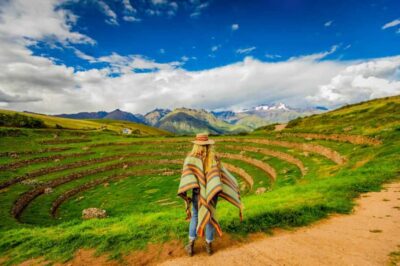
Q’enqo: ritual center, rock-cut chambers, and altars
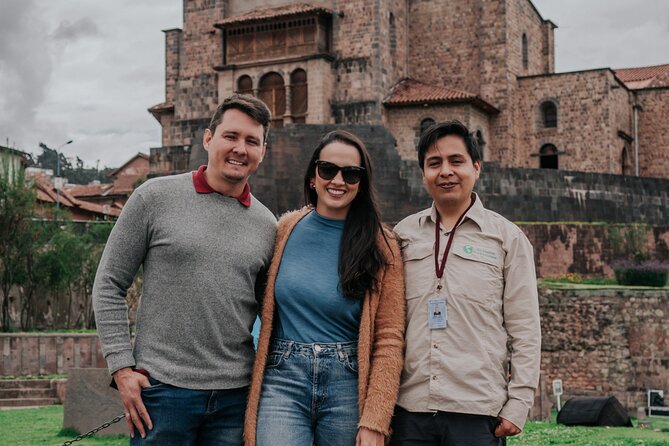
After Saqsayhuamán, you head to Q’enqo, a ritual center on a rocky outcrop. You’ll spend about an hour exploring with a guide. This is where the tour leans into symbolism and sacred space.
You’ll see underground chambers and altars carved into the rock. The guide should connect those physical features to Inca rituals and their worldview. That connection is the difference between visiting ruins and understanding why a site was designed the way it was.
A small caution: Q’enqo is more “meaningful and interpretive” than “big and obvious.” If you like explanations and enjoy a guide who talks clearly, you’ll get more out of this stop. If you prefer silent wandering, you might find you want a bit more time on your own.
Puka Pucara: the red military fortress and defensive design
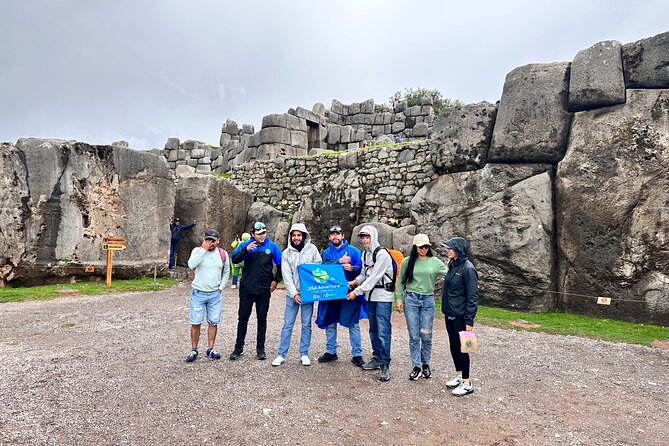
Then it’s on to Puka Pucara, arriving after about 15 minutes by vehicle. This stop shifts the tone again. You’ll get about an hour with a guide to explore a military fortress.
The standout here is the red construction, and the focus is on defensive and strategic function during the Inca empire. In other words, you’re not only looking at what it is. You’re learning why it was built there and what role it likely played.
I find this stop satisfying because it’s a concrete “use” of space, not only a symbolic one. It also gives you a good variety break after the ritual and religious theme at Qorikancha and Q’enqo.
Again, entry fees are not included for this site, so budget for tickets.
Tambomachay (Baño del Inca): water worship and hydraulic engineering
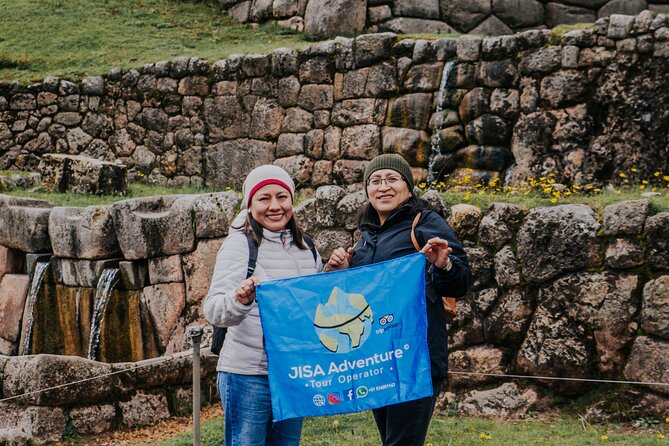
Your final stop is Tambomachay, known as the Baño del Inca. Expect about an hour at this site, plus transport back afterward. This is one of the best places to end because it links engineering to ritual.
You’ll hear how Tambomachay was used for ceremonies and water worship. You’ll also see stone fountains and canals that demonstrate advanced hydraulic engineering. That combination is the key: it’s not random irrigation. It’s built to matter culturally and spiritually.
Ending here works well for another reason too. After you’ve seen fortress walls and rock-cut ritual chambers, water systems feel different, calmer, and very “Inca practical-brain plus sacred purpose.”
Entrance is not included, so plan extra ticket time and money.
Private transportation plus an oxygen ball: small included perks
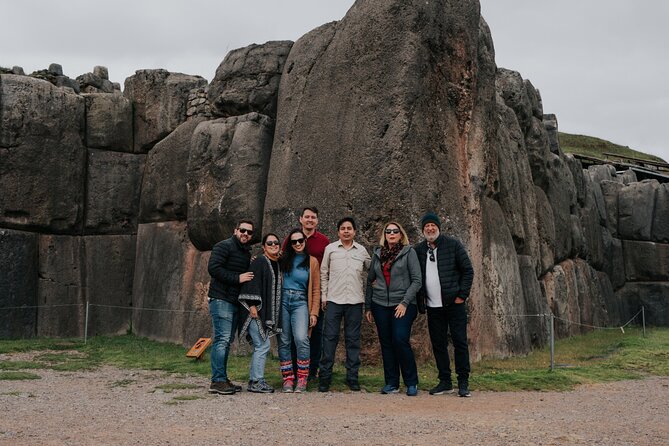
This tour includes private transportation, which is the unglamorous reason half-day tours can feel good. You are not stitching together multiple taxis or guessing routes between uphill areas and archaeological zones.
It also includes an oxygen ball. The listing frames it as an included item, and if you like having options for comfort, that’s a real plus. I would still treat it as a supplemental comfort item, not a magic fix, but it’s clearly something the provider includes for guest support.
One more practical upside: the tour is designed for real groups. It caps at 12 travelers, and you’re riding together for the full circuit. That means fewer coordination headaches, less waiting around, and a smoother flow.
Price and entrance fees: the real value of $32
The base price is $32 per person, duration about 5 hours, with a guide, private transport, and oxygen ball included. That’s not bad for a Cusco sampler covering five major stops.
But the honest part is the extras. Admission tickets are not included across the sites. The data you have points to:
- A 25 dollar partial ticket described as for all archaeological centers
- Qorikancha entrance: 7 dollars
- Tips are also not included
Because those amounts are listed separately, I recommend you budget beyond the $32. If you buy the archaeological center ticket and also cover Qorikancha separately, your total spend can roughly land around $64 per person, plus tips. Your exact total depends on what ticket you choose, but planning for that second layer will keep the day from turning into a surprise.
Is it still good value? Usually, yes, because you’re paying for guided interpretation, not just entry. The guide helps you connect the site purpose to the physical details, and that’s what you feel later when you’re comparing places around Cusco.
Guides make the difference, and this one has a pattern
A lot of tours in Cusco are competent at moving you around. This one tends to be praised for the human factor: guide energy and clarity.
I’m using the guide names that show up in the experience feedback you provided: Jhonny, Victor, Jorge, and Saul. The theme is consistent. People describe the guide as informative and upbeat, with explanations that are both fun and useful. There are also mentions of guides being kind, attentive, and making sure you get time for photos.
One subtle but meaningful detail: the pacing is often described as the right amount of time. That’s important because five hours can either feel tight and rushed, or it can feel like you got your questions answered. Here, the structure seems built to avoid that “too much, too fast” feeling.
What you should expect at each stop, in real terms
Here’s how this tour typically feels as you move through the day:
- You start with a guided walk and explanation so Qorikancha becomes more than a photo stop.
- You switch to fortress scale at Saqsayhuamán, where the guide helps you interpret stonework and purpose.
- You shift to ritual and rock-cut meaning at Q’enqo, where explanations matter more than size.
- You move to defense at Puka Pucara, with a clearer “function” lens.
- You finish with water systems and ceremonies at Tambomachay, bringing the engineering theme home.
You’re not just collecting stamps. You’re learning a system of thinking behind the sites.
Also, the tour includes official tourism guide service. That’s the big difference between reading a sign for five seconds and actually understanding why a place matters.
Who this Cusco city tour is best for
This works well if you want:
- A first introduction to Cusco that gives you a structured overview
- A balance of religion, politics, ritual, and engineering in one half-day
- A tour format that stays to a manageable five-hour window
- A small group experience that keeps your guide’s attention within reach
Most travelers can participate, so you’re not looking at an extreme expedition style outing. That said, you are touring archaeological sites, so expect some walking around uneven ground and time standing for explanations.
Should you book City Tour Cusco?
If you want a guided “greatest hits” day without spending your morning figuring out logistics, I’d say yes. The combination of private transport, official guide, small group size, and a clear set of major sites makes the $32 base price feel reasonable, as long as you also budget for entry fees.
I’d especially recommend it as a first day in town, or as a reset day if you want to get oriented fast. Just go in with the right expectation: the base price is for the tour service, and you’ll pay separate entry costs for the archaeological sites, including Qorikancha.
FAQ
Is the City Tour Cusco price $32 per person for about 5 hours?
Yes. The tour price is listed as $32.00 per person, and the duration is approximately 5 hours.
What is included in the tour?
The tour includes oxygen ball, an official tourism guide, and private transportation.
Are entrance tickets included for the sites?
No. Tourist entrance and site entry are not included. The data lists a 25 dollar partial ticket for archaeological centers and a 7 dollar entrance fee for Qorikancha.
Where do I meet, and where does the tour end?
You start at Plaza de Armas Cusco (08000, Peru) and the tour ends back at the same meeting point.
How many people are in the group?
The maximum group size is listed as 12 travelers.
Is the booking refundable or changeable?
The experience is non-refundable and cannot be changed for any reason. If you cancel or request an amendment, the amount you paid will not be refunded.
More City Tours in Cusco
- Cusco: Half-Day City Tour with Sacsayhuaman and Q’enco
★ 4.6 · 1,129 reviews - City Tour Cusco Qoricancha Sacsayhuaman y Tambomachay
★ 4.7 · 617 reviews - Cusco: Sightseeing Tour of the City on an Open-Top Bus
★ 4.0 · 481 reviews - Open Bus Cusco City Tour
★ 4.5 · 219 reviews - Cusco: City Tour | Half-Day Tour to 4 Archaeological Sites
★ 4.6 · 206 reviews
More Tours in Cusco
- Cusco: Humantay Lake Tour with Breakfast and Buffet Lunch
★ 4.9 · 2,976 reviews - From Cusco: Moray, Maras Salt Mines & Chinchero Weavers Tour
★ 4.8 · 1,925 reviews - From Cusco: Full-Day Group Tour of Machu Picchu
★ 4.7 · 1,767 reviews - Cusco: Half-Day City Tour with Sacsayhuaman and Q’enco
★ 4.6 · 1,129 reviews - Machu Picchu: Full-Day Tour from Cusco with Optional Lunch
★ 4.6 · 927 reviews
More Tour Reviews in Cusco
- Cusco: Humantay Lake Tour with Breakfast and Buffet Lunch
★ 4.9 · 2,976 reviews - From Cusco: Moray, Maras Salt Mines & Chinchero Weavers Tour
★ 4.8 · 1,925 reviews - From Cusco: Full-Day Group Tour of Machu Picchu
★ 4.7 · 1,767 reviews - Machu Picchu Day Trip from Cusco
★ 4.5 · 1,644 reviews - Cusco: Half-Day City Tour with Sacsayhuaman and Q’enco
★ 4.6 · 1,129 reviews
Freshly reviewed across Cusco
- Excursion Cusco – Puno – Titicaca Observatory Train★ 5.0 · 3 reviews
- Sacred Valley Vip Cusco★ 4.7 · 3 reviews
- Cusco | Humantay Lake 1-Day Tour with Breakfast and Lunch★ 5.0 · 3 reviews
- Full-Day Condor Viewpoint & Inca Sites Tour★ 5.0 · 3 reviews
- Best of Cusco: Private Walking Tour with a Local★ 3.6 · 3 reviews
- From Cusco: Full-Day Private Sacred Valley Tour★ 5.0 · 3 reviews
City Tours side by side.
 ★ 4.6Cusco: Half-Day City Tour with Sacsayhuaman and Q’encoFrom $131,129 reviews
 ★ 4.7City Tour Cusco Qoricancha Sacsayhuaman y TambomachayFrom $13617 reviews
 ★ 4.5Lima’s Vibrant Heritage: Exploring the City’s Landmarks Half-dayFrom $39581 reviews
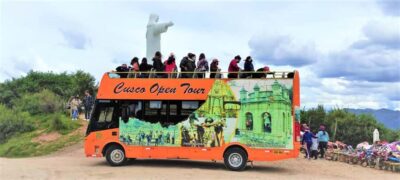 ★ 4.0Cusco: Sightseeing Tour of the City on an Open-Top BusFrom $12481 reviews
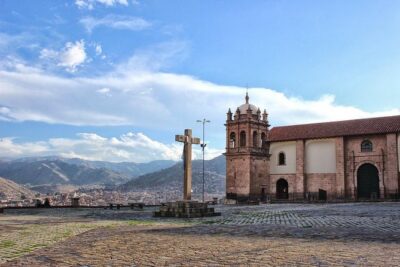 ★ 4.5Open Bus Cusco City TourFrom $14219 reviews
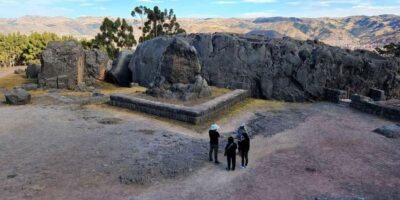 ★ 4.6Cusco: City Tour | Half-Day Tour to 4 Archaeological SitesFrom $29206 reviews
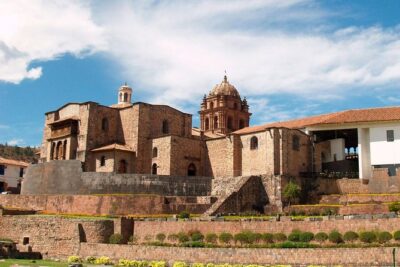 ★ 5.0City Tour in Cusco & visit Museum South American Camelid Private.From $49147 reviews
 ★ 4.5Cusco City Sightseeing, San Pedro Market, Cathedral and Qorikancha TempleFrom $59139 reviews
Also on these Peru lists