
REVIEW · CUSCO CITY
Cusco City Sightseeing, San Pedro Market, Cathedral and Qorikancha Temple
Cusco in one afternoon is surprisingly doable. This tour strings together the biggest Cusco stops in about 3.5 hours, with a small group and a bilingual guide keeping you oriented fast. I especially like the small-group pace, because it feels calmer than the big-bus version of the same sites.
My second favorite part is how the route connects Inca stone to colonial churches without turning it into a rushed checklist. The one thing to watch is language mix and timing: even with bilingual service, a shared group can skew more Spanish, and in Cusco traffic the schedule can feel tight.
In This Review
- Quick take: what makes this Cusco highlight loop feel worth it
- A smart way to orient yourself in Cusco’s historic center
- Starting near San Cristóbal Plaza, where the city makes sense
- San Blas artisans’ quarter, carved wood and old-school church charm
- The 12-Angled Stone on Hatun Rumiyoc Street, a quick stop with big payoff
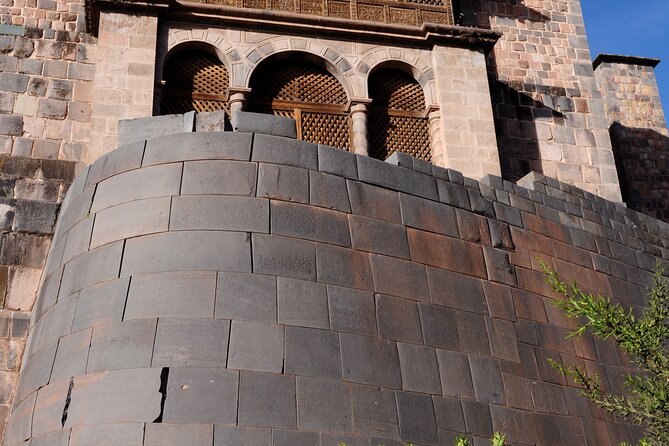
- Qorikancha, seeing Inca grandeur through Spanish layers
- San Pedro Market, where Cusco eats and lives (for real)
- Moving from Inca Roca Palace to the Archbishop’s Palace
- Cusco Cathedral on Plaza de Armas, colonial art you can actually study
- Price and value: $59 with guides, tickets, and transport
- Logistics to know before you go, especially in Cusco traffic
- Language expectations: what bilingual really means in a mixed group
- Altitude and comfort tips I would not skip in Cusco
- Who this tour suits best, and who might want something else
- Should you book this Cusco tour?
- FAQ
- What is the duration of the Cusco City Sightseeing, San Pedro Market, Cathedral and Qorikancha Temple tour?
- What time does the tour start?
- How much does the tour cost?
- What is included in the tour price?
- Are the entrance tickets included for Qorikancha and the Cathedral?
- Do you visit San Pedro Market?
- How big is the group?
- Can I cancel for free?
Quick take: what makes this Cusco highlight loop feel worth it
- Panoramic start near San Cristóbal, before you plunge into the old city on foot
- San Pedro Market for real daily life, plus good browsing without a pressure-cooker vibe
- Qorikancha (Temple of the Sun), where you see how Inca sacred space was transformed
- Hatun Rumiyoc Street and the Twelve-Angled Stone, a photo stop with serious story power
- Plaza de Armas and Cusco Cathedral, including colonial paintings and woodwork details
Qorikancha, Sacsayhuaman, Tambomachay: more Cusco
- City Tour Cusco Qoricancha Sacsayhuaman y Tambomachay
★ 4.7 · 617 reviews - Cusco City Sightseeing, San Pedro Market, Cathedral and Qorikancha Temple
★ 4.5 · 139 reviews - Cusco City Sightseeing and Sacsayhuaman Archeological Park Tour
★ 4.5 · 101 reviews - Cusco 4-Hour Private Tour Including Sacsayhuaman and Qenqo
★ 5.0 · 77 reviews
A smart way to orient yourself in Cusco’s historic center
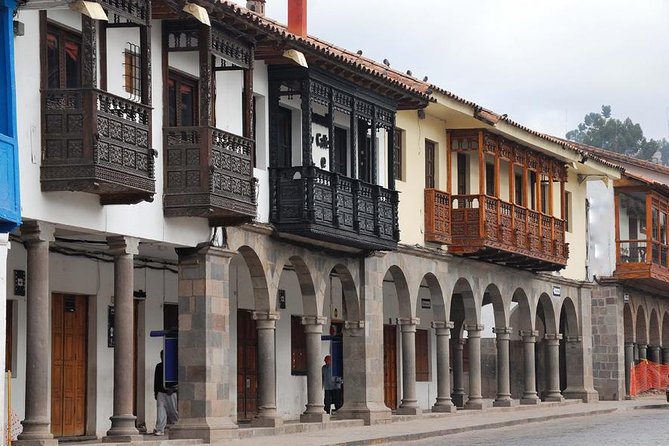
Cusco can feel like a puzzle at first. Streets slope, viewpoints pop up, and the layers of Inca and Spanish influence show up everywhere. This tour is designed for the moment you land, when you want to get your bearings fast and stop guessing where to go next.
You also get something practical that matters here: a single guide-led route that reduces backtracking. Instead of bouncing between far-flung spots on your own, you flow through the historic center in an organized sequence, with enough walking to feel the city, but not enough to drain you.
The tour runs about 3 hours 30 minutes and caps at 15 travelers. For a first afternoon in Cusco, that size is big enough to be social, but small enough that your questions actually get answered.
Starting near San Cristóbal Plaza, where the city makes sense
The best part about a viewpoint start is that it gives your brain a map. You begin near San Cristóbal Plaza for panoramic views over Cusco, then you move into the historic core.
From up there, you start to recognize why the city developed the way it did. Later, when you’re walking Hatun Rumiyoc Street and ending at Plaza de Armas, the layout stops feeling random. It turns the day into a story you can follow.
This also sets a good rhythm for altitude. If you are arriving right after landing, starting with a slower, scenic moment can make the rest of the afternoon feel more manageable.
San Blas artisans’ quarter, carved wood and old-school church charm
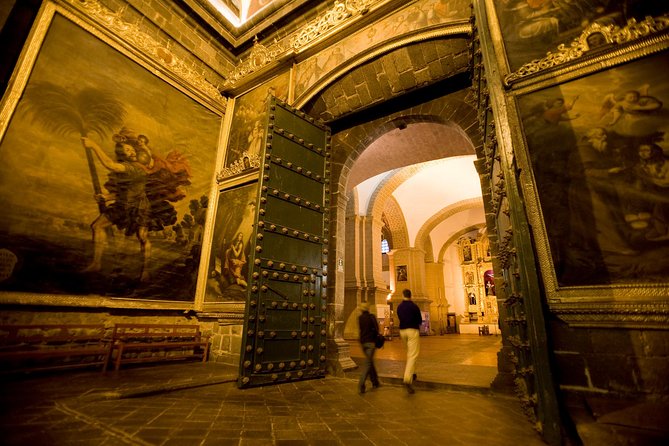
Your route passes into the San Blas artisans’ quarter. This is where you get a quieter, crafts-focused side of Cusco, not just monuments. You’ll visit a church in this area, and the stop is known for its carved woodwork, along with classic colonial-era interior details.
I like that this part of the day slows down just a bit. It gives you a chance to notice details that a pure sightseeing sprint usually skips, like how decorative elements sit inside everyday religious space.
It also works well if you enjoy small streets and workshops. Even if you do not buy anything, the area helps you understand what kind of city Cusco is beyond its archaeological headline acts.
The 12-Angled Stone on Hatun Rumiyoc Street, a quick stop with big payoff
On the way toward the Cathedral area, you pause at Hatun Rumiyoc Street for one of Cusco’s signature sights: the Twelve-Angled Stone.
It is a short visit, but it is worth paying attention. This is one of those moments where you go from wow, to wait, to okay, I get why this matters. The angles are not just a cool shape, they hint at the precision Inca builders used and why Spanish chroniclers could not ignore the engineering.
If you like photos, this is a good time for them. You are on the move, but you also have a moment to stand still and look.
Nearby in Cusco, these earned their own write-ups
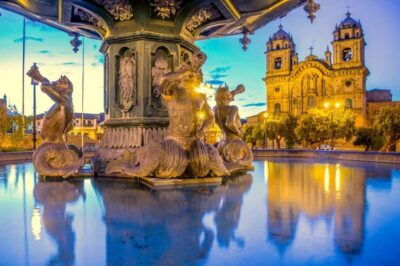
Qorikancha, seeing Inca grandeur through Spanish layers
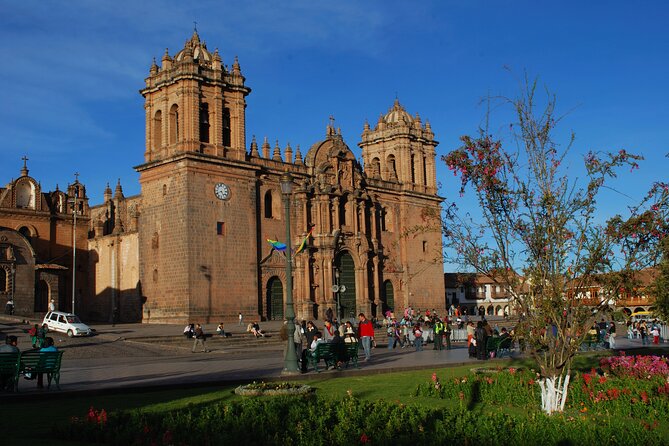
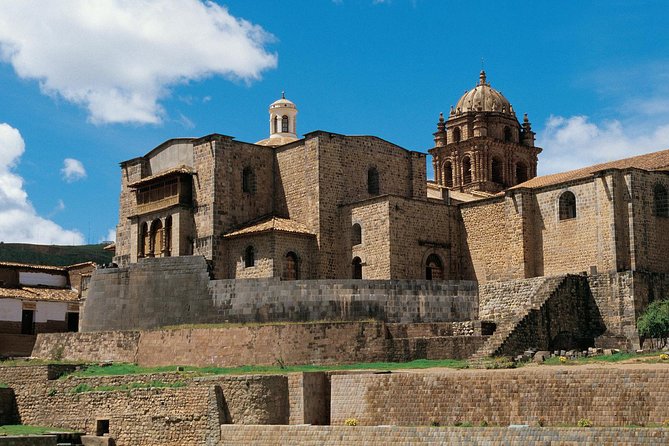
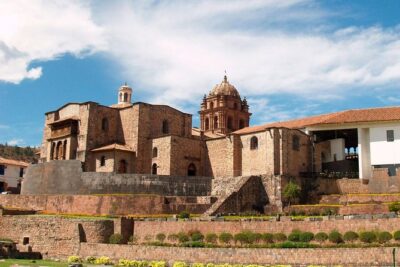
Then comes Qorikancha, the old Inca sacred complex also linked with Inti, the sun. The site was heavily damaged after the conflicts with the Spanish conquistadors, and today you see Inca stonework incorporated into what became the Santo Domingo church and convent area.
This stop is about transformation. You are not just staring at ruins, you are seeing how sacred Inca space was repurposed and rebuilt. Even without getting technical, you can feel the change in materials, design, and layout.
I also like that the tour treats Qorikancha as a key historical connector. It sits between the city’s Inca foundation story and the colonial-era public face you’ll see later in Plaza de Armas.
Entrance is included here, so you avoid the small hassle of figuring out tickets while you are still getting your Cusco rhythm.
San Pedro Market, where Cusco eats and lives (for real)
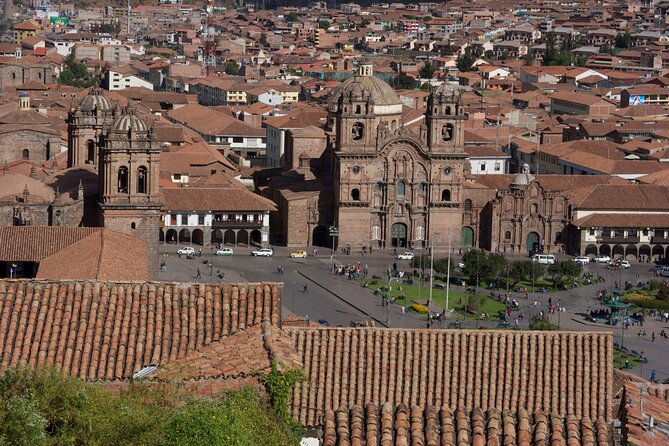
Next you hit Mercado Central de San Pedro, and this is one of the most human parts of the tour.
You are guided through the market’s daily rhythm: produce, regional breads, cheeses, and the kind of items that are central to how people eat and shop here. The time is about 45 minutes, which means you get to browse, look around, and take in smells and color without the pressure of staying too long.
I love markets because they teach you the city’s priorities. Here, you stop thinking of Cusco as only viewpoints and temples. You start seeing it as a working place with food, routines, and local choices.
This stop also tends to be easy to enjoy even if you do not speak much Spanish. Food and daily objects are universal. If you want to do a few small tastings or pick up snacks, this is the part of the day that makes that feel natural.
One practical note: plan to have a little Peruvian cash (soles). Some sites charge for bathrooms, and markets can be one of those places where it is not free.
Moving from Inca Roca Palace to the Archbishop’s Palace
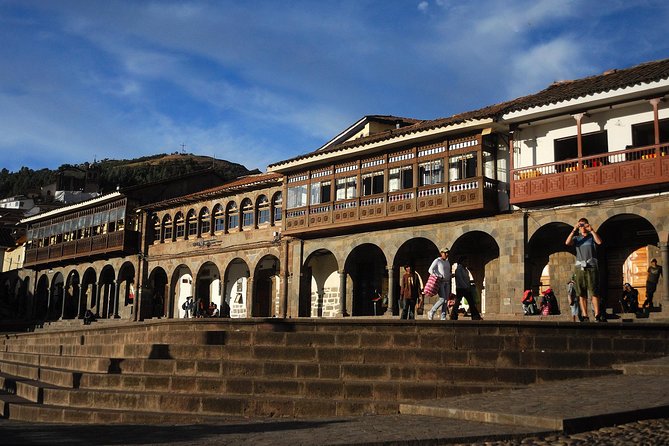
Cusco’s power story continues as your route passes Inca Roca Palace, which is now associated with the Archbishop’s Palace.
This is not a giant museum-style stop, but it is the kind of passing moment that actually helps the city click. Inca rulers, Spanish religious authority, and the building shell that connects them are all part of the same urban spine.
Even if you think you know the basic timeline, these transitions can still surprise you. Cusco does not separate eras the way some cities do. Here, you see overlap.
Cusco Cathedral on Plaza de Armas, colonial art you can actually study
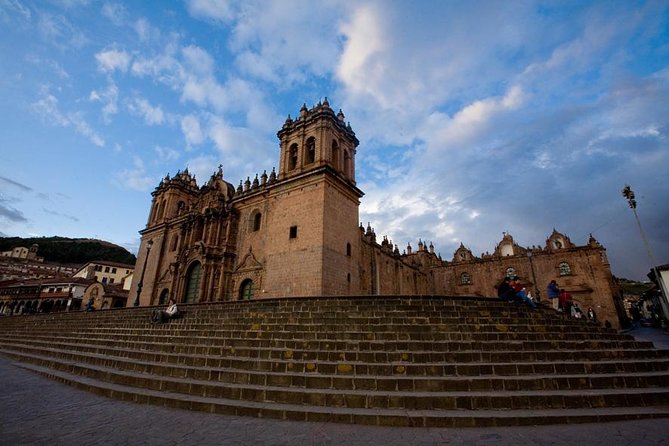
Your day ends in Plaza de Armas with a visit to Cusco Cathedral.
This cathedral, also known as the Cathedral Basilica of the Assumption of the Virgin, was built between 1560 and 1654. The visit typically includes time to see key interior features, including colonial-era paintings and notable woodwork.
Plaza de Armas is the emotional center of the city. You can feel it immediately, even if you are tired. The cathedral reinforces the Spanish story, but it also makes you notice how the Inca footprint shaped what came next.
This stop also has its entrance included, so it stays simple at the end of your afternoon.
Price and value: $59 with guides, tickets, and transport
At $59 per person, this tour is priced for convenience and speed through the “big hitters” of central Cusco. You get a live bilingual guide in Spanish and English, entrance tickets to Qorikancha and the Cathedral, and hotel pickup and drop-off from select hotels.
In practice, that means two things for you:
- You do not waste time figuring out tickets, entrances, and the best order of stops.
- You pay for someone to translate Cusco from stones and paintings into a coherent story.
The group stays small (up to 15), which you can feel in how often you get personal questions answered. That matters when altitude fatigue is a factor, because you do not want your only learning to be reading a plaque while you feel lightheaded.
One other value point: San Pedro Market and the key walking stops are part of the route, and you are not paying admission for the market segment.
Logistics to know before you go, especially in Cusco traffic
Cusco is not a place where schedules always behave perfectly. One reason is the city’s traffic and how vehicle access works around the historic center.
This tour includes hotel pickup and drop-off, but the note to watch is that some hotels are in areas where a vehicle cannot access. In those cases, you may start or end with a short walk to connect with the pickup plan.
The route also mixes car movement with walking. That is good. It helps you handle distance, and you are not spending the whole afternoon climbing stairs like a fitness challenge.
Still, timing can feel tight. Some tours have ended earlier than expected, and on other days delays can compress the final portion. The best move is to keep your evening plans flexible if you can, especially if you are sensitive to altitude.
Language expectations: what bilingual really means in a mixed group
The tour is described as bilingual, with Spanish and English service. In real shared-group tours, language can still vary depending on who is in your group at that moment.
If you are traveling with a strong preference for English, plan to ask when you book how translation works in a mixed-language group. If the group leans Spanish-heavy, English might be more of a summary than a line-by-line experience.
On the upside, the strongest guides do not just translate words, they translate ideas. When that happens, you get the benefit even if the language mix is not perfect.
I also like that the day uses stops where images and architecture help you follow along. Market browsing and the Cathedral interior provide context even when you are catching up on language.
Altitude and comfort tips I would not skip in Cusco
Altitude can turn a great afternoon into a miserable one. The most useful advice I’ve seen from people who traveled this way is to give yourself a day to acclimatize in Cusco. That means taking it easy after arrival.
Food can matter too. One suggested approach is lighter meals, like soup and tea, and avoiding heavy red meat right away. If you use altitude medication, it is smart to check with a pharmacy in Cusco and follow local guidance.
Also, plan bathrooms strategically. Have some soles ready, because some places charge around 1 to 2 soles for restroom access, and free options can be limited.
Finally, remember this is still a walking plus touring day. Even with efficient vehicle stops, you are navigating streets and spending time inside churches.
Who this tour suits best, and who might want something else
This is a strong fit if:
- You have limited time and want the core Cusco highlights without planning
- You are a first-time visitor who wants a clear overview in one afternoon
- You like history explained through real places, not just a map screen
- You value a small-group feel and real conversation with your guide
It might be less ideal if:
- You want a long, slow deep exploration of only one site, like Qorikancha
- You need a perfectly English-only experience with zero language drift in a mixed group
- You are very schedule-sensitive and cannot absorb a possible time squeeze
Should you book this Cusco tour?
I would book it if you want a practical first day or second-day plan that hits San Pedro Market, Qorikancha, the Twelve-Angled Stone, and the Cathedral in one organized route. For the price, you are paying for guidance, included entry tickets, and the time-saver of not stitching together everything on your own.
But I would think twice if your schedule is locked to the minute or if you need guaranteed English for every moment. In that case, send a quick message when booking, ask how translation is handled in mixed groups, and consider keeping your evening open.
If you want the easiest way to understand why Cusco is Cusco, this afternoon loop does that job.
FAQ
What is the duration of the Cusco City Sightseeing, San Pedro Market, Cathedral and Qorikancha Temple tour?
The tour lasts about 3 hours 30 minutes.
What time does the tour start?
It starts at 2:00 pm.
How much does the tour cost?
The price is $59.00 per person.
What is included in the tour price?
You get a live bilingual Spanish and English guide, entrance tickets to the Cathedral and Qorikancha, and hotel pickup and drop-off from select hotels.
Are the entrance tickets included for Qorikancha and the Cathedral?
Yes. Entrance tickets for both Qorikancha Temple and the Cusco Cathedral are included.
Do you visit San Pedro Market?
Yes. You stop at Mercado Central de San Pedro for about 45 minutes, and admission is free.
How big is the group?
The tour has a maximum of 15 travelers.
Can I cancel for free?
Yes. You can cancel up to 24 hours in advance for a full refund.
More City Tours in Cusco
- Cusco: Half-Day City Tour with Sacsayhuaman and Q’enco
★ 4.6 · 1,129 reviews - City Tour Cusco Qoricancha Sacsayhuaman y Tambomachay
★ 4.7 · 617 reviews - Cusco: Sightseeing Tour of the City on an Open-Top Bus
★ 4.0 · 481 reviews - Open Bus Cusco City Tour
★ 4.5 · 219 reviews - Cusco: City Tour | Half-Day Tour to 4 Archaeological Sites
★ 4.6 · 206 reviews
More Tour Reviews in Cusco
- Cusco: Humantay Lake Tour with Breakfast and Buffet Lunch
★ 4.9 · 2,976 reviews - From Cusco: Moray, Maras Salt Mines & Chinchero Weavers Tour
★ 4.8 · 1,925 reviews - From Cusco: Full-Day Group Tour of Machu Picchu
★ 4.7 · 1,767 reviews - Machu Picchu Day Trip from Cusco
★ 4.5 · 1,644 reviews - Cusco: Half-Day City Tour with Sacsayhuaman and Q’enco
★ 4.6 · 1,129 reviews
Cusco Street by Street
- Cusco: Half-Day City Tour with Sacsayhuaman and Q’enco
★ 4.6 · 1,129 reviews - City Tour Cusco Qoricancha Sacsayhuaman y Tambomachay
★ 4.7 · 617 reviews - Cusco City Sightseeing and Sacsayhuaman Archeological Park Tour
★ 4.5 · 101 reviews - Cusco 4-Hour Private Tour Including Sacsayhuaman and Qenqo
★ 5.0 · 77 reviews - Sacsayhuaman Temple, Tambomachay and Puca Pucara Half-Day Tour
★ 4.5 · 59 reviews
Freshly reviewed across Cusco
- Excursion Cusco – Puno – Titicaca Observatory Train★ 5.0 · 3 reviews
- Sacred Valley Vip Cusco★ 4.7 · 3 reviews
- Cusco | Humantay Lake 1-Day Tour with Breakfast and Lunch★ 5.0 · 3 reviews
- Full-Day Condor Viewpoint & Inca Sites Tour★ 5.0 · 3 reviews
- Best of Cusco: Private Walking Tour with a Local★ 3.6 · 3 reviews
- From Cusco: Full-Day Private Sacred Valley Tour★ 5.0 · 3 reviews
Cusco City Tours side by side.
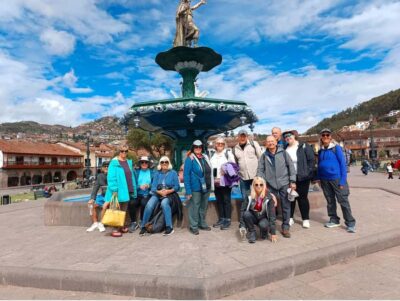 ★ 4.6Cusco: Half-Day City Tour with Sacsayhuaman and Q’encoFrom $131,129 reviews
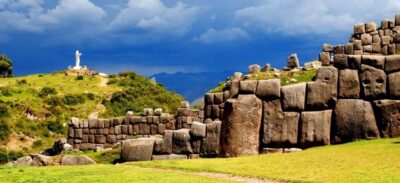 ★ 4.7City Tour Cusco Qoricancha Sacsayhuaman y TambomachayFrom $13617 reviews
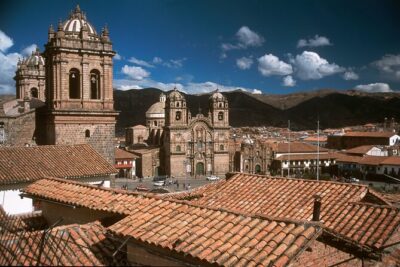 ★ 4.5Cusco City Sightseeing and Sacsayhuaman Archeological Park TourFrom $79101 reviews
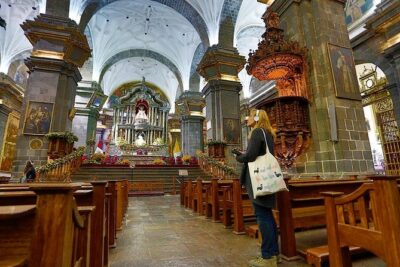 ★ 5.0Cusco 4-Hour Private Tour Including Sacsayhuaman and QenqoFrom $8777 reviews
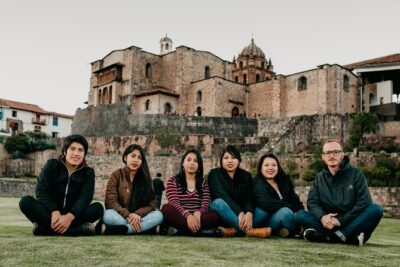 ★ 4.5Half-Day City Tour of Cusco Including TambomachayFrom $1859 reviews
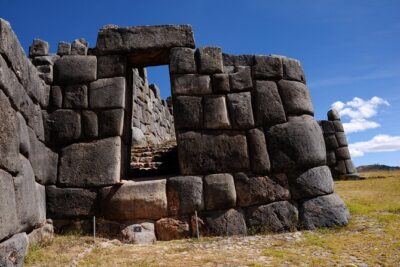 ★ 4.5Sacsayhuaman Temple, Tambomachay and Puca Pucara Half-Day TourFrom $6959 reviews
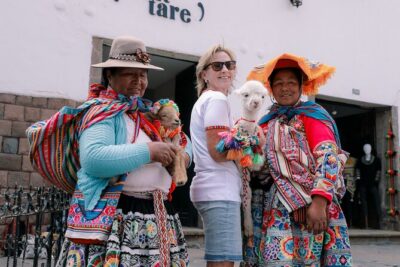 ★ 5.0Private Cusco City Tour with Sacsayhuaman & Inca SitesFrom $18052 reviews
 ★ 5.0Cusco City Tour with Sacsayhuaman & Inca Sites – Small GroupFrom $9848 reviews
Also on these Peru lists