
REVIEW · CITY
City Tour in Cusco
Cusco’s stone story moves fast and well. I like the way this half day Cusco city tour stitches together Inca engineering and colonial power, especially at Qorikancha and the Cathedral built on older foundations. I also love the practical value: you get a certified guide, an air conditioned vehicle, and roundtrip hotel transport for a low flat rate.
One possible drawback to watch for is language and meeting point clarity. One past booking flagged a Portuguese request not matching what was delivered, plus confusion about the correct pickup location, even though the guide (Fernando) was polite and helpful.
In This Review
- Key Things I’d Focus On
- Cusco’s Inca and Colonial Mix, in a 4 Hour Loop
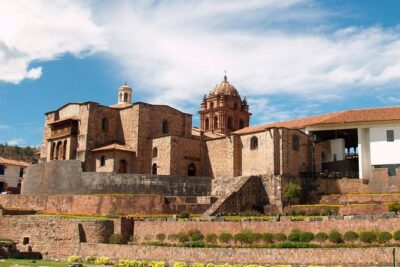
- Qorikancha and the Temple of the Sun, Inca Spiritual Core
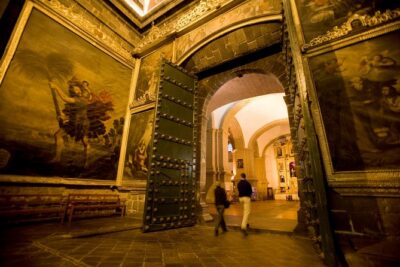
- Cathedral of Cusco, Baroque Style on Inca Ground
- Sacsayhuaman Ceremonial Fortress, Megalith Scale Up Close
- Qenqo’s Gloomy Ceremonial Center, Where Rituals Took Place
- Puca Pucara Viewpoint, Seeing Cusco From Above
- Tambomachay’s Water Engineering, Still Working Fountains
- Price and Value, What $20 Really Covers
- Language and Pickup Details, A Real World Consideration
- Who This Cusco City Tour Is Best For
- Should You Book This Cusco City Tour?
- FAQ
- How long is the Cusco city tour?
- How much does the tour cost?
- What are the main stops on the tour?
- What languages are available for the guide?
- Is hotel transportation included?
- Are admission tickets included?
- Are meals included?
- Is gratuity required?
- Is the tour wheelchair accessible?
- Where do you get dropped off at the end?
Key Things I’d Focus On
- Qorikancha and its Temple of the Sun layers, with the Catholic church sitting on Inca foundations
- Cathedral of Cusco, where colonial baroque roots trace back to an earlier Inca palace
- Sacsayhuaman ceremonial fortress, built with massive megaliths that still impress up close
- Qenqo’s ceremonial center, described as gloomy, with rituals and sacrifices in its story
- Puca Pucara viewpoint, a mountain angle for seeing Cusco from above
- Tambomachay’s oldest functioning water fountains, plus still working irrigation channels
Nearby in Cusco, these earned their own write-ups
- Cusco: Half-Day City Tour with Sacsayhuaman and Q’enco
★ 4.6 · 1,129 reviews - City Tour Cusco Qoricancha Sacsayhuaman y Tambomachay
★ 4.7 · 617 reviews - Open Bus Cusco City Tour
★ 4.5 · 219 reviews - Cusco: City Tour | Half-Day Tour to 4 Archaeological Sites
★ 4.6 · 206 reviews
Cusco’s Inca and Colonial Mix, in a 4 Hour Loop
This tour is built for your first time in Cusco or for a day when you want a strong overview without planning multiple separate sites. At $20 per person for a 4 hour experience, the big value is not just the list of places, it is the route flow: Inca sacred sites, then colonial-era interpretation, then panoramic viewpoints, then living Inca water tech.
You’ll ride in an air conditioned vehicle and get a professional certified guide who works in Spanish, English, or Portuguese. The tour also includes water, and it ends with a drop off either back at your accommodation or at Plaza de Armas if you prefer to keep walking on your own.
Qorikancha and the Temple of the Sun, Inca Spiritual Core
The tour starts with Qorikancha, also known as the Temple of the Sun. This is the kind of stop that helps you understand Cusco quickly because it is not just ruins. It is a layered place where Inca worship traditions meet later Catholic construction.
What I like here is the explanation angle. The guide’s job is to make the architecture make sense, including how the site’s spiritual role ties to what came before, and what changed afterward when a Catholic church was built on top of the Inca foundations.
If you’re the kind of person who enjoys stories that connect people, power, and place, Qorikancha is one of the strongest openings on this route. It sets up the rest of the day by showing you how often Cusco reuses older stone and older meaning.
Practical note: because admission tickets are not included, you may need to budget for entry fees depending on how tickets are handled for each stop. If you want a smooth start, have a little cash or payment plan ready.
Cathedral of Cusco, Baroque Style on Inca Ground
Next comes the Cathedral of Cusco, an obvious must when you want the colonial side of the “same ground, different era” story. The tour highlights its colonial baroque architecture, but it also points out its roots anchored in an earlier Inca palace’s foundations.
This stop works well after Qorikancha because your brain is already primed for the layered timeline. You can look at the Cathedral and think, not only about the building you see now, but about why Cusco’s early rulers and later rulers both used this kind of symbolic location.
What to pay attention to during the visit is the guide’s focus on the foundation idea. Understanding that “colonial splendor” was literally placed over older Inca structure makes the Cathedral feel less like a standalone church and more like part of a larger Cusco map.
Sacsayhuaman Ceremonial Fortress, Megalith Scale Up Close
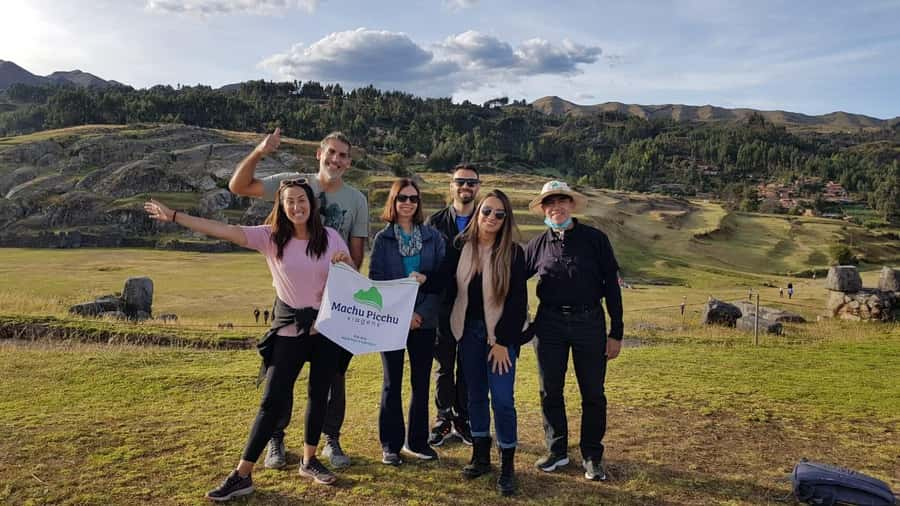
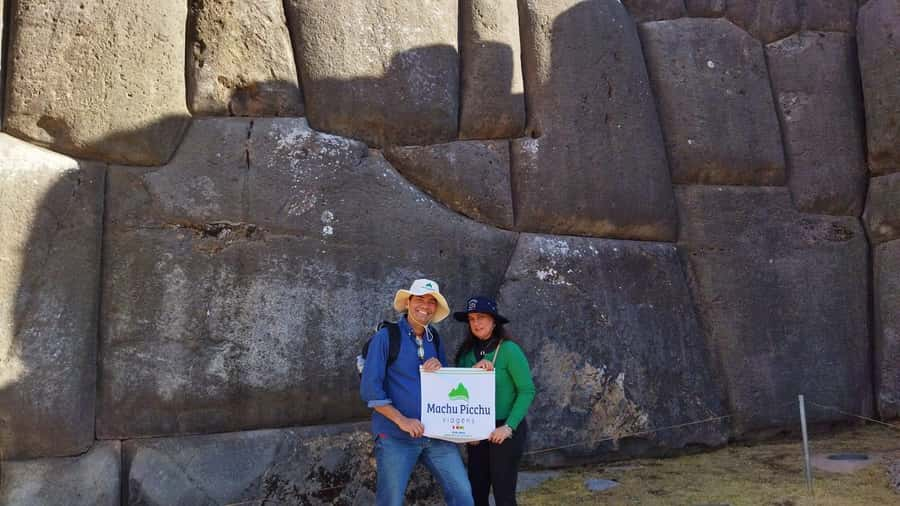
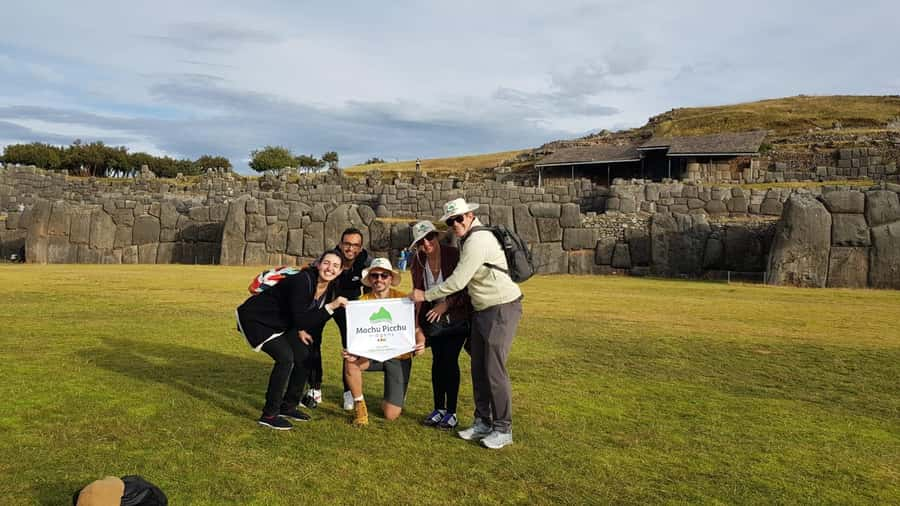
Then you head to Sacsayhuaman, described as a monumental ceremonial fortress. This is the Inca engineering moment, the one that makes you stop talking and just look.
The tour frames Sacsayhuaman as an Incan architectural genius that has endured through time. That endurance is the real point. When you see massive stones and the overall defensive, ceremonial layout, you start to understand why Cusco became such a central place in Inca life.
If you like photography, you’ll probably want extra time in your mind here, even if the tour pace stays efficient. The guide will help you connect what you see with the site’s role, rather than treating it like a random pile of old blocks.
One consideration: because the tour is only 4 hours, the day moves briskly. If you want to linger deeply at every platform and angle, keep expectations realistic and use the guide’s explanation time to get the meaning quickly.
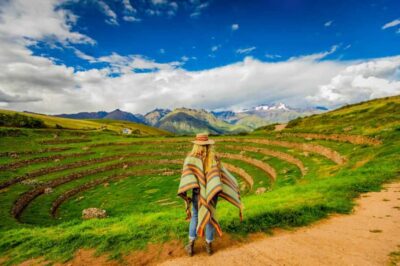
Qenqo’s Gloomy Ceremonial Center, Where Rituals Took Place
Qenqo is where the mood changes. The tour describes it as a gloomy ceremonial center tied to rituals and sacrifices. That description matters because it changes how you look at the place.
Instead of only scanning for structures, I recommend listening for why the site was used. When your guide connects the setting and the layout to ceremonial purpose, Qenqo starts to feel like a place with intent, not just a stop on a route.
This is also a strong “Inca religion and everyday geography” moment. Cusco’s sacred places are often tied to how people read the land, and Qenqo is one of the clearer examples in this itinerary.
If you’re sensitive to the phrase gloomy, go anyway. The tone helps set expectations, and it can make the explanation feel more dramatic in a good way.
Puca Pucara Viewpoint, Seeing Cusco From Above
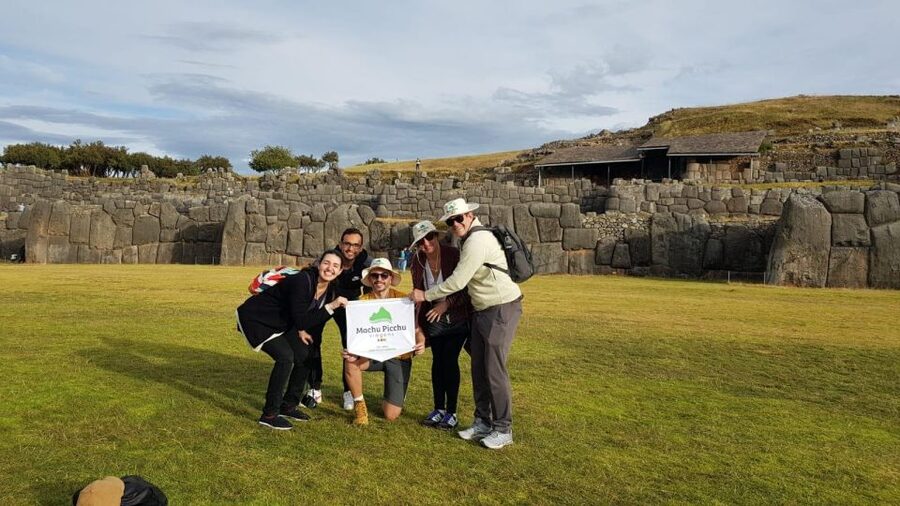
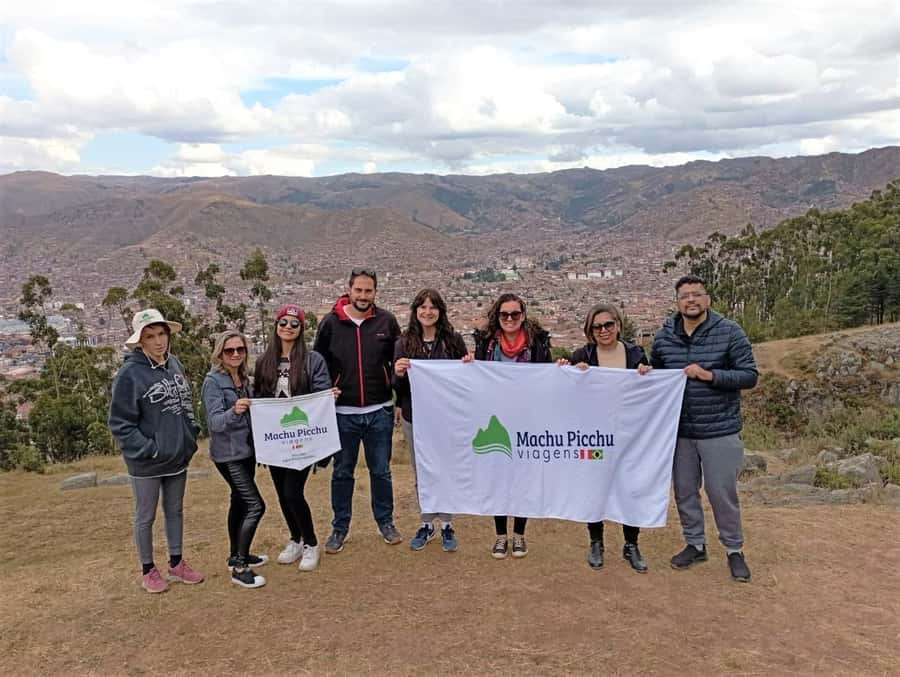
After the ceremonial sites, the tour adds a change of pace with a mountain viewpoint at Puca Pucara. The goal is simple: go up and see Cusco from above.
This kind of viewpoint stop is more than scenery. It helps you understand how the city fits into the surrounding terrain and why certain sites and routes made sense for Inca-era movement and planning. Even in a short tour, a view can tighten your mental map fast.
The guide’s job here is likely to connect what you see in the distance with the route you just walked through below. That makes Puca Pucara a useful bridge between history and geography.
Tambomachay’s Water Engineering, Still Working Fountains
One of the most memorable parts for me on this kind of tour is when you hit a stop that still has function. Here that’s Tambomachay, highlighted as having the oldest functioning water fountains.
Tambomachay is presented as Inca hydraulic engineering, including still functional irrigation channels and a trio of water fountains. This is the part that makes the Inca story feel practical. It is not only ceremonial. It is also engineering built to work and serve people.
What makes this stop especially valuable is the contrast. Earlier you saw sacred architecture. Here you see systems that manage water, which is often the difference between “cool ruins” and “I understand why it mattered.”
If you care about sustainability and human problem solving, Tambomachay tends to land well. You leave with a different kind of respect for Inca competence.
Price and Value, What $20 Really Covers
At $20 per person for about 4 hours, the price feels fair because several big costs are wrapped in: a certified tour guide, transportation to and from most Cusco hotels, an air conditioned vehicle, and a complimentary water bottle.
The two things you should note are that admission tickets are not included and meals and drinks are not included. That means your final spend could be a bit higher depending on entry fees at each site and what you choose to buy for food.
Still, as a value play, this tour is strong for visitors with limited time. You get multiple major sites in one guided loop, and you do not need to coordinate independent tickets, vehicles, or a route through multiple areas on your own.
Language and Pickup Details, A Real World Consideration
This is the part where you should be a little picky, because it affects your enjoyment. The tour offers guides in Portuguese, Spanish, or English, and the company uses one bus per language. That should help you stay in the right group and keep the explanations aligned with what you requested.
However, one reported issue involved Portuguese not matching what was delivered, which left a child unable to understand the material. The same booking also mentioned the pickup location was confusing, and the group had to chase details so they did not miss the tour.
My advice is simple: confirm the pickup instructions clearly before you go, especially if you need Portuguese. Also make sure the driver or guide can confirm the language group you are joining. When language and meeting point are right, the guide’s work becomes a big part of the value.
And credit where it’s due: in that same instance, the guide, Fernando, was described as helpful and polite. Good attitude helps, but comprehension matters most when the stops are this narrative heavy.
Who This Cusco City Tour Is Best For
This tour fits best if you want a guided overview that mixes the major Cusco landmarks into one half day. It is ideal for first time visitors who want both Inca and colonial perspectives without doing a complicated day plan.
It also suits people who like variety in a single session: major temple architecture at Qorikancha, baroque church context at the Cathedral, megalith scale at Sacsayhuaman, a darker ceremonial mood at Qenqo, a view at Puca Pucara, and living water engineering at Tambomachay.
If you are the type who hates tight time windows or you want a slow pace to study details, you might find the schedule moves quickly. But if you want to cover key sites efficiently and use a guide to make sense of them, this route is well matched.
Should You Book This Cusco City Tour?
I’d book it if your goal is a strong Cusco sampler: sacred Inca spaces, colonial overlays, a fortress-scale stop, a viewpoint, and working water engineering, all in 4 hours with included transport and a certified guide. At $20, it is hard to beat for a guided architecture and culture route when you factor in hotel pickup and an air conditioned vehicle.
I would think twice if your language requirement is strict or if your schedule makes you very sensitive to pickup mistakes. Because one past booking reported a Portuguese mismatch and unclear pickup info, you’ll feel safer if you confirm the meeting point and the language group ahead of time.
If you get those two basics right, you end up with a smart use of limited time in Cusco, and you’ll leave with a clearer sense of how the same city can tell different stories through stone.
FAQ
How long is the Cusco city tour?
The tour lasts 4 hours.
How much does the tour cost?
It costs $20 per person.
What are the main stops on the tour?
You visit Qorikancha, the Cathedral of Cusco, Sacsayhuaman, Qenqo, Puca Pucara, and Tambomachay, plus exploration in Cusco’s historic center.
What languages are available for the guide?
The guide is available in Portuguese, Spanish, or English.
Is hotel transportation included?
Yes. Roundtrip transportation to most Cusco hotels is included, plus an air conditioned vehicle.
Are admission tickets included?
No. Admission tickets are not included.
Are meals included?
No. Meals and drinks are not included.
Is gratuity required?
Gratuity is optional.
Is the tour wheelchair accessible?
Yes, it is wheelchair accessible.
Where do you get dropped off at the end?
You are dropped off at your accommodation, or you can choose Plaza de Armas.
More City Tours in Cusco
- Cusco: Half-Day City Tour with Sacsayhuaman and Q’enco
★ 4.6 · 1,129 reviews - City Tour Cusco Qoricancha Sacsayhuaman y Tambomachay
★ 4.7 · 617 reviews - Cusco: Sightseeing Tour of the City on an Open-Top Bus
★ 4.0 · 481 reviews - Open Bus Cusco City Tour
★ 4.5 · 219 reviews - Cusco: City Tour | Half-Day Tour to 4 Archaeological Sites
★ 4.6 · 206 reviews
More Tours in Cusco
- Cusco: Humantay Lake Tour with Breakfast and Buffet Lunch
★ 4.9 · 2,976 reviews - From Cusco: Moray, Maras Salt Mines & Chinchero Weavers Tour
★ 4.8 · 1,925 reviews - From Cusco: Full-Day Group Tour of Machu Picchu
★ 4.7 · 1,767 reviews - Cusco: Half-Day City Tour with Sacsayhuaman and Q’enco
★ 4.6 · 1,129 reviews - Machu Picchu: Full-Day Tour from Cusco with Optional Lunch
★ 4.6 · 927 reviews
More Tour Reviews in Cusco
- Cusco: Humantay Lake Tour with Breakfast and Buffet Lunch
★ 4.9 · 2,976 reviews - From Cusco: Moray, Maras Salt Mines & Chinchero Weavers Tour
★ 4.8 · 1,925 reviews - From Cusco: Full-Day Group Tour of Machu Picchu
★ 4.7 · 1,767 reviews - Machu Picchu Day Trip from Cusco
★ 4.5 · 1,644 reviews - Cusco: Half-Day City Tour with Sacsayhuaman and Q’enco
★ 4.6 · 1,129 reviews
Freshly reviewed across Cusco
- Excursion Cusco – Puno – Titicaca Observatory Train★ 5.0 · 3 reviews
- Sacred Valley Vip Cusco★ 4.7 · 3 reviews
- Cusco | Humantay Lake 1-Day Tour with Breakfast and Lunch★ 5.0 · 3 reviews
- Full-Day Condor Viewpoint & Inca Sites Tour★ 5.0 · 3 reviews
- Best of Cusco: Private Walking Tour with a Local★ 3.6 · 3 reviews
- From Cusco: Full-Day Private Sacred Valley Tour★ 5.0 · 3 reviews
City Tours side by side.
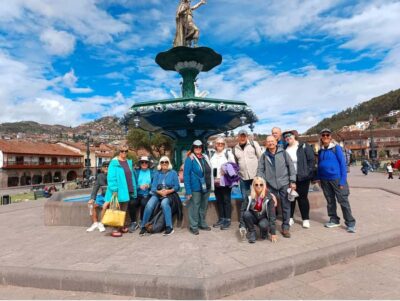 ★ 4.6Cusco: Half-Day City Tour with Sacsayhuaman and Q’encoFrom $131,129 reviews
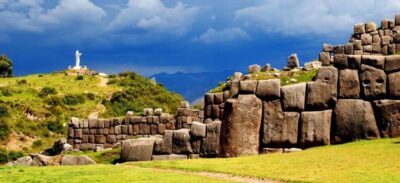 ★ 4.7City Tour Cusco Qoricancha Sacsayhuaman y TambomachayFrom $13617 reviews
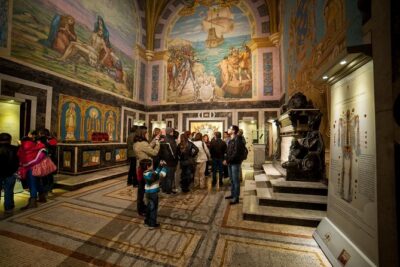 ★ 4.5Lima’s Vibrant Heritage: Exploring the City’s Landmarks Half-dayFrom $39581 reviews
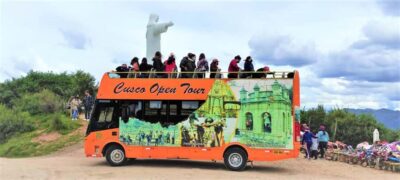 ★ 4.0Cusco: Sightseeing Tour of the City on an Open-Top BusFrom $12481 reviews
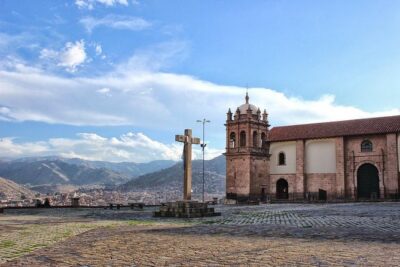 ★ 4.5Open Bus Cusco City TourFrom $14219 reviews
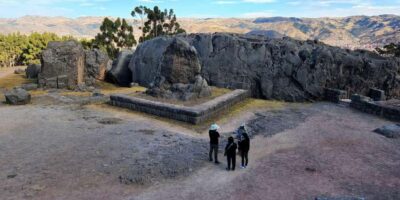 ★ 4.6Cusco: City Tour | Half-Day Tour to 4 Archaeological SitesFrom $29206 reviews
 ★ 5.0City Tour in Cusco & visit Museum South American Camelid Private.From $49147 reviews
 ★ 4.5Cusco City Sightseeing, San Pedro Market, Cathedral and Qorikancha TempleFrom $59139 reviews
Also on these Peru lists