
REVIEW · CITY
Cusco Half Day City Tour: Four Ruins
Cusco in the morning can feel like a mystery. This four-ruins loop gives you Inca architecture plus guide-led context fast, before the day gets hot and crowded. You’ll bounce between Sacsayhuaman, Q’enqo, Puka Pukara, and Tambomachay, with just enough time at each stop to feel the place and learn why it mattered.
Two things I really like: the tour runs as a small group (max 15), so the ruins feel more human and less jammed, and the bilingual guide format (English and Spanish) helps you actually understand what you’re looking at. In past groups, guides such as Edith and Freddy showed up with clear explanations and pacing that worked at altitude.
One possible drawback: it’s a packed schedule, and the day can run shorter than the stated 6 hours, plus you’ll need to plan for entrance fees that are not included.
In This Review
- Why this Four Ruins tour is such an easy Cusco win
- What you will love (and why it matters)
- A tightly packed Cusco loop, with real breathing room at each stop
- Sacsayhuaman: the zigzag wall, giant stones, and mountain views over Cusco
- Q’enqo: a labyrinth-shaped temple carved from a single rock
- Puka Pukara: the red fort with aqueducts, baths, and a possibly hidden road
- Tambomachay: El Baño del Inca and the spring-fed terraces
- Price and logistics: what $45 buys you, plus the fees to budget
- Pacing, group size, and how to keep this tour from feeling rushed
- Guides make or break your understanding of the stones
- Is it worth it? Who should book this tour and who might not
- Should you book the Cusco Half Day City Tour, Four Ruins?
- FAQ
- How long is the Cusco Half Day City Tour, Four Ruins?
- What ruins are visited on this tour?
- Is this a small-group tour?
- What time does the tour start, and where does it meet?
- What’s included in the price?
- Are entrance fees included?
- Do guides speak English?
- Is the tour considered suitable for most travelers?
- What is the cancellation policy?
Why this Four Ruins tour is such an easy Cusco win
Cusco’s best ruins are not all in one place. This tour solves that problem by stitching together four different site styles in one efficient circuit, with transport included and guided time at each stop.
Nearby in Cusco, these earned their own write-ups
- Cusco: Half-Day City Tour with Sacsayhuaman and Q’enco
★ 4.6 · 1,129 reviews - City Tour Cusco Qoricancha Sacsayhuaman y Tambomachay
★ 4.7 · 617 reviews - Open Bus Cusco City Tour
★ 4.5 · 219 reviews - Cusco: City Tour | Half-Day Tour to 4 Archaeological Sites
★ 4.6 · 206 reviews
What you will love (and why it matters)
- Small-group size (max 15) keeps the vibe calm at each overlook and terrace.
- Bilingual guidance (English and Spanish) makes the stonework, names, and theories actually click.
- Sacsayhuaman’s megalith wall and Cusco views give you instant scale, not just photos.
- Q’enqo’s carved monolith temple and mysterious canal turns a short visit into a real puzzle.
- Tambomachay’s spring-fed terraces add a quieter, water-and-stone finish to a busy day.
A tightly packed Cusco loop, with real breathing room at each stop
This is sold as an “half day” outing, about 6 hours approximately, starting at 10:00 am and ending back at the meeting point. The itinerary has a strong rhythm: around an hour at each main ruin, then a shorter stop at Tambomachay. You’re not meant to wander for hours. You’re meant to look, learn, and move.
Transport is included, which matters in Cusco because roads can be steep, and travel time eats up daylight. The van is also a practical trade-off. One reviewer noted the seats were full, so you may want to be ready for a tight ride, then enjoy the fact that walking is only for the archaeological time.
The big value here is the combination of guided context and structured timing. You’ll spend enough time at each site to understand what it is, while still keeping the day realistic. If you have limited time in Cusco, this kind of tour beats trying to stitch together a similar route by yourself.
Sacsayhuaman: the zigzag wall, giant stones, and mountain views over Cusco
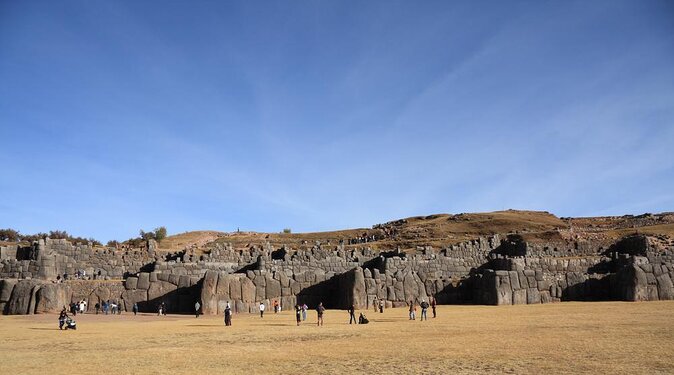
Sacsayhuaman is the first stop for a reason. It’s the visual payoff site, even before your brain understands the details. It’s also the one most people recognize from Cusco photos, but this tour gives you the story behind the stones.
Here’s what makes it special:
- The name comes from Quechua meaning place where the hawk is satiated, and the site’s layout is tied to both military-style architecture and ceremonial theory.
- You’ll see the famous zigzag main wall built with massive stones. The stones are described as up to 5 meters high and 2.5 meters wide, weighing between 90 and 125 tons each.
- There’s also a long polished wall on the south side, about 400 meters, plus other walls and platforms that shape the terraces.
- The site is famous for views. On a clear day, you can see the summits of Ausangate, Pachatusán, and Cinca, all considered sacred in Inca belief.
One practical tip: plan on some stairs and uneven ground. One review specifically warned that altitude can make it feel like more work than it looks. If you’re early in your acclimatization, take it slow, pause when needed, and don’t treat this as a cardio workout.
If you like “how did they build this” moments, Sacsayhuaman delivers. The scale is the point, but the guide’s explanation helps you see it as a planned complex: residential buildings, towers, shrines, warehouses, roads, and aqueducts, all part of a sacred system rather than random ruins.
Q’enqo: a labyrinth-shaped temple carved from a single rock
Next comes Q’enqo, about 15 minutes from Cusco. This site is smaller, but it feels stranger in the best way, because so much is still unknown.
Your guide should help you connect these dots:
- In Quechua, Q’enqo means labyrinth or zig-zag, and the name fits the temple’s crooked canal cut into the rock.
- The canal is the big mystery. Researchers know it carried a liquid, but no one can say for sure which one. Common theories include holy water, chicha (corn beer), or blood.
- Those ideas feed into theories about death rituals. Possibilities include embalmment, or checking whether a person lived a good life based on how the liquid flowed.
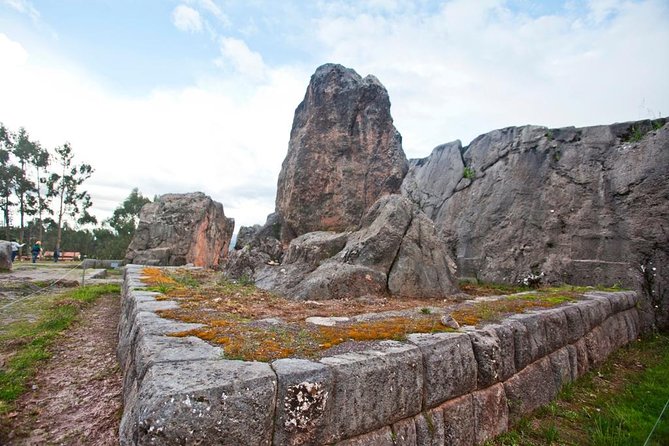
- Architecturally, Q’enqo is carved out of a gigantic monolith. Man-made tunnels meet natural chambers on the hillside.
- There is also an amphitheater-like chamber with 19 small niches, and the function is lost to time. Many agree it was connected to sacrifice to the sun, moon, and star gods.
This stop is where a good guide earns their keep. Without guidance, you can stand in front of the rock and feel like you’re missing half the picture. With the explanation, the site becomes a story about ritual, uncertainty, and what the Incas chose to build into stone.
Practical note: it’s still outdoors and it’s still at altitude. Bring layers. Cusco can feel cool in the morning and then change fast.
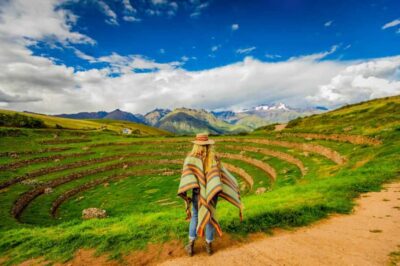
Puka Pukara: the red fort with aqueducts, baths, and a possibly hidden road
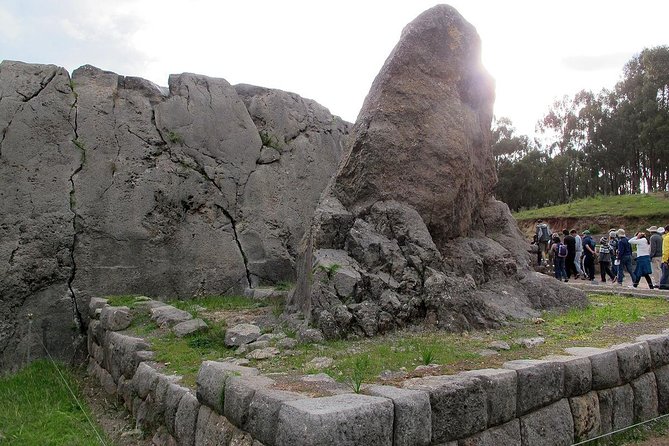
Puka Pukara is the third stop, and it brings a different flavor from the first two. The name means red fort, connected to the earth color and the location, with the “fort” idea tied to semi-circular enclosure and the site’s ancient layout.
What you can look for here:
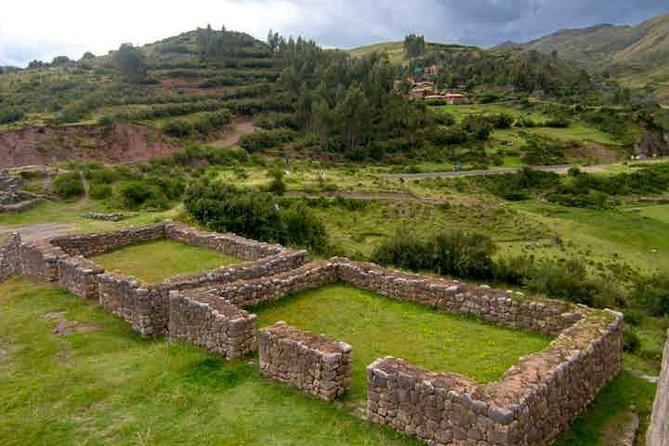
- Enclosures, including inner squares, canals, aqueducts, and baths.
- A well-known ancient road that connects to the broader Inca road network known as Qhapaq Ñan.
- Uneven rock surfaces and irregular stone sizes, which gives this site a more rugged feel than some smoother complexes.
- A multi-level plan organized by three walls. The first wall has a sinuous path that avoids cutting through protruding rocks, which is a clever sign of planning around the terrain.
- A set of rooms arranged irregularly, plus a trapezoidal high place you can access with an outside staircase.
You’ll also hear the “why was it here” story. Some chroniclers suggest Puka Pucara acted like a barracks and tambo (hostel) for an entourage, potentially tied to visits to the baths at Tambomachay. There are even rumors about a chincana, a tunnel thought to connect places, like a communication link between towns.
Is it guaranteed? No. But that’s exactly why this stop works. It shows how archaeology often gives you partial answers, then asks you to think like a detective with better scenery.
Tambomachay: El Baño del Inca and the spring-fed terraces
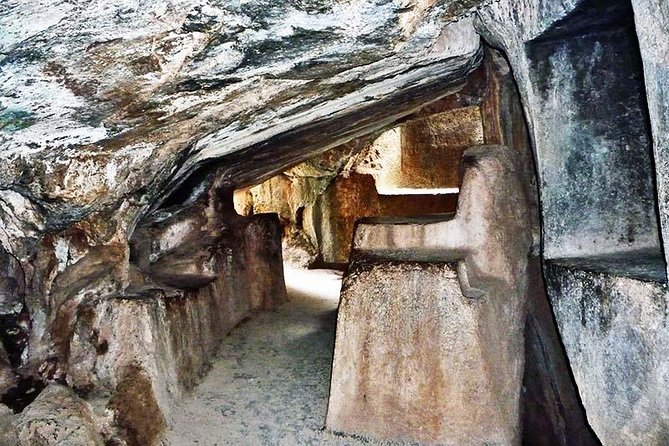
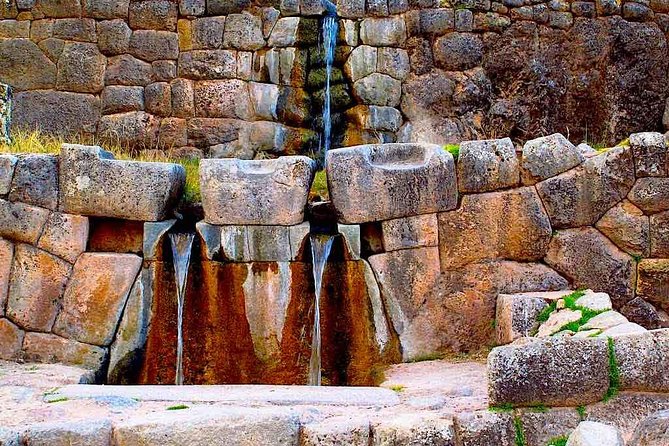
Tambomachay is the final stop, about 4 miles north of Cusco, and high, around 12,150 feet (3,700 meters). This is the “slow down” moment of the day.
The site is known as El Baño del Inca, the Bath of the Inca, and the water is the headline:
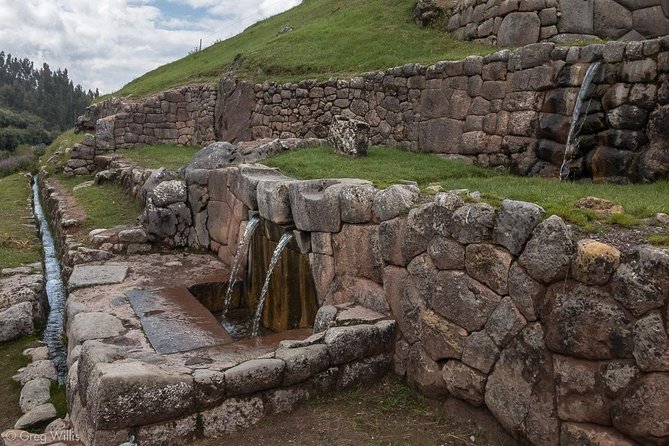
- It sits over or into a natural spring.
- That spring feeds aqueducts, canals, and waterfalls built into the terraces.
- The complex has three stepped terraces made of precise Inca stonework.
- Some retaining walls include trapezoidal niches.
As for function, it’s not locked in. The explanations you’ll hear tend to include ceremonial use, an Inca spa, or even a military outpost, with the practical water feature supporting multiple theories. Even if you don’t know the exact purpose, you’ll understand why people linked it to bathing. Water constantly moving through stone channels changes the mood of the space.
This stop is also a good altitude reality check. If you need to rest, this is a natural place to do it because you’re not trying to sprint through a maze. You can take in the sound and feel, which helps you end the day on a calmer note.
Price and logistics: what $45 buys you, plus the fees to budget
The tour price is $45.00 per person, with transport and a bilingual guide included. For Cusco, that’s a fair deal if you want a guided mix of sites without hiring private transport and doing route planning.
But you must budget for entrances. Entrance fees are not included, listed as:
- PEN 20.00 per person for Qorikancha
- PEN 70.00 per person for the sites
Here’s the smart way to handle it: confirm what specific entrances you’ll be paying on your departure day. The tour focuses on four ruins, but the fee list includes Qorikancha. That doesn’t automatically mean you’ll visit it, but it does mean you should ask what applies to your exact itinerary so you don’t get surprised when you arrive.
Also plan time for stairs and uneven ground. The walking is not described as extreme, but one review noted the altitude can still hit hard if you’re not acclimatized. If you’re traveling with kids or anyone who gets winded easily, tell the guide early. In at least one instance, guides did not pressure people to move faster up stairs.
Pacing, group size, and how to keep this tour from feeling rushed
With only a limited time at each stop, pacing is everything. This tour uses a tight sequence: roughly an hour at Sacsayhuaman, Q’enqo, and Puka Pukara, then about 45 minutes at Tambomachay, plus transit time.
That said, one review noted their tour ran around 4 hours rather than the stated 6 hours, and another mentioned a pickup delay. I’d treat the 6-hour figure as an estimate, not a promise. The practical takeaway is simple: keep your schedule flexible afterward. Don’t plan a long hike or a big dinner booking that assumes you’ll be done exactly on time.
Group size helps. Maximum 15 people usually means you can hear the guide and get your questions answered without constantly turning your head to avoid the back of someone’s backpack. Still, you may want to position yourself where you have a clear view of the guide before explanations start, especially if you want to follow along during stonework details.
If you’re sensitive to altitude, this is not a “power through it” day. Take breaks. Slow down on the way up. Cusco rewards patience.
Guides make or break your understanding of the stones
This is one of those tours where the guide is the difference between seeing ruins and actually learning how the site was meant to function.
The reviews highlight clear bilingual communication. Guides such as Edith and Freddy were specifically praised for knowing the history and explaining it in a way that worked in English and Spanish. That matters because many Inca features are hard to interpret on your own, especially when the site function is uncertain.
You’ll hear theories at places like Q’enqo and Tambomachay. Some details are educated guesses because the original context didn’t survive. A strong guide helps you understand what is known, what is hypothesized, and why the questions exist.
Also look for a guide who respects comfort levels. One review noted the guide did not push people to walk faster or take stairs if they were not comfortable. That kind of pacing is how you keep the tour enjoyable instead of stressful.
Is it worth it? Who should book this tour and who might not
This tour is best for:
- First-time Cusco visitors who want a high-value Inca overview without spending the whole day
- People who like guided storytelling and want the site names, meanings, and theories explained
- Travelers who prefer small groups over big bus crowds
It may not be ideal if:
- You want lots of free time for photography and slow wandering. This route is structured, and you may feel you want more minutes at each ruin.
- You need a fully flexible schedule. The day can run shorter than advertised, and pickup timing may vary.
One more factor: if you hate stairs and high-altitude walking, you can still do it, but go in with eyes open. Some uphill effort is part of visiting these complexes.
Should you book the Cusco Half Day City Tour, Four Ruins?
Yes, I’d book it if you want an efficient, guided sampler that hits the Cusco area’s most meaningful Inca sites. The biggest win is the small-group format paired with a guide who explains what you’re seeing, not just where it is. Sacsayhuaman gives you the scale, Q’enqo gives you the mystery, Puka Pukara gives you the network idea, and Tambomachay gives you the watery, calmer finish.
Before you go, do two things:
- Confirm entrance fees that apply to your day, especially anything beyond the four ruins.
- Bring a practical altitude mindset. Go slow, pause often, and treat this as a learning walk, not a race.
If you want a half-day plan that makes Cusco feel connected instead of scattered, this one is a solid choice.
FAQ
How long is the Cusco Half Day City Tour, Four Ruins?
The tour duration is about 6 hours approximately.
What ruins are visited on this tour?
You visit Sacsayhuaman, Q’enqo, Puka Pukara, and Tambomachay.
Is this a small-group tour?
Yes. The maximum group size is 15 travelers.
What time does the tour start, and where does it meet?
It starts at 10:00 am at HEIDI TRAVEL EIRLC. Plateros 324, Cusco 08000, Peru.
What’s included in the price?
Transport and a bilingual guide (English and Spanish) are included.
Are entrance fees included?
No. Entrance tickets are not included, with listed fees including PEN 20.00 per person for Qorikancha and PEN 70.00 per person for sites.
Do guides speak English?
Yes. The guide is bilingual and speaks both English and Spanish.
Is the tour considered suitable for most travelers?
The tour notes that most travelers can participate.
What is the cancellation policy?
Free cancellation is available if you cancel at least 24 hours in advance of the start time for a full refund. Changes within 24 hours are not accepted.
More City Tours in Cusco
- Cusco: Half-Day City Tour with Sacsayhuaman and Q’enco
★ 4.6 · 1,129 reviews - City Tour Cusco Qoricancha Sacsayhuaman y Tambomachay
★ 4.7 · 617 reviews - Cusco: Sightseeing Tour of the City on an Open-Top Bus
★ 4.0 · 481 reviews - Open Bus Cusco City Tour
★ 4.5 · 219 reviews - Cusco: City Tour | Half-Day Tour to 4 Archaeological Sites
★ 4.6 · 206 reviews
More Tours in Cusco
- Cusco: Humantay Lake Tour with Breakfast and Buffet Lunch
★ 4.9 · 2,976 reviews - From Cusco: Moray, Maras Salt Mines & Chinchero Weavers Tour
★ 4.8 · 1,925 reviews - From Cusco: Full-Day Group Tour of Machu Picchu
★ 4.7 · 1,767 reviews - Cusco: Half-Day City Tour with Sacsayhuaman and Q’enco
★ 4.6 · 1,129 reviews - Machu Picchu: Full-Day Tour from Cusco with Optional Lunch
★ 4.6 · 927 reviews
More Tour Reviews in Cusco
- Cusco: Humantay Lake Tour with Breakfast and Buffet Lunch
★ 4.9 · 2,976 reviews - From Cusco: Moray, Maras Salt Mines & Chinchero Weavers Tour
★ 4.8 · 1,925 reviews - From Cusco: Full-Day Group Tour of Machu Picchu
★ 4.7 · 1,767 reviews - Machu Picchu Day Trip from Cusco
★ 4.5 · 1,644 reviews - Cusco: Half-Day City Tour with Sacsayhuaman and Q’enco
★ 4.6 · 1,129 reviews
Freshly reviewed across Cusco
- Excursion Cusco – Puno – Titicaca Observatory Train★ 5.0 · 3 reviews
- Sacred Valley Vip Cusco★ 4.7 · 3 reviews
- Cusco | Humantay Lake 1-Day Tour with Breakfast and Lunch★ 5.0 · 3 reviews
- Full-Day Condor Viewpoint & Inca Sites Tour★ 5.0 · 3 reviews
- Best of Cusco: Private Walking Tour with a Local★ 3.6 · 3 reviews
- From Cusco: Full-Day Private Sacred Valley Tour★ 5.0 · 3 reviews
City Tours side by side.
 ★ 4.6Cusco: Half-Day City Tour with Sacsayhuaman and Q’encoFrom $131,129 reviews
 ★ 4.7City Tour Cusco Qoricancha Sacsayhuaman y TambomachayFrom $13617 reviews
 ★ 4.5Lima’s Vibrant Heritage: Exploring the City’s Landmarks Half-dayFrom $39581 reviews
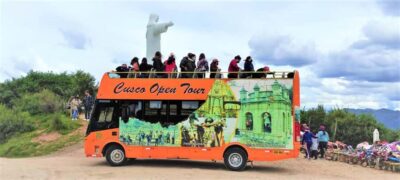 ★ 4.0Cusco: Sightseeing Tour of the City on an Open-Top BusFrom $12481 reviews
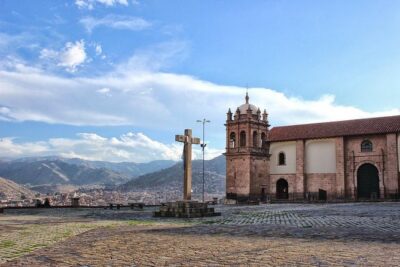 ★ 4.5Open Bus Cusco City TourFrom $14219 reviews
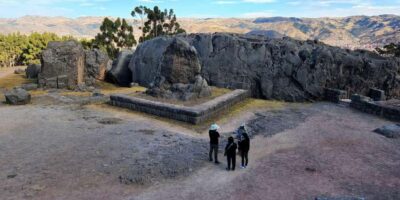 ★ 4.6Cusco: City Tour | Half-Day Tour to 4 Archaeological SitesFrom $29206 reviews
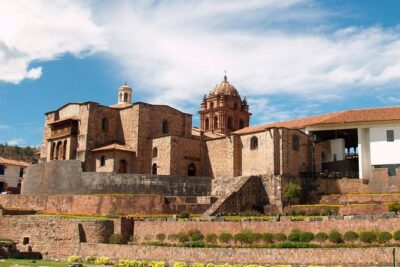 ★ 5.0City Tour in Cusco & visit Museum South American Camelid Private.From $49147 reviews
 ★ 4.5Cusco City Sightseeing, San Pedro Market, Cathedral and Qorikancha TempleFrom $59139 reviews
Also on these Peru lists