
REVIEW · MACHU PICCHU
From Cusco: 5-Night Trip with Salkantay Trek & Machu Picchu
Five days, three kinds of beds, one big summit.
This Salkantay-to-Machu Picchu trip is a serious trek with a fun twist, including a night in glass cabins after your afternoon transfer, then Salkantay hiking that climbs into glaciated mountain country before you finish at Machu Picchu. I like how the sleeping setup makes the days feel less punishing, even when the trail gets steep.
My favorite part is the mix of comfort and culture: you spend a night in a hobbit house with an outdoor jacuzzi, and the trek is led by expert local indigenous guides who help you read the Andes as you walk. The meals from the included chefs also matter here, because you burn a lot of energy and you want food that actually helps.
One consideration: this route is not gentle, and it is not suitable for people with back problems, heart problems, pregnancy, or other pre-existing medical conditions. Also, key gear like a day pack, headlamp, trekking poles, and a sleeping bag is not included, so you need to show up prepared.
In This Review
- Key things I’d plan around
- Why This Salkantay Trek Feels Different Than a Typical Tour
- Price and Value: What $650 Actually Buys You
- Getting From Cusco: Pickup, the 3 pm Transfer, and Altitude Sense
- Day 1: Humantay Lagoon, the Salkantay Pass, and the Soraypampa Setup
- Day 2: Wayracmachay to Chaullay, then Ccollpapampa and a Hobbit House Night
- Day 3: Sahuayaku, Lucmabamba Coffee, and Camping Near Machu Picchu
- Day 4: Llactapata Lookout, Mandor Waterfalls, and Aguas Calientes
- Day 5: Machu Picchu Day, the Bus Ride, and the Included Train Back
- Lodging Details You Will Feel in Your Legs
- Physical Reality Check: Who Should Choose This Trek
- What to Pack: The Gear That Keeps the Trip Comfortable
- Safety and Group Rhythm: How the Trip Runs Day to Day
- Photography and Comfort Tips for Humantay Lagoon and Beyond
- Should You Book This Salkantay Trek to Machu Picchu?
- FAQ
- How long is the trip?
- Where does the trek start, and is pickup included?
- What lodging types are included?
- What meals are included?
- Is Machu Picchu entry included?
- Is Huayna Picchu included?
- Who is this trip not suitable for?
Key things I’d plan around
- Small group (max 16), so you spend less time stuck behind a crowd and more time on the trail
- Four lodging styles across 5 days: glass cabin, hobbit house, camping, and a hotel
- Humantay Lagoon photo window built into Day 1, with a clear route through dramatic scenery
- Porter support up to 7 kg per person, plus chefs and professional porters for smoother days
- Train and bus included for getting to and from Machu Picchu, reducing the last-day stress
- Oxygen tank and first aid kit for altitude safety support
Why This Salkantay Trek Feels Different Than a Typical Tour
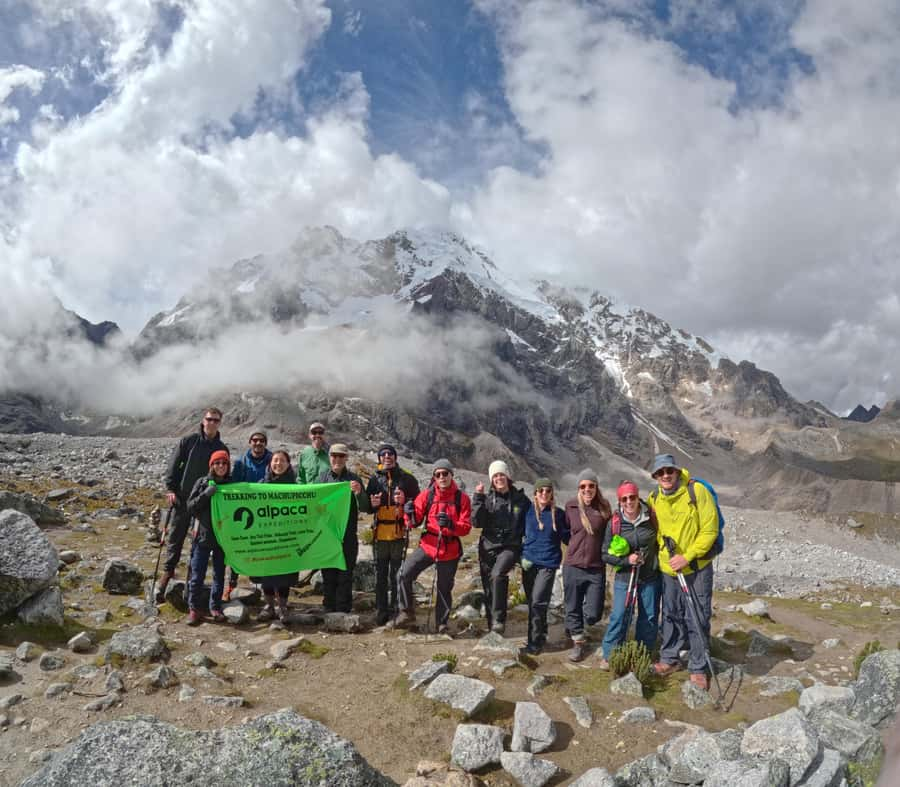
The Salkantay Trek already has a reputation, but what makes this version feel practical is the way it supports your body and your time. You are walking through glaciated Salkantay scenery, then crossing multiple ecosystems as you head toward Machu Picchu. That mix is what most people chase, because you see real changes in altitude, weather, and vegetation as you go.
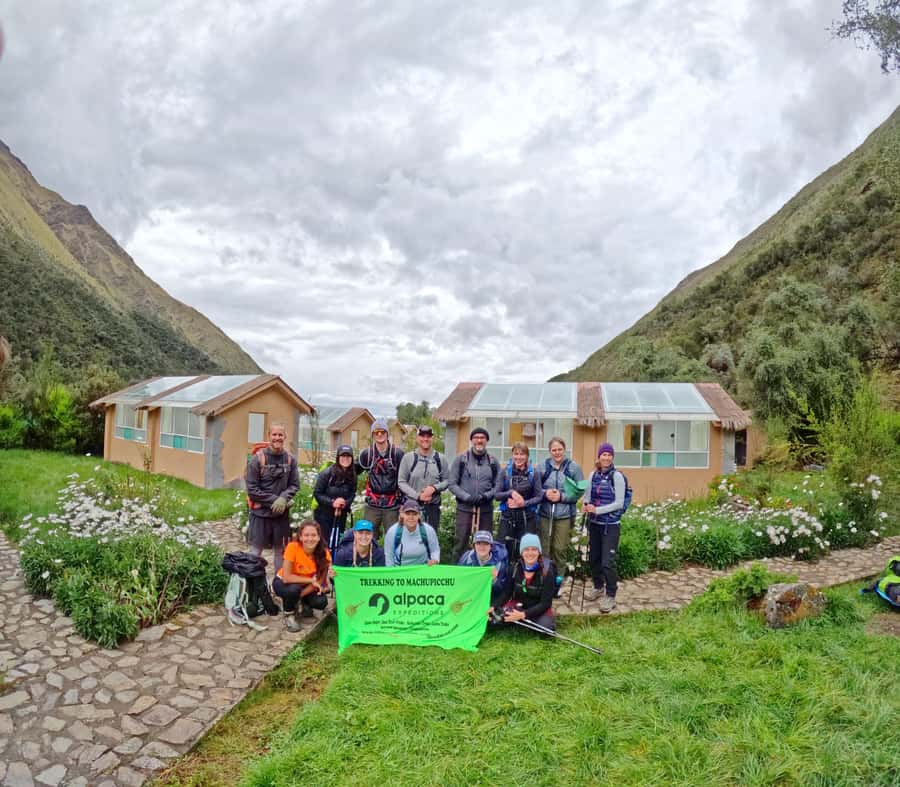
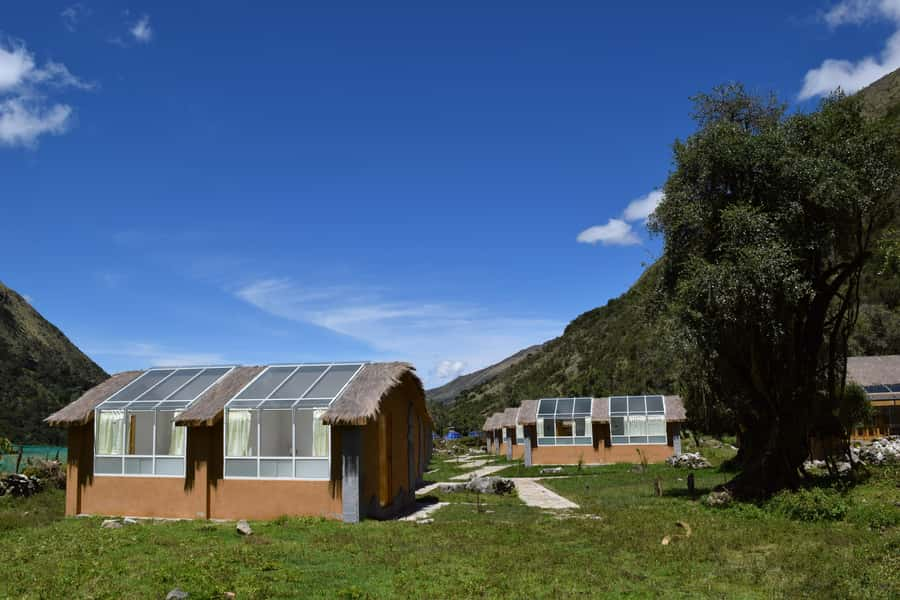
Then you add the lodging rhythm. After a 3 pm transfer from Cusco, you start with a night in glass cabins. It is not just a gimmick, it is a psychological win. When you can look out at the mountains from comfortable shelter, you start day 1 with a calmer mood, not a scramble.
The second big difference is the variety of sleeping setups: camping nights when you are closest to the trail, a hobbit house night that includes outdoor jacuzzis, and a hotel night near the Aguas Calientes area. That variety matters because you do not want your whole trip to feel like hauling your life in one bag.
Price and Value: What $650 Actually Buys You
$650 per person is not a cheap weekend, but it also is not just a guide and a route. This price ties together a lot of expensive headaches you would otherwise manage yourself.
Here is what stands out as value:
- A live English guide
- Meals included (4 lunches, 5 breakfasts, 4 dinners) plus water
- Entry fees
- Transportation, including the bus round trip to Machu Picchu
- A train ticket for the way back (Expedition class)
- Accommodation across the whole route (glass cabin, camping x2, hobbit house, hotel)
- Professional chefs and porters
- Personal porter up to 7 kg per person
- First aid kit and an oxygen tank
When you compare it to arranging the trek pieces separately, you are paying for planning, logistics, and people power. That is especially valuable on a trek like this, where the trail is the easy part on paper. The hard part is coordinating transport, meals, altitude support, and the handoffs between each day’s sections.
Getting From Cusco: Pickup, the 3 pm Transfer, and Altitude Sense
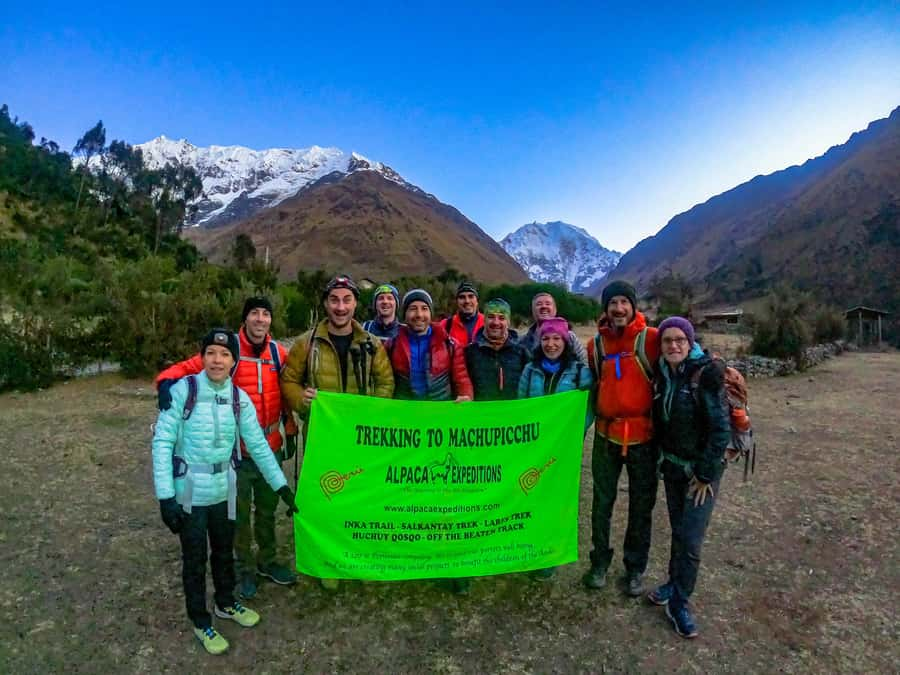
Cusco pickup is included, meaning you do not need to figure out how to meet the group on your own. The guide comes to your hotel, then you head to the Salkantay area, with transfer to the Salkantay Glass Cabañas at 3 pm.
That matters because the first day can otherwise feel rushed. Starting with time built in gives you a chance to settle, get oriented, and sort out what you will actually need for day 1 hiking.
Altitude support is also built in. You get a first aid kit and an oxygen tank. I still treat altitude seriously, but it is reassuring to see this included rather than left to chance.
Day 1: Humantay Lagoon, the Salkantay Pass, and the Soraypampa Setup
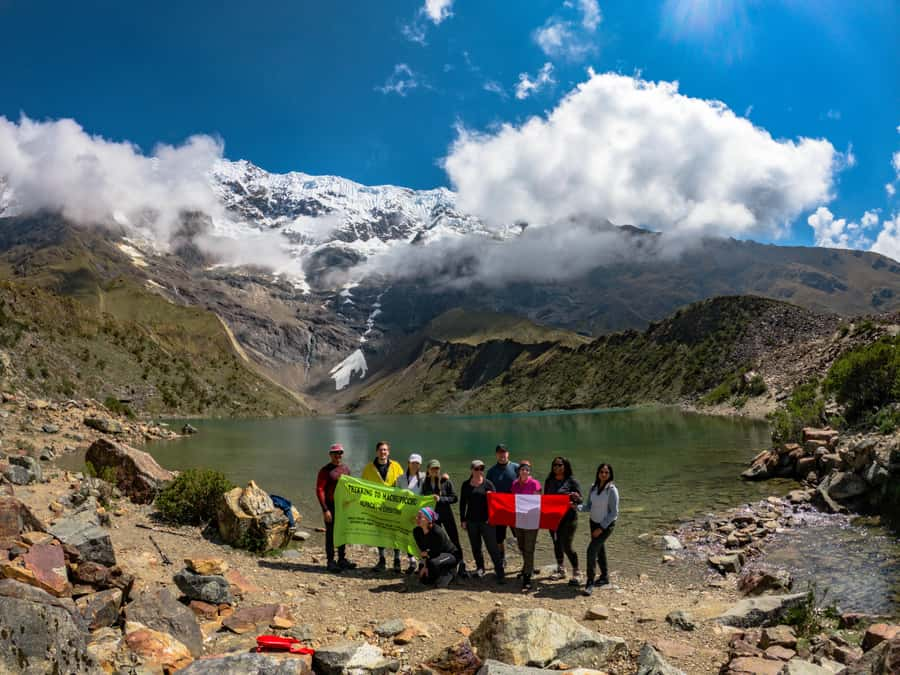
Day 1 is where the trek “shows its teeth,” but it is also where you get the most famous scenery. After your 3 pm arrival at the glass cabins, you wake up and hike starting from the Soraypampa campsite area.
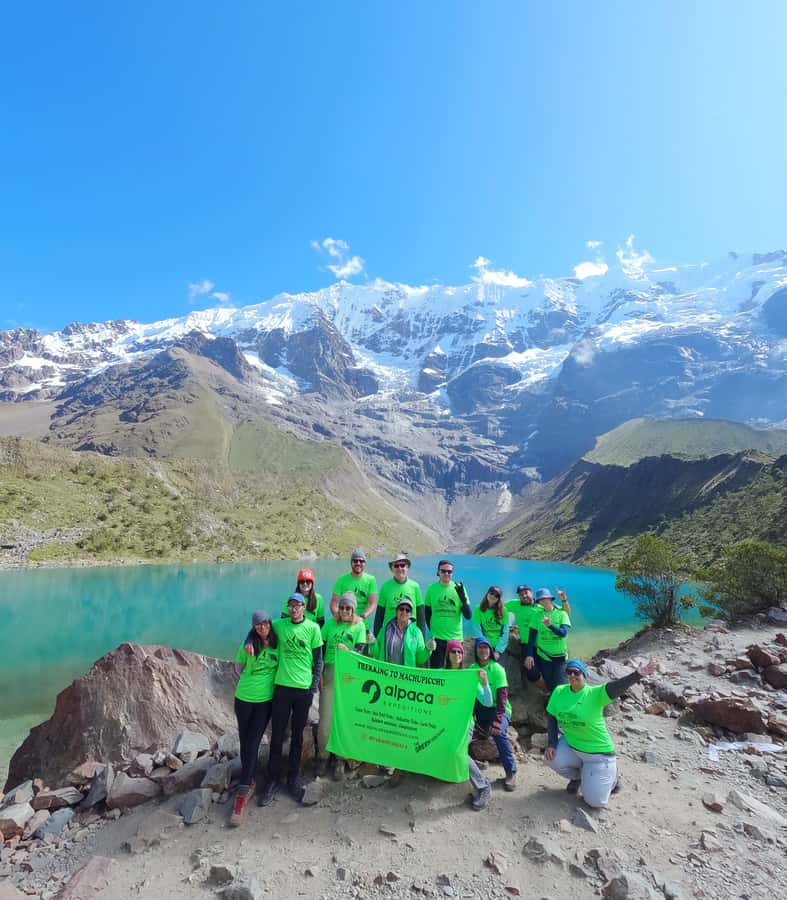
You then head to Humantay Lagoon, a stop that the itinerary explicitly calls out for great photos. If you want the best images, plan to treat it like a short, focused moment rather than a long picnic. You will want to be ready with sunglasses and sun protection, because high elevation sun hits fast.
The route continues over the Salkantay Pass, then toward Wayracpunko. This is the day’s key mental shift: you go from “scenery walking” to “high, windy, steady climbing” territory. Bring your pace down. On days like this, it is better to keep moving at a steady rhythm than to sprint for views and then pay for it later.
Practical reality check: you sleep at a campsite on day 1. That means you want your layers handled early. Pack so you can reach rain gear and thermal clothing without dumping your whole bag.
Day 2: Wayracmachay to Chaullay, then Ccollpapampa and a Hobbit House Night
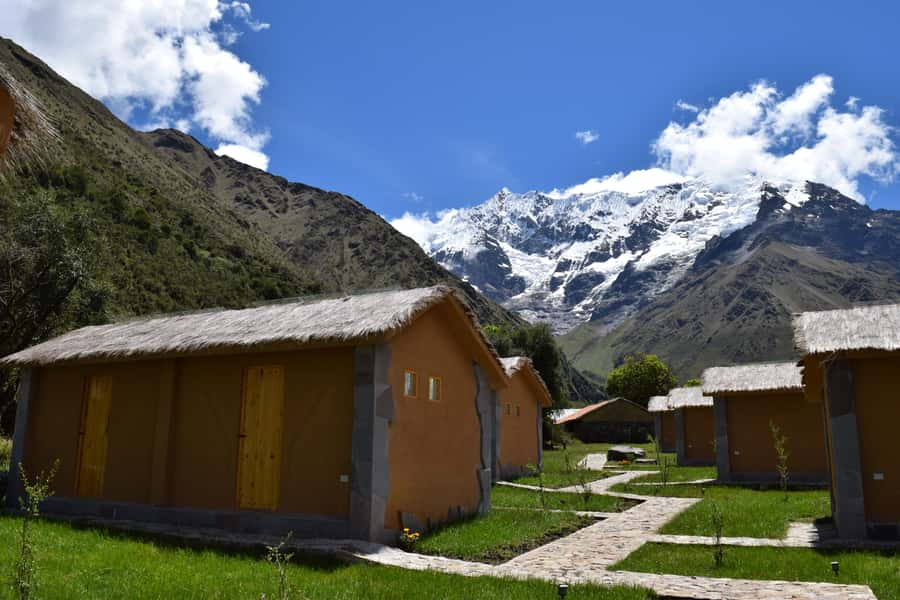
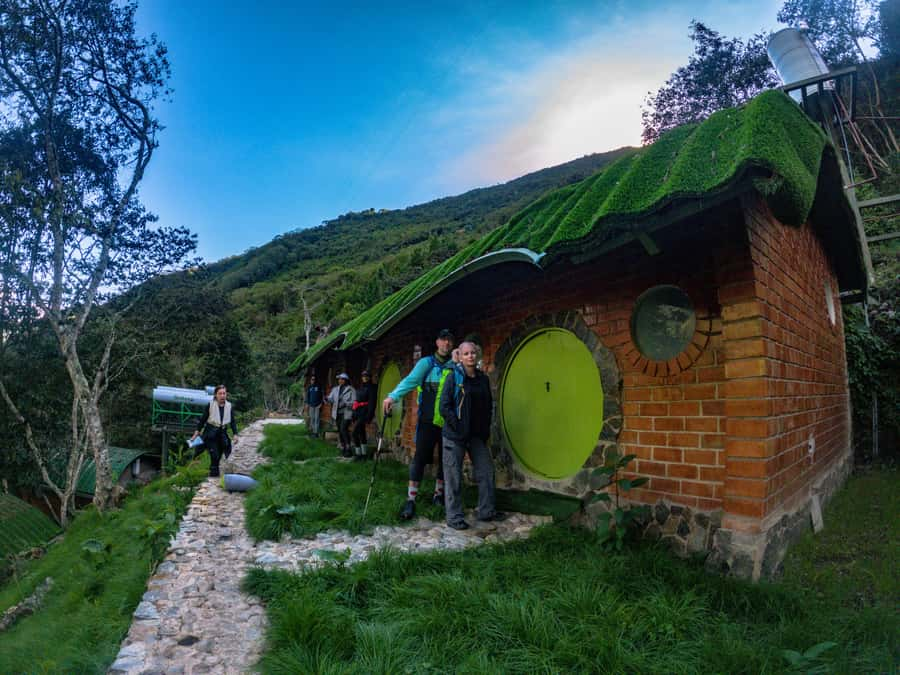
Day 2 keeps the trek moving and adds a highlight that feels like a reward for the effort: you reach the Ccollpapampa Loreta area, where you stay in a hobbit house.
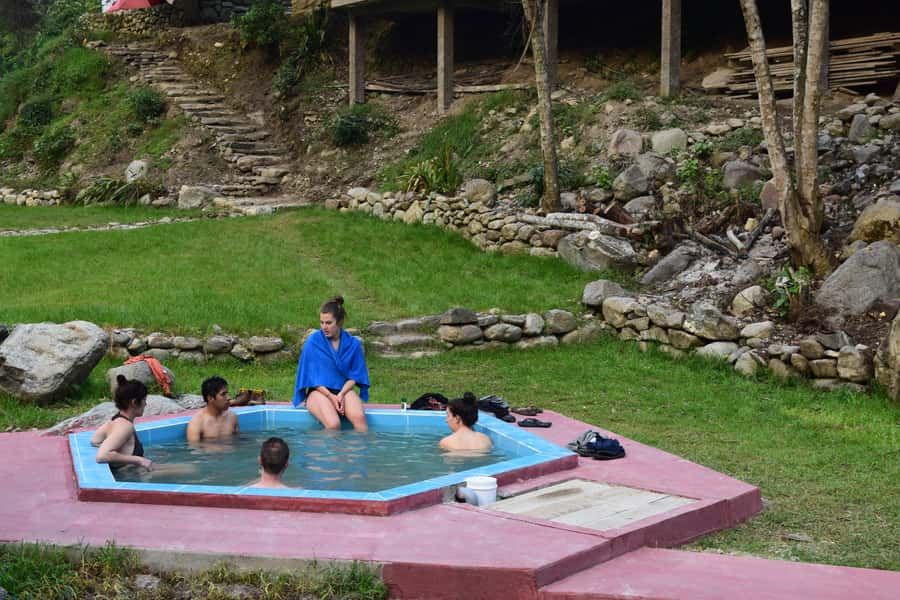
The big selling point here is the outdoor jacuzzi. After a full day of hiking, the idea is simple. Your muscles cool down and loosen up, and you get a comfortable reset for the next push. I like this kind of lodging because it turns rest time into something you actually look forward to.
The hiking sequence is: Wayracmachay, Chaullay, and then the way into Ccollpapampa Loreta. That pattern suggests a day of consistent trail work, not just a single climb-and-coast. Expect changing light and temperature as the day progresses. Keep your sunscreen on your face and neck even when clouds roll in, because the UV can still be strong.
Day 3: Sahuayaku, Lucmabamba Coffee, and Camping Near Machu Picchu
Day 3 is one of the most interesting because it blends trekking with a sense of local life, not only altitude scenery. You start from Loreta and hike past La playa sahuayaku, then head to Lucmabamba coffee farm.
That coffee farm stop is a smart pacing tool. When you are living on calories and moving high, you start craving normal-world experiences. A coffee farm break can feel grounding. It also makes the trek more than a sequence of viewpoints, you get a moment of how people farm and live in these regions.
From there you reach Llactapata, described as a camp in front of Machu Picchu. Sleeping at Llactapata the night before the big day changes your entire Machu Picchu experience. You are close enough to feel the anticipation building, but you are not in the crowded city experience yet.
This is also one of your camping nights. Treat this like a day where comfort prep matters. Keep your warm layer easy to access, because temperatures can shift quickly at altitude and at night.
Day 4: Llactapata Lookout, Mandor Waterfalls, and Aguas Calientes
Day 4 is about moving from the “approach” feeling into Machu Picchu area territory. You start with Llactapata lookout, then the route continues to Mandor waterfalls, and finally you reach Aguas Calientes.
If you are wondering why waterfalls matter on a trek, I get it. But this stop has a real purpose. Waterfall areas often come with cooler microclimates and a different kind of scenery that breaks up the visual repetition. It is also a good time to slow down a bit, take photos without rushing, and hydrate.
Once you reach Aguas Calientes, you stay the night in a hotel. This is a major comfort upgrade after camping. It helps because day 5 is the big one. You want a real bed, a shower if available, and a chance to eat without thinking about gear maintenance.
Day 5: Machu Picchu Day, the Bus Ride, and the Included Train Back
Day 5 centers on Machu Picchu. You get a bus round trip ticket to Machu Picchu, and your return is handled via a train ticket in Expedition class.
The included transport reduces the most common last-day stress. On your own, you end up juggling bus lines, timing, and train schedules when you are already tired. Here, the trek company handles the main threads.
My advice for the Machu Picchu part is simple: go early in the day and spend time actually walking the site at a pace that lets you notice details. You do not need to sprint between major points. Let the views unfold as you move, and you will get more from the visit.
If you want extra viewpoints, Huayna Picchu Mountain Pass is not included and costs 75 USD per person, booked in advance. Consider it carefully, because it adds another hiking element inside an already intense 5-day program.
Lodging Details You Will Feel in Your Legs
This trip is built around a steady ladder of comfort. Here is how it plays out across the days:
- One night in glass cabins, after the 3 pm transfer from Cusco
- Two nights camping, including Soraypampa campsite and Llactapata
- One night in a hobbit house with outdoor jacuzzi
- One night at a hotel in the Machu Picchu area (Aguas Calientes)
This matters because fatigue is not only about distance. It is also about how you recover each night. The glass cabin and hobbit house options help you start days 2 and 3 with better energy than a straight camping-only plan would. Then the hotel night gives you a clean reset before Machu Picchu.
Also, professional chefs and porters are included. That means you are not dragging cooking effort into your own hands. It is a small thing that turns into a big thing when you are tired.
Physical Reality Check: Who Should Choose This Trek
This is not for everyone. The trip specifically notes it is not suitable for:
- Pregnant women
- People with back problems
- People with heart problems
- People with pre-existing medical conditions
Even if you are generally fit, treat this as a serious high-altitude trek. Yes, there is a personal porter up to 7 kg per person, which helps a lot. Still, you will be hiking multi-day mountain trails and dealing with altitude and weather.
Who I think will enjoy this most:
- You like trekking and you want a route that includes wide open Andes time
- You want Machu Picchu, but you also want the build-up day to day
- You enjoy small-group travel, with a group size limited to 16
- You want strong logistics support and included meals, not a self-guided puzzle
If you are the type who wants only short walks and lots of downtime, you might find the daily hiking demanding.
What to Pack: The Gear That Keeps the Trip Comfortable
The trip lists what to bring, and I agree with it. For this trek, these items have the biggest payoff:
- Passport (required)
- Hiking shoes (you will want something stable for uneven ground)
- Sun hat, sunglasses, sunscreen
- Rain gear
- Long-sleeved shirt, T-shirt, plus thermal clothing
- Insect repellent
- Towel
- Outdoor clothing in layers
Also note what is not included: day pack and headlamps, sleeping bag, air mattress, trekking poles.
My practical packing advice: if you do not bring trekking poles and you normally use them, consider renting locally or bringing your own. It is not required by the tour, but it can make a noticeable difference during steep sections and when you are tired.
Safety and Group Rhythm: How the Trip Runs Day to Day
You get a live tour guide in English and the group is limited to 16 participants. That size is important. Big groups can feel like a train on a single track. Smaller groups make it easier to keep your pace, take photos, and get help if something breaks your rhythm.
Food support is handled by professional chefs, with lunch included 4 times and dinner included 4 times. Water is included too. That matters because at altitude, dehydration sneaks up on you. You should be able to focus on hiking instead of constantly hunting for supplies.
Finally, the first aid kit and oxygen tank help for altitude-related concerns. If you have any history of altitude sickness, talk to a medical professional before you go, then be honest with the guide about how you feel.
Photography and Comfort Tips for Humantay Lagoon and Beyond
Humantay Lagoon is singled out as a best-photo moment. For that stop, treat it like a short mission: arrive ready, keep your camera protected from wind, and plan quick compositions rather than lingering too long in cold spots.
The scenery keeps changing across the trek, so you will also want to keep a consistent system for your camera and phone. High sun and sudden clouds can shift exposure fast, so check settings or use quick adjustments.
Comfort wins also show up in the lodging choices. The outdoor jacuzzi on your hobbit house night is one of those rare “this is worth it” perks, because it helps you recover instead of just posing for a photo.
Should You Book This Salkantay Trek to Machu Picchu?
If you want the Salkantay route to Machu Picchu but also want strong logistics, included meals, and a real mix of lodging comfort, this is a solid choice. The small group size, English guide, porter support up to 7 kg, and included Machu Picchu transport remove a lot of the common trip friction.
Book it if:
- You are fit enough for a multi-day mountain trek
- You want a more open Andes experience and not a huge crowd vibe
- You like the idea of sleeping in a glass cabin first and ending with a hotel night before Machu Picchu
Skip it if:
- You have any of the medical concerns listed as not suitable
- You prefer very light walking days
- You do not want to bring your own trekking essentials like headlamp, sleeping bag, and trekking poles (if you use them)
This trek is rated 4.7 based on 6 reviews and run by Alpaca Expeditions, which positions itself as Peru’s #1 tour operator. For most hikers, that combination of adventure plus support is exactly what you want.
FAQ
How long is the trip?
It runs for 5 days and 5 nights.
Where does the trek start, and is pickup included?
The trek is from Cusco Region. Pickup is included from your hotel.
What lodging types are included?
You get 1 night at Salkantay glass cabins, 2 nights camping, 1 night in a hobbit house, and 1 night at a hotel.
What meals are included?
Lunch is included 4 times, breakfast 5 times, dinner 4 times, plus water.
Is Machu Picchu entry included?
Yes, entry fees are included, and you also get a round trip bus ticket to Machu Picchu.
Is Huayna Picchu included?
No. Huayna Picchu Mountain Pass costs 75 USD per person and must be booked in advance.
Who is this trip not suitable for?
It is not suitable for pregnant women, people with back problems, people with heart problems, or people with pre-existing medical conditions. Travel insurance is advised.
Machu Picchu Tours side by side.
 ★ 4.7From Cusco: Full-Day Group Tour of Machu PicchuFrom $3211,767 reviews
 ★ 4.5Machu Picchu Day Trip from CuscoFrom $3361,644 reviews
 ★ 4.6Machu Picchu: Full-Day Tour from Cusco with Optional LunchFrom $283927 reviews
 ★ 4.8Cusco: 4-Day Inca Trail to Machu Picchu with AccommodationFrom $470432 reviews
 ★ 4.6From Cusco: 2-Day Trip to the Sacred Valley and Machu PicchuFrom $370265 reviews
 ★ 4.9Cusco: Machu Picchu 2-Day Inca Trail with Panoramic TrainFrom $582260 reviews
 ★ 4.2From Cusco: 2-Day Inca Trail to Machu PicchuFrom $290244 reviews
 ★ 4.9Machu Picchu: Inca Trail 2-Day Overnight Guided TourFrom $585203 reviews
Also on these Peru lists