
REVIEW · MACHU PICCHU
From Cusco: Machu Picchu 2-Day Inca Trail
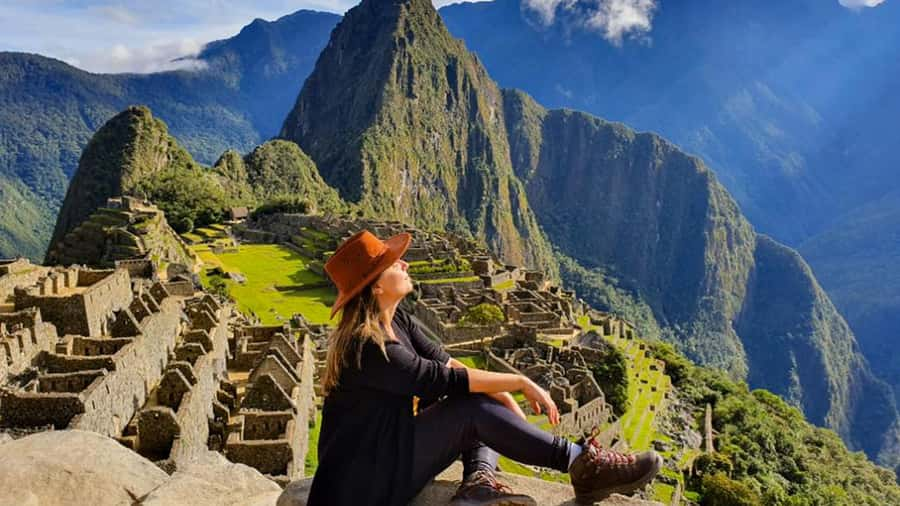
Two days, one giant wow factor. I like how this route blends Andes ecosystems with a classic Inca path you hike, plus you reach Wiñay Wayna on Day 1. I also love the timing at Inti Punku, when the first Machu Picchu views arrive before you head to Aguas Calientes.
The big consideration is the medium-high difficulty. This trek includes uphill hiking and lots of walking on stone paths, and it is not a fit for everyone.
In This Review
- Key highlights at a glance
- From Cusco to the trail start, and how the day 1 rhythm feels
- Day 1: Train ride, Wiñay Wayna, and the Inti Punku first-view moment
- What to watch for on Day 1
- Night in Aguas Calientes: short reset before Machu Picchu
- Day 2: Bus up for Urubamba River views, then Machu Picchu with a guide
- Why the guided format helps at Machu Picchu
- Price and value: what $653 per person really covers
- Pacing, altitude reality, and what to pack for a medium-high hike
- How to avoid a “good trip, bad day” feeling
- Guides and small-group size: where the experience goes from fine to memorable
- Mountains not included: Huayna Picchu and Machu Picchu Mountain
- Should you book this 2-day Inca Trail to Machu Picchu?
- FAQ
- What is the duration of the Cusco to Machu Picchu 2-Day Inca Trail?
- How many people are in the group?
- Where does the pickup happen in Cusco?
- What meals are included?
- Is entry to Huayna Picchu or Machu Picchu Mountain included?
- What transport is included between Cusco, Ollantaytambo, and Machu Picchu?
- What do I need to bring and what is not allowed?
- Do I get a refund if I cancel?
- Do I need passport details to confirm the reservation?
Key highlights at a glance
- Small group (max 13) keeps the experience more personal and easier to manage at the trail pace
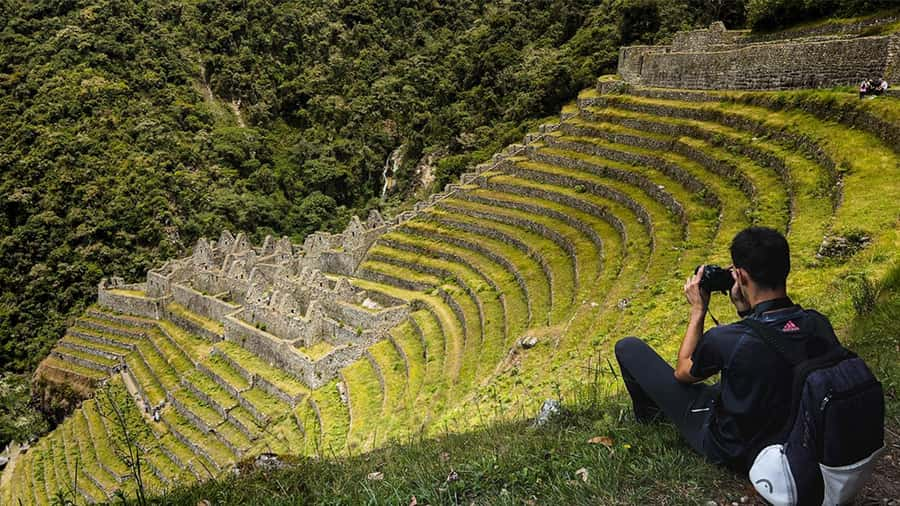
- Wiñay Wayna and Inti Punku deliver the classic build-up toward Machu Picchu, step by step
- Guides like Lenin and Raoul get praised for adjusting pacing and attention to the group
- Urubamba River canyon views start before you even reach the Machu Picchu site
- Entry tickets are included, but mountain access is not
- Passport details are required to confirm services, so plan to travel with the right document info
From Cusco to the trail start, and how the day 1 rhythm feels
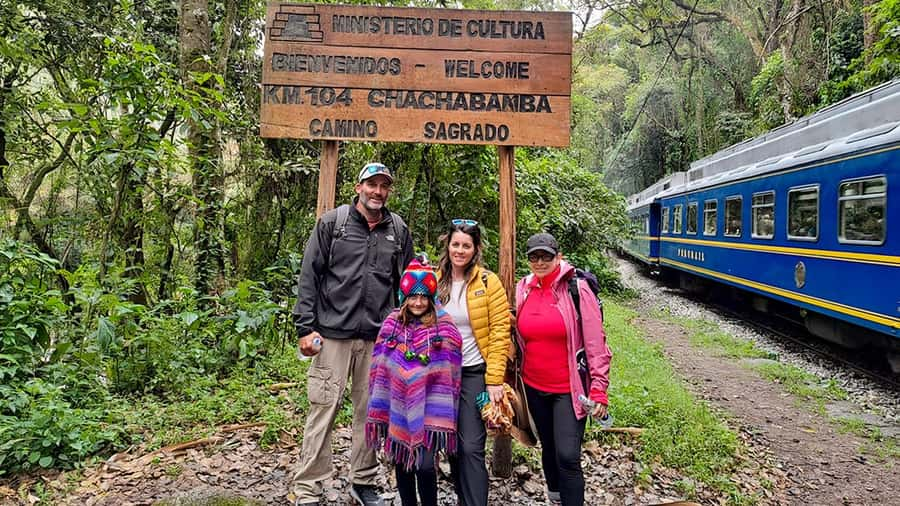
This 2-day Inca Trail program is designed to remove the heavy lifting from your planning. You start with a pickup from hotels in the historic center of Cusco, then you transfer to the train station in Ollantaytambo. Along the way, you get the Sacred Valley scenery while the logistics quietly line up for the hike.
Once you reach the station, there’s a practical moment to handle first, use the toilets if you want, then board the train for the trail starting point. The guide takes care of the procedures, which matters because the Inca Trail is regulated and timing is everything.
What I like about this flow is that Day 1 is not a chaotic scramble. You hike, you learn, you eat, then you reach your destination for the night.
Day 1: Train ride, Wiñay Wayna, and the Inti Punku first-view moment
Day 1 begins with the train to the trail start, then an approximately 3-hour walk to the archaeological complex of Wiñay Wayna. This is not just a “walk for the sake of walking.” The route is described as taking you through Inca Trail ecosystems and micro-climates, including the shift toward cloud-forest type environments as you move through the Andes. You also get context about the history of the trail and how it connects to Inca daily life.
At Wiñay Wayna, you get a chance to appreciate the setting while you explore architectural remains, including houses and terraces. This is where the trail starts feeling like a living museum. Instead of imagining ancient life from a textbook, you’re moving through the same kind of terrain the Incas used.
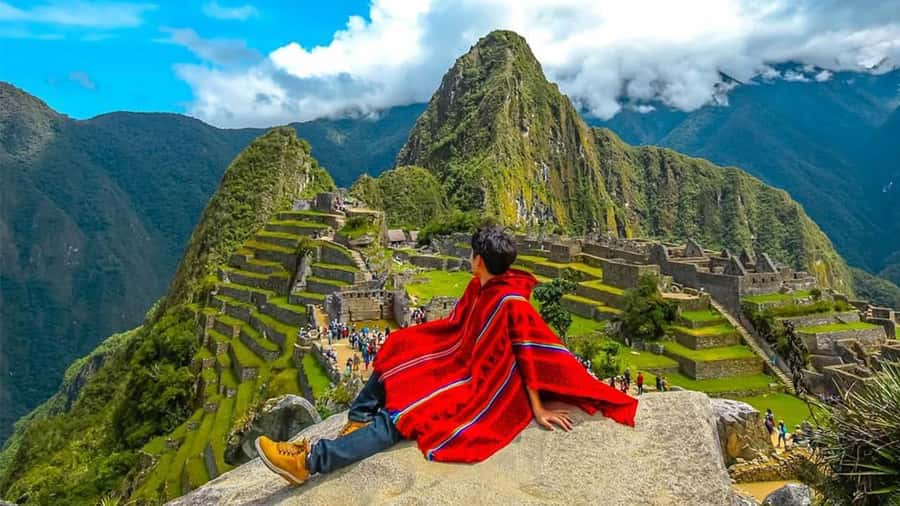
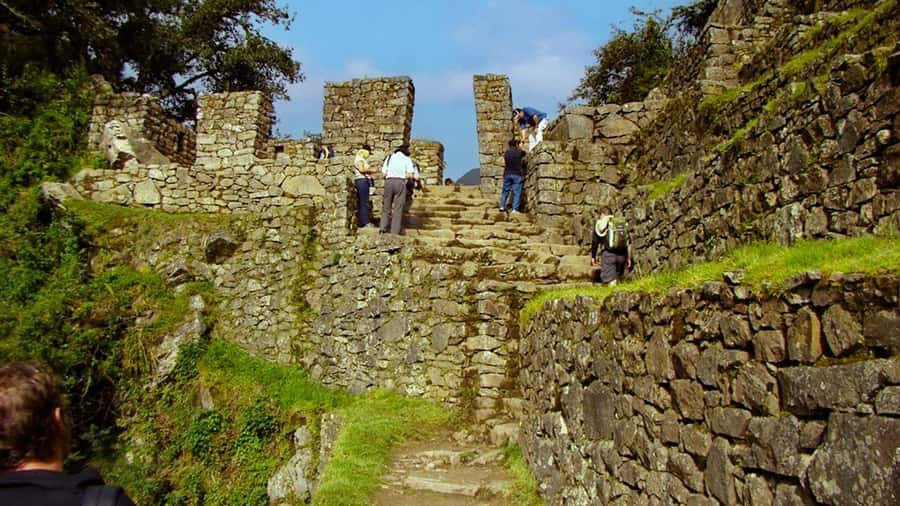
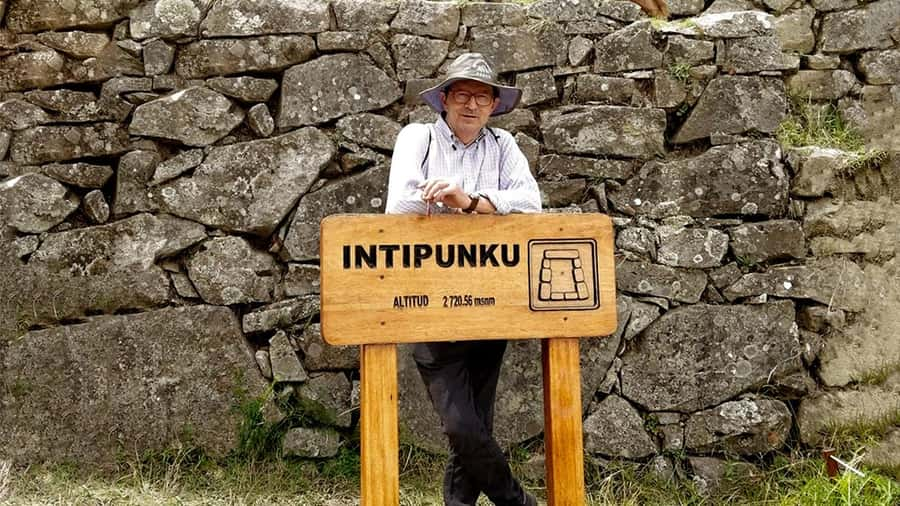
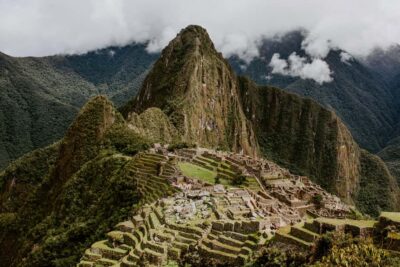
Then comes one of the most important “timing beats” of the whole trip: Inti Punku, also known as the Inca Gate of the Sun. You visit it and admire the first views of Machu Picchu. Even if you’ve seen photos, this first sight hits differently when you’ve earned it on foot. The tour structure also helps, because the viewing moment is not random. It’s tied to the route and the story you’ve been hearing along the way.
After that, you take a bus to Aguas Calientes, where the guide takes you to your hotel for the night. Dinner is included at a restaurant in town, and the guide also shares instructions for the next day.
What to watch for on Day 1
The hike includes uphill segments, so pace is your friend. Your guide can influence how hard the day feels, and the reviews strongly emphasize that guides like Lenin (and Raoul in one example) were attentive to group needs and adjusted tempo when people needed it. That’s a real value point, because the trail is not just about fitness. It’s about staying comfortable enough to enjoy the information and the views.
Night in Aguas Calientes: short reset before Machu Picchu
Overnight in Aguas Calientes is part of what makes a 2-day itinerary work. You do not just disappear back to Cusco right after Day 1. You eat dinner, rest in a standard hotel, and start Day 2 with breakfast.
The practical question is what to do with your evening. Since dinner is included and your guide provides next-day instructions, you’re really aiming for two things: sleep well and keep your energy steady. This is also the moment to organize your daypack for the next morning, because Day 2 is when you’ll be walking around the Machu Picchu complex.
One more practical note: this trip includes entry and key transports, but lunch on Machu Picchu day is on your own. So you’ll want to plan to grab something after the guided tour, when you have time to eat locally.
Day 2: Bus up for Urubamba River views, then Machu Picchu with a guide
Day 2 starts with breakfast, then you’re picked up and taken to a bus that ascends an intricate path. Before you even reach Machu Picchu, you’ll have spectacular views of the Urubamba River and the canyon it shapes. That matters because it breaks the day into “approach” and “arrival.” The sightlines from the bus are a built-in preview of what you’re about to explore.
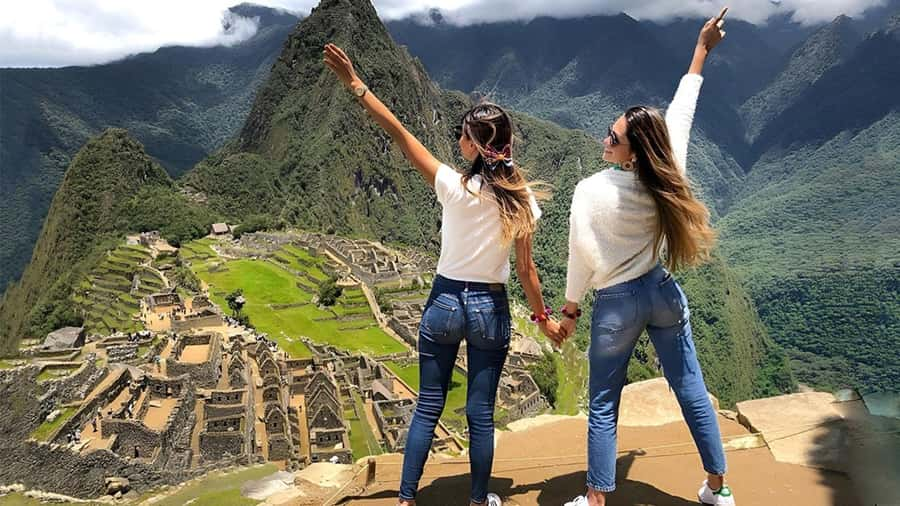
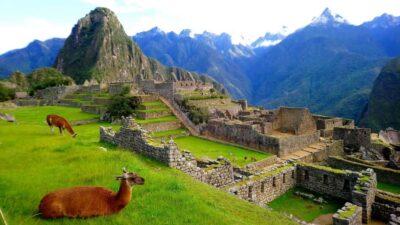
When you reach Machu Picchu, you get a guided tour. The included tour focuses on the main areas people come for: terraces, staircases, ceremonial enclosures, and the urban areas where energy is felt throughout the complex. You also get the benefit of structure. Instead of trying to piece together what you’re looking at while carrying fatigue, you follow a route with explanations.
After the guided tour, you have time to have lunch at one of the area restaurants on your own. Then, you return by train to the Ollantaytambo train station. Transportation from there waits for you and brings you back to your Cusco hotel to end the adventure.
Why the guided format helps at Machu Picchu
Machu Picchu can be overwhelming if you arrive with only a route map. A guided tour helps you notice patterns: how terraces relate to the terrain, how staircases connect spaces, and why certain ceremonial enclosures feel positioned for viewing and ritual. You also tend to remember the place better, because you’re not guessing what each section means while your legs are tired.
Price and value: what $653 per person really covers
At $653 per person, you’re paying for a tight package that handles most of the complex parts of doing the Inca Trail and Machu Picchu safely and on time.
Included items that drive real value:
- Official guide plus a pre-departure briefing
- Transfers between Cusco and Ollantaytambo
- Train tickets (tourist class or panoramic)
- Entry tickets to the Inca Trail and Machu Picchu
- Hotel in Aguas Calientes (standard)
- Meals that keep you from paying for everything yourself (lunch box Day 1 and dinner)
- Buses for Machu Picchu access on Day 1 (to Aguas Calientes) and Day 2 (to Machu Picchu and around)
What’s not included:
- Lunch after the guided tour of Machu Picchu
- Access to Huayna Picchu Mountain or Machu Picchu Mountain (not included)
So where does the money go? Mostly into timing and access. Reserved entry tickets, guided attention, and coordinated transport are the stuff that makes this kind of trip feel smooth instead of stressful. The biggest “extra cost” you might face is lunch on Machu Picchu day, and any mountain climb option you choose.
If you want the trip to feel light on planning, this pricing structure is doing that work for you.
Pacing, altitude reality, and what to pack for a medium-high hike
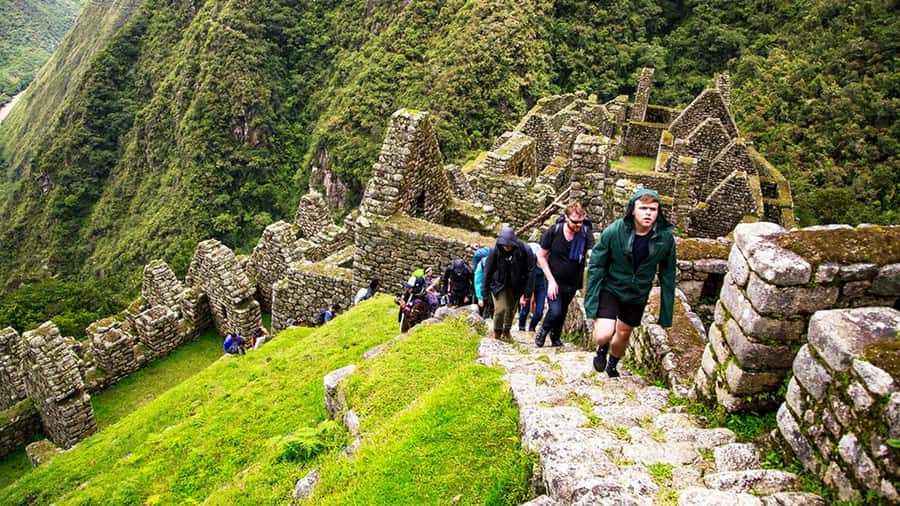
The trek is listed as medium-high difficulty, and the tour is not suitable for pregnant women, people with mobility impairments, or children under 8. Even if you’re in good shape, you should expect some uphill climbing and lots of walking over uneven paths.
Altitude is always part of the Andes story. You’re traveling between Cusco and the trail route, and you’ll be outdoors for extended stretches across both days. In practical terms: go slow on the first hours of hiking, and treat your daypack as your control center.
Bring:
- Travel insurance
- Toiletries
- Daypack
- Passport or ID card
Don’t bring:
- Pets
- Luggage or large bags
Also, a small but important detail: your hotel pickup in Cusco is for places in the historic center, and you should wait in the lobby 10 minutes before pickup.
How to avoid a “good trip, bad day” feeling
If you’ve ever done a long hike and realized you packed the wrong things, you know the frustration. Here’s my simple take: keep everything you’ll need during the hike in your daypack. Since large luggage is not allowed, your organization matters. And because you need to be comfortable enough to enjoy the guide’s explanations, plan for layers and water you can access quickly.
Guides and small-group size: where the experience goes from fine to memorable
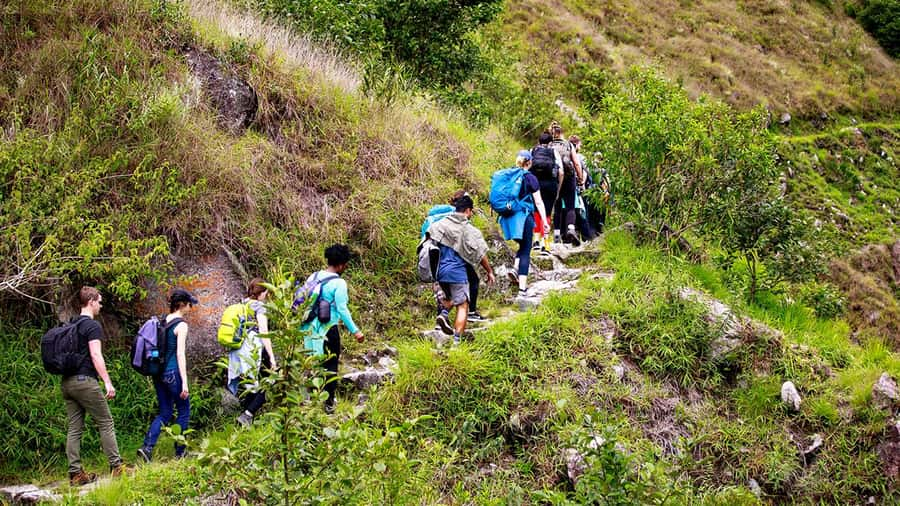
This is a small group tour, limited to 13 participants. That size matters. On trails and at Machu Picchu, it’s easier for a guide to read the room and keep the group together without rushing people who move more slowly.
The reviews strongly highlight guide quality, especially in how they handle the human side of hiking. Guides like Lenin were praised for being attentive, friendly, and responsive to individual needs. Another named example, Raoul, was praised for adjusting pace when the group needed slower moments and for giving people room to walk ahead when it made sense.
So you’re not just buying entry tickets and transport. You’re buying someone who can manage pacing, explanations, and logistics in real time.
If you hate being rushed, or you want your questions answered without feeling ignored, the small-group setup is part of the value.
Mountains not included: Huayna Picchu and Machu Picchu Mountain
You should know this up front: entry to Huayna Picchu Mountain or Machu Picchu Mountain is not included. Access to these mountains is limited, so if you care about adding one, you’ll want to check availability when booking and plan your physical condition accordingly.
The trek to these mountains is described as medium-high difficulty as well. If you’re already choosing the Inca Trail hike, treat mountain access as a second performance, not an optional walk at the end.
Should you book this 2-day Inca Trail to Machu Picchu?
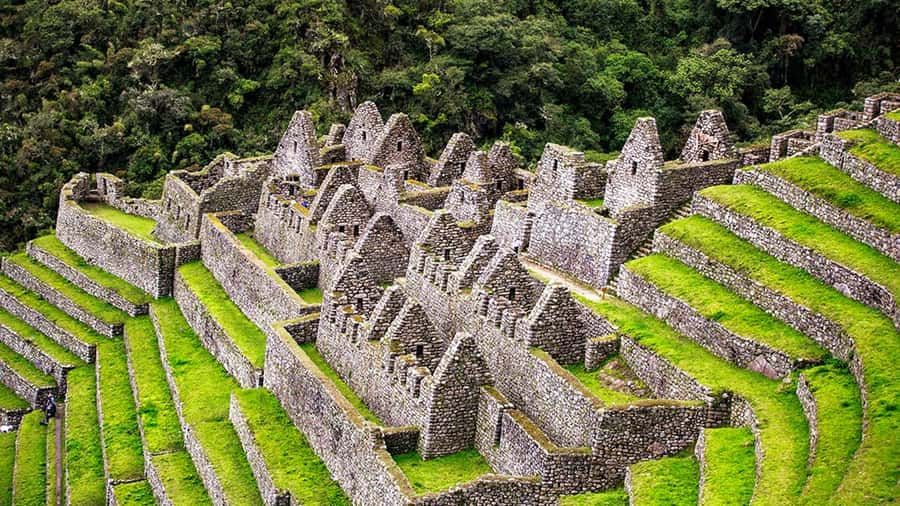
Book it if you want an organized, guided route that gets you to Machu Picchu with earned timing. I especially like this option if you want the classic Day 1 progression, Wiñay Wayna and Inti Punku first, then Machu Picchu on Day 2 with a guide and time to eat afterward. The included transport, hotel, tickets, and meals are a strong fit for people who would rather spend energy on the hike than on logistics.
Skip it or be cautious if any of these apply: you’re not comfortable with uphill hiking, you need a more mobility-friendly plan, or you’re thinking about adding mountain access on top of everything else. This is a serious two-day outing.
If you’re healthy, excited by the idea of walking part of a classic Inca route, and you want the guide to handle the timing, it’s a very sensible way to get to Machu Picchu.
FAQ
What is the duration of the Cusco to Machu Picchu 2-Day Inca Trail?
The experience runs for 2 days.
How many people are in the group?
It is a small group, limited to 13 participants.
Where does the pickup happen in Cusco?
Pickup is included for hotels or establishments within the historic center of Cusco. You should wait in the hotel lobby 10 minutes before your scheduled pickup time.
What meals are included?
You get a lunch box on Day 1, plus dinner in Aguas Calientes. Lunch after the guided tour at Machu Picchu is not included.
Is entry to Huayna Picchu or Machu Picchu Mountain included?
No. Entry to Huayna Picchu Mountain or Machu Picchu Mountain is not included, and access is limited.
What transport is included between Cusco, Ollantaytambo, and Machu Picchu?
Transfers between Cusco and Ollantaytambo are included, and you also get train tickets plus bus tickets for Machu Picchu access (including the bus to Aguas Calientes on Day 1 and the return bus route on Day 2).
What do I need to bring and what is not allowed?
Bring travel insurance, toiletries, a daypack, and a passport or ID card. Pets are not allowed, and luggage or large bags are not allowed.
Do I get a refund if I cancel?
This activity is non-refundable.
Do I need passport details to confirm the reservation?
Yes. To confirm the reservation, you must provide passport information for each participant, and if passport data changes you must present both documents because confirmation is based on the document provided.
Machu Picchu Tours side by side.
 ★ 4.7From Cusco: Full-Day Group Tour of Machu PicchuFrom $3211,767 reviews
 ★ 4.5Machu Picchu Day Trip from CuscoFrom $3361,644 reviews
 ★ 4.6Machu Picchu: Full-Day Tour from Cusco with Optional LunchFrom $283927 reviews
 ★ 4.8Cusco: 4-Day Inca Trail to Machu Picchu with AccommodationFrom $470432 reviews
 ★ 4.6From Cusco: 2-Day Trip to the Sacred Valley and Machu PicchuFrom $370265 reviews
 ★ 4.9Cusco: Machu Picchu 2-Day Inca Trail with Panoramic TrainFrom $582260 reviews
 ★ 4.2From Cusco: 2-Day Inca Trail to Machu PicchuFrom $290244 reviews
 ★ 4.9Machu Picchu: Inca Trail 2-Day Overnight Guided TourFrom $585203 reviews
Also on these Peru lists