
REVIEW · AMAZON JUNGLE
Iquitos: 5 Days inside the Rainforest | Amazon Jungle Tour
The Amazon wakes up loud and close. This 5-day Iquitos rainforest tour blends wildlife learning with culture stops, including Fundo Rony rehabilitation work and night canoeing for caiman watching. You’re on river time most days, and the group is kept small for a more personal feel.
What I like most is how the day-to-day plan mixes animals, plants, and people, not just one theme. I also like that you get guided explanations in English/Spanish, so you can ask questions while you’re there, not later when memories blur. A guide team that has included people like Christian and Anthony is described as friendly and strong at answering questions about what you’re seeing.
One consideration: this tour is active, with early starts and night walks, plus an included swim and a black mud flowering bath. If you want quiet, low-effort days, this may feel like a lot.
In This Review
- Key highlights you should know before you go
- A small-group 5-day rainforest loop from Iquitos
- Day 1: Bellavista Nanay port, Kukama culture, Monkey Island, and black-mud night life
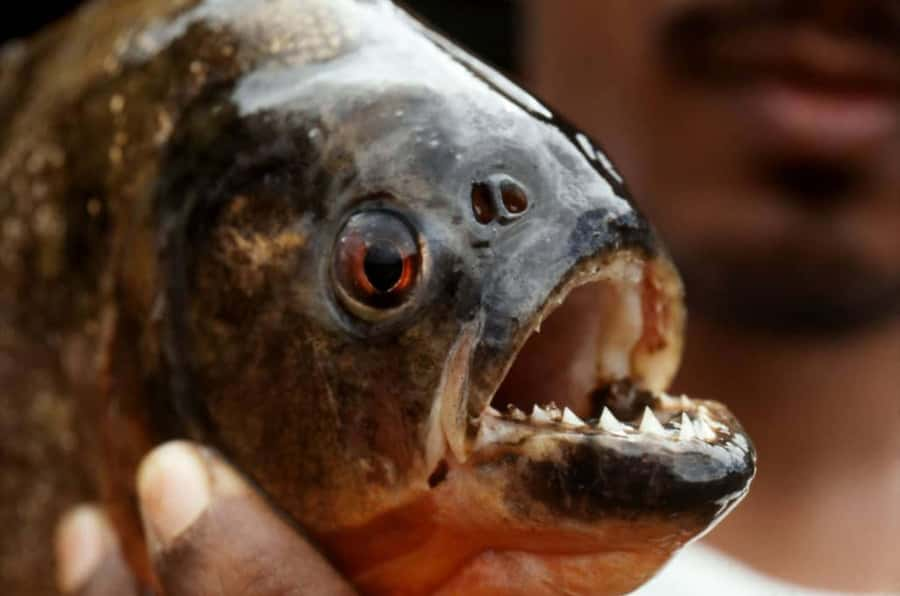
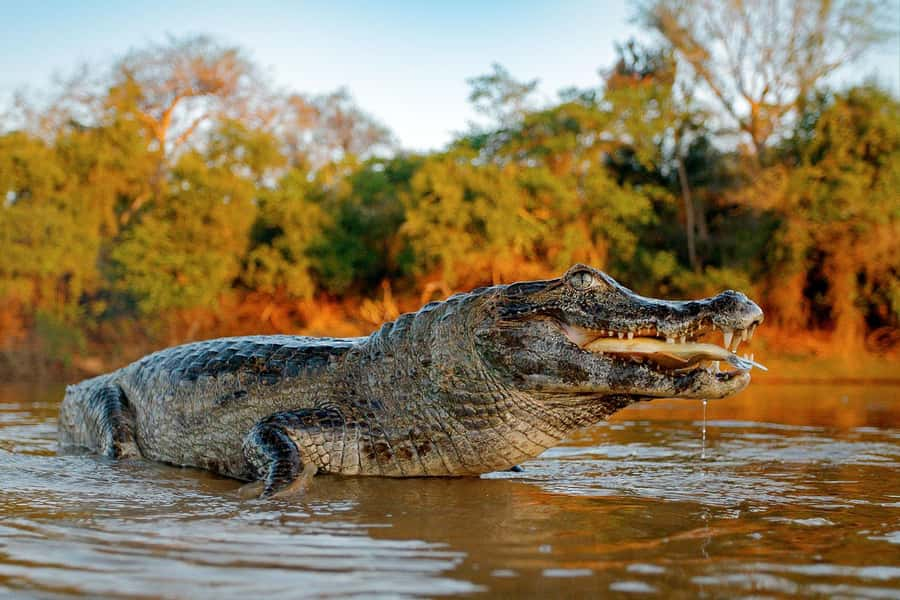
- Day 2: Sunrise, Fundo Rony rescue stories, piranha fishing, and caimans by canoe
- Day 3: Yanayacu by peque peque, Lupuna tree wishes, and the Yaguas with the pucuna
- Day 4: San Rafael Butterfly Farm and a slower, pool-friendly afternoon
- Day 5: Second Monkey Island, conservation context, and the trip back to Iquitos
- Guides, learning style, and what to ask on the spot
- Price and value: what $439 per person really covers
- What to pack for jungle days (and two messy moments)
- Should you book this Amazon Jungle Tour?
- FAQ
- How does pickup work for this tour in Iquitos?
- Where do I stay during the tour?
- Are meals included in the price?
- Is the tour offered in English or Spanish?
- How large is the group?
- Is there night activity included?
- Which Indigenous communities are visited?
- What is the cancellation and pay later policy?
Key highlights you should know before you go
- Hotel or airport pickup in Iquitos, plus 4 nights at Amazon Camp
- Fundo Rony Wildlife Rescue Center and learning how animals are rehabilitated
- Kukama and Yaguas Indigenous visits, including palm-fiber attire and the pucuna blowgun
- Night canoeing and caiman watching, after dark on the water
- Artisanal piranha fishing and an included tasting of camu camu and seven roots
- Two Monkey Island visits, with conservation context and different species chances
A small-group 5-day rainforest loop from Iquitos
This Amazon jungle tour is built as a tight, 5-day circuit based in the Loreto region around Iquitos. You stay 4 nights at Amazon Camp, and the tour includes pickup from your hotel or the airport on day 1, then returns you to your hotel on day 5. With a small group limited to 14 participants, the guiding feels more conversational than lecture-style.
The schedule is packed, but it’s not random. Each day has a clear rhythm: morning nature activity, midday learning or community time, afternoon decompression or a second outing, then an evening highlight. That structure matters because it helps you see more than just scenery. You also understand why the rainforest works the way it does, from animal behavior to plant medicine and human traditions.
All meals are included, which makes budgeting easier once you’re in Peru. The guide is offered in English and Spanish, which is useful if your group has mixed language comfort. The tour also mentions skipping the line through an express security check, so if you’re connecting on flights, you should still plan for airport time, but at least one friction point is handled.
Day 1: Bellavista Nanay port, Kukama culture, Monkey Island, and black-mud night life
Day 1 starts with pickup and a transfer to Bellavista Nanay port, followed by a scenic boat ride along the Amazon River. The plan specifically calls out possible gray or pink dolphins, which is the kind of first-day surprise you want after you arrive in the jungle region. Even when you don’t spot dolphins, the river ride sets the tone, because the rainforest is a moving environment, not a static postcard.
After that, you visit the Kukama tribe to learn about traditions, dances, and ancestral knowledge of natural medicine. This part is valuable because it places rainforest knowledge into a human context. You’re not just learning about plants, you’re learning how people relate to them over generations.
Next comes a stop at Monkey Island, where you can observe and interact with monkeys in their natural habitat. Then you reach the lodge for orientation, a typical jungle lunch, and two very jungle-forward experiences: a swim in the Amazon River and a flowering bath in black mud. The black mud part is included, so plan to treat it like a full activity, not a quick photo moment.
At sunset, you admire the Amazon’s beauty, and if you’re lucky, pink dolphins show up again. After dinner, night jungle exploring brings insects, tarantulas, frogs, and nocturnal birds into focus. This is where a small group and a good guide earn their keep, because night activity is about seeing patterns, not just hoping for sightings.
Packing mindset for day 1: protect yourself from sun and insects. Sunglasses, a sun hat, sunscreen, a long-sleeved shirt, insect repellent, and long pants help you stay comfortable through boat time, lodge time, and night walks.
Day 2: Sunrise, Fundo Rony rescue stories, piranha fishing, and caimans by canoe
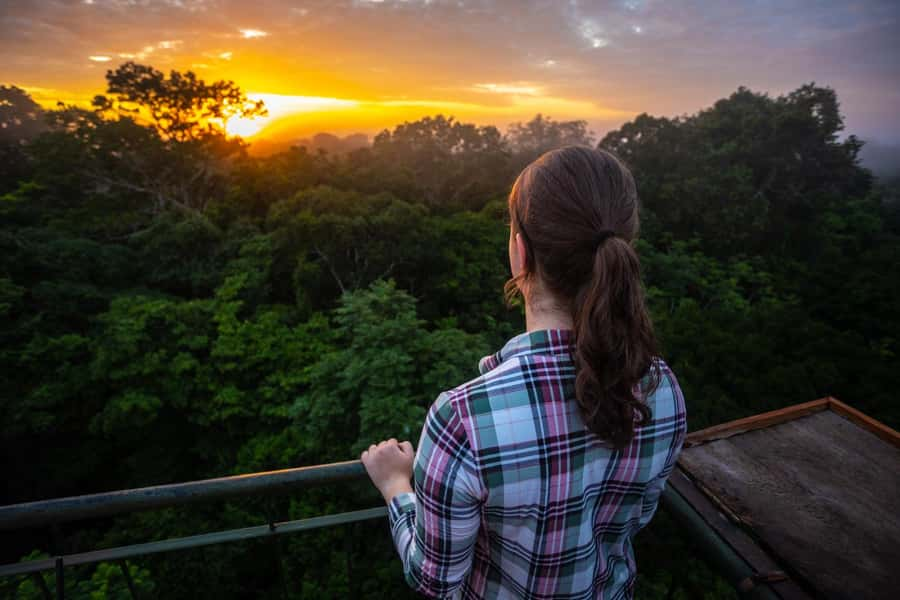
Day 2 begins early to witness Amazon sunrise and hear the jungle sounds. That’s not just romantic timing, it’s practical. The morning is when you often notice activity, and your senses wake up fast when you’re outside the lodge walls.
Then you go to the Wildlife Rescue Center, Fundo Rony, and you’ll learn how the rehab process works. You can expect to see animals like sloths, monkeys, macaws, and toucans, with explanations from the guide about what rescue means in real terms. This stop is one of the most meaningful parts of the trip because it connects rainforest awe with responsibility. You’re getting context for why conservation and rescue efforts matter beyond the moment.
You also get a tasting of Amazonian macerates, including camu camu and seven roots, known for medicinal properties. If you enjoy tasting local uses of plants, this is a great bridge between what you see in the wild and what people use in daily life. If you’re picky about flavors, just know that a tasting is part of the included experience.
After a typical jungle lunch, there’s time to relax or enjoy the pool. Then comes piranha fishing using artisanal local techniques. It’s active, and it also gives you a better sense of how humans interact with this ecosystem, not just observe it.
At night, you shift from the water surface to the water darkness with canoeing to observe caimans and learn about their ecosystem role. Watching caimans at night is powerful because you see the rainforest as a real food web, not a nature documentary. The guide framing matters here, since the tour includes learning about why caimans are present and what they do in the environment.
Day 3: Yanayacu by peque peque, Lupuna tree wishes, and the Yaguas with the pucuna
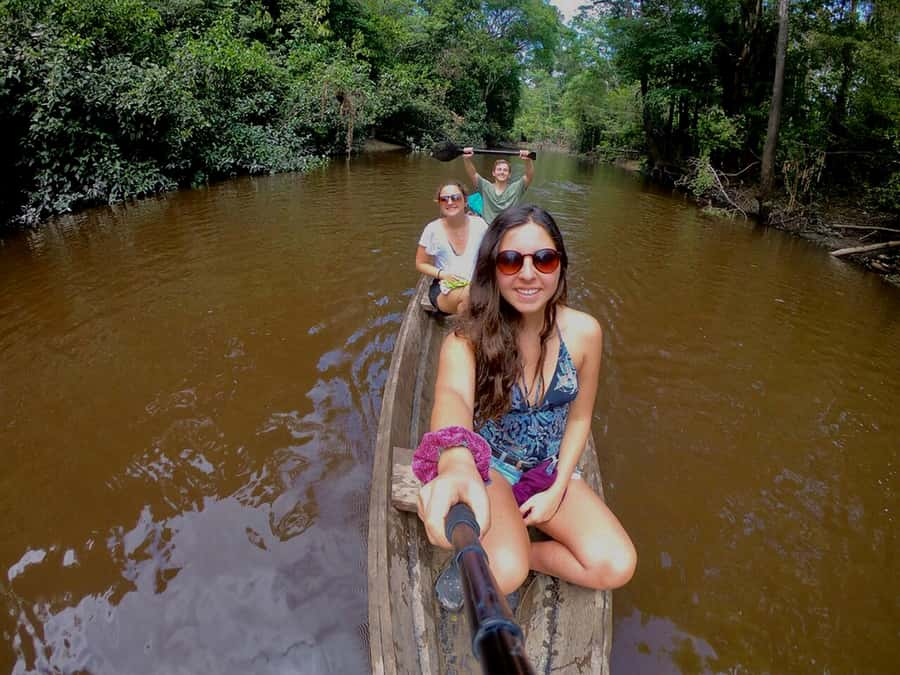
Day 3 has a learning-heavy morning. Breakfast is followed by a botanical walk focused on Amazonian trees and medicinal plants. This kind of walk works best when you ask questions as you go, because plant identification and medicinal use only make sense with a guide pointing things out in the moment.
Next you take a peque peque boat tour to navigate the Yanayacu River, described as a remote area with plenty of biodiversity. Smaller, local-style boat rides tend to feel closer to the waterline, and you notice how quickly the scenery changes along the river corridor. This is also one of the days where the rainforest feels most like a living network of habitats.
You then visit the GIANT TREE TRAIL to see the mighty Lupuna tree and make a wish at its base. Whether you treat the wish ritual seriously or as part of the experience, the Lupuna stop gives you a sense of scale. Big trees and long lifespans are a reminder that rainforest time is measured differently than city time.
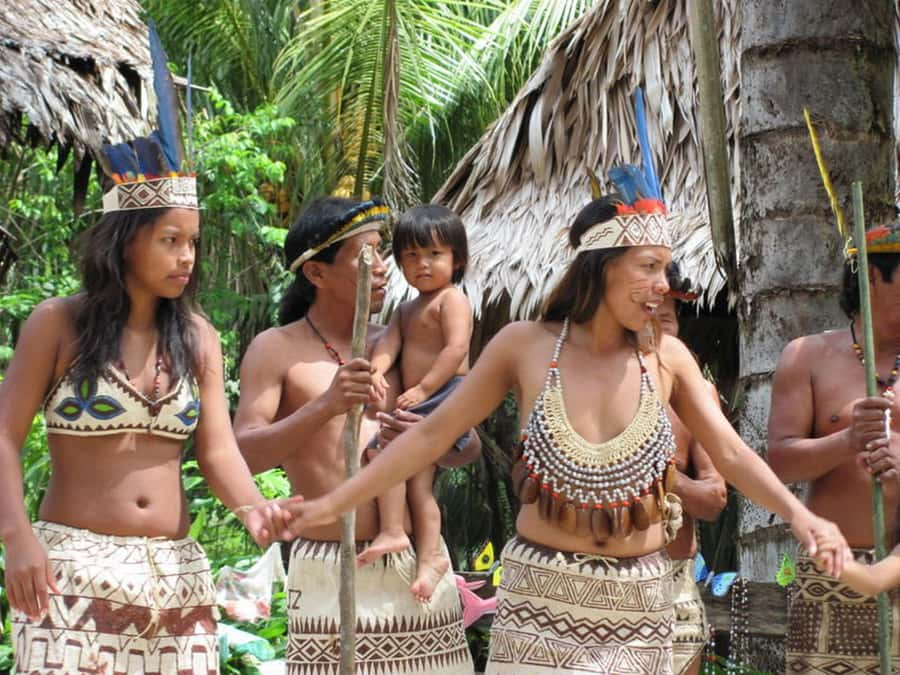
Later you experience the Yaguas tribe, learning customs and seeing palm-fiber attire. There’s also an included chance to try the pucuna blowgun. That’s a fun, hands-on cultural activity, but it’s also useful as a form of learning. You get a feel for how tools are connected to daily life and hunting traditions.
After lunch, you visit the riverside village of Fatima to learn about the local community’s lifestyle. The day ends with storytelling about Amazonian myths and legends. That closing matters because it connects the rainforest to imagination and meaning, not just biology.
Day 4: San Rafael Butterfly Farm and a slower, pool-friendly afternoon
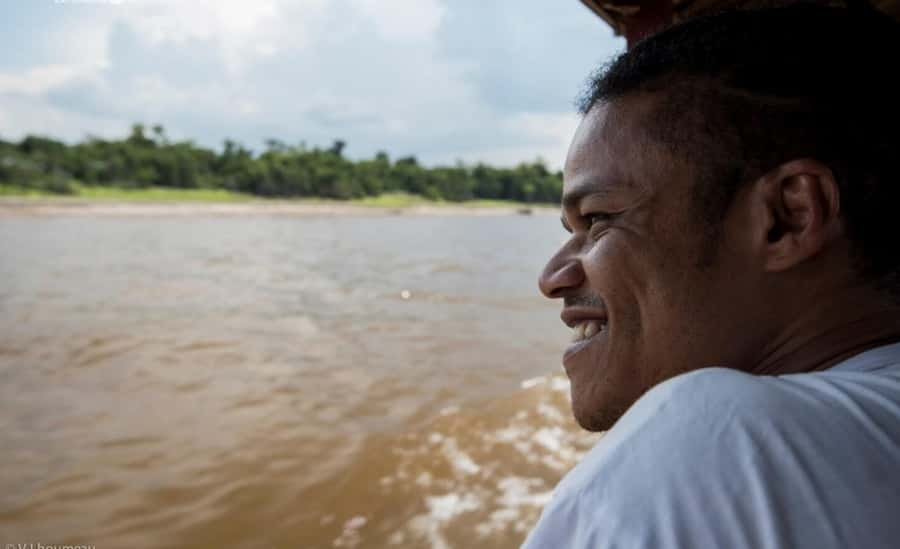
Day 4 shifts pace. After breakfast, you visit the San Rafael Butterfly Farm, described as a stop with diverse butterfly species. This is a different kind of nature time, focused on delicate creatures and close observation. If you sometimes get overwhelmed by nonstop excitement, a butterfly-focused morning can reset your attention.
You then enjoy a self-service jungle lunch. After lunch, you can relax by the pool or explore the surroundings at your leisure. This is the one day where you get room to breathe, and that matters because days 1 to 3 are busy in body and brain.
Dinner is included, so you’re not stuck planning a meal after a long day. The overall feeling of day 4 is balance. You still do something nature-based and guided, but you also get downtime, which helps you enjoy the rest of the circuit instead of rushing through it.
If you’re the type of traveler who likes photos, day 4 is where you’ll likely slow down to notice wing patterns and movement. If you’re more into learning, ask your guide what makes these butterflies different from what you’ve already seen in the jungle.
Day 5: Second Monkey Island, conservation context, and the trip back to Iquitos
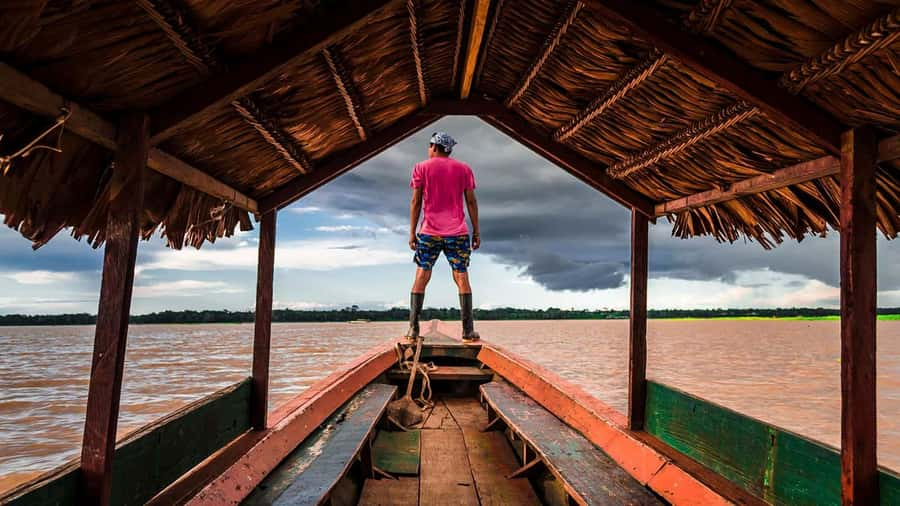
On day 5, you head to a second, more secluded Monkey Island. The goal here is not repetition, it’s variety. You’ll discover new species and the description includes endangered ones, with conservation efforts explained by the guide. This conservation framing is important, because it nudges the experience from casual wildlife watching toward understanding why protection is needed.
You’ll also have time to interact with monkeys. The key is to do it with the same respect the guide likely emphasizes throughout the tour, because the focus is on observing animals in their habitat and learning conservation context, not just collecting selfies.
After lunch, you relax before returning to Iquitos. Transfer back to your hotel is included, so the end of the trip stays smooth. This matters because the best tour ending is the one that doesn’t turn into a transportation scramble.
By day 5, the tour’s themes snap into focus: river life, wildlife rescue and ecosystem roles, and Indigenous cultural knowledge linked to plants and tools. Even if you miss a dolphin sighting at one moment, you’ve built a full picture over multiple days.
Guides, learning style, and what to ask on the spot
One reason this tour gets strong feedback is the human delivery. Guides are described as friendly, and importantly, they can explain animals and plants clearly and answer questions. When a guide like Christian, sometimes with help from Anthony, can keep the conversation moving, the rainforest feels less like a blur and more like a set of connected lessons.
Because the tour includes botanical walks, medicinal tastings, and rescue center visits, you can ask very specific questions and actually get useful answers. For example, you can connect what you taste, like camu camu and seven roots, to what you see on a plant walk. You can also ask about animal rehab at Fundo Rony, then compare how the animals fit into the wider ecosystem when you learn about caimans at night.
The small group size helps with this. If you’re the type who gets shy asking questions in big groups, this tour’s cap at 14 is a real advantage. You’re more likely to get time at the front of the conversation, especially during stops like Monkey Island and tribal visits where your curiosity matters.
Price and value: what $439 per person really covers
At $439 per person for 5 days, you’re paying for far more than basic transportation. The big value anchors are: pickup from your hotel or airport, 4 nights of accommodation at Amazon Camp, all meals, and an English/Spanish guide through the scheduled excursions. You’re also paying for access to guided wildlife and culture experiences, including Fundo Rony and Indigenous community visits.
What’s not included also helps you budget accurately. Flights are not included, and snacks and personal water are not included. Meal à la carte and bar drinks are not included either, which means you’ll want to assume your main meals are covered but anything extra will add up.
Transfer back to the airport is not included, but transfer back to your hotel is included at the end. That’s a practical distinction, because hotels are usually easier to reach than airports when you want a smooth final day.
If you’re comparing options, this tour tends to make sense when you want a guided, multi-day circuit with animal and culture components and you don’t want to micromanage meals. If you already have your own lodge and transport in place and just want a few excursions, a cheaper day tour could work better. But for a first-time rainforest visitor, bundling the logistics is often the smart way to keep stress low.
What to pack for jungle days (and two messy moments)
The tour gives a clear packing list, and you should follow it. Bring sunglasses and a sun hat for daytime river time. Sunscreen helps with the sun exposure you can get during boat rides and lodge activities.
For bug protection and comfort, pack insect repellent. Wear a long-sleeved shirt and long pants, especially because there are night walks and you’ll be outside after dark. Sportswear is also on the list, which fits with walking, canoeing, and activities spread across all five days.
Two tour moments are particularly “plan for it” activities. Day 1 includes a swim in the Amazon River and a black mud flowering bath. That means you should expect dampness and plan your clothing choices around comfort in humid conditions.
Also remember you’ll be doing sunrise time, night exploring, and daytime excursions. Layering habits help, because jungle weather can shift quickly between mornings and afternoons.
Should you book this Amazon Jungle Tour?
Book it if you want a true Amazon mix: wildlife rescues, night canoeing for caimans, hands-on cultural visits with the Kukama and Yaguas, and plant-focused learning on botanical walks. The small group size and the chance to interact with monkeys plus experience both Monkey Island stops makes it a strong choice for first-timers.
Consider a different option if you dislike active schedules or if you want a trip that feels more like a resort vacation. This itinerary has early starts, night activities, and included water and mud experiences. If that kind of pace doesn’t fit your style, you’ll spend more time thinking about comfort than enjoying the rainforest.
If you’re deciding, I’d weigh this question: do you want the rainforest explained to you, not just visited? If yes, this tour is built for that.
FAQ
How does pickup work for this tour in Iquitos?
You get pick up from your hotel or from the airport in Iquitos. Day 1 includes transfer to Bellavista Nanay port, and the tour ends with transfer back to your hotel on day 5.
Where do I stay during the tour?
The tour includes 4 nights of accommodation at the Amazon Camp.
Are meals included in the price?
Yes. All meals are included. Snacks, personal water, and any à la carte meal are not included.
Is the tour offered in English or Spanish?
Yes. The live tour guide speaks English and Spanish.
How large is the group?
It is a small group with a limit of 14 participants.
Is there night activity included?
Yes. The tour includes night canoeing and caiman watching, and day 1 also includes a night jungle exploration with insects, tarantulas, frogs, and nocturnal birds.
Which Indigenous communities are visited?
You visit the Kukama tribe and the Yaguas Indigenous community.
What is the cancellation and pay later policy?
You can cancel up to 24 hours in advance for a full refund. You also have the option to reserve now and pay later.
Amazon Jungle Tours side by side.
 ★ 4.5Tambopata Peruvian Amazon Jungle for Three Days/Two NightsFrom $350329 reviews
 ★ 4.6Puerto Maldonado: 4-Day Tambopata Rainforest TourFrom $424213 reviews
 ★ 4.5Puerto Maldonado: Sandoval Lake 4-Day, 3-Night Guided TourFrom $30090 reviews
 ★ 5.0Belen Market and La Venecia Loretana Tour With A Local GuideFrom $5085 reviews
 ★ 5.04 Day Tour to the Manu National ParkFrom $38981 reviews
 ★ 4.53-Day All Inclusive Guided Jungle Tour from Iquitos at Maniti Eco-LodgeFrom $45974 reviews
 ★ 4.54 Day Tambopata Amazon Wildlife & Canopy ExperienceFrom $58572 reviews
 ★ 5.0Manu National Park Tour 4days/3nightFrom $47069 reviews
Also on these Peru lists