
REVIEW · MACHU PICCHU
Machu Picchu & Sacred Valley 2-Day Tour
Machu Picchu in two days is a sprint. This tour works because it bundles the big logistics for you, with transport and guided stops that connect Cusco, the Sacred Valley, and Machu Picchu without chaos. You also get the satisfaction of checking off one of the New7Wonders of the World.
I love how the day 1 plan mixes major Inca sites with real local life, from Pisac’s ruins to the artisan market. You get a small group capped at 16, which means your guide can actually answer questions instead of talking at the whole bus.
One thing to consider is language. The guide is not bilingual, so your tour is run in Spanish, English, or Portuguese, and you may need translation support if you end up in a different language group. In one example I heard, guide Franco stepped in to translate for an English speaker even when the broader group was Spanish.
In This Review
- Key highlights worth planning around
- The real value of Machu Picchu plus Sacred Valley for $679
- Day 1 starts with textiles at Awana Kancha
- Pisac archaeology at 3,300 meters, and why the view matters
- The Pisac market stop: artisan time without the pressure
- Urubamba buffet lunch by the river, then off to Ollantaytambo
- Ollantaytambo: Inca urban design and a long story of resistance
- Train to Aguas Calientes: getting your Machu Picchu base set
- Day 2 at Machu Picchu: bus up early, guided walk through the meaning
- After Machu Picchu: back to Aguas Calientes, then onward toward Cusco
- What the logistics get right (and what you should prepare for)
- Timing and communication
- Language setup
- Train seating
- Moderate physical fitness
- Weather matters
- Optional Huayna Picchu: plan ahead if it’s on your list
- Who this tour fits best
- Should you book this Machu Picchu & Sacred Valley 2-Day Tour?
- FAQ
- What is the duration of the Machu Picchu and Sacred Valley 2-day tour?
- What is included in the price?
- Where do you stay overnight?
- What time does the tour start, and how is pickup handled?
- Is Huayna Picchu included?
- What happens if weather affects Machu Picchu?
- Can I choose my train seats?
- What language are the guides, and is it bilingual?
Key highlights worth planning around
- Small group size (max 16): easier questions, better pacing, less time waiting around.
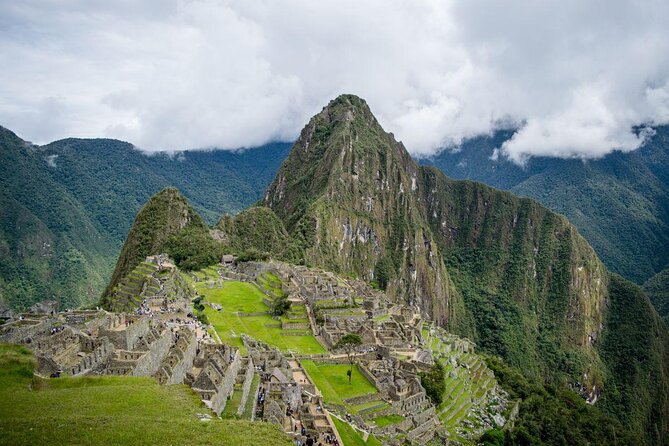
- Sacred Valley plus Machu Picchu in one package: tickets, hotel night in Aguas Calientes, and transfers are handled.
- Guided Machu Picchu with entrance included: bus ticket included, plus an expert explanation of what you’re seeing.
- Pisac and Ollantaytambo entrance tickets included: less stress about what to buy and where to show up.
- Practical support from the operator: they send updates by text and stay available if you have questions.
- Food built in: lunch is included after the morning of ruins and market time.
Other citadel visits, ticket types and start times
- From Cusco: Full-Day Group Tour of Machu Picchu
★ 4.7 · 1,767 reviews - Machu Picchu Day Trip from Cusco
★ 4.5 · 1,644 reviews - Machu Picchu: Full-Day Tour from Cusco with Optional Lunch
★ 4.6 · 927 reviews - Cusco: 4-Day Inca Trail to Machu Picchu with Accommodation
★ 4.8 · 432 reviews
The real value of Machu Picchu plus Sacred Valley for $679
At $679 per person for about two days, the price sounds steep until you line up what you actually get. You’re not just paying for a ticket to Machu Picchu. You also get a hotel night in Aguas Calientes, breakfast, lunch, guided Sacred Valley time, and the key transport pieces: train and bus tickets for the Machu Picchu day, plus the train segment between Ollantaytambo and Aguas Calientes.
That’s the value equation. Machu Picchu is its own ticketed world, and the Sacred Valley is not a quick drive from Cusco. Bundling hotel, guides, and the train and bus routing saves you from planning fatigue, and it reduces the chance that you miss the right connection while juggling altitudes, timing, and paperwork.
Also, this is not a giant cattle-car tour. The cap of 16 travelers matters in a place like this. When you’re trying to understand Inca engineering and history, crowd control and question time are part of the experience.
Day 1 starts with textiles at Awana Kancha
Your morning begins with a stop at Awana Kancha, aimed at learning before you start climbing ruins. It’s an animal shelter with an exhibition of traditional Peruvian textiles. Even if textiles are not your main interest, the context helps. Peru’s textile tradition is tied to identity, craft skills, and how communities record stories through patterns.
Practical take: this isn’t a long stop. You’re looking at it as a fast grounding point, then moving on. If you’re the type who likes to understand why people do what they do, this is a good warm-up.
What to watch for: the schedule is tight. You’ll want to be ready to move as soon as the group is called, especially because you’re starting early.
Pisac archaeology at 3,300 meters, and why the view matters
Next up is Parque Arqueologico Pisac, about 1 hour at the site. Pisac sits at roughly 3,300 meters, and that altitude changes how you experience the day. Even if you feel fine, you’ll likely slow your pace without thinking. That can be a benefit, because it makes you pay attention instead of rushing.
This stop is not just about structures. You get big views across the Sacred Valley, and those views are where some of the “why” clicks. When you can see the terrain the Incas used, the planning starts making sense.
Practical take: wear shoes with real grip. Stone steps and uneven paths are normal at ruins.
Possible drawback: altitude plus a morning of walking can feel like a lot if you’re coming from a rough night or if you tend to get breathless.
The Pisac market stop: artisan time without the pressure
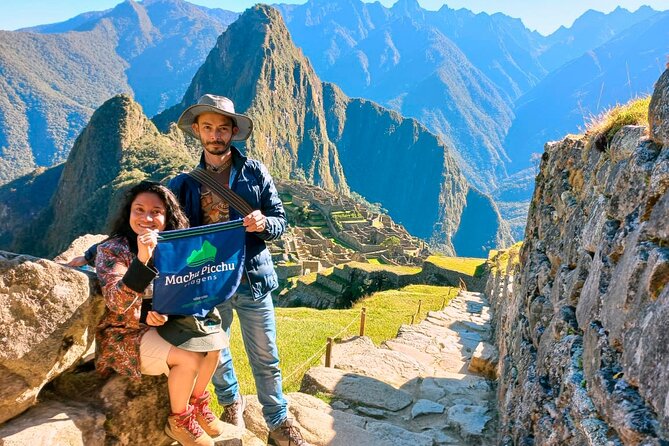
After the ruins, you head into the Pisac Market area for about 40 minutes. This is one of the larger local markets in the region, with handmade crafts plus food, vegetables, and fruit.
Here’s how I’d use this time if you want value: look first, buy second. In a place like Pisac, you’re surrounded by options, and 40 minutes can evaporate fast if you try to do everything at once. If you’re planning to buy textiles or small crafts, take a quick lap, then decide while you still have time to check out.
What to watch for: markets can be loud and busy. Keep your phone secure and assume it will be warm by mid-morning, even if you started cool.
More Sacred Valley itineraries on our list

Urubamba buffet lunch by the river, then off to Ollantaytambo
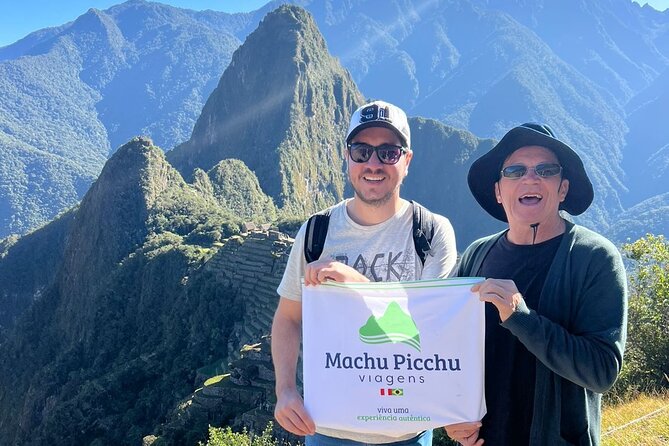
Then comes a break: Urubamba and lunch at the Tunupa Restaurant for about an hour. The key detail here is location, you’re surrounded by the sound of the Urubamba River. It’s a simple reset before another round of ruins and cobbled-town walking.
This lunch stop also helps the day fit together. Sacred Valley mornings are active. Having an included meal right when energy might dip saves you from hunting for food later with limited time.
One thing to consider: it’s a buffet style lunch, so you might feel tempted to go back for seconds. Just don’t overdo it. You still need strength for Ollantaytambo and the rest of your evening flow.
Ollantaytambo: Inca urban design and a long story of resistance
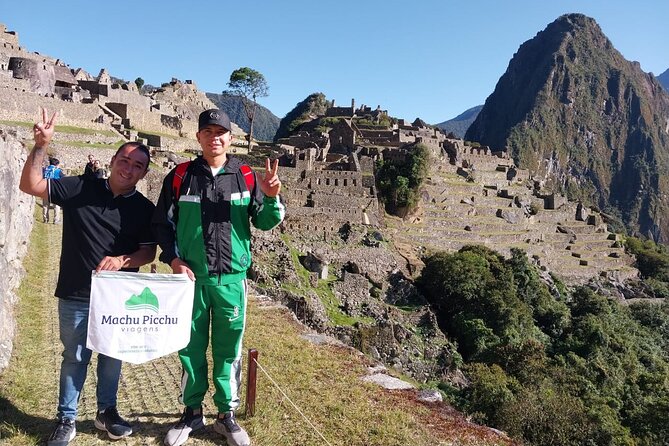
Your next stop is the Archaeological Park Ollantaytambo. The town itself is famous for Inca urbanism, and the archaeological park is about an hour.
Two things make this stop memorable:
- The cobbled streets and layout. You can feel the difference between a planned Inca city and a city that grew randomly over time.
- The Inca drainage system. It’s not glamorous like a giant temple, but it shows serious engineering. Seeing water management in place helps you understand why the Incas were able to run cities year after year.
You also learn about a dramatic moment of resistance, often described as the only place where the Spanish army was defeated for almost 50 years during colonization. That kind of context changes how you interpret the stones. They’re not just ruins. They’re evidence of survival, planning, and conflict.
Practical take: even though Ollantaytambo is not as high as some high-altitude viewpoints, it’s still walking-heavy. Plan for breaks when your guide allows them.
Train to Aguas Calientes: getting your Machu Picchu base set
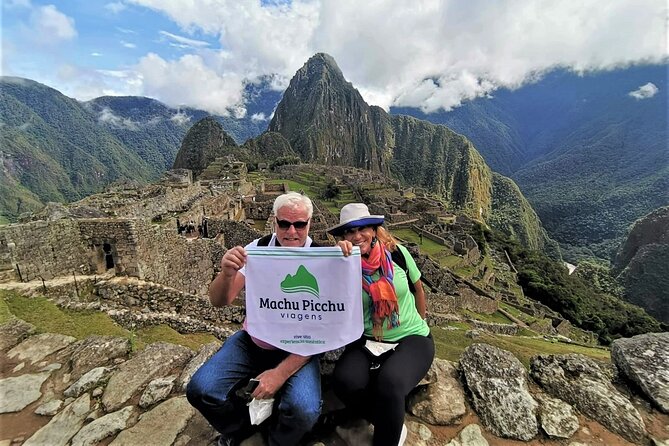
After Ollantaytambo, you move to the Ollantaytambo train station and take the train to Aguas Calientes. The train segment is included, and the tour specifies Tourist class. You should also know that PeruRail does not allow you to choose seats, the distribution is done automatically.
Once you arrive, a guide handles the short transfer to your hotel, and you get some breathing room. This is a crucial part of the plan. Aguas Calientes is where you sleep so you can do Machu Picchu early next morning.
What you’ll likely notice: train windows matter here. Even if you’re not a scenery obsessive, this route gives you the lead-in to the type of terrain Machu Picchu sits in.
Possible drawback: leg room on buses can be tight on other parts of the day, and while train is generally easier to manage, you’ll still be happy when your hotel check-in gives you that first real stretch.
Day 2 at Machu Picchu: bus up early, guided walk through the meaning
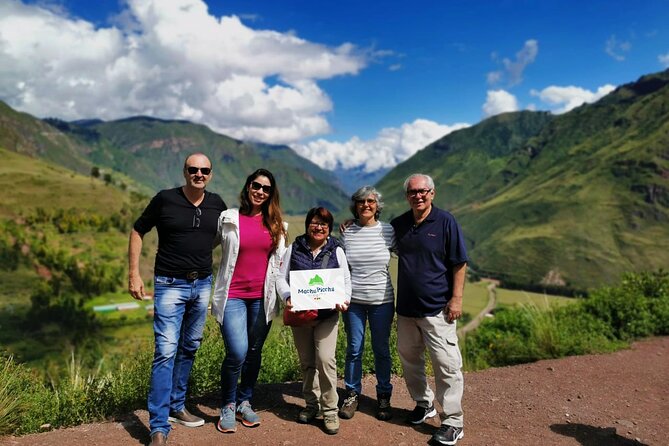
The second day is the big one. You start with an early pickup from your Aguas Calientes hotel and board the bus up to Machu Picchu. The ride takes about 30 minutes to the main entrance.
Then you get a professional guided Machu Picchu tour for about 2 hours, with the entrance ticket included. The guide’s job is to give you context while you walk, including mysteries and fascinating facts about Inca culture. This matters because Machu Picchu is easy to “wow at” without actually understanding what you’re looking at. A good guide helps you notice alignments, structures, and the logic behind where things were placed.
If you’re a photography person, go easy at first. The first views can make you rush. Slow down, let your eyes adjust, then start looking for the details your guide points out. That’s where your pictures become more than just a postcard.
Possible drawback: early mornings mean cold-to-warm swings. Even if it feels fine at breakfast, bring layers.
After Machu Picchu: back to Aguas Calientes, then onward toward Cusco
After your time at the site, you return to Aguas Calientes. From there, the tour heads back toward Cusco by train, using Poroy as the transfer point.
The flow includes a transfer from the train arrival area toward Cusco. The tour notes that Poroy Train Station is about 30 minutes away from Cusco, and your team waits to take you back to your hotel in Cusco.
The key here is how tired you might be. Machu Picchu days can feel physical even for fit travelers, mostly because of early wake-up time and the amount of walking. Plan to keep your evening simple after you check back into Cusco.
What the logistics get right (and what you should prepare for)
This tour is built around tight timing, so it’s worth talking about the practical bits that make or break it.
Timing and communication
The start time is 8:00 am. Tours depart between 7:30 am and 8:00 am, and your exact pickup time is confirmed once you share your Cusco hotel or pickup address. The operator also provides support and sends updates by text before the trip, plus assistance if questions come up.
That kind of proactive communication is not a luxury. It’s what helps you show up at the right door, with the right documents, at the right minute.
Language setup
Your guide works in one language, either Spanish, English, or Portuguese. You’re not promised a bilingual guide. This can affect your experience, because the whole point is learning while you walk.
If you’re English-speaking and you land in a Spanish-speaking group, translation support may happen through the guide, as in one example involving Franco. Still, don’t assume it. Pick your language option carefully when booking.
Train seating
You can’t choose seats on PeruRail. Seats are assigned automatically by the company’s system. This usually isn’t a problem, but it matters if you travel with a group of friends and want to sit together.
Moderate physical fitness
The tour notes a moderate physical fitness level is expected. That means you should be comfortable with stair steps, walking on uneven ground, and the pace of a structured day.
Weather matters
Machu Picchu depends on weather. If the tour has to be canceled due to poor weather, you’re offered a different date or a full refund. The tour is non-refundable and can’t be changed for any reason, so read the fine print before you commit. Practically speaking, build flexibility into your dates if you can.
Optional Huayna Picchu: plan ahead if it’s on your list
Huayna Picchu is an optional hike and it is not included in the tour price. It requires advance booking. If you want it, treat it as a separate decision you must plan early, not a last-minute add-on.
If Huayna Picchu is not a priority for you, don’t worry. You still get a guided Machu Picchu tour with entrance included, so you’re not missing the main experience.
Who this tour fits best
This is a smart pick if:
- You want Machu Picchu and the Sacred Valley without wrestling transport and ticket timing on your own.
- You like guided explanations that turn ruins into stories, especially with an expert at Machu Picchu.
- You prefer a smaller group size, capped at 16, for more attention and fewer gaps in the plan.
It may not fit as well if:
- You strongly want bilingual instruction throughout.
- You dislike early mornings and want a slower, more independent trip.
- You’re highly sensitive to altitude, since Pisac is at about 3,300 meters.
Should you book this Machu Picchu & Sacred Valley 2-Day Tour?
I think you should book if you want the simplest path to Machu Picchu plus a real Sacred Valley day, with hotel night in Aguas Calientes and key tickets handled. At $679, the cost makes sense because you’re paying for the big expenses: Machu Picchu entrance, guided time, train and bus routing, and a hotel night.
Skip it or reconsider if language support needs to be perfect for you, or if you want to control seat selection and build your own pacing. Also, be honest about your tolerance for early mornings and walking on uneven ground.
If your goal is to get in, learn the meaning, and get out without logistics stress, this is a solid package.
FAQ
What is the duration of the Machu Picchu and Sacred Valley 2-day tour?
It runs for about 2 days.
What is included in the price?
Included are breakfast and lunch, 1 night at a 3-star hotel in Aguas Calientes, professional guiding in Spanish, English, or Portuguese (not bilingual), Machu Picchu guided tour and entrance ticket, round trip bus ticket to Machu Picchu, round trip train tickets Ollantaytambo to Aguas Calientes (Tourist class), Sacred Valley of the Incas guided tour for up to 16 passengers, Pisac and Ollantaytambo entrance ticket, and pick up and drop off at your Cusco hotel, plus transport to and from Ollantaytambo and Poroy train stations.
Where do you stay overnight?
You stay for 1 night in Aguas Calientes, at a 3-star hotel.
What time does the tour start, and how is pickup handled?
Start time is 8:00 am. Tours depart between 7:30 am and 8:00 am, and your exact pickup time is confirmed once they receive your Cusco hotel or pickup address.
Is Huayna Picchu included?
No. Huayna Picchu is optional, not included, and must be booked in advance.
What happens if weather affects Machu Picchu?
The experience requires good weather. If it is canceled due to poor weather, you are offered a different date or a full refund.
Can I choose my train seats?
No. PeruRail does not allow passengers to choose seats, and seat distribution is done automatically.
What language are the guides, and is it bilingual?
The guide is professional and works in Spanish, English, or Portuguese. The tour is not bilingual.
More Tour Reviews in Cusco
- Cusco: Humantay Lake Tour with Breakfast and Buffet Lunch
★ 4.9 · 2,976 reviews - From Cusco: Moray, Maras Salt Mines & Chinchero Weavers Tour
★ 4.8 · 1,925 reviews - From Cusco: Full-Day Group Tour of Machu Picchu
★ 4.7 · 1,767 reviews - Machu Picchu Day Trip from Cusco
★ 4.5 · 1,644 reviews - Cusco: Half-Day City Tour with Sacsayhuaman and Q’enco
★ 4.6 · 1,129 reviews
Sacred Valley, Further Afield
- Cusco: Sacred Valley, Pisac, Ollantaytambo, Salt Mines Moray
★ 4.6 · 1,058 reviews - Sacred Valley: Chinchero, Moray, Ollantaytambo & Pisac+Lunch
★ 4.8 · 501 reviews - Sacred Valley: Maras & Moray by Quad Bike from Cusco
★ 4.6 · 418 reviews - From Cusco: 2-Day Trip to the Sacred Valley and Machu Picchu
★ 4.6 · 265 reviews - Full-Day Excursion to Sacred Valley, Pisac and Ollantaytambo from Cusco
★ 4.5 · 174 reviews
Reaching the Citadel, Other Options
- From Cusco: Full-Day Group Tour of Machu Picchu
★ 4.7 · 1,767 reviews - Machu Picchu Day Trip from Cusco
★ 4.5 · 1,644 reviews - Machu Picchu: Full-Day Tour from Cusco with Optional Lunch
★ 4.6 · 927 reviews - Cusco: 4-Day Inca Trail to Machu Picchu with Accommodation
★ 4.8 · 432 reviews - From Cusco: 2-Day Trip to the Sacred Valley and Machu Picchu
★ 4.6 · 265 reviews
Freshly reviewed across Cusco
- Excursion Cusco – Puno – Titicaca Observatory Train★ 5.0 · 3 reviews
- Sacred Valley Vip Cusco★ 4.7 · 3 reviews
- Cusco | Humantay Lake 1-Day Tour with Breakfast and Lunch★ 5.0 · 3 reviews
- Full-Day Condor Viewpoint & Inca Sites Tour★ 5.0 · 3 reviews
- Best of Cusco: Private Walking Tour with a Local★ 3.6 · 3 reviews
- From Cusco: Full-Day Private Sacred Valley Tour★ 5.0 · 3 reviews
Machu Picchu Tours side by side.
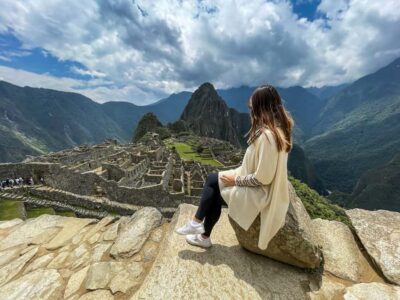 ★ 4.7From Cusco: Full-Day Group Tour of Machu PicchuFrom $3211,767 reviews
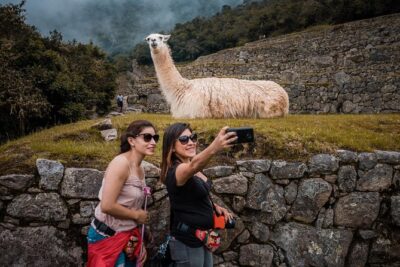 ★ 4.5Machu Picchu Day Trip from CuscoFrom $3361,644 reviews
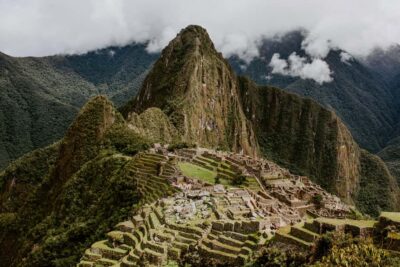 ★ 4.6Machu Picchu: Full-Day Tour from Cusco with Optional LunchFrom $283927 reviews
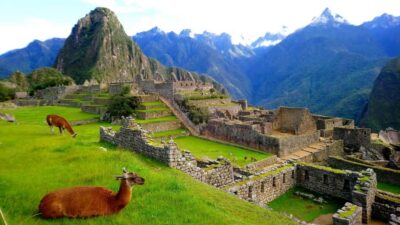 ★ 4.8Cusco: 4-Day Inca Trail to Machu Picchu with AccommodationFrom $470432 reviews
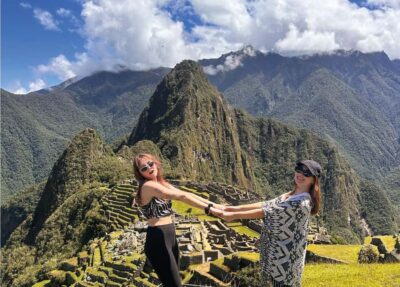 ★ 4.6From Cusco: 2-Day Trip to the Sacred Valley and Machu PicchuFrom $370265 reviews
 ★ 4.9Cusco: Machu Picchu 2-Day Inca Trail with Panoramic TrainFrom $582260 reviews
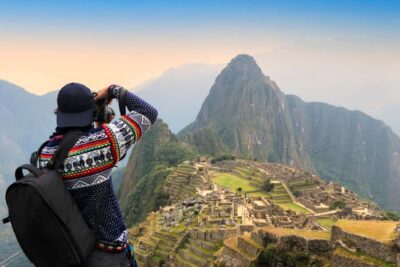 ★ 4.2From Cusco: 2-Day Inca Trail to Machu PicchuFrom $290244 reviews
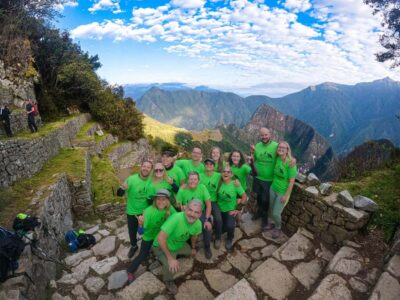 ★ 4.9Machu Picchu: Inca Trail 2-Day Overnight Guided TourFrom $585203 reviews
Also on these Peru lists