
REVIEW · NAZCA LINES
Nazca: Overflight of the Nazca Lines
Nazca Lines feel impossible until you see them from above. This Nazca overflight turns mystery into something you can actually track, fast, with a guide’s context. I especially like how you get panoramic views from every seat, plus a professional explanation of the Nazca culture and the big theories behind the geoglyphs. One possible drawback: the flight is short, but it is still a small-plane ride over uneven air, so if you get motion sickness easily, plan ahead.
The setup is also practical. You get shared transfers from downtown Nazca, a safety briefing at Aerodromo Maria Reiche, and a documentary plus a flight certificate and map. And because the group is limited to just 6 participants, the whole flow stays focused, not rushed.
In This Review
- Key details that matter before you book
- Why a Nazca Lines overflight makes sense, even when you do not know what you are looking at
- Getting to Aerodromo Maria Reiche: the Nazca pickup and the short coach ride
- The safety briefing phase is long for a reason, not because they forgot you
- Choosing 35 minutes or 1 hour: which Nazca figures you can realistically spot
- The 35-minute option: 13 major figures
- The 1-hour option: 21 figures plus the Palpa area
- Reality check: you are viewing from the air, not from a perfect map
- The meaning behind the lines: Nazca culture, Cahuachi, and why the theories never fully settle
- Comfort and motion sickness: the small-plane factor you should plan for
- Price and value: what you pay, what is extra, and where the real costs hide
- Who this Nazca overflight tour suits best
- Should you book the Nazca Lines overflight?
- FAQ
- How long is the Nazca Lines overflight?
- What time do flights operate?
- How many figures can I see on the 35-minute flight?
- How many figures can I see on the 1-hour flight?
- Are hotel transfers included?
- What is the extra cost for boarding the plane?
- What do I need to bring?
Key details that matter before you book
- Small group of up to 6 keeps the experience feeling more personal in a very fixed time window.
- Choose 35 minutes or 1 hour to control how many geoglyphs you get to spot.
- Documentary, map, and certificate mean you leave with more than photos.
- Weather and order of arrival can affect timing, since flights run between 09:00 and 16:00.
- Bring cash for air taxes paid before boarding, plus a few comfort items for the desert.
Other Nazca overflights and desert viewpoints
- From Nazca: 35-Minute Flight Over Nazca Lines
★ 4.6 · 583 reviews - From Nazca: Cahuachi Pyramids Tour and Textile Workshop
★ 4.8 · 21 reviews - From Nazca: Chauchilla Cemetery Tour and Artisans Workshop
★ 4.9 · 20 reviews - From Ica: Flight over the Nazca Lines
★ 3.0 · 15 reviews
Why a Nazca Lines overflight makes sense, even when you do not know what you are looking at
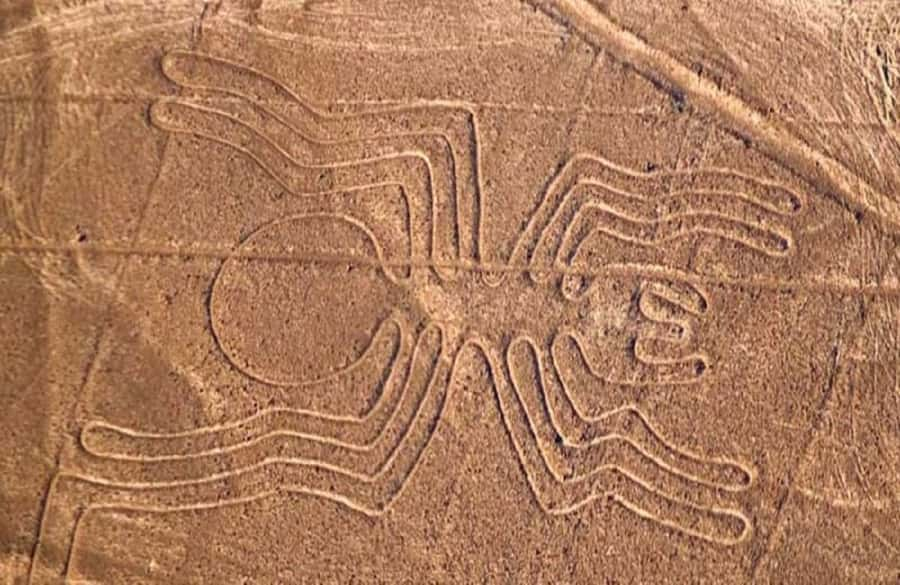
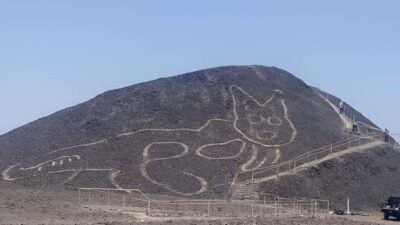
The Nazca Lines are not a museum object behind glass. They are huge drawings spread across desert plains between Nazca and Palpa, around 447 kilometers from Lima. The catch is that many of the most famous geoglyphs are hard to read from the ground. From the air, they stop being scattered lines and start behaving like patterns.
What I like about this kind of tour is that it gives you the missing pieces in the right order. You get a documentary about the Nazca Lines before the flight, and then you have a professional guide in English or Spanish explaining the culture behind them. That matters, because you are not just spotting shapes. You are trying to understand what the Nazca people may have been doing with their enormous solar and lunar calendar theory, and why archaeologists and researchers have argued for decades.
There is also the UNESCO angle. The Nazca Lines are part of a UNESCO World Heritage Site, which is a polite way of saying this is both globally important and carefully managed. Seeing them by plane is not just sightseeing. It is one of the few ways to appreciate the scale and layout as a whole.
If you are short on time in Peru, this is one of the highest value uses of an afternoon. You are trading a long hike and guessing from a distance for a focused flight window, backed up by a guide and a map afterward.
Getting to Aerodromo Maria Reiche: the Nazca pickup and the short coach ride
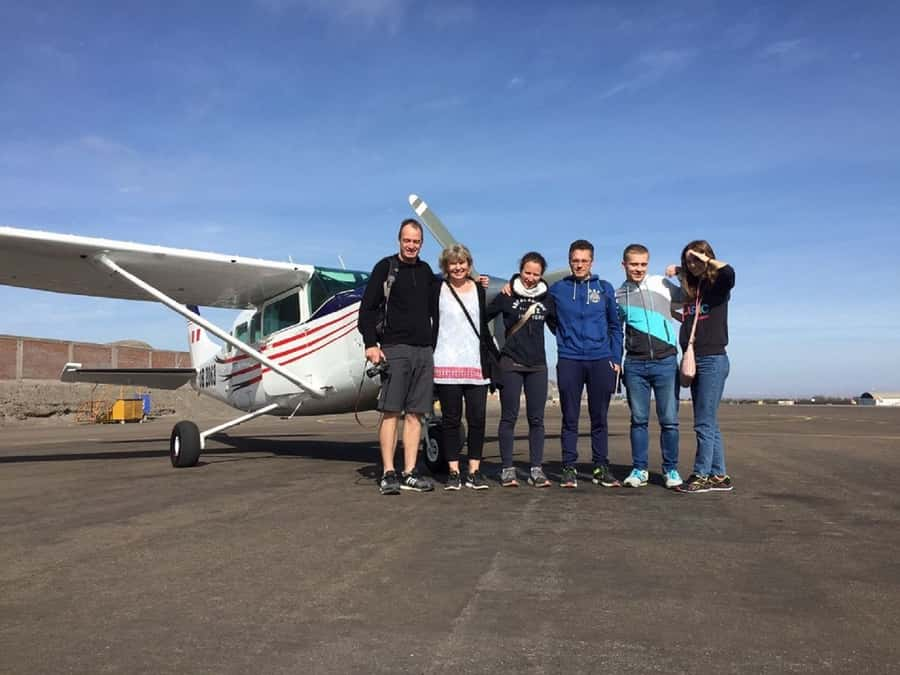
Your day starts with a shared transfer from a bus terminal or from hotels located in the center of Nazca. The drive to the aerodrome is brief, about 12 minutes by coach. This is a good sign for comfort. You are not spending half the day commuting before you even reach the runway.
One detail to know: transfers from hotels on the outskirts of downtown Nazca are not included. So if you are staying outside the center, you might need an extra arrangement or pay for that portion separately. It is worth checking early, because the overflight is time sensitive, and you do not want last-minute stress.
Once you arrive, the tour goes to Aerodromo Maria Reiche, named for the German researcher who devoted her life to studying and preserving the Nazca Lines starting in 1946. She is one of the key names tied to the modern understanding and conservation effort. Seeing her name on the aerodrome is a small moment, but it helps set context right away.
The safety briefing phase is long for a reason, not because they forgot you
After pickup and the short ride, you should expect a longer on-site wait. The plan includes a safety briefing at Aerodromo Maria Reiche, running about 40 minutes. That sounds like downtime, but it is part of what makes the flight itself go smoothly.
You also have a documentary about the Nazca Lines included. That is usually most helpful if you are not coming with a mental list of the main figures. Even if you have seen photos, the documentary can help you understand why the drawings are arranged the way they are, and why there is still no single confirmed answer for the purpose.
Flights run between 09:00 and 16:00, and departures follow the order of arrival and weather conditions. So even if your tour says a certain duration, the exact flight time can shift slightly. The bigger lesson: build in patience. When you are working in a desert environment, weather is not a footnote. It is the schedule.
Choosing 35 minutes or 1 hour: which Nazca figures you can realistically spot
This is the moment that decides the whole experience. You get to choose between a shorter 35-minute overflight and a longer 1-hour flight, depending on availability.
The 35-minute option: 13 major figures
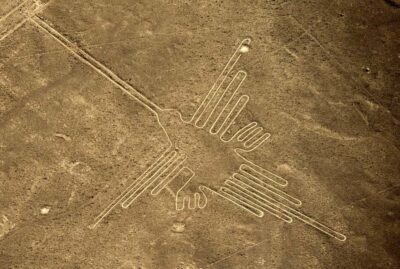
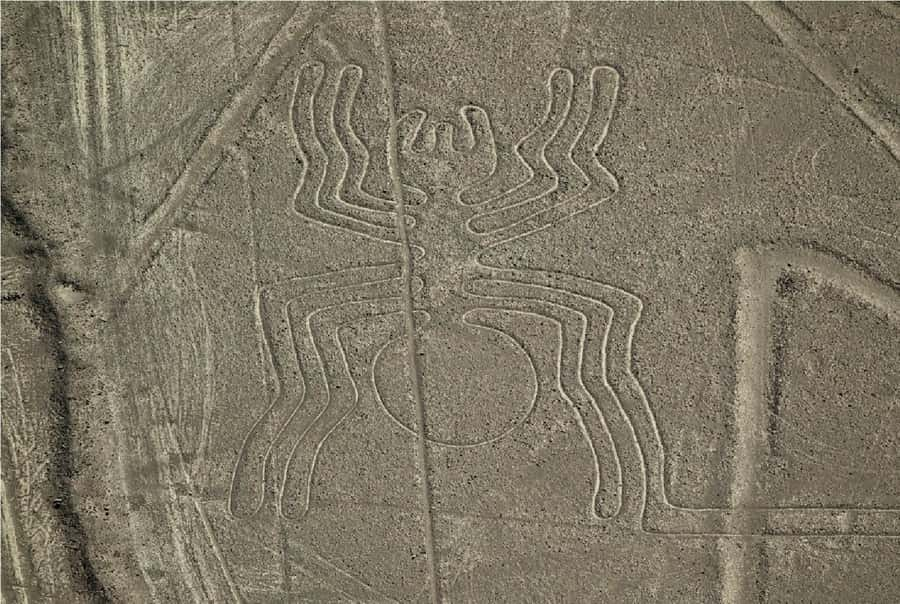
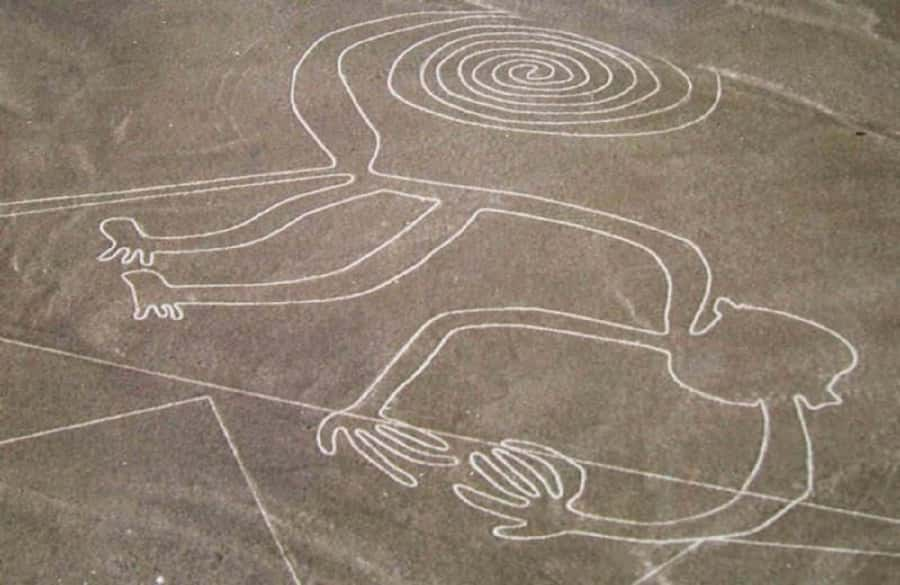
With the 35-minute flight, you can see 13 named figures:
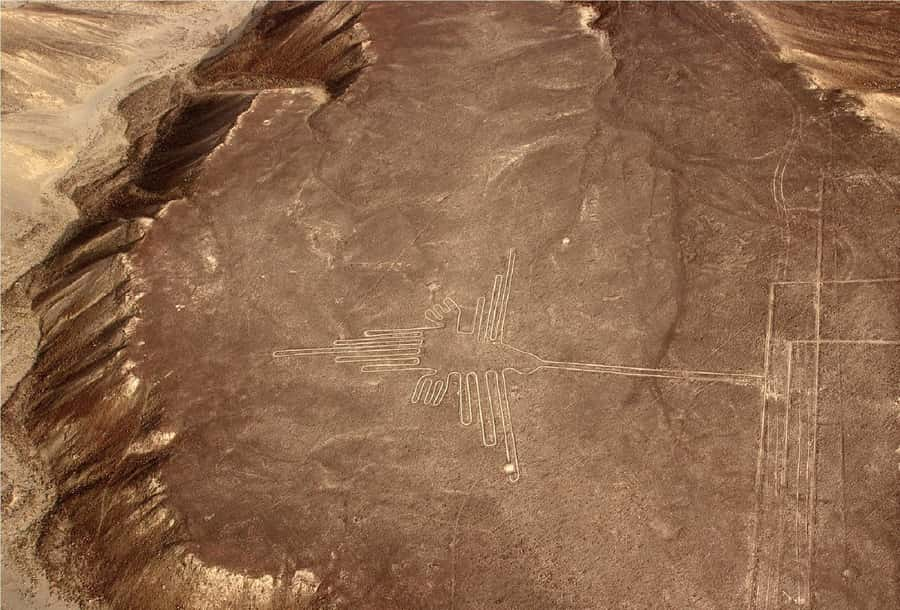
whale, trapezoids, dog, astronaut, monkey, condor, compass, spider, hummingbird, parrot, tree, hand, and albatross.
I like this option for first-timers because you get the most widely recognized shapes without feeling like you need to memorize a checklist. It also fits better if you have other plans in Ica or want a lighter afternoon.
One practical note: the 30-minute to 35-minute flight requires at least 2 people and is noted to start from 1:00 p.m. So if you are traveling solo or you have your heart set on morning or early afternoon, you might need to check exact availability.
The 1-hour option: 21 figures plus the Palpa area
The 1-hour flight gives you more time and more figures. It requires a minimum of 4 people to start the tour. In this longer route, you first see the same 13 figures above, and then you fly over the Palpa plains with additional geoglyphs, including:
heron, crane, pelican, seagull, parrot, snail, llamas, iguana, lizard, snakes, and various birds.
This option is best if you are genuinely trying to connect the dots, not just tick a box. With more time, you are more likely to notice how the lines relate to each other across the desert. It also tends to feel less like a quick photo run.
Reality check: you are viewing from the air, not from a perfect map
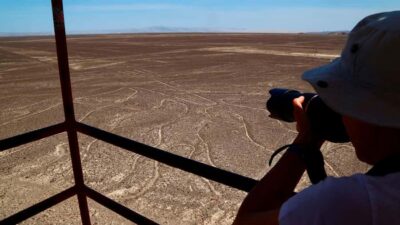
Even with a guide and a map, spotting specific figures takes a bit of work. Your flight window is short, and you will likely be switching attention between cloud gaps, light, and the scale of the drawings. The trick is to look for the big, high-contrast shapes first, then circle back to smaller details.
The meaning behind the lines: Nazca culture, Cahuachi, and why the theories never fully settle
The Nazca Lines are tied to the Nazca culture, which developed between the 1st and 7th centuries AD. The Nazca are known for polychrome ceramics, textiles, and metalwork, so they were not a “mystery only” civilization. The Lines are part of a broader cultural world.
Their ceremonial center is located at Cahuachi in the Nazca River valley. They also used a network of aqueducts to fertilize lands and support agriculture. Knowing that helps you avoid treating the geoglyphs as isolated magic. They were created within a living landscape of rituals, water management, and craft.
As for the Lines themselves, there are many theories. One discussed theory is the giant solar and lunar calendar idea, used by ancient astronomers. Another theory connects the drawings to extraterrestrials, or suggests the inhabitants created these works to be seen by gods from the sky. To this day, there is no certain information about the exact purpose.
The way I think about this for your decision-making is simple: do not book only because you want a final answer. Book because the scale is real, the artistry is real, and the mystery is part of the point. The guide’s job is to give you the major theories and the names behind them, like Toribio Mejía Xesspe, who is credited with discovering the lines in 1927, and Maria Reiche, who later led major research and preservation.
Comfort and motion sickness: the small-plane factor you should plan for
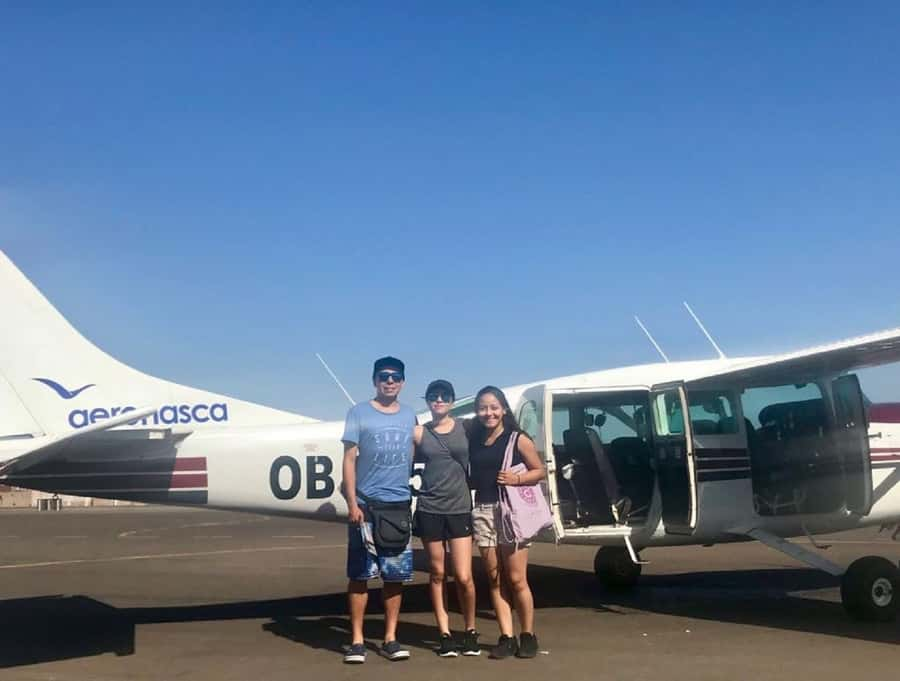
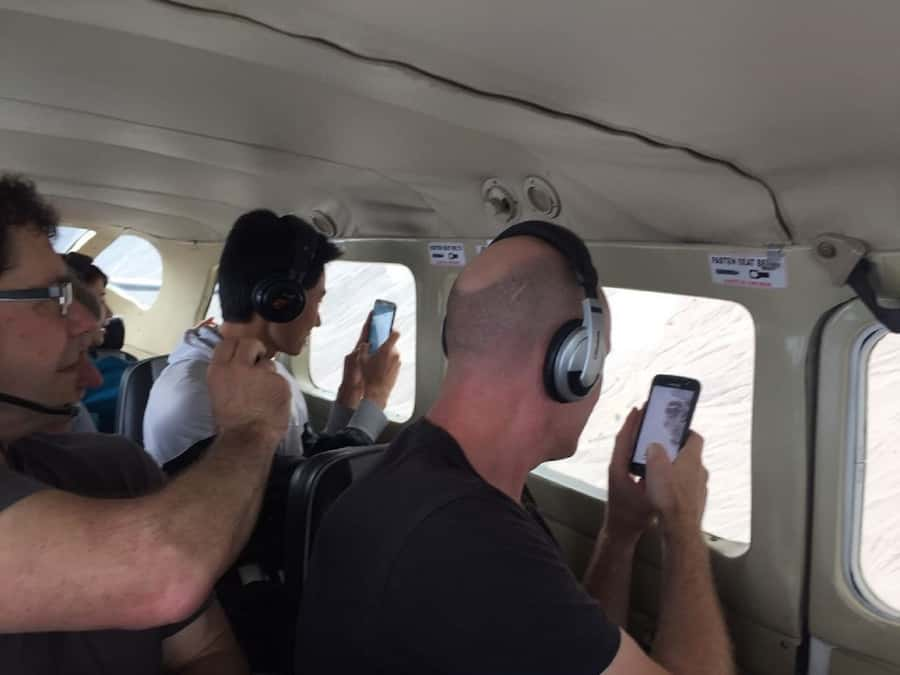
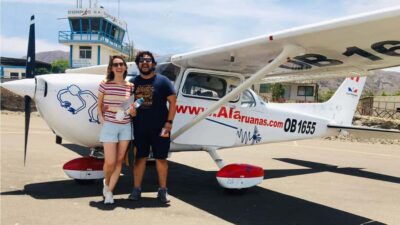
This tour uses an aircraft with 8 seats, with 2 pilots and 6 passengers. That small cabin is part of the charm. You get panoramic views for each passenger, and the flight is focused. It also means the ride can feel more noticeable than in a larger plane.
You should take seriously two practical considerations:
1) Weather and timing can change, so your body might feel a little “on alert” during the briefing wait.
2) If you get motion sickness, this flight can trigger it even if you normally feel fine.
One of the practical tips I would actually follow is bringing or taking anti-nausea medication if you know you react to rides when you are focused on photos and looking down. The flight window is short, so you do not want to spend your final minutes fighting discomfort.
Also keep your packing simple and functional. Bring a passport (required), sunscreen, a hat, and cash. Air taxes are paid in cash before boarding, so you do not want to be searching for an ATM while you are waiting.
If you are larger in size, the tour includes specific weight rules. People weighing more than 209 pounds (95 kilos) pay 50 percent more, and those weighing more than 253 pounds (115 kilos) pay an additional seat. You should let the operator know your weight when booking so seating and pricing are handled correctly.
Price and value: what you pay, what is extra, and where the real costs hide
The advertised price is $129 per person for a flight lasting 30 minutes to 1 hour. That base price covers the parts that are usually the hassle in Nazca: shared transfers from central locations, the documentary, and the guided component in English or Spanish. You also get a flight certificate and a map of the lines, plus assistance during the experience.
Then there are the extras you must plan for:
- Air taxes are not included, around S/. 77.00 or USD 25.00 per person, and you pay in cash before boarding.
- If your hotel is outside central Nazca, round trip transfers from the outskirts are not included.
When I judge value, I think about your time and stress. This is a small group experience with limited seats and a short, fixed flight time. You are not just paying for a plane ride. You are paying for the whole organized sequence, including guidance and the materials that help you make sense of what you saw.
One more value point: small groups often translate into fewer coordination problems. With a group limited to 6 participants, you are more likely to get a smoother process through safety and check-in compared with bigger busier setups.
Who this Nazca overflight tour suits best
This tour is a strong match if you:
- Want a high-impact Nazca experience without committing to a full day on the ground.
- Appreciate a guide explaining culture and theories, not just a quick flight.
- Prefer small groups and like getting your bearings from a map afterward.
- Are traveling on a budget for Peru but still want a serious bucket-list moment.
It might be less ideal if you need a very specific language. The guide is provided in English or Spanish, and you might find it harder if you were hoping for French specifically. If language choice is a deal breaker, check availability before you lock your plans.
Also be honest with yourself about motion sickness. If you know you get sick on buses or planes, consider it a priority item, not an afterthought.
Should you book the Nazca Lines overflight?
If you are deciding between ground viewpoints and an aerial flight, I would book the overflight for most first-time visitors. It is the clearest way to understand the Lines as patterns, not just scattered drawings. The inclusion of a documentary, a guide, and a map plus certificate makes it feel like more than a photo session.
Pick the 35-minute flight if you want the headline geoglyphs and a short, efficient outing. Choose the 1-hour flight if you can spare the time and you want more figures, including the Palpa plains area. Just plan for timing shifts because flights depend on weather and the order of arrival.
FAQ
How long is the Nazca Lines overflight?
The flight duration is 30 minutes to 1 hour, depending on the option you choose.
What time do flights operate?
Flights take place between 09:00 a.m. and 04:00 p.m.
How many figures can I see on the 35-minute flight?
On the 35-minute option, you can see 13 figures, including the whale, condor, hummingbird, parrot, and hand.
How many figures can I see on the 1-hour flight?
On the 1-hour option, you can appreciate 21 figures, including the 13 listed for the shorter flight plus additional geoglyphs over the Palpa plains.
Are hotel transfers included?
Round trip shared transfers are included from bus terminals or hotels located in the center of Nazca. Transfers from hotels on the outskirts are not included.
What is the extra cost for boarding the plane?
Air taxes are not included, approximately S/. 77.00 or USD 25.00 per person. You pay in cash before boarding.
What do I need to bring?
Bring your passport, sunscreen, hat, and cash.
More Tour Reviews in Nazca
- From Nazca: 35-Minute Flight Over Nazca Lines
★ 4.6 · 583 reviews - Fly Over the Nazca Lines with the Experts
★ 4.5 · 48 reviews - From Nazca: Cahuachi Pyramids Tour and Textile Workshop
★ 4.8 · 21 reviews - From Nazca: Chauchilla Cemetery Tour and Artisans Workshop
★ 4.9 · 20 reviews - From Ica: Flight over the Nazca Lines
★ 3.0 · 15 reviews
Flights Over the Nazca Desert
- From Nazca: 35-Minute Flight Over Nazca Lines
★ 4.6 · 583 reviews - Fly Over the Nazca Lines with the Experts
★ 4.5 · 48 reviews - From Nazca: Cahuachi Pyramids Tour and Textile Workshop
★ 4.8 · 21 reviews - From Nazca: Chauchilla Cemetery Tour and Artisans Workshop
★ 4.9 · 20 reviews - From Ica: Flight over the Nazca Lines
★ 3.0 · 15 reviews
Freshly reviewed across Nazca
- From Ica or Huacachina: Flight Tour Nazca Lines | Overflight★ 4.3 · 3 reviews
- From Nazca: Cahuachi Pyramids Private Tour★ 4.3 · 3 reviews
- From Lima: Nazca Lines Flight with Huacachina Oasis Tour★ 5.0 · 3 reviews
- Nazca: Chauchilla Cemetery Archaeological Tour★ 5.0 · 3 reviews
- Nazca: Light aircraft flight over the Nazca Lines★ 3.7 · 4 reviews
- Nazca : Mirador of Nazca Lines★ 4.9 · 5 reviews
Nazca Lines Flights side by side.
 ★ 4.6From Nazca: 35-Minute Flight Over Nazca LinesFrom $125583 reviews
 ★ 4.9Lima: Ballestas & Huacachina Day Trip w/ Nazca Lines FlightFrom $600117 reviews
 ★ 5.0Private Tour to the Astonished Nazca Lines and Huacachina OasisFrom $65084 reviews
 ★ 4.5From Lima: Ballestas, Nazca Lines & Huacachina OasisFrom $55082 reviews
 ★ 4.0Nazca Lines & Ballestas Islands Private Tour Bus&Flight from LimaFrom $81877 reviews
 ★ 4.7From Lima: Nazca Lines and Ica Desert Day TripFrom $39065 reviews
 ★ 5.010-Day Taste Peru Experience: Lima, Nasca, Cusco & Machu PicchuFrom $2,00563 reviews
 ★ 5.0The Nazca Lines & Huacachina Oasis from Lima – Private TripFrom $48560 reviews
Also on these Peru lists