
REVIEW · LAKE TITICACA
Puno: Lake Titicaca Day Tour
Titicaca makes an early start feel worth it. This Puno Lake Titicaca day tour blends the unforgettable Uros floating islands with a steady climb on Taquile Island, and I particularly like meeting the friendly islanders and seeing how daily life works on the water. One possible drawback, worth knowing up front, is that the Uros portion can feel very tourism-focused, and the boat ride back can feel slow for some people.
You get a proper lake day without fuss: pickup from central Puno, a covered motor boat for weather, and a bilingual guide who can explain what you are seeing. You’ll also walk enough on Taquile that good shoes matter, and the cold can sneak up on you even when the sun is out.
In This Review
- Key Highlights You’ll Notice Right Away
- Why This Titicaca Day Trip Starts Between 6:00 and 7:00AM
- Puno to Uros by Motor Boat, What the Ride Feels Like
- Uros Floating Islands: Two Stops on a Whole Archipelago
- Taquile Island: The Gradual Climb That Builds the Day
- Textile Cooperative Stop: Where Craft Becomes the Point
- Lunch and the Food Break You Should Plan For
- What to Pack for Titicaca Wind, Cold, and Walking
- Price and Value: Is $57 a Fair Deal?
- The Parts That Can Feel Long, and How I’d Handle Them
- Who Should Book This Titicaca Tour From Puno
- Should You Book This Puno: Lake Titicaca Day Tour?
- FAQ
- What time does the tour start?
- Where is pickup and drop-off provided?
- What is included in the price?
- What is not included?
- How long is the tour?
- What languages are spoken by the guide?
- What should I bring?
- Is there free cancellation?
Key Highlights You’ll Notice Right Away
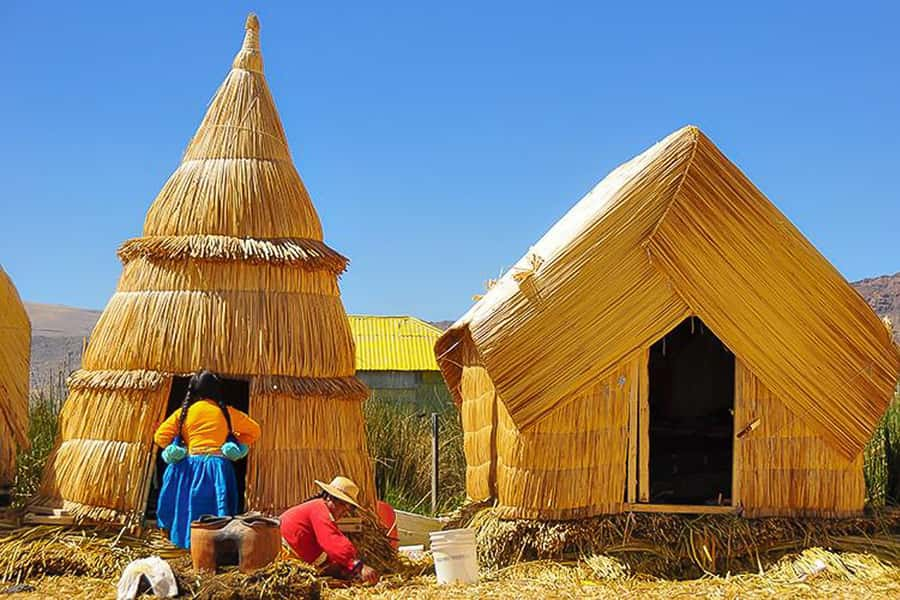
- Uros floating islands by motor boat, with safe, water-bed like footing
- Two island stops out of many, so you still get a sense of the bigger archipelago
- Taquile Island climb, with big views and a village feel once you reach the top
- Handicraft cooperative on Taquile, where textiles are the main event
- Bilingual guide (Spanish and English) to connect the dots as you go
- Long day pacing, including a 2.5-hour navigation stretch for scenery time
Uros, Taquile and Amantani, other crossings
- From Puno: Uros, Amantaní & Taquile Islands 2-Day Tour
★ 4.5 · 452 reviews - From Puno: Floating Islands of the Uros Half-Day Tour
★ 4.4 · 394 reviews - Lake Titicaca 2-Day Tour to Uros, Amantani and Taquile
★ 4.4 · 199 reviews - Puno: Full-Day Tour of Lake Titicaca and Uros & Taquile
★ 4.4 · 178 reviews
Why This Titicaca Day Trip Starts Between 6:00 and 7:00AM
This tour starts early, typically sometime between 6:00AM and 7:00AM, with pickup from your hotel in central Puno. That timing is not random. The lake is at its most pleasant earlier in the day, and you also need enough daylight to do both the Uros islands and the hike up Taquile without rushing too hard.
The schedule is built for a full loop. After pickup, you transfer to the port and head out by motor boat. Expect a long day overall, because the total duration is 630 minutes, which is about 10.5 hours. You are back in Puno later, then transferred to your hotel.
If you hate morning delays, you’ll want to be ready at your pickup spot a little earlier than you think you need to. The experience runs like a small operation at the port, and when morning timing slips, it usually affects the start more than anything else.
Puno to Uros by Motor Boat, What the Ride Feels Like
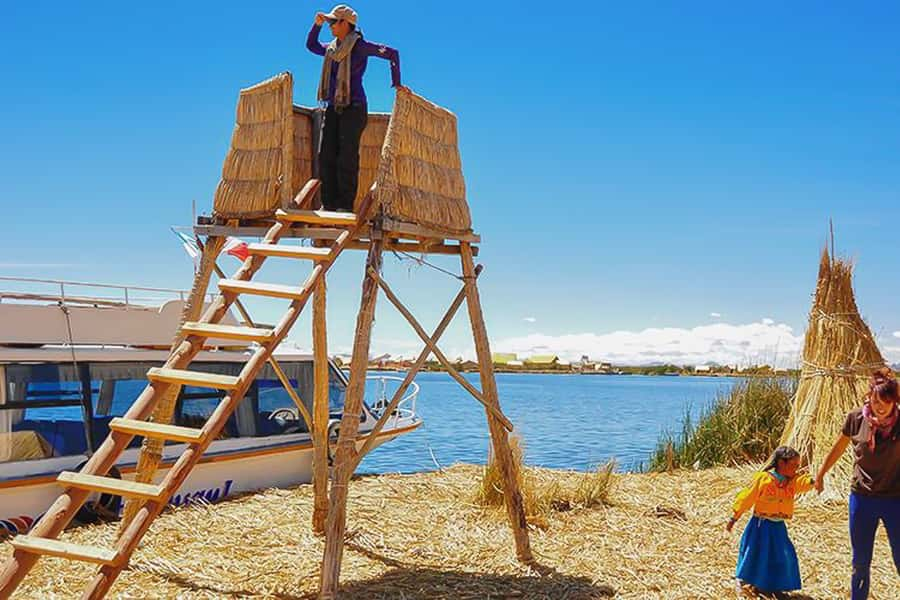
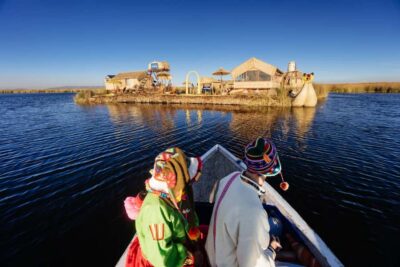
Once you’re at the port, you’ll go to the Uros floating islands by motor boat. The boat is described as 35 feet long, with a covered section designed for rain or cold weather. That cover matters on Lake Titicaca. Even in a clear day, wind can turn chilly fast, especially while you are moving.
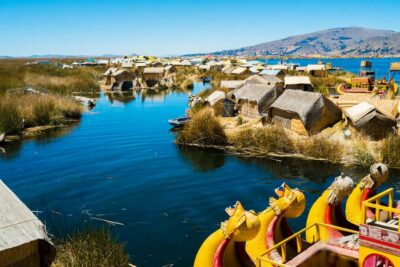
Stepping onto the floating islands is also a big part of the first impression. The islands feel like being on a water bed, but the activity is presented as safe. In plain terms, you are not on flimsy ground, you are on a living system made from reeds, and the footing has some give. That natural springy feel is part of what makes Uros click.
You’ll see houses and many islands, and you’ll have time to meet the islanders. The tour frames the residents as descendants of one of the oldest South American groups, and the conversations you get from your guide are often the real reason people remember Uros, not just the photos.
Two extra notes that help you enjoy the ride:
- Bring something to keep you warm during the boat time, since the covered area is not the same as being indoors.
- If you get motion discomfort, keep your eyes on the horizon during turns and ask your guide where to sit.
Uros Floating Islands: Two Stops on a Whole Archipelago
You visit two of the Uros islands during the trip. That matters, because with dozens of islands in the wider Uros area, seeing only one can make the experience feel repetitive. Two stops usually help you understand what is similar and what changes from island to island.
What I like most about Uros is how normal it can feel once you’re there. Yes, it’s famous, but it is also a place people live and work. You can see houses, and you’ll learn how the environment and materials shape daily life. The tone of the tour is friendly and direct, and the guide helps you connect details without getting overly academic.
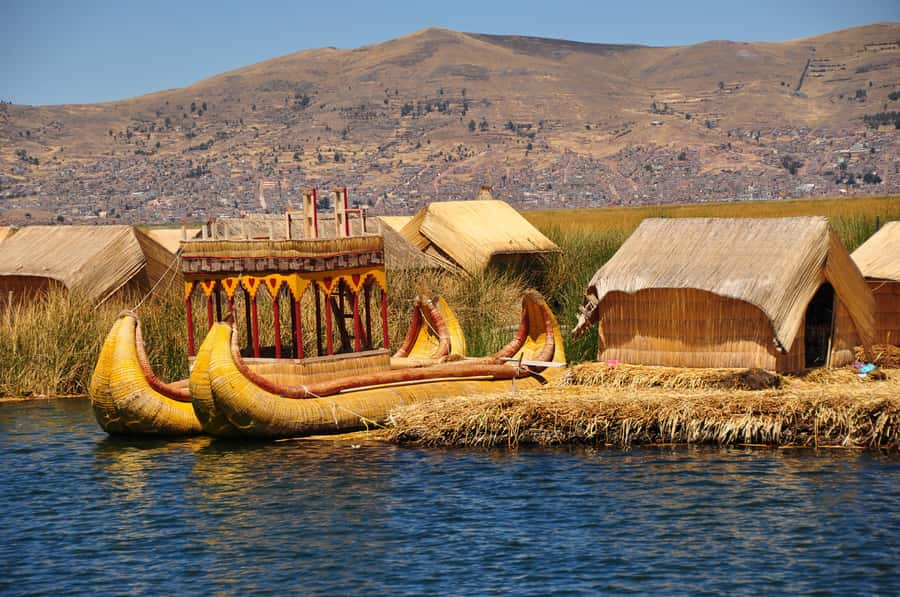
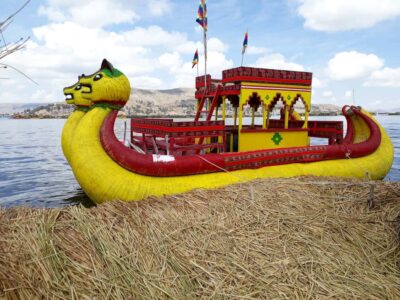
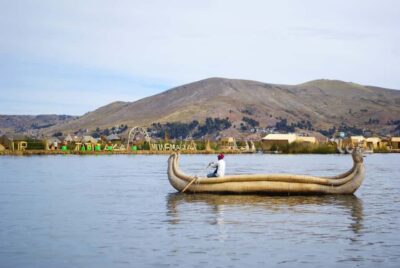
There is also an optional activity you’ll hear about on-site. Rides on traditional reed boats can be arranged directly at the Uros islands, and you pay the local skipper. Since it’s not included, you have control over whether you want to add it.
Now, the fair heads-up. One downside that shows up in feedback is that the Uros stop can feel heavy on tourism, and some people find the boat timing slow on the way back. You can’t change the route, but you can change your expectations. Go for the interaction, the reed-island design, and the short moments that feel human, not for a quiet, untouched corner of the lake.
Taquile Island: The Gradual Climb That Builds the Day
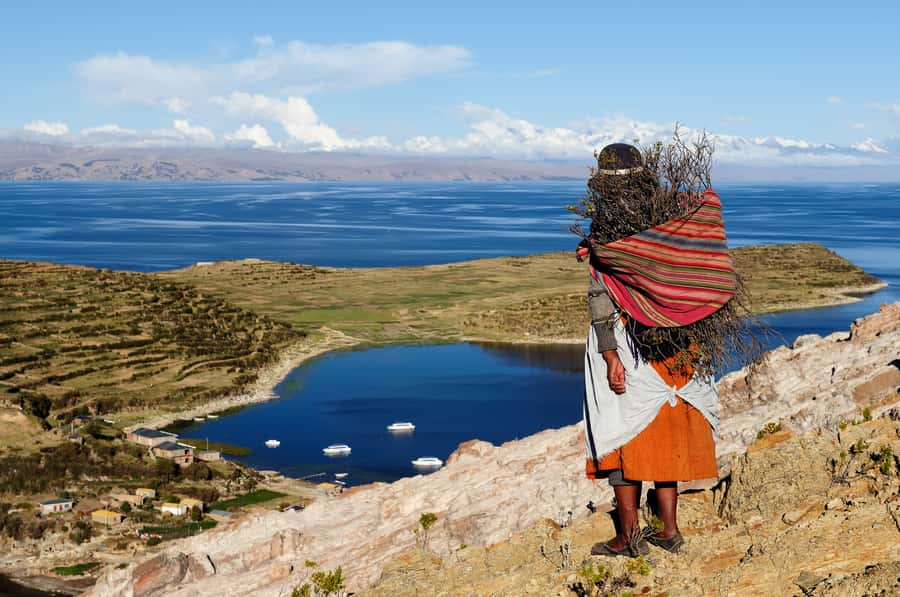
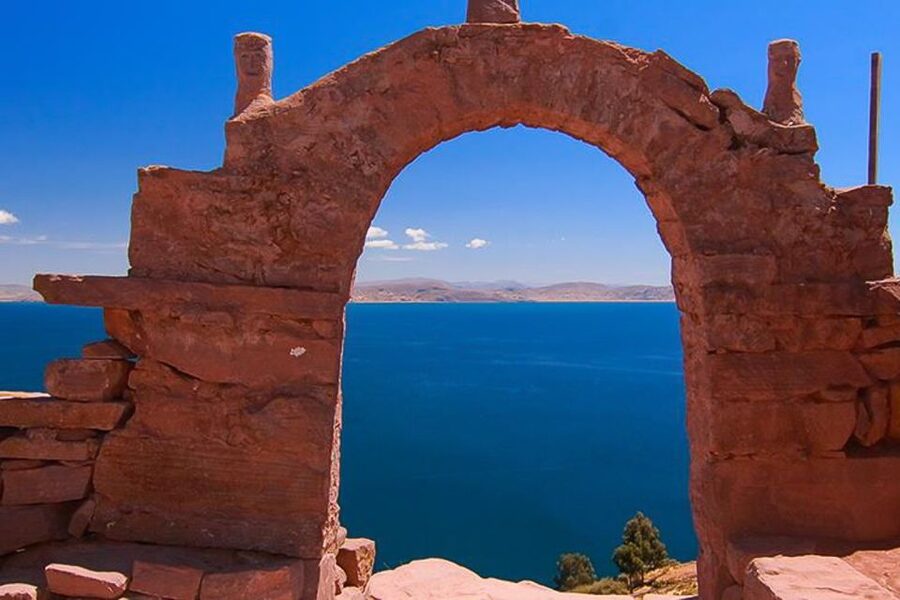
After a relaxed 2.5-hour navigation stretch, you reach Taquile Island. This part of the day often shifts the feel from tour-structured to community-based. Taquile is where you get the village experience, not just the floating island novelty.
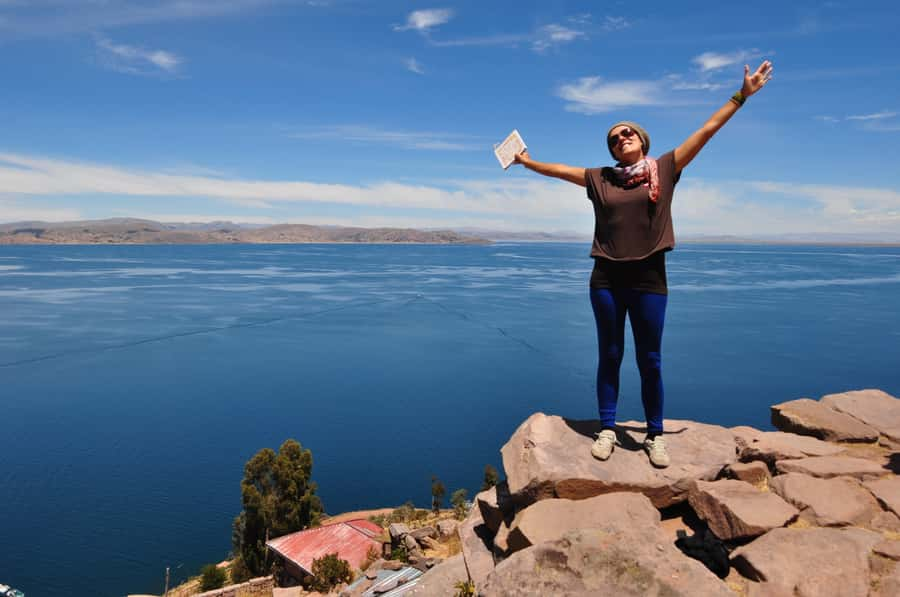
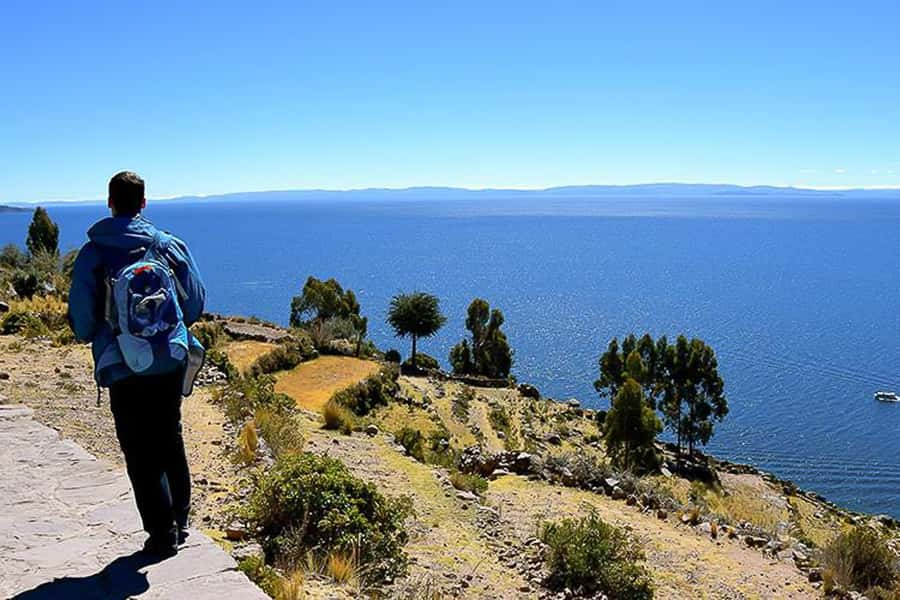
Once you arrive, there is a long, gradually ascending path that leads you to the village area. It’s not described as a steep wall, but it is still a real walk. If you go in with sandals or thin soles, the altitude and uneven paths can make it more annoying than it needs to be. If you go in with walking shoes, the climb turns into a steady rhythm and the views reward you as you gain height.
When you reach the village, you’ll discover a unique community. The tour focus includes time for walking around and understanding how daily life works up there. This is also where the day stops feeling like a checklist and starts feeling like you are actually in the place.
If you want a simple pacing tip: start slow on the climb. You are on a high-elevation lake, and it’s better to arrive slightly winded than to push and pay for it later.


Textile Cooperative Stop: Where Craft Becomes the Point
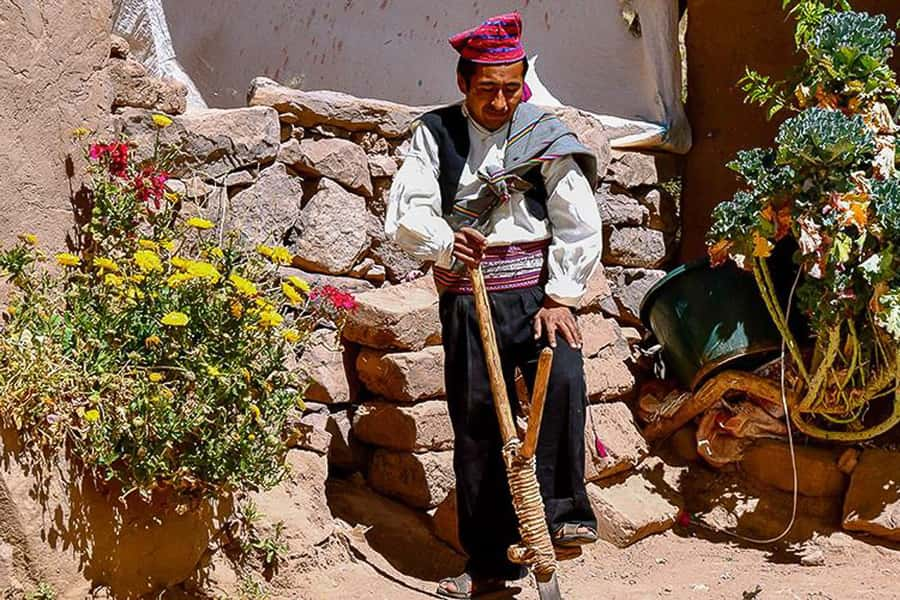
Taquile is best known for craft, and the tour includes a visit to a communal cooperative. This is where you’ll find handicraft textiles of high quality.
I like this stop because it turns shopping into something more meaningful. Instead of just buying souvenirs, you get context for the weaving work and why it matters in local life. You can browse, ask questions, and decide calmly if anything fits your taste and budget.
A good strategy here is to treat textiles like a food tasting. Look first. Compare details. Then pick one item you genuinely like, not five things you sort of like. Even if you are only window-shopping, it is worth visiting the cooperative to understand the effort behind what you see.
Also, this is a good time to slow down after your walk. The change from the climbing path to a seated cooperative visit can feel like a mini reset, especially if you dressed for outdoor weather and your hands are tired from holding a camera.
Lunch and the Food Break You Should Plan For
The tour includes a basic lunch. That matters because it keeps you from hunting for food mid-day with hungry timing and limited options around the islands.
One piece of real-world feedback that stands out is a note about trout being especially good. Since trout is not explicitly listed in the basic lunch description, I’ll phrase this carefully: if trout is what is served on your day, it’s a dish you should not skip. If something else is on the menu, just use lunch as your energy reset for the rest of the afternoon and the return trip.
Don’t treat lunch like a guaranteed feast either. It’s described as basic. In other words, plan on it being satisfying enough to keep you moving, not a culinary highlight designed for food lovers.
What to Pack for Titicaca Wind, Cold, and Walking
This is a long day on the lake, and Titicaca weather likes to change. The tour suggests bringing:
- a t-shirt (optionally a long-sleeved layer)
- long trousers
- warm clothing, like a jacket or fleece
- a rain coat or poncho
- a hat and sunglasses
- sunscreen
- walking shoes or boots
- a camera
- Peruvian currency
That list is practical, and I’d follow it closely. Lake air can feel sharper than you expect, and wind makes cold worse than temperature alone. A rain poncho or light rain jacket also gives you comfort on the boat, especially since you might still get spray even with a covered section.
If you want to be extra comfortable:
- Bring a small layer for the boat.
- Keep your sunglasses on your head or in your pocket. You’ll use them.
- Wear shoes you trust on uneven ground for Taquile’s ascent.
And yes, bring camera gear you can handle quickly. You’ll have multiple views, and you do not want to waste time digging for things when the photo moment hits.
Price and Value: Is $57 a Fair Deal?
At $57 per person, this tour aims at value through bundled costs. It includes all transfers, a Spanish and English-speaking guide, entrance fees, and a basic lunch. In practice, that matters because the day depends on boat transport and port logistics. Those costs add up fast if you try to stitch it together on your own.
What you should consider:
- Drinks are not included, so plan on spending extra if you like beverages with meals.
- An optional speed boat ride can be arranged directly at the Uros islands and paid to the local skipper, so you can keep the base experience as-is or upgrade if you want.
Is it good value? For most people, yes, because you’re paying for a full circuit with guidance, walking time on Taquile, and organized ferry-style transport. The one caveat is expectation management. If your heart wants a quiet, untouched nature day, the Uros portion may feel too tourist-heavy. If your heart wants local life and easy context, it’s a strong price.
The Parts That Can Feel Long, and How I’d Handle Them
A full loop can be tiring, even when it’s fun. One concern that appears in feedback is that the return felt long and the boat ride was slow for some people. Another note mentioned morning timing, where there was a delay before departure.
So here is how I’d handle it as a practical traveler:
- Treat the morning as flexible. Be early, not late.
- Plan for boat time. Bring something small to keep you comfortable, like a warm layer and maybe a snack if you usually get hungry between meals.
- On the Uros side, focus on interaction, not only on the novelty. That keeps the experience satisfying even if the route feels structured.
This tour is built for one thing: seeing both Uros and Taquile in a single day. That means the boat time is non-negotiable. If you accept that upfront, the day feels smoother.
Who Should Book This Titicaca Tour From Puno
I’d point this tour toward you if you want:
- a guided introduction to Lake Titicaca’s most famous stops
- time to meet local people and not just pass through
- a mix of walking and boat scenery
- a craft-focused stop on Taquile that includes the cooperative textiles
It’s also a decent match if you like clear structure. The tour includes transfers, entrance fees, guide interpretation, and a lunch stop, so you spend less time figuring out logistics and more time actually being out on the water and at the villages.
You might think twice if:
- you dislike tourist-oriented stops and prefer remote areas
- you don’t want to do any walking at altitude, since Taquile includes a long gradual ascent
- you are very sensitive to long boat rides, since the schedule includes a return that can feel slow
Should You Book This Puno: Lake Titicaca Day Tour?
Book it if you want a well-paced, guided Lake Titicaca day that includes both the reed-island experience of Uros and the community-focused climb and cooperative visit on Taquile. The biggest strengths are straightforward: you get real human interaction, you get strong views, and you get the practical package of transfers, entrances, bilingual guidance, and lunch for $57.
Skip or look for an alternative if you are hoping for a quiet, low-tourism vibe all day. The Uros portion can feel geared toward visitors, and the boat timing can test your patience.
If you go in with the right mindset, bring warm layers and solid shoes, and use the guide for context, this is the kind of day that stays in your memory because it’s not only scenic. It’s social, crafted, and genuinely different from the usual Peru itinerary.
FAQ
What time does the tour start?
Pickup begins between 6:00AM and 7:00AM, followed by a transfer to the port.
Where is pickup and drop-off provided?
Pickup and drop-off are included from accommodations in central Puno, with a return transfer after the day ends.
What is included in the price?
All transfers, a Spanish and English-speaking guide, entrance fees, and a basic lunch are included.
What is not included?
Drinks are not included, and an optional speed boat ride (arranged at the Uros islands) is paid directly to the local boat skipper.
How long is the tour?
The duration is 630 minutes, which is about 10.5 hours.
What languages are spoken by the guide?
The guide speaks Spanish and English.
What should I bring?
Bring warm clothing (jacket or fleece), a rain coat or poncho, long trousers, a hat and sunglasses, sunscreen, walking shoes or boots, a camera, Peruvian currency, and a t-shirt (optionally with long sleeves).
Is there free cancellation?
Yes. You can cancel up to 24 hours in advance for a full refund.
More Tours in Puno
- From Cusco: Vinicunca Rainbow Mountain ATV Tour with Meals
★ 4.6 · 1,060 reviews - From Puno: Uros, Amantaní & Taquile Islands 2-Day Tour
★ 4.5 · 452 reviews - From Puno: Floating Islands of the Uros Half-Day Tour
★ 4.4 · 394 reviews - Lake Titicaca 2-Day Tour to Uros, Amantani and Taquile
★ 4.4 · 199 reviews - Puno: Full-Day Tour of Lake Titicaca and Uros & Taquile
★ 4.4 · 178 reviews
More Tour Reviews in Puno
- From Cusco: Vinicunca Rainbow Mountain ATV Tour with Meals
★ 4.6 · 1,060 reviews - From Puno: Uros, Amantaní & Taquile Islands 2-Day Tour
★ 4.5 · 452 reviews - From Puno: Floating Islands of the Uros Half-Day Tour
★ 4.4 · 394 reviews - Lake Titicaca 2-Day Tour to Uros, Amantani and Taquile
★ 4.4 · 199 reviews - Puno: Full-Day Tour of Lake Titicaca and Uros & Taquile
★ 4.4 · 178 reviews
Island Time on Titicaca
- From Puno: Uros, Amantaní & Taquile Islands 2-Day Tour
★ 4.5 · 452 reviews - From Puno: Floating Islands of the Uros Half-Day Tour
★ 4.4 · 394 reviews - Lake Titicaca 2-Day Tour to Uros, Amantani and Taquile
★ 4.4 · 199 reviews - Puno: Full-Day Tour of Lake Titicaca and Uros & Taquile
★ 4.4 · 178 reviews - Puno: Full-Day Route of the Sun Tour to Cusco with Lunch
★ 4.7 · 131 reviews
Freshly reviewed across Puno
- Discover the Celestial Wonder of Sillustani: Towers of Time★ 4.2 · 3 reviews
- From Puno: Travel to Cusco in Titicaca Train All Inclusive★ 3.9 · 3 reviews
- 5h tour from Puno to Aramu Muru portal and Inca Ruins★ 4.6 · 3 reviews
- From Puno: Excursion to Uros and Taquile Islands + Income★ 4.7 · 4 reviews
- Puno: Lake Titicaca, Uros, and Taquile Full-Day Tour★ 4.5 · 4 reviews
- FromPuno: Uros and Amantani Islands Full-Day Tour with Lunch★ 4.5 · 4 reviews
Lake Titicaca Tours side by side.
 ★ 4.5From Puno: Uros, Amantaní & Taquile Islands 2-Day TourFrom $59452 reviews
 ★ 4.4From Puno: Floating Islands of the Uros Half-Day TourFrom $10394 reviews
 ★ 4.62-Day Tour Colca Canyon in Arequipa with end in PunoFrom $78248 reviews
 ★ 4.4Lake Titicaca 2-Day Tour to Uros, Amantani and TaquileFrom $69199 reviews
 ★ 4.4Puno: Full-Day Tour of Lake Titicaca and Uros & TaquileFrom $33178 reviews
 ★ 4.7Puno: Full-Day Route of the Sun Tour to Cusco with LunchFrom $44131 reviews
 ★ 4.2Floating Islands of the UrosFrom $7101 reviews
 ★ 4.8Cusco: Scenic Route of the Sun to Puno with Buffet LunchFrom $44101 reviews
Also on these Peru lists