
REVIEW · MACHU PICCHU
Sacred Valley & Machu Picchu by Train: 2-Day, 1-Night Tour
Two days, one big Inca payoff. This train-based route strings together the best Sacred Valley stops, then lands you at Machu Picchu for a sunrise visit without you playing logistics roulette all by yourself.
I especially like how the day is built around Inca food and farming tech at Moray and the salt terraces of Salineras of Maras. On top of that, the guides I had in mind, like Herbert Vidal, Alex, and Oliver, keep the stories clear, and they answer questions as you walk, not after you are already lost.
One thing to consider: you need to travel light. The tour does not allow luggage or large bags, and Machu Picchu means an early morning bus, plus strict passport checks at the checkpoint.
In This Review
- Key highlights you should care about
- Sacred Valley plus Machu Picchu by train, why this order works
- Day 1 in Cusco to Aguas Calientes: alpacas, Pisac, Moray, Maras, and Ollantaytambo
- Alpaca Center and textile learning, more than a quick stop
- Mirador Taray, Sacred Valley views with context
- Pisac: Inca archaeological site on the hill, then Pisac Market for real buying
- Lunch in Urubamba, a reset between ruins
- Moray and Salineras of Maras, the Inca science you can walk to
- Ollantaytambo, last standing Inca citadel and a town built on ruins
- Expedition train to Aguas Calientes, what that overnight actually buys you
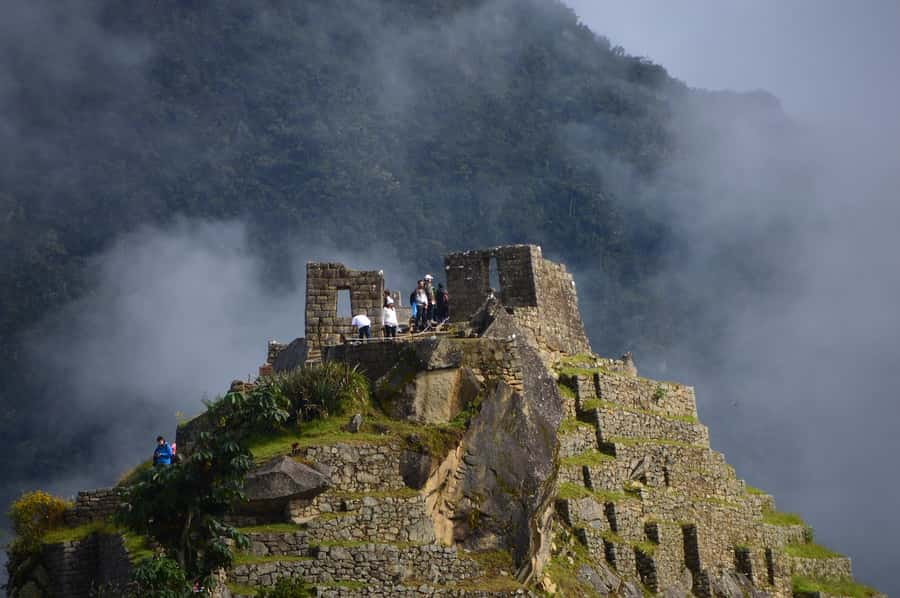
- Day 2: sunrise at Machu Picchu with a guided 3-hour circuit
- Early bus up to the checkpoint, passport matters
- Guided Machu Picchu, about 3 hours that focus on the main beats
- Optional hikes: Huayna Picchu or Machu Picchu Mountain
- Bus back down, then train return to Ollantaytambo and Cusco
- Train logistics and timing, the practical stuff that can make or break comfort
- Price check: is $698 good value for this route?
- Who this Sacred Valley and Machu Picchu tour is best for
- Should you book it?
Key highlights you should care about
- Small group size (up to 16) means you can actually ask questions during the walking stops.
- Machu Picchu sunrise timing with an early bus, then a guided circuit of about 3 hours.
- Sacred Valley all in one push including Pisac archaeological site, Pisac Market, Moray, Salineras of Maras, and Ollantaytambo.
- Round-trip train (Expedition) plus bus service to Machu Picchu, so you are not stitching together parts.
- Entrance tickets included for major sites, so you can focus on ruins, not paperwork.
- Natural-color textile education at an alpaca textile center, not just animal viewing.
Other citadel visits, ticket types and start times
- From Cusco: Full-Day Group Tour of Machu Picchu
★ 4.7 · 1,767 reviews - Machu Picchu Day Trip from Cusco
★ 4.5 · 1,644 reviews - Machu Picchu: Full-Day Tour from Cusco with Optional Lunch
★ 4.6 · 927 reviews - Cusco: 4-Day Inca Trail to Machu Picchu with Accommodation
★ 4.8 · 432 reviews
Sacred Valley plus Machu Picchu by train, why this order works
If your plan is Cusco, Sacred Valley, and Machu Picchu, you usually end up fighting schedules. Trains, buses up to the citadel, opening times, and the fact that Machu Picchu is strict about entry all pile onto one trip.
This route fixes that by doing the heavy lifting. You start in Cusco with hotel pickup, ride through the Sacred Valley’s top sites in sequence, then take the Expedition train to Aguas Calientes for the night. Day two focuses only on Machu Picchu, with an early bus and a guided visit that keeps you moving at a sensible pace.
Another smart part: the itinerary is not just “ruins, ruins, ruins.” You also get a hands-on look at Andean textiles and the way people historically used natural dyes, plus time for a real market stop where bargaining is part of the culture.
Day 1 in Cusco to Aguas Calientes: alpacas, Pisac, Moray, Maras, and Ollantaytambo
Alpaca Center and textile learning, more than a quick stop
Day 1 begins with hotel pickup in Cusco, then a short ride to an alpaca farm and textile center. Expect to see llamas, alpacas, viñuna, and guanacos. The main value here is how the place connects animal care to what visitors often want most from the Andes: the textiles.
You will learn about weaving, and how locals achieve natural colors. There is time to shop, and this is one of the better shopping situations in the region because you are seeing how the product is made before you buy it.
Practical note: the program suggests bringing a daypack and keeping things minimal. If you tend to travel with a big bag, plan to keep it out of the picture early.
Mirador Taray, Sacred Valley views with context
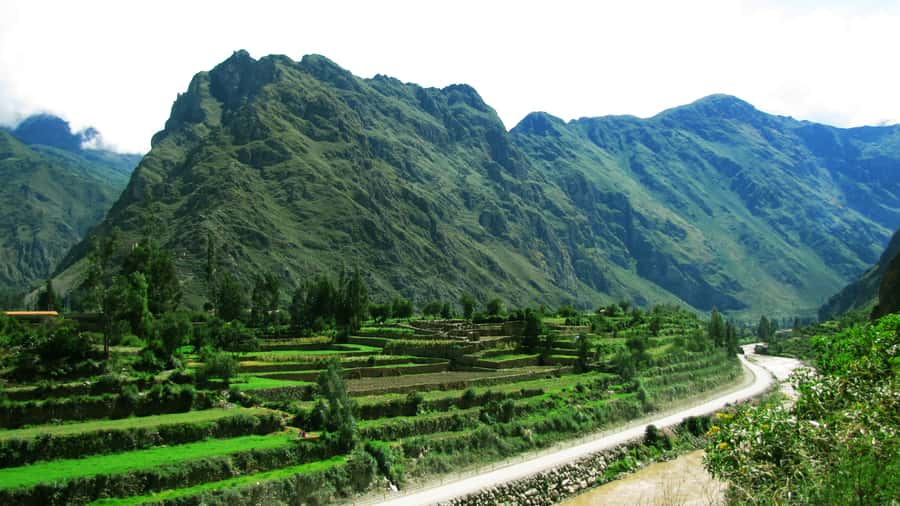
After the alpaca and textile stop, you head to a lookout point in the Sacred Valley area, with views over the Urubamba River and the farming lands of the Incas. This is not the kind of viewpoint where the guide just points and moves on.
Instead, it sets the scene for why the Inca sites you visit next look the way they do: terracing, irrigation, and land use were built to work in harsh mountain conditions.
More Sacred Valley itineraries on our list

Pisac: Inca archaeological site on the hill, then Pisac Market for real buying
Pisac has two sides, and the tour uses both.
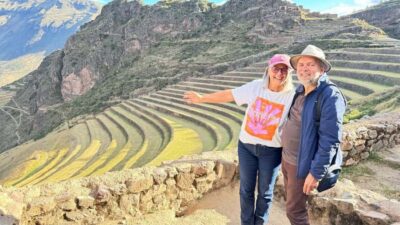
First, you visit the Pisac Inca archaeological site, perched on the mountain with stone walls, agricultural terraces, irrigation systems, and what is described as the Inca Empire’s largest cemetery. This mix matters. You are not only seeing ceremonial spaces, you are also seeing the infrastructure that helped a whole region function.
Second, you drop into the Pisac Market. Here you can bargain for traditional crafts and souvenirs, including ceramics, textiles, jewelry, Andean instruments, alpaca products, and other small goods. If you enjoy markets, this is where you will feel the most “local rhythm,” not just a museum experience.
Tip: bring smaller bills if you have them, and go in with a relaxed mindset. Bargaining is part conversation, part negotiation, and part practice for reading the mood in a stall.
Lunch in Urubamba, a reset between ruins
Lunch is included in Urubamba, with a buffet lunch at a local restaurant. This break matters because it gives you energy for Moray, Salineras, and Ollantaytambo, which are the more active walking stretches of the day.
Moray and Salineras of Maras, the Inca science you can walk to
This is one of the best sequences in the whole program because it ties together how the Inca experimented with land and microclimates.
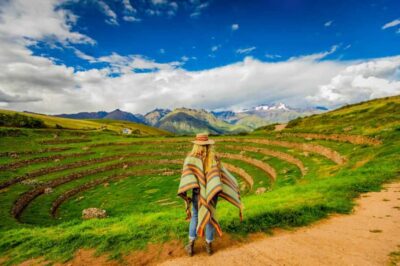
At Moray, you see terraced circular structures used for agricultural experimentation. The point is not that the Incas were doing science in a lab, but that they understood how small changes in elevation and exposure affected growing conditions.
Then you go to the Salineras of Maras, the famous salt pans carved into the mountainside. Walking among them gives you a very tangible sense of how a resource landscape can become a working system.
Both stops are also visually strong. But what I think is most valuable is the guide’s explanation while you are still standing there, not after you are back on the bus.
Ollantaytambo, last standing Inca citadel and a town built on ruins
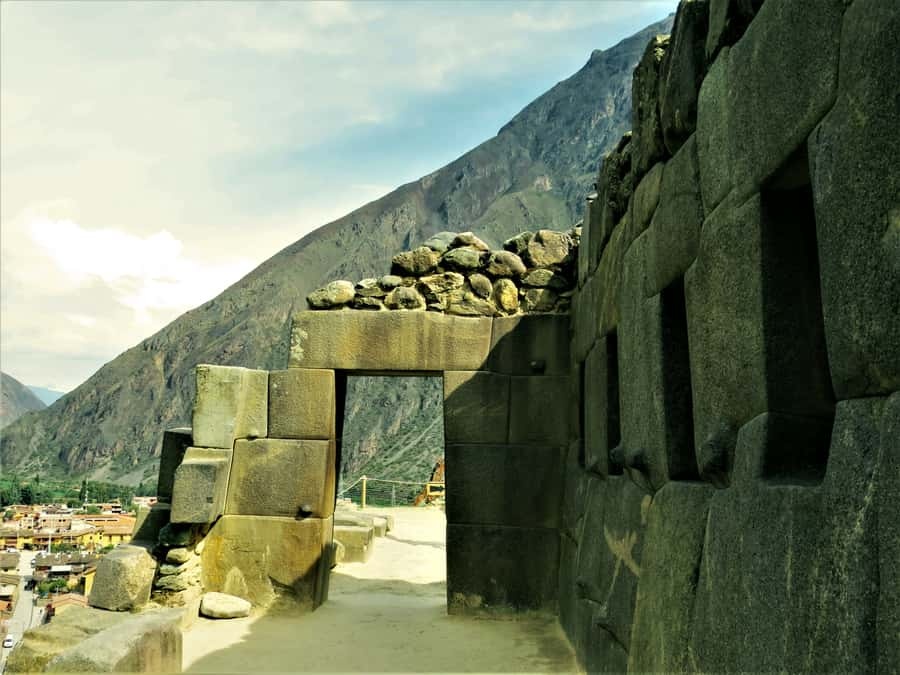
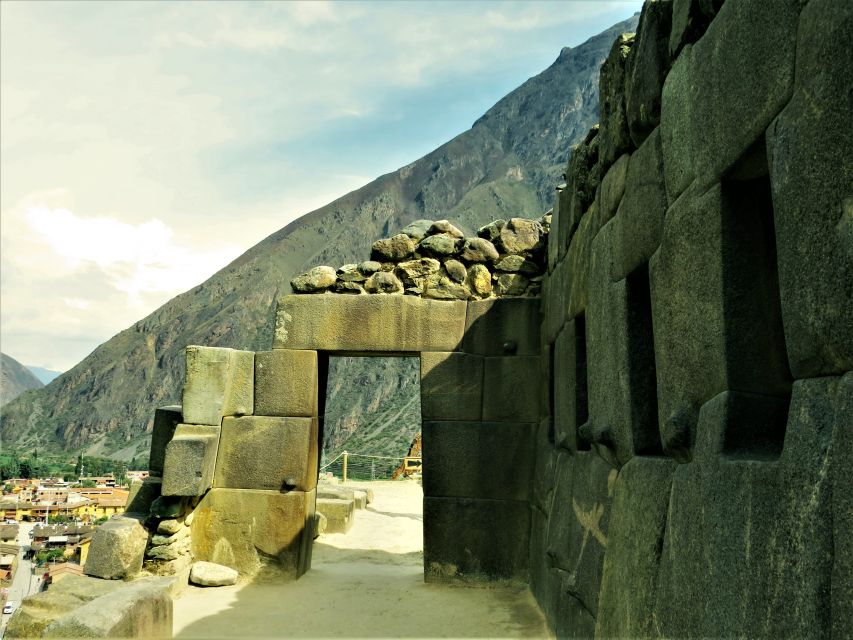
Ollantaytambo is the right bridge between Sacred Valley and Machu Picchu. It is described as the last standing Inca citadel, with a town built above ancient Inca buildings.
You get time to explore, including temples, terraces, storehouses, and a large Inca monolithic. The big practical advantage is that you arrive here with your mind already trained to see terraces and infrastructure as purposeful, not random stone piles.
Dinner is included in Ollantaytambo, which keeps you from needing to hunt for food after a full day.
Expedition train to Aguas Calientes, what that overnight actually buys you
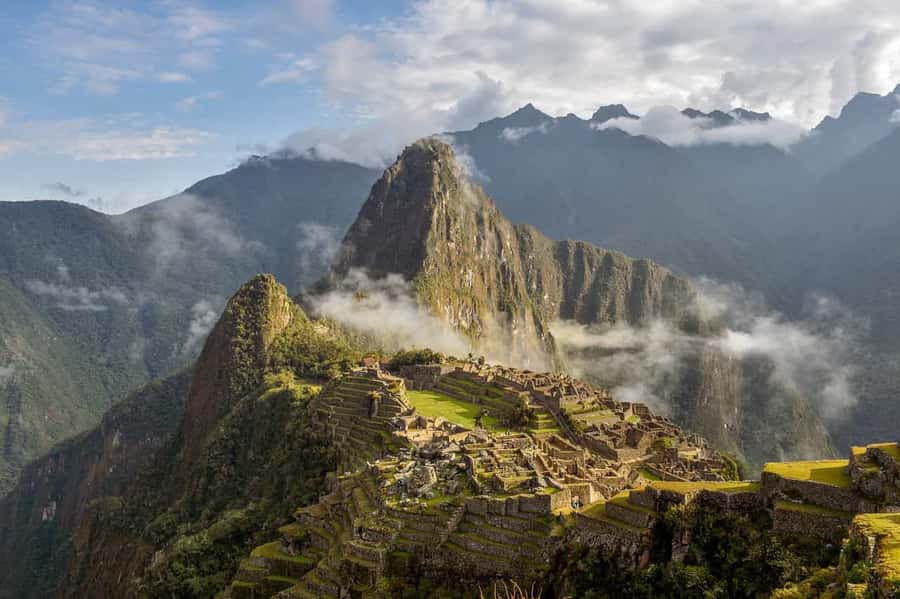
After Ollantaytambo, you take the Expedition train to Aguas Calientes and stay one night at a 3-star hotel. This is not the place you go for luxury. You go because it puts you close to the early bus up to Machu Picchu.
That overnight matters more than you might think. If you try to do everything from Cusco in one day, you will lose energy to altitude, time, and stress. Staying in Aguas Calientes makes the sunrise plan realistic, and it gives you a comfortable base for day two.
One more practical point: train travel can have small delays. In one past experience tied to this kind of itinerary, the train timing was slightly late on the Machu Picchu portion. That is not something you can control, but going in with the expectation that timing can shift helps your trip feel smoother.
Day 2: sunrise at Machu Picchu with a guided 3-hour circuit
Early bus up to the checkpoint, passport matters
Day two starts with an early wake-up and breakfast at your hotel. Then you take one of the first buses up to Machu Picchu.
At the entrance checkpoint, you show an original passport. If you do not like surprises, double-check you have your passport in an easy-to-grab place the night before.
Guided Machu Picchu, about 3 hours that focus on the main beats
Once inside, you join a guided tour for about 3 hours. The tour visits the most remarkable terraces, storehouses, temples, and palaces. This is where the guide’s role is most noticeable.
If you are the type who likes to understand why a viewpoint is placed where it is, you will appreciate the commentary while you walk. It helps you read the site as a functioning settlement and not just a photo backdrop.
Another bonus: because this tour is structured for sunrise, you are likely to experience Machu Picchu in quieter, cooler conditions than later in the day. Even if the views still steal the show, your body tends to handle the morning better.
Optional hikes: Huayna Picchu or Machu Picchu Mountain
After the guided tour, you can add an extra hike. The options are Huayna Picchu or Machu Picchu Mountain, but they are not included in the tour price.
If you want the extra challenge, this is a good moment to decide. If you are altitude-sensitive or you prefer photos over exertion, you can stick to the main circuit and enjoy more time resting between viewpoints.
Bus back down, then train return to Ollantaytambo and Cusco
After exploring, you take the bus down to Aguas Calientes. Lunch is on your own (optional), then you ride the Expedition train back to Ollantaytambo.
From there, the tour includes a van back to your Cusco hotel. That door-to-door structure is a big part of the value, because you do not need to figure out how to connect transport after a long day.
Train logistics and timing, the practical stuff that can make or break comfort
You are basically stacking three transport modes: van or pickup in Cusco, train to Aguas Calientes, then early bus plus walking at Machu Picchu, then train back.
Here is how that helps you:
- You avoid planning the hard parts yourself.
- You keep a consistent flow between stops.
- You spend your energy on the ruins, not on station maps.
Here is what to watch:
- You must keep to the day’s rhythm. Sunrise means early starts, even if you would like to sleep in.
- Your luggage needs to stay small. Large bags are not allowed.
- Machu Picchu entry uses passport checks, so you must have the right document ready.
Price check: is $698 good value for this route?
Let us be honest: $698 is not a bargain price. But it can be solid value for what is included.
You are paying for a package that includes:
- Transportation for the entire journey, including door-to-door pickup and return
- Entrance tickets for Pisac, Moray, Salineras de Maras, Ollantaytambo, and Machu Picchu
- Round-trip Expedition train and the round-trip bus to Machu Picchu
- Hotel for one night in Aguas Calientes (3-star)
- A buffet lunch in Urubamba and dinner in Ollantaytambo
- A guided experience, in English or Spanish
- Taxes and reservation charges
Where you might spend extra:
- Huayna Picchu or Machu Picchu Mountain hike, if you choose one
- Meals not mentioned in the program, like lunch after you return to Aguas Calientes on day two
- Travel insurance, which is not included
So for me, the value equation is this: if you would otherwise pay separately for train reservations, bus logistics, multiple site tickets, and guided interpretation across several stops, the package price starts to make sense. If you are comfortable building the route yourself, you might find cheaper options. But for most people, this one removes the stress that comes with getting it right.
Who this Sacred Valley and Machu Picchu tour is best for
This fits best if you:
- Want a structured plan that hits major sites without you managing every connection
- Like guides who explain as you walk, and who answer questions during the day (based on the strong positive guide feedback tied to names like Herbert Vidal, Alex, and Oliver)
- Prefer small-group attention, with a maximum of 16 participants
- Want sunrise entry at Machu Picchu, not a late-day compromise
You should think twice if you:
- Have trouble with early mornings and a full day of movement
- Need to travel with large luggage (the tour does not allow it)
- Are over the age limit for suitability, since the tour is not suitable for people over 95
Should you book it?
If you want the classic Sacred Valley highlights, plus Machu Picchu at sunrise, and you do not want to wrestle with train and bus logistics, this is an easy yes.
Book it if you value a clear route, included tickets, and guided time at the places that matter most, especially Moray and Salineras of Maras, Pisac in both ruins and market form, and a guided Machu Picchu circuit.
Skip it only if you plan to travel with large bags, you cannot do an early start, or you are trying to minimize costs so aggressively that you would rather handle reservations and timing yourself.
More Tour Reviews in Cusco
- Cusco: Humantay Lake Tour with Breakfast and Buffet Lunch
★ 4.9 · 2,976 reviews - From Cusco: Moray, Maras Salt Mines & Chinchero Weavers Tour
★ 4.8 · 1,925 reviews - From Cusco: Full-Day Group Tour of Machu Picchu
★ 4.7 · 1,767 reviews - Machu Picchu Day Trip from Cusco
★ 4.5 · 1,644 reviews - Cusco: Half-Day City Tour with Sacsayhuaman and Q’enco
★ 4.6 · 1,129 reviews
Sacred Valley, Further Afield
- Cusco: Sacred Valley, Pisac, Ollantaytambo, Salt Mines Moray
★ 4.6 · 1,058 reviews - Sacred Valley: Chinchero, Moray, Ollantaytambo & Pisac+Lunch
★ 4.8 · 501 reviews - Sacred Valley: Maras & Moray by Quad Bike from Cusco
★ 4.6 · 418 reviews - From Cusco: 2-Day Trip to the Sacred Valley and Machu Picchu
★ 4.6 · 265 reviews - Full-Day Excursion to Sacred Valley, Pisac and Ollantaytambo from Cusco
★ 4.5 · 174 reviews
Reaching the Citadel, Other Options
- From Cusco: Full-Day Group Tour of Machu Picchu
★ 4.7 · 1,767 reviews - Machu Picchu Day Trip from Cusco
★ 4.5 · 1,644 reviews - Machu Picchu: Full-Day Tour from Cusco with Optional Lunch
★ 4.6 · 927 reviews - Cusco: 4-Day Inca Trail to Machu Picchu with Accommodation
★ 4.8 · 432 reviews - From Cusco: 2-Day Trip to the Sacred Valley and Machu Picchu
★ 4.6 · 265 reviews
Freshly reviewed across Cusco
- Excursion Cusco – Puno – Titicaca Observatory Train★ 5.0 · 3 reviews
- Sacred Valley Vip Cusco★ 4.7 · 3 reviews
- Cusco | Humantay Lake 1-Day Tour with Breakfast and Lunch★ 5.0 · 3 reviews
- Full-Day Condor Viewpoint & Inca Sites Tour★ 5.0 · 3 reviews
- Best of Cusco: Private Walking Tour with a Local★ 3.6 · 3 reviews
- From Cusco: Full-Day Private Sacred Valley Tour★ 5.0 · 3 reviews
Machu Picchu Tours side by side.
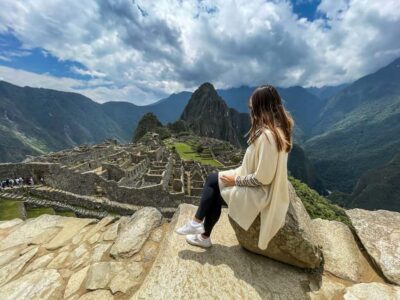 ★ 4.7From Cusco: Full-Day Group Tour of Machu PicchuFrom $3211,767 reviews
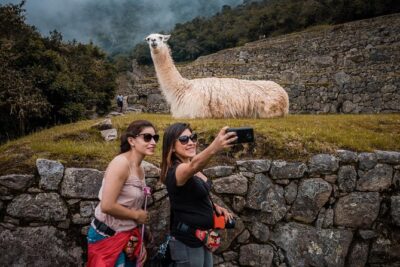 ★ 4.5Machu Picchu Day Trip from CuscoFrom $3361,644 reviews
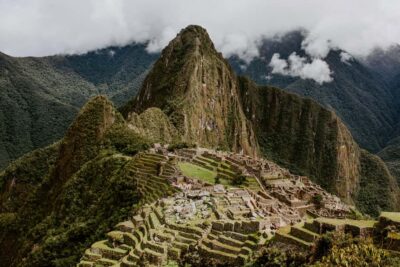 ★ 4.6Machu Picchu: Full-Day Tour from Cusco with Optional LunchFrom $283927 reviews
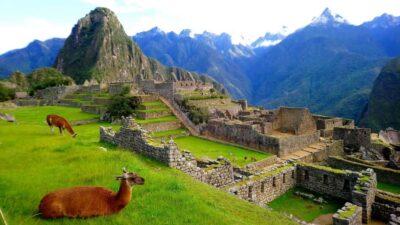 ★ 4.8Cusco: 4-Day Inca Trail to Machu Picchu with AccommodationFrom $470432 reviews
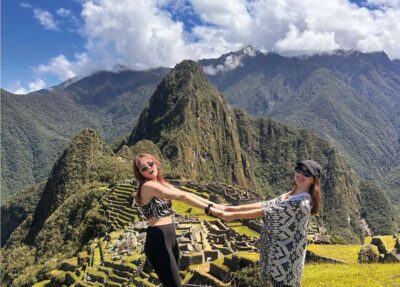 ★ 4.6From Cusco: 2-Day Trip to the Sacred Valley and Machu PicchuFrom $370265 reviews
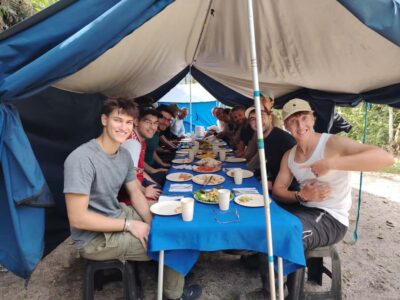 ★ 4.9Cusco: Machu Picchu 2-Day Inca Trail with Panoramic TrainFrom $582260 reviews
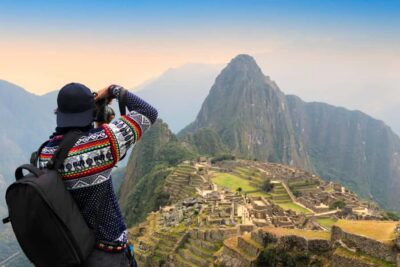 ★ 4.2From Cusco: 2-Day Inca Trail to Machu PicchuFrom $290244 reviews
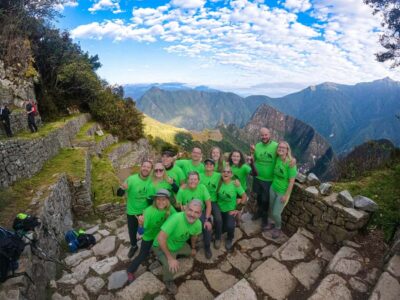 ★ 4.9Machu Picchu: Inca Trail 2-Day Overnight Guided TourFrom $585203 reviews
Also on these Peru lists