
REVIEW · AMAZON JUNGLE
Tambopata Macaw Clay Lick 4 days/3 nights
Macaws wake up the jungle. This 4 day Tambopata trip centers on the CHUNCHO clay lick, plus rainforest time with real wildlife viewing and a tight small group feel.
I especially like two things here: the chance to witness the world’s largest macaw clay lick in action, and the way guides like Fernando and Luis bring order to the chaos of bird calls, plants, and animal sightings. One drawback to plan for is that the Tambopata National Reserve entrance (30 USD) is not included, and some portions can feel more structured than you might expect.
In This Review
- Key moments that make this trip worth your time
- Cusco to Tambopata River: the ride is part of the story
- Day 1 at Hacienda Tambopata: arrive, eat, then walk the rainforest
- Day 2 at the CHUNCHO clay lick: the animal show everyone talks about
- Monkey Island and night caimans on the Madre de Dios
- Day 3: Lake Sandoval rowing, piranha habitat, and nocturnal life
- Day 4 at 5:30 a.m.: the canopy walkway at 30 meters
- What this costs, and why it can still feel like good value
- Wildlife is the main reason, but the guiding style is the real difference
- Who should book this Tambopata clay lick package
- Should you book the Tambopata Macaw Clay Lick 4 days and 3 nights?
- FAQ
- Is the Tambopata National Reserve entrance fee included in the price?
- How many people are in the group?
- What time do you leave for the macaw clay lick?
- Are meals included?
- Does the tour include alcoholic drinks?
- What languages are the guides?
Key moments that make this trip worth your time
- CHUNCHO clay lick mornings with hundreds of parrots and macaws feeding on clay
- Firsthand rainforest time on Day 1 with an intro walk right out of arrival
- Monkey Island visit where you can look for brown capuchins, squirrel monkeys, and saddleback tamarins
- Night caiman search on the Madre de Dios River, with white alligators typical on sand banks
- Lake Sandoval rowing through piranha habitat, with chances for howler monkeys and giant river otters
- 30 meter canopy walkway at dawn for toucans, macaws, tanagers, and orioles
Tambopata and Iquitos lodges we have covered
- Tambopata Peruvian Amazon Jungle for Three Days/Two Nights
★ 4.5 · 329 reviews - Puerto Maldonado: Sandoval Lake 4-Day, 3-Night Guided Tour
★ 4.5 · 90 reviews - 4 Day Tambopata Amazon Wildlife & Canopy Experience
★ 4.5 · 72 reviews - 4 Day Tambopata Jungle Tour with Local Guide
★ 5.0 · 64 reviews
Cusco to Tambopata River: the ride is part of the story
Your journey starts in the Cusco region, with pickup and drop-off from a hotel in the city, plus airport and bus station transfers. Then the land and river travel begin, and it matters more than you might think.
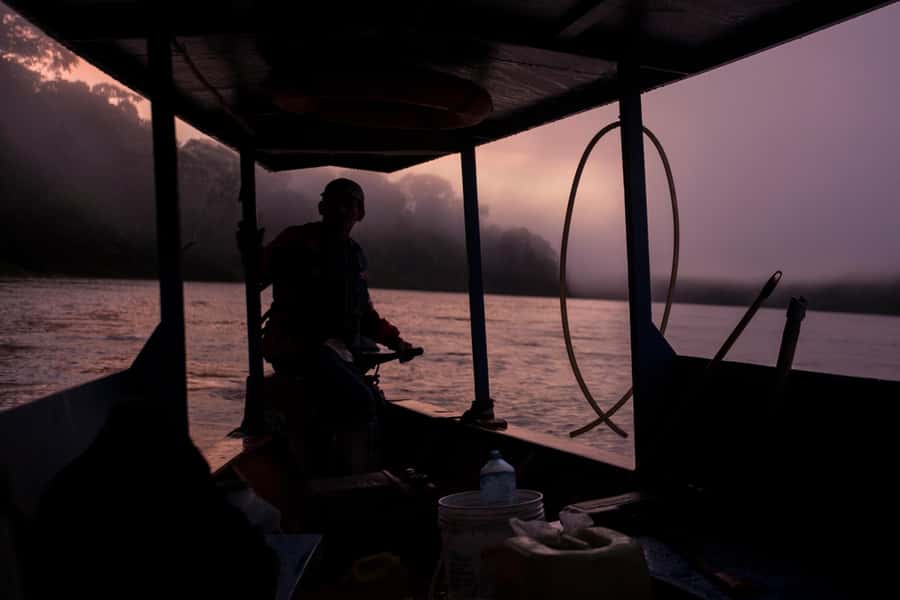
You head from the office Hacienda Tambopata area toward the Tambopata River banks. The route is listed as a 4X4 wheeled truck for about 2 hours, or by river (which can take more than 6 hours). That difference affects how you’ll feel when you arrive. If you do the quicker land leg, you’ll have more energy for your first afternoon rainforest walk. If the river leg is long, treat arrival day as the beginning of the adventure, not the day to cram in extra expectations.
This is also one of the reasons I like the way this itinerary is paced. It doesn’t throw you into all-day activities immediately. You settle in, eat, and then you’re ready to notice the small stuff: movement along the river edge, bird activity above the canopy line, and that constant background of jungle sound.
Day 1 at Hacienda Tambopata: arrive, eat, then walk the rainforest
After the drive (or the longer river transfer), you take a boat to the lodge at Hacienda Tambopata. The day includes a welcome meal, and whether it’s breakfast or lunch depends on your arrival time.
In the afternoon, you get an introductory walk into the rainforest. This is not a random stroll. It’s a chance to start reading the jungle instead of just looking at it. A good guide helps you connect what you’re hearing to what you might see. In real Amazon travel, that connection is everything, and the reviews you’ll find for this route repeatedly point to guides who know birds by call and plants by use.
Food is also a highlight. One reviewer singled out the quality of meals, which matters because your days are early and active. A full belly helps you stay alert for the kind of wildlife moments that never follow a schedule.
What to keep in mind: Day 1 is your adjustment day. You may see animals right away, but the big set pieces of the trip come later. If you’re the type who needs constant action minute by minute, you might find this first day more about orientation and learning the rhythm.
Day 2 at the CHUNCHO clay lick: the animal show everyone talks about
If you’re doing this itinerary, the CHUNCHO clay lick is why you signed up. You wake up at 4:30 a.m. to head out, and the transfer is described as a boat journey. Even if you don’t love early starts, this timing is what makes the clay lick work.
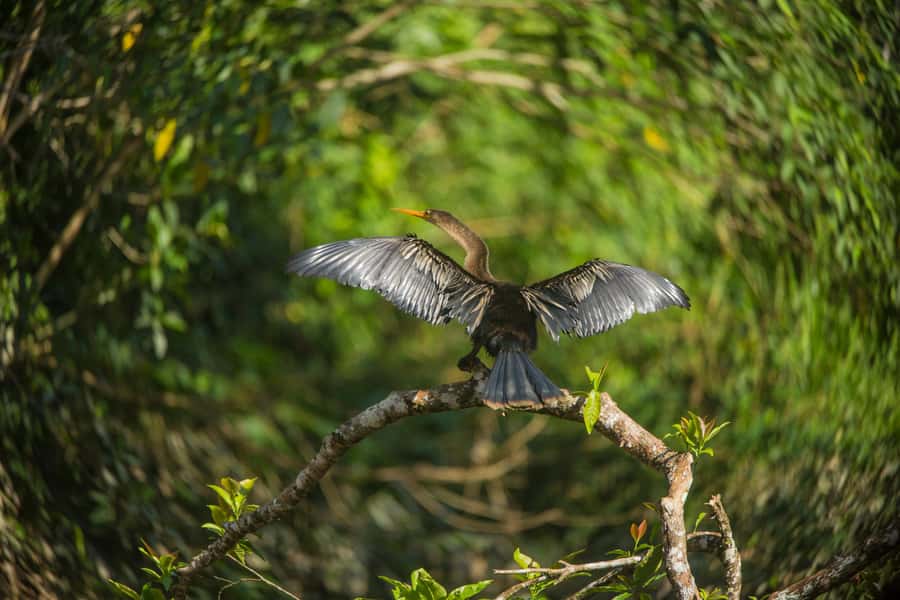
At the clay lick, your focus is simple: wait and watch as parrots and macaws come to feed on clay along the river wall. The schedule calls out hundreds of species of parrots feeding at the lick, which gives you an idea of the density of bird activity. The whole experience is about patience, because the best moments often come after you’ve settled in.
You also use a saddle to wait. That detail might sound small, but it affects comfort during a long wildlife viewing session. In this kind of viewing, your ability to stay calm and still is part of what makes the experience good.
After the clay lick, you return by boat to Puerto Maldonado, then continue to your lodge. You’ll get a fruit juice welcome and then check in with accommodation.
Why this is valuable for you: a clay lick isn’t just a scenic stop. It’s a predictable feeding strategy for birds that otherwise spread out through the forest. When the jungle is hard to read, the lick gives you a concentrated place where wildlife behavior is obvious.
One practical consideration: luck plays a role. Even with the best timing, animals are animals. So instead of betting the whole day on one species, keep your eyes open for the variety in what arrives and how birds behave around the clay.
Monkey Island and night caimans on the Madre de Dios
Once you’ve returned from the clay lick, Day 2 shifts to a different kind of wildlife encounter. After lunch, you cross to Monkey Island, located in front of the lodge across the Madre de Dios River.
This isn’t just a generic wildlife stop. The itinerary lists the specific species you might find: brown capuchin, squirrel monkey, and saddleback tamarin. Seeing primates on an island can feel like a lower-effort way to connect with jungle life, but don’t underestimate it. Islands concentrate animal traffic, and if your guide is good at spotting, you’ll notice more than you would walking the mainland trails.
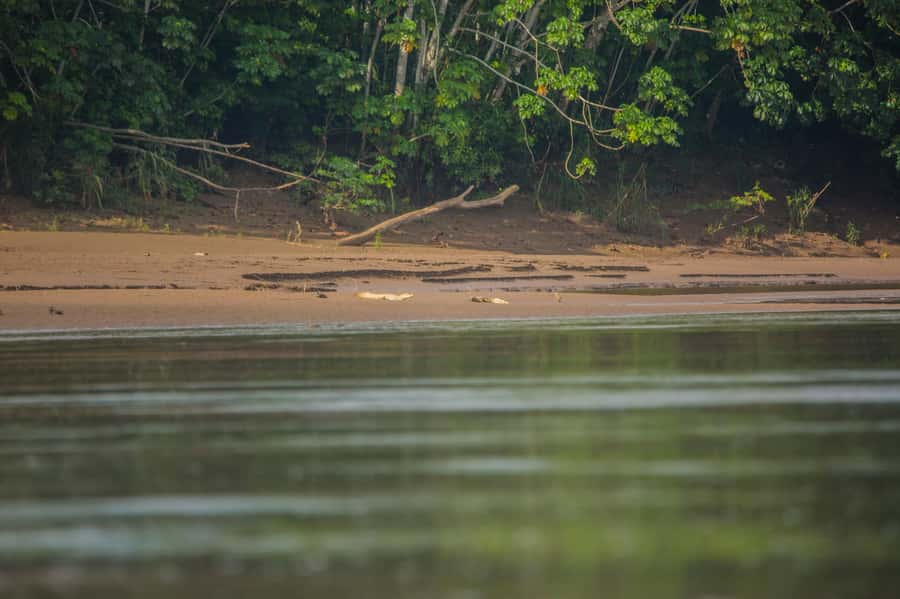
Then comes one of the most memorable stretches of the trip: caiman search at night. White alligators are described as typically found on sand banks in the Madre de Dios River, and the tour specifically calls for bringing a flashlight. That’s a rare piece of concrete advice in jungle travel, and it’s worth taking seriously.
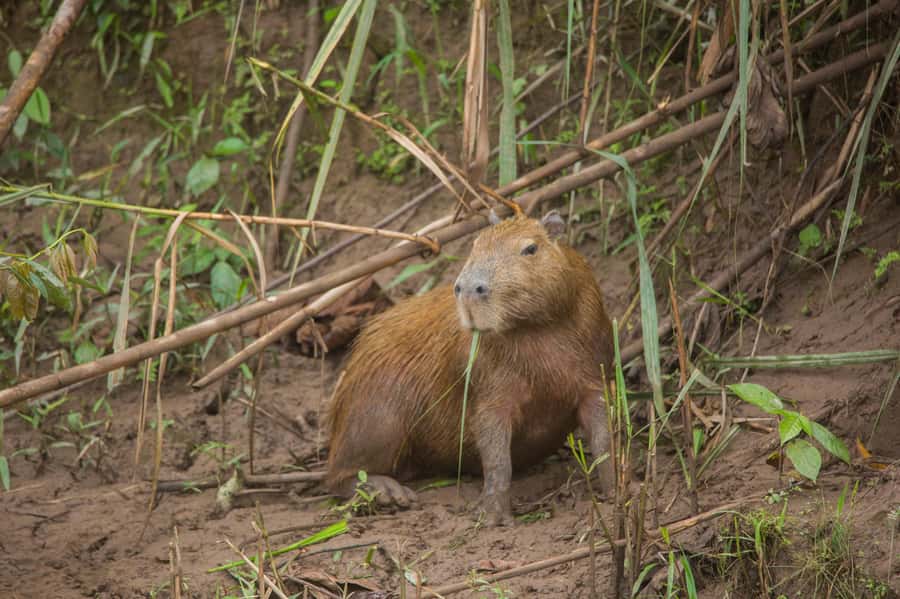
You might also see capybara during the search. That’s the kind of bonus that feels extra good because you’ve already done the early morning effort.
The trade-off: night wildlife can be hit or miss. You’re searching, not touring a zoo. If you bring the right gear like a flashlight and keep your eyes ready, you’ll get the most out of it.
Nearby in Puerto Maldonado, these earned their own write-ups
Day 3: Lake Sandoval rowing, piranha habitat, and nocturnal life
Day 3 starts with breakfast and then a walk into the rainforest, with a distance listed as 3 kilometers. That’s long enough to feel like a true trek, but short enough that you’re still fresh for what comes next.
From there, you head to Lake Sandoval, described as a large lake in the Tambopata National Reserve and noted as piranha habitat. Even if piranhas aren’t the star of your trip, the phrase is a useful reminder: this is serious wildlife country, not a quiet pond.
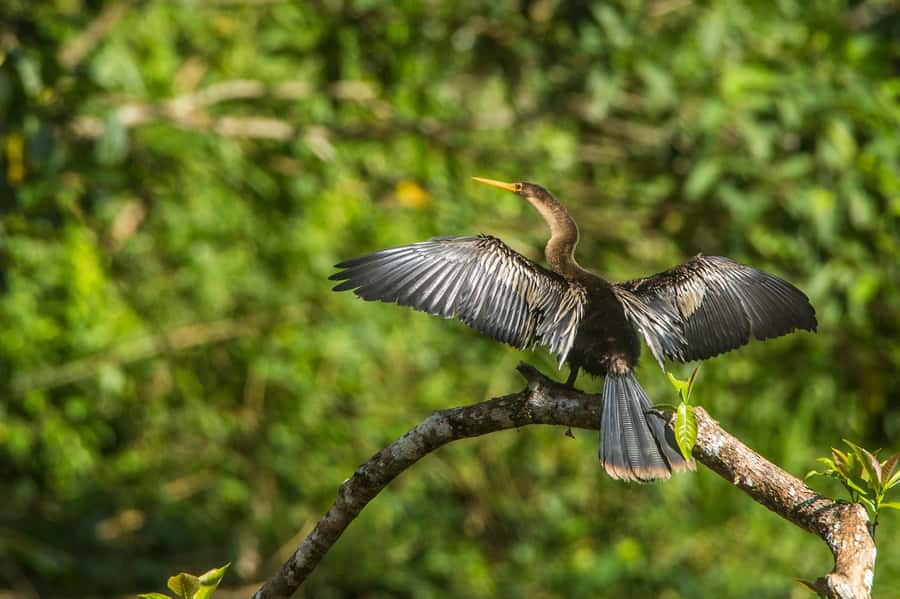
You row in a boat on the lake, and the itinerary highlights a mix of birds and mammals. Birds mentioned include shansho cormorant, jacanas, puma heron, and buzzards. Monkey and other mammal chances include howler monkeys, brown capuchins, tamarins, and sloths.
The standout potential sighting is giant river otters. The itinerary notes they can be almost two meters long and are in danger of extinction, which adds weight to why this part of the reserve matters.
After lunch back at the lodge, you get another evening walk, this time focused on nocturnal activity. The tour lists insects, amphibians, reptiles, and other nocturnal animals. This is where a guide can really earn their keep, because at night you’re often looking at motion you can’t categorize fast.
A practical note for your expectations: Lake Sandoval is a big draw. The trip includes time to observe, but it can also feel more populated than the clay lick session, where birds dominate the scene. If you crave long stretches of quiet question time, you may need to ask early and be flexible.
Day 4 at 5:30 a.m.: the canopy walkway at 30 meters
Your final morning is designed around light and view, with a 5:30 a.m. start. You take a short walk to the canopy walkway, about 30 meters high.
From there, platforms give you a panoramic view of the Madre de Dios River. Then the bird spotting begins in earnest: toucans, macaws, tanagers, and orioles are specifically called out. If you’ve spent the last couple of days focusing on primates and river life, this canopy hour is a satisfying pivot. It also makes you appreciate the full vertical range of the rainforest. The jungle isn’t just what’s on the ground.
After breakfast, you return to the city with airport transfer and/or bus station drop-off.
Why this ending works: you start the trip with the loud, concentrated drama of the clay lick, then you finish with a quieter, higher vantage point. It’s a good way to close without feeling like you rushed out the last day.
What this costs, and why it can still feel like good value
The price is 435 USD per person for 4 days. That’s not cheap, but it’s also not the kind of experience that you can rebuild cheaply on your own without major hassle. Here’s why this price can make sense for you, based on what’s included:
- Hotel pickup and drop-off in the city
- Airport and bus station transfers
- Food across the trip
- Hosting service and guidance
- A small group size limited to 10 participants
Those pieces matter in Peru’s jungle logistics, where time and coordination are the real costs. You’re not just paying for animal time, you’re paying for transport, meals, and a guide-led viewing approach.
Also note what’s not included:
- Alcoholic beverages
- Entrance to the Tambopata National Reserve for 30 USD
- Single room
My honest take: the missing reserve entrance fee is worth budgeting early so it doesn’t surprise you. The rest of the package sounds built around keeping you fed and guided, which is exactly what you want when you’re up before dawn.
Wildlife is the main reason, but the guiding style is the real difference
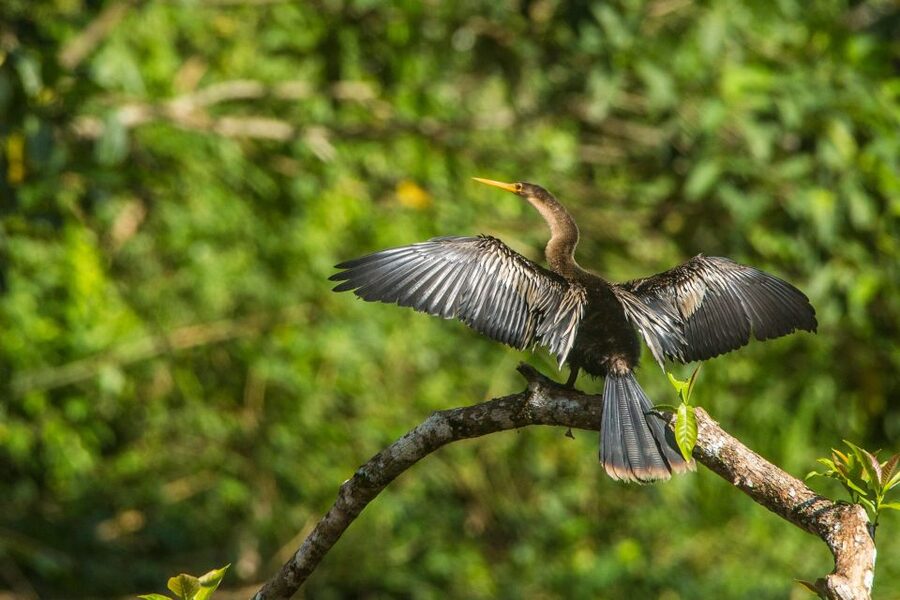
The itinerary gives you the big wildlife beats: CHUNCHO clay lick, monkey island, night caimans, Lake Sandoval, and a canopy walk. Still, what separates an average jungle trip from a good one is how you experience the moments.
From the guide quality mentioned in the feedback, what you should look forward to is a guide who:
- Can answer questions patiently
- Helps you connect bird calls to bird sightings
- Keeps the group moving without turning everything into a rush
That same theme shows up with different guides in the experience, including Fernando and Luis, with comments about knowing bird calls and offering strong explanations of plants and animals.
If you care about learning, not just photographing, this is the kind of tour where your time can feel meaningful. If your only goal is a checklist of animals, you might still enjoy it, but you’ll likely miss the value of having an expert explain what you’re seeing.
Who should book this Tambopata clay lick package
This tour fits best if you:
- Want the CHUNCHO macaw clay lick experience with a small group cap
- Like early mornings and you’re okay with waiting for animals
- Prefer guided observation over self-directed jungle wandering
- Care about multiple wildlife settings, river, lake, island, and canopy
It may not fit if:
- You dislike pre-dawn starts, since clay lick morning and canopy morning are both early
- You want guaranteed sightings every minute, because nature does not follow a script
- You have a strict budget and don’t want to add the reserve entrance fee
One more note: the tour is wheelchair accessible, and it’s designed for small groups. It is not suitable for children under 3 years old or babies under 1 year old, which is standard for jungle travel that involves long transport days.
Should you book the Tambopata Macaw Clay Lick 4 days and 3 nights?
I think you should book this if CHUNCHO clay lick is on your must-do list and you want a structured route that hits the main wildlife zones of Tambopata. The package value is strongest when you trust the logistics and focus on wildlife observation, especially the early morning clay lick and the canopy viewpoint on the last day.
I’d also book it if you enjoy learning while you travel. The standout praise for guides like Fernando and Luis points to a calm, explanatory approach that makes animal sightings stick in your memory.
Hold off or choose differently if you’re sensitive to early wake-ups or you really want a reserve-free price with zero extras. The 30 USD entrance fee is small compared to the whole trip, but it’s still a cost.
If you want, tell me your travel month and whether you’re more into birds, mammals, or night wildlife, and I’ll help you decide if this schedule matches your priorities.
FAQ
Is the Tambopata National Reserve entrance fee included in the price?
No. The entrance to the Tambopata National Reserve costs 30 USD and is not included.
How many people are in the group?
It is a small group limited to 10 participants.
What time do you leave for the macaw clay lick?
You wake up at 4:30 to head out to the CHUNCHO clay lick.
Are meals included?
Yes. Food is included, including meals at the lodge during the trip.
Does the tour include alcoholic drinks?
No. Bar consumption, meaning alcoholic beverages, is not included.
What languages are the guides?
The live tour guide is available in English and Spanish.
More 4-Day Experiences in Puerto Maldonado
- Puerto Maldonado: Sandoval Lake 4-Day, 3-Night Guided Tour
★ 4.5 · 90 reviews - 4 Day Tambopata Amazon Wildlife & Canopy Experience
★ 4.5 · 72 reviews - 4 Day Tambopata Jungle Tour with Local Guide
★ 5.0 · 64 reviews - Jungle Eco Jungle And Adventure – 4 Days / 3 Nights
★ 4.5 · 33 reviews - From Puerto Maldonado: 4-Day Excursion /wildlifesearch
★ 5.0 · 3 reviews
More Tour Reviews in Puerto Maldonado
- Tambopata Peruvian Amazon Jungle for Three Days/Two Nights
★ 4.5 · 329 reviews - Puerto Maldonado: Sandoval Lake 4-Day, 3-Night Guided Tour
★ 4.5 · 90 reviews - 4 Day Tambopata Amazon Wildlife & Canopy Experience
★ 4.5 · 72 reviews - 4 Day Tambopata Jungle Tour with Local Guide
★ 5.0 · 64 reviews - Eco Jungle 3 Days – 2 Nights
★ 4.0 · 62 reviews
Upriver Into the Peruvian Amazon
- Tambopata Peruvian Amazon Jungle for Three Days/Two Nights
★ 4.5 · 329 reviews - Puerto Maldonado: Sandoval Lake 4-Day, 3-Night Guided Tour
★ 4.5 · 90 reviews - 4 Day Tambopata Amazon Wildlife & Canopy Experience
★ 4.5 · 72 reviews - 4 Day Tambopata Jungle Tour with Local Guide
★ 5.0 · 64 reviews - Eco Jungle 3 Days – 2 Nights
★ 4.0 · 62 reviews
Freshly reviewed across Puerto Maldonado
- Puerto Maldonado: 3-hour sunset boat ride★ 3.4 · 3 reviews
- Tambopata Macaw Clay Lick 5 days/4 nights★ 4.3 · 3 reviews
- Monkey Island + Lake Sandoval 2D/1N★ 4.6 · 3 reviews
- From Tambopata: Amazon Jungle Hike and Lake Sandoval 1-Day★ 3.8 · 3 reviews
- Excursion 2 days/1 nights in the jungle: Tambopata★ 5.0 · 3 reviews
- From Puerto Maldonado: 4-Day Excursion /wildlifesearch★ 5.0 · 3 reviews
Amazon Jungle Tours side by side.
 ★ 4.5Tambopata Peruvian Amazon Jungle for Three Days/Two NightsFrom $350329 reviews
 ★ 4.6Puerto Maldonado: 4-Day Tambopata Rainforest TourFrom $424213 reviews
 ★ 4.5Puerto Maldonado: Sandoval Lake 4-Day, 3-Night Guided TourFrom $30090 reviews
 ★ 5.0Belen Market and La Venecia Loretana Tour With A Local GuideFrom $5085 reviews
 ★ 5.04 Day Tour to the Manu National ParkFrom $38981 reviews
 ★ 4.53-Day All Inclusive Guided Jungle Tour from Iquitos at Maniti Eco-LodgeFrom $45974 reviews
 ★ 4.54 Day Tambopata Amazon Wildlife & Canopy ExperienceFrom $58572 reviews
 ★ 5.0Manu National Park Tour 4days/3nightFrom $47069 reviews
Also on these Peru lists