
REVIEW · CITY
Tour of the most important points in the city of Cusco.
Cusco feels faster when you pace it right. This half day orientation tour in Cusco is designed to help you acclimatize while still knocking out the city’s most important Inca era sights in one smooth route.
I love the small group setup. You get a bilingual guide (English and Spanish) and more time to ask real questions instead of rushing like you are on a moving bus. I also like that the itinerary is paced for first timers, starting at Qoricancha and then working outward to the major archaeological centers.
One consideration, plan your budget for sites you must pay separately. Qoricancha entrance (S/ 20.00) and the Cusco Tourist Ticket issued by Cosituc are not included, so you will want cash ready.
In This Review
- Key things that make this Cusco half-day tour work
- The real value: an acclimatization plan that still feels like Cusco
- Morning or afternoon pickup, and why the start time matters
- Qoricancha, Temple of the Sun: your Cusco starting point
- Sacsayhuaman: Inca military architecture you can feel
- Qenqo’s ritual setting: limestone outcrop, different mood
- Puka Pukara, the red fortress: color and function
- Tambomachay and the Baths of the Inca waterfall
- Walking, shoes, and how to avoid the “too much too soon” trap
- Price and value: what you actually get for $25
- The small group factor: why it changes your day
- Who should book this Cusco tour
- FAQ
- Is this tour good for acclimatizing in Cusco?
- How long is the tour?
- What time does the tour start?
- What is included in the $25 price?
- What costs are not included?
- What should I bring?
- Should you book this acclimatization tour?
Key things that make this Cusco half-day tour work
- Small groups for comfort: A calmer pace and easier conversation with your guide.
- Two shift options: Morning pickup around 8:30 am, or an afternoon start at Qoricancha around 13:00.
- Acclimatization friendly route: You see major sites without turning it into a full all day hike.
- Bilingual guide, hands on explanations: English and Spanish interpretation throughout the stops.
- Round trip transport included: Pickup near the historic center and return to Cusco after the last site.
Nearby in Cusco, these earned their own write-ups
- Cusco: Half-Day City Tour with Sacsayhuaman and Q’enco
★ 4.6 · 1,129 reviews - City Tour Cusco Qoricancha Sacsayhuaman y Tambomachay
★ 4.7 · 617 reviews - Open Bus Cusco City Tour
★ 4.5 · 219 reviews - Cusco: City Tour | Half-Day Tour to 4 Archaeological Sites
★ 4.6 · 206 reviews
The real value: an acclimatization plan that still feels like Cusco
If you are arriving in Cusco and your energy is a bit “questionable,” you need a plan that helps you adjust without wasting the day. This tour is built for that middle ground: you get a focused introduction to the city’s key archaeological areas, but the schedule is structured so you are not doing a grind from sunrise to late afternoon.
I especially like that it is explicitly positioned as an acclimatization tour for later days, including more demanding trips like Rainbow Mountain. That matters, because in Cusco the difference between feeling okay and feeling wiped out can be timing, pacing, and how you spend your first hours. This kind of “orientation plus altitude-friendly pacing” gives you a mental map too, so the bigger excursions feel more manageable.
You also get round trip transportation and hotel pickup if you are staying near the historic center. That takes one stress off the list, since Cusco can be confusing early on, and you do not want to burn energy finding meeting points.
Morning or afternoon pickup, and why the start time matters
There are two shifts, and the shift you choose changes how you experience the first site.
- Morning shift: pickup is around 8:30 am, with pickup from your hotel near Plaza de Armas (approximately).
- Afternoon shift: the meeting point is Qoricancha around 13:00 pm.
Either way, you are looking at roughly 5 hours total. That timing is ideal for an orientation day because it still leaves room to rest afterward, and it fits well if you are building a multi day Cusco plan.
Here is the practical tip I would follow: if you are sensitive to altitude or you want the rest of the day free, the morning shift often helps. If your morning is booked with arrival logistics or you want a slower start, the afternoon shift can work nicely. Either way, confirm your exact pickup time. The operator contacts you via WhatsApp 1 or 2 days before the tour.
Qoricancha, Temple of the Sun: your Cusco starting point
Most first time Cusco visits feel like a blur. This one starts with a site that helps you interpret what you are seeing later.
Your first stop is Qoricancha, also known as the Temple of the Sun. Expect about an hour with a guided visit. This is the kind of start that pays off because Qoricancha gives you context for Inca religious and ceremonial thinking, so the later stops do not feel random.
What you should pay attention to during the guided portion:
- how the Inca used space for ceremony and astronomy related ideas
- how the site connects to what Cusco became after the Spanish period
- the physical layout, since it trains your eye for how these centers were designed
One more practical point. The tour does not include Qoricancha entrance (S/ 20.00). That is small compared with the overall cost of the day, but it is still something you want to handle calmly, not at the last minute. Carry cash.
Sacsayhuaman: Inca military architecture you can feel
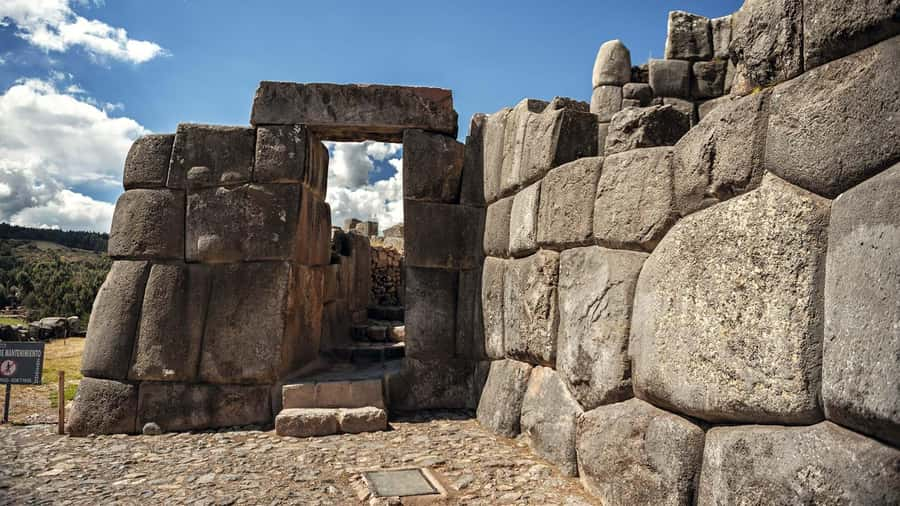
After Qoricancha, you head to Sacsayhuaman, one of the most striking archaeological centers around Cusco.
This is described as an imposing example of Inca military architecture, and that description fits what you get to experience here. Even if you are not a history nerd, the scale and engineering basics hit you fast. Think of this stop as “Inca power made visible.” The guide’s job is to make it understandable, not just dramatic.
Why this stop matters for acclimatization and pacing:
- It is a major highlight early in the route, so you get the biggest payoff while you still feel fresh.
- You are moving from a central religious site outward, which is a good mental transition on day one.
- You are guided, so you are not spending energy figuring out what you are looking at.
Wear shoes you can trust. The ground can be uneven around archaeological areas, and you will want steady footing so you do not waste energy balancing.
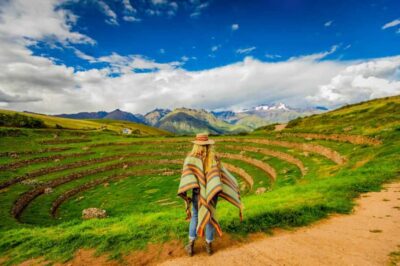
Qenqo’s ritual setting: limestone outcrop, different mood
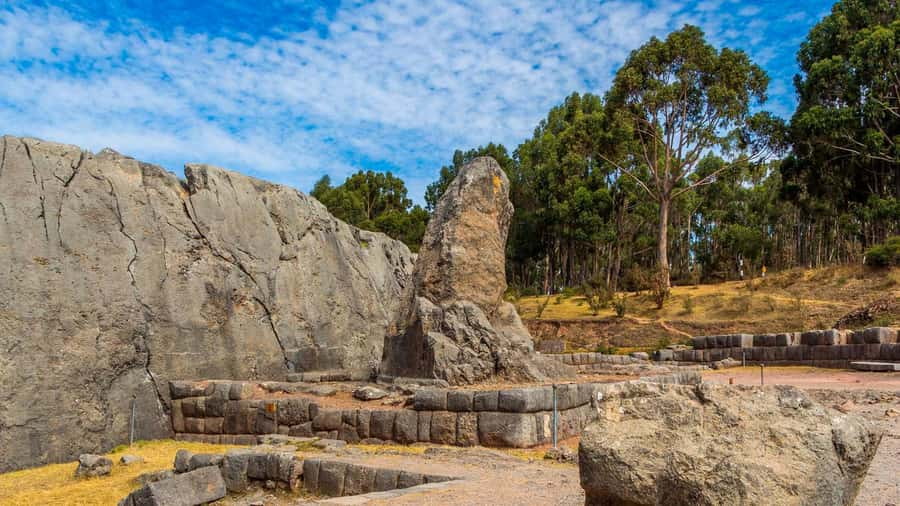
Next comes Qenqo, a ritual center built on a unique limestone outcrop. This stop has a very different feel from the massive defensive vibe of Sacsayhuaman.
If Sacsayhuaman is about scale and control, Qenqo is more about place and ceremony. The outcrop makes the location itself part of the experience. You are not only seeing an Inca site, you are seeing how they used the landform as part of their ritual space.
What you will likely appreciate here:
- the way the guide explains the purpose behind the layout
- how Qenqo’s setting feels more intimate compared to larger fortress type spaces
- the change in atmosphere as you continue your loop around Cusco
This is also a good stop to slow down and let your camera work. The lighting can shift, and the limestone textures catch light in a way that photos often capture better when you stand still for a moment.
Puka Pukara, the red fortress: color and function
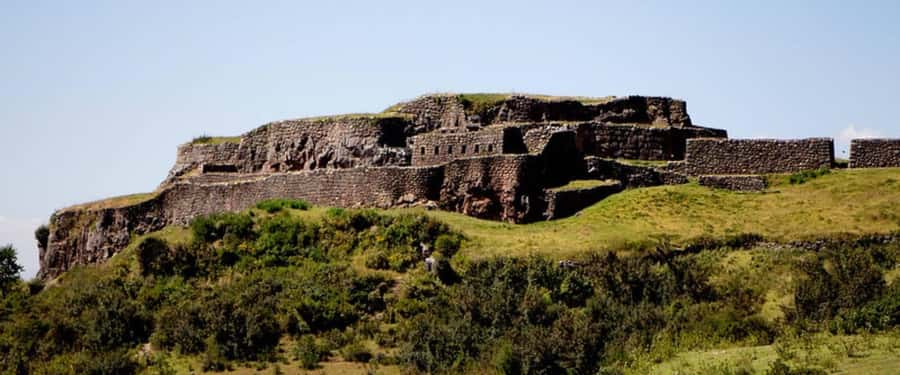
Then you visit PukaPukara, sometimes described as the red fortress because of the reddish color and the military construction.
This is one of those stops that can surprise you, because the name alone does not prepare you for how “fortress-like” the structure feels. The guide’s interpretation is key here, since the value is not just in seeing stones, but understanding why this site looks the way it does.
When you are at PukaPukara, focus on:
- the reddish tones and how they relate to materials and construction
- the defensive feel of the structures
- how this site fits into the larger network of surrounding Inca centers
I find that this stop works well in an acclimatization day because it is a strong visual experience, not a long “wander until you are lost” type of stop. You stay on route, you keep a steady pace, and you get explanations along the way.
Tambomachay and the Baths of the Inca waterfall
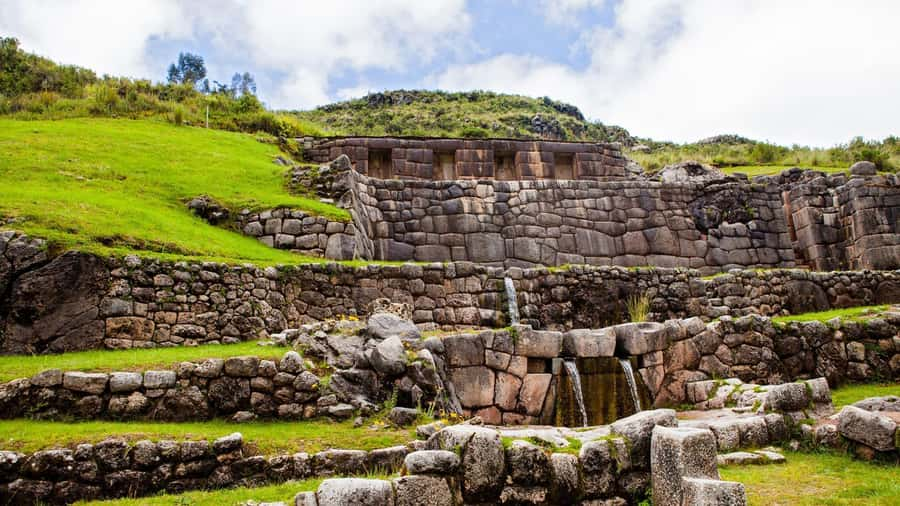
Your final archaeological stop is Tambomachay, known for having a main waterfall often referred to as the Baths of the Inca.
If the earlier stops are heavy on architecture and ritual space, Tambomachay gives you a different kind of sensory break: water sounds, cooler shade in some areas, and that feeling of being near something that functioned in everyday life or specialized ceremonial use.
A waterfall stop also helps your body after several sites, especially if you are watching your effort level during Cusco acclimatization. You can reset your breathing, rehydrate, and just absorb the setting while the guide ties it back to Inca water management ideas.
By the time you leave, you head back toward Cusco, with transportation returning you to the city.
Walking, shoes, and how to avoid the “too much too soon” trap
This tour is not presented as a grueling hike, but it is still an archaeological route. You will be outside, moving between sites, and walking on uneven ground.
Here is what I recommend you treat seriously based on what you are told to bring:
- Hiking shoes so you can keep your feet under you
- rain gear, since weather around Cusco can change
- biodegradable sunscreen, because you will be outside for hours
- a camera, because the sites look different at different angles
Also, bring cash. Besides Qoricancha entrance (S/ 20.00), you may need money for any essentials you forgot. The tour does not include water and snacks, so you might want to buy those separately before you start.
One small-but-real consideration: the rules say no alcohol and drugs, and no baby carriages. If you are traveling with a stroller or you planned to bring one, you will need an alternative setup.
Price and value: what you actually get for $25
The price is $25 per person, for about 270 minutes (roughly 5 hours). For that, you get pickup and round trip transportation, plus a bilingual guide in English and Spanish. That combination is where the value lives.
You are paying for:
- logistics that remove local stress (pickup near the historic center, transport between sites, return to Cusco)
- interpretation that helps the stops make sense
- a structured half day route that fits acclimatization goals
What is not included is also important to understand. You pay for:
- Qoricancha entrance (S/ 20.00)
- the Cusco Tourist Ticket issued by Cosituc, which covers admission to various attractions and museums
So the “real cost” depends on what ticket you need for the sites included and how you handle Qoricancha entrance. Still, compared to renting private transport, paying separately for each place, or trying to coordinate your own guided access, this is typically the kind of deal that makes a first Cusco day easier.
The small group factor: why it changes your day
The tour emphasizes handling small groups for comfort. That is not just a feel good marketing line. On an archaeological route, small groups matter because:
- you spend less time waiting and re-grouping
- the guide can actually notice questions and adjust explanations
- you can move at a human pace, which helps with acclimatization
If you have ever been stuck behind someone who goes slow or stops to shop for ten minutes, you already know how quickly group size affects your energy. Here, the intent is comfort, and it shows in how the day is structured.
Who should book this Cusco tour
This tour is a great fit if:
- you are new to Cusco and want a guided orientation to the main Inca era sights
- you are trying to acclimatize before more demanding days like Rainbow Mountain
- you prefer a structured half day with transportation and a bilingual guide
- you would rather spend your first hours learning how to look at sites, not just taking photos
It might feel less ideal if:
- you want a very flexible self paced day with no group structure
- you already know these sites well and only need transport
- you are traveling with needs not covered by what is allowed (like baby carriages)
FAQ
Is this tour good for acclimatizing in Cusco?
Yes. It is specifically described as an excellent acclimatization tour and a good way to prepare for more demanding tours later, including Rainbow Mountain.
How long is the tour?
The duration is listed as 270 minutes, and it is described as lasting approximately 5 hours.
What time does the tour start?
There are two shifts. The morning shift pickup is around 8:30 am. The afternoon shift meeting point is Qoricancha at about 13:00 pm.
What is included in the $25 price?
Included are hotel pickup near the historic center of Cusco, round trip transportation, and a bilingual guide (English and Spanish).
What costs are not included?
Entrance to Qoricancha is not included (S/ 20.00). The Cusco Tourist Ticket issued by Cosituc is also not included, and water and snacks are not included.
What should I bring?
Bring a passport or ID card, a camera, hiking shoes, biodegradable sunscreen, rain gear, and cash.
Should you book this acclimatization tour?
I would book it if your goal is a smart first Cusco day: learn the big landmarks, get paced for altitude, and let a bilingual guide connect the dots between sites. For $25, the biggest value is not just the sites, it is the structured route with pickup, transport, and commentary that helps you actually understand what you are looking at.
If you are trying to squeeze every minute into Cusco, this tour is a good building block. You get the heavy hitters of the area without turning the day into an all day endurance test. Just budget for the Cusco Tourist Ticket and Qoricancha entrance, and come wearing shoes you can handle on uneven ground.
More City Tours in Cusco
- Cusco: Half-Day City Tour with Sacsayhuaman and Q’enco
★ 4.6 · 1,129 reviews - City Tour Cusco Qoricancha Sacsayhuaman y Tambomachay
★ 4.7 · 617 reviews - Cusco: Sightseeing Tour of the City on an Open-Top Bus
★ 4.0 · 481 reviews - Open Bus Cusco City Tour
★ 4.5 · 219 reviews - Cusco: City Tour | Half-Day Tour to 4 Archaeological Sites
★ 4.6 · 206 reviews
More Tours in Cusco
- Cusco: Humantay Lake Tour with Breakfast and Buffet Lunch
★ 4.9 · 2,976 reviews - From Cusco: Moray, Maras Salt Mines & Chinchero Weavers Tour
★ 4.8 · 1,925 reviews - From Cusco: Full-Day Group Tour of Machu Picchu
★ 4.7 · 1,767 reviews - Cusco: Half-Day City Tour with Sacsayhuaman and Q’enco
★ 4.6 · 1,129 reviews - Machu Picchu: Full-Day Tour from Cusco with Optional Lunch
★ 4.6 · 927 reviews
More Tour Reviews in Cusco
- Cusco: Humantay Lake Tour with Breakfast and Buffet Lunch
★ 4.9 · 2,976 reviews - From Cusco: Moray, Maras Salt Mines & Chinchero Weavers Tour
★ 4.8 · 1,925 reviews - From Cusco: Full-Day Group Tour of Machu Picchu
★ 4.7 · 1,767 reviews - Machu Picchu Day Trip from Cusco
★ 4.5 · 1,644 reviews - Cusco: Half-Day City Tour with Sacsayhuaman and Q’enco
★ 4.6 · 1,129 reviews
Freshly reviewed across Cusco
- Excursion Cusco – Puno – Titicaca Observatory Train★ 5.0 · 3 reviews
- Sacred Valley Vip Cusco★ 4.7 · 3 reviews
- Cusco | Humantay Lake 1-Day Tour with Breakfast and Lunch★ 5.0 · 3 reviews
- Full-Day Condor Viewpoint & Inca Sites Tour★ 5.0 · 3 reviews
- Best of Cusco: Private Walking Tour with a Local★ 3.6 · 3 reviews
- From Cusco: Full-Day Private Sacred Valley Tour★ 5.0 · 3 reviews
City Tours side by side.
 ★ 4.6Cusco: Half-Day City Tour with Sacsayhuaman and Q’encoFrom $131,129 reviews
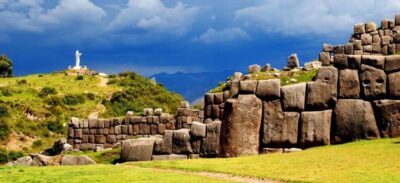 ★ 4.7City Tour Cusco Qoricancha Sacsayhuaman y TambomachayFrom $13617 reviews
 ★ 4.5Lima’s Vibrant Heritage: Exploring the City’s Landmarks Half-dayFrom $39581 reviews
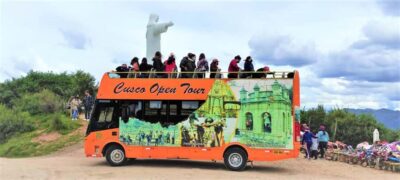 ★ 4.0Cusco: Sightseeing Tour of the City on an Open-Top BusFrom $12481 reviews
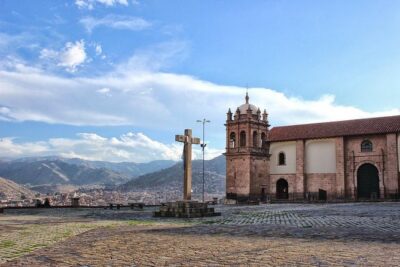 ★ 4.5Open Bus Cusco City TourFrom $14219 reviews
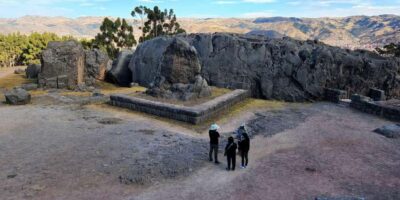 ★ 4.6Cusco: City Tour | Half-Day Tour to 4 Archaeological SitesFrom $29206 reviews
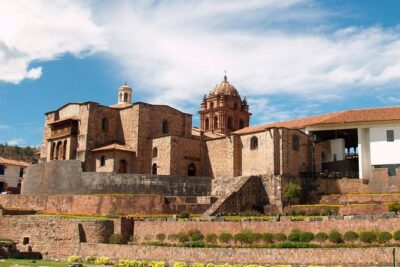 ★ 5.0City Tour in Cusco & visit Museum South American Camelid Private.From $49147 reviews
 ★ 4.5Cusco City Sightseeing, San Pedro Market, Cathedral and Qorikancha TempleFrom $59139 reviews
Also on these Peru lists