
REVIEW · MACHU PICCHU
4 Day Classic Inca Trail to Machu Picchu by 360° Train
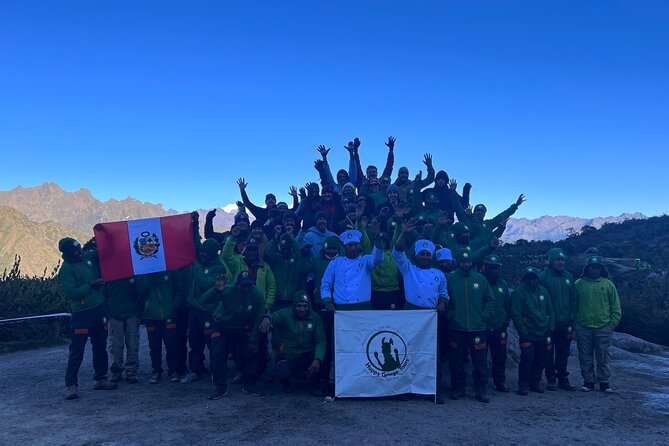
The Inca Trail starts with paperwork at dawn. I love the small group of max nine and the comfort of private tents at each campsite, and I also like the all-in meal plan that keeps you focused on the trail. The main thing to consider is logistics, because a few people report late communication or last-minute date changes, so you’ll want to confirm every detail early.
This is a classic, full-on trek that includes the hardest climb of the Inca Trail, Dead Woman’s Pass (4215 m), then ruins time at several Inca sites before Machu Picchu opens for the day. If you want a structured experience with an organized pace, Cusco pick-up, and tickets handled, this fits well. It also demands real stamina and altitude comfort, so treat the fitness requirement seriously.
In This Review
- Key highlights to know before you book
- Is this the right 4-day Inca Trail pace for you?
- Day 1: Cusco pick-up, KM-82 checkpoint, Llactapata, and Ayapata base camp
- Day 2: Dead Woman’s Pass (4215 m), Runkurakay and Sayacmarca, and Chaquicocha
- Day 3: Phuyupatamarca (City in the Clouds) and Winay Wayna
- Day 4: Machu Picchu entry, Sun Gate first views, then train back to Cusco
- Price and value: what $820 includes, and what it doesn’t
- Meals, organic food, and private tents: comfort that actually helps
- Checkpoints and permits: where the trek can go right or wrong
- Operator reality check: strong overall ratings, but communication issues can happen
- Fitness and altitude: the one factor that decides whether you enjoy it
- Should you book the Happy Gringo Tours 4-day Inca Trail by 360° Train?
- FAQ
- How many people are in the group?
- What time does the tour start?
- What is included in the price?
- Is health insurance included?
- What is the hardest day of the trek?
- Where is the ticket redemption point?
- Can I change or cancel the tour for a refund?
Key highlights to know before you book
- Max 9 travelers keeps the hike feeling personal, not crowded
- Private tents at each site means you’re sleeping somewhere planned, not scrambling
- All-inclusive meals (breakfast, lunch, dinner) reduce daily decision fatigue
- Dead Woman’s Pass is the signature challenge, climbed on Day 2
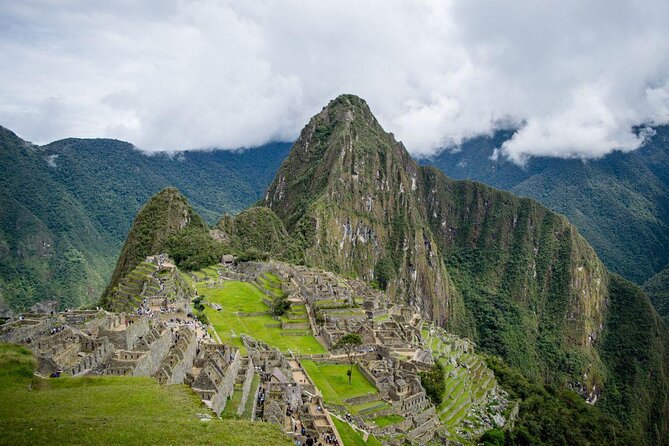
- Sun Gate morning entry gives you the first views when Machu Picchu opens
- Inca Trail plus Machu Picchu tickets included removes the biggest planning headaches
Other citadel visits, ticket types and start times
- From Cusco: Full-Day Group Tour of Machu Picchu
★ 4.7 · 1,767 reviews - Machu Picchu Day Trip from Cusco
★ 4.5 · 1,644 reviews - Machu Picchu: Full-Day Tour from Cusco with Optional Lunch
★ 4.6 · 927 reviews - Cusco: 4-Day Inca Trail to Machu Picchu with Accommodation
★ 4.8 · 432 reviews
Is this the right 4-day Inca Trail pace for you?
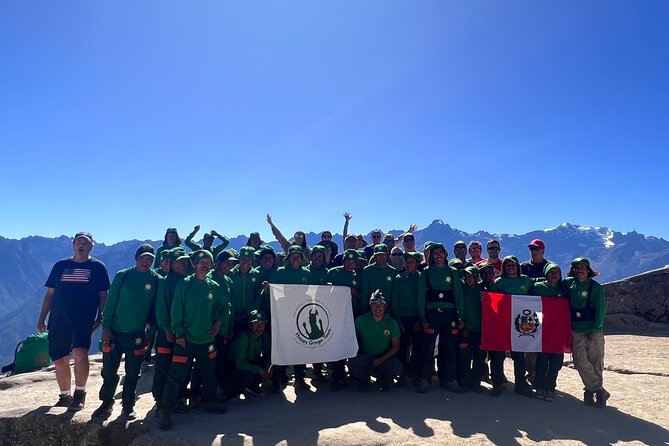
This trek is built for travelers who want the Inca Trail to feel organized from start to finish, without losing the sense of adventure. You’ll have a schedule, checkpoints, meals at set times, and a campsite setup each day, which is a big deal when you’re moving at altitude.
The flip side is that this is not a casual walk. Day 2 includes a 5-hour climb to Dead Woman’s Pass at 4215 m, and the day is described as the most difficult stretch of the whole trek. If you tend to overestimate your hiking stamina, you might feel it here.
Day 1: Cusco pick-up, KM-82 checkpoint, Llactapata, and Ayapata base camp
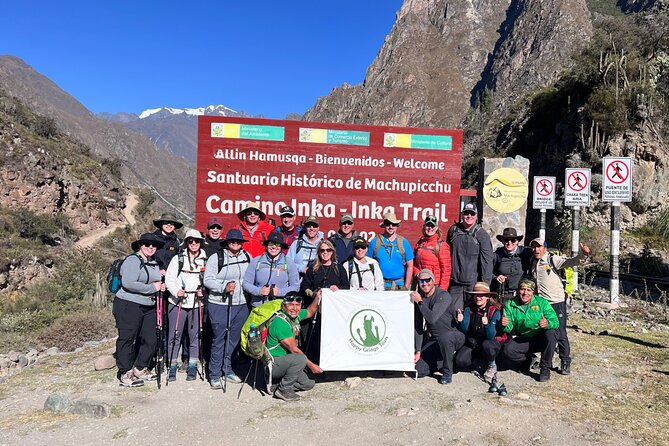
Day 1 starts early, with Cusco hotel pick-up followed by a drive to the trailhead at KM-82. At the checkpoint, you’ll show your passport and make sure it matches your permits, because the entry is tightly controlled.
Once you’re hiking, the first stretch is mostly flat. That’s intentional, it helps you settle into the rhythm before the day turns into more sustained effort. You’ll reach Llactapata, then keep going for a lunch stop where porters are waiting with organic, fresh food.
After lunch, expect your first bigger uphill push. You’ll work your way to the first campsite, Ayapata base camp, and this first day is long enough to give you a feel for pacing, without yet tossing the hardest challenge at you.
Practical note: start the day thinking about energy management, not speed. A flatter start can trick you into going out too fast, and Day 2 is where the mountain cashes the check.
Day 2: Dead Woman’s Pass (4215 m), Runkurakay and Sayacmarca, and Chaquicocha
If Day 1 is your warm-up, Day 2 is the reason people plan the Inca Trail in the first place. After an organic breakfast, you climb for about 5 hours up to Dead Woman’s Pass at 4215 m (13779 feet). This is the highest point on the classic route you’ll follow, and the day is described as the most difficult.
After the summit, there’s a 2-hour downhill through steep Inca steps to the second lunch stop. That combination matters: descending can be hard on knees, even when you feel like the climbing is over.
Then the afternoon mixes more ups and downs. You’ll hike through Inca sites including Runkurakay and Sayacmarca, with breaks along the way. You’ll finish the day with about a 30-minute hop to your campsite at Chaquicocha.
What you’ll likely love about Day 2 is that it doesn’t just throw altitude at you. It gives you a clear sequence: hard climb, recovery downhill, then ruins time while your legs are tired but your head is still in the moment. What to consider is body impact, because steep steps plus altitude can wear you out even if you’re fit.
Day 3: Phuyupatamarca (City in the Clouds) and Winay Wayna
Day 3 is where the trek starts shifting from survival to scenery and ruins. You’ll hike for about 2 hours to the last summit area, Phuyupatamarca, which means City in the Clouds. The route is also described as a great stretch for enjoying flora, fauna, and wide views.
You’ll visit Inti Pata (Sun above the terraces) in the morning. That’s a detail worth paying attention to, because it frames what you’re looking at, instead of just ticking boxes.
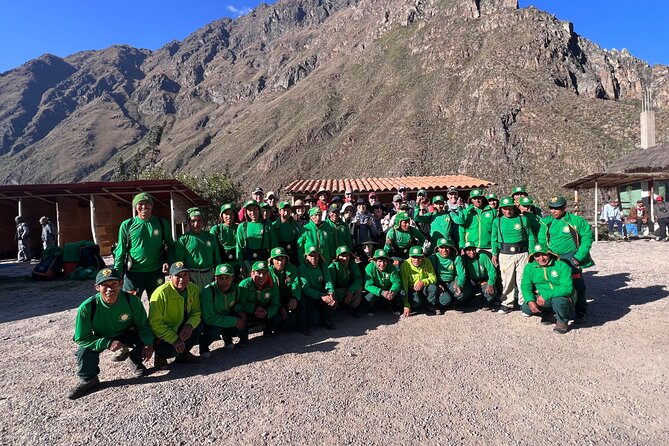
Lunch comes before you move on to Winay Wayna, the “Forever Young” Inca site. It’s a strong ending to the ruin circuit before the final day, and the day stays emotionally significant because you return to camp for dinner and a send-off for the team and porters.
What this day does well is pacing. It’s still hiking, but it’s not the same grind as Day 2. It’s also a good day to notice how altitude affects rest, because by now you’ll understand what sleep and hydration feel like on the trail.
Other Inca Trail departures, permits included
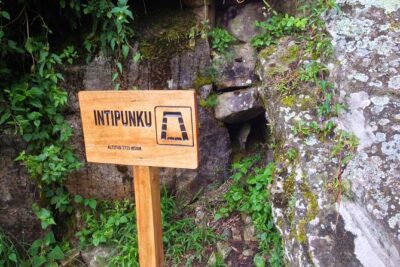
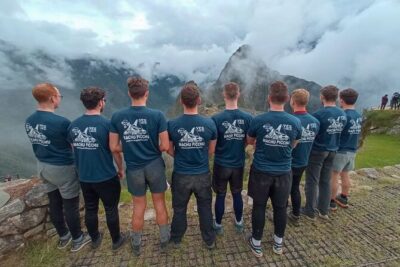
Day 4: Machu Picchu entry, Sun Gate first views, then train back to Cusco
Day 4 is the highlight day, and the timing is built around seeing Machu Picchu as it wakes up. You’ll be woken early, go straight to the checkpoint to enter Machu Picchu, and then hike to the Sun Gate once the site opens.
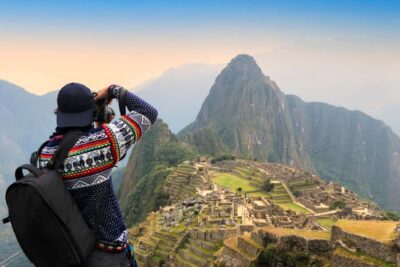
Reaching Sun Gate gives you your first fantastic views of Machu Picchu. Then the plan continues through the most important Machu Picchu temples, so you’re not left wandering without direction for too long.
In the afternoon, you take the train back to Ollantaytambo. From there, you continue by bus back to Cusco.
One more detail that matters: your last dinner is in Wiñay Wayna, keeping the experience tied to the Inca Trail ending rather than flipping instantly into just transit. That can make the finish feel more complete, especially if you arrive tired and a little emotional from the trek.
Price and value: what $820 includes, and what it doesn’t
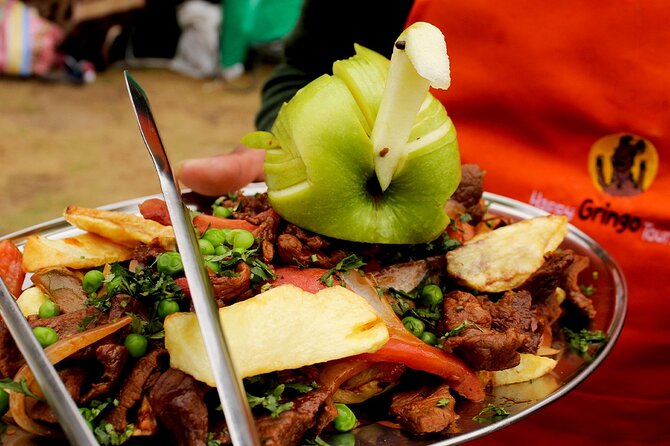
At $820 per person, you’re paying for a lot of the big-ticket items that usually make Inca Trail planning stressful. This price includes the Inca Trail and Machu Picchu tickets, plus a full set of meals: 3 breakfasts, 4 lunches, and 3 dinners.
It also includes the trail experience structure: private tents at each site and an overview of the route with access to multiple Inca sites along the way. That’s where the value sits. You’re not just buying hiking access, you’re buying organization, food, and a plan that handles most of the daily logistics.
What’s not included is also important for budgeting. Tips for guide, cook, and porters are not included, and health insurance is not included. If you’re the type who likes clear totals, you’ll want to set aside tip money and make your own insurance decision up front.
Meals, organic food, and private tents: comfort that actually helps
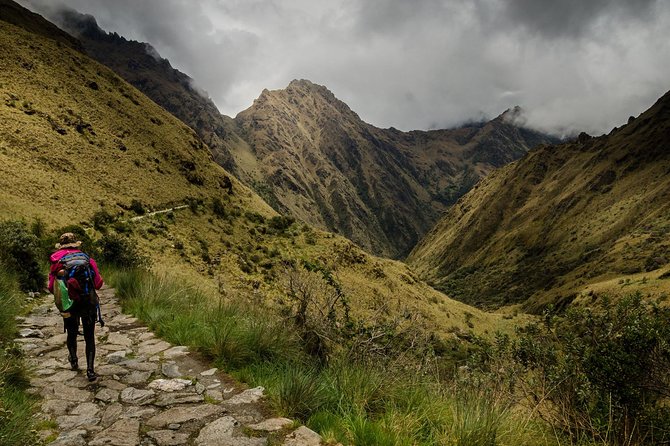
This trek has an all-inclusive food rhythm. Organic breakfast, organic and fresh lunch stops, and dinners are part of the schedule each day. That matters more than it sounds. When you’re climbing and descending at altitude, having consistent meal timing reduces the risk that you’ll spend your energy chasing food instead of hiking.
Sleeping is handled in a different way than a lot of treks. You’ll sleep comfortably in a private tent at each site. Even if you don’t sleep perfectly every night, you’re still getting a dedicated place to reset, rather than improvising accommodations at the last second.
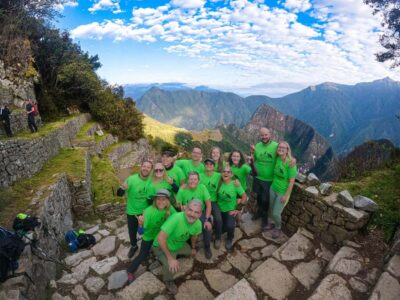
Also note the group size. Max nine travelers changes how the trek feels day to day, especially at ruins and campsite transitions. It’s easier to hear instructions, easier to stay close, and less likely you’ll feel lost in a crowd.
Checkpoints and permits: where the trek can go right or wrong
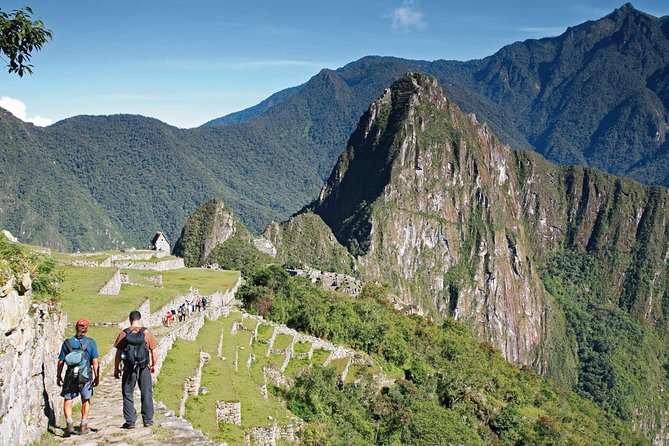
This experience is built around controlled entry points, so details like your passport matter. On Day 1 you’ll show a passport at the KM-82 checkpoint, and it needs to match your permits. If your passport details and permits do not align, your whole start can get delayed or complicated.
Then on Day 4 you’ll head to the Machu Picchu entry checkpoint early. The plan is timed so you enter when the site opens and hike to Sun Gate right after. This is one of those cases where being late is not just inconvenient. It can mess with your entry window.
The ticket redemption point is listed as Aguas Calientes 08681, Peru. Even if you handle that step without stress, it’s a reminder to verify your exact pickup and entry instructions well before departure.
Operator reality check: strong overall ratings, but communication issues can happen
The package shows strong customer sentiment overall, with a 4.9 rating and 97% recommended. That suggests most people are getting what they paid for, including the small-group experience, meals, and the structured trek.
That said, I would not ignore the serious complaints that are included with the booking data. Some reported late communication, including a change to the start date close to departure, which forced people to reschedule other plans. Others complained about pick-up not matching promises, extra charges related to rented sleeping gear and linens, and problems with how a guide conducted themselves.
To keep this practical, here’s how you protect your trip without becoming paranoid:
- Confirm pickup details in writing and again the day before, especially if you’re relying on hotel pick-up.
- Ask what you get versus what you’re expected to carry, including any sleeping bag and linen expectations tied to the trek.
- Double-check your start date and any ticket timing assumptions before you lock in other Cusco plans.
Even when an operator responds to complaints, the underlying lesson is simple: don’t wait until the last minute to verify. This trek is too timing-dependent for guesswork.
Fitness and altitude: the one factor that decides whether you enjoy it
The tour is clear that you should have a strong physical fitness level. That isn’t marketing fluff. Day 2 climbs 5 hours to 4215 m, then you descend steep Inca steps. Later days add more hiking time, plus ruins visits that involve standing and walking in uneven stone settings.
If you’re physically prepared but altitude is new to you, plan for slower effort than usual on the pass day. If you’re not prepared, the pass day can turn the whole trek into a grind.
Also remember this is a four-day trek with long walking days, roughly 9 hours each. It’s not just the biggest climb. It’s the fact you’re doing it while already tired from the previous day.
Should you book the Happy Gringo Tours 4-day Inca Trail by 360° Train?
I’d book this trek if you want an organized, small-group Inca Trail with private tents, all meals handled, and tickets included, plus a Machu Picchu morning that prioritizes the Sun Gate view. The day-by-day structure, ruins stops like Llactapata, Runkurakay, Sayacmarca, Phuyupatamarca, and Winay Wayna, and the built-in transit to Ollantaytambo makes it a strong “set it and go” option.
I would pause and do extra confirmation work if you hate last-minute surprises, since some booking data includes complaints about late communication and schedule changes. If you can verify pickup, dates, and what gear you are truly responsible for, the experience value can be excellent at $820.
If you’re ready for altitude and you want the trail to feel guided from start to finish, this is a solid bet for your first Inca Trail.
FAQ
How many people are in the group?
The tour has a maximum of 9 travelers, which keeps it small-group sized.
What time does the tour start?
The start time is listed as 4:00 am.
What is included in the price?
The price includes Inca Trail and Machu Picchu tickets, plus 3 breakfasts, 4 lunches, and 3 dinners.
Is health insurance included?
No. Health insurance is not included.
What is the hardest day of the trek?
Day 2 is described as the most difficult day because it includes the climb to Dead Woman’s Pass (4215 meters).
Where is the ticket redemption point?
The ticket redemption point is listed as Aguas Calientes 08681, Peru.
Can I change or cancel the tour for a refund?
The experience is non-refundable and cannot be changed for any reason. If it’s canceled due to poor weather, you’ll be offered a different date or a full refund. If it’s canceled because the minimum number of travelers isn’t met, you’ll be offered a different date or a full refund.
More Tour Reviews in Cusco
- Cusco: Humantay Lake Tour with Breakfast and Buffet Lunch
★ 4.9 · 2,976 reviews - From Cusco: Moray, Maras Salt Mines & Chinchero Weavers Tour
★ 4.8 · 1,925 reviews - From Cusco: Full-Day Group Tour of Machu Picchu
★ 4.7 · 1,767 reviews - Machu Picchu Day Trip from Cusco
★ 4.5 · 1,644 reviews - Cusco: Half-Day City Tour with Sacsayhuaman and Q’enco
★ 4.6 · 1,129 reviews
Other Inca Trail Departures
- Cusco: 4-Day Inca Trail to Machu Picchu with Accommodation
★ 4.8 · 432 reviews - Cusco: Machu Picchu 2-Day Inca Trail with Panoramic Train
★ 4.9 · 260 reviews - From Cusco: 2-Day Inca Trail to Machu Picchu
★ 4.2 · 244 reviews - Machu Picchu: Inca Trail 2-Day Overnight Guided Tour
★ 4.9 · 203 reviews - Short Inca trail to MachuPicchu || 2days – 1nigth ||
★ 5.0 · 103 reviews
Reaching the Citadel, Other Options
- From Cusco: Full-Day Group Tour of Machu Picchu
★ 4.7 · 1,767 reviews - Machu Picchu Day Trip from Cusco
★ 4.5 · 1,644 reviews - Machu Picchu: Full-Day Tour from Cusco with Optional Lunch
★ 4.6 · 927 reviews - Cusco: 4-Day Inca Trail to Machu Picchu with Accommodation
★ 4.8 · 432 reviews - From Cusco: 2-Day Trip to the Sacred Valley and Machu Picchu
★ 4.6 · 265 reviews
Freshly reviewed across Cusco
- Excursion Cusco – Puno – Titicaca Observatory Train★ 5.0 · 3 reviews
- Sacred Valley Vip Cusco★ 4.7 · 3 reviews
- Cusco | Humantay Lake 1-Day Tour with Breakfast and Lunch★ 5.0 · 3 reviews
- Full-Day Condor Viewpoint & Inca Sites Tour★ 5.0 · 3 reviews
- Best of Cusco: Private Walking Tour with a Local★ 3.6 · 3 reviews
- From Cusco: Full-Day Private Sacred Valley Tour★ 5.0 · 3 reviews
Machu Picchu Tours side by side.
 ★ 4.7From Cusco: Full-Day Group Tour of Machu PicchuFrom $3211,767 reviews
 ★ 4.5Machu Picchu Day Trip from CuscoFrom $3361,644 reviews
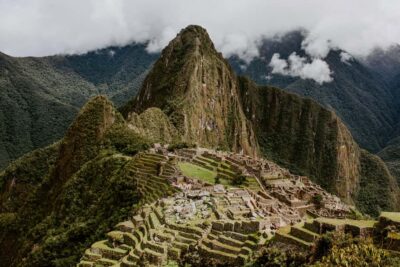 ★ 4.6Machu Picchu: Full-Day Tour from Cusco with Optional LunchFrom $283927 reviews
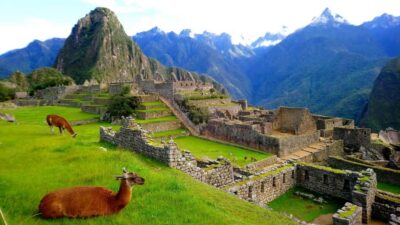 ★ 4.8Cusco: 4-Day Inca Trail to Machu Picchu with AccommodationFrom $470432 reviews
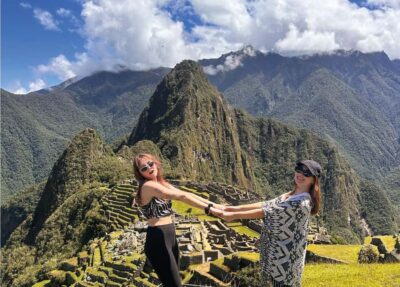 ★ 4.6From Cusco: 2-Day Trip to the Sacred Valley and Machu PicchuFrom $370265 reviews
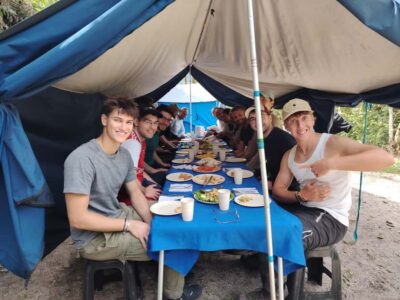 ★ 4.9Cusco: Machu Picchu 2-Day Inca Trail with Panoramic TrainFrom $582260 reviews
 ★ 4.2From Cusco: 2-Day Inca Trail to Machu PicchuFrom $290244 reviews
 ★ 4.9Machu Picchu: Inca Trail 2-Day Overnight Guided TourFrom $585203 reviews
Also on these Peru lists