
REVIEW · MACHU PICCHU
4 Day Inca Trail Trek to Machu Picchu Multi day tour
Machu Picchu feels earned on this hike. This 4-day Inca Trail trek starts at Km 82, climbs to Dead Woman’s Pass (4,215 m), and finishes at the Sun Gate for that first wide view of Machu Picchu. I love how the camping setup and the food on the trail are handled for you, and I also like that you get real support with a guide plus porters. The one real drawback is altitude, because Warmiwañusca, the highest point on the trek, can be tough even if you are fit.
You start early, with pickup in Cusco and a 4:30 am start, and the whole route is limited to a small group (max 16). The big value for me is that you are not just “hiking,” you’re walking an Inca road between major ruins and then entering Machu Picchu in a guided, planned way.
In This Review
- Key points before you go
- Why this 4-day Inca Trail route is so satisfying
- What you’re really paying for at about $930 per person
- The guide, chef, and porters are the difference-maker
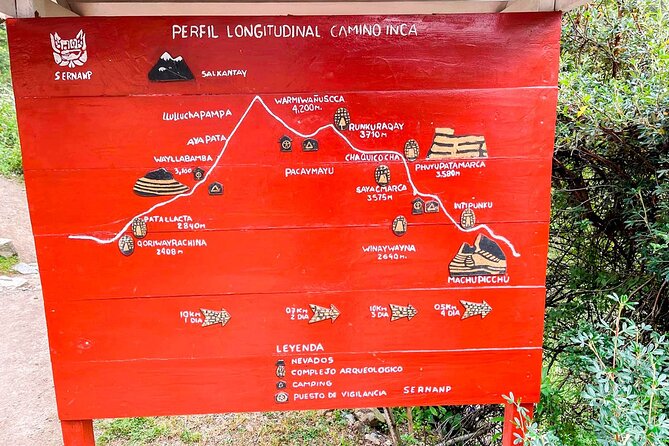
- Day 1: Km 82, Urubamba Valley, and your first Inca road steps
- Day 2: Warmiwañusca (Dead Woman’s Pass) and the Pacaymayo camp
- Day 3: Runkurakay, Sayacmarca, Phuyupatamarca, and Wiñay Wayna
- Day 4: Sun Gate first, then Machu Picchu by guide
- Camping comfort: “real camping,” but with thoughtful support
- Food on the trail: why the chef team gets so much praise
- Packing and gear: what’s on you versus what’s included
- Who should book this trek, and who should rethink it
- Should you book this 4-day Inca Trail to Machu Picchu?
- FAQ
- What is the total distance and duration of the trek?
- What time does the tour start?
- Is hotel pickup included?
- What is the highest point on the trek?
- What ruins and stops are included along the way?
- What is included for camping and sleeping?
- Are meals included?
- Do I get a guide and chef?
- How do you handle luggage during the hike?
- Is it possible to cancel and get a refund?
Key points before you go
- A small-group, guided Inca Trail route with permits and entry fees built in
- Chef-run camping meals plus water provided at each campsite
- Porter support for your duffel bag (up to 7 kg / 11 lb) so you can hike lighter
- Sun Gate timing for that first Machu Picchu reveal
- Real ruins each day including Sayacmarca and Wiñay Wayna
- Practical safety gear including an emergency oxygen bottle in the first-aid kit
Other citadel visits, ticket types and start times
- From Cusco: Full-Day Group Tour of Machu Picchu
★ 4.7 · 1,767 reviews - Machu Picchu Day Trip from Cusco
★ 4.5 · 1,644 reviews - Machu Picchu: Full-Day Tour from Cusco with Optional Lunch
★ 4.6 · 927 reviews - Cusco: 4-Day Inca Trail to Machu Picchu with Accommodation
★ 4.8 · 432 reviews
Why this 4-day Inca Trail route is so satisfying
This is the kind of trek where the daily effort matches the payoff. Day after day you climb, cross passes, and walk between ruins that make the Inca world feel close and physical, not like something stuck behind glass.
What makes it work well for your time and energy is the balance of structure and support. You hike the distance, but you are not responsible for camp logistics, kitchen gear, or carrying your main duffel. That leaves you free to focus on pacing, breathing, and enjoying the views that open and close as the trail rises and drops.
What you’re really paying for at about $930 per person
At $930 per person, this trek is not “cheap,” but it’s easier to judge when you see what’s included. You’re paying for: the Inca Trail permit, Machu Picchu entrance fee, three nights of camping, a guide, a professional trekking chef, and porters who carry food and cooking equipment. You’re also getting the return transport system, including the tourist train to Ollantaytambo and a bus back to Cusco.
This matters because the Inca Trail is not just a path you can casually improvise. The permits are controlled, the timing is strict, and the logistics of camping at altitude are real. Even the small extras add up, like a rain poncho, first-aid kit with emergency oxygen bottle, and the shuttle down from Machu Picchu to Aguas Calientes.
One thing to be honest about: the trek does not include your sleeping bag. If you don’t already have one, that’s a cost to plan for (the tour lists sleeping bag and hiking poles as add-ons with prices). Also, remember the trip is non-refundable and cannot be changed if you cancel. So treat your booking date like a commitment.
The guide, chef, and porters are the difference-maker
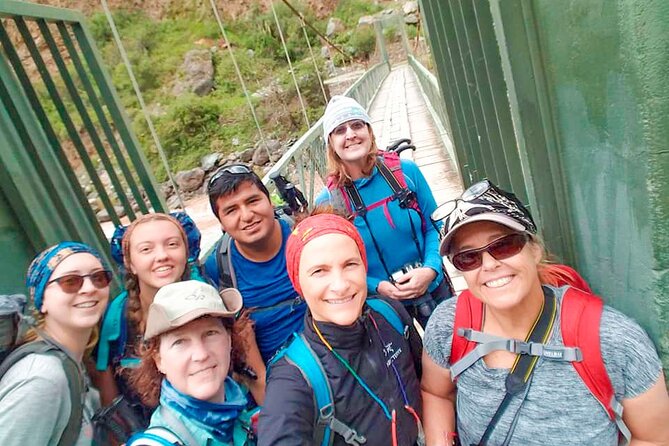
The highest praise across past trips is consistent: people feel well looked after. The names that pop up again and again include guides such as Nico Raul, Cesar Pérez, and Plinio, plus strong chef and porter teams (including chefs like Clemente and Jesus in the feedback). That’s not random trivia. On the Inca Trail, the team’s competence affects your pacing, morale, and how you handle bad weather.
I like that the tour gives each role real weight. Your guide is there to manage the plan and answer questions. The chef runs camp and meals, which is a big deal when you are hiking all day and sleeping on the trail. And you also have super porters so your duffel bag is carried for you up to 7 kg / 11 lb, which can make the difference between enjoying the climb and just surviving it.
Day 1: Km 82, Urubamba Valley, and your first Inca road steps
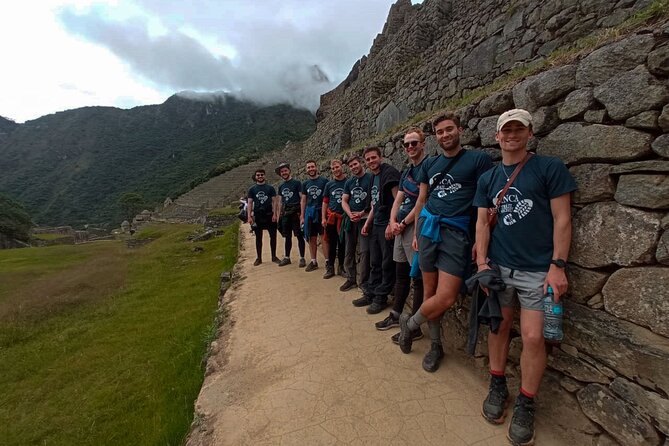
Day 1 starts with an early morning pickup in Cusco, then a scenic drive through the Urubamba Valley to the starting point at Km 82. You cross the Vilcanota River and then begin walking the ancient route, winding through Andean scenery as you settle into “trek mode.”
You’ll pass through Huayllabamba, with a chance to interact with local people. The hiking time is about 8 hours, and you’ll cover around 7.5 miles (12 km) at a moderate difficulty level. This is a good day to get your rhythm right, especially because the air at altitude can make even a steady climb feel tougher than expected.
Why Day 1 feels worth it: you’re not just moving toward Machu Picchu. You’re beginning a corridor of Inca path and valleys, and you can feel how the route was designed to connect places.
Other Inca Trail departures, permits included
Day 2: Warmiwañusca (Dead Woman’s Pass) and the Pacaymayo camp
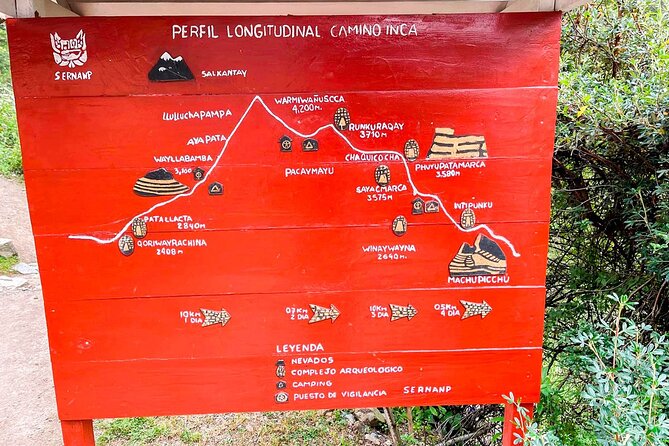
Day 2 is where the trek starts testing your stamina in a serious way. After an early wake-up call and breakfast, you continue climbing toward Warmiwañusca, the highest point at 4,215 m. Expect a challenging ascent, but also expect a payoff. When you reach the top and get a short rest, the views over the Andes and valleys can be stunning in a way you can’t fully capture on a phone.
Then you descend into the Pacaymayo Valley for the campsite. Along the way, the trail shifts through different environments, moving from high-altitude grasslands into a cloud-forest feel, where you might spot orchids and bromeliads. You’ll hike about 8 hours total, and you’ll sleep at Pacaymayo, with the camp set up for you.
This day is a key “mental checkpoint.” If you pace yourself on the climb and listen to your body on the descent, you’ll likely reach camp feeling tired but proud rather than wrecked.
Day 3: Runkurakay, Sayacmarca, Phuyupatamarca, and Wiñay Wayna
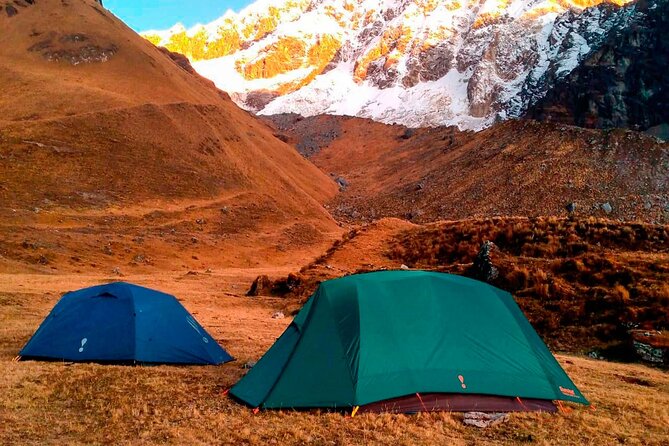
Day 3 has a lot going on, and it’s the day many hikers remember for variety. You start with an uphill push to Runkurakay (about 3,970 m). After the pass, you drop into cloud forest and reach Sayacmarca (around 3,624 m), a ruin complex that feels quieter and more intimate than some of the bigger headline sites.
From there, the trail continues through forest and passes smaller ruins before reaching the third pass, Phuyupatamarca (about 3,670 m). After that, you descend to Wiñay Wayna, known for its agricultural terraces and ritual baths. The campsite here is at about 2,650 m, and the setting gives you a stronger sense of the mountains surrounding you.
Hiking time is listed around 6 hours for this day, but don’t treat that as “easy.” It can feel like shorter hours, yet the trail includes passes, ruins, and changes in elevation that keep your body working. If Day 2 is the altitude test, Day 3 is the “keep it together and enjoy it” test.
Day 4: Sun Gate first, then Machu Picchu by guide
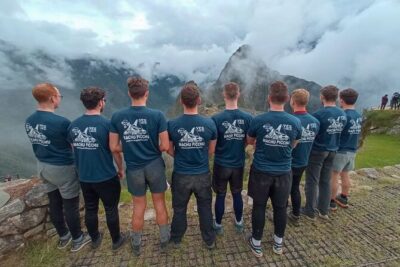
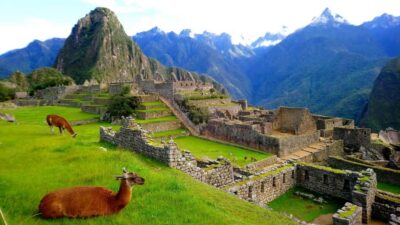
Day 4 begins early with breakfast and a hike to the checkpoint for the final stretch. This is the day you do the approach to Machu Picchu from the Inti Punku (Sun Gate) side, which gives you your first wide panoramic view of the site.
After that viewpoint moment, you head down to Machu Picchu for a guided tour of the ruins. You learn how the site was rediscovered by Hiram Bingham in 1911, and you get context that helps you understand why this place still draws people in today. The guided format is also practical, because it helps you move through a busy, fixed layout without feeling lost.
At the end of the day, you take the bus down to Aguas Calientes, where there’s time for a celebratory lunch. Then you return by tourist train to Ollantaytambo, followed by a bus back to Cusco.
Camping comfort: “real camping,” but with thoughtful support
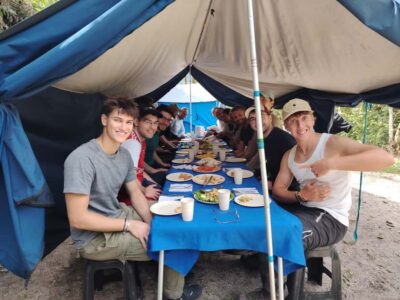
This trek includes 3 nights of camping, and the setup is more organized than many people expect. You’ll sleep in an Eureka tent, where 2 people occupy each 4-person tent, which helps with personal space and luggage security. You also get a comfort sleeping roll mattress, plus dining and kitchen tents with utensils, tables, and chairs.
Toilet tent access is included too. That small note matters when you are tired, because it reduces daily stress and helps camp life feel manageable.
Two other details I appreciate from a value standpoint: water is provided at every campsite by the chef, and the tour includes an emergency oxygen bottle in the first-aid kit. You’re still camping, but the practical basics are handled.
Food on the trail: why the chef team gets so much praise
One of the most repeated strengths in the feedback is the food. The chefs producing full meals in remote high-altitude camp conditions is no small thing. You get breakfast 3 times, lunch 3 times, and dinner 3 times, and you also get water at camps.
The tour does note that the first breakfast and last lunch in Aguas Calientes are not included, so plan for one meal day timing gap. Still, overall, you should expect your hunger to be managed, which is essential for high-altitude hiking.
Packing and gear: what’s on you versus what’s included
The tour includes a lot of “big” items, like camping equipment, dining setup, and the rain poncho. But you still need to bring your own core hiking items.
What is not included:
- Sleeping bag (listed at U$25 as an add-on)
- Hiking poles (listed at U$20 as an add-on)
- An inflatable rest mattress is listed at U$20, but it is also noted as not included
What is included that helps:
- Plastic rain poncho
- First-aid kit including emergency oxygen bottle
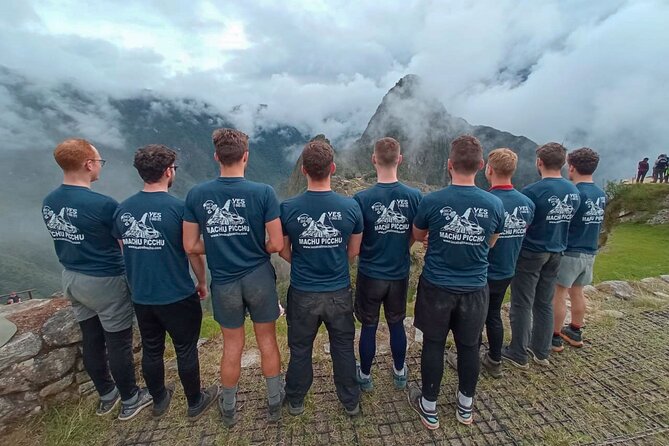
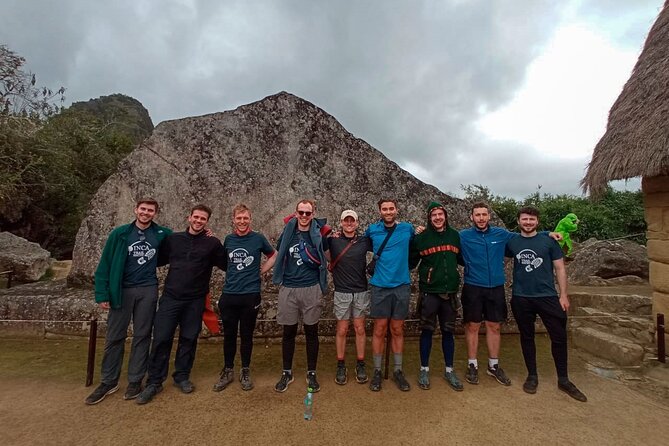
- Special t-shirt as a memory
- Porters, super porters, and kitchen systems
- Shuttle bus from Machu Picchu to Aguas Calientes
My practical advice: if you know you run cold at night, prioritize a sleeping bag you trust. Camp nights at altitude can feel colder than the daytime hiking heat suggests.
Who should book this trek, and who should rethink it
If you like structured hikes with stops at meaningful ruins, and you want Machu Picchu access tied to the classic Inca Trail route, this fits you well. The small group size (max 16) also helps the experience feel more personal and easier to manage.
This is also a good option if you want to avoid self-planning the camping logistics. With a guide, chef, and porter support, you can spend your energy hiking and enjoying the route rather than solving logistics.
Who should think twice:
- If you struggle with altitude climbs, because Dead Woman’s Pass at 4,215 m is the main challenge
- If you need a fully flexible plan, because the trip is non-refundable and cannot be changed for any reason
Should you book this 4-day Inca Trail to Machu Picchu?
I’d book it if you want the full classic arc: start at Km 82, hike between Inca ruins, cross passes like Warmiwañusca, then reach Machu Picchu from Sun Gate and get a guided walkthrough at the end. The value comes from what’s included beyond hiking, especially the permits, the chef and camp setup, and the porter support that lets you hike with less weight.
I’d hesitate only if altitude scares you or if your dates are not solid. This is one of those once-in-a-lifetime trips where your planning matters.
If your body is ready for uphill days and you want Machu Picchu with the “earned” feeling that comes from walking the Inca route, this is a strong choice.
FAQ
What is the total distance and duration of the trek?
It’s a 4-day trek on the Inca Trail route, covering about 42 km (26 miles) from Km 82 to the Machu Picchu area.
What time does the tour start?
The meeting/start time is 4:30 am.
Is hotel pickup included?
The tour includes pickup from your hotel in Cusco, followed by transport to Km 82 for the start of the trek.
What is the highest point on the trek?
The highest point is Dead Woman’s Pass, Warmiwañusca, at about 4,215 meters.
What ruins and stops are included along the way?
The trek includes Inca Trail stops connected to ruins such as Llactapata, Runkurakay, Sayacmarca, Phuyupatamarca, and Wiñay Wayna. Day 4 includes Inti Punku (Sun Gate) and Machu Picchu.
What is included for camping and sleeping?
Accommodation includes 3 nights of camping in Eureka tents (2 people per tent space described for 4-person tents), plus a comfort sleeping roll mattress and camping equipment like toilet tent, kitchen and dining tents, and utensils.
Are meals included?
Yes. Breakfast, lunch, and dinner are included for 3 days each. The first breakfast and last lunch in Aguas Calientes town are not included.
Do I get a guide and chef?
Yes. The tour includes an experienced tour guide and a professional trekking chef.
How do you handle luggage during the hike?
You have a personal super porter who carries your duffel bag for personal belongings up to 7 kg (11 lb).
Is it possible to cancel and get a refund?
No. The experience is non-refundable and cannot be changed for any reason. If you cancel or ask for an amendment, the amount you paid will not be refunded.
More Tour Reviews in Cusco
- Cusco: Humantay Lake Tour with Breakfast and Buffet Lunch
★ 4.9 · 2,976 reviews - From Cusco: Moray, Maras Salt Mines & Chinchero Weavers Tour
★ 4.8 · 1,925 reviews - From Cusco: Full-Day Group Tour of Machu Picchu
★ 4.7 · 1,767 reviews - Machu Picchu Day Trip from Cusco
★ 4.5 · 1,644 reviews - Cusco: Half-Day City Tour with Sacsayhuaman and Q’enco
★ 4.6 · 1,129 reviews
Other Inca Trail Departures
- Cusco: 4-Day Inca Trail to Machu Picchu with Accommodation
★ 4.8 · 432 reviews - Cusco: Machu Picchu 2-Day Inca Trail with Panoramic Train
★ 4.9 · 260 reviews - From Cusco: 2-Day Inca Trail to Machu Picchu
★ 4.2 · 244 reviews - Machu Picchu: Inca Trail 2-Day Overnight Guided Tour
★ 4.9 · 203 reviews - Short Inca trail to MachuPicchu || 2days – 1nigth ||
★ 5.0 · 103 reviews
Reaching the Citadel, Other Options
- From Cusco: Full-Day Group Tour of Machu Picchu
★ 4.7 · 1,767 reviews - Machu Picchu Day Trip from Cusco
★ 4.5 · 1,644 reviews - Machu Picchu: Full-Day Tour from Cusco with Optional Lunch
★ 4.6 · 927 reviews - Cusco: 4-Day Inca Trail to Machu Picchu with Accommodation
★ 4.8 · 432 reviews - From Cusco: 2-Day Trip to the Sacred Valley and Machu Picchu
★ 4.6 · 265 reviews
Freshly reviewed across Cusco
- Excursion Cusco – Puno – Titicaca Observatory Train★ 5.0 · 3 reviews
- Sacred Valley Vip Cusco★ 4.7 · 3 reviews
- Cusco | Humantay Lake 1-Day Tour with Breakfast and Lunch★ 5.0 · 3 reviews
- Full-Day Condor Viewpoint & Inca Sites Tour★ 5.0 · 3 reviews
- Best of Cusco: Private Walking Tour with a Local★ 3.6 · 3 reviews
- From Cusco: Full-Day Private Sacred Valley Tour★ 5.0 · 3 reviews
Machu Picchu Tours side by side.
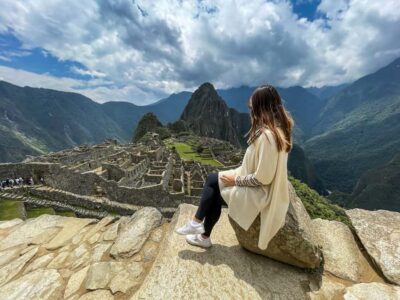 ★ 4.7From Cusco: Full-Day Group Tour of Machu PicchuFrom $3211,767 reviews
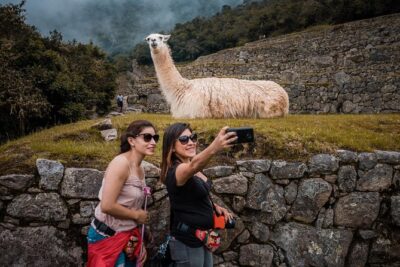 ★ 4.5Machu Picchu Day Trip from CuscoFrom $3361,644 reviews
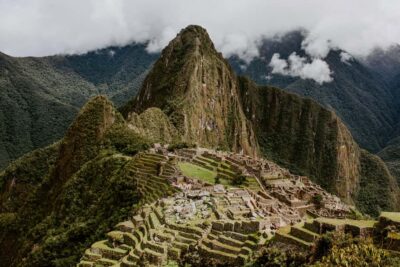 ★ 4.6Machu Picchu: Full-Day Tour from Cusco with Optional LunchFrom $283927 reviews
 ★ 4.8Cusco: 4-Day Inca Trail to Machu Picchu with AccommodationFrom $470432 reviews
 ★ 4.6From Cusco: 2-Day Trip to the Sacred Valley and Machu PicchuFrom $370265 reviews
 ★ 4.9Cusco: Machu Picchu 2-Day Inca Trail with Panoramic TrainFrom $582260 reviews
 ★ 4.2From Cusco: 2-Day Inca Trail to Machu PicchuFrom $290244 reviews
 ★ 4.9Machu Picchu: Inca Trail 2-Day Overnight Guided TourFrom $585203 reviews
Also on these Peru lists