
REVIEW · MACHU PICCHU
4 Day Inca Trail To Machu Picchu – Private Service
Four days on sacred stone paths. This private Inca Trail trek from Cusco to Machu Picchu trades big-tour crowding for your guide’s full attention and a calmer, more personal pace. You’ll walk through cloud forest, pass Inca sites like Patallacta and Phuyupatamarca, and end at Machu Picchu.
I especially like the way they handle your overnight setup, so you can focus on breathing, hiking, and enjoying the route. The camping gear and team support (chef, dining tent, porters, even an oxygen bottle) make a huge difference when the trail gets cold. One thing to think about: the early starts, high passes, and steep stairs mean you need real stamina and a steady mind, not just good intentions.
In This Review
- Key things that make this tour worth your time
- A private 4-day Inca Trail from Cusco, with less rushing and more human scale
- From the control point at Piscacucho to Huillca Raccay and Wayllabamba camp
- Dead Woman’s Pass, Polylepis trees, and a bird-and-cloud-forest day on Day 2
- Phuyupatamarca, 3,000 steps at Intipata, and Wiñay Wayna’s Forever Young feeling
- Sun Gate before sunrise and your first Machu Picchu view
- What’s actually included, and why it’s good value for the Inca Trail
- What’s not included, and the small stuff that can make or break your day
- Who should book this private Inca Trail, and who should rethink it
- Final call: should you book this private 4-day Inca Trail?
- FAQ
- What time does the trip start, and where do I meet?
- Is this tour truly private?
- What camping gear is included?
- What water and meals are included?
- Is Huayna Picchu included with Machu Picchu?
- Is the trek okay if I’m not an athlete?
- Is this trip refundable if I cancel?
Key things that make this tour worth your time
- Private guide attention from the first control point to Machu Picchu
- Camp comfort you can feel, including foam sleeping mattresses and a proper dining tent
- Real altitude moments, from Dead Woman’s Pass to cold-night camps around 4°C to 5°C
- Inca sites built into the walk, like Intipata steps and Wiñay Wayna
- Porter support with a 7 kg personal limit, so you hike lighter
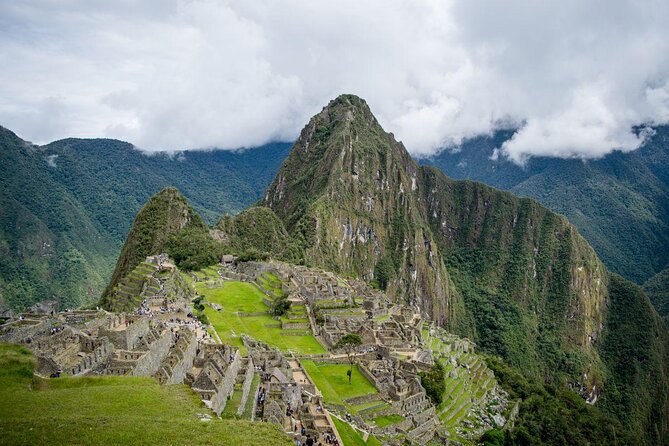
- Machu Picchu access timing, aiming for Intipunku (Sun Gate) before sunrise
Other citadel visits, ticket types and start times
- From Cusco: Full-Day Group Tour of Machu Picchu
★ 4.7 · 1,767 reviews - Machu Picchu Day Trip from Cusco
★ 4.5 · 1,644 reviews - Machu Picchu: Full-Day Tour from Cusco with Optional Lunch
★ 4.6 · 927 reviews - Cusco: 4-Day Inca Trail to Machu Picchu with Accommodation
★ 4.8 · 432 reviews
A private 4-day Inca Trail from Cusco, with less rushing and more human scale
If you’ve been dreaming about the Inca Trail, you already know it’s famous for a reason. What makes a private service different is simple: fewer people to manage, fewer bottlenecks, and more time for your guide to explain what you’re actually seeing as you walk.
You’ll start extremely early. The plan lists a 4:00 am start time, and the meeting is at a hotel around 4:30 am. That matters because the trail access system is strict, and you want to show up calm, ready, and not scrambling for passport or tickets.
This private setup also matches well with the way the trek feels emotionally. The Inca route is a spiritual story tied to the mountains and the Apus, not just a checklist of ruins. When your group is small, the guide can slow down when the views open up, and you’ll get more chances to ask questions without the “catch up” pressure.
From the control point at Piscacucho to Huillca Raccay and Wayllabamba camp
Your first big focus is logistics, because the Inca Trail has limited access. Before you start walking, you’ll reach the control point area after meeting at the hotel, and you’ll need your passport and tickets for the checks. This is the moment to use restrooms, apply sunscreen, and put on insect repellent if you need it.
Then you move into the Andes rhythm. The trail begins at about 2,720 m (8,923 ft), and you’ll cross the Vilcanota River on the right side. Right away, the experience shifts from “travel day” into “trek day,” with the path heading toward cloud-forest conditions.
Early on, you’ll pass eye-catching viewpoints and Inca-linked spots. On the way, keep an eye out for Huillca Raccay, plus Patallacta, both mentioned as key stops. You’ll also get views toward the Urubamba mountain range and a high peak called W’akay Willca (also known as Veronica) at about 5,860 m (19,225 ft). Even if you’re not a peak-spotting expert, these names help you connect the scenery to the story you’re hearing.
By the end of the day, you’ll reach your first camp: Wayllabamba, around 3,000 m (9,842 ft). This is a temperate valley area, and the plan notes that night temperatures are around 5°C, depending on the month. That number matters, because it affects what you’ll wear to dinner and how you’ll sleep. If you usually run warm, you’ll still want layers.
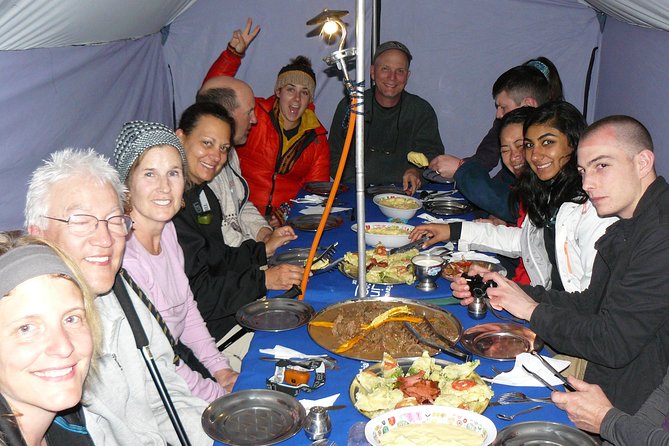
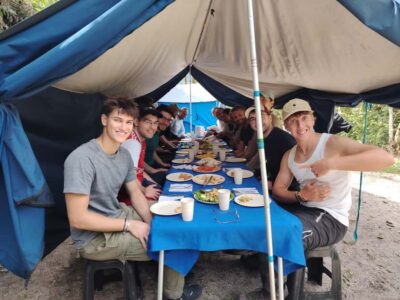
This is also when the included camp setup starts paying off. You’re not just “camping.” You’re getting a dining tent with tables and chairs, a cook, and the tent and sleeping mattress system. You can spend your energy on enjoying the day, not on building a campsite from scratch.
Dead Woman’s Pass, Polylepis trees, and a bird-and-cloud-forest day on Day 2
Day 2 is where you feel the trek’s seriousness. Breakfast happens first, then you’re out early, around 5:30 am, so you’ll use the daylight you’ll need for the climb.
The key moment is the ascent to Abra de Warrmihuañusca, also called Dead Woman’s Pass, at about 4,200 m (13,779 ft). The plan is clear that this is a hard task. If you’re the type who worries you’ll fall behind, this is where a private guide helps. You can keep a steady pace, and your guide can read how you’re breathing without a group behind you.
After a rest at the pass, you descend toward lunch at Pacaymayu around 3,550 m (11,646 ft). This section isn’t just about moving down. The route notes the chance to see hummingbirds and a variety of native plants, including Polylepis, trees that only grow in cloud-forest zones in this altitude band (the plan lists about 3,650 m).
After lunch, there’s another steep climb. You’ll go up toward Runkurakay pass at almost 4,000 m, and set up camp by about 5 pm. Night temperatures at this camp are listed around 4°C. When it gets that cold, your best strategy is layering before you feel chilled. Don’t wait until you’re already stiff.
Phuyupatamarca, 3,000 steps at Intipata, and Wiñay Wayna’s Forever Young feeling
Day 3 is where the Inca sites get extra rewarding because the walking rhythm turns into a string of “oh wow” moments. The plan gives a target distance of 10 km, with about 5 hours (plus time for stops).
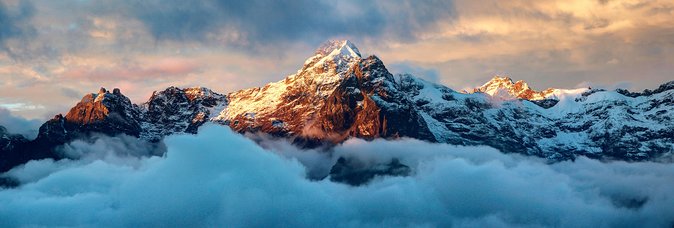
You’ll start after breakfast and a gentle climb brings you to Phuyupatamarca, meaning Town in the Clouds, at about 3,680 m. The view payoff here is part of why people remember this day. You’re not just seeing ruins, you’re seeing how the Inca built their world to frame the mountains and the valleys.
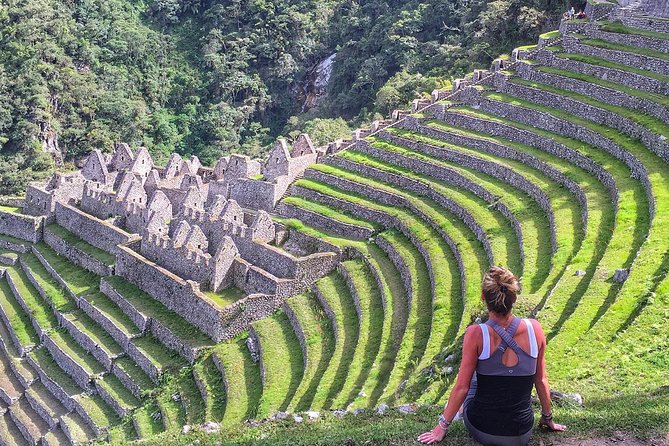
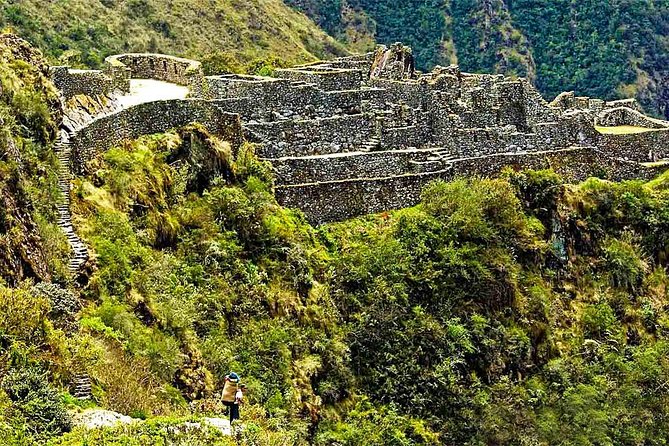
From there, the route continues toward the third pass area (as described in the plan) and into cloud forest. Then comes Intipata, reached via about 3,000 steps. That “steps” detail is important. This is the day that can grind your legs a bit, especially if you’ve been too aggressive on the earlier climbs.
After Intipata, you reach your third campsite: Wiñay Wayna, around 2,680 m (8,792 ft). The plan notes you should arrive around lunchtime, after roughly 4 to 5 hours of trekking. Near camp is the Wiñay Wayna Inca site, also described with the meaning Forever Young. This is a great stop because it feels like you’re nearing the end of the trail, and the mood in camp usually reflects that.
One more thing that helps on Day 3: you’ve already had a night in the tents, so you know what “cold but manageable” feels like for sleeping. That lets you focus better on the walk.
Other Inca Trail departures, permits included
Sun Gate before sunrise and your first Machu Picchu view
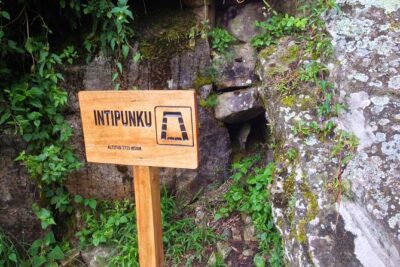
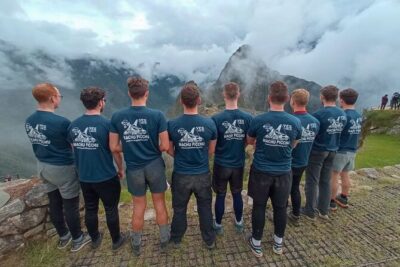
Day 4 starts the way Machu Picchu demands: early. You’ll wake, have breakfast, and set off quickly. The plan emphasizes getting to Intipunku (Sun Gate) at 2,730 m (8,792 ft) before sunrise.
This timing is not a small detail. When you arrive before the first light, you’re more likely to get a cleaner first view and a quieter moment to take it in. The plan calls out that you’ll see Machu Picchu (around 2,400 m) and get your “first great view” during this sunrise approach.
You’ll then complete the final walking stretch, listed as about 5 km and around 2 hours to finish the day’s trek portion. After that, you’ll shift from hiking mode to sightseeing mode, which is a relief if you’ve been doing a lot of uphill all week.
If you’re thinking about Huayna Picchu, it’s not included and tickets must be booked in advance. The plan lists two time sessions: 7am to 8am or 10am to 11am. It also warns that choosing the 7am session might mean you could have to miss the Machu Picchu guided tour. That trade-off is real, so decide based on what you want most: extra viewpoint time or a guided explanation inside the main area.
What’s actually included, and why it’s good value for the Inca Trail
Let’s talk about value, because the Inca Trail can be priced wildly and still feel chaotic. Here, the included pieces are exactly what you need for a smooth trek.
You get a professional bilingual tour guide. For groups of 9 or more, there’s also an assistant guide. That matters because the biggest issues on long treks usually come down to pacing, timing, and communication.
You also get transport support that handles the classic Inca Trail logistics:
- Bus to km 82
- Train back to Ollantaytambo
- Collection from Ollantaytambo on Day 4
- Bus down from Machu Picchu to Aguas Calientes
That’s a big deal because it prevents your day from turning into a scavenger hunt. Also, it reduces your need to plan train schedules while you’re already exhausted.
On the trail, you’re not just handed a map and left. The included camp system is practical:
- Dining tent with tables and chairs
- Cook on site
- 4-man tent with setup described as per 2 people
- Foam sleeping mattress
- Porters who carry cooking and camping equipment
- An oxygen bottle on hand (a safety touch)
- A personal porter to carry 7 kg of your personal effects
Food is included too. The package lists 3 breakfasts, 3 lunches, and 3 dinners, with a specific note that first breakfast, lunch, and dinner on the last day are not included. In other words, you’ll have plenty of trail meals, but you still need to plan for the first and last-day gaps.
Water is handled after a key reminder. The plan says you need to bring water for the first morning, then you’ll receive drinking water that’s been previously boiled. That reduces the risk of guessing about water sources when you’re focused on altitude and effort.
What’s not included, and the small stuff that can make or break your day
A couple items stand out as things you should plan ahead for.
Huayna Picchu entrance is not included, and you must book tickets well in advance. If it’s on your bucket list, decide early because the sessions are time-specific.
Walking support is also not included. The plan explicitly says walking sticks are not included. If you like trekking poles or know your knees need help on descents, bring your own. It’s one of those upgrades that feels boring until the day you need it.
Meals on specific parts of the trek are not included, as noted earlier. Since the schedule hits early morning timing, you’ll want to be ready for what you personally need before leaving camp and before the last-day meals start.
Finally, there’s a single supplement fee of $60. If you’re traveling solo and want your own tent arrangement, that’s the cost mentioned.
Who should book this private Inca Trail, and who should rethink it
This trek is for people with moderate physical fitness. The route includes steep ascents, high passes, and long stretches with stairs. You’ll be active every day, even if your legs are already tired from Cusco acclimation days.
Cold nights are real. The plan lists camp temperatures around 5°C on the first night and around 4°C later. You can’t treat this like a warm-weather hike, even if you’re arriving from Peru’s sunnier seasons.
If you’re traveling with a group of friends or family and you want more one-on-one guide time, private is a strong match. One of the most commonly praised aspects of this kind of service is how the guide helps keep you on pace while still explaining what matters, whether that’s the route’s sacred purpose or how sites like Intipata and Wiñay Wayna fit into the story.
If you want the lowest possible physical challenge, this is not it. The passes and stairs are not optional. Also, the tour starts very early, so it’s not ideal if you hate waking up before sunrise as a lifestyle choice.
Final call: should you book this private 4-day Inca Trail?
I’d book it if you want the Inca Trail experience without the “too many people, too little time” feeling. The combination of a private service, included camping setup, and logistics taken care of for you is the kind of value that shows up after the first steep section.
I’d think twice if you’re not comfortable with altitude and cold nights, or if you’re expecting a gentle walk. Also plan carefully if you want Huayna Picchu, since ticket timing can affect whether you catch the guided tour during Machu Picchu.
If you’re ready for a serious hike with real support, this is a solid way to earn the Machu Picchu sunrise moment without turning your trip into a logistics project.
FAQ
What time does the trip start, and where do I meet?
The start time is listed as 4:00 am, and the meeting point is described as Hotel 04h30 before you continue to Piscacucho for check-in and control point procedures.
Is this tour truly private?
Yes. The description says it is private service, and only your group participates.
What camping gear is included?
The package includes a dining tent with tables and chairs, a cook, 4-man tents (described as per 2 people), and foam sleeping mattresses. Porters also carry cooking and camping equipment.
What water and meals are included?
You need to bring water for the first morning, and you’ll be provided boiled drinking water after that. The plan includes 3 breakfasts, 3 lunches, and 3 dinners, and it notes that first breakfast, lunch, and dinner on the last day are not included.
Is Huayna Picchu included with Machu Picchu?
No. Entrance to Huayna Picchu is not included, and you must book tickets well in advance. The listed entry sessions are 7am to 8am or 10am to 11am, and the 7am session could conflict with the Machu Picchu guided tour.
Is the trek okay if I’m not an athlete?
The guidance says travelers should have a moderate physical fitness level. The route includes steep climbs, a high pass at Dead Woman’s Pass, and many stairs.
Is this trip refundable if I cancel?
No. The experience is non-refundable and cannot be changed for any reason. If you cancel or ask for an amendment, the amount paid will not be refunded.
More Tour Reviews in Cusco
- Cusco: Humantay Lake Tour with Breakfast and Buffet Lunch
★ 4.9 · 2,976 reviews - From Cusco: Moray, Maras Salt Mines & Chinchero Weavers Tour
★ 4.8 · 1,925 reviews - From Cusco: Full-Day Group Tour of Machu Picchu
★ 4.7 · 1,767 reviews - Machu Picchu Day Trip from Cusco
★ 4.5 · 1,644 reviews - Cusco: Half-Day City Tour with Sacsayhuaman and Q’enco
★ 4.6 · 1,129 reviews
Other Inca Trail Departures
- Cusco: 4-Day Inca Trail to Machu Picchu with Accommodation
★ 4.8 · 432 reviews - Cusco: Machu Picchu 2-Day Inca Trail with Panoramic Train
★ 4.9 · 260 reviews - From Cusco: 2-Day Inca Trail to Machu Picchu
★ 4.2 · 244 reviews - Machu Picchu: Inca Trail 2-Day Overnight Guided Tour
★ 4.9 · 203 reviews - Short Inca trail to MachuPicchu || 2days – 1nigth ||
★ 5.0 · 103 reviews
Reaching the Citadel, Other Options
- From Cusco: Full-Day Group Tour of Machu Picchu
★ 4.7 · 1,767 reviews - Machu Picchu Day Trip from Cusco
★ 4.5 · 1,644 reviews - Machu Picchu: Full-Day Tour from Cusco with Optional Lunch
★ 4.6 · 927 reviews - Cusco: 4-Day Inca Trail to Machu Picchu with Accommodation
★ 4.8 · 432 reviews - From Cusco: 2-Day Trip to the Sacred Valley and Machu Picchu
★ 4.6 · 265 reviews
Freshly reviewed across Cusco
- Excursion Cusco – Puno – Titicaca Observatory Train★ 5.0 · 3 reviews
- Sacred Valley Vip Cusco★ 4.7 · 3 reviews
- Cusco | Humantay Lake 1-Day Tour with Breakfast and Lunch★ 5.0 · 3 reviews
- Full-Day Condor Viewpoint & Inca Sites Tour★ 5.0 · 3 reviews
- Best of Cusco: Private Walking Tour with a Local★ 3.6 · 3 reviews
- From Cusco: Full-Day Private Sacred Valley Tour★ 5.0 · 3 reviews
Machu Picchu Tours side by side.
 ★ 4.7From Cusco: Full-Day Group Tour of Machu PicchuFrom $3211,767 reviews
 ★ 4.5Machu Picchu Day Trip from CuscoFrom $3361,644 reviews
 ★ 4.6Machu Picchu: Full-Day Tour from Cusco with Optional LunchFrom $283927 reviews
 ★ 4.8Cusco: 4-Day Inca Trail to Machu Picchu with AccommodationFrom $470432 reviews
 ★ 4.6From Cusco: 2-Day Trip to the Sacred Valley and Machu PicchuFrom $370265 reviews
 ★ 4.9Cusco: Machu Picchu 2-Day Inca Trail with Panoramic TrainFrom $582260 reviews
 ★ 4.2From Cusco: 2-Day Inca Trail to Machu PicchuFrom $290244 reviews
 ★ 4.9Machu Picchu: Inca Trail 2-Day Overnight Guided TourFrom $585203 reviews
Also on these Peru lists