
REVIEW · MACHU PICCHU
4 Days Inca Trail To Machu Picchu
Four days. One unforgettable arrival.
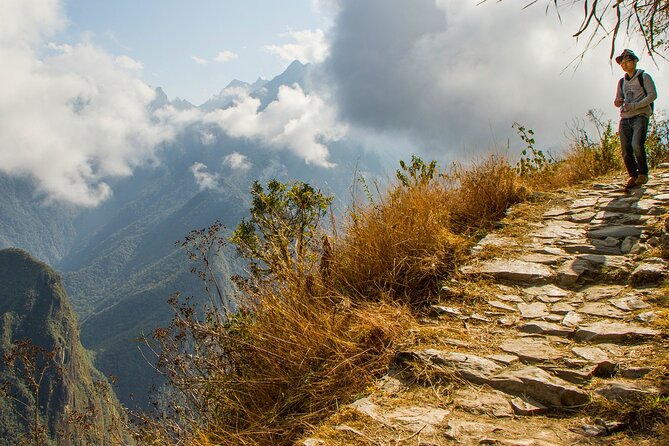
This route takes you from km 82 to Patallacta, then over the big pass at Warmiwañiusca, and finally down to Machu Picchu for guided exploring. What I like most is the way the trip is built around real camp days with included food, and then finishes with a long, structured day at the ruins instead of a rushed drop-off. The team support matters too, and you can see it in how guides stay upbeat and how the cook service can be meal-forward, like chef Dante running a four-course style format for lunch and dinner in at least one group.
One caution: expect basic tent camping, not comfort travel. Nights are simple, and there is no mention of upgraded gear like a sleeping bag or walking sticks being included.
In This Review
- Quick hits
- What You Get for $725.20 in Cusco
- Day 1: The 4:20 am start, km 82 checkpoint, and Huayllabamba camp
- Day 2: Warmiwañiusca Pass, the highest point (13,779 feet), and Pacaymayo night
- Day 3: Runcurakay to Chaquicocha lunch, then Phuyupatamarca and Wiñaywayna
- Day 4: Sun Gate into Machu Picchu, then Aguas Calientes and back to Cusco
- Meals, camping gear, and the team that makes it run
- Transport and the Aguas Calientes loop, explained simply
- Physical fitness: how moderate really plays out
- Who should book this 4-day Inca Trail to Machu Picchu
- Should you book this tour?
- FAQ
- How long is the Inca Trail and Machu Picchu portion of the trip?
- What time does pickup happen on day one?
- Where does day one start for the hike?
- What hiking stops are included during the four days?
- Are meals included?
- Is camping included, and what gear is provided?
- Are sleeping bags and walking sticks included?
- How do you get from Aguas Calientes to Machu Picchu and back?
- Is Machu Picchu guided time included?
- What is the cancellation window?
Quick hits
- Max 15 people keeps the pace more manageable than giant group tours
- 4:20 am Cusco hotel pickup starts early, so plan for a fast morning
- Passport check at the km 82 checkpoint is part of day one before you walk
- Warmiwañiusca pass plus the highest point on the trail at 13,779 feet is the big test
- Inca sites each day, including Runcurakay, Chaquicocha, Phuyupatamarca, and Wiñaywayna
- Two guided blocks at Machu Picchu (2.5 hours then a historic sanctuary tour), with free time for photos
Other citadel visits, ticket types and start times
- From Cusco: Full-Day Group Tour of Machu Picchu
★ 4.7 · 1,767 reviews - Machu Picchu Day Trip from Cusco
★ 4.5 · 1,644 reviews - Machu Picchu: Full-Day Tour from Cusco with Optional Lunch
★ 4.6 · 927 reviews - Cusco: 4-Day Inca Trail to Machu Picchu with Accommodation
★ 4.8 · 432 reviews
What You Get for $725.20 in Cusco
At $725.20 per person, this is not a budget add-on. You are paying for the core logistics that make the Inca Trail possible: trail entry, guided ruins time, tent and sleeping setup in camp, and the last-day transport loop through Aguas Calientes and back to Cusco.
Here’s what’s clearly included:
- 3 nights of tent camping (tent shared for two, plus a foam mattress per person)
- Meals: snacks (3), breakfasts (3), lunches (4), dinners (3)
- Entrance and guiding: Inca Trail and Machu Picchu entrance tickets (subject to availability), plus guided tours at Machu Picchu
- Transfers: pickup from your Cusco hotel, plus train from Ollantaytambo to Aguas Calientes, and bus from Aguas Calientes to Machu Picchu
- Machu Picchu touring time with guides and time to explore on your own
What you should expect to handle yourself:
- Sleeping bag and walking sticks are not included, but they can be rented
- Tips for guide, porters, and chef are optional
- Meals not explicitly listed are not guaranteed in the package notes
So the value question is simple: do you want someone to manage the hard parts (permits, timing, transport, and food) while you focus on hiking and absorbing the sites? If yes, this price can make sense. If you want a private, high-comfort camping setup, you might find it too basic.
Day 1: The 4:20 am start, km 82 checkpoint, and Huayllabamba camp
Day one is an early-morning wake-up in Cusco life. You get picked up from your hotel around 4:20 am, then you ride out until km 82. Before you start walking, there is a check point where you show your passport. That step matters because you cannot just roll up and improvise. Bring the passport you used for your booking.
Once the checkpoint is done, you begin walking for about 2 hours until Patallacta. This is a key transition point. You meet your partners and porters, eat lunch, and then keep moving onward to Huayllabamba camp. Dinner comes at the camp, and you sleep there in your assigned tent setup.
Why this first day feels manageable for many people:
- The hike begins after getting your paperwork checked, so you can focus on settling into rhythm.
- The schedule is broken into short, logical pieces: ride, walk, meet team, lunch, then continue to camp.
Possible drawback: if you hate early starts, day one will test you. Also, you will be outdoors for much of the day, with camp being straightforward rather than cushy.
Day 2: Warmiwañiusca Pass, the highest point (13,779 feet), and Pacaymayo night
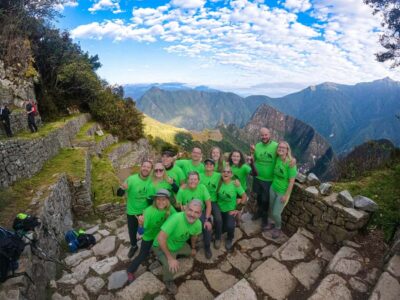
Day two is where the trail earns its reputation. After breakfast, you head into the hardest section, walking toward the highest point on the Inca Trail at 13,779 feet. About 3 hours into the hike, you cross the pass called Warmiwañiusca, which means Dead Woman.
From there, the pattern becomes clearer:
- You reach the top and your effort finally has a visible payoff.
- Then you move into a long descent until you reach Pacaymayo for dinner and the night.
What I like about this day’s structure is that it does not pretend it is easy. It is built around a clear “climb, cross, descend” rhythm. That helps you pace mentally. You are not guessing when the effort peak will land, and you are not stuck doing endless undifferentiated uphill.
Consideration: this is the steep, demanding day for most hikers on this route. If your fitness is only moderate, plan to take it slow on the climb and do not burn energy early.
Day 3: Runcurakay to Chaquicocha lunch, then Phuyupatamarca and Wiñaywayna
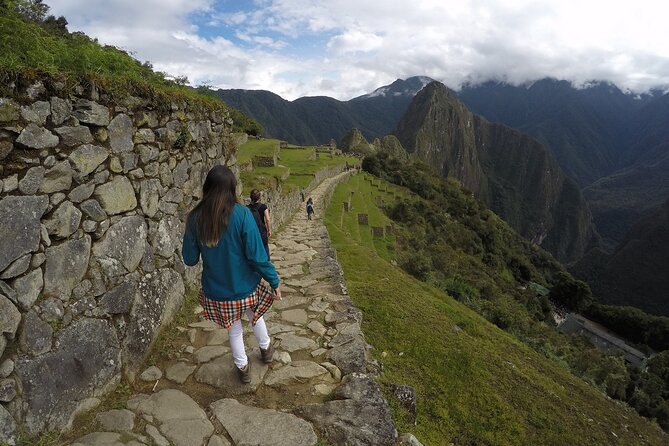
Day three has a different energy than day two. You walk about 15 kilometers, and you get multiple Inca stops that break up the day.
You pass Runcurakay and Chaquicocha, where lunch is included. After lunch, the hike continues to Phuyupatamarca, which literally points to the idea of a city above the clouds, and that name alone tells you the vibe: you are chasing big views and high-feeling terrain.
The day ends at Wiñaywayna, where you have dinner and overnight at the camp.
What makes day three special for me is the balance:
- You are still hiking, so you stay in trail mode.
- But you are also getting those ruin moments that make the walk feel purposeful, not just physical.
Practical note: the tour’s camping setup is described as basic. One group note also points to limited comforts, like minimal camp amenities and no electricity. That’s not a dealbreaker, but it affects how you should pack mentally for nighttime.
Other Inca Trail departures, permits included
Day 4: Sun Gate into Machu Picchu, then Aguas Calientes and back to Cusco
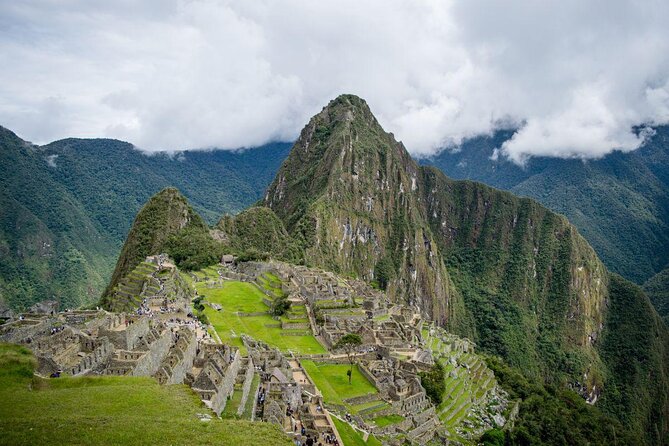
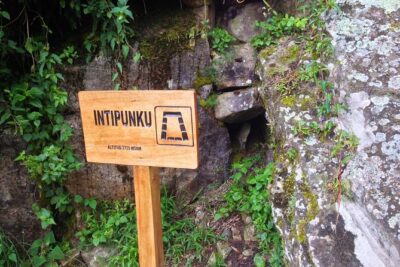
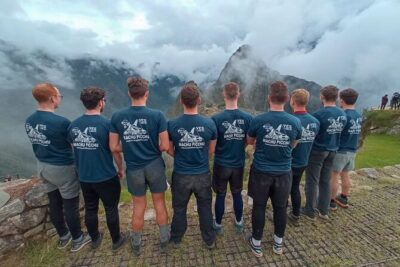
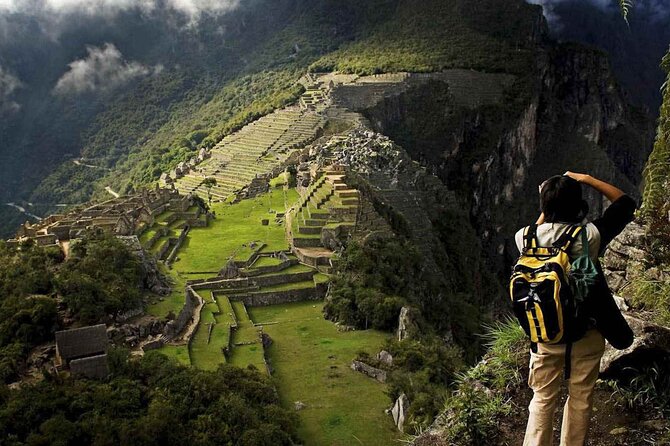
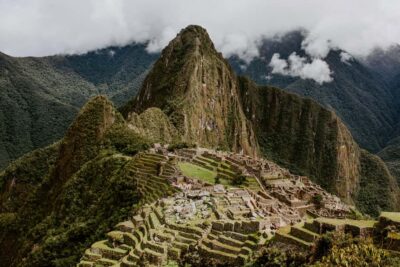
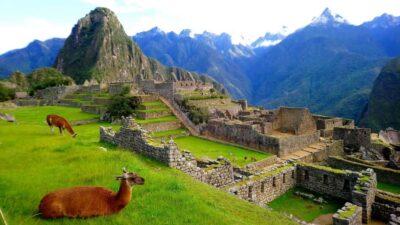
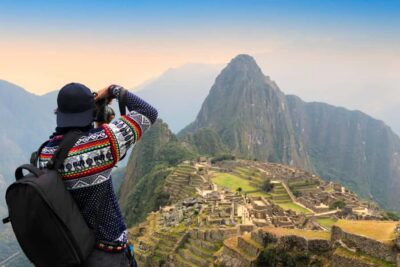
Day four is the payoff day. You pass through Inti Punku, also called the Sun Gate, which is the recognizable gateway into Machu Picchu. From there, you hike down to Machu Picchu at about 7,970 feet, show your entry ticket, and begin a guided tour lasting about 2 hours and 30 minutes.
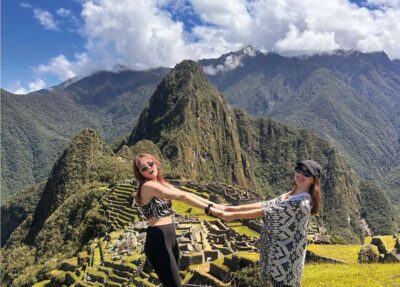
After the guided section, you get free time to explore and take photos. Then you return to guided time again with a Historic Sanctuary of Machu Picchu tour of about 3 hours. There is more free time after that as well, so you are not stuck only watching, you get to wander within the allowed areas.
Then comes the exit flow:
- You go back to Aguas Calientes for lunch.
- After lunch, you head to the train station to take the train back to Ollantaytambo.
- A representative meets you at Ollantaytambo with a sign and handles the mobility back to Cusco, where you are taken to your hotel.
Why the pacing on day four works:
- You do not just arrive and get rushed.
- You get long guided context, then enough unstructured time to linger for photos and your own route choices.
One consideration: Machu Picchu touring is a time-boxed day. Even with free time, your total day is packed, and comfortable shoes matter.
Meals, camping gear, and the team that makes it run
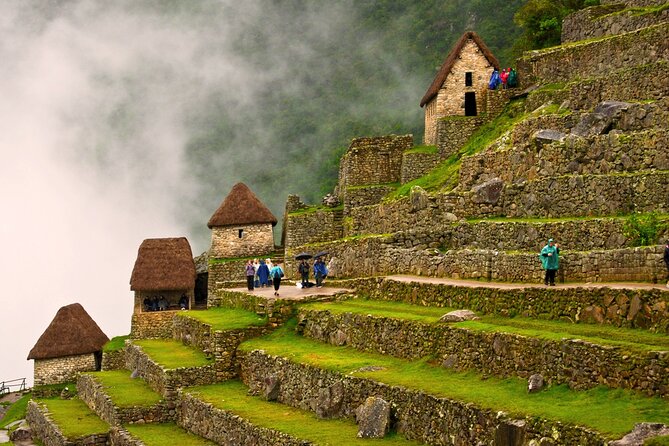
This trip is built like a moving campsite. The food plan is a big part of the value because it removes daily decision fatigue and makes it easier to stay fueled for the climbs.
What’s included:
- Snacks (3)
- Breakfasts (3)
- Lunches (4)
- Dinners (3)
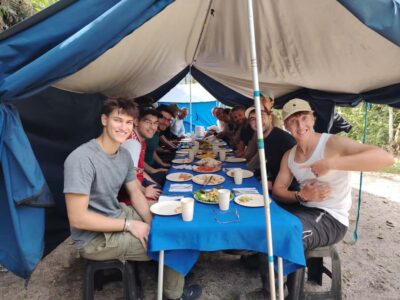
A strong theme from past groups is that meals can be more satisfying than expected. One highlight I’d keep in mind is chef Dante, described as preparing four-course restaurant quality meals for lunches and dinners, with large portions. That kind of service can be the difference between enjoying the long days and feeling drained.
Camping setup details are straightforward:
- You get a tent for two travelers
- You get a foam mattress per person
- You do not get a sleeping bag or walking sticks by default, though rentals are offered
That means you should decide early how you feel about sleeping comfort and hike support. If you tend to get cold at night, plan to rent a sleeping bag. If your knees complain on descents, consider renting walking sticks too.
And yes, guide quality shows up in the experience. Guides are described as fluent in English and consistently positive, and specific names have come up like Julio, Marcial, and Alexsandro. With a trek this physically demanding, that attitude is not fluff, it helps you stay steady.
Transport and the Aguas Calientes loop, explained simply
A lot of frustration on Machu Picchu trips comes from transit chaos. Here, the transport is built into the plan.
You have:
- Round train ticket: Ollantaytambo to Aguas Calientes
- Round bus ticket: Aguas Calientes to Machu Picchu
Then, after Machu Picchu day, you return to Aguas Calientes for lunch, take the train back to Ollantaytambo, and meet a representative who transfers you back to Cusco and your hotel.
The practical upside is that you do not have to coordinate different ticket types while you are tired. The schedule is doing the heavy lifting for you.
Physical fitness: how moderate really plays out
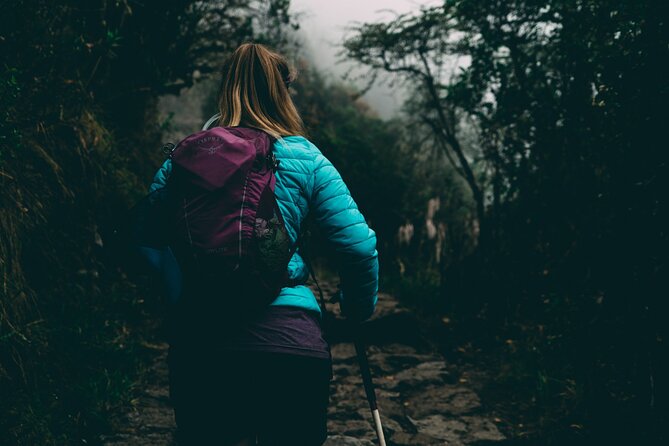
The tour calls for moderate physical fitness. In practice, that means you need to be ready for:
- Several hours of walking on consecutive days
- A long uphill effort day, including the climb to Warmiwañiusca
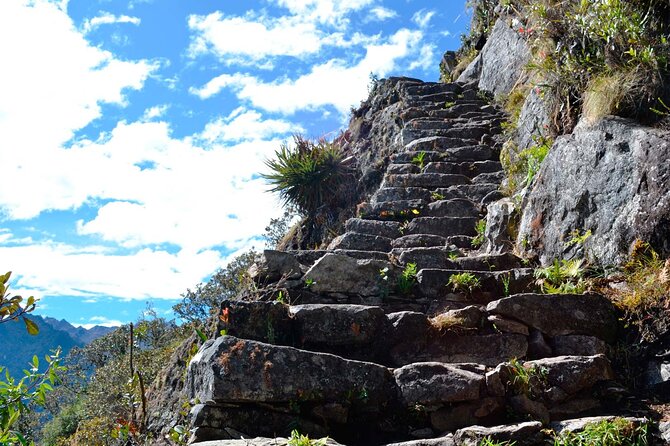
- Stair-heavy terrain during the toughest segment, not just flat trail hiking
One helpful way to judge if you’ll enjoy this hike is to ask yourself if you can handle “hard but structured.” This itinerary is structured. The day breaks are clear: walk, pass, lunch, descend, arrive at camp, repeat.
If you already hike 3 to 4 day treks, you will likely find it challenging but familiar. If this is your first multi-day trek, I’d still do it, but go in with humility and pace slowly on day two.
Who should book this 4-day Inca Trail to Machu Picchu
This hike is a great fit if you want:
- A guided Inca Trail experience with built-in meals and team support
- A Machu Picchu day that includes two guided blocks plus free time, not just a quick visit
- A group size capped at 15, which usually means it feels more personal than big tour buses
It may not be the best fit if you:
- Want luxury camping or a sleeping setup beyond a foam mattress
- Dislike early mornings, since pickup starts around 4:20 am
- Want zero physical strain. Day two is the standout challenge.
For couples and friends who like a shared adventure, the tent-for-two setup can work nicely. For solo travelers, you might be placed in the shared tent configuration, since the tour notes tenting for two travelers.
Should you book this tour?
I’d recommend booking if you want Machu Picchu to be the reward at the end of a true journey, with the logistics handled for you. The combination of Inca Trail hiking, included camping gear basics, and a long guided day at Machu Picchu is the core reason this trip works.
Book if:
- You’re comfortable with a hard day, especially the Warmiwañiusca pass climb
- You’re okay with basic camp conditions and bringing what you need (like renting a sleeping bag if you’ll need it)
- You want transport taken care of through Ollantaytambo and Aguas Calientes
Hold off if:
- You need private, high-comfort accommodations
- You are hoping for an easy hike with minimal physical strain
- You are not ready to follow the passport requirement and early start timing
If you are the kind of traveler who likes clear schedules, big ruins moments, and waking up in the Andes, this is a strong choice.
FAQ
How long is the Inca Trail and Machu Picchu portion of the trip?
It’s listed as about 4 days, with hiking across the Inca Trail and then a full day touring Machu Picchu.
What time does pickup happen on day one?
You are picked up from your Cusco hotel around 4:20 am.
Where does day one start for the hike?
After pickup and travel, you start from km 82, where you pass through a checkpoint and show your passport.
What hiking stops are included during the four days?
You pass through places including Patallacta, Huayllabamba camp, Pacaymayo, Runcurakay, Chaquicocha, Phuyupatamarca, Wiñaywayna camp, Inti Punku (Sun Gate), and then arrive at Machu Picchu.
Are meals included?
Yes. Snacks are included 3 times, with breakfasts 3 times, lunches 4 times, and dinners 3 times.
Is camping included, and what gear is provided?
Yes. The package includes a tent for two travelers and a foam mattress per person.
Are sleeping bags and walking sticks included?
No. Sleeping bag and walking sticks are not included, but they can be rented from the provider.
How do you get from Aguas Calientes to Machu Picchu and back?
The trip includes a round bus ticket from Aguas Calientes to Machu Picchu, and a return train ticket from Ollantaytambo to Aguas Calientes is included as part of the schedule.
Is Machu Picchu guided time included?
Yes. There is a guided tour of about 2 hours and 30 minutes at Machu Picchu, plus an additional guided tour of the Historic Sanctuary of Machu Picchu for about 3 hours. There is also free time to explore by yourself.
What is the cancellation window?
Free cancellation is offered up to 24 hours in advance for a full refund. If you cancel less than 24 hours before the start time, the amount paid is not refunded.
More Tour Reviews in Cusco
- Cusco: Humantay Lake Tour with Breakfast and Buffet Lunch
★ 4.9 · 2,976 reviews - From Cusco: Moray, Maras Salt Mines & Chinchero Weavers Tour
★ 4.8 · 1,925 reviews - From Cusco: Full-Day Group Tour of Machu Picchu
★ 4.7 · 1,767 reviews - Machu Picchu Day Trip from Cusco
★ 4.5 · 1,644 reviews - Cusco: Half-Day City Tour with Sacsayhuaman and Q’enco
★ 4.6 · 1,129 reviews
Other Inca Trail Departures
- Cusco: 4-Day Inca Trail to Machu Picchu with Accommodation
★ 4.8 · 432 reviews - Cusco: Machu Picchu 2-Day Inca Trail with Panoramic Train
★ 4.9 · 260 reviews - From Cusco: 2-Day Inca Trail to Machu Picchu
★ 4.2 · 244 reviews - Machu Picchu: Inca Trail 2-Day Overnight Guided Tour
★ 4.9 · 203 reviews - Short Inca trail to MachuPicchu || 2days – 1nigth ||
★ 5.0 · 103 reviews
Reaching the Citadel, Other Options
- From Cusco: Full-Day Group Tour of Machu Picchu
★ 4.7 · 1,767 reviews - Machu Picchu Day Trip from Cusco
★ 4.5 · 1,644 reviews - Machu Picchu: Full-Day Tour from Cusco with Optional Lunch
★ 4.6 · 927 reviews - Cusco: 4-Day Inca Trail to Machu Picchu with Accommodation
★ 4.8 · 432 reviews - From Cusco: 2-Day Trip to the Sacred Valley and Machu Picchu
★ 4.6 · 265 reviews
Freshly reviewed across Cusco
- Excursion Cusco – Puno – Titicaca Observatory Train★ 5.0 · 3 reviews
- Sacred Valley Vip Cusco★ 4.7 · 3 reviews
- Cusco | Humantay Lake 1-Day Tour with Breakfast and Lunch★ 5.0 · 3 reviews
- Full-Day Condor Viewpoint & Inca Sites Tour★ 5.0 · 3 reviews
- Best of Cusco: Private Walking Tour with a Local★ 3.6 · 3 reviews
- From Cusco: Full-Day Private Sacred Valley Tour★ 5.0 · 3 reviews
Machu Picchu Tours side by side.
 ★ 4.7From Cusco: Full-Day Group Tour of Machu PicchuFrom $3211,767 reviews
 ★ 4.5Machu Picchu Day Trip from CuscoFrom $3361,644 reviews
 ★ 4.6Machu Picchu: Full-Day Tour from Cusco with Optional LunchFrom $283927 reviews
 ★ 4.8Cusco: 4-Day Inca Trail to Machu Picchu with AccommodationFrom $470432 reviews
 ★ 4.6From Cusco: 2-Day Trip to the Sacred Valley and Machu PicchuFrom $370265 reviews
 ★ 4.9Cusco: Machu Picchu 2-Day Inca Trail with Panoramic TrainFrom $582260 reviews
 ★ 4.2From Cusco: 2-Day Inca Trail to Machu PicchuFrom $290244 reviews
 ★ 4.9Machu Picchu: Inca Trail 2-Day Overnight Guided TourFrom $585203 reviews
Also on these Peru lists