
REVIEW · MACHU PICCHU
5-Day: Salkantay Trek to Machupicchu and Humantay Lake
Machupicchu sunrise comes after a high pass. This 5-day Salkantay trek strings together Humantay Lake views, a big push over Salkantay Pass, and a last-day arrival timed for sunrise at Machu Picchu.
I like how practical the trip feels, especially the way they manage your load. Porters and horses carry up to 5 kg of your backpack for the hardest first stretches, and you still hike as a group (max 15 people). I also love the payoff: you get a private guided tour for about 2 hours inside Machu Picchu, then plenty of time to wander.
The main thing to consider is altitude and early mornings. You start extremely early and you’ll move through big altitude jumps, from about 2,900 meters up past 4,600 meters, with cold nights at higher camps.
In This Review
- Key things I’d plan around
- Why the Salkantay to Machu Picchu pace works
- Day 1: Humantay Lake, cold nights, and that first big payoff
- Day 2: The pass day at 4,600 m and the culture moment
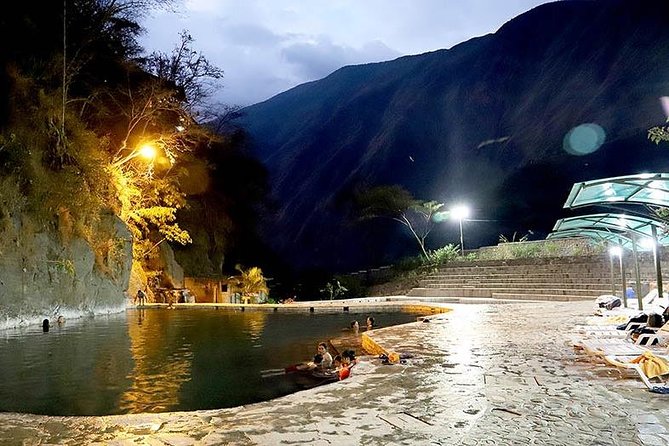
- Day 3: Jungle temperatures, Santa Teresa, and optional Cocalmayo hot springs
- Day 4: Santa Teresa to Aguas Calientes, zip line option, and a Machu Picchu briefing
- Day 5: Sunrise at Machu Picchu, guided time, and the long return to Cusco
- Comfort level: camping gear, cold nights, and how porters change the math
- Price and value: what $360 gets you, and what you’ll still pay
- Who this trek is best for, and who should pick something else
- Quick FAQ about timing, tickets, and add-ons
- FAQ
- What time does the tour start in Cusco?
- What does the tour include for food and lodging?
- Is Machu Picchu admission included?
- Do I need my own sleeping bag?
- Are the hot springs included?
- Can I add Huayna Picchu or an extra night at Machu Picchu town?
- Should you book this Salkantay trek?
Key things I’d plan around
- Small group size (max 15), which keeps pace and logistics easier to manage on tough days
- Horse-and-porter support for the first 3 days, with a clear 5 kg backpack limit
- Humantay Lake at high altitude (around 4,200 m), plus a sheltered camp setup near the lake approach
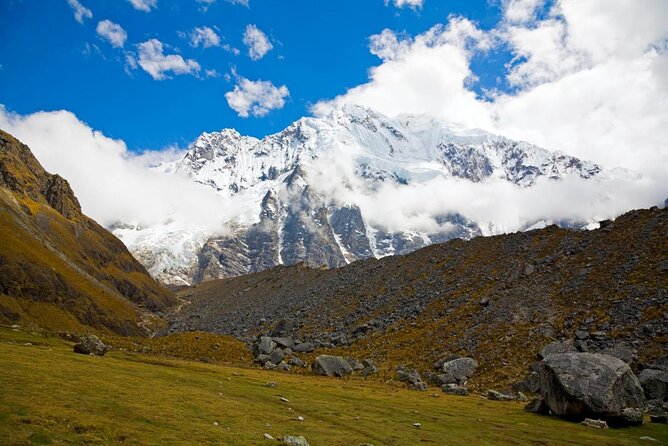
- Salkantay Pass crossing (4,600 m), including a traditional moment of asking the mountain gods for permission to pass
- Machu Picchu sunrise timing, with a private guide for roughly 2 hours
- Optional add-ons like Cocalmayo hot springs, zip line, Huayna Picchu, and even a possible extra night
Other citadel visits, ticket types and start times
- From Cusco: Full-Day Group Tour of Machu Picchu
★ 4.7 · 1,767 reviews - Machu Picchu Day Trip from Cusco
★ 4.5 · 1,644 reviews - Machu Picchu: Full-Day Tour from Cusco with Optional Lunch
★ 4.6 · 927 reviews - Cusco: 4-Day Inca Trail to Machu Picchu with Accommodation
★ 4.8 · 432 reviews
Why the Salkantay to Machu Picchu pace works
This route is not just a hike with a famous destination at the end. It’s built like a ramp: you gradually climb into altitude, then you descend through changing ecosystems, and finally you earn that Machu Picchu sunrise.
The value is in the structure. You get four nights of lodging and meals, plus camping gear (minus your sleeping bag). You also get private transportation when you need it, but still do the walking that makes the whole experience feel like yours.
And since the group is capped at 15, it’s easier to keep moving without constant crowd friction. That matters when mornings start around 4:30 to 5:30 am and your body is still waking up in thin air.
Day 1: Humantay Lake, cold nights, and that first big payoff
Your morning starts with pickup in Cusco, typically between 5:30 and 6:00 am, though the plan begins even earlier at about 4:30 am from your lodging before the long ride. After a 4-hour bus ride, you stop in Mollepata for about 30 minutes around 2,900 m.
Then you continue to Challacancha to meet your porters and horses, and this is where the hiking begins in earnest. You walk about 4 hours toward Soraypampa at roughly 3,900 m, and the route runs alongside Inka water irrigation channels. That detail is more than scenery. It’s a reminder the landscape here was engineered for survival, not convenience.
When you arrive in Soraypampa, you set up camp and have lunch. The temperature swings are real at this elevation. Expect about 10°C during the day and 2°C at night. If you’re thinking you can “just wear a t-shirt,” this is where you lose that bet.
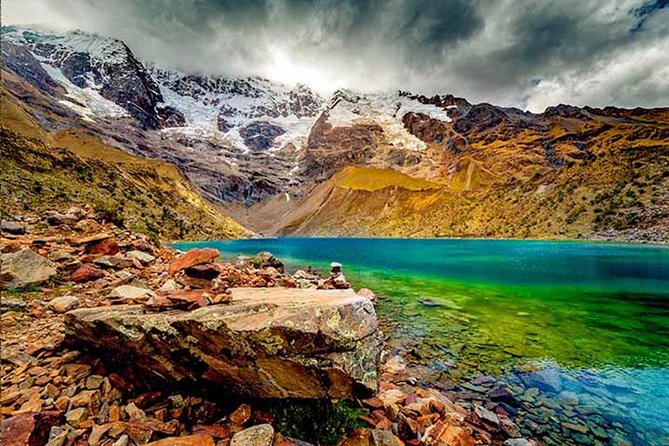
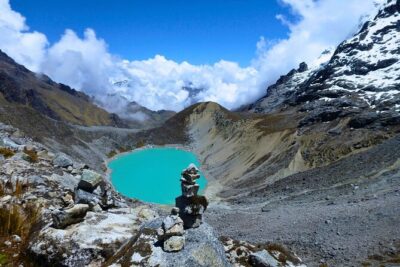
After lunch, you head to Humantay Lake (about 4,200 m) for around 1 hour 30 minutes of walking from the camping area. This part is also conditioned for comfort compared with bare-bones camps. You sleep in a four-season tent with an additional roof made of straw, which helps with the cold and wind at these heights.
What to watch for: Day 1 is scenic but not gentle. If you pace too fast on the first climb, altitude can bite early. Bring layers you can actually pull on and off as temperatures change.
Day 2: The pass day at 4,600 m and the culture moment
Day 2 starts with an altitude-minded routine: you get tea first, then breakfast, so you can acclimatize better before the hike. This is smart. At higher elevations, small preparation steps can mean the difference between feeling okay and feeling miserable.
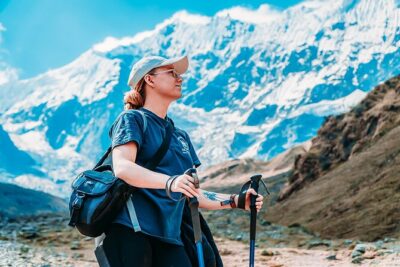
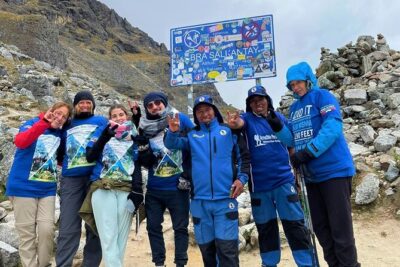
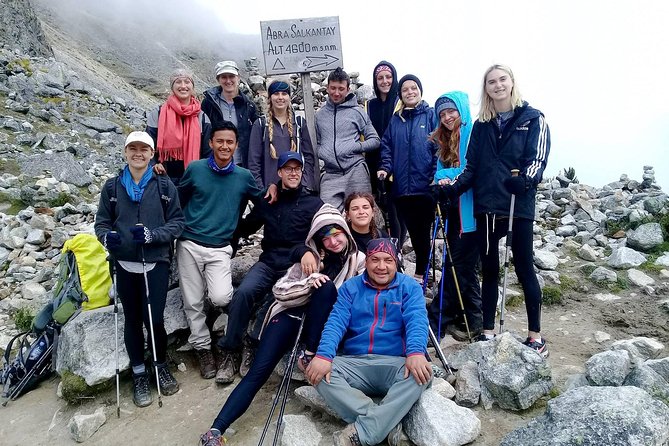
You then hike for about 3 hours to reach the highest point of the trek, Salkantay Pass at about 4,600 m. This is the hard, iconic part, and the scenery is intense: powerful, intimidating Andean mountains. More importantly, the crossing is guided with a cultural touch. You follow what the Inkas did in the pass, including a prayer and asking the Apus, mountain gods, for permission to pass.
After the pass, you start descending toward Wayracpunku (HuayraPampa) for lunch. Then the route shifts into high jungle. You’ll pass large trees with branches extending over streams, with bromeliads and orchids in the mix. That ecosystem change is one of the reasons this trek feels richer than a single-environment hike.
You hike about 5 hours to reach the base camp in Chaullay (around 2,900 m), then you have dinner and rest.
Possible drawback: This is the day where you feel the pass in your legs, even if you were fine yesterday. If you tend to sprint at the start, you’ll pay for it on the descent. A steady pace is the winning strategy.
Day 3: Jungle temperatures, Santa Teresa, and optional Cocalmayo hot springs
By Day 3, you’re dropping elevation fast. You start around 6:30 am with breakfast, then head toward Sahuyaco (La Playa) at about 2,000 m. This is a jungle trekking segment where temperatures can swing from about 25°C in the day to 14°C at night.
You hike and then have lunch in Sahuyaco. After that, you use transport to get down to Santa Teresa at about 1,550 m, where you set up your base camp. This is where the trip turns into recovery mode, at least for part of the day.
The big “reward” option is Cocalmayo hot springs. You can enjoy them after you arrive, but they are not included. The cost mentioned is about $6 USD, paid on the spot.
You then have traditional Peruvian dinner and rest, setting you up for the transition day toward Aguas Calientes.
What I’d do: Pack a small towel and a change of clothes if you plan to use the hot springs. In practice, you’ll feel cleaner and sleep better for the early push that’s coming on Day 4 and 5.
Salkantay by other operators and other night counts
Day 4: Santa Teresa to Aguas Calientes, zip line option, and a Machu Picchu briefing
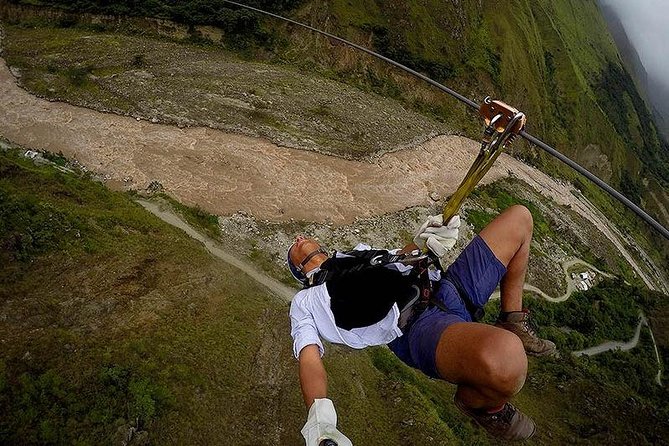
Morning in Santa Teresa depends on what you booked. There’s an optional zip line activity for the people who signed up. It’s described as taking about 2 hours 30 minutes, includes more than 6 cables, and features a longest cable of about 1 kilometer. The maximum speed mentioned is 70 km/h (45 mph), and it also has a climbing rock and a suspension bridge.
If you didn’t book zip line, you’ll do a 2-hour trek from Santa Teresa to the hydroelectric area, which is the meeting point for everyone. From there, you share lunch and a break, then continue walking along the railway that leads toward Aguas Calientes. This walk runs through a jungle corridor known for being part of Inka routes.
Expect about 3 hours of walking on this railway stretch to Aguas Calientes. The plan notes waterfalls, ecological farms, and you might see wildlife.
You should arrive around 5:00 pm, then spend the night in a hostel. At night, you meet up for dinner at a local restaurant and an informative session about the Machu Picchu excursion the next day.
Practical consideration: Aguas Calientes is where you stop being “trekker mode” and start being “Machu Picchu day” mode. Use the evening briefing time well. Ask your guide about timing for sunrise and how the day flows so there’s less guessing in the dark.
Day 5: Sunrise at Machu Picchu, guided time, and the long return to Cusco
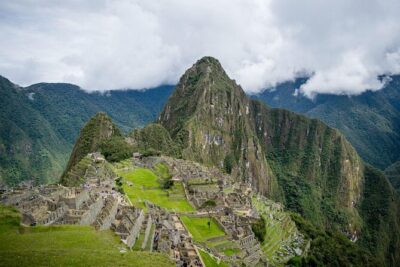
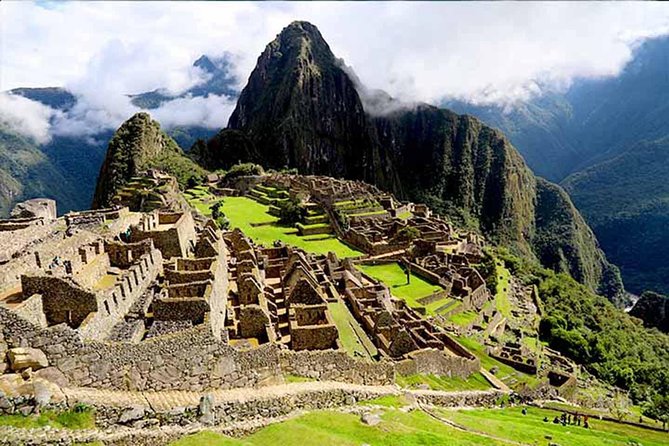
You get ready around 4:00 am and start climbing toward Machu Picchu. The path ascends through high jungle, and the schedule is timed so you reach Machu Picchu just in time for sunrise.
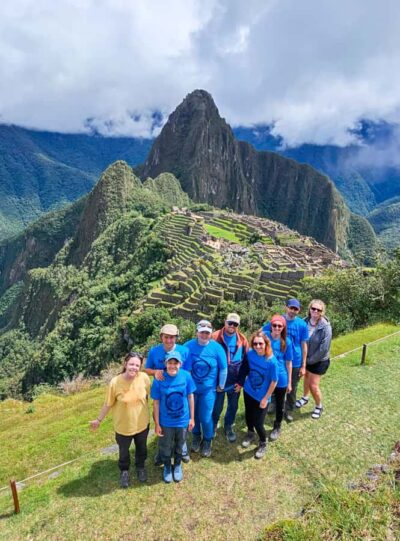
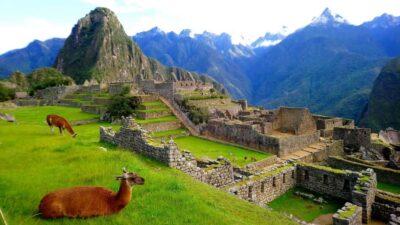
You pass through the control entrance around 6:00 am, and then your group gets a private guided tour for about 2 hours inside the Inca citadel. After the guided portion, you get free time to explore on your own.
Then you start the return walk. At 11:30 am, you head back on foot for about 3.5 hours to the hydroelectric area. A bus is waiting for you until 3:00 pm, taking you to Cusco, arriving around 10:00 pm.
Two optional upgrades are worth knowing:
- One extra night in Machu Picchu town for $30 if you want to return the next day, which is especially helpful if you’re aiming to climb Huayna Picchu or Mountain Machu Picchu
- Train option for a longer Machu Picchu stay: the plan mentions staying until 5:00 pm maximum, then taking the train from Aguas Calientes to Ollantaytambo (about 1 hour 40 minutes). A car then brings you back to Cusco with a drop near San Francisco Square, about 10:00 pm
Is it exhausting? Yes, but in the good way. Sunrise at Machu Picchu hits differently when you arrive after a real trek. The flip side is that the day is tight. Don’t plan to sleep in and don’t plan on relaxing too much before the guided portion ends.
Comfort level: camping gear, cold nights, and how porters change the math
This tour uses a camping-first approach for the higher parts and then switches to a hostel when you reach Aguas Calientes.
You get full camping gear except for your sleeping bag. You also have 3 nights camping and 1 night in a hostel. That means you’re not carrying everything yourself. It’s also not a luxury camp, so treat it like a smart outdoor setup, not a hotel.
The most important comfort factor is load management. The plan states they carry your backpack using horse support for the first 3 days, with a maximum of 5 kg on your pack. This is a big deal for knees and energy. If you pack too heavy for day hikes, you’ll still feel it, but you avoid the worst burden during the steepest stretches.
Temperature swings are spelled out. At higher points you’re dealing with cold nights, and in the jungle you’re dealing with warmer, humid conditions. Layering is your friend here. You’ll likely want a system you can adjust quickly as you move between altitudes.
Price and value: what $360 gets you, and what you’ll still pay
At $360 per person, the value mostly comes from the amount of included logistics: guide, lodging, meals, transport, and Machu Picchu entrance are already handled.
Here’s what’s included that saves real money and stress:
- Professional bilingual guide (Spanish-English)
- Machupicchu entrance arranged for your booking (it’s noted they plan around booking about 2 months in advance)
- Private transportation
- Return by bus to Cusco on the last day
- All fees and taxes
- Meals: 4 breakfasts, 4 lunches, and 4 dinners
- Lodging: 4 nights total (3 nights camping, 1 night hostel)
- Camping gear, minus your sleeping bag
What is not included:
- Breakfast on the first day
- Lunch and dinner on the last day
- Hot springs (Cocalmayo is listed at about $6 USD)
- Zip line is optional (the cost is not stated in the provided info)
- Huayna Picchu add-on is $30 USD (and availability is checked after booking)
- Extra night in Machu Picchu town is $30 if you choose to do it
My take on the price: For a trek that covers Salkantay Pass, Humantay Lake, and a sunrise Machu Picchu visit with meals and lodging, $360 is not just paying for hiking. You’re paying for crew, safety, food, tickets, and the heavy lifting of transport and camp setup.
If you’re a light packer, comfortable with early starts, and you want the “big one” ending, this is a strong value.
Who this trek is best for, and who should pick something else
This experience is marked for moderate physical fitness. That’s a helpful label: it suggests you don’t need to be an ultra runner, but you do need to handle steep terrain, altitude, and a full 5-day rhythm.
You’ll likely love it if:
- You want an active trip that includes real hiking, not just viewpoints
- You care about a sunrise arrival at Machu Picchu with guided time
- You like small-group pacing (max 15) and clear trip structure
- You’re okay with cold nights and basic camping comfort
You might want a different option if:
- You have trouble with altitude, or you know early mornings crush you
- You want a fully cushy lodging setup every night
- You hate walking days that stack up with long transition routes (Santa Teresa to Aguas Calientes, then Machu Picchu and back)
Quick FAQ about timing, tickets, and add-ons
FAQ
What time does the tour start in Cusco?
The start time is listed as 5:30 am. The first day also mentions pickup from lodgings around 4:30 am before the bus ride, so expect a very early morning.
What does the tour include for food and lodging?
You get 4 breakfasts, 4 lunches, and 4 dinners. Lodging is included for 4 nights total, with 3 nights camping and 1 night in a hostel.
Is Machu Picchu admission included?
Yes. Machu Picchu entrance is included as part of the booking, and it’s noted they work with advance booking timing.
Do I need my own sleeping bag?
Yes. Camping gear is provided except for your sleeping bag, which is personal.
Are the hot springs included?
No. The Cocalmayo hot springs are listed as not included, with a cost around $6 USD paid on the spot.
Can I add Huayna Picchu or an extra night at Machu Picchu town?
Yes. Huayna Picchu costs an additional $30 USD. There’s also an option to spend one more night in Machu Picchu town for $30 extra, which helps if you want to do Huayna Picchu or Mountain Machu Picchu the next day.
Should you book this Salkantay trek?
If you want Machu Picchu that feels earned, not just visited, I think this is a smart booking. The mix of Humantay Lake, a high pass crossing, jungle days, and a scheduled sunrise entry is exactly the kind of itinerary that turns “the famous place” into a lived journey.
Book it if you’re comfortable with early mornings, altitude movement, and basic camping comfort. Skip it or consider alternatives if altitude worries you or you’re looking for a trip with minimal hiking and no cold-night reality.
If you do book, pack smart for temperature swings, respect the day-by-day pace, and treat the guided Machu Picchu time as your chance to learn what you’re seeing, then enjoy the free time to wander at your own speed.
Humantay, Other Mornings
- Cusco: Humantay Lake Tour with Breakfast and Buffet Lunch
★ 4.9 · 2,976 reviews - From Cusco: Excursion to Humantay lake from Cusco
★ 4.7 · 514 reviews - Humantay Lagoon Tour
★ 5.0 · 96 reviews - Humantay Lake Full Day Hike
★ 5.0 · 75 reviews - Excursion to Humantay Lake from Cusco
★ 5.0 · 74 reviews
Salkantay, Other Itineraries
- Salkantay Trek Challenge – 3 Days / 2 Nights
★ 5.0 · 101 reviews - Small Group 5 Days Salkantay and Machu Picchu by Llactapata Tour
★ 5.0 · 88 reviews - Machu Picchu: 5-Day Salkantay Trek with Panoramic Train
★ 5.0 · 79 reviews - Salkantay Trek 4 Days to Machu Picchu by Glamping Sky Lodge Dome
★ 5.0 · 68 reviews - Salkantay Trek to Machu Picchu in 4 days
★ 4.5 · 50 reviews
Reaching the Citadel, Other Options
- From Cusco: Full-Day Group Tour of Machu Picchu
★ 4.7 · 1,767 reviews - Machu Picchu Day Trip from Cusco
★ 4.5 · 1,644 reviews - Machu Picchu: Full-Day Tour from Cusco with Optional Lunch
★ 4.6 · 927 reviews - Cusco: 4-Day Inca Trail to Machu Picchu with Accommodation
★ 4.8 · 432 reviews - From Cusco: 2-Day Trip to the Sacred Valley and Machu Picchu
★ 4.6 · 265 reviews
Freshly reviewed across Cusco
- Excursion Cusco – Puno – Titicaca Observatory Train★ 5.0 · 3 reviews
- Sacred Valley Vip Cusco★ 4.7 · 3 reviews
- Cusco | Humantay Lake 1-Day Tour with Breakfast and Lunch★ 5.0 · 3 reviews
- Full-Day Condor Viewpoint & Inca Sites Tour★ 5.0 · 3 reviews
- Best of Cusco: Private Walking Tour with a Local★ 3.6 · 3 reviews
- From Cusco: Full-Day Private Sacred Valley Tour★ 5.0 · 3 reviews
Machu Picchu Tours side by side.
 ★ 4.7From Cusco: Full-Day Group Tour of Machu PicchuFrom $3211,767 reviews
 ★ 4.5Machu Picchu Day Trip from CuscoFrom $3361,644 reviews
 ★ 4.6Machu Picchu: Full-Day Tour from Cusco with Optional LunchFrom $283927 reviews
 ★ 4.8Cusco: 4-Day Inca Trail to Machu Picchu with AccommodationFrom $470432 reviews
 ★ 4.6From Cusco: 2-Day Trip to the Sacred Valley and Machu PicchuFrom $370265 reviews
 ★ 4.9Cusco: Machu Picchu 2-Day Inca Trail with Panoramic TrainFrom $582260 reviews
 ★ 4.2From Cusco: 2-Day Inca Trail to Machu PicchuFrom $290244 reviews
 ★ 4.9Machu Picchu: Inca Trail 2-Day Overnight Guided TourFrom $585203 reviews