
REVIEW · MACHU PICCHU
Machu Picchu: 5-Day Salkantay Trek with Panoramic Train
Cusco to Machu Picchu, with real mountain time. I like how this route gives you Humantay Lake in full turquoise color and then takes you over Salkantay Pass, plus the camp set-ups make the whole thing feel doable. The trade-off is altitude, especially early on and on the high pass, so you need to pace yourself and plan for cold nights.
What really sells me is the mix of comfort and culture: glamping and camping with big views, then a hands-on Pachamanca and a coffee experience that goes beyond a quick tasting. You also get a calmer finale with a guided Machu Picchu visit, followed by the panoramic train back toward Cusco, with guides like Cesar and Jose named often for strong pacing and care.
In This Review
- Salkantay to Machu Picchu, the Part You Actually Remember
- Day 1: Cusco to Humantay Lake, then Glamping Under a Starry Sky
- Day 2: Salkantay Pass at 4,630 m, the Descent Into Cloud Forest
- Day 3: Pachamanca, Coffee Farms, and Your First Machu Picchu View from Llactapata
- Day 4: Hydroelectrica, Urubamba River Walk, Mandor Gardens, and Hot Springs
- Day 5: Machu Picchu Sunrise, Guided Citadel Time, Then the Panoramic Train Back
- Food, Comfort, and the Support Team That Makes It Work
- Altitude and Fitness: Who This Trek Fits Best
- Price and Value: What You Get for $655
- Packing Like You’ll Actually Use It
- Should You Book This Salkantay Trek to Machu Picchu?
- FAQ
- What time is hotel pickup in Cusco?
- How long is the trek and what kind of group size is it?
- What is included in the price for meals and drinks?
- Do I need a sleeping bag or inflatable mattress?
- What gear is provided for sleeping at camp?
- Are entrance tickets included for Machu Picchu?
- How does the Machu Picchu visit work on Day 5?
- Can I hike Huayna Picchu or Machu Picchu Mountain?
- How do you return to Cusco after Machu Picchu?
- Is this trek refundable?
Salkantay to Machu Picchu, the Part You Actually Remember
This trek is built for people who want more than checkboxes. You work for the scenery. You earn the arrival. And you do it with a support team that handles the heavy stuff, so your day hiking feels like hiking, not survival math.
The route also has a clever rhythm. You start in high Andean color, climb to the highest point, then drop through cloud forest. By Day 3 you’re doing Inca Trail segments and learning what you’re seeing. Then Day 4 turns into a river-valley recovery day with a hotel base. Finally, Day 5 is all about sunrise and that first long look at Machu Picchu before you even hear the guide talk.
Price-wise, $655 per person is not low, but it is not just a trek ticket either. You’re paying for guides, meals, camping gear basics, entrance tickets, and the train ride back. If you tried to piece this together alone, the logistics and costs add up fast.
One more thing: the group stays small, limited to 16 people. That matters when you’re tired, cold, or trying to find your rhythm at altitude.
Other citadel visits, ticket types and start times
- From Cusco: Full-Day Group Tour of Machu Picchu
★ 4.7 · 1,767 reviews - Machu Picchu Day Trip from Cusco
★ 4.5 · 1,644 reviews - Machu Picchu: Full-Day Tour from Cusco with Optional Lunch
★ 4.6 · 927 reviews - Cusco: 4-Day Inca Trail to Machu Picchu with Accommodation
★ 4.8 · 432 reviews
Day 1: Cusco to Humantay Lake, then Glamping Under a Starry Sky
Your day starts early, around 4:30 a.m. pickup from near the Cusco historic center. Then you’re in the car for about 3 hours to Mollepata, with breakfast along the way and a team briefing before you start walking.
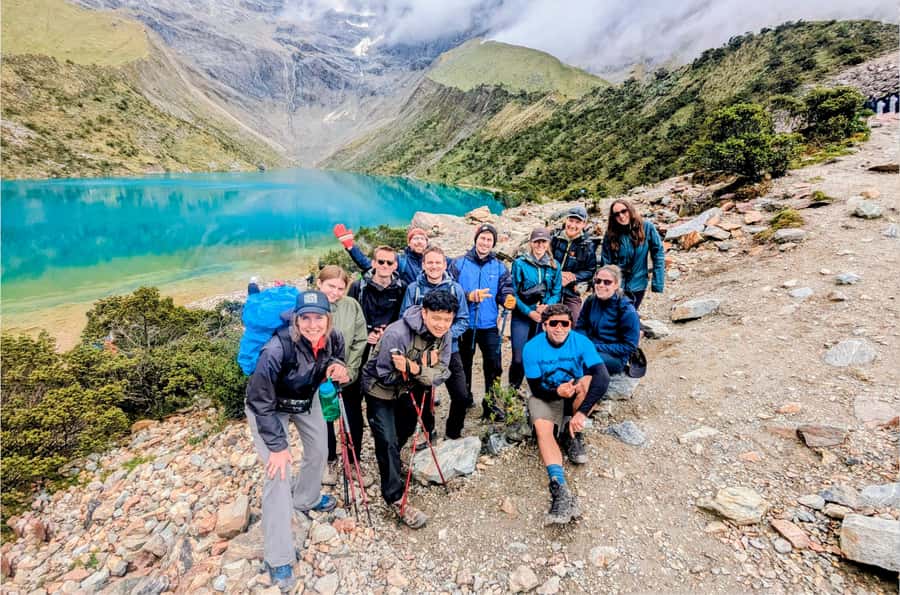
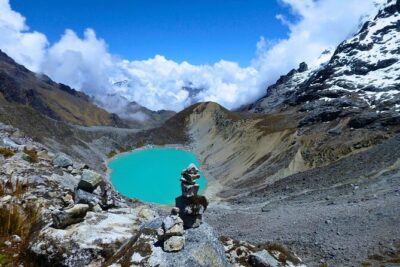
The trek begins at the trailhead and goes roughly 3 hours up to Humantay Lake, around 4,200 m. The lake’s turquoise is the kind of view that makes your brain forget you’re working hard. You get a chance to take photos, breathe, and look around before you start the descent.
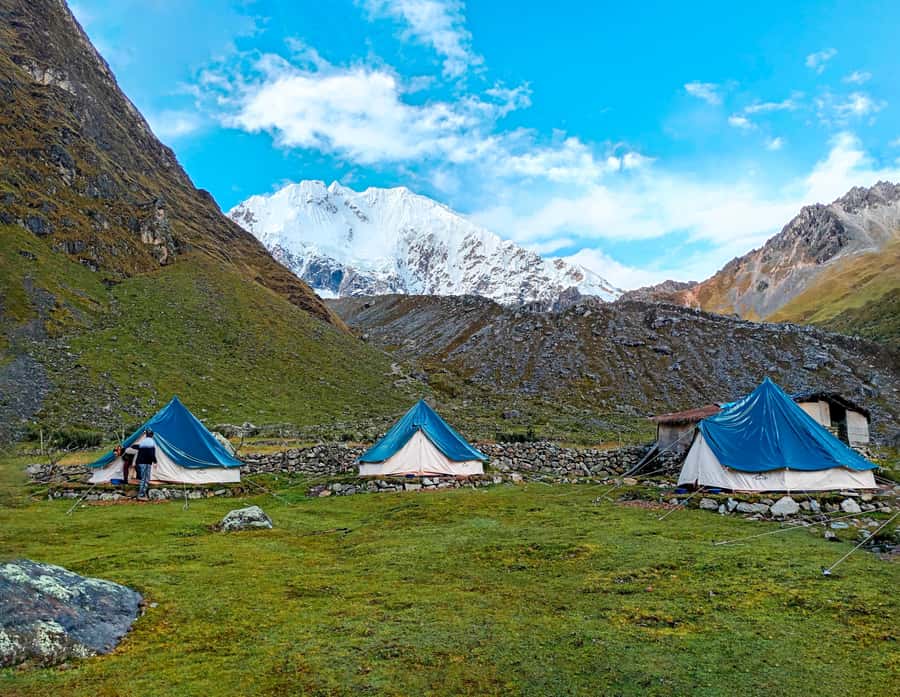
Lunch is served after you drop toward Soraypampa. Then you continue with a gentler 2-hour climb to the Salkantay Glamp campsite at about 4,150 m. This is where the comfort helps your altitude recovery. You sleep in a cozy tent, with a sleeping pad, pillow, rain poncho, and hand towels provided. Dinner is warm, and the night sky at this elevation is often a headline moment.
What to watch: Day 1 can trigger altitude symptoms for some people. If that’s you, slow down immediately. Expect cold temperatures and plan for rest when you can.
Day 2: Salkantay Pass at 4,630 m, the Descent Into Cloud Forest
Day 2 starts with coffee or coca tea. It’s a small touch, but it helps because you’re going from steady hiking to a steady grind.
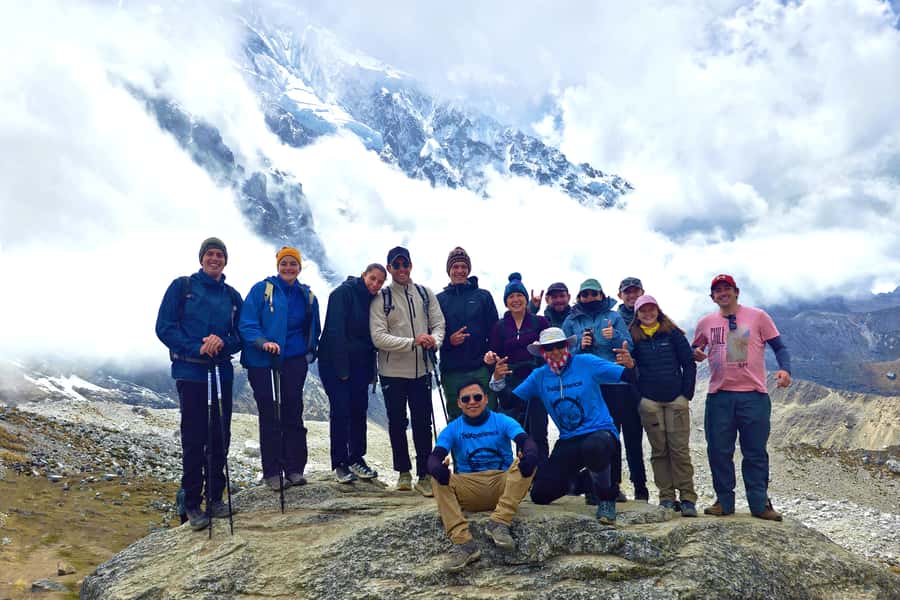
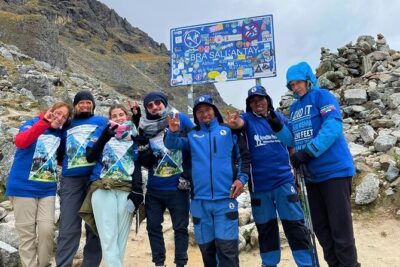
You climb to Salkantay Pass at about 4,630 m, the highest point on this trek. On a route like this, the pass is not just altitude. It’s also weather. You might get clear skies, or you might get wind and clouds, and your timing depends on conditions.
There’s a stop near a glacial lake before a long descent. After lunch at Wayracmachay, the scenery shifts again, as the highlands give way to the cloud forest. That change is real, not just a marketing line. Your legs feel different, the air changes, and the trail becomes more varied.
By evening you reach Collpapampa at about 2,770 m and sleep in Andean huts. This is a practical step down from the high camp altitude, and it gives you a better night’s rest.
What I like: The day is paced with breaks built in, plus there’s support from a professional guide and a safety setup that includes an oxygen tank, satellite phone, and first-aid kit.
Day 3: Pachamanca, Coffee Farms, and Your First Machu Picchu View from Llactapata
Day 3 is the cultural day, with walking. You start after breakfast and head through scenic trails with wooden bridges, waterfalls, and plantations. This is the day where you often stop less for suffering and more to look at details, like how people farm and live at different elevations.
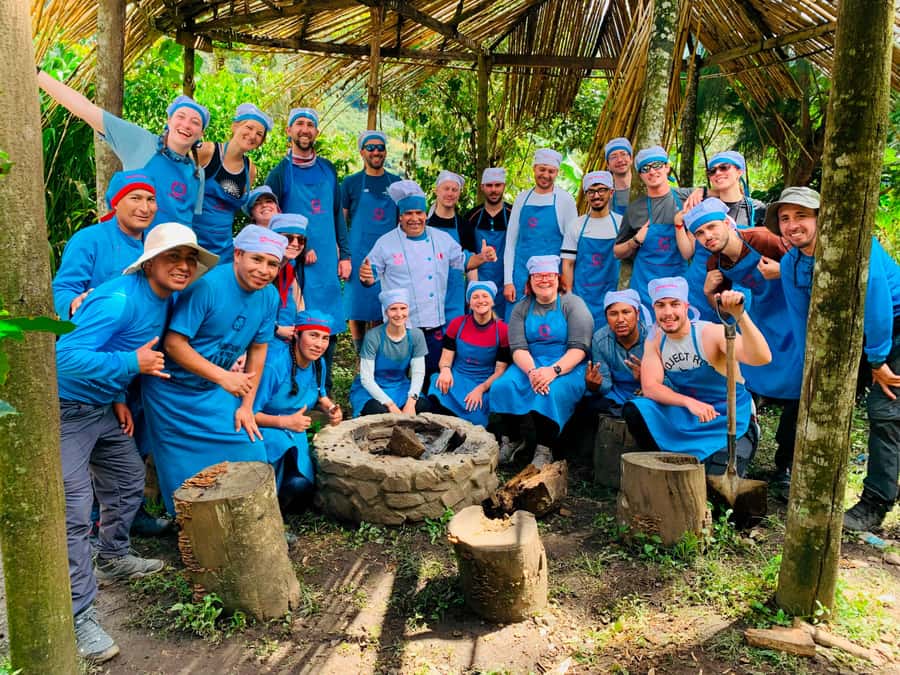
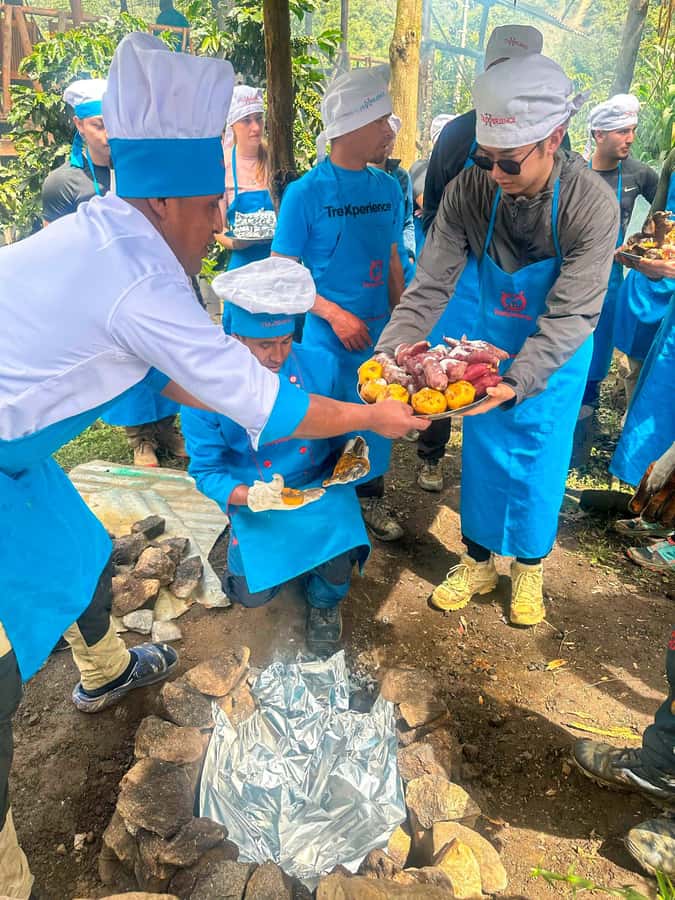
You pass through Lucmabamba at around 2,000 m and that’s where the Pachamanca experience happens. Pachamanca is a traditional barbecue style with deep cultural roots, and it works well on a trek day because it feels like a reward you can taste.
Then you visit local coffee farms and sample freshly brewed coffee. It’s not just a drink stop. You see how coffee fits into the local routine, and it gives you context for the region beyond Machu Picchu.
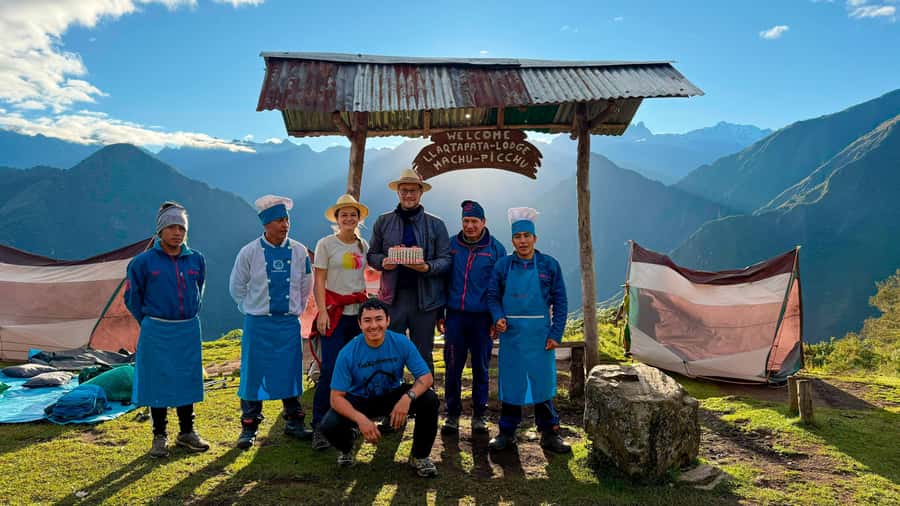
After lunch, you follow Inca Trail segments for about 3 hours to Llactapata at roughly 2,750 m. This is a huge emotional moment because Llactapata is an Inca site with an open view toward Machu Picchu. You camp overnight with the citadel in sight, so you get one more “slow breath” before the final push.
Possible drawback to consider: If you’re the kind of person who needs a perfect routine every hour, this day has more moving parts. You’re doing food, culture, and walking, so your schedule can feel fuller than pure hiking days.
Day 4: Hydroelectrica, Urubamba River Walk, Mandor Gardens, and Hot Springs
Day 4 starts with a view of Machu Picchu from your campsite. Waking up to that and having coffee in front of it changes your whole mood for the day.
You hike down for about 2 hours to the hydroelectric station. Then there’s a final brunch with your team before you continue.
The walk to Aguas Calientes takes about 3 hours, along the railway and the Urubamba River. It’s not the hardest walking day on paper, but it can feel long because you’ve already been hiking for days. You do get a break in the sense that the scenery is moving but steady.
There’s also a stop at Mandor Botanical Gardens. This is a birdlife and orchids kind of stop, and it helps break up the trek-to-town transition.
Once you arrive in Aguas Calientes, you check into a 3-star hotel for the night. Your evening is free time to explore or relax. The hot springs are the obvious choice if you want your legs to feel like they belong to you again. Dinner is included, too.
What you’ll appreciate: After sleeping on mountainside camps, a real bed in a town makes Day 5 feel less like a new adventure and more like a victory lap.
Salkantay by other operators and other night counts
Day 5: Machu Picchu Sunrise, Guided Citadel Time, Then the Panoramic Train Back
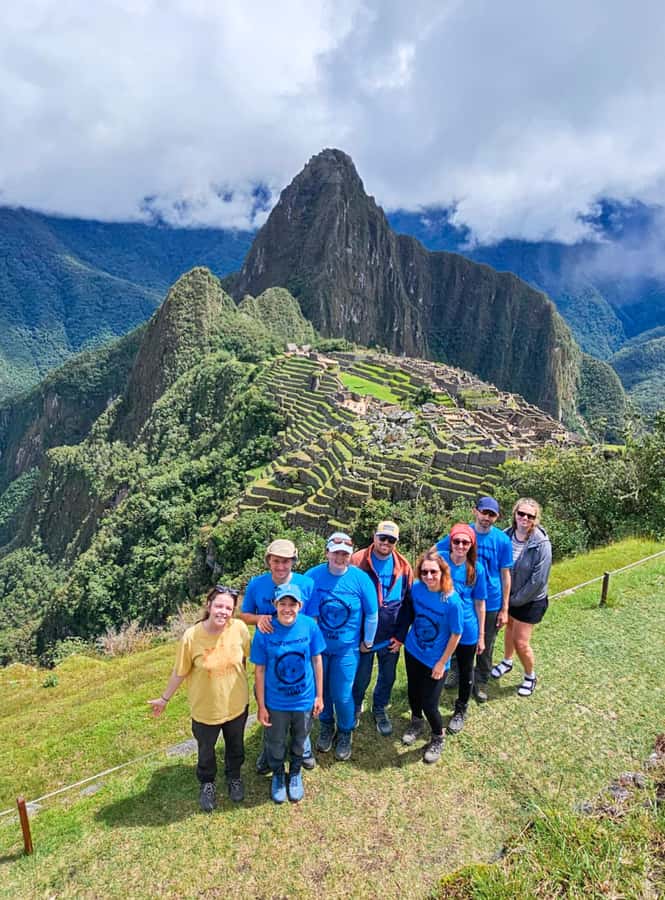
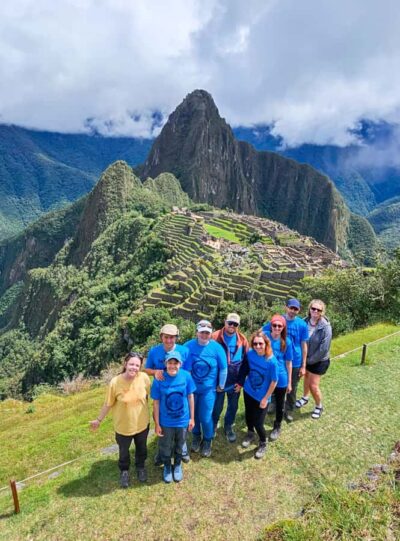
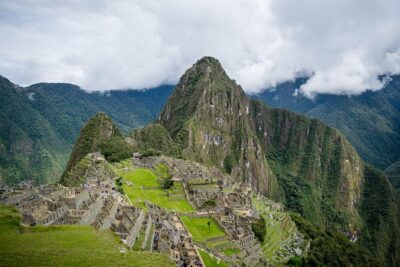
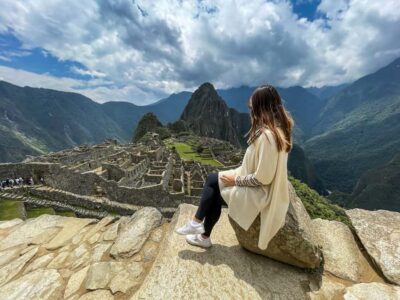
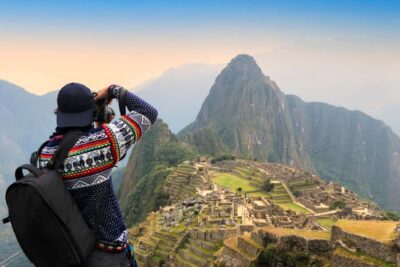
This is the finale. You have an early breakfast, then go to Machu Picchu on one of the first buses to catch sunrise views. The point isn’t just photos. It’s the light and atmosphere. Early entry helps you avoid the worst of the crowds so you can actually see the stones and the layout.
You get a guided tour of the citadel for about 2 to 3 hours. That time matters because Machu Picchu is not a simple ruin. It’s organized, engineered, and designed for specific sightlines. A good guide makes those details click without turning it into a boring lecture.
After the guided portion, you explore on your own. If you booked in advance, you can hike Huayna Picchu or Machu Picchu Mountain. Those passes are not included, so you need to plan ahead if you want them.
Then you head back to Aguas Calientes for lunch. After that, you board the panoramic Vistadome train or a 360° train to Ollantaytambo. Finally, a private van brings you back to Cusco, arriving around 7:30 p.m.
What’s smart about this: The train gives you a moving view as you exit the Machu Picchu zone, and it protects your energy. You’re not adding extra walking after the big day.
Food, Comfort, and the Support Team That Makes It Work
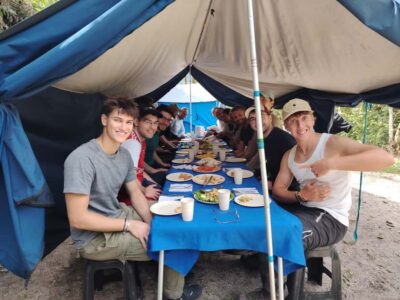
This trek wins points for how it handles the everyday stuff: meals, water access, and camp comfort. Chefs are part of the core experience here, and people repeatedly highlight that the food is better than you’d expect, even compared to meals you can buy in Aguas Calientes. You also get daily snacks, plus water.
You’ll have 4 breakfasts, 3 lunches, and 3 dinners. That matters because in high-altitude treks, hunger is not just uncomfortable, it can push altitude issues harder. Having planned meals helps your body stay steady.
Camp comfort includes a sleeping pad and pillow, and basic gear like rain poncho and hand towels. You do not get a sleeping bag, but you can rent one. There’s also a duffle bag system, up to 7 kg / 11 lb, with muleteers carrying camping gear. That means you can travel with a lighter daypack.
Practical note: Bring personal medication and a few small medical items like band-aids. The kit on the trip covers emergencies, but you’ll still want your own basics.
Altitude and Fitness: Who This Trek Fits Best
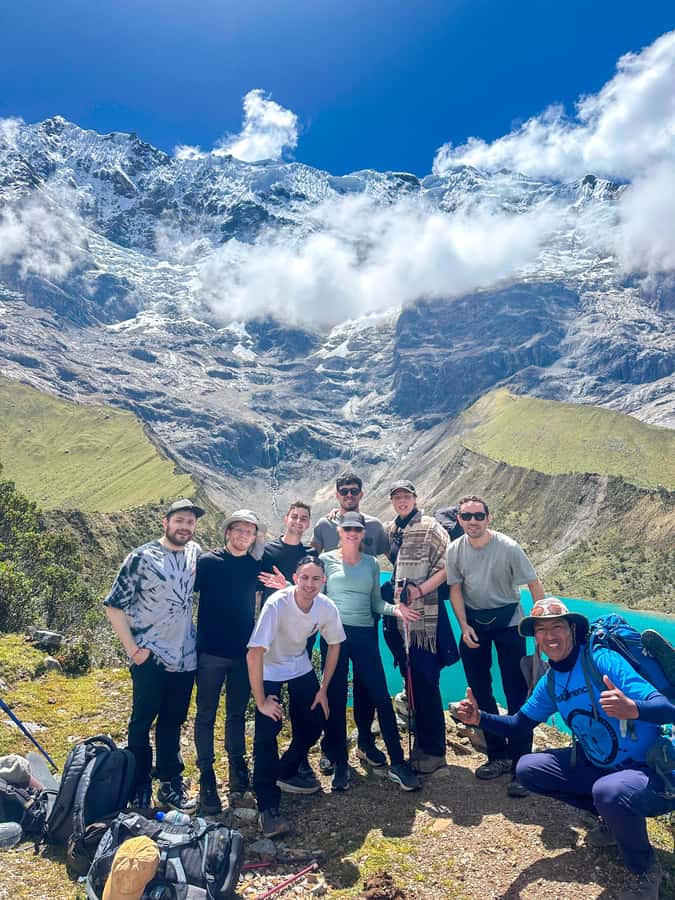
Salkantay is a serious trek. The highest pass is about 4,630 m, and your days start high. Humantay Lake is around 4,200 m on Day 1. Llactapata is about 2,750 m on Day 3. That’s a lot of time at elevation, not just one dramatic moment.
The good news is this route includes safety planning. There’s an oxygen tank, first-aid kit, and satellite phone. And guides adjust pace. You also have the chance to take altitude support seriously, including medication like acetazolamide if you’ve planned for it with your doctor.
On the fitness side, the trek is best for casual hikers who can handle around 25 km days at elevation, plus steep sections. If you’re used to regular walks and you can keep a steady pace without stopping every 5 minutes, you’re in the sweet spot.
It is not suitable for pregnant women, people with back problems, mobility impairments, heart problems, or wheelchair users. That’s not negotiable on a mountain route like this.
One more reality check: You’ll want to pack smart. The tour suggests a lightweight backpack no larger than 25 L, because larger bags cannot go into Machu Picchu.
Price and Value: What You Get for $655
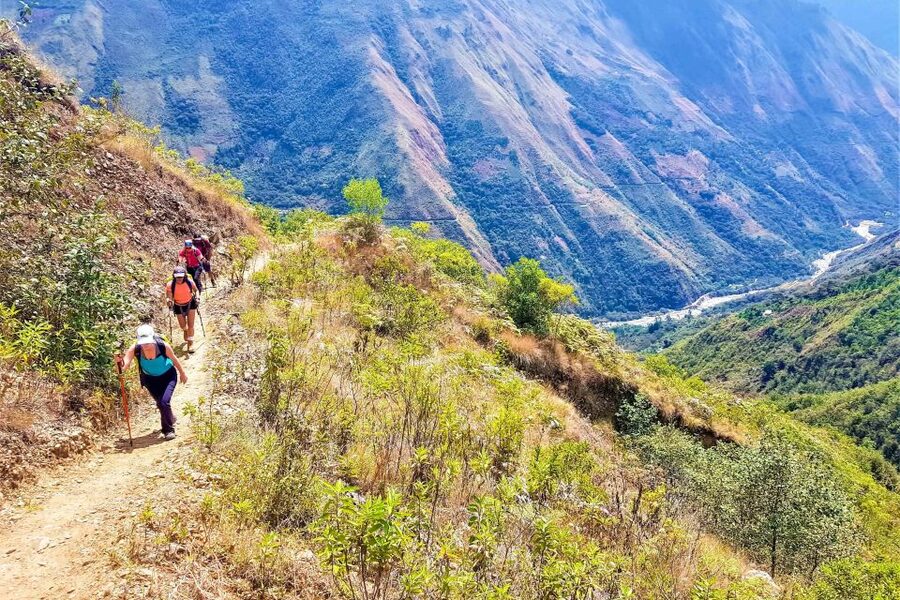
Let’s talk value without hype. For $655 per person, you’re getting:
- Professional guiding and safety briefing
- Entrance tickets for Salkantay Trek and Machu Picchu
- Pachamanca cooking class plus a coffee experience
- Camping and glamping for multiple nights, plus a 3-star hotel night
- Meals across the whole trek with snacks and water
- Core comfort gear (sleeping pad, pillow, rain poncho, hand towels)
- A return train experience, plus the van ride back to Cusco
If you priced these pieces separately, especially the guide and entrance tickets, you’d likely spend more than the trek cost. The train option also matters because it’s time and energy saved on a day when you already did Machu Picchu sunrise.
Where the value can feel less perfect is if you want to customize everything last minute, like extra hikes from Machu Picchu. Passes like Huayna Picchu or Machu Picchu Mountain require advance booking and are not included.
Packing Like You’ll Actually Use It
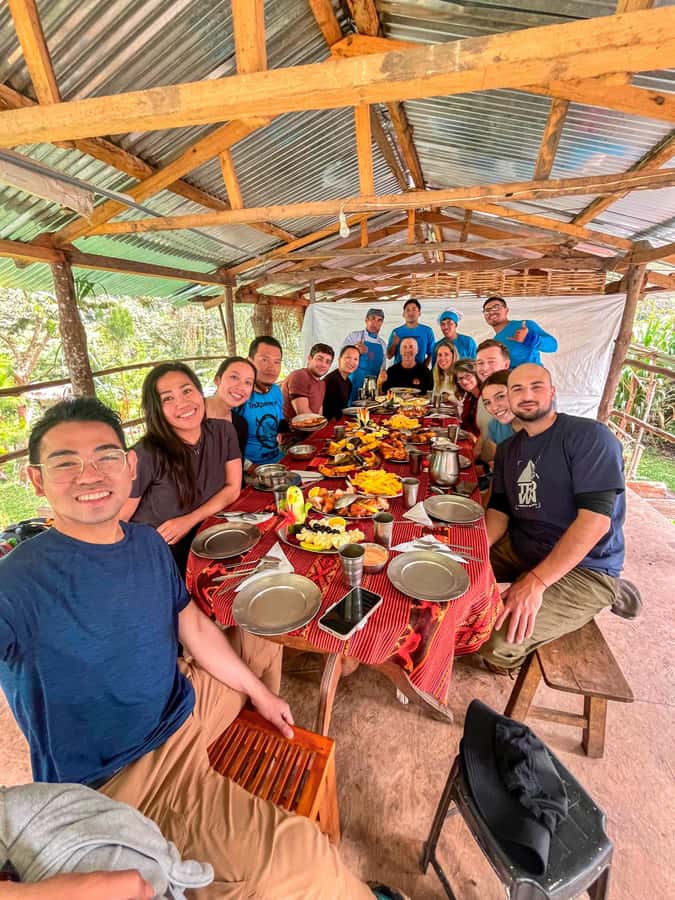
The tour gives you a lot, but you should still travel like a trekker.
Bring:
- Passport (needed for entry)
- Comfortable hiking shoes
- Sunglasses and a sun hat
- Sunscreen and insect repellent
- Rain gear and warm layers
- Toiletries, tissues or hand sanitizer, toilet paper if you prefer
- Cash (Peru uses cash for lots of small things)
- Any personal medication and band-aids
- A camera, extra batteries, and a head torch
Also remember what you cannot bring: weapons or sharp objects, smoking, alcohol and drugs. Don’t plan to light fires either.
What I’d do differently if I had to start from scratch: Pack less than you think. Keep your daypack within the 25 L limit so you can go into Machu Picchu without drama.
Should You Book This Salkantay Trek to Machu Picchu?
Book it if you want an end-to-end experience where the tough parts are supported and the good parts feel earned. I think it’s a strong fit if you enjoy early starts, can handle altitude, and want more than a quick ruins visit. The glamping and camping with views, the Pachamanca and coffee day, and the sunrise Machu Picchu finish are a great combo.
Skip it or ask lots of questions first if you have heart issues, significant mobility limits, back problems, or if you are pregnant. Also, if your tolerance for cold is low, this is still manageable, but you’ll need to pack warm layers and take the weather seriously.
If you want a simple, comfy, take-it-easy vacation version of Machu Picchu, this is not that. But if you want meaning, effort, and a real story to tell, this trek is built for it.
FAQ
What time is hotel pickup in Cusco?
Pickup is included around 4:30 a.m. from your hotel or Airbnb near the Cusco historic center.
How long is the trek and what kind of group size is it?
The tour runs for 5 days, and the group is small, limited to 16 participants.
What is included in the price for meals and drinks?
You get 4 breakfasts, 3 lunches, and 3 dinners, plus daily snacks and water.
Do I need a sleeping bag or inflatable mattress?
A sleeping bag and an inflatable mattress are not included, but they can be rented.
What gear is provided for sleeping at camp?
You’ll have a sleeping pad, pillow, rain poncho, and hand towels provided.
Are entrance tickets included for Machu Picchu?
Yes. Entrance tickets for Machu Picchu are included, along with entrance tickets for the Salkantay Trek.
How does the Machu Picchu visit work on Day 5?
You take early buses to see sunrise, then get a guided tour of the citadel for about 2 to 3 hours. You can also explore on your own.
Can I hike Huayna Picchu or Machu Picchu Mountain?
Yes, if you book the passes in advance. Those mountain passes are not included.
How do you return to Cusco after Machu Picchu?
You return via a panoramic Vistadome or 360° train to Ollantaytambo, then a private van takes you back to Cusco, arriving around 7:30 p.m.
Is this trek refundable?
This activity is non-refundable.
Rail Into Aguas Calientes
- Cusco: Machu Picchu 2-Day Inca Trail with Panoramic Train
★ 4.9 · 260 reviews - The First Class Machu Picchu Train by Inca Rail
★ 4.0 · 182 reviews - Excursion to the Sacred Valley and Machu Picchu by Panoramic Train
★ 5.0 · 45 reviews - Machu Picchu Tour by Vistadome Panoramic Train from Cusco
★ 5.0 · 43 reviews - MachuPicchu Private Full Day Tour by Vistadome train from Cusco
★ 5.0 · 38 reviews
Salkantay, Other Itineraries
- Salkantay Trek Challenge – 3 Days / 2 Nights
★ 5.0 · 101 reviews - Small Group 5 Days Salkantay and Machu Picchu by Llactapata Tour
★ 5.0 · 88 reviews - Salkantay Trek 4 Days to Machu Picchu by Glamping Sky Lodge Dome
★ 5.0 · 68 reviews - Salkantay Trek to Machu Picchu in 4 days
★ 4.5 · 50 reviews - Salkantay Trek Standard 5D/4N
★ 5.0 · 48 reviews
Reaching the Citadel, Other Options
- From Cusco: Full-Day Group Tour of Machu Picchu
★ 4.7 · 1,767 reviews - Machu Picchu Day Trip from Cusco
★ 4.5 · 1,644 reviews - Machu Picchu: Full-Day Tour from Cusco with Optional Lunch
★ 4.6 · 927 reviews - Cusco: 4-Day Inca Trail to Machu Picchu with Accommodation
★ 4.8 · 432 reviews - From Cusco: 2-Day Trip to the Sacred Valley and Machu Picchu
★ 4.6 · 265 reviews
Freshly reviewed across Cusco
- Excursion Cusco – Puno – Titicaca Observatory Train★ 5.0 · 3 reviews
- Sacred Valley Vip Cusco★ 4.7 · 3 reviews
- Cusco | Humantay Lake 1-Day Tour with Breakfast and Lunch★ 5.0 · 3 reviews
- Full-Day Condor Viewpoint & Inca Sites Tour★ 5.0 · 3 reviews
- Best of Cusco: Private Walking Tour with a Local★ 3.6 · 3 reviews
- From Cusco: Full-Day Private Sacred Valley Tour★ 5.0 · 3 reviews
Machu Picchu Tours side by side.
 ★ 4.7From Cusco: Full-Day Group Tour of Machu PicchuFrom $3211,767 reviews
 ★ 4.5Machu Picchu Day Trip from CuscoFrom $3361,644 reviews
 ★ 4.6Machu Picchu: Full-Day Tour from Cusco with Optional LunchFrom $283927 reviews
 ★ 4.8Cusco: 4-Day Inca Trail to Machu Picchu with AccommodationFrom $470432 reviews
 ★ 4.6From Cusco: 2-Day Trip to the Sacred Valley and Machu PicchuFrom $370265 reviews
 ★ 4.9Cusco: Machu Picchu 2-Day Inca Trail with Panoramic TrainFrom $582260 reviews
 ★ 4.2From Cusco: 2-Day Inca Trail to Machu PicchuFrom $290244 reviews
 ★ 4.9Machu Picchu: Inca Trail 2-Day Overnight Guided TourFrom $585203 reviews