
REVIEW · RAINBOW MOUNTAIN
6 day Rainbow Mountain x Ausangate Trek – FlashpackerConnect
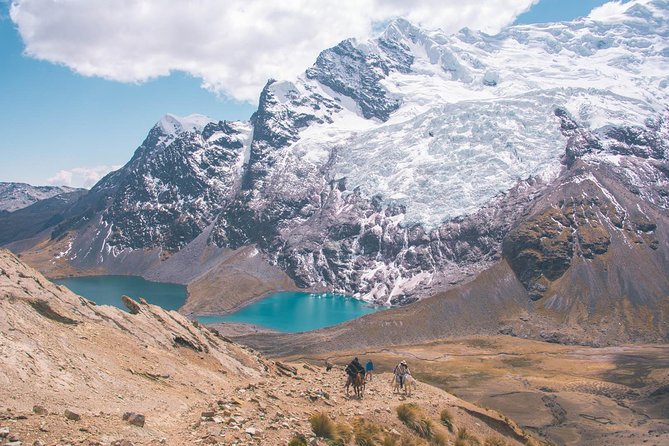
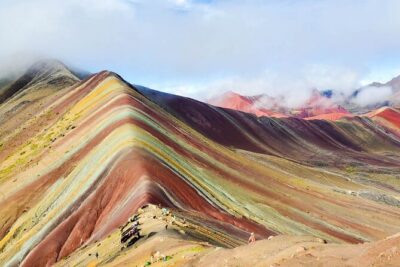
Rainbow Mountain feels like a hike into another world. This 6-day trek around Nevado Ausangate delivers big color, big altitude, and a real sense of getting off the main tourist loop. I like that you get all the core logistics handled (private transport, guide, camp setup, meals), so you can focus on the route and the views. I also like the small-group feel, with an English/Spanish guide and horsemen carrying your camp gear. The main consideration is the effort: you are hiking multiple high passes (including 5,130m), and the terrain is uneven, so it is not a good match if walking is a challenge.
The rhythm is early starts, steady walking, and then real rewards. Breakfast and coca tea show up at tent-side, you explore hot springs on Day 1, and you get time at Rainbow Mountain before moving on to Red Valley. If you want the iconic photo, but also want the in-between days in the Andes, this itinerary is built for you.
In This Review
- Quick hits: what you should clock before you book
- Why this Ausangate route feels more authentic than the quick trips
- Price and value: what $1,050 includes (and what it does not)
- The 6-day itinerary, day by day, with what makes each part worthwhile
- Day 1: Tinqui start, Nevado Ausangate camp, then Upis hot springs
- Day 2: Sunrise, the 7 lagoons of Ausangate, and Ninaparayuc at camp altitude
- Day 3: Qampa Pass at 5,051m, moraine walking, and chinchillas
- Day 4: Palomani Pass at 5,130m, glacial lagoons, and Puca Cocha camp
- Day 5: Puca Cocha pass, Red Mountain Valley, Warmi Saya Pass, and camp recovery
- Day 6: Rainbow Mountain at sunrise timing, Red Valley, then back to Cusco
- Pace and comfort: camping, food, and what the “all included” really means
- Gear, horses, and how to pack smart with the 6kg duffel limit
- Guides, safety, and handling high-altitude effort
- Who should do this trek, and who should skip it
- Should you book this Rainbow Mountain x Ausangate 6-day trek?
- FAQ
- What is the duration of the Rainbow Mountain x Ausangate trek?
- Where does the trek start and end?
- What time does the tour start?
- What is the maximum group size?
- Are tents and sleeping bags included?
- What meals are included?
- Is a vegetarian option available?
- Are pack horses included, and can I ride a horse?
- Is the trek suitable for people with walking disabilities?
- Is it safe in bad weather, and is there medical support?
Quick hits: what you should clock before you book
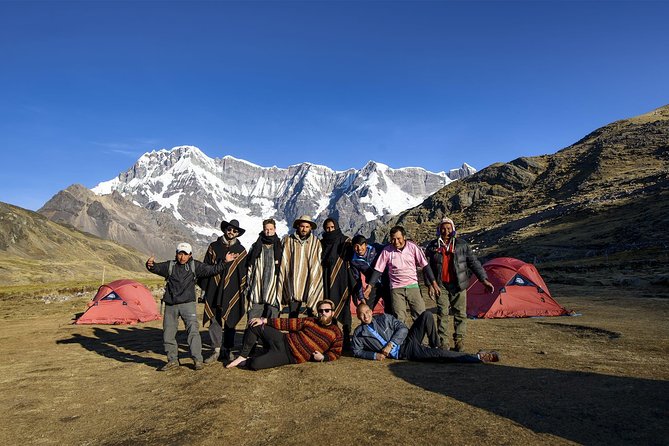
- Small-group size (max 8) means less waiting around and more attention from your guide.
- Everything camp-based is included, including tent, sleeping bag, chef-prepared meals, and a portable toilet.
- High-pass route with standout days, like Qampa Pass (5,051m) and Palomani Pass (5,130m).
- Wildlife spotting is part of the plan, with chances to see condors, vicuñas, and chinchillas.
- Horsemen carry your gear, using duffel bags (up to 6kg per person), so your pack load stays manageable.
- Sunrise-style timing for Rainbow Mountain gives you a better shot at calm, clear viewing conditions.
Vinicunca and Palccoyo, other departures
- Cusco: Rainbow Mountain Tour and Red Valley Hike (Optional)
★ 4.7 · 149 reviews - Private Rainbow Mountain Full Day Tour from Cusco
★ 5.0 · 129 reviews - Cusco: Full-Day Rainbow Mountain & Red Valley Trekking Tour
★ 4.5 · 121 reviews - From cusco: Rainbow Mountain ATV Tour with meals
★ 4.5 · 121 reviews
Why this Ausangate route feels more authentic than the quick trips
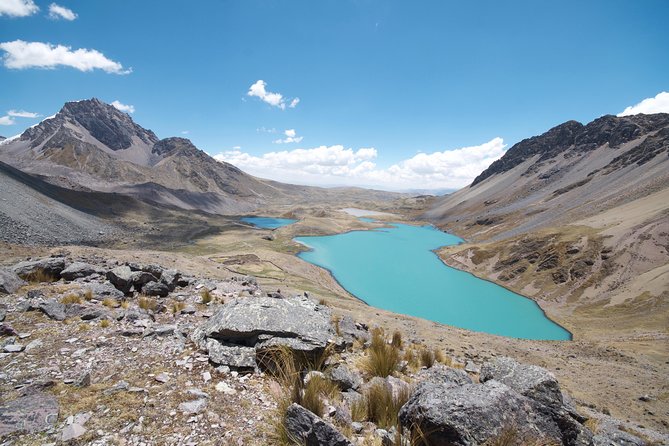
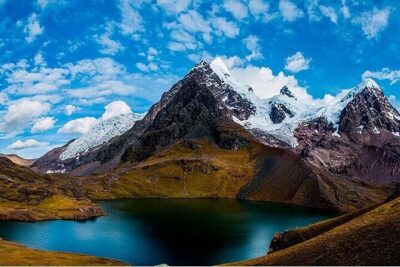
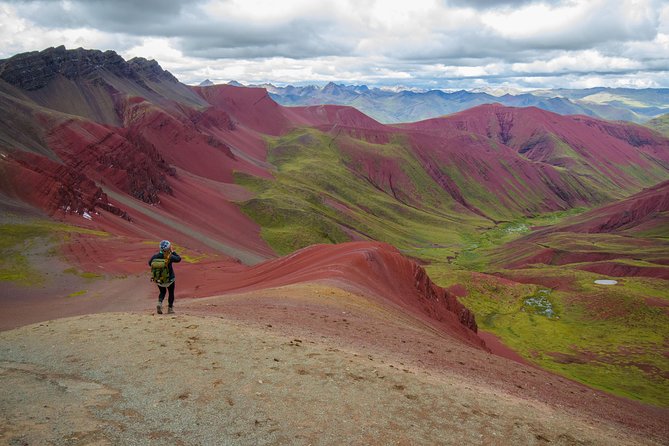
Cusco is the launch point, but this trek does not spend its whole story on one photo stop. Over six days, you move from Upis and its hot springs, to a chain of high Andean lakes, to glacier lagoons beside multi-colored hills, and finally to the famous Rainbow Mountain and Red Valley. That pacing matters because it lets you experience the Andes as a living place, not just a checklist.
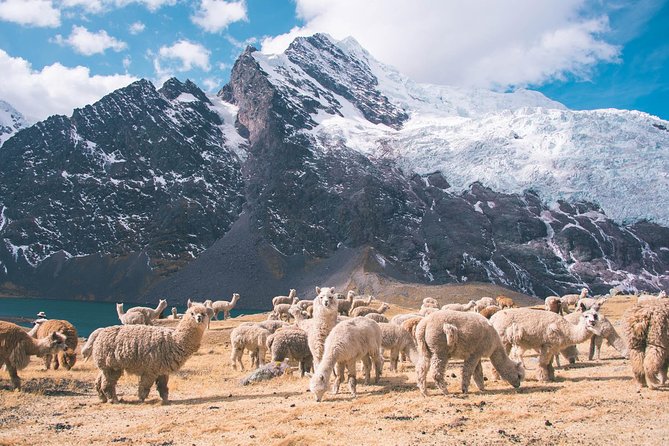
The Ausangate region is also about contrast. One day you are walking past grazing llamas and working farmland, the next you are dealing with thin air near high passes, then you are looking out over colored lagoons and valleys. If you care about the journey as much as the destination, this route makes that easy.
Price and value: what $1,050 includes (and what it does not)
At $1,050 per person for an approx 6-day trek, you are paying for far more than a ticket to walk. Included items cover the big expenses that usually add up on your own: private transportation to and from your Cusco hotel, a fluent English/Spanish guide, and access fees to private land. On top of that, camping support is part of the package, with a camping tent and sleeping bag provided.
Food is also handled. You get breakfast and dinner for five days plus five lunches, with snacks and coffee and/or tea along the way. That is a real value-add because high-altitude days make it harder to improvise meals, and you also save time.
Where the price is lighter is on the stuff you still need to bring. Your personal trekking gear and backpack are not included, and horse riding is not included either. Plan for the fact that you will still do the hiking under your own power, even if horsemen carry camp gear.
The 6-day itinerary, day by day, with what makes each part worthwhile
Day 1: Tinqui start, Nevado Ausangate camp, then Upis hot springs
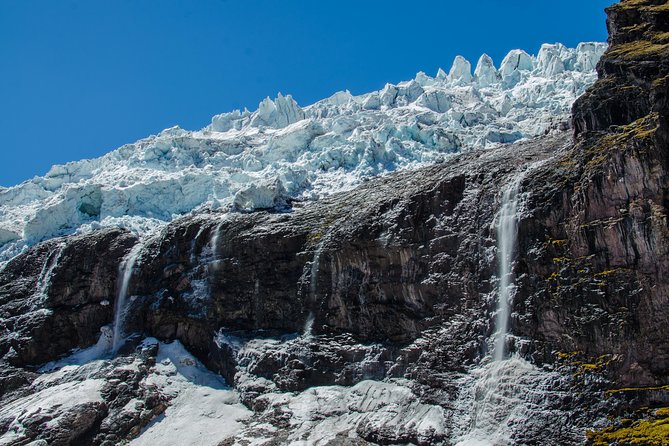
Your day starts with early pick-up and private transport from Cusco to the trek beginning point in Tinqui. After lunch there, you begin hiking toward the first camp near Nevado Ausangate at about 4,200m. You only hike about 2 to 3 hours, and you finish the day in the village of Upis.
Upis is where the trail gets more human. After arrival, you can soak in the hot springs and enjoy coca tea while you relax sore muscles. That matters because it sets you up for the harder mornings ahead, and it is a nice change from nonstop walking.
Possible drawback: it is a short hiking day, but you are still at altitude early. If your body hates elevation, take it slow, hydrate, and treat that hot spring time as part of your acclimation plan.
Ausangate lagoons, other trekking days
Day 2: Sunrise, the 7 lagoons of Ausangate, and Ninaparayuc at camp altitude
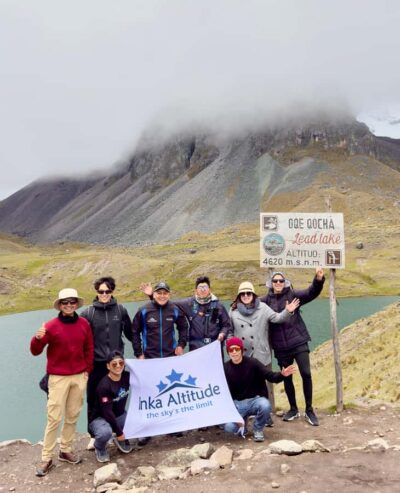
Day 2 is the “take it in” day. You rise around 5:00 am with coca tea or coffee delivered to your tent, then breakfast follows. After that you hike about 5 hours (around 10 km) toward the seven lagoons of Ausangate, moving through farmland and seeing alpacas along the way.
This is also one of the best days for wildlife chances. Depending on conditions, you may see condors, chinchillas, and vicuñas. Even when you do not, the route gives you repeated views of the high Andes, and your guide explains what makes this region so special.
You finish at a campsite called Ninaparayuc, surrounded by some of the tallest mountains in the area. After tents are set up and you get lunch and dinner prepared by the chef, you get time in the afternoon to explore nearby lakes.
What I like here: it is not just “walk and arrive.” You get time at camp, plus a window to wander around, which helps the day feel less rushed.
Day 3: Qampa Pass at 5,051m, moraine walking, and chinchillas
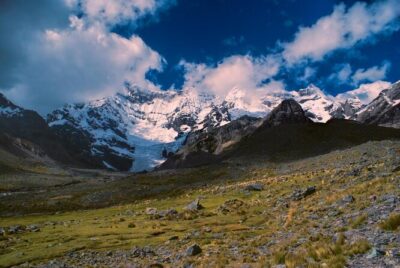
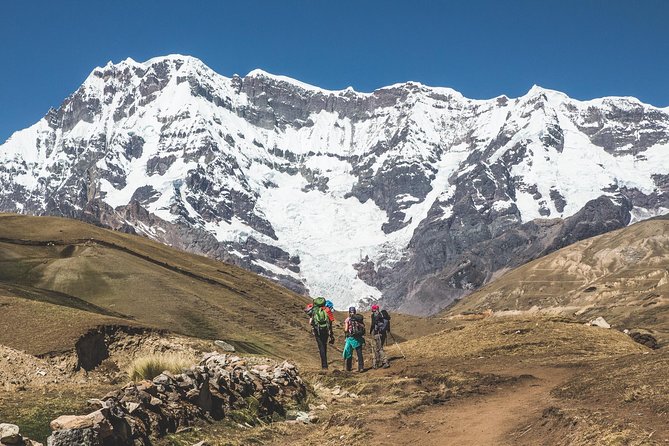
This is a tougher day, and you feel it right away. The trek starts with Qampa Pass (5,051m), described as challenging, but with sweeping views of Mount Ausangate. After the pass, you descend into the Qampa Valley, a wide stretch shaped by glacial influence, with llamas grazing along the route.
You stop for lunch at Surapampa, then keep moving through an ancient moraine. This is where the trail turns into wildlife watching. You are in the habitat of chinchillas, so the day includes time to watch for Andean rabbits and take photos if you are lucky.
The campsite is called Huchuy Phinaya. After hiking about 7 to 8 hours (around 14 km), you end with a well-earned dinner.
If you have limited trekking stamina, this day is where you need a steady pace. Going too fast on the climb is the easiest way to be miserable later.
Day 4: Palomani Pass at 5,130m, glacial lagoons, and Puca Cocha camp
Day 4 is the highest pass on the trail: Palomani (5,130m). The day pairs a big climb with big scenery, including multi-colored hills and glacial lagoons. You hike about 7 to 8 hours (again around 14 km).
After reaching Palomani Pass, you descend into the valley for lunch. Then in the afternoon you walk up for about 2 more hours to Puca Cocha at around 4,600m. The day ends with tea time and dinner at camp.
This is the kind of day where small choices matter. I like that you still get a proper camp move at the end, instead of a long drop into exhaustion. Tea time also sounds minor, but at high altitude it can mean the difference between feeling cold and feeling cared for.
Day 5: Puca Cocha pass, Red Mountain Valley, Warmi Saya Pass, and camp recovery
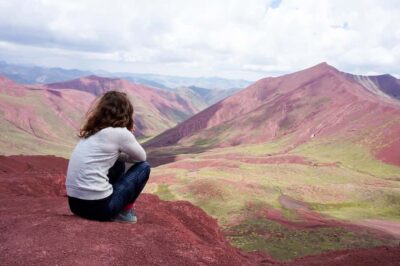
Day 5 keeps the altitude theme. You start with breakfast, then hike to Puca Cocha Pass (5,051m). From there you enter Red Mountain Valley, with views of Mount Ausangate and colorful glacier lakes.
You then climb toward Warmi Saya Pass, another uphill effort, but the payoff is that Rainbow Mountain may appear in the distance as you rise. After that, you descend and reach your campsite, with lunch and rest after.
This day is about 6 to 7 hours (around 13 km). It is a “still working, but getting closer” day, which is exactly what you want once you are a few days in and already acclimated through walking.
Day 6: Rainbow Mountain at sunrise timing, Red Valley, then back to Cusco
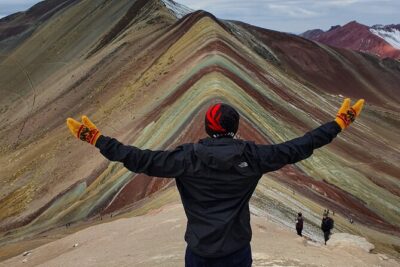
Day 6 is the main event. You wake around 4:45 am with coca tea delivered to your tent. Then it is a short hike, about 45 minutes to 1 hour (around 1 km) to Rainbow Mountain.
You get time to explore and take photos, and the itinerary builds in flexibility for weather and your trekking speed. You spend about 30 minutes to 1 hour at Rainbow Mountain, then head to Red Valley for another 30 minutes.
After your morning sightseeing, you go to the bus station to catch the van, then return to Cusco. You get dropped at your hotel around 3:00 pm, and you also have a farewell dinner before saying goodbye to the horseman and chef.
This ending works well if you still want a normal afternoon in Cusco, instead of a full-day slog afterward.
Pace and comfort: camping, food, and what the “all included” really means
One reason treks sell out is stress. Here, the stress is reduced because camping basics and meals are built into the plan. Tents and sleeping bags are included, and a portable toilet is provided. That alone makes a huge difference after a long day in thin air.
Food is also planned tightly. Lunch is five times, and breakfasts and dinners happen each of the five full days. You also get snacks and coffee and/or tea, plus coca tea at key wake-up moments.
The schedule itself is consistent: early starts, tents set up after camp arrivals, meals prepared by a professional chef, then some free time when it makes sense. That is how you avoid spending every day trying to solve logistics instead of enjoying the trail.
Gear, horses, and how to pack smart with the 6kg duffel limit
A lot of “trek value” is about load management. You should expect horsemen to carry gear, and your personal belongings go into provided duffel bags up to 6 kg per person. That means you can keep your day pack smaller than you might on a self-supported trek.
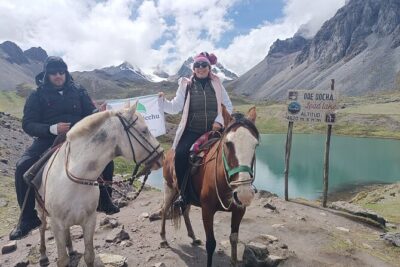
Still, your personal trekking gear and backpack are not included, so you need to bring what you need to hike and sleep comfortably. Riding a horse is also not included, so you should plan on walking the trail each day.
Practical tip: treat your duffel like your most important suitcase. Everything you pack must be limited and organized, because that is what the horses transport.
Guides, safety, and handling high-altitude effort
You will hike with a fluent English/Spanish guide, and the tour includes a first aid kit plus an oxygen tank. You also hike through multiple high passes, including Qampa Pass (5,051m), Palomani (5,130m), and Warmi Saya Pass. You do not get to ignore altitude on this route, so your best weapon is patience.
The trek operates in all weather conditions, so dress appropriately. That is not just a line, it is a reality in the Andes where wind and cloud cover can change quickly.
Also note the physical requirement: this tour is for travelers with a strong fitness level, and it is not recommended for those with walking disabilities because surfaces are uneven.
Who should do this trek, and who should skip it
This trek fits best if you want a multi-day Andes experience, not a one-day sprint. You enjoy early starts, can handle long hours on foot, and you like the idea of camping for several nights. If you care about wildlife chances, farm-and-alpaca scenery, and glacial lagoons, the daily variety is a big plus.
Skip it if you cannot comfortably handle uneven terrain or long hiking days at high elevation. This is also not the best option if you want a fully relaxed pace, because several days are 5 to 8 hours of hiking, with demanding passes.
If you are unsure, focus on Day 3 and Day 4. Those are the days where the trail asks the most, and you should be confident in your endurance before you commit.
Should you book this Rainbow Mountain x Ausangate 6-day trek?
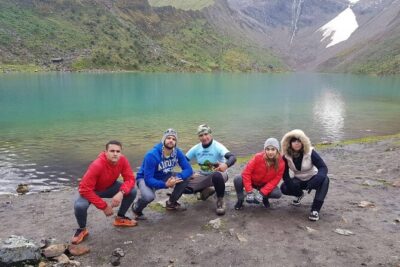
I think this is a strong booking if your goal is the full Andes story, not just the Rainbow Mountain photo. The value comes from the support you get: guided route, small group size up to 8, camping gear, chef-prepared meals, and private transport that removes a lot of headache.
Book it if you can hike a challenging, high-altitude itinerary and you are comfortable with early mornings and uneven trail surfaces. Consider skipping it if walking is hard for you, or if you want a gentler schedule.
One last reality check: this experience is non-refundable and cannot be changed for any reason. If your dates are fragile, take that seriously and plan wisely before you lock it in.
FAQ
What is the duration of the Rainbow Mountain x Ausangate trek?
It runs for 6 days approximately.
Where does the trek start and end?
It starts with pick-up in Cusco and includes private transportation to the trek starting point, then returns you to Cusco and drops you at your hotel around 3:00 pm on Day 6.
What time does the tour start?
The start time is 6:00 am.
What is the maximum group size?
The tour has a maximum of 8 travelers.
Are tents and sleeping bags included?
Yes, camping tents and sleeping bags are included.
What meals are included?
Lunch is included for five days, breakfast is included for five days, and dinner is included for five days. Snacks and coffee and/or tea are also included.
Is a vegetarian option available?
Yes. Vegetarian options are available if you advise at booking.
Are pack horses included, and can I ride a horse?
Pack horses are included to carry camp gear. Riding a horse is not included.
Is the trek suitable for people with walking disabilities?
No, it is not recommended for those with walking disabilities due to uneven surfaces.
Is it safe in bad weather, and is there medical support?
The trek operates in all weather conditions, and it includes a first aid kit with an oxygen tank.
More Tour Reviews in Cusco
- Cusco: Humantay Lake Tour with Breakfast and Buffet Lunch
★ 4.9 · 2,976 reviews - From Cusco: Moray, Maras Salt Mines & Chinchero Weavers Tour
★ 4.8 · 1,925 reviews - From Cusco: Full-Day Group Tour of Machu Picchu
★ 4.7 · 1,767 reviews - Machu Picchu Day Trip from Cusco
★ 4.5 · 1,644 reviews - Cusco: Half-Day City Tour with Sacsayhuaman and Q’enco
★ 4.6 · 1,129 reviews
Lagoons Below Ausangate
- From Cusco: 7 Lakes Ausangate Trek with Breakfast and Lunch
★ 4.8 · 360 reviews - Excursion to Ausangate & 7 lakes with Coca Ceremony |Private|
★ 5.0 · 80 reviews - Ausangate Trek 5 Days
★ 5.0 · 74 reviews - Laguna Humantay Full Day Trail
★ 5.0 · 57 reviews - Full-Day Tour to Ausangate 7 Lakes
★ 5.0 · 56 reviews
Vinicunca and Palccoyo Compared
- Cusco: Rainbow Mountain Tour and Red Valley Hike (Optional)
★ 4.7 · 149 reviews - Private Rainbow Mountain Full Day Tour from Cusco
★ 5.0 · 129 reviews - Cusco: Full-Day Rainbow Mountain & Red Valley Trekking Tour
★ 4.5 · 121 reviews - From cusco: Rainbow Mountain ATV Tour with meals
★ 4.5 · 121 reviews - Rainbow Mountain & Red Valley Premium Tour with picnic
★ 5.0 · 102 reviews
Freshly reviewed across Cusco
- Excursion Cusco – Puno – Titicaca Observatory Train★ 5.0 · 3 reviews
- Sacred Valley Vip Cusco★ 4.7 · 3 reviews
- Cusco | Humantay Lake 1-Day Tour with Breakfast and Lunch★ 5.0 · 3 reviews
- Full-Day Condor Viewpoint & Inca Sites Tour★ 5.0 · 3 reviews
- Best of Cusco: Private Walking Tour with a Local★ 3.6 · 3 reviews
- From Cusco: Full-Day Private Sacred Valley Tour★ 5.0 · 3 reviews
Rainbow Mountain Tours side by side.
 ★ 4.6From Cusco: Vinicunca Rainbow Mountain ATV Tour with MealsFrom $761,060 reviews
 ★ 4.7Cusco: Rainbow Mountain Tour and Red Valley Hike (Optional)From $29149 reviews
 ★ 5.0Private Rainbow Mountain Full Day Tour from CuscoFrom $119129 reviews
 ★ 4.5Cusco: Full-Day Rainbow Mountain & Red Valley Trekking TourFrom $145121 reviews
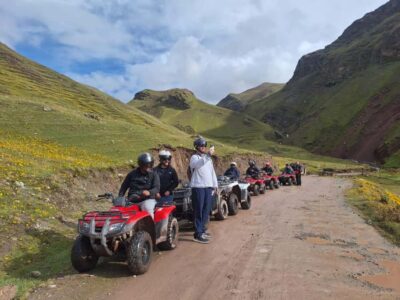 ★ 4.5From cusco: Rainbow Mountain ATV Tour with mealsFrom $65121 reviews
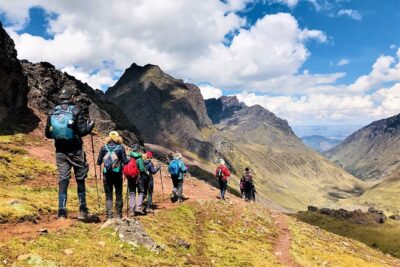 ★ 5.0Rainbow Mountain & Red Valley Premium Tour with picnicFrom $190102 reviews
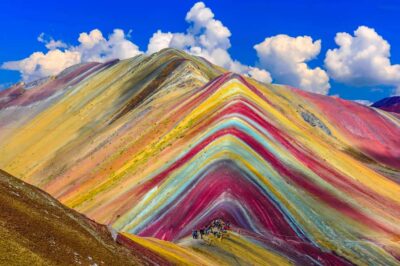 ★ 4.5From Cusco: Rainbow Mountain TrekFrom $6198 reviews
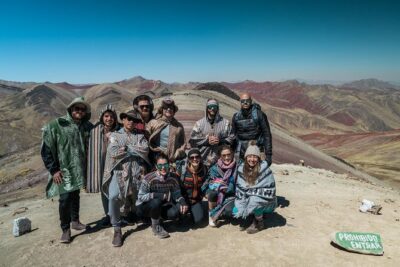 ★ 5.0Private Palccoyo Rainbow Hike Without the CrowdsFrom $19986 reviews
Also on these Peru lists