
REVIEW · AUSANGATE AND ANDEAN LAKES
From Cusco: 7 Lakes Ausangate Trek with Breakfast and Lunch
Mornings start early, but the payback is huge. This one-day Ausangate Seven Lakes trek from Cusco trades crowds for wide Andes views, high-altitude lakes, and a soak at Pacchanta hot springs. You’ll ride out from Cusco in the dark, then spend the day working your way through snow-capped scenery and cold air.
I especially like two things. First, the Pacchanta hot springs feel like a reset button after the long high-altitude trek. Second, the guides manage the day in a way that helps you keep going, like the way Kevin and Carlos checked in often and kept pace realistic for different walkers.
One drawback to plan for is the altitude and early schedule. You’ll trek above 4,800 meters, and the dirt road drive can make some people feel sick before you even start walking, even with the included oxygen bottle and first aid kit.
In This Review
- Key takeaways before you go
- Ausangate Seven Lakes in one day, why it feels different
- The 4 am pickup and the long drive to Pacchanta
- Pacchanta breakfast, first views of Apu Ausangate
- The 13 km trek: what the lakes hike really feels like
- Horse riding on the route: when it helps and how to plan for it
- Lunch in Pacchanta and the Pacchanta hot springs soak
- What to pack and how to dress for the cold at altitude
- Timing, pace, and the small-group feel
- Value check: $29 plus the 30 soles extras
- Who this is best for, and who should skip it
- Should you book the Ausangate 7 Lakes trek from Cusco?
- FAQ
- What time do I get picked up in Cusco?
- How long is the trek and what distance do I walk?
- What altitude will I reach during the tour?
- Is breakfast and lunch included?
- Are the hot springs included in the price?
- Do I need sunglasses?
- Is horse riding included, and can I opt out?
Key takeaways before you go
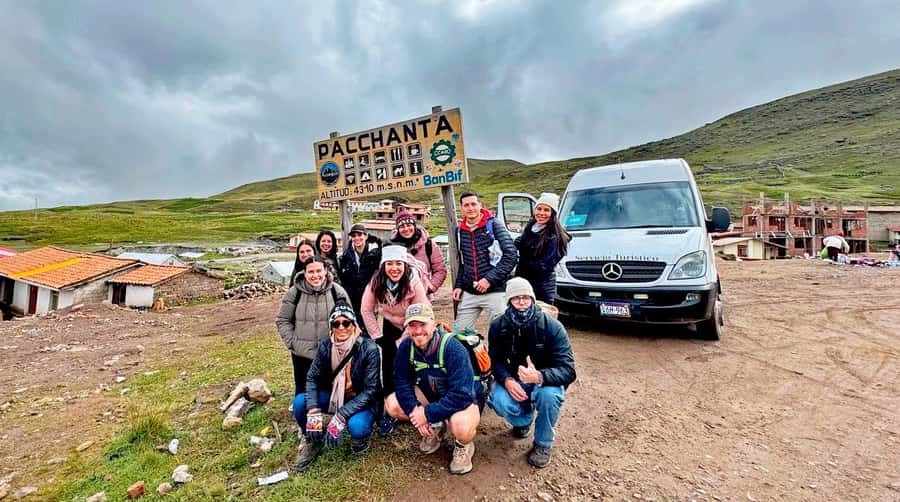
- Snow-capped Ausangate views right from the Pacchanta area, with lake panoramas along the route
- Early start from Cusco (about 4 to 4:30 am), with cold morning temperatures around 5 to 9 C
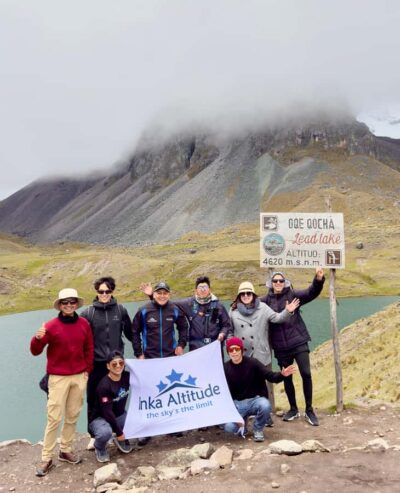
- A big day at altitude, reaching 4,620 meters at the highest point and walking about 13 km total
- Time on foot plus horse riding blocks, which can help if breathing gets tough
- Hot springs soak in Pacchanta, but you should budget extra for entrance
- Sunglasses are mandatory during the hike, since the glare at altitude is no joke
Ausangate lagoons, other trekking days
- Excursion to Ausangate & 7 lakes with Coca Ceremony |Private|
★ 5.0 · 80 reviews - Ausangate Trek 5 Days
★ 5.0 · 74 reviews - Laguna Humantay Full Day Trail
★ 5.0 · 57 reviews - Full-Day Tour to Ausangate 7 Lakes
★ 5.0 · 56 reviews
Ausangate Seven Lakes in one day, why it feels different
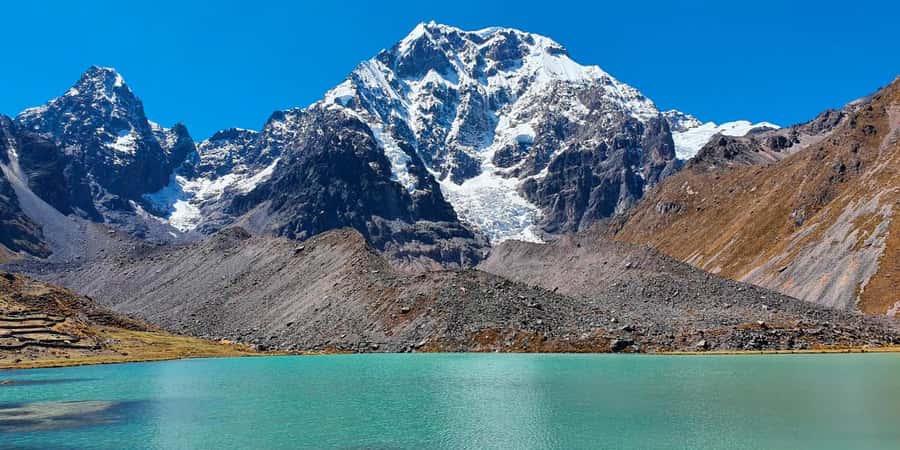
The Ausangate Seven Lakes trek is famous for its snow peaks and color-changing water, but the version you’re doing is built to fit into a single day from Cusco. That matters. You get a full high-Andes experience without needing multiple days of logistics, and the schedule is tight enough that you’re back in Cusco around 6 to 7 pm.
What makes this feel special is the combination of places and timing. You start in the early cold, hike through alpine areas, then end with a warm soak while the highlands are still in view. In other words, it’s not just a walk. It’s a day with a rhythm.
I also like that the company backs the trip with practical gear and support, like a first aid kit and an oxygen bottle in the group. Guides like Eduardo and Diana were praised for being attentive and keeping the day moving without losing the point of the lakes and views.
The 4 am pickup and the long drive to Pacchanta
Pickup is from the Centro Histórico area, usually between 4 and 4:30 am. Then you’re in a van for about 3 to 3.5 hours, heading toward Pacchanta. This is not a gentle start. You’ll be bundled up for cold morning temperatures around 5 to 9 C.
Here’s how to think about that drive: it sets the tone for your body. A dirt road ride can worsen altitude symptoms for some people, and the route starts taking you higher well before you begin trekking. If you’re prone to feeling lightheaded, plan your day like you’re already hiking.
A useful tip I’d borrow from the smarter approach on this kind of itinerary: treat breakfast as fuel, but also keep water and snacks ready for small dips of energy. The tour includes a breakfast stop at Pacchanta for about 30 minutes, but you’ll still want personal snacks in case you need something while you’re waiting or preparing your day pack.
Pacchanta breakfast, first views of Apu Ausangate
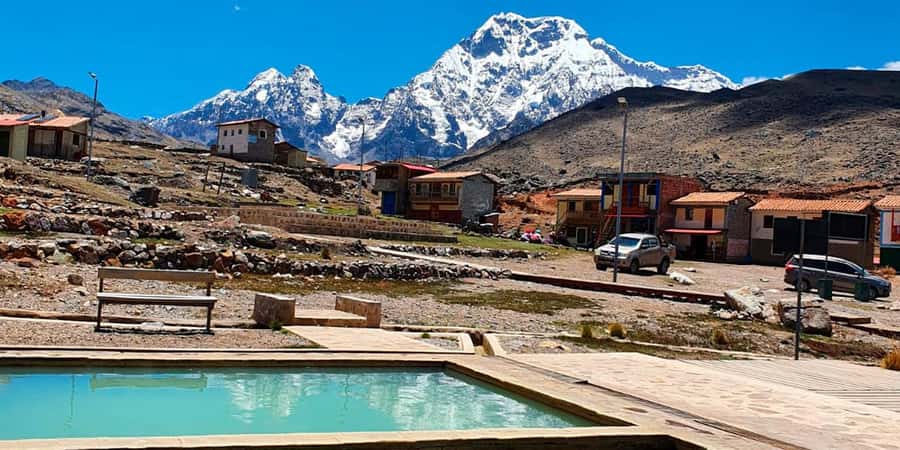
Once you reach Pacchanta, you’ll get breakfast for about 30 minutes. After that, the day turns quickly toward the Andes. You’ll have your first big views of the Apu Ausangate mountain, which towers at 6,384 meters above sea level.
This is one of those moments where it’s worth taking your time. Even if you feel rushed, pause to look. When you see the scale of Ausangate in the morning, the later high points and lake basins make more sense. It also helps you mentally pace yourself for the effort coming.
Then comes the prep step that lots of people overlook. You’ll prepare your day pack and get your layers sorted before you start walking. With altitude and changing weather, this matters more than people think.
Guides speak Spanish and English, and the best ones, like Sebastian and Joseph (from the experiences you provided), tend to keep you oriented, explain what you’re seeing, and make sure you’re not accidentally pushing too hard.
The 13 km trek: what the lakes hike really feels like
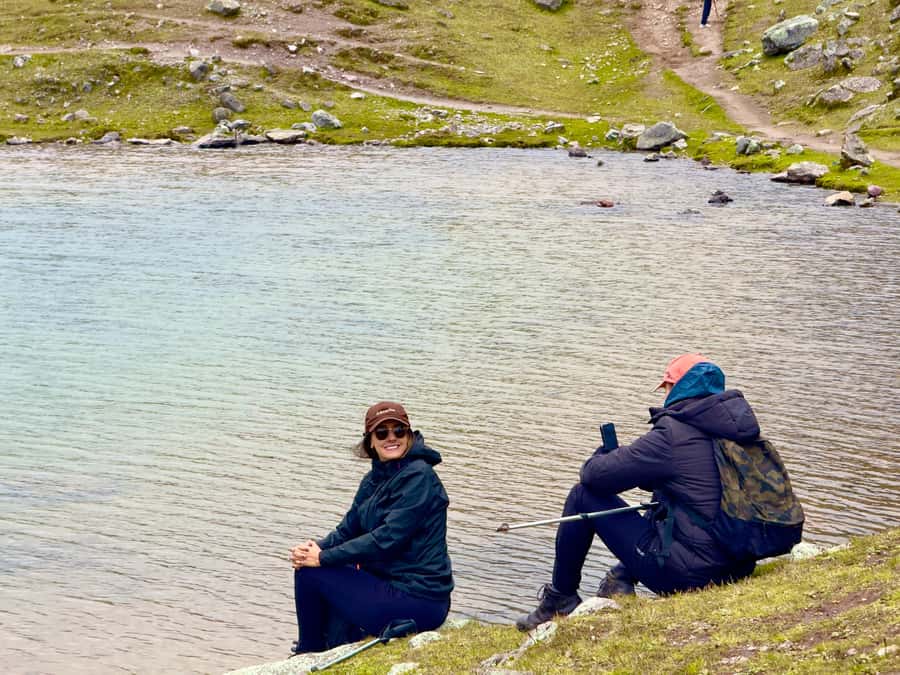
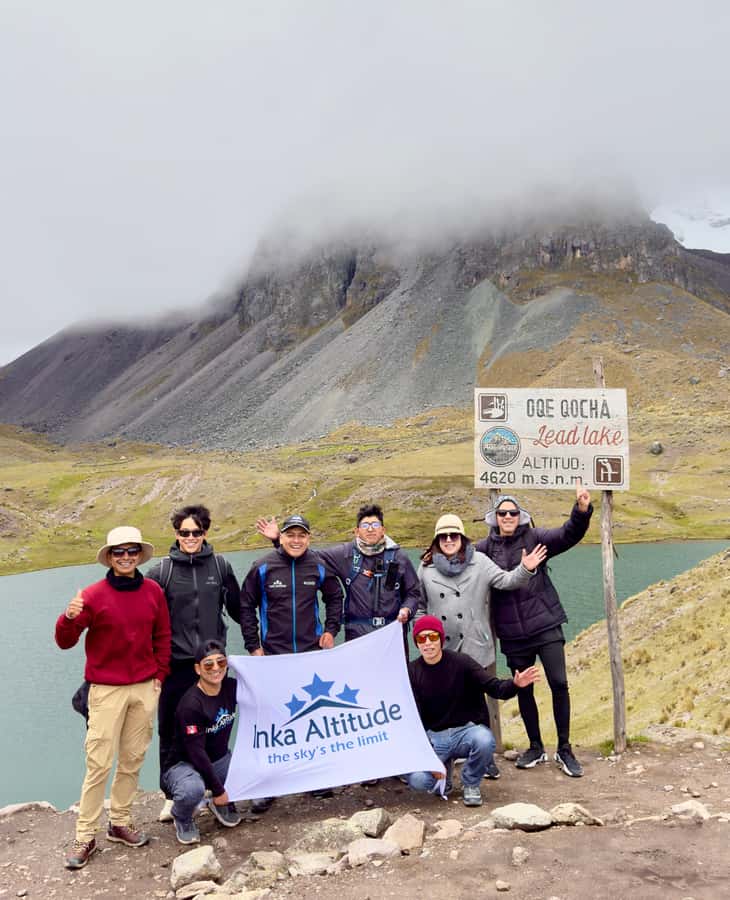
The trekking portion covers about 13 kilometers total, roughly 8 miles, and takes around 4.5 hours. The highest point on the route reaches 4,620 meters (about 15,090 feet). So yes, you’ll feel altitude, and you’ll feel it early if you’re sensitive.
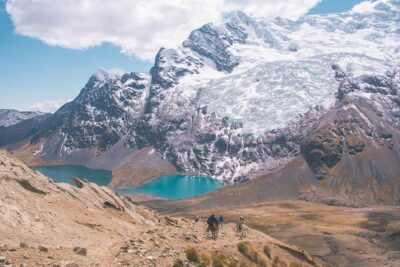
The terrain is steep at times, and it’s not a paved trail. The upside is that the views keep changing as you move, with multiple lakes along the route and panoramas of the Andes. One big theme in the feedback you shared is that the lakes themselves are breathtaking, and this trek tends to feel quieter than more famous nearby routes.
Practical reality check: you’re not just doing distance. You’re doing distance at altitude in cold air. That means you should walk slower than your normal pace and expect your breathing to be the limiting factor, not your legs.
Guides are also managing the group actively. Because everyone walks at different speeds, you may be separated into different sections at times, with the guide checking in throughout. That’s actually helpful, because it reduces the pressure of matching someone else’s pace when your oxygen level is the true boss.
Sunglasses are mandatory for the hike. Do not treat that like an optional accessory. At high altitude, light reflects off snow and water, and it can make your eyes feel strained fast.
Nearby in Cusco, these earned their own write-ups
Horse riding on the route: when it helps and how to plan for it
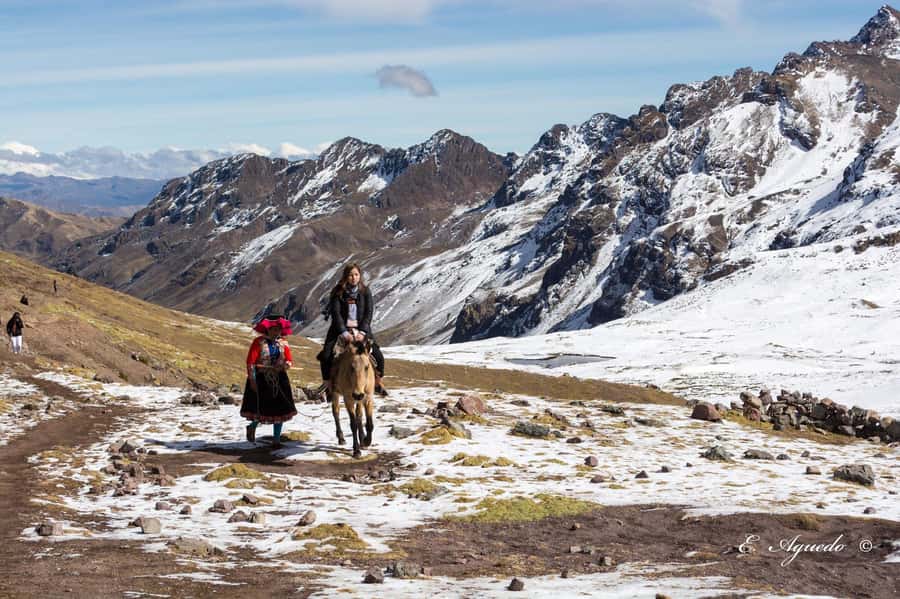
This itinerary includes horse riding blocks as part of the day plan. That gives you an option if you’re struggling with steep terrain or altitude discomfort. Some guests specifically recommend getting a horse if you’re not used to altitude.
But keep expectations honest. Horses are not a magic fix for altitude. They can reduce the strain of steep hiking, but you still need to acclimate and keep your breathing steady.
Also, if you rent a horse, the local partner handles that process and the provider is not involved in rentals. In practical terms, bring cash in Peruvian soles for any extras, since additional expenses are paid with cash only.
A few people mentioned the cost range for horse rental in their situations. Since those figures come from individual cases, I’d treat it as a variable amount and plan to pay locally if you decide you need it.
If you have asthma or heart concerns, this is where you should be extra cautious. The tour isn’t suitable for people with heart problems or respiratory issues per the basic suitability notes. If you’re borderline, you should talk to a clinician before you come, and you should be ready to modify your plan on the ground if the altitude hits you harder than expected.
Lunch in Pacchanta and the Pacchanta hot springs soak
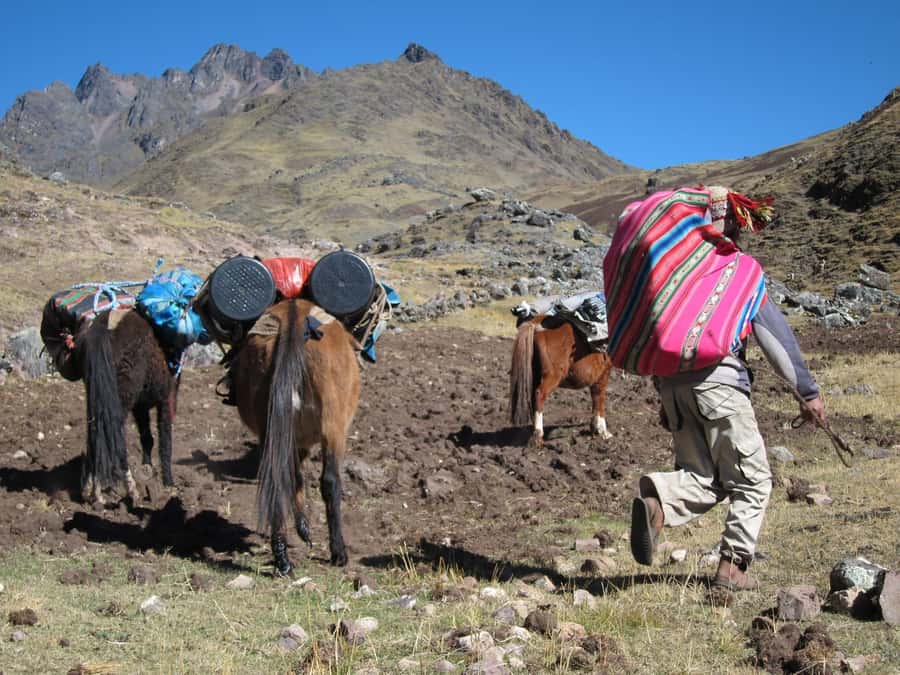
After the hike, you head back to Pacchanta. Lunch is waiting for you, and the setup is meant to be practical after exertion. People described the meals as filling, and in some cases praised them as good or plentiful even though they’re not gourmet.
Then comes the payoff that makes this day feel complete. You’ll go to Pacchanta hot springs for about 30 minutes. This is where the body remembers why you came. Warm water helps your muscles recover, and the timing matters because you’re ending while the highlands are still part of the story.
Plan for extra cost here. The tour does not include hot springs entrance fees. You should budget around 30 soles for entrance fees and hot springs access.
A small but important detail: after a long trek at altitude, hot water can make you feel sleepy or relaxed. Use the 30 minutes to soak, hydrate, and then warm up your layers before you get back in the van.
Guides like Kevin and Carlos were also praised for checking on people during tough moments, which is comforting if you get altitude headaches or feel sluggish after lunch.
What to pack and how to dress for the cold at altitude
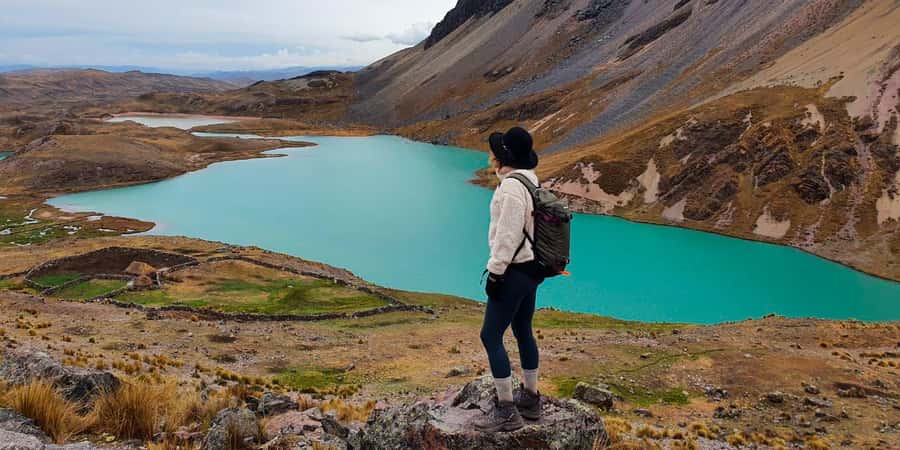
You’ll need to dress for morning cold and changing weather. Morning temperatures near Pacchanta are listed around 5 to 9 C. Bring an extra warm sweater, jacket, hat, and gloves. Also bring rain gear because conditions can shift.
Your packing list should include:
- Water (and plan to drink even if you feel cold)
- Snacks (especially if you need extra calories to stay steady)
- Hiking shoes with grip
- Sunglasses for the entire hike
- Comfortable clothes you can layer
One more “don’t ignore this” item: avoid large bags. Luggage or large bags are not allowed. If you’re traveling with a heavy load, consider traveling light in Cusco for this day.
If you’re altitude-prone, bring personal medicine or altitude pills if your doctor recommends them. The drive and terrain can trigger symptoms for some people, and the dirt road ride is not the smoothest start.
Finally, take care of your eyes. Sunglasses are mandatory, but also consider that cold wind can dry you out. Lip balm and a face covering can help, even though those aren’t explicitly listed, they’re common sense for this weather kind.
Timing, pace, and the small-group feel
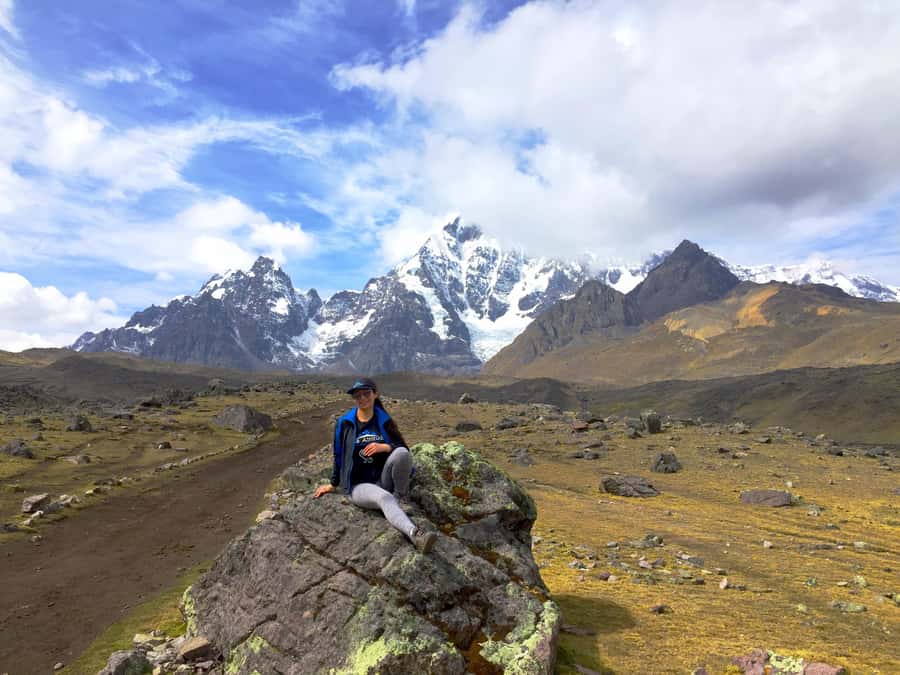
This is not a marathon, but it is a real effort. The day has a clear flow: pickup, drive, breakfast, trekking, optional horse support time, photo stop moments, lunch, hot springs, and a return to Cusco. You arrive back between 6 and 7 pm.
The best part of the pacing is that guides aim for a comfortable walking pace and safety first. You’ll also notice that some people are able to enjoy the scenery and stop for photos, while others focus on simply finishing. Guides like Eduardo and Waldri stood out for checking in and supporting people when they felt altitude effects.
A funny detail to remember: the group dynamic can feel different from city tours. You might not always walk side by side with everyone. Because guides work at different points in the group, slower walkers are not left behind with no help.
This also means you should not compare your speed to anyone else. Your goal is to move steadily, breathe well, and take advantage of the views when the trail allows it.
Value check: $29 plus the 30 soles extras
At a price of about $29 per person for a one-day Ausangate Seven Lakes trek, the value comes from what’s included. Hotel pickup and drop-off near Cusco center, a professional guide, breakfast, lunch, a first aid kit, and an oxygen bottle are all part of the deal.
That’s a lot of cost handled for you, especially the early transport and guide work. For many people, the included oxygen bottle is peace of mind, and the first aid kit is basic safety that you want at altitude.
What’s not included:
- Entrance fees and hot springs (around 30 soles)
- Anything else you buy locally (water, souvenirs, and more), paid with cash in Peruvian soles
So your real budget is the base tour cost plus a local cash buffer. If you plan to rent a horse, that’s also usually an extra local expense.
If you want a quieter day in the highlands with real mountain and lake views, this is a smart use of one day from Cusco. If you’re expecting a leisurely stroll, you might be disappointed. This is work, at altitude.
Who this is best for, and who should skip it
This trek suits people who can handle altitude and cold. The big requirement is willingness to walk at a steady pace for several hours, plus the fact that you’ll reach over 4,800 meters.
It may suit you if:
- You’re generally healthy and have experience hiking at altitude or at least hiking steadily
- You want stunning high Andean lakes and don’t mind an early start
- You like the idea of a less crowded feel compared to more famous day hikes
It is not suitable for people with back problems, mobility impairments, heart problems, wheelchair users, respiratory issues, or for people over 264 lbs (120 kg).
If you have asthma or a cardiac condition, treat this as a serious medical question, not just a comfort question. One guest in your provided experiences said asthma and a cardiac issue did not stop them fully, but that was handled with extra adjustments like switching to horse for part of the route. Still, the official suitability notes are the baseline, and you should follow them.
If you’re traveling with kids, this can work if the kids can hike and you manage pace carefully. One family did the trek and found it enjoyable, with lots of alpacas along the way, but you still need to respect the altitude.
Should you book the Ausangate 7 Lakes trek from Cusco?
Book it if you want a high-altitude day with real mountain drama, lake views that feel quiet and personal, and a proper recovery stop at hot springs. This is the kind of trip that makes Cusco feel bigger and older in your mind, because Ausangate is right there, looming, while you move through the high basins.
Skip it or think hard if you’re worried about altitude breathing, have respiratory or heart issues, or you want a fully comfortable, low-effort day. The early pickup, cold mornings, and steep terrain are part of the deal.
If you do book it, prepare like a pro: layers, sunglasses, water, snacks, and a slow pace mindset. Also, keep cash in Peruvian soles for the hot springs entrance and any extras you decide on the day.
If you want one-day value with an authentic highland feel, this Ausangate Seven Lakes trek is a strong choice, especially if you’re okay with the hard parts being hard, and the reward being worth it.
FAQ
What time do I get picked up in Cusco?
Pickup is from your hotel in the Cusco Centro Histórico area, typically between 4:00 and 4:30 am. The provider notes pickup can take 30 to 45 minutes to collect everyone, so waiting time in the lobby is possible.
How long is the trek and what distance do I walk?
The trekking portion is about 13 kilometers, which is roughly 8 miles, and takes around 4.5 hours. You also have additional time in the day for stops, photo moments, and other activities included in the schedule.
What altitude will I reach during the tour?
You will trek over 4,800 meters above sea level. The highest point of the trek reaches 4,620 meters (15,090 feet).
Is breakfast and lunch included?
Yes. Breakfast is included at Pacchanta, and lunch is included after you return from the trek. Both meals are part of the day plan.
Are the hot springs included in the price?
Hot springs entrance fees are not included. The tour indicates you should expect to pay about 30 soles for entrance fees and hot springs access, and you should pay with cash in Peruvian soles.
Do I need sunglasses?
Yes. Sunglasses are mandatory to use throughout the hike.
Is horse riding included, and can I opt out?
Horse riding is part of the day’s schedule. If you rent a horse, the local partner handles the rental process, and the tour notes that the local partner does not manage these rentals through the provider.
More Lunch Experiences in Cusco
- Cusco: Humantay Lake Tour with Breakfast and Buffet Lunch
★ 4.9 · 2,976 reviews - Machu Picchu: Full-Day Tour from Cusco with Optional Lunch
★ 4.6 · 927 reviews - Sacred Valley: Chinchero, Moray, Ollantaytambo & Pisac+Lunch
★ 4.8 · 501 reviews - Pisac Indian Market and Ollantaytambo Fortress with Lunch
★ 4.5 · 395 reviews - Cusco: Scenic Route of the Sun to Puno with Buffet Lunch
★ 4.8 · 101 reviews
More Tour Reviews in Cusco
- Cusco: Humantay Lake Tour with Breakfast and Buffet Lunch
★ 4.9 · 2,976 reviews - From Cusco: Moray, Maras Salt Mines & Chinchero Weavers Tour
★ 4.8 · 1,925 reviews - From Cusco: Full-Day Group Tour of Machu Picchu
★ 4.7 · 1,767 reviews - Machu Picchu Day Trip from Cusco
★ 4.5 · 1,644 reviews - Cusco: Half-Day City Tour with Sacsayhuaman and Q’enco
★ 4.6 · 1,129 reviews
Lagoons Below Ausangate
- Excursion to Ausangate & 7 lakes with Coca Ceremony |Private|
★ 5.0 · 80 reviews - Ausangate Trek 5 Days
★ 5.0 · 74 reviews - Laguna Humantay Full Day Trail
★ 5.0 · 57 reviews - Full-Day Tour to Ausangate 7 Lakes
★ 5.0 · 56 reviews - From Cusco: Ausangate 7 Lakes Tour with Meals
★ 4.5 · 47 reviews
Freshly reviewed across Cusco
- Excursion Cusco – Puno – Titicaca Observatory Train★ 5.0 · 3 reviews
- Sacred Valley Vip Cusco★ 4.7 · 3 reviews
- Cusco | Humantay Lake 1-Day Tour with Breakfast and Lunch★ 5.0 · 3 reviews
- Full-Day Condor Viewpoint & Inca Sites Tour★ 5.0 · 3 reviews
- Best of Cusco: Private Walking Tour with a Local★ 3.6 · 3 reviews
- From Cusco: Full-Day Private Sacred Valley Tour★ 5.0 · 3 reviews
Ausangate and Andean Lakes side by side.
 ★ 5.0Excursion to Ausangate & 7 lakes with Coca Ceremony |Private|From $10880 reviews
 ★ 5.0Ausangate Trek 5 DaysFrom $66074 reviews
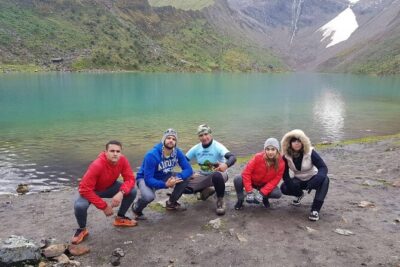 ★ 5.0Laguna Humantay Full Day TrailFrom $12157 reviews
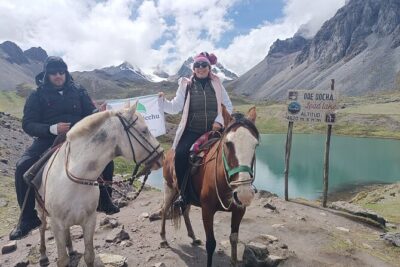 ★ 5.0Full-Day Tour to Ausangate 7 LakesFrom $6956 reviews
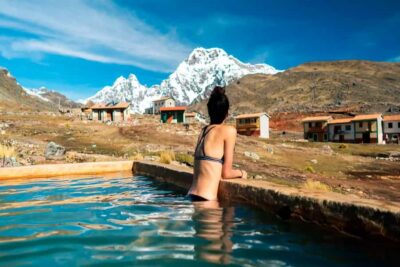 ★ 4.5From Cusco: Ausangate 7 Lakes Tour with MealsFrom $3747 reviews
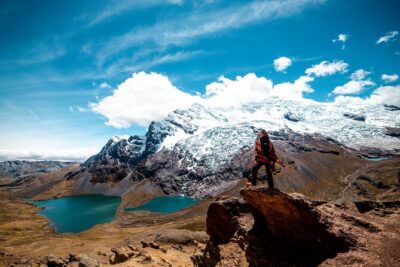 ★ 5.0Ausangate and Rainbow Mountain Trek – 3 Days / 2 NightsFrom $53535 reviews
 ★ 5.06 day Rainbow Mountain x Ausangate Trek – FlashpackerConnectFrom $1,05030 reviews
 ★ 5.0Qampa Climbing 2 Days in AusangateFrom $38027 reviews
Also on these Peru lists