
REVIEW · HISTORICAL
Aymara Route Mystical Cultural Tour
Six sites, one Aymara story, and plenty to photograph. This day trip around Puno is interesting because it strings together ceremonial symbolism, living agriculture, and stone architecture, not just a quick bus ride. I especially like the way an official guide keeps the stops readable, with clear explanations and practical context as you move from place to place.
Two other things I like: the first-class transportation feels genuinely comfortable for a full day, and the tour can feel active without being exhausting, since you get walking time plus photo stops. The main drawback to plan for is that at Aramu Muru, you may have to choose between a short mini trekking moment for photos and taking part in the ceremony.
In This Review
- Key highlights worth planning around
- A full day of Aymara sites around Puno, from Chucuito to Juli
- Getting there comfortably: pickup, timing, and how the day flows
- Chucuito photo stop: quick walking, big Puno-region views
- Acora and the Temple of Fertility: symbolism that makes you slow down
- Chullpas de Molloco: square and circular towers with niche details
- Circular Andean waru warus: farming terraces as a real-life laboratory
- Aramu Muru portal: meditation, rock formations, and a ceremony choice
- Juli, the Rome of America: beach time and optional add-ons
- Price and value: what $32 buys you in a full day
- What to bring: the small items that prevent a rough day
- Language, group comfort, and why the guide style matters
- Who should book this Aymara Route?
- Should you book the Aymara Route Mystical Cultural Tour?
- FAQ
- How long is the Aymara Route tour?
- Where is pickup included, and where does the tour end?
- What languages does the guide speak?
- What is included in the price?
- What stops and experiences will you get during the day?
- What should I bring for the tour?
- Is this tour suitable for people with epilepsy?
Key highlights worth planning around
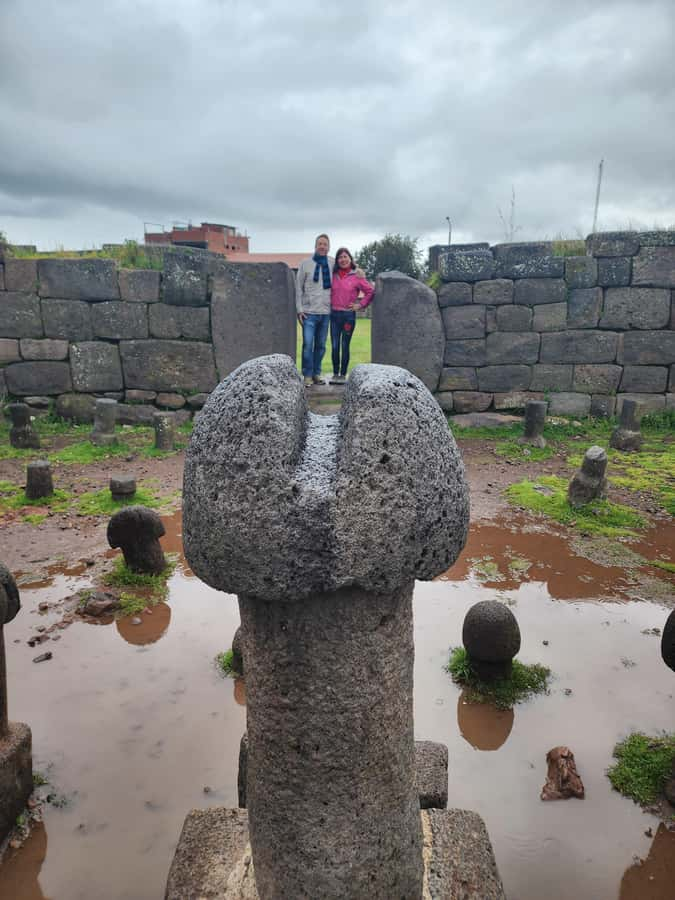
- Six minor phalluses and one major phallus at the Temple of Fertility, with symbolism explained by your guide
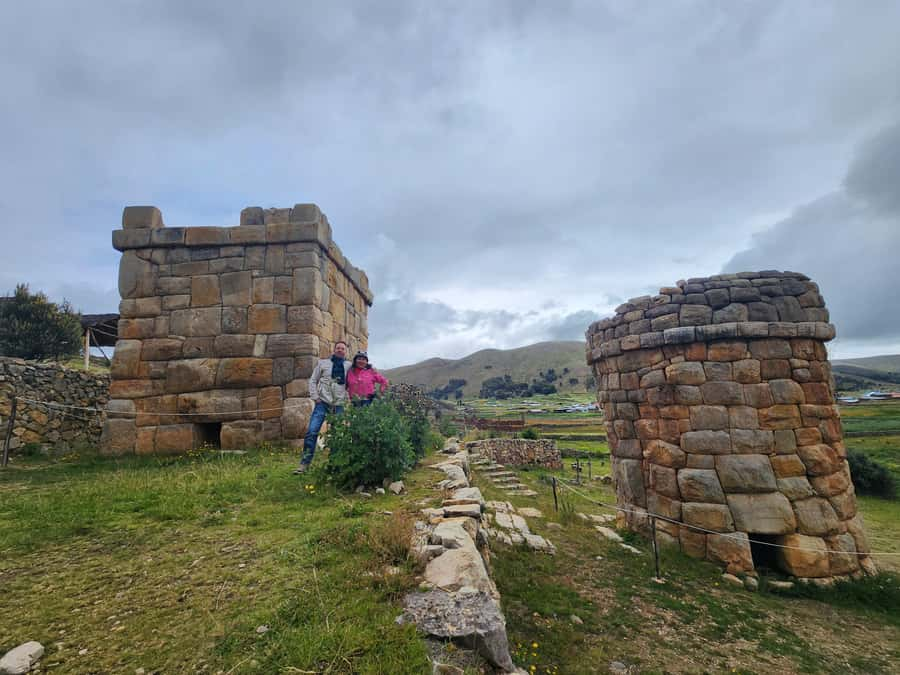
- Chullpas de Molloco shapes: square towers, a circular tower, and niches under the floor
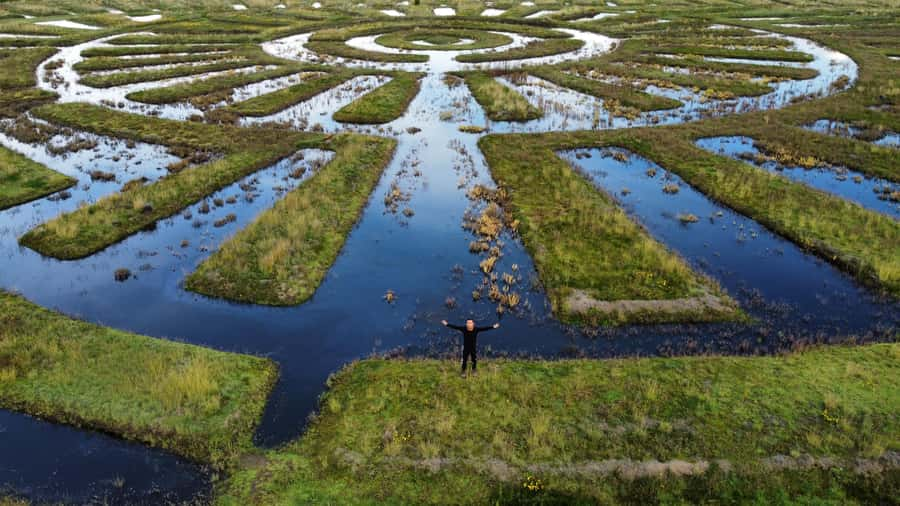
- Circular Andean waru warus as a “laboratory” for domesticating Andean grains and tubers
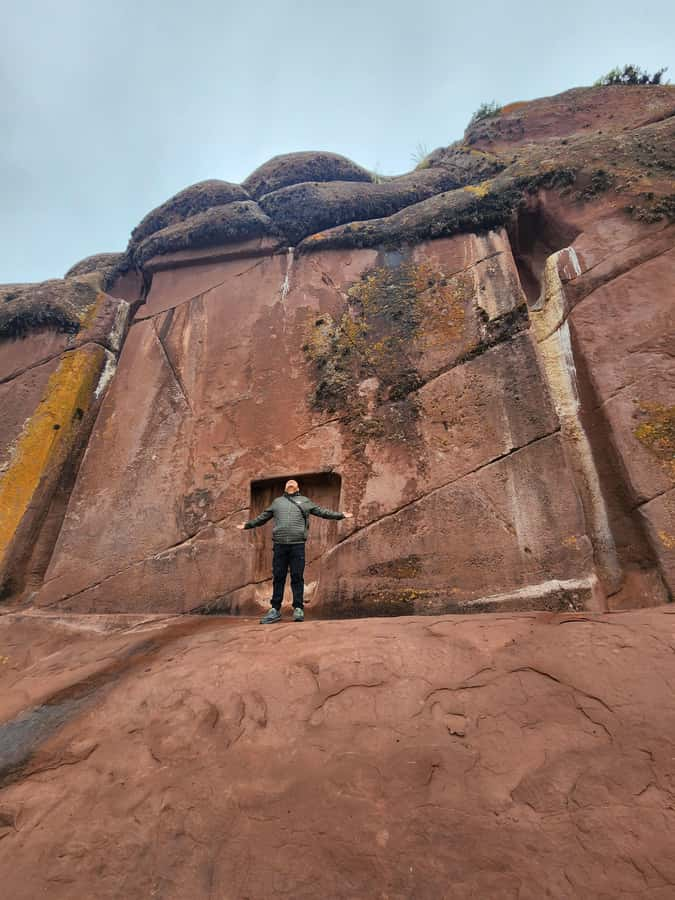
- Portón de Aramu Muro meditation and a possible ceremony at the rock formations
- Drone video souvenir potential, plus the guide working in both Spanish and English
- Breaks with shopping and free time, so the day doesn’t feel nonstop
A full day of Aymara sites around Puno, from Chucuito to Juli
This is a classic Puno-area route, but it stays away from the usual checklist vibe. You’ll start in Puno and spend the day bouncing between small towns and archaeological sites that connect to how Aymara life has been shaped by land, water, and ritual.
What makes the day especially compelling is the mix of what you see. You’ll go from fertility symbolism at the Temple of Fertility to the structure of chullpas, then to farming engineering in the waru warus fields. Finally, you shift into a quieter mode at Aramu Muru, with meditation and rock formations, and then end with views around Juli, sometimes called the Rome of America.
Getting there comfortably: pickup, timing, and how the day flows
Plan on a long but manageable day. The tour runs about 8 hours, with a return to Puno around 4 to 5 pm, and you’ll be dropped back near the city center.
Pickup is in Puno, and you’ll want to send the tour team your hotel address plus a phone or WhatsApp number for the meeting point. That small step matters because the tour depends on keeping the whole group on schedule, especially once you start moving between rural sites.
The transportation is repeatedly praised as one of the best parts of the experience. For me, that matters because comfort changes how much you enjoy stops like chullpas and waru warus, where you do a fair amount of standing, walking, and looking up.
Chucuito photo stop: quick walking, big Puno-region views
You’ll begin with Chucuito, just south of Puno. Expect a guided visit with time for photos and a scenic walk, plus the kind of short stop that helps you get your bearings.
This is not the deep-architecture stop of the day. It’s more like a warm-up: you see how the region feels on the ground, you get a chance to stretch your legs, and your guide can set up the ideas you’ll see later.
If you like your tours to have momentum without rushing, Chucuito is a good opening chapter.
Acora and the Temple of Fertility: symbolism that makes you slow down
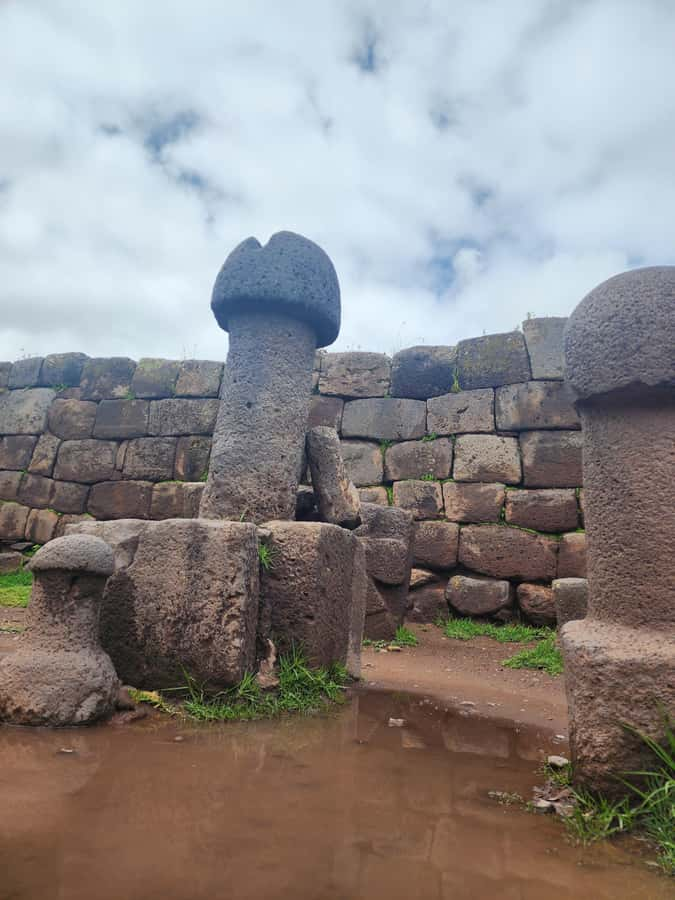
Next, the tour focuses on Acora-area sites and one stop that gets your attention fast, the Temple of Fertility. The description is specific: you can find six minor phalluses and one major phallus.
This isn’t a random photo-wall. The point is meaning. You’ll get guided context so you understand why this kind of symbolism shows up in the landscape and how people historically connected fertility to cycles of nature.
Practical tip: approach this like an art and symbolism stop, not a slapstick one. Comfortable clothing helps because you may stand and move around while the guide explains the layout.
Chullpas de Molloco: square and circular towers with niche details
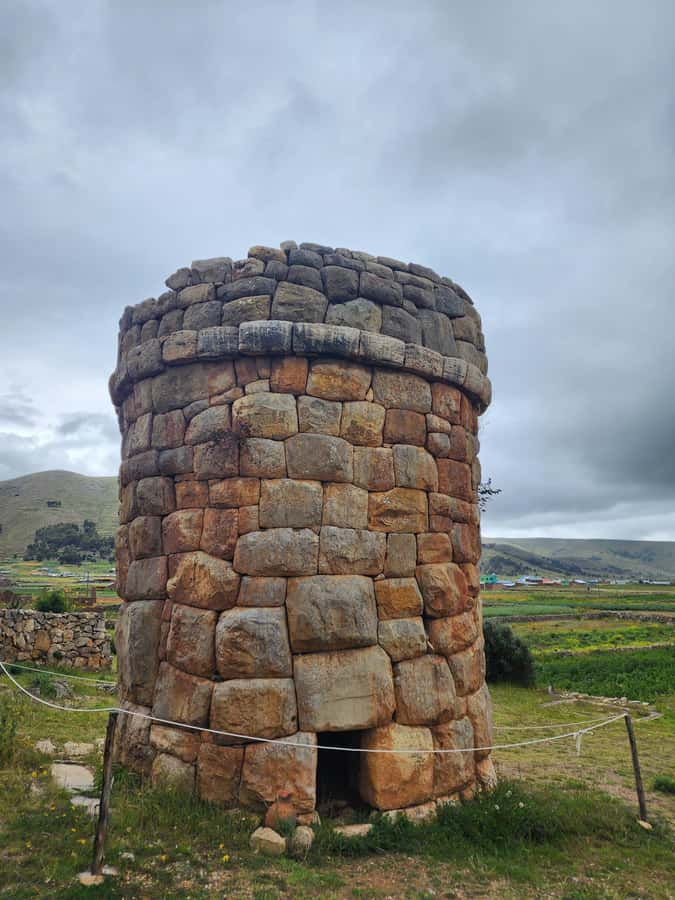
From the fertility temple, the route heads to Chullpas de Molloco, and this is where the day gets architectural. These chullpas have a different style than the ones you may recognize from elsewhere in the region.
You’ll see three square-style towers and one circular tower, plus niches under the floor that were used as niches. That detail matters because it changes how you read the structures. Instead of only looking at the towers, you start noticing how the space was organized for human use.
The most enjoyable way to do Molloco is to take your time with the guide’s pointers, then spend a few minutes looking again on your own. You’ll catch things faster the second time around.
Circular Andean waru warus: farming terraces as a real-life laboratory
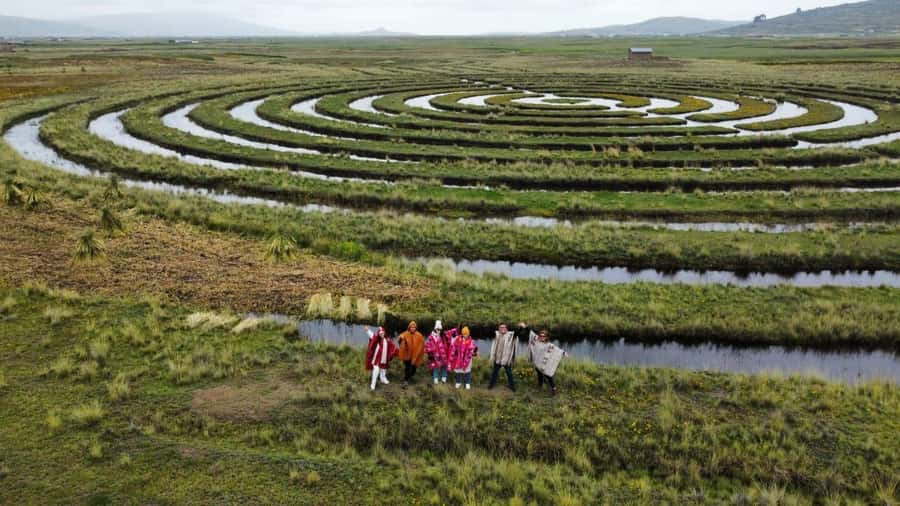
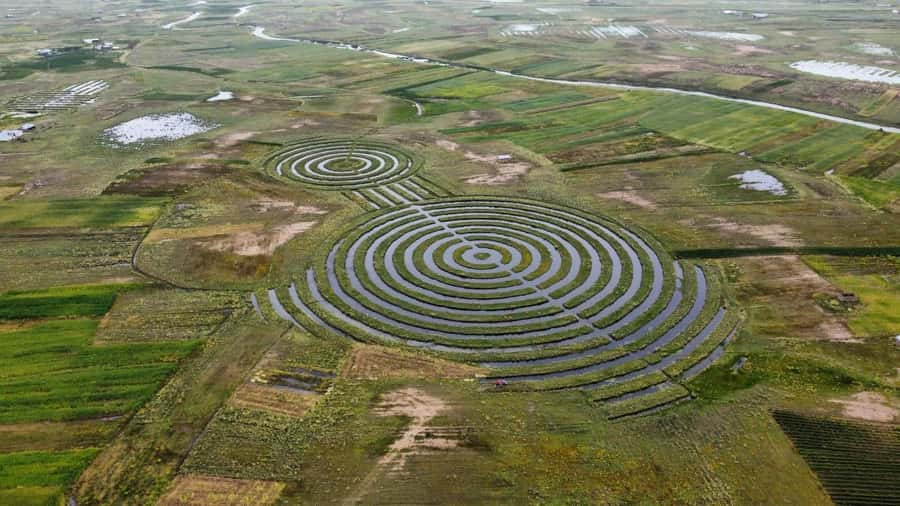
Then you shift from stone to engineering, with Circular Andean waru warus. This stop is described as ancestral technique used as a laboratory for the domestication of Andean grains and tubers.
Think of waru warus as water-managed raised structures, built to deal with local conditions. The guided explanation turns it from “cool terraces” into “a system.” You understand how people learned to grow food and how the environment influenced design.
This is also one of the areas that tends to feel visually impressive from a distance. If you enjoy photos, you’ll likely appreciate the chance to look back at the shapes of the fields and imagine how they worked.
Aramu Muru portal: meditation, rock formations, and a ceremony choice
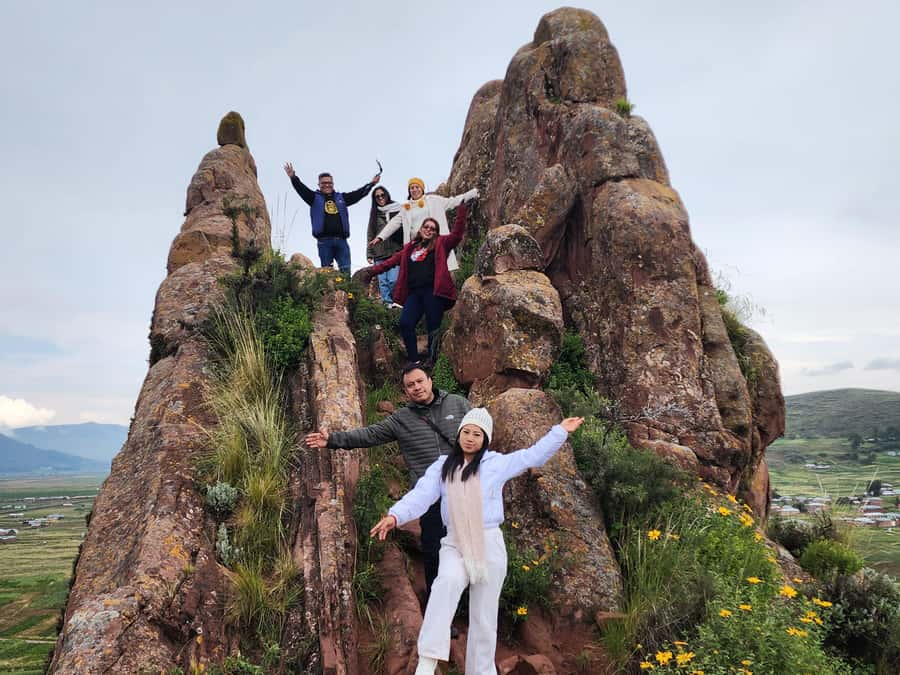
The day’s quiet intensity arrives at Aramu Muru, specifically the Portón de Aramu Muro area. You’ll practice meditation and also see striking rock formations connected to the site.
Here’s the practical reality: you might face a decision point. One review notes that you may have to choose between a mini trekking moment for super photo opportunities and the ceremony. That doesn’t mean you lose out, it just means you should decide what you’re coming for most.
If you want stillness and ritual, choose the ceremony and meditation. If your top priority is images and a bit of movement, choose the mini trekking option. Either way, wear comfortable shoes because rock and uneven ground can make short walks feel longer than expected.
Juli, the Rome of America: beach time and optional add-ons
Your final major stop is Juli, often referred to as the Rome of America. In this part of the day, you’ll check out the beach and have time for optional activities.
This is a more relaxed segment compared to the chullpas and waru warus. You’ll likely have some space to wander, take photos, and enjoy the change of pace before heading back to Puno.
If you like tours that end with a view and breathing room, this is the right way to close the loop.
Price and value: what $32 buys you in a full day
At $32 per person for around 8 hours, the value comes from three things that are clearly included: an official tourism guide, first-class transportation, and tickets. That package matters because entry fees and transit often add up fast in Peru, especially when you’re covering multiple sites in one day.
It also helps that the guide works in Spanish and English. That’s not just a convenience. It reduces the chance of you missing details, because the explanations are available in the language you’re comfortable with.
The tour also sounds like it can add memorable extras. Reviews mention drone footage and shared videos, which you don’t always get on cheaper group tours. Even when those aren’t part of every day, the overall structure feels like you’re paying for guidance and access, not just seats on a bus.
What to bring: the small items that prevent a rough day
I’d pack like you’re going to be outdoors for a long stretch. The tour recommends comfortable shoes, sunglasses, a hat, a camera, comfortable clothes, and cash. Bring a biodegradable insect repellent too, because Puno-region weather can change quickly and you don’t want surprises.
Also bring patience for conditions. The tour advises checking weather and social problems the day before and leaving a contact number so pickup stays smooth. That’s basic, but it can save you stress.
Finally, a serious note: this activity is not suitable for people with epilepsy. If that applies, skip the ceremony-type stops and choose a different Puno-area itinerary.
Language, group comfort, and why the guide style matters
Your guide speaks Spanish and English, and multiple reviews highlight the guide being prepared with maps and images. That sounds small, but it’s a big difference between a day where you understand what you’re seeing and a day where you only have photos.
Comfort also shows up in how the day is handled. Reviews praise a guide who watches the group’s needs, checks in on participants, and keeps explanations flowing. One review even mentions that when a tire issue happened, the situation was managed quickly with a replacement vehicle in about half an hour. That kind of backup plan reduces the chance of your day turning into a mess.
Who should book this Aymara Route?
This tour fits best if you want a guided cultural day that mixes sites with meaning. If you like archaeology, ritual symbolism, and practical explanations of how people adapted to their environment, you’ll probably enjoy how the stops connect.
It’s also a good choice for people who don’t want to over-plan. You’re not worrying about tickets at each location, and you get a steady rhythm of photos, guided walking, and breaks.
If you prefer highly physical hiking, this probably won’t satisfy you on its own. But if you want light walking, good views, and optional moments like mini trekking or ceremony, it’s a balanced format.
Should you book the Aymara Route Mystical Cultural Tour?
Book it if you want structure plus variety in one day, and you like being guided through symbolism, not just staring at objects. The combination of Temple of Fertility, chullpas of Molloco, waru warus agriculture, and Aramu Muru meditation gives you a day that feels like more than a checklist.
Skip it if you know you would be uncomfortable with the ceremony component, or if you have a medical reason that makes this tour unsafe, since it is not suitable for epilepsy.
If you do book, choose your Aramu Muru moment intentionally. Decide whether you want the ceremony or the mini trekking photos, then pack with comfortable shoes and keep an eye on weather the day before.
FAQ
How long is the Aymara Route tour?
The tour lasts about 8 hours.
Where is pickup included, and where does the tour end?
Pickup is in Puno. The tour finishes back in Puno near Cajamarca 236, Puno 21001, Peru.
What languages does the guide speak?
The live tour guide speaks Spanish and English.
What is included in the price?
The tour includes an official tourism guide, first-class transportation, and tickets for the places you visit.
What stops and experiences will you get during the day?
You’ll visit several Aymara-related sites and areas around Puno, including Chucuito, Acora (waru warus and chullpas de Molloco), the Aramu Muru portal for meditation and rock formations (and possibly the ceremony), and Juli for Rome of America area views and optional activities.
What should I bring for the tour?
Bring comfortable shoes, sunglasses, a hat, a camera, comfortable clothes, cash, and biodegradable insect repellent.
Is this tour suitable for people with epilepsy?
No. The activity is not suitable for people with epilepsy.
Historical Tours side by side.
 ★ 4.5Lima’s Vibrant Heritage: Exploring the City’s Landmarks Half-dayFrom $39581 reviews
 ★ 4.9Lima: Historic Center Street Food, Market, and Eateries TourFrom $69216 reviews
 ★ 4.4Walking tour in the Historic Center of ArequipaFrom $10180 reviews
 ★ 5.0Historic Downtown, Miraflores & Catacombs Private TourFrom $75100 reviews
 ★ 4.5Cusco: Historical Guided City Tour with 4 Inca RuinsFrom $2399 reviews
 ★ 4.9Arequipa: Walk through the Historic Center of the CityFrom $1587 reviews
 ★ 5.0Machu Picchu Private Archaeological and Historical Guided TourFrom $8086 reviews
 ★ 5.06-Day Cultural Tour to Machu PicchuFrom $99976 reviews
Also on these Peru lists