
REVIEW · HISTORICAL
Cusco: Historical Guided City Tour with 4 Inca Ruins
Inca ruins in one packed morning. I love the scale of Sacsayhuamán’s stonework and I like how the guide makes Inca history click, with clear explanations in English and Spanish. You get a lot of Cusco’s major Inca stops without the hassle of coordinating transport yourself.
One thing to plan for: Inca site access depends on the Cusco Tourist Card, and you also pay separate entrance fees on top of the tour price. That is easy to handle, but it changes your budgeting if you assume everything is included.
If you have limited time in Cusco, this is a practical way to see the big sites in about 6 hours, then return near Plaza de Armas for lunch or your next plan.
In This Review
- Key highlights worth your time
- A half-day Inca tour that works when time is tight
- How the timing options change your experience
- Qorikancha, the Temple of the Sun start (and what to notice)
- Sacsayhuamán, the puma-head fortress and its massive stones
- Qenqo and the eucalyptus forest photo stop
- Puka Pukara, the Red Fortress and big Andean views
- Tambomachay, the Temple of Water and its fountains
- Cathedral time, when that option is part of the day
- Transportation and pace, why the bus part matters
- Price value: what $23 buys you, and what it does not
- The guide is the difference, and it shows in the details
- What to bring so the day stays easy
- Should you book this Cusco Inca city tour?
Key highlights worth your time
- Qorikancha first, the Temple of the Sun, so you start with the most important Inca religious site in town
- Sacsayhuamán’s stone engineering, including huge blocks and fortress views that feel dramatic even on a cloudy day
- Qenqo’s ceremonial role, tied to sacrifices and a mummification connection, plus photo time in the eucalyptus area
- Puka Pukara’s Red Fortress, built with rock pigmentation that gives it a distinctive look
- Tambomachay’s water fountains, a standout stop with the Temple of Water nickname
- Bilingual guiding, with many guides working in both English and Spanish to keep things clear
Nearby in Cusco, these earned their own write-ups
- Machu Picchu: Inca Trail 2-Day Overnight Guided Tour
★ 4.9 · 203 reviews - Full Day Private Guided Tour in Machu Picchu
★ 5.0 · 115 reviews - From Cusco: Machu Picchu Full-Day Guided Tour
★ 4.8 · 81 reviews - Full-Day Trek to Humantay Lake from Cusco with Guide
★ 4.5 · 66 reviews
A half-day Inca tour that works when time is tight
Cusco rewards you for moving fast, but not for rushing. This guided circuit is designed around a smart flow: you start inside the city with Qorikancha, then travel by bus to the Inca sites around Cusco, then return you to the downtown core. The total time is about 6 hours, and many departures end around 2:30 pm or later in the evening, depending on the schedule you choose.
For me, the best part is the efficiency. You see multiple Inca areas that would be a pain to string together by yourself, especially if you are still adjusting to the altitude. For you, it is also a confidence boost. You leave with a clearer mental map of where everything fits, from religious Cusco (Qorikancha) to military and ceremonial sites (Sacsayhuamán and Qenqo), to surveillance and water cult connections (Puka Pukara and Tambomachay).
The biggest practical tradeoff is pacing. Each stop is long enough to take pictures and understand what you are looking at, but you are not lingering for a long, slow wander. If you want a museum-like experience at one place, you may prefer a private tour. If you want the greatest hits with solid context, this is a strong match.
How the timing options change your experience
This tour runs in different time blocks, which matters because Cusco light, crowds, and energy levels shift a lot by the hour.
Morning-style options:
- One version starts with hotel pickup roughly between 8:35 am and 9:00 am, then meets the group and begins the route in the city.
- Another version starts around 8:55 am at Qorikancha, then goes to the outer Inca sites before finishing near Plaza de Armas at about 2:30 pm.
Afternoon-style option:
- A later slot starts from the Cathedral entrance door around 11:50 am to 12:00 pm, then follows the same core Inca circuit.
- This one finishes around 6:00 pm to 6:30 pm.
Drop-off points:
- Several options end near Plaza de Armas, including a return close to Calle Plateros, so you can easily grab lunch or continue exploring without a long trek back to your hotel.
A quick pro tip if you care about the vibe: mornings tend to feel calmer for photo stops. Later departures can still be great, especially if you want to sleep in or you are planning a second activity after dinner.
Qorikancha, the Temple of the Sun start (and what to notice)
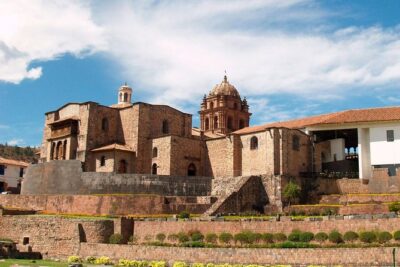
Most Cusco tours start with views or viewpoints. This one starts with the religious backbone of the Inca world: Qorikancha (also known as the Temple of the Sun). You typically enter and spend about 1 hour here.
What I like about starting at Qorikancha is how it sets your eyes for the rest of the route. Once you understand that Qorikancha was the most important Inca religious construction, the other sites stop feeling random. You can connect the dots between worship, ceremony, and the way power worked across the empire.
What to look for:
- The setting in and around Qorikancha helps you understand why this was central to Inca belief.
- If your schedule includes a cathedral visit in the afternoon options, you will also be able to compare how later Cusco traditions layered on top of older sacred space.
Important reality check: you will need separate tickets for Qorikancha. The Temple of the Sun entrance is listed at 15 soles, so plan cash or card accordingly, and remember that Inca access requires the Cusco Tourist Card for entering the Inca sites.
Sacsayhuamán, the puma-head fortress and its massive stones
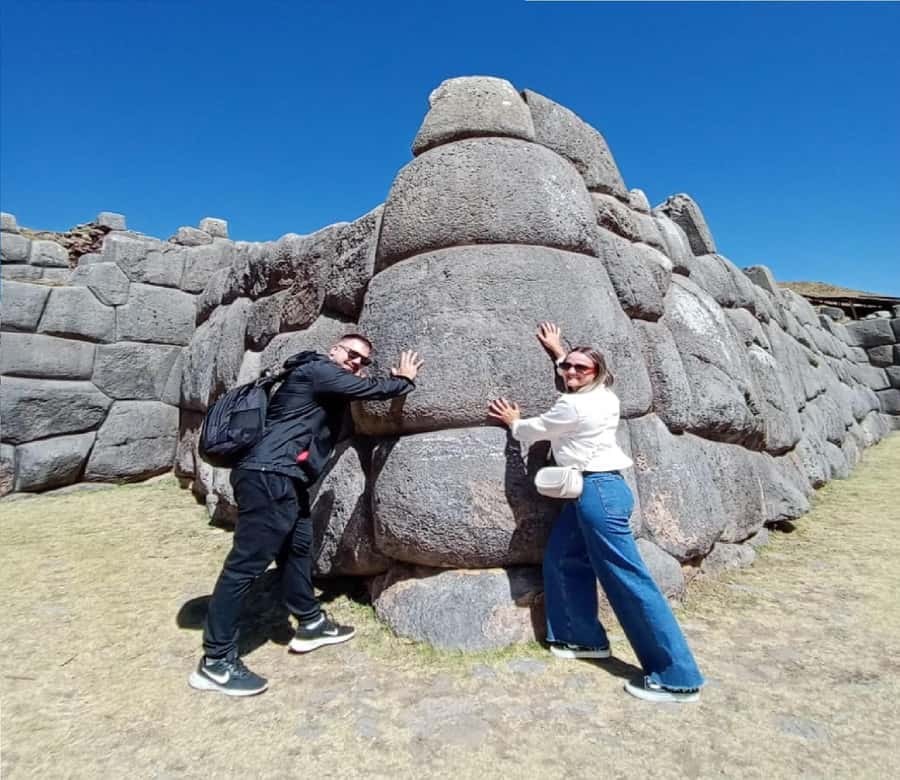
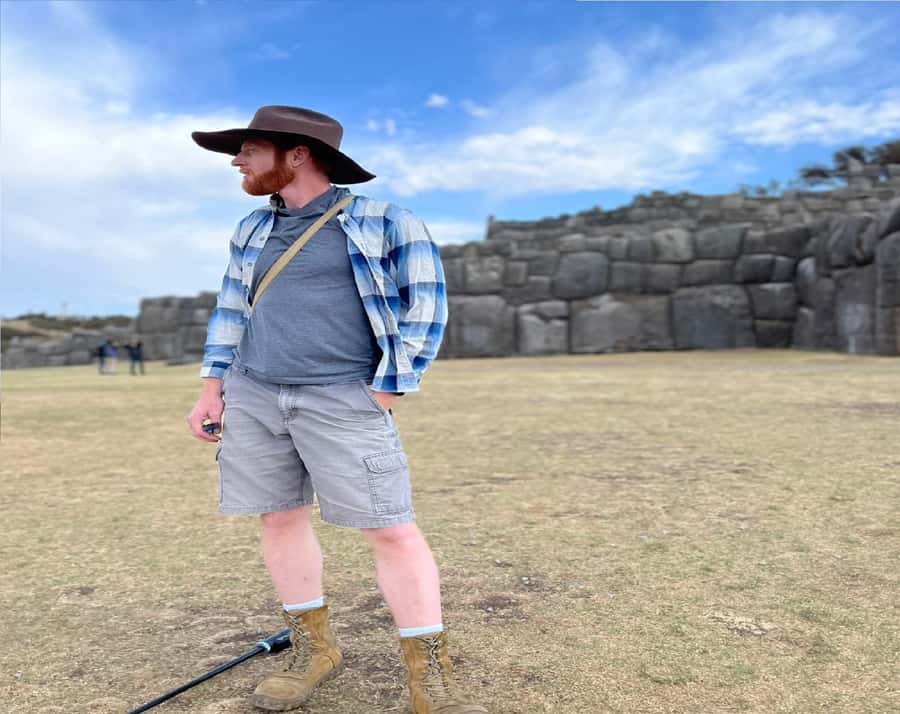
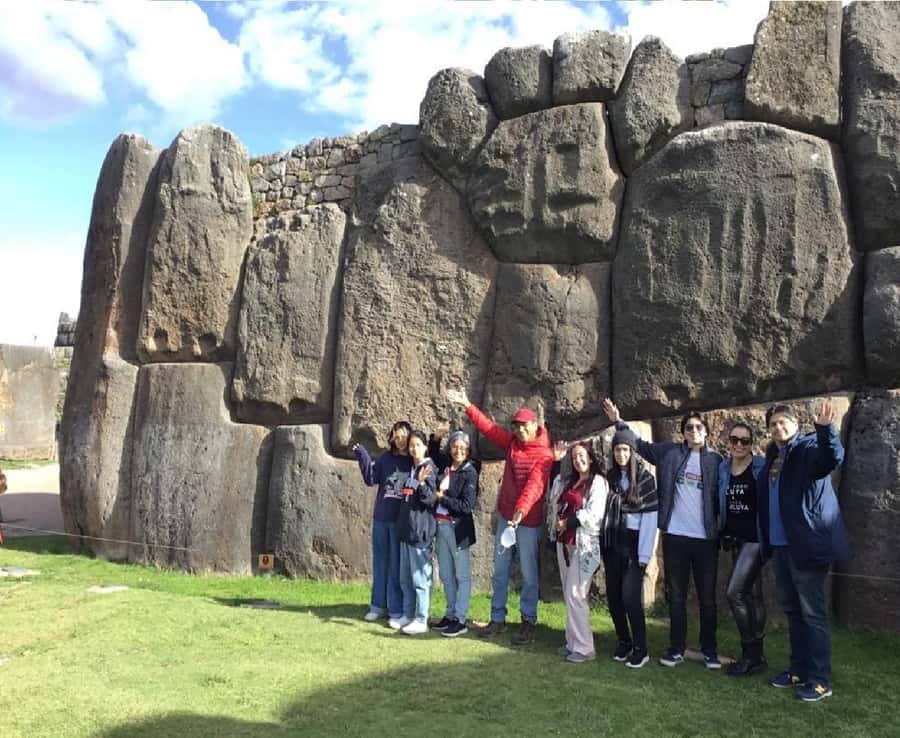
Next up is the blockbuster: Sacsayhuamán, which translates into Spanish as puma head. This is described as the largest archaeological site within Cusco itself, and it is known for enormous stone blocks, including ones that in some cases weigh more than 100 tons.
You get about 1.5 hours here with guided explanation and time for sightseeing. The fortress feel is real, even when you are only seeing parts from the main paths. You will notice how much effort went into construction, from the way blocks fit together to the sheer height of the structures.
Two details that help you appreciate the site faster:
- The tour notes the stone blocks that can reach roughly 4 to 6 meters high in some constructions. That scale changes how you read the site.
- When the guide ties the site to military function, it stops being only impressive rocks. It becomes an Inca statement about control and defense.
Photography note: bring your camera and take advantage of the angles you get from the main viewpoints. The combination of stone geometry and Cusco air makes photos look sharp. If your knees dislike stairs, pace yourself on the uneven areas and use the guided route paths.
Nearby in Cusco, these earned their own write-ups
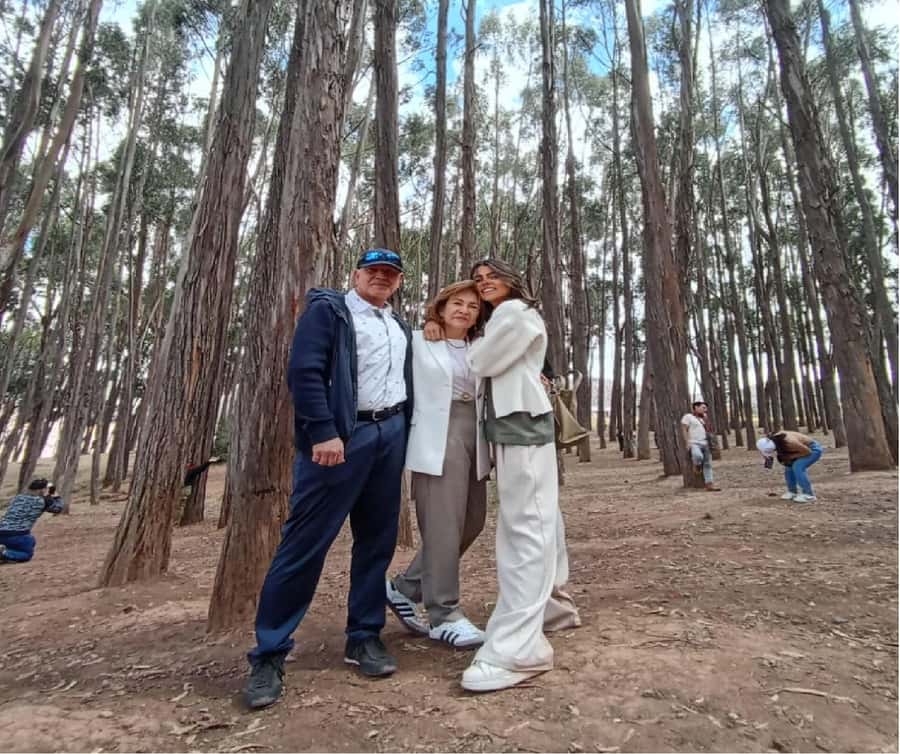
Qenqo and the eucalyptus forest photo stop
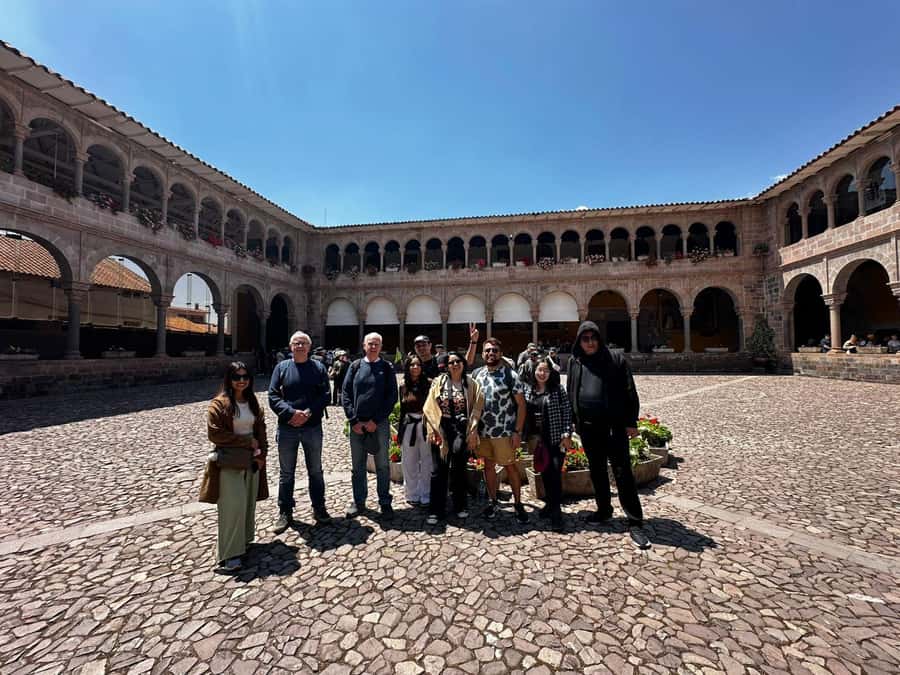
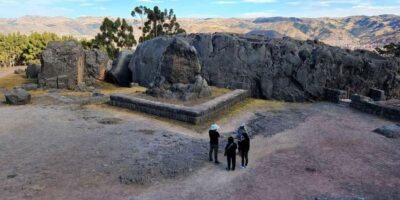
After Sacsayhuamán, you head to Qenqo. This is an Inca ceremonial center, and the tour framing includes a connection to sacrifices to the Sun God. You are also told about Qenqo as an ancient mummification site, which gives you a broader sense of how ritual and power blended in Inca Cusco.
You will spend about 1.5 hours here, often including time for photos in the Qenqo eucalyptus forest area. That part matters. Even if you already know what the main structures are, the forest area gives you a break from the stone intensity, plus a calmer spot to take pictures and reset.
What I find useful for first-time visitors:
- The guide helps translate ritual meaning into something you can understand while you stand in front of the features.
- You get time to ask questions, which is important with Qenqo, because many visitors hear myths about Inca sites. A good guide keeps the tone grounded in what you can actually observe.
Entrance-wise, Qenqo falls under the archaeological zones category with an additional ticket cost. The archaeological zones ticket is listed as 70 soles, and the info suggests you can buy it at Sacsayhuamán.
Puka Pukara, the Red Fortress and big Andean views
Then comes Puka Pukara, nicknamed the Red Fortress. The nickname is not random. The tour notes that it gets its character from the pigmentation of the rocks it was built with. That gives Puka Pukara a different visual feel compared to the darker stone tones you see elsewhere.
You will get about 1.5 hours at this stop, including guided interpretation and time to enjoy viewpoints over the surrounding region.
Two reasons this stop is worth taking your time on:
- The red rock effect makes it easier to remember, which helps you connect the route later when you think back.
- The viewpoints are a real payoff for your legs after earlier stone-heavy sites.
Practical tip: conditions can change quickly in the Andes, so bring a layer and water even if the morning looks clear. If rain starts, the red rock can look extra dramatic, but paths can get slippery.
Tambomachay, the Temple of Water and its fountains
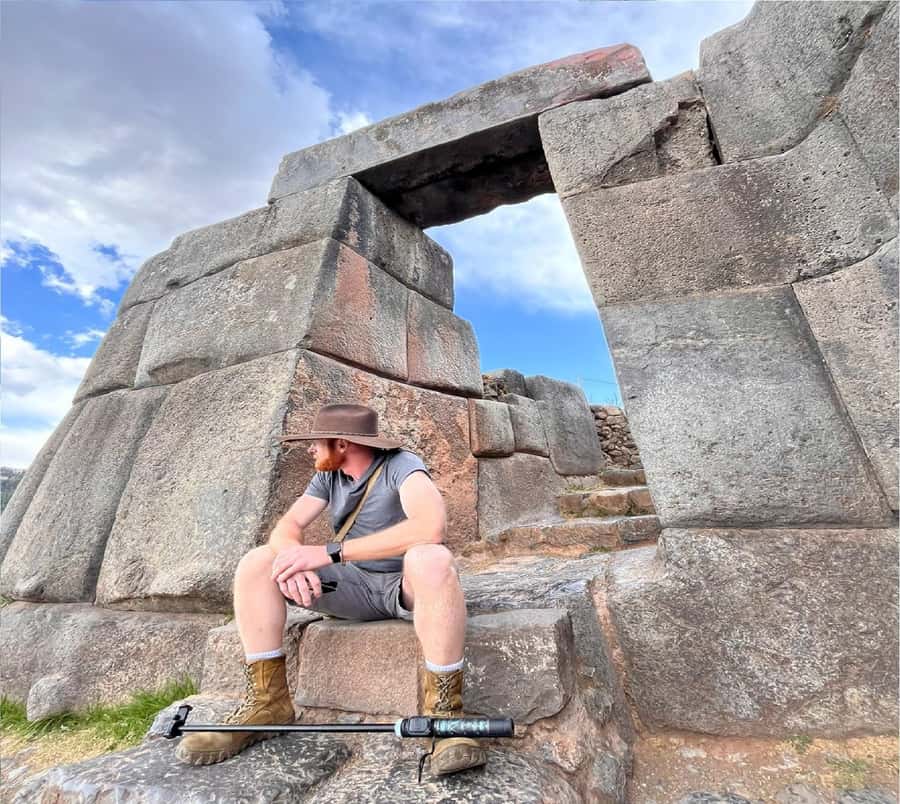
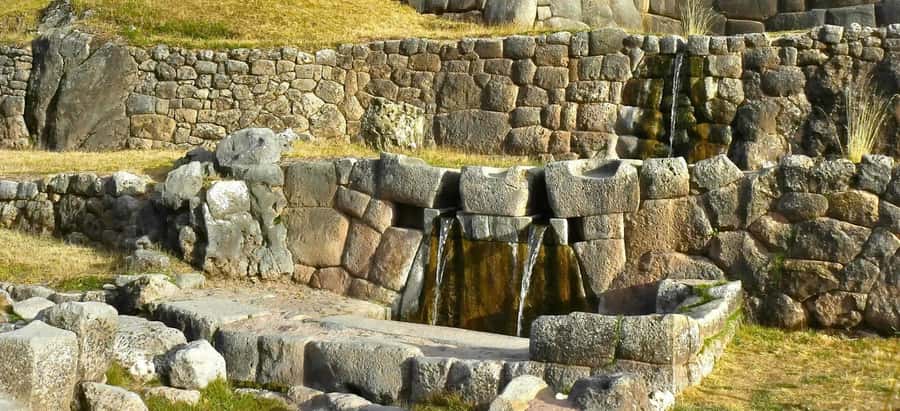
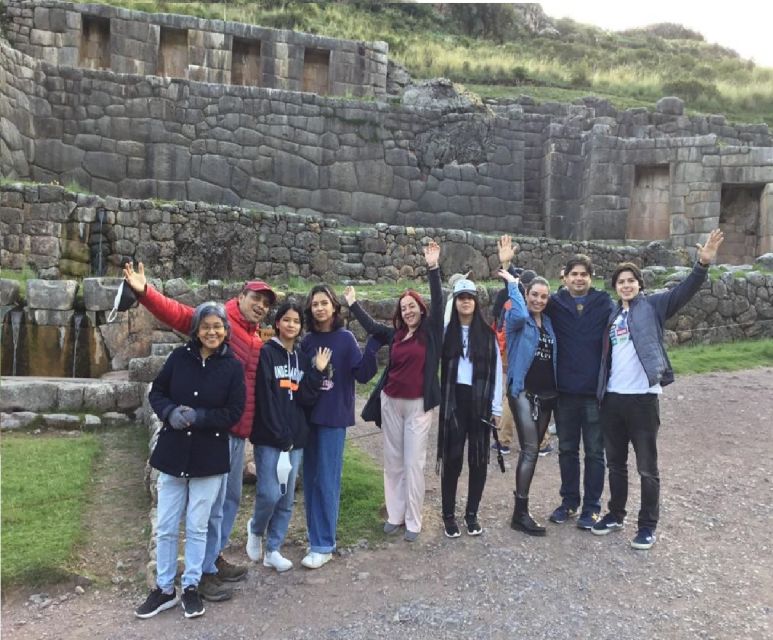
The final major Inca stop is Tambomachay, popularly known as the Temple of Water. This is one of the spots where the site’s nickname makes immediate sense. The tour highlights water fountains distributed across the area, and that feature gives the visit a different tone than the fortress and ceremonial sites.
You will typically spend about 1.5 hours here with guided context and time to look closely at how water features interact with the sacred setting. Even without knowing much about Inca water engineering ahead of time, you will understand why it mattered: water is life, and water management is also power.
If you are trying to decide which sites you can cut, I would hesitate before dropping Tambomachay. It is a contrast stop, and that contrast helps the entire route feel complete.
Cathedral time, when that option is part of the day
If you choose the afternoon version that includes the Cusco Cathedral, you will appreciate it for the art and the way it adds context to Cusco’s layered spiritual landscape. The cathedral visit is listed for option 2 and option 3.
Two things to know:
- Cathedral entrance is not included and is listed at 50 soles.
- The tour notes you must ask for availability for the cathedral visit, so if this is a must for you, treat it as an add-on dependent on scheduling.
If you are traveling with limited time, you can still get the Inca core circuit even without the cathedral piece. The Inca sites are the main reason you are booking, and they are the focus.
Transportation and pace, why the bus part matters
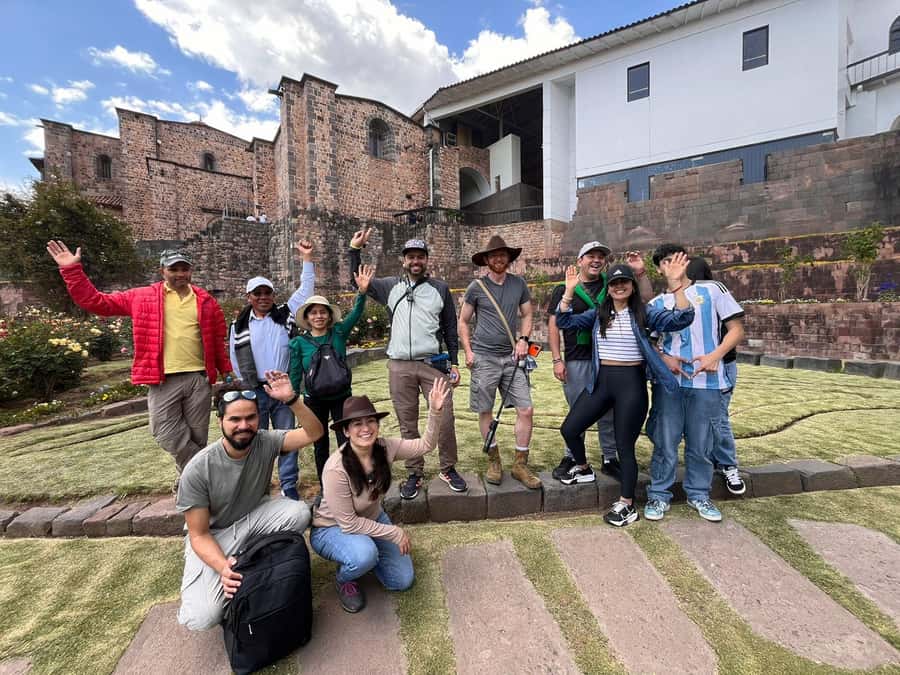
This is a guided route with tourist transportation, which is not just convenience. In Cusco, getting from one Inca area to another quickly helps you keep your energy for the walking. The route also means less decision fatigue. You do not have to figure out local transport stops, timing, or how to regroup.
The tour finishes either near Plaza de Armas or close to Calle Plateros, which is a smart ending point. Plaza de Armas is where you can easily find lunch, a coffee break, and a place to start your next activity without a long commute.
What to expect on foot:
- You will be standing and moving between viewpoints and structures at multiple sites.
- You will need comfortable shoes. The tour explicitly asks for them, which is a polite way of telling you the terrain is not gym-friendly.
If you are coming from another activity right after pickup, consider packing water and sunscreen in advance. Cusco sun can be sneaky, and you do not want to be buying supplies once you are already out.
Price value: what $23 buys you, and what it does not
At $23 per person for a 6-hour guided tour, the value is mainly in three areas:
- Expert guidance at multiple major sites, including Qorikancha, Sacsayhuamán, Qenqo, Puka Pukara, and Tambomachay.
- Transport between scattered locations outside the downtown core.
- Structured time at each stop, so you do not waste your one day in Cusco wandering without context.
What is not included:
- Cusco Cathedral entrance: 50 soles (only on the versions that include it).
- Qorikancha entrance: 15 soles.
- Archaeological zones ticket: 70 soles (noting you can buy it at Sacsayhuamán).
- Anything else not specifically stated.
Then there is the Cusco Tourist Card requirement for accessing Inca sites. The details provided matter: you need to buy it in person, and you must show your passport. For kids under 9, it is free with a passport requirement.
My advice for value-minded travelers: treat the tour price as the guided experience and transport. Then budget separately for entry items and the Tourist Card. When you do that, the whole day feels like a bargain instead of a surprise invoice.
The guide is the difference, and it shows in the details
The tour is built around a professional accredited tour guide, and that is not fluff. Guides change how much you understand, and they also change how much you enjoy the time you spend at each site.
From the guide approach described, you should expect:
- Explanation of history tied to what you see in front of you.
- Clear storytelling in English and Spanish, which helps if your group includes mixed comfort levels.
- Time for questions and picture moments during stops, not just a rushed walk-through.
Names you may see associated with this kind of tour include Luis, Alfredo, Romulo, and Hyame. In particular, guides are praised for switching language smoothly and for answering questions in a way that sticks.
One small but useful mindset shift: Inca sites attract myths and half-truths. A good guide helps you separate what you can observe from what people repeat. That makes the experience feel more real, and it makes your photos more meaningful, because you know what you are photographing.
What to bring so the day stays easy
Cusco rewards good planning. This tour is straightforward, but you will enjoy it more if you show up prepared.
Bring:
- Passport or ID card (important for the Tourist Card requirement)
- Comfortable shoes
- Camera
- Sunscreen
- Water
- Rain gear
- Cash (especially for entrance fees)
Also, dress for changing weather. Even if the morning starts pleasant, conditions can shift fast in the Andes.
Should you book this Cusco Inca city tour?
If you have limited time in Cusco and you want the main Inca highlights in one half-day, I think this is a solid booking. The route is efficient, the guide role matters, and the variety of sites, Qorikancha to fortress to ceremonial centers to water features, gives you a well-rounded view of how Inca Cusco worked.
Book it if:
- You want a guided structure with transport so you can focus on the ruins
- You like learning while standing in front of the actual stones
- You are okay paying site entrance fees in addition to the tour
Consider another option if:
- You want lots of unstructured free time at one single site
- You dislike ticket planning, because you do have multiple entrance items plus the Tourist Card requirement
If you handle the two basics, passport for the Tourist Card and comfortable shoes for the walking, this tour is a practical way to see Cusco’s Inca core before you move on to your next big stop.
More Guided in Cusco
- Machu Picchu: Inca Trail 2-Day Overnight Guided Tour
★ 4.9 · 203 reviews - Full Day Private Guided Tour in Machu Picchu
★ 5.0 · 115 reviews - From Cusco: Machu Picchu Full-Day Guided Tour
★ 4.8 · 81 reviews - Full-Day Trek to Humantay Lake from Cusco with Guide
★ 4.5 · 66 reviews - From Cusco: 4-Day Manu National Park Guided Tour
★ 4.6 · 48 reviews
More Tours in Cusco
- Cusco: Humantay Lake Tour with Breakfast and Buffet Lunch
★ 4.9 · 2,976 reviews - From Cusco: Moray, Maras Salt Mines & Chinchero Weavers Tour
★ 4.8 · 1,925 reviews - From Cusco: Full-Day Group Tour of Machu Picchu
★ 4.7 · 1,767 reviews - Cusco: Half-Day City Tour with Sacsayhuaman and Q’enco
★ 4.6 · 1,129 reviews - Machu Picchu: Full-Day Tour from Cusco with Optional Lunch
★ 4.6 · 927 reviews
More Tour Reviews in Cusco
- Cusco: Humantay Lake Tour with Breakfast and Buffet Lunch
★ 4.9 · 2,976 reviews - From Cusco: Moray, Maras Salt Mines & Chinchero Weavers Tour
★ 4.8 · 1,925 reviews - From Cusco: Full-Day Group Tour of Machu Picchu
★ 4.7 · 1,767 reviews - Machu Picchu Day Trip from Cusco
★ 4.5 · 1,644 reviews - Cusco: Half-Day City Tour with Sacsayhuaman and Q’enco
★ 4.6 · 1,129 reviews
Freshly reviewed across Cusco
- Excursion Cusco – Puno – Titicaca Observatory Train★ 5.0 · 3 reviews
- Sacred Valley Vip Cusco★ 4.7 · 3 reviews
- Cusco | Humantay Lake 1-Day Tour with Breakfast and Lunch★ 5.0 · 3 reviews
- Full-Day Condor Viewpoint & Inca Sites Tour★ 5.0 · 3 reviews
- Best of Cusco: Private Walking Tour with a Local★ 3.6 · 3 reviews
- From Cusco: Full-Day Private Sacred Valley Tour★ 5.0 · 3 reviews
Historical Tours side by side.
 ★ 4.5Lima’s Vibrant Heritage: Exploring the City’s Landmarks Half-dayFrom $39581 reviews
 ★ 4.9Lima: Historic Center Street Food, Market, and Eateries TourFrom $69216 reviews
 ★ 4.4Walking tour in the Historic Center of ArequipaFrom $10180 reviews
 ★ 5.0Historic Downtown, Miraflores & Catacombs Private TourFrom $75100 reviews
 ★ 4.9Arequipa: Walk through the Historic Center of the CityFrom $1587 reviews
 ★ 5.0Machu Picchu Private Archaeological and Historical Guided TourFrom $8086 reviews
 ★ 5.06-Day Cultural Tour to Machu PicchuFrom $99976 reviews
 ★ 4.6Cusco: Historic Walking Tour with Pisco Sour and Music ShowFrom $1065 reviews
Also on these Peru lists