
REVIEW · MACHU PICCHU
Classic Inca Trail 4 days to Machu Picchu
The Inca Trail ends at Machu Picchu. This Classic Inca Trail trek is interesting because the full arc is built in: Cusco to the trailhead, guided hiking through jungle, and Machu Picchu entry with the Sun Gate approach. I love that key logistics like permits and tickets are handled, so you spend less energy on paperwork. I also love that the camping setup and most meals are part of the deal, which keeps the trail day focused on walking and enjoying the route.
One possible drawback to plan around is that operational details on the final stretch can feel inconsistent, including reports of rough toilet conditions and not enough treated water support. That means you should bring your own water filtration and confirm how the guide plans to handle transfers after Machu Picchu, not just during the hike.
In This Review
- Key takeaways before you commit
- Cusco to Km 82, then 4 days of trail rhythm
- Freddy the guide, Armando the cook, and a porter team that does the heavy lifting
- Camping setup, meals, and the comfort reality check
- Inca Trail to Machu Picchu with permits and the Sun Gate approach
- Getting back to Cusco: train from Aguas Calientes and bus to Ollantaytambo
- Price, what you’re really paying for, and where it can feel like value
- The main red flags to plan around (to protect your trip)
- Water support can be unreliable, so bring your own system
- Toilet conditions may be rough on the trail
- Clarify end-of-day responsibilities after Machu Picchu
- Who this Classic 4-day Inca Trail fits best
- Should you book Classic Inca Trail with Quechuas Expeditions?
- FAQ
- What’s included on the Classic 4-day Inca Trail to Machu Picchu?
- What meals are not included?
- How do the logistics work for transportation back to Cusco?
- What group size should I expect?
- What kind of accommodation and gear is provided?
- What should I bring for cold and rain?
- Is this booking refundable if plans change?
Key takeaways before you commit
- Permits and Machu Picchu tickets included, so you can focus on the trek instead of logistics.
- Camping gear and camp setup included, including tents, air mats, cooking tents, plus tables and chairs.
- Freddy-style guiding and Armando-style camp cooking are real strengths when the team is on point.
- Small group size (max 16 travelers) helps keep things smoother than big group treks.
- Bring your own water plan, since treated water support has not always felt reliable.
Other citadel visits, ticket types and start times
- From Cusco: Full-Day Group Tour of Machu Picchu
★ 4.7 · 1,767 reviews - Machu Picchu Day Trip from Cusco
★ 4.5 · 1,644 reviews - Machu Picchu: Full-Day Tour from Cusco with Optional Lunch
★ 4.6 · 927 reviews - Cusco: 4-Day Inca Trail to Machu Picchu with Accommodation
★ 4.8 · 432 reviews
Cusco to Km 82, then 4 days of trail rhythm
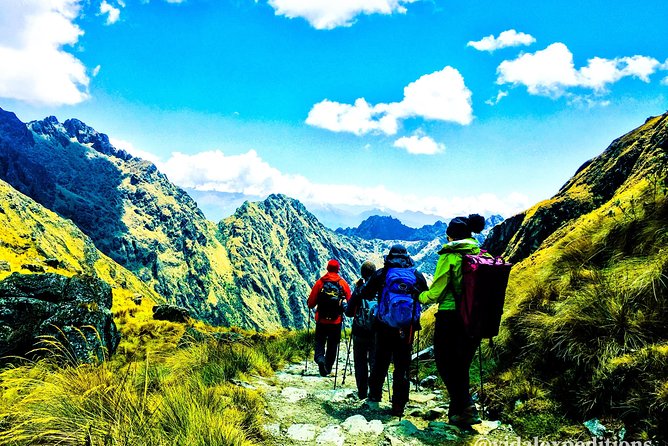
This is built as a true classic, meaning you start in the Cusco region and spend four days working your way along the Inca Trail corridor, with guided time through dense jungle and stops at Incan sites along the way. You’re not just buying a day hike, you’re buying a system: transfer to the trailhead, camping infrastructure, meals, and the return trip after Machu Picchu.
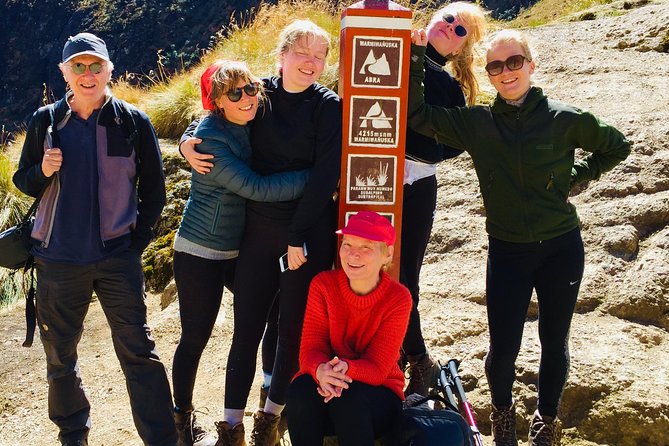
On day one, you’ll be picked up from your Cusco hotel and transferred to km 82, the trail start point. That matters because it saves you from figuring out public transport with trekking gear, which is exactly the kind of stress you do not want on the first day. Once you start walking, you settle into the rhythm that makes the Inca Trail so popular: morning effort, afternoon scenery, and an evening camp reset.
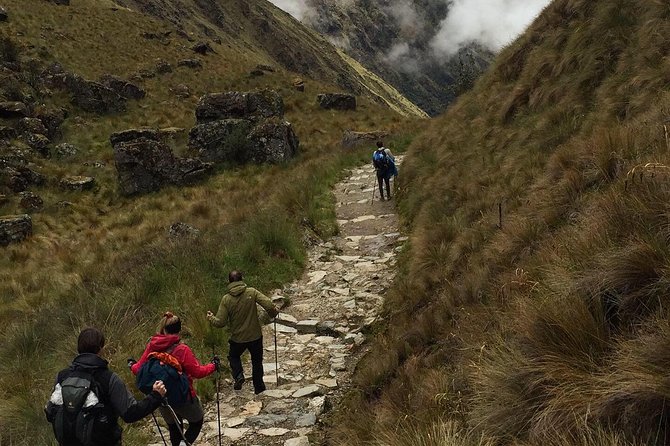
From there, the trail days follow a repeatable pattern. You’ll hike with your guide, you’ll see Incan sites and changing scenery across the route, and you’ll end each day at camp. The “classic” appeal is not just Machu Picchu at the end, it’s the way the trail layers history and altitude with jungle walking. If you like the idea of the journey being part of the experience, this style fits.
A practical note: this trek does require a strong fitness base. If you’re only comfortable doing short hikes, you’ll feel it here. But if you can handle daily trekking with uphill sections and long days, this is a very achievable bucket list route.
Freddy the guide, Armando the cook, and a porter team that does the heavy lifting
The strongest part of this trek experience, when the operation is running well, is the human support. On this route, Freddy is noted for strong knowledge of Quechuan history and culture. That is not trivia fluff. When you’re walking through jungle with ruins and old stone paths around you, a guide who can explain what you’re seeing makes the day feel richer and less like you’re just passing through scenic spots.
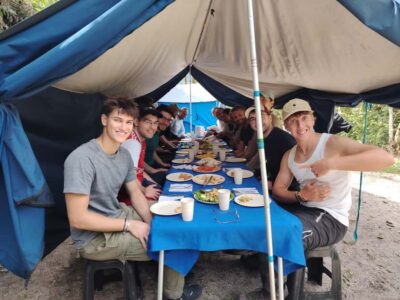
Food quality is another highlight. Armando, the cook, is described as preparing meals worthy of a fine restaurant, even while using camp cooking equipment. That’s a big deal because energy is everything on the Inca Trail. You need meals that help you recover for the next day’s climb.
Then there are the porters. Since the trek includes camping equipment and food, porters carry a lot of what would otherwise make this trip miserable. Porters on this itinerary are described as extremely capable, helpful, and kind. That’s the difference between a trek that feels like hard work and one that feels like hard work with a safety net.
Group size stays small, with a maximum of 16 travelers. Smaller groups typically mean less chaos at decision points, and more time for questions like What am I looking at? and Why does this section matter?
If you care about the quality of the guide team and camp support, this itinerary’s structure gives you a real chance at a great experience.
Camping setup, meals, and the comfort reality check
The trekking package includes camping equipment, including tents, air mats, cooking tents, and portable chairs and tables. It also includes porters to carry all of the camping gear and food. For you, that usually translates into: you carry a reasonable day pack, and the heavy camp work is handled for you.
Meals are covered for most of the trek:
- 4 breakfasts
- 4 lunches
- 3 dinners
You’ll also get a vegetarian option with no extra cost.
At the same time, you should note what’s not included: breakfast on day one and lunch on day four are left out. That means you’ll want to plan how you’ll cover that food gap. Bring snacks you genuinely like, not just “survival snacks,” because long hiking days burn through simple carbs fast.
Even with camp comforts, sleep and weather matter. The trek asks you to bring a sleeping bag rated to -11 C / 12 F, plus rain gear and layers. This isn’t a “hotel bed at altitude” situation. If you show up with inadequate cold protection, the camp will still be camp, and you’ll feel it in your legs the next morning.
Packing smart can save your mood:
- A rain poncho or rain jacket, plus wind/rain pants
- A headlamp for early starts and dark camp moments
- A sunhat and UV-protective sunglasses
- Trekking poles, if you use them
- A good backpack for carrying your personal items during the day
Also, you’ll be given water sterilizing tablets (Micropur). Still, don’t treat that as a guarantee of treated water in every moment of the trek.
Inca Trail to Machu Picchu with permits and the Sun Gate approach
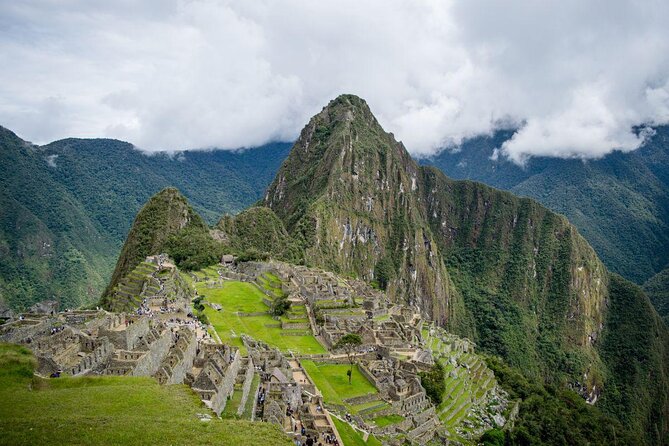
This is the part everyone signs up for: the arrival at UNESCO-listed Machu Picchu. The “classic” route culminates with Machu Picchu and a Sun Gate arrival approach. That timing and arrival style is special because it builds anticipation while still letting you enjoy the final views and the big moment when the site opens up.
Just as important, permits and tickets are included. Machu Picchu entry is not something you want to scramble on last minute, and it’s not something you want to misunderstand with dates and timed access. Having the entry handled removes one of the biggest sources of travel anxiety.
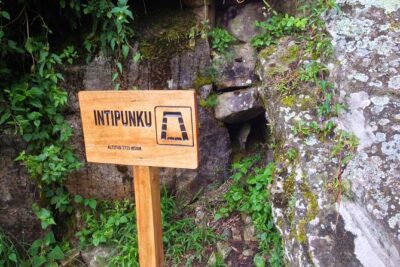
As you hike, the trek is designed to include wonderful Incan sites along the way, not only the end point. That’s key for value. If your entire “history content” is only one afternoon at Machu Picchu, you’d miss the real reason many people fall in love with this trail. Here, the route is structured to give you multiple moments of Incan stonework and meaning before you reach the main stage.
Here’s a real-world tip: protect your energy on the final day. Even if you’re fit, Machu Picchu brings its own physical demands. Plan to arrive with a calm, steady pace, not a sprint mindset, so you can actually enjoy what you’re seeing when you finally get there.
Other Inca Trail departures, permits included
Getting back to Cusco: train from Aguas Calientes and bus to Ollantaytambo
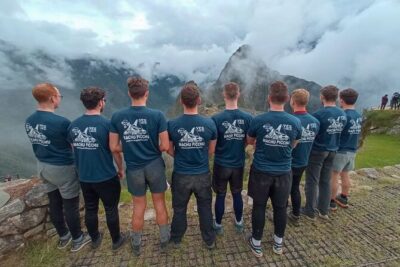
After Machu Picchu, your return logistics are included. You take the train back from Aguas Calientes to Ollantaytambo, then a bus back to Cusco.
That matters because trains and local transfers are the part where people often lose time, money, or sleep. With this itinerary, you avoid the “how do we get from here to there, right now” scramble. It also means you can pack and move with a plan rather than improvising.
One thing to keep in mind is that the guide coverage after Machu Picchu may not be the same for everyone. Some hikers have reported needing to handle parts of the onward journey on their own after arriving in the Machu Picchu area. So your best move is to ask, clearly, what happens at the end and who is responsible for what steps. Write down the sequence for yourself: what you do right after Machu Picchu, when you meet any assistance, and when the train and bus connections begin.
Price, what you’re really paying for, and where it can feel like value
This trek costs $1,050 per person for the four days. That number can look high if you compare it to a self-guided hike in Peru. But the value is in what’s bundled.
You’re paying for:
- Transfers from Cusco to the trailhead (km 82)
- A professional tour guide
- Camping equipment, plus camp cooking setup
- Porters carrying camping gear and food
- Meals for most days, including vegetarian option
- Inca Trail and Machu Picchu permits and tickets
- The train and bus return after Machu Picchu
If you tried to piece all of that together yourself, the costs would creep up quickly, and the risk of mishaps would climb just as fast. Permits, timed entries, and operator-managed camping are not “nice to have” items. They’re the spine of the experience.
That said, price only feels fair when operations run smoothly. When camp logistics or end-of-trip guidance are weaker, you may feel the cost more sharply. If you’re the kind of traveler who hates surprises, treat this like a serious purchase: ask questions in advance, show up packed for weather and cold, and build in contingency for water and toilet realities.
The main red flags to plan around (to protect your trip)
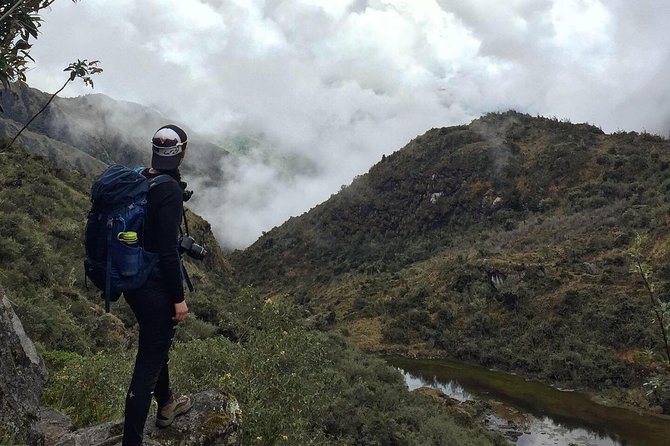
This itinerary has real strengths. It also has a few operational pressure points you should treat seriously.
Water support can be unreliable, so bring your own system
Even though the provided kit includes water sterilizing tablets (Micropur), there have been reports that treated or filtered water wasn’t consistently available. Don’t bank on being handed safe drinking water at every stage.
My practical advice:
- Bring your own water filtration method if you already use one
- Bring the included tablets as backup
- Start using your system early, not after you feel thirsty
Toilet conditions may be rough on the trail
Camping on the Inca Trail involves trail constraints. But there are reports that portable toilet support and cleanliness can be worse than what other operators offer. In a multi-day trek, this is not a small issue. If hygiene is important to your comfort, plan for the reality of outdoor facilities.
Bring what helps you cope:
- Wipes and basic hygiene items from your personal kit
- Toilet paper from your packing list
- Good hand sanitizer habits
Clarify end-of-day responsibilities after Machu Picchu
There have been reports of the guide not staying with the group through the entire chain from Machu Picchu to the hotel return. That doesn’t mean you’ll be stranded. It does mean you should confirm expectations. Ask:
- Who stays with the group after Machu Picchu?
- Where do you connect for the train and bus?
- How do you retrieve any equipment left in town?
If you get clear answers up front, you remove the biggest risk of confusion at the finish line.
Who this Classic 4-day Inca Trail fits best
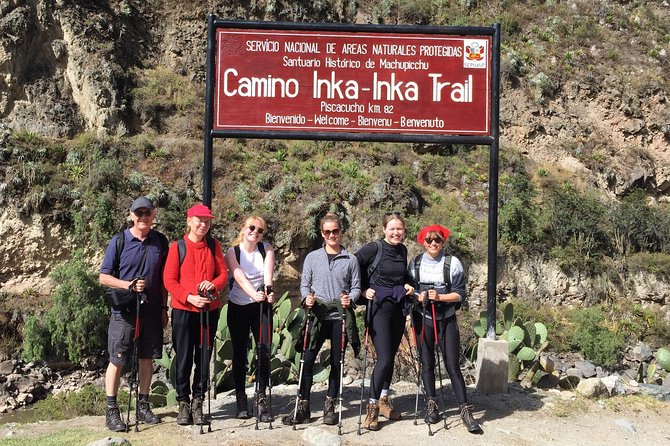
This trek fits best if you:
- Want Machu Picchu plus a multi-day Inca Trail experience, not just a single-day visit
- Like guided interpretation, including culture explanations (this guide team is part of the appeal)
- Prefer organized logistics for permits, camping, meals, and transport
- Can handle daily trekking and changing weather with a serious packing list
It also fits families only in theory. The data stresses strong physical fitness. And camping days are not light comfort. If you’re bringing kids, you’d need to judge fitness carefully, but that level of suitability isn’t spelled out in the provided details.
For solo travelers: this is small group travel with max 16 travelers, so you’re not alone in the process, but you can still keep your day-to-day pace and personal space.
Should you book Classic Inca Trail with Quechuas Expeditions?
If you want a classic Inca Trail package where permits, camping gear, meals, and the return train and bus are handled, this can be strong value at $1,050. I like that the trip is structured for real trail living, not just a tour bus to a viewpoint.
But I would only book with confidence if you’re willing to plan for the weak spots: water reliability, toilet conditions, and clarity at the end after Machu Picchu. If you can handle that checklist, you’re likely to get what you came for, the hike, the jungle route, the Incan sites along the way, and that Sun Gate moment into Machu Picchu.
FAQ
What’s included on the Classic 4-day Inca Trail to Machu Picchu?
The package includes pickup from your Cusco hotel and transfer to km 82 (trailhead), a professional tour guide, camping equipment (tents, air mats, cooking tents, and portable chairs and tables), and porter support for camping equipment and food. Meals are included for most days (4 breakfasts, 4 lunches, and 3 dinners, with a vegetarian option at no extra cost). It also includes Inca Trail and Machu Picchu permits and tickets, plus train and bus transport for the return route from Aguas Calientes to Ollantaytambo, then bus back to Cusco.
What meals are not included?
Breakfast on day one and lunch on day four are not included.
How do the logistics work for transportation back to Cusco?
After Machu Picchu, the tour includes a train from Aguas Calientes to Ollantaytambo, then a bus ride back to Cusco.
What group size should I expect?
This tour/activity has a maximum of 16 travelers.
What kind of accommodation and gear is provided?
You’ll have camping accommodations, including tents and air mats, plus cooking tents and portable chairs and tables. Porters carry the camping equipment and food.
What should I bring for cold and rain?
You should bring a sleeping bag rated to -11 C / 12 F, plus rain gear such as a rain poncho or rain jacket and wind/rain pants. Other requested items include a headlamp, trekking poles, UV-protective sunglasses, a hat, sunscreen, and a water bottle, along with your personal toilet and medicine kit.
Is this booking refundable if plans change?
No. The experience is non-refundable and cannot be changed for any reason.
More Tour Reviews in Cusco
- Cusco: Humantay Lake Tour with Breakfast and Buffet Lunch
★ 4.9 · 2,976 reviews - From Cusco: Moray, Maras Salt Mines & Chinchero Weavers Tour
★ 4.8 · 1,925 reviews - From Cusco: Full-Day Group Tour of Machu Picchu
★ 4.7 · 1,767 reviews - Machu Picchu Day Trip from Cusco
★ 4.5 · 1,644 reviews - Cusco: Half-Day City Tour with Sacsayhuaman and Q’enco
★ 4.6 · 1,129 reviews
Other Inca Trail Departures
- Cusco: 4-Day Inca Trail to Machu Picchu with Accommodation
★ 4.8 · 432 reviews - Cusco: Machu Picchu 2-Day Inca Trail with Panoramic Train
★ 4.9 · 260 reviews - From Cusco: 2-Day Inca Trail to Machu Picchu
★ 4.2 · 244 reviews - Machu Picchu: Inca Trail 2-Day Overnight Guided Tour
★ 4.9 · 203 reviews - Short Inca trail to MachuPicchu || 2days – 1nigth ||
★ 5.0 · 103 reviews
Reaching the Citadel, Other Options
- From Cusco: Full-Day Group Tour of Machu Picchu
★ 4.7 · 1,767 reviews - Machu Picchu Day Trip from Cusco
★ 4.5 · 1,644 reviews - Machu Picchu: Full-Day Tour from Cusco with Optional Lunch
★ 4.6 · 927 reviews - Cusco: 4-Day Inca Trail to Machu Picchu with Accommodation
★ 4.8 · 432 reviews - From Cusco: 2-Day Trip to the Sacred Valley and Machu Picchu
★ 4.6 · 265 reviews
Freshly reviewed across Cusco
- Excursion Cusco – Puno – Titicaca Observatory Train★ 5.0 · 3 reviews
- Sacred Valley Vip Cusco★ 4.7 · 3 reviews
- Cusco | Humantay Lake 1-Day Tour with Breakfast and Lunch★ 5.0 · 3 reviews
- Full-Day Condor Viewpoint & Inca Sites Tour★ 5.0 · 3 reviews
- Best of Cusco: Private Walking Tour with a Local★ 3.6 · 3 reviews
- From Cusco: Full-Day Private Sacred Valley Tour★ 5.0 · 3 reviews
Machu Picchu Tours side by side.
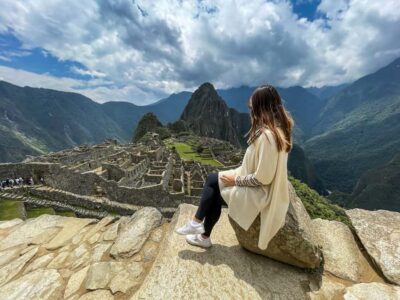 ★ 4.7From Cusco: Full-Day Group Tour of Machu PicchuFrom $3211,767 reviews
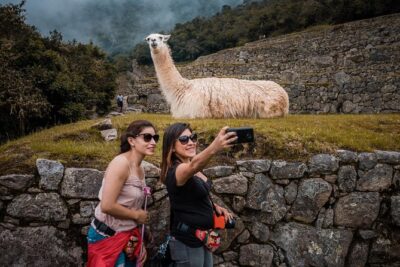 ★ 4.5Machu Picchu Day Trip from CuscoFrom $3361,644 reviews
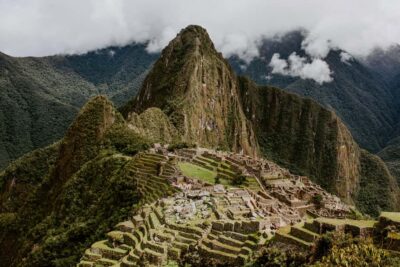 ★ 4.6Machu Picchu: Full-Day Tour from Cusco with Optional LunchFrom $283927 reviews
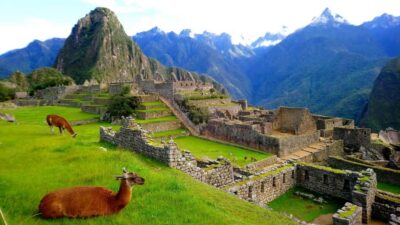 ★ 4.8Cusco: 4-Day Inca Trail to Machu Picchu with AccommodationFrom $470432 reviews
 ★ 4.6From Cusco: 2-Day Trip to the Sacred Valley and Machu PicchuFrom $370265 reviews
 ★ 4.9Cusco: Machu Picchu 2-Day Inca Trail with Panoramic TrainFrom $582260 reviews
 ★ 4.2From Cusco: 2-Day Inca Trail to Machu PicchuFrom $290244 reviews
 ★ 4.9Machu Picchu: Inca Trail 2-Day Overnight Guided TourFrom $585203 reviews
Also on these Peru lists