
REVIEW · MACHU PICCHU
Classic Inca Trail 4 Days to Machu Picchu
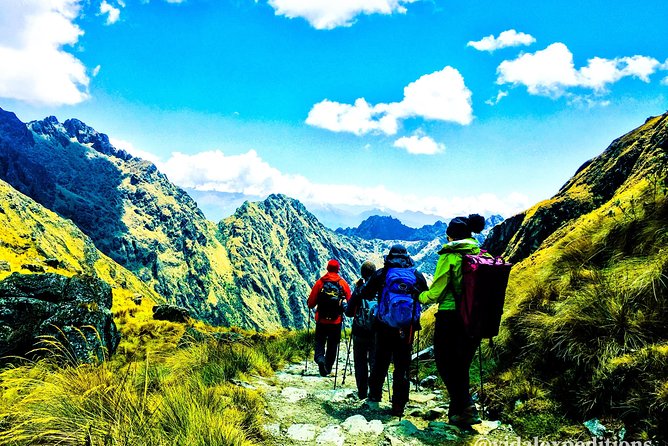
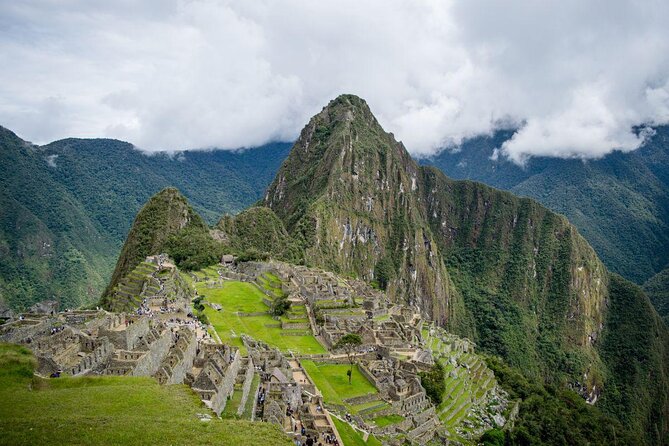
Four days later, Machu Picchu feels personal. This Classic Inca Trail trek strings together real Inca ruins, high mountain passes, and a guided walk into Machu Picchu, with camping and meals handled for you. You start near Km 82, hike through cloud-forest scenery, and end with the Sun Gate view before exploring the site.
I love the way the route mixes archaeological stops with physical effort, so you are not just walking from point A to B. I also really like the small-group setup and the attention from the crew, including a chef team that people describe as careful with comfort and special moments.
The main thing to weigh is the altitude and effort. This is not a casual hike, with a highest pass around 4,216 meters, so you’ll want fitness, pacing, and acclimatization days in Cusco.
In This Review
- Key highlights at a glance
- Why this trek feels classic, not cookie-cutter
- Day 1: Llactapata, Km 82, and your first Inca viewpoint
- Day 2: The hardest day, the 4,216-meter pass, and camp at Pacaymayu
- Day 3: Puyupatamarca to the Machu Picchu mountain view, plus Runkuracay
- Runkuracay stop: a short visit with a long shadow
- Day 4: Inti Punku (Sun Gate), Machu Picchu exploration, and the return to Cusco
- Price and value: what $820 actually buys you
- Altitude and fitness: how to set yourself up to finish strong
- Camping, food, and sleeping: basic comfort done right
- Machu Picchu day: Sun Gate first, then a guided walk you can actually follow
- Who this tour suits best
- Should you book this Inca Trail with Vidal Expeditions?
- FAQ
- FAQ
- How long is the Classic Inca Trail trek to Machu Picchu?
- What is the meeting point for this tour?
- What is included in the price?
- What meals are not included?
- Do I need a sleeping bag?
- How comfortable is the camping setup?
- Is there a sleeping arrangement for couples?
- What are the high altitude points on the itinerary?
- How do you return to Cusco after Machu Picchu?
- What’s the group size?
Key highlights at a glance
- Small group size (max 8), which keeps the pace steadier and the guide’s attention focused.
- Camping setup included, with tents for two and basic sleeping pads, plus porters and a cook for shared gear.
- Two serious high passes on days 2 and 3, plus the big Sun Gate push on day 4.
- Admission tickets included for Llactapata, the Inca Trail sections, Puyupatamarca, Runkuracay, Inti Punku, and the Machu Picchu sanctuary.
- Professional bilingual guiding on the trek and the Machu Picchu visit.
- Train and bus back to Cusco included, so you’re not hunting schedules after a long day.
Other citadel visits, ticket types and start times
- From Cusco: Full-Day Group Tour of Machu Picchu
★ 4.7 · 1,767 reviews - Machu Picchu Day Trip from Cusco
★ 4.5 · 1,644 reviews - Machu Picchu: Full-Day Tour from Cusco with Optional Lunch
★ 4.6 · 927 reviews - Cusco: 4-Day Inca Trail to Machu Picchu with Accommodation
★ 4.8 · 432 reviews
Why this trek feels classic, not cookie-cutter
The Inca Trail is famous for a reason, but the best versions do two things at once: they give you great hiking and they also teach you what you’re actually seeing. This 4-day classic route hits both, with Inca sites sprinkled into the walking days, so the ruins feel like part of the trail rhythm.
I like that you begin with Llactapata, not a random warm-up. It sets expectations early: high viewpoints, stonework that still holds a sense of purpose, and a guide explaining what you’re looking at before you hit the bigger climbs.
The other reason this feels classic is the pacing of the days. Day 2 is your big grind day, Day 3 is the scenic high-and-cloud-forest day, and Day 4 is the emotional finish that starts with Inti Punku Sun Gate. By the time you reach Machu Picchu, you’ve had enough time on the trail that the final view lands with real impact, not just as a photo stop.
Day 1: Llactapata, Km 82, and your first Inca viewpoint
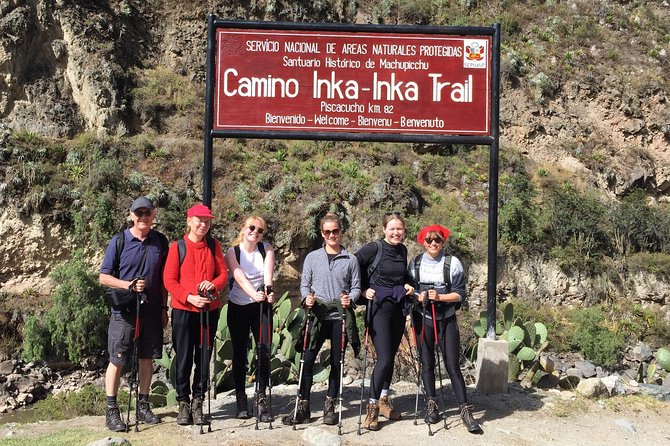
Day 1 starts with pickup from Cusco hotels and a drive to the trailhead at Km 82. After checkpoint time, you hike into the Llactapata Archaeological Zone, taking time to explore the ruins and hear the story from your guide. This is not a rushed “look and go” stop. You get the context first, then you get the views.
Llactapata is a strong opener because it shows how Inca architecture worked with the terrain. You’re standing above and around stone structures, with sightlines that help you understand why these locations mattered. Even if you only remember a few details, you tend to remember the feeling here: the sense that the trail is guiding you through linked places, not a series of disconnected stops.
After exploring Llactapata, you move on to your lunch spot and then continue toward the next camp plan. One practical note: your first day still matters for logistics. You want to get your boots sorted, water routine set, and breathing calm before you meet the steeper work later.
What to watch for on Day 1:
- Don’t race the hike after the drive, even if you feel good at first.
- Your body will still be adjusting to altitude as you climb higher later in the trek.
Day 2: The hardest day, the 4,216-meter pass, and camp at Pacaymayu
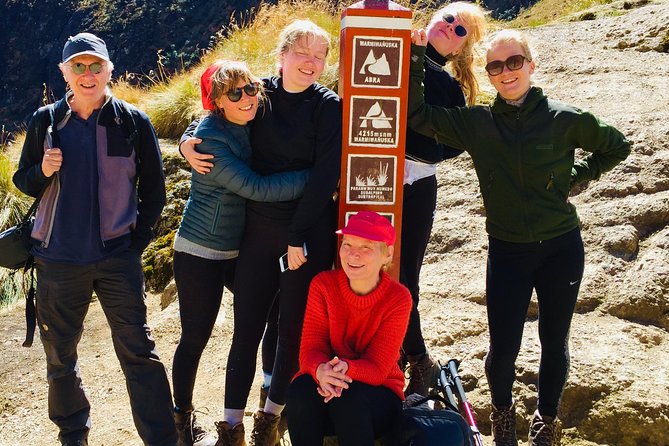
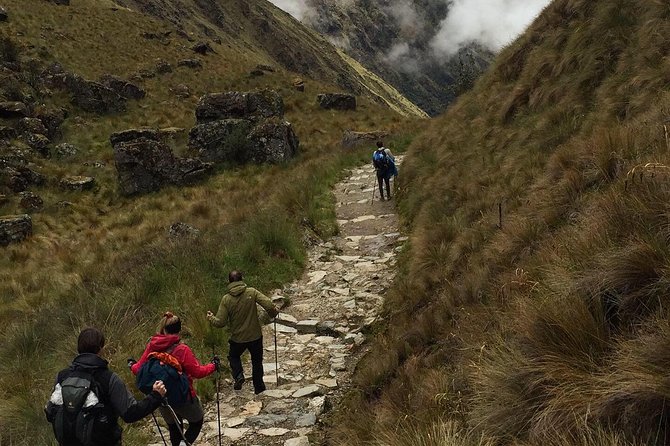
This is the day that makes the phrase “Inca Trail” feel real. You hike through the classic route and the toughest stretch is reaching the highest pass at 4,216 meters (about 5 hours to get there). Expect a steady climb, rhythm hiking, and a lot of focus on breath control. This is the kind of day where smart pacing beats hero mode.
Once you reach the summit, the payoff is immediate. You rest, take in the surrounding views, and then you start descending for a few hours toward lunch and camp. The altitude on this day is serious, so the descent matters, it is where you start feeling like the day is moving from effort to recovery.
After lunch, you end up camping around 3,600 meters at Pacaymayu. That matters because your sleep will feel different at altitude, and your body will be working overnight to adjust. You’ll want to take advantage of downtime: hydrate (within what you’ve brought), eat what they serve, and keep warm.
What I think you should prepare for:
- A hike where your thoughts drift to your legs more than your camera.
- Big weather swings up high, so layers are not optional.
Day 3: Puyupatamarca to the Machu Picchu mountain view, plus Runkuracay
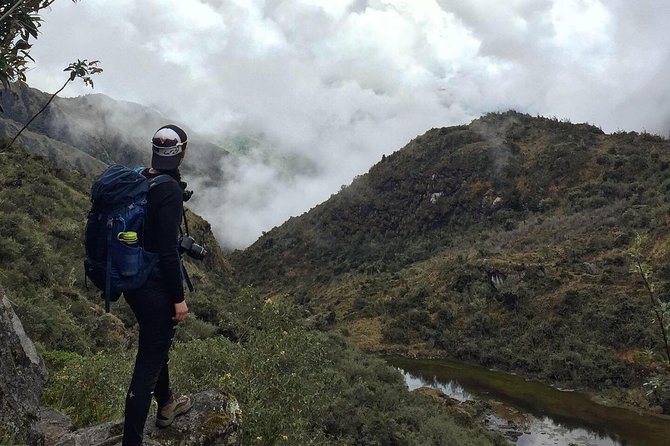
Day 3 is the most scenic combo of effort and change in scenery. After breakfast, you start with one of the most photogenic stretches: the trail moving between high mountain terrain and cloud-forest conditions. You’ll hike up to another pass around 3,960 meters, then come down for lunch.
During the morning hike, you also explore Inca sites where your guide explains what you’re looking at. That’s part of what makes this day work. You’re not just climbing, you’re learning how the Inca used these routes and platforms, and you can see why the trail mattered beyond ritual.
After lunch, the hike gradually climbs to your last pass of the day, around 3,660 meters. From that point, you can see the Machu Picchu mountain, and then the trail descends for a couple of hours toward camp. You also get some afternoon time to visit additional Inca sites with impressive viewpoints.
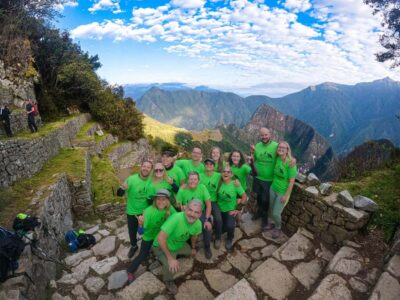
Then comes a human touch. During dinner, your guide organizes a ceremony to say thanks to the team, and you take another path toward the town afterward. I like this detail because it shifts the day from “sport” into “shared experience.” It also helps the group feel like one unit, not just a line of hikers.
After dinner and wherever your camp routine sets up, you’ll still have the main finish day to come, so keep your energy. Save the final big push for Day 4.
Other Inca Trail departures, permits included
Runkuracay stop: a short visit with a long shadow
Runkuracay gets a bit of time in the schedule, and it can be easy to treat it like a quick photo stop. Don’t.
You’ll explore it while your guide explains the history, and you get time to capture photos. Even with limited minutes, these small stops help you connect the sites in your head. By the time you’re walking through the higher sections toward Machu Picchu, you’ll remember what Runkuracay looked like and you’ll understand why that’s useful.
Day 4: Inti Punku (Sun Gate), Machu Picchu exploration, and the return to Cusco
Day 4 is where the route turns emotional. You check the next control and hike to Inti Punku, the Sun Gate. The trail runs through dense high rain-forest, which means you should expect humidity, mist, and the need to keep your gear dry-ish and accessible.
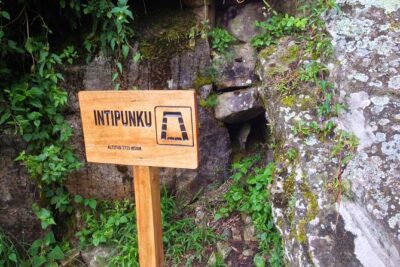
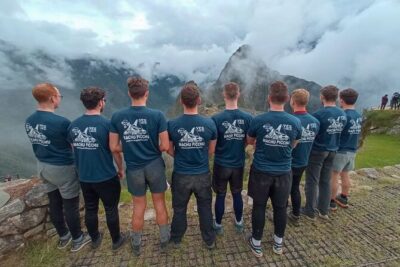
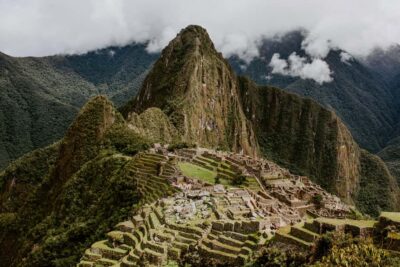
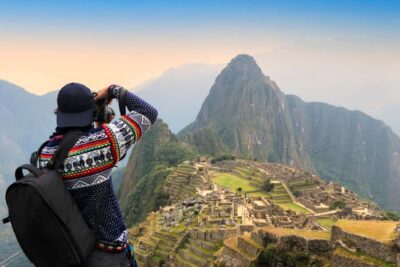
After a few hours, you arrive at Inti Punku for your first big view of Machu Picchu. You take time for a snack, rest, and enjoy the moment before continuing downhill toward Machu Picchu itself. This first view is the reason most people remember the trek, because it gives you that split-second transition from hiking to history that looks alive.
From there, you go to Machu Picchu and start with the classic photo viewpoint, with time to use restrooms or grab a coffee. Then you return for deeper exploration with your guide, where you’ll cover the most outstanding areas of the site. You spend hours there, then head out and down to Aguas Calientes for lunch. In the afternoon, the package includes the train back to Ollantaytambo followed by bus to Cusco.
Practical takeaway:
- Plan on leaving Machu Picchu feeling like you earned it. Not because you were fast, because you were present for the whole route.
Price and value: what $820 actually buys you
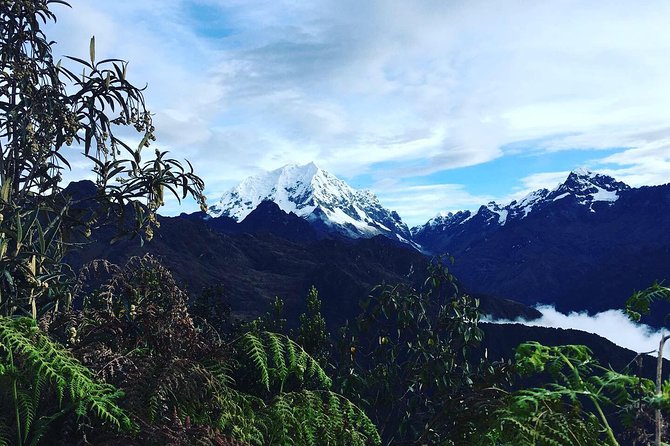
At $820 per person, this trek isn’t cheap, but it is also not trying to be budget travel. The value comes from what is included that would be a headache to arrange yourself: guide labor on both the trek and Machu Picchu, camp gear logistics, porters and a cook, admission tickets for multiple sites, and the train and bus return.
Here’s what you are getting for your money:
- A professional bilingual guide for the trek and Machu Picchu tour
- Camping accommodation (tents for two and basic sleeping pads)
- Porters and cook carrying shared equipment
- Meals on the trail: 3 breakfasts, 3 lunches, 3 dinners
- Train Aguas Calientes to Ollantaytambo (2 hours)
- Admission tickets for the key archaeological and Machu Picchu sections
- A small group size (max 8), which can make a real difference in how the day feels
What’s not included matters for budgeting:
- Day 1 breakfast and Day 4 lunch
- Bottled water
- A sleeping bag
- Tips
- Optional inflatable sleeping mattress for $15 USD for the trek
My simple verdict: if you want a managed, guided Inca Trail experience where the hard parts are taken care of, this price can feel fair. If you plan to self-organize camp gear, tickets, permits, and timing, you might save money, but you’ll likely spend your energy where you should be spending it on the hike.
Altitude and fitness: how to set yourself up to finish strong
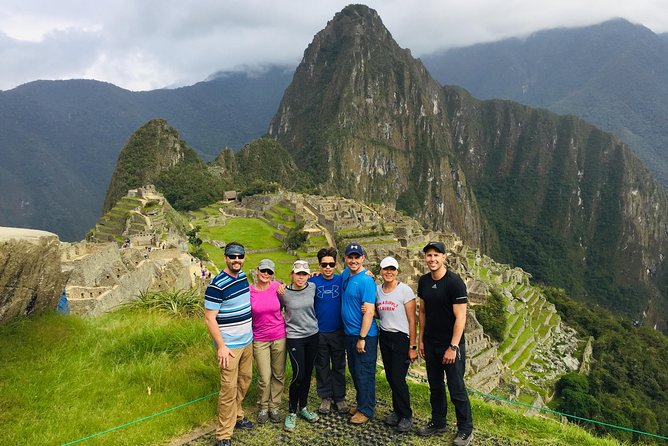
This route repeatedly climbs above 3,600 meters and peaks at about 4,216 meters. You can be fit and still feel altitude. The best plan is to arrive in Cusco a few days early so you can acclimatize, and then follow a slow, steady hiking pace.
Your biggest fitness marker should be this: can you hike for hours while maintaining a controlled breathing rhythm? The itinerary includes a day where it takes roughly 5 hours to reach the highest pass. That’s long and sustained, even if the trail sometimes looks manageable.
Also, bring the right mental gear. On summit days, motivation is helpful, but pacing is more helpful. The summit is not won by sprinting. It’s won by keeping your effort consistent.
A few practical tips that matter on a trail like this:
- Pack layers for cool mornings and warmer midday temps.
- Keep your energy for Day 4, even if Day 3 feels tough.
- Don’t skip hydration, but don’t overdo it either.
Camping, food, and sleeping: basic comfort done right
Camping is included, with tents that fit two people and basic sleeping pads. There is also an option to add an inflatable sleeping mattress for $15 USD. I’d think about that if you know your back struggles with hard surfaces.
Your sleeping gear is not fully covered. A sleeping bag is not included, so you’ll need to bring one that handles cold nights at altitude. The tents and pads help, but they are not a replacement for proper warmth.
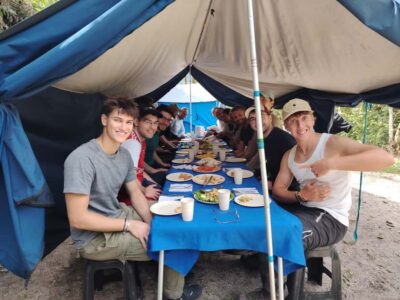
Food is handled by the chef and cook team, and people describe the meals as attentive and good enough to look forward to after hiking. The chef team is also noted for special touches, like baking a cake for a birthday. Those moments sound small until you’ve been living the same routine for days. Then you appreciate the care.
When you’re on a trek, the “comfort” part is mostly about routine. Eating on schedule, getting warm after dinner, and letting your body recover. This itinerary gives you the structure to do that.
Machu Picchu day: Sun Gate first, then a guided walk you can actually follow
The Machu Picchu visit is not only about reaching the big viewpoint. It’s about understanding what you’re seeing while you’re there. Your guide helps you explore the outstanding areas, so you’re not wandering with a vague map and a tired head.
The sequence also matters. You see Machu Picchu first from Inti Punku Sun Gate, then you go down and visit Machu Picchu itself, with time for restrooms and the classic photo spot. This order is good because it gives you context before you step into the main ruins.
One more thing I like: the schedule includes time to explore after you arrive, not just a quick pass. You’ll spend hours on site, which is exactly what you want. Machu Picchu isn’t a place where you benefit from speed.
Who this tour suits best
This tour fits you if:
- You want a guided Inca Trail with professional support and admission tickets handled
- You are comfortable with a serious hike, including a 4,216-meter pass
- You like a small-group feel (max 8)
- You want camping plus a structured return to Cusco by train and bus
It may not fit you if:
- You want a low-effort trip, because this includes long days and steep sections
- You don’t have altitude tolerance, or you cannot do the acclimatization approach in Cusco
- You are missing key gear like a sleeping bag
Should you book this Inca Trail with Vidal Expeditions?
I’d book this if you want the classic route done the practical way, with a crew that handles camp setup and meals and a guide who keeps the experience connected from Llactapata all the way to Machu Picchu.
I’d pause and plan carefully if altitude is your weak spot, because the route is physically demanding. Your best move is simple: train before you go, bring a proper sleeping bag, and take acclimatization seriously in Cusco.
If weather is a worry for you, note that the experience requires good weather. If it’s canceled for poor weather, you’ll be offered another date or a full refund. The trek itself is also non-refundable if you cancel for personal reasons, so make sure your plans are solid before booking.
FAQ
FAQ
How long is the Classic Inca Trail trek to Machu Picchu?
It runs for about 4 days.
What is the meeting point for this tour?
The ticket redemption point is VIDAL EXPEDITIONS PERU, Urb, Santiago, Cusco 08007, Peru.
What is included in the price?
A professional bilingual guide, camping accommodation during the trek, porters and a cook for shared equipment, meals (3 breakfasts, 3 lunches, 3 dinners), admission tickets for the listed sites, and the tourist train from Aguas Calientes to Ollantaytambo.
What meals are not included?
Day 1 breakfast and Day 4 lunch are not included. Bottled water is also not included.
Do I need a sleeping bag?
Yes. A sleeping bag is not included.
How comfortable is the camping setup?
You get a tent for two people and a basic sleeping pad. You can also add an inflatable sleeping mattress for $15 USD for the trek.
Is there a sleeping arrangement for couples?
Tents are provided for two people. You should plan to share a tent setup as part of the group arrangement.
What are the high altitude points on the itinerary?
The highest pass is about 4,216 meters. Camps include around 3,600 meters, and Day 3 includes passes around 3,960 meters and 3,660 meters.
How do you return to Cusco after Machu Picchu?
You take the train from Aguas Calientes to Ollantaytambo, then a bus to Cusco in the afternoon.
What’s the group size?
The tour has a maximum of 8 travelers.
More Tour Reviews in Cusco
- Cusco: Humantay Lake Tour with Breakfast and Buffet Lunch
★ 4.9 · 2,976 reviews - From Cusco: Moray, Maras Salt Mines & Chinchero Weavers Tour
★ 4.8 · 1,925 reviews - From Cusco: Full-Day Group Tour of Machu Picchu
★ 4.7 · 1,767 reviews - Machu Picchu Day Trip from Cusco
★ 4.5 · 1,644 reviews - Cusco: Half-Day City Tour with Sacsayhuaman and Q’enco
★ 4.6 · 1,129 reviews
Other Inca Trail Departures
- Cusco: 4-Day Inca Trail to Machu Picchu with Accommodation
★ 4.8 · 432 reviews - Cusco: Machu Picchu 2-Day Inca Trail with Panoramic Train
★ 4.9 · 260 reviews - From Cusco: 2-Day Inca Trail to Machu Picchu
★ 4.2 · 244 reviews - Machu Picchu: Inca Trail 2-Day Overnight Guided Tour
★ 4.9 · 203 reviews - Short Inca trail to MachuPicchu || 2days – 1nigth ||
★ 5.0 · 103 reviews
Reaching the Citadel, Other Options
- From Cusco: Full-Day Group Tour of Machu Picchu
★ 4.7 · 1,767 reviews - Machu Picchu Day Trip from Cusco
★ 4.5 · 1,644 reviews - Machu Picchu: Full-Day Tour from Cusco with Optional Lunch
★ 4.6 · 927 reviews - Cusco: 4-Day Inca Trail to Machu Picchu with Accommodation
★ 4.8 · 432 reviews - From Cusco: 2-Day Trip to the Sacred Valley and Machu Picchu
★ 4.6 · 265 reviews
Freshly reviewed across Cusco
- Excursion Cusco – Puno – Titicaca Observatory Train★ 5.0 · 3 reviews
- Sacred Valley Vip Cusco★ 4.7 · 3 reviews
- Cusco | Humantay Lake 1-Day Tour with Breakfast and Lunch★ 5.0 · 3 reviews
- Full-Day Condor Viewpoint & Inca Sites Tour★ 5.0 · 3 reviews
- Best of Cusco: Private Walking Tour with a Local★ 3.6 · 3 reviews
- From Cusco: Full-Day Private Sacred Valley Tour★ 5.0 · 3 reviews
Machu Picchu Tours side by side.
 ★ 4.7From Cusco: Full-Day Group Tour of Machu PicchuFrom $3211,767 reviews
 ★ 4.5Machu Picchu Day Trip from CuscoFrom $3361,644 reviews
 ★ 4.6Machu Picchu: Full-Day Tour from Cusco with Optional LunchFrom $283927 reviews
 ★ 4.8Cusco: 4-Day Inca Trail to Machu Picchu with AccommodationFrom $470432 reviews
 ★ 4.6From Cusco: 2-Day Trip to the Sacred Valley and Machu PicchuFrom $370265 reviews
 ★ 4.9Cusco: Machu Picchu 2-Day Inca Trail with Panoramic TrainFrom $582260 reviews
 ★ 4.2From Cusco: 2-Day Inca Trail to Machu PicchuFrom $290244 reviews
 ★ 4.9Machu Picchu: Inca Trail 2-Day Overnight Guided TourFrom $585203 reviews
Also on these Peru lists