
REVIEW · MACHU PICCHU
Cusco: 5-Day Salkantay Ultimate Trek to Machu Picchu
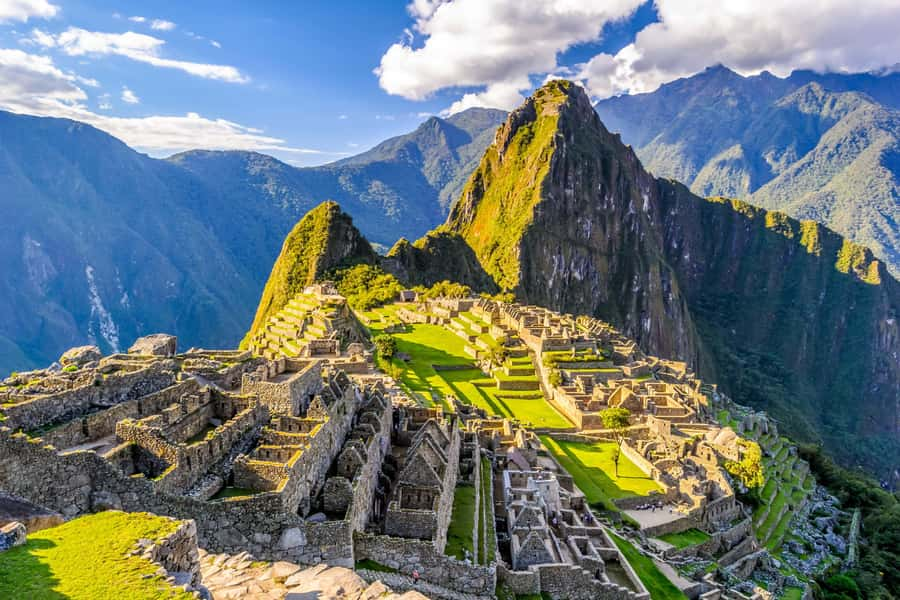
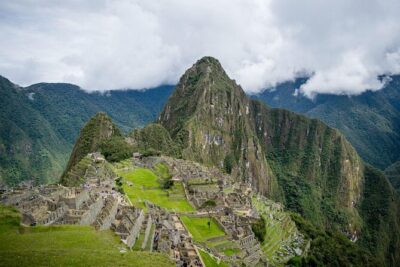
Five days, one serious Andean route. This trek ties together big mountain drama, a glacial lagoon stop, and a guided Machu Picchu day that helps you read what you are seeing, not just pose for photos. The star moment is crossing Salkantay Pass, where the views feel like they keep going forever.
I especially like the stop at Humantay Lake. The color shift as the light hits the water is the kind of detail you remember long after the climb. I also like the human side in Lucmabamba, where you stay with a family connected to their coffee work, so the trip is not only hiking.
One thing to consider: this is an altitude-focused trek with camping nights. If altitude hits you easily, or if you have back issues, this likely will not be your route.
In This Review
- Key points that make this trek worth your time
- Why this Salkantay route feels like value, not just a bucket-list hike
- Day 1: Soraypampa at 3,800 m, then Humantay Lake at 4,200 m
- Day 2: Salkantay Pass at 4,630 m, then down into high-altitude jungle
- Day 3: Cloud forest descent to Playa Sahuayaco, then Lucmabamba at 2,000 m
- Day 4: Llactapata terraces from the Inca trail, then Hydroelectric Station to Aguas Calientes
- Day 5: Guided Machu Picchu, then Huayna Picchu or Machu Picchu Mountain
- Food, camps, and the support team that makes Salkantay doable
- Price check: what $669 covers, and what it means for your decision
- Who should book this Salkantay Ultimate Trek
- What to pack and how to stay comfortable on the trail
- Should you book this Salkantay and Machu Picchu trek?
- FAQ
- Is this trek 5 days long?
- What meals are included during the trek?
- Do I need to bring a sleeping bag?
- Do you provide water during the hike?
- What about Machu Picchu and optional hikes like Huayna Picchu?
- What kind of lodging do I sleep in?
- What do I need for cancellation?
Key points that make this trek worth your time
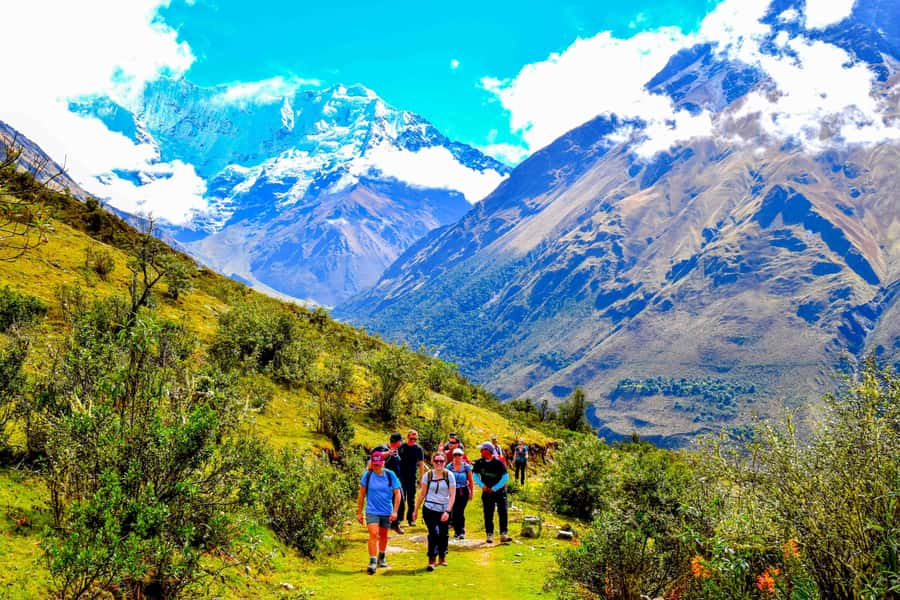
- Salkantay Pass views at 4,630 m: you earn the big panorama, not by rushing, but by climbing into it.
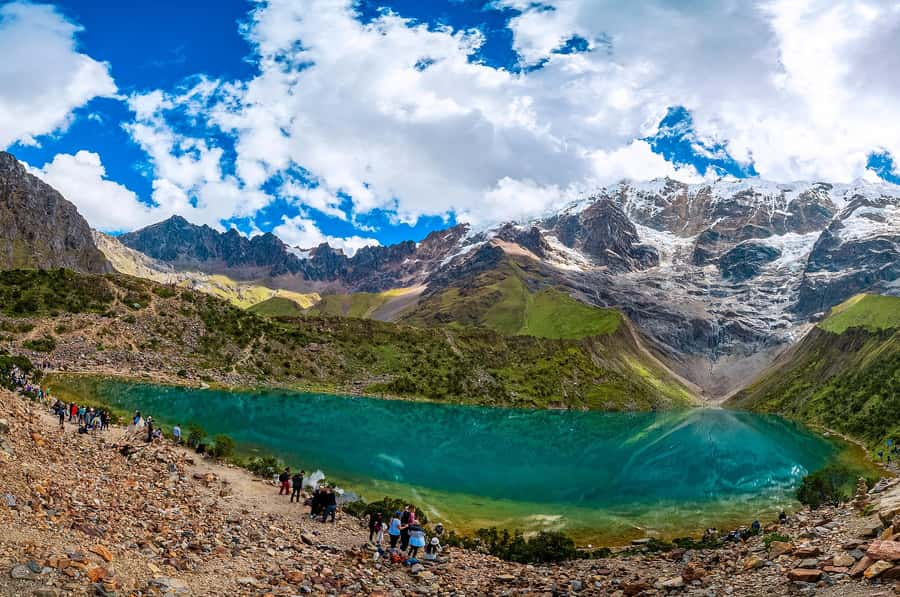
- Humantay Lake at 4,200 m: a glacial lagoon stop that makes the early days feel real and immediate.
- Lucmabamba family stay and coffee farm learning: you get daily-life context, not just a scenic photo stop.
- Llactapata as your Machu Picchu warm-up: terraces and an angled first look before the main citadel.
- Support team, horses, and camp comforts: you carry only a limited personal load, and meals are handled for you.
Other citadel visits, ticket types and start times
- From Cusco: Full-Day Group Tour of Machu Picchu
★ 4.7 · 1,767 reviews - Machu Picchu Day Trip from Cusco
★ 4.5 · 1,644 reviews - Machu Picchu: Full-Day Tour from Cusco with Optional Lunch
★ 4.6 · 927 reviews - Cusco: 4-Day Inca Trail to Machu Picchu with Accommodation
★ 4.8 · 432 reviews
Why this Salkantay route feels like value, not just a bucket-list hike
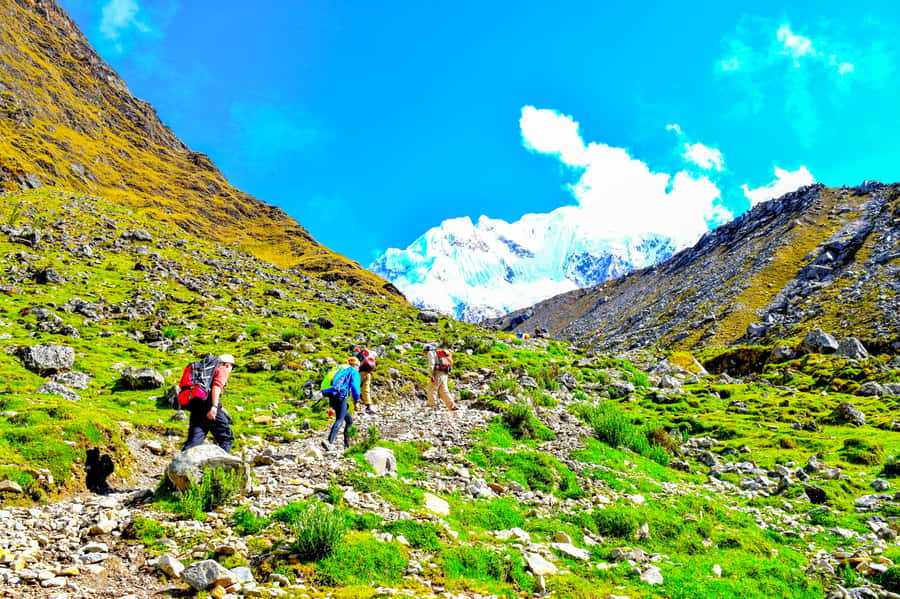
At $669 per person, this trek is priced like a true guided experience, not a bare-bones hike where you figure everything out yourself. You are paying for several things that matter on the Salkantay route: professional guides, a professional cook, horses to carry equipment plus a portion of your personal items, and camp setup that turns a hard climb into something you can actually enjoy.
I like that it is a small private group, with a maximum of 10 people. That usually means you get more attention on pacing, and the day-to-day flow is less chaotic. I also like the mix of altitude, cloud forest change, and viewpoints that set you up for Machu Picchu with context.
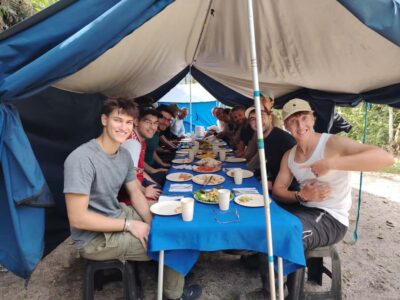
There is also a practical safety layer. The trek includes an oxygen bottle and a first aid kit, and you will have wake-up tea and a dining tent with tables and chairs. That sounds small until you are tired and cold, then it becomes a big quality-of-life detail.
Day 1: Soraypampa at 3,800 m, then Humantay Lake at 4,200 m
Day 1 starts with a hike toward Soraypampa, around 3,800 m. You are going uphill right away, with the Salkantay and Humantay peaks looming over the trail. This is the day that teaches you the rhythm of the trek: steady steps, lots of pauses for breath, and time to absorb big views without sprinting.
Midday, you stop for a classic Peruvian lunch made with local ingredients. I like this because it breaks the day into two clear goals. It is not just walk, walk, walk, then you wonder why you are wiped.
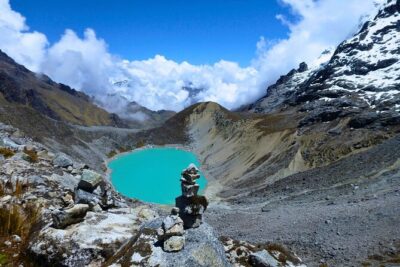
After lunch, the trek continues up to Humantay Lake at about 4,200 m. The water sits like turquoise glass, reflecting the mountains above. This is a stop where your eyes do the work, but your lungs still do the rest, so keep expectations realistic. If you take it slow, you get to enjoy it, not just survive it.
Back at camp, you get dinner and then a night under the Andean stars. I do not put too much weight on the word star-lit, but in high places it is genuine. When the sky clears, you feel how wide the mountains really are.
What you should plan for
You are at altitude early. Bring the sun hat and sunscreen, even if you feel cool. In the Andes, sun can sneak up fast, especially around midday and at higher elevations.
Day 2: Salkantay Pass at 4,630 m, then down into high-altitude jungle
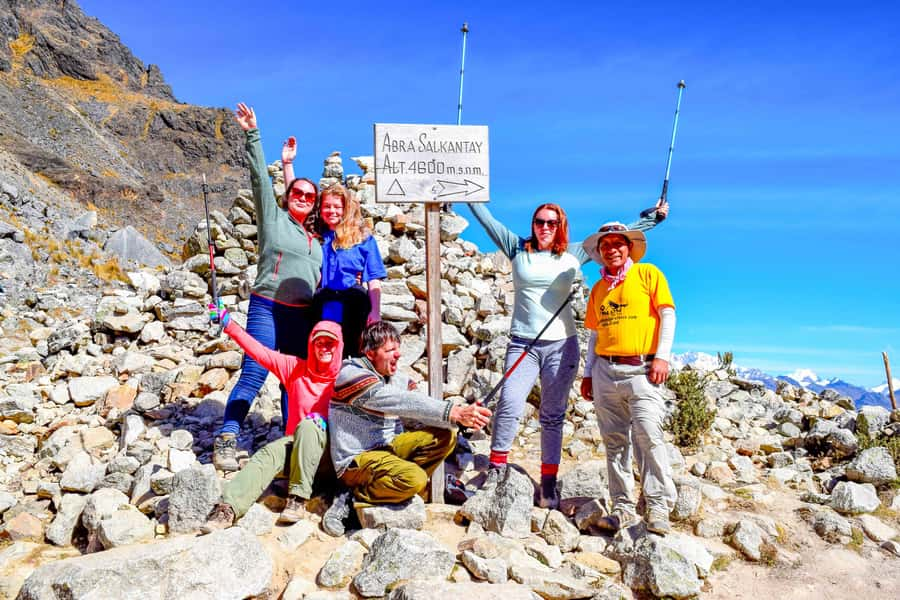
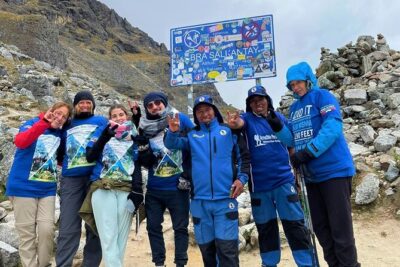
Day 2 is the toughest point day. After an early breakfast, you climb toward Salkantay Pass, reaching about 4,630 m. This is the highest and most challenging section of the trek. The air thins, the effort gets heavier, and the trail demands patience.
But the reward is the panorama you came for: snow-capped peaks, jagged ridges, and valleys dropping away into the distance. This is where the route justifies the effort. Still, I recommend treating the pass as a breathing exercise first and a view stop second. If you pace well, you will actually remember both.
Then comes the big shift. You descend into lush high-altitude jungle. It is one of those transitions that makes the trek feel more like a journey through environments than a single long climb. Your legs get a break from pure altitude grinding, but downhill can still be tough on knees and ankles, so watch your footing.
By the end of the day, you settle into camp with the sounds of nature around you. I like that this day does not end with a vague finish. You know you crossed the pass, now you can recover.
Day 3: Cloud forest descent to Playa Sahuayaco, then Lucmabamba at 2,000 m
Day 3 starts with the soundscape changing. You wake to the calls of the jungle and begin your descent into cloud forest. The trail runs through misty areas, and you pass cascading waterfalls, fruit-laden trees, and different kinds of plant life than you saw higher up.
You will hike for about five hours to Playa Sahuayaco at roughly 2,200 m. That is a helpful mid-route altitude for catching your breath without losing progress. It also gives you time to notice how the air and vegetation shift as you go.
After that, you enter the region people describe as the eyebrow of the Amazon. The point is simple: the jungle influence becomes stronger, and the feeling of the trail becomes more alive. In the afternoon, you arrive in Lucmabamba at about 2,000 m. This is your final campsite and the starting point of an ancient Inca Trail leading to Llactapata ruins.
I also like that Lucmabamba is not just a stopover. You have the chance to stay with a family connected to a local coffee farm. It is the kind of cultural exchange that actually fits the rhythm of a trek, because it happens after a physical day when you are ready to listen.
Salkantay by other operators and other night counts
Day 4: Llactapata terraces from the Inca trail, then Hydroelectric Station to Aguas Calientes
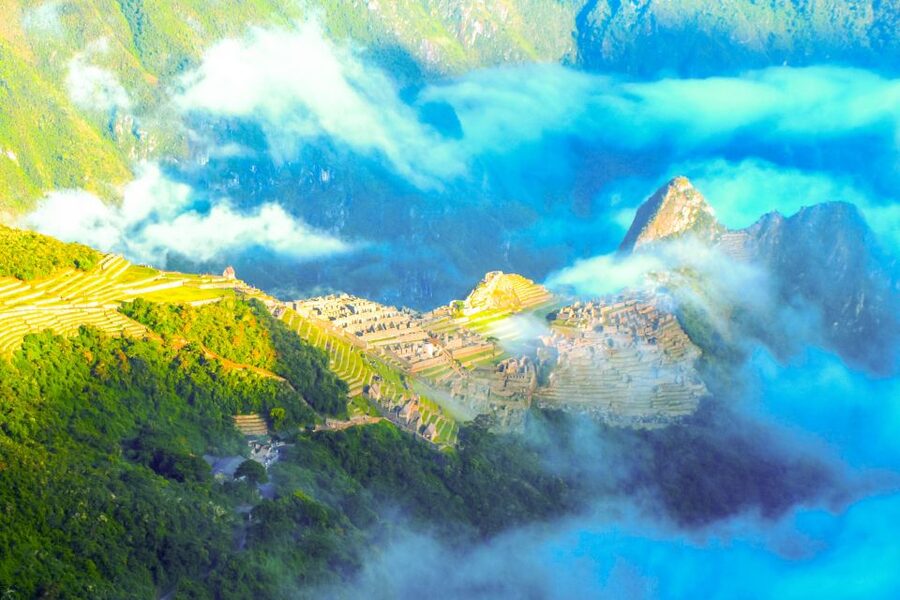
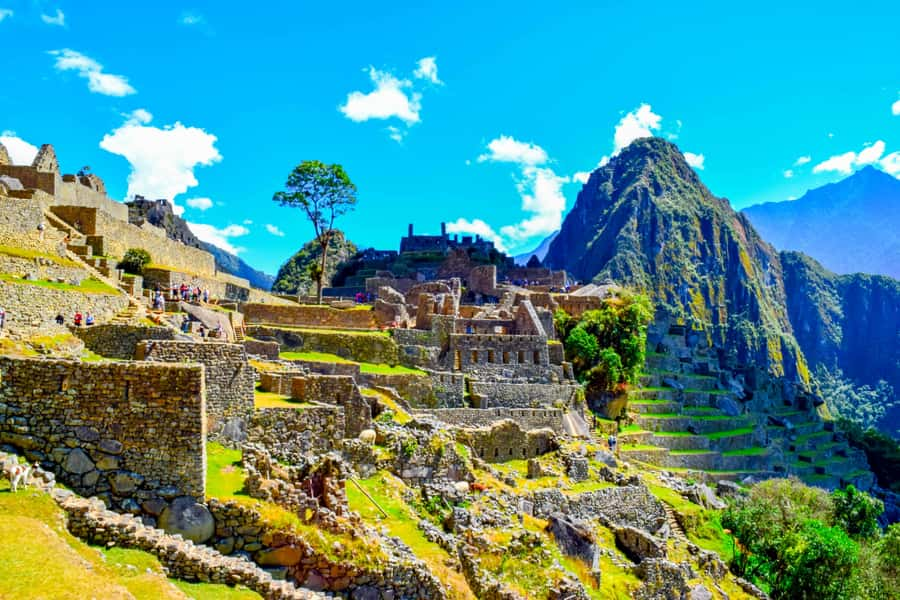
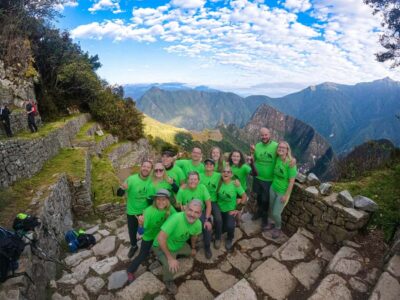
Day 4 builds your Machu Picchu day in a smart way. After breakfast, you do a 2-hour uphill hike along an original Inca trail to the Llactapata ruins at about 2,840 m. Llactapata matters because it gives you a first look at the Machu Picchu area from a different angle. When you later stand in the citadel, the layout starts to make more sense.
You explore the ruins with time to take in terraces and the sense of where people lived and worked in this terrain. This is one of the days where your guide’s explanations can really help, because you are not staring at stone with no context.
Then the trek turns greener again. You descend through cloud forest toward the Hydroelectric Station at around 1,890 m for about 1.5 hours. From there, you travel on to Aguas Calientes, where you get a comfortable evening before Machu Picchu day.
This is the day I would call your reset. Even if your trek legs are tired, you will feel better knowing you are not sleeping in a tent again that night.
Day 5: Guided Machu Picchu, then Huayna Picchu or Machu Picchu Mountain
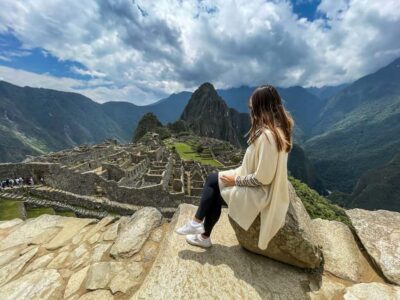
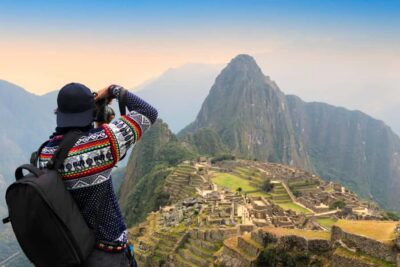
You start early with breakfast, then take a morning bus up to Machu Picchu at about 2,430 m. When you arrive, your guide leads a detailed tour of the site, focusing on the structures that make Machu Picchu more than a postcard. Expect explanations tied to temples, ceremonial areas, terraces, and storage buildings.
I like guided visits for Machu Picchu because they help you spot patterns. Without that, it is easy to miss how much planning went into water control, farming terraces, and movement through space.
After the guided portion, you can choose an optional hike. You can go for Huayna Picchu, which has an entrance fee of US$85, or you can hike Machu Picchu Mountain. Both are for people who want extra views and are comfortable with steep, higher elevation walking on a day that already has travel and a big walking schedule.
After exploring, the group returns to Aguas Calientes for rest and lunch. In the afternoon, you take a train to Ollantaytambo, and then a van brings you back to Cusco.
Food, camps, and the support team that makes Salkantay doable
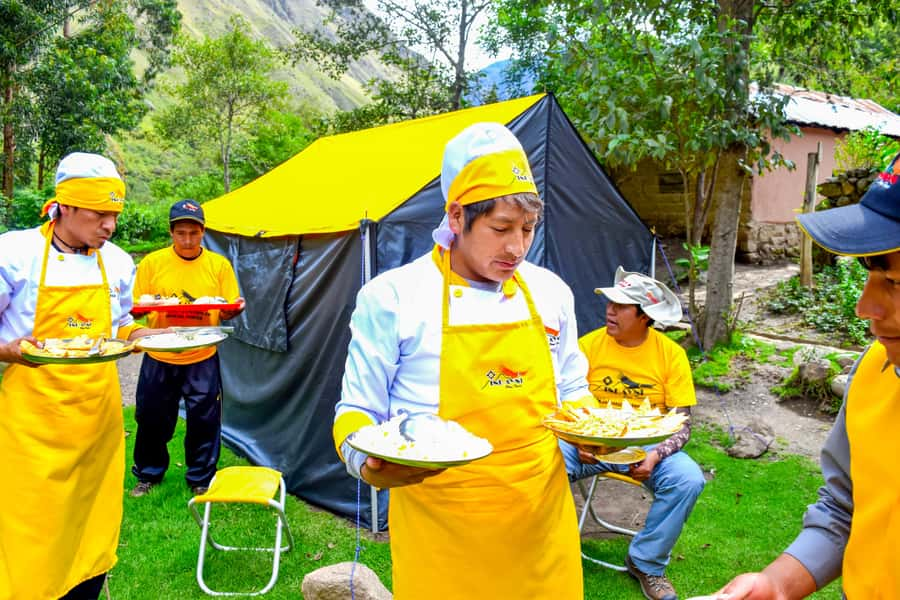
A trek like this lives or dies by logistics. Here, the plan is clearly built around reducing what you carry and keeping you fed.
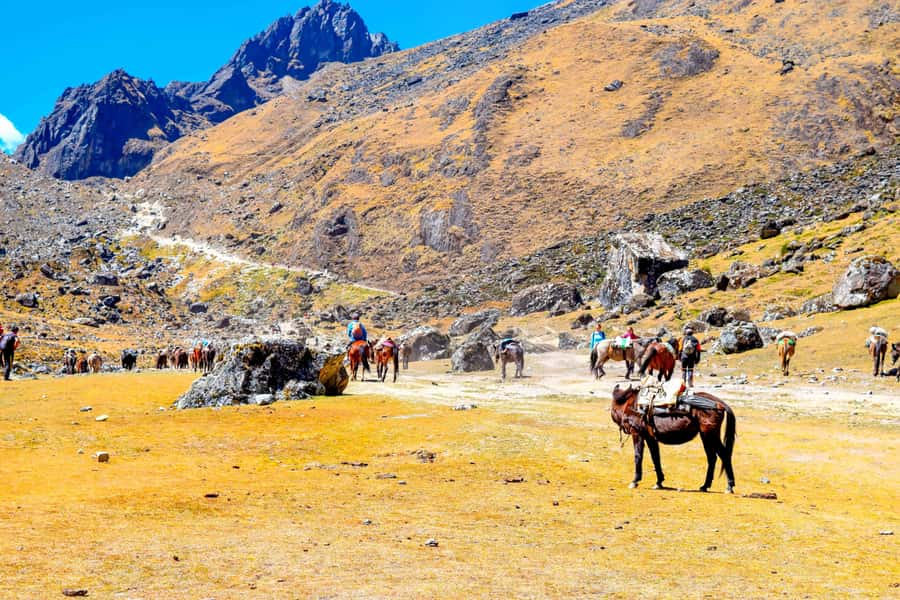
Horses carry equipment and also transport 7 kg of your personal items. You get duffle bags during the pre-departure briefing, and those are handled for you on horseback. That means you can travel lighter and keep your energy for the steep sections.
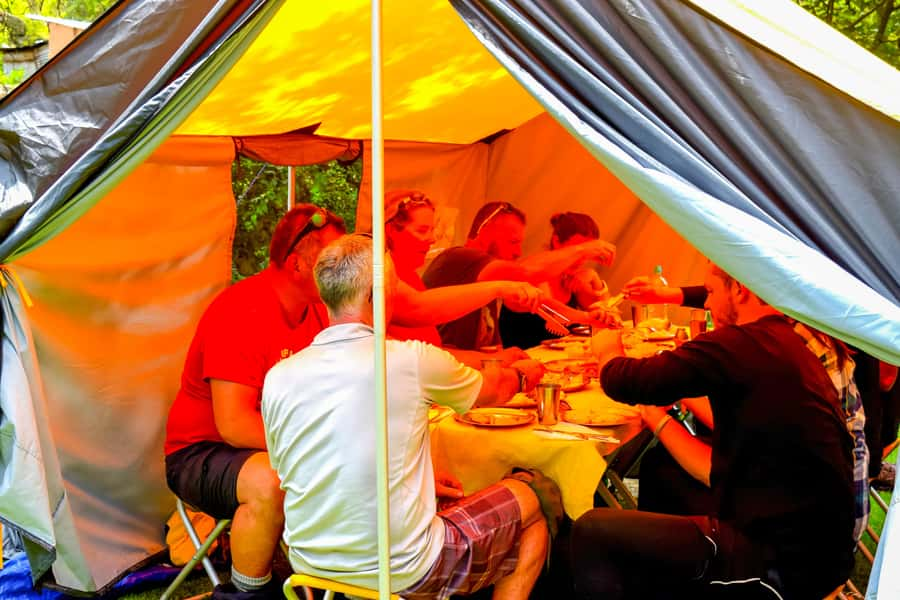
You get wake up tea every morning, plus a dining tent with tables and chairs for meals. Camp nights include 4 man tents for every 2 trekkers and a double thickness foam sleeping mattress. A sleeping bag is not included, but you can hire one. Even if you are prepared, camping in the Andes can get cold at night, so do not assume you can wing it.
Meals included are 4 breakfasts, 4 lunches, 4 afternoon snacks, and 4 dinners. Day 1 does not include breakfast, and Day 5 does not include lunch and dinner because the flow centers around Machu Picchu and Aguas Calientes. If you have dietary needs like vegetarian, vegan, or gluten-free, you need to advise the supplier upon booking and re-confirm at the briefing.
You also have water included, with one key detail: during the first 4 hours of the trek, you need to bring your own water. That is easy to miss if you assume water is always provided. Plan for that small gap, because early in the day you will be climbing and sweating before you feel thirsty.
Price check: what $669 covers, and what it means for your decision
When you compare trekking prices, the easiest trap is to treat this as a single cost number. I think the better way is to ask what risks you are paying to reduce.
For $669, you get:
- Professional English-speaking tour guide plus an assistant guide for groups of 9 or more
- Professional cook and planned meals for most of the day structure
- Horses for equipment and 7 kg of your personal items
- Camping gear support like tents, mattresses, and dining setup
- Oxygen bottle and first aid kit
- Machu Picchu entrance and bus up to the site
What you do not get includes a sleeping bag and trekking poles, plus travel insurance. Huayna Picchu entrance is also extra at US$85. The personal transport to and from Machu Picchu is handled through the bus and the train to Ollantaytambo, then van back to Cusco.
So is it good value? For me, it is fair value if you want the hardest parts of the trip, the altitude and long hiking days, without also carrying every logistics burden on your back. If you love planning every detail and you already own the gear, your savings might be bigger with an unassisted option. But if you want a guided, well-managed trek that still feels authentic and not overly cushy, this price makes sense.
Who should book this Salkantay Ultimate Trek
This trek fits best if you:
- Want Machu Picchu with an expert guide, not a self-guided wander
- Are comfortable with altitude and multi-day hiking
- Like the idea of camping, then transitioning to a hotel night in Aguas Calientes
- Enjoy meeting local people, especially with a family stay in Lucmabamba connected to coffee farm life
It is not suitable for people with back problems, people who have altitude sickness, or anyone over 70, based on the tour’s guidance. Also, there is a minimum of 2 participants for it to operate, so you should be aware that departure timing is subject to meeting that minimum.
What to pack and how to stay comfortable on the trail
The essentials are straightforward and worth following closely:
- Passport or ID card
- Sun hat and sunscreen
- Rain gear
- Comfortable clothes you can layer
Because you are trekking at multiple elevations, temperature can swing. Bring clothing that handles cool mornings and warmer afternoons. Also think about footwear comfort. The itinerary includes uphill and downhill sections, including a descent to Hydroelectric Station.
One more small but important item: bring your own water for the first 4 hours of the trek. It is an easy checklist item, and you do not want to start the day hunting for supplies.
Should you book this Salkantay and Machu Picchu trek?
If you want a guided, well-supported route that hits the Salkantay Pass, Humantay Lake, a Lucmabamba family coffee connection, and then Machu Picchu with expert interpretation, this is a solid pick. The biggest strength is how the days connect, you get viewpoints and ruins in a logical build, then you arrive at Machu Picchu with your eyes trained.
I would not book it if altitude scares you, if your back is sensitive to uneven trails, or if you hate the idea of camping at elevation. For the right traveler, though, this is a smart way to do Machu Picchu while also earning it with a real Andes hike.
FAQ
Is this trek 5 days long?
Yes. The experience runs for 5 days, with the trek days covering high passes, cloud forest, and a Machu Picchu guided day, plus travel back to Cusco.
What meals are included during the trek?
You get 4 breakfasts, 4 lunches, 4 afternoon snacks, and 4 dinners. Day 1 breakfast and Day 5 lunch and dinner are not included.
Do I need to bring a sleeping bag?
A sleeping bag is not included, but you can hire one.
Do you provide water during the hike?
Water is included, except for the first 4 hours of the trek, when you need to bring your own.
What about Machu Picchu and optional hikes like Huayna Picchu?
Machu Picchu entrance is included, and you also take a bus to the site. Huayna Picchu entrance costs US$85 and is not included. You may also hike Machu Picchu Mountain.
What kind of lodging do I sleep in?
All accommodation during the trek is camping, with a hotel stay in Aguas Calientes.
What do I need for cancellation?
Free cancellation is available up to 24 hours in advance for a full refund.
More Tour Reviews in Cusco
- Cusco: Humantay Lake Tour with Breakfast and Buffet Lunch
★ 4.9 · 2,976 reviews - From Cusco: Moray, Maras Salt Mines & Chinchero Weavers Tour
★ 4.8 · 1,925 reviews - From Cusco: Full-Day Group Tour of Machu Picchu
★ 4.7 · 1,767 reviews - Machu Picchu Day Trip from Cusco
★ 4.5 · 1,644 reviews - Cusco: Half-Day City Tour with Sacsayhuaman and Q’enco
★ 4.6 · 1,129 reviews
Salkantay, Other Itineraries
- Salkantay Trek Challenge – 3 Days / 2 Nights
★ 5.0 · 101 reviews - Small Group 5 Days Salkantay and Machu Picchu by Llactapata Tour
★ 5.0 · 88 reviews - Machu Picchu: 5-Day Salkantay Trek with Panoramic Train
★ 5.0 · 79 reviews - Salkantay Trek 4 Days to Machu Picchu by Glamping Sky Lodge Dome
★ 5.0 · 68 reviews - Salkantay Trek to Machu Picchu in 4 days
★ 4.5 · 50 reviews
Reaching the Citadel, Other Options
- From Cusco: Full-Day Group Tour of Machu Picchu
★ 4.7 · 1,767 reviews - Machu Picchu Day Trip from Cusco
★ 4.5 · 1,644 reviews - Machu Picchu: Full-Day Tour from Cusco with Optional Lunch
★ 4.6 · 927 reviews - Cusco: 4-Day Inca Trail to Machu Picchu with Accommodation
★ 4.8 · 432 reviews - From Cusco: 2-Day Trip to the Sacred Valley and Machu Picchu
★ 4.6 · 265 reviews
Freshly reviewed across Cusco
- Excursion Cusco – Puno – Titicaca Observatory Train★ 5.0 · 3 reviews
- Sacred Valley Vip Cusco★ 4.7 · 3 reviews
- Cusco | Humantay Lake 1-Day Tour with Breakfast and Lunch★ 5.0 · 3 reviews
- Full-Day Condor Viewpoint & Inca Sites Tour★ 5.0 · 3 reviews
- Best of Cusco: Private Walking Tour with a Local★ 3.6 · 3 reviews
- From Cusco: Full-Day Private Sacred Valley Tour★ 5.0 · 3 reviews
Machu Picchu Tours side by side.
 ★ 4.7From Cusco: Full-Day Group Tour of Machu PicchuFrom $3211,767 reviews
 ★ 4.5Machu Picchu Day Trip from CuscoFrom $3361,644 reviews
 ★ 4.6Machu Picchu: Full-Day Tour from Cusco with Optional LunchFrom $283927 reviews
 ★ 4.8Cusco: 4-Day Inca Trail to Machu Picchu with AccommodationFrom $470432 reviews
 ★ 4.6From Cusco: 2-Day Trip to the Sacred Valley and Machu PicchuFrom $370265 reviews
 ★ 4.9Cusco: Machu Picchu 2-Day Inca Trail with Panoramic TrainFrom $582260 reviews
 ★ 4.2From Cusco: 2-Day Inca Trail to Machu PicchuFrom $290244 reviews
 ★ 4.9Machu Picchu: Inca Trail 2-Day Overnight Guided TourFrom $585203 reviews
Also on these Peru lists