
REVIEW · PERUVIAN FOOD
Cusco: Bean to bar chocolate workshop
If chocolate has ever intrigued you, this is hands-on Cusco bean-to-bar education. You start with cacao and walk the full path to a chocolate bar, with the workshop also acting like a museum-style history lesson along the way. Two things I love here are the chance to make your own organic chocolates (not just sample them) and the fact that you learn the real process step by step. The one consideration is time, it’s only 2 hours, so you’ll be moving through a lot of stages quickly.
I also like that the class doesn’t stay stuck in cacao theory. You’ll get to try drinks such as the Maya and the conquistadores, then you build your own hot chocolate and bar with ingredient choices, so you leave with flavors that match your taste.
In This Review
- Key highlights to look forward to
- Entering the Cusco Workshop, Where Cacao Becomes a Lesson
- The 2-Hour Bean-to-Bar Flow You’ll Actually Remember
- Roasting Cacao Beans: Turning Flavor On (and Why Heat Matters)
- Removing the Cacao Husk: Cleaner Taste, Better Results
- Grinding on a Metate with a Mano: A Real Aztec-Style Moment
- Refining with a Melangeur: Smoother Paste, Better Chocolate Texture
- Your Hot Chocolate and Chocolate Bar: Choose Ingredients, Make It Yours
- Maya and Conquistadores Drinks: Chocolate Culture Beyond the Bar
- Why Cusco Specifically Matters for Chocolate
- Who This Cusco Chocolate Workshop Fits Best
- Practical tips so you get the most from your 2-hour class
- Should you book the Cusco bean-to-bar workshop?
- FAQ
- How long is the Cusco bean-to-bar chocolate workshop?
- Is the tour guide available in English and Spanish?
- What will I make during the workshop?
- Do I get to choose ingredients for my chocolate and hot chocolate?
- Are there any drinks included besides the chocolate?
- Is the workshop focused on the bean-to-bar process?
- Can I cancel for a full refund?
- Can I reserve now and pay later?
- What do I need to provide for contact before the workshop?
- For last minute reservations, what should I do?
Key highlights to look forward to
- A full bean-to-bar workflow, not just a tasting flight
- Hands-on cacao grinding on a metate with a mano, like the Aztecs did
- Refining cacao paste using a melangeur for that smoother chocolate feel
- Your own organic chocolate bar plus hot chocolate you make during class
- Cacao history plus local context, including why Cusco stands out for chocolate
Ceviche, pisco sours and other Peruvian tables
- Chocolate Workshop in Cusco with Premium Organic Cacao
★ 5.0 · 75 reviews - Cusco Cooking Class by ChocoMuseo in Cusco
★ 5.0 · 29 reviews - Cusco: Chocolate Workshop with the Best Local Organic Cacao
★ 4.5 · 23 reviews - Cusco street food tour
★ 4.4 · 9 reviews
Entering the Cusco Workshop, Where Cacao Becomes a Lesson
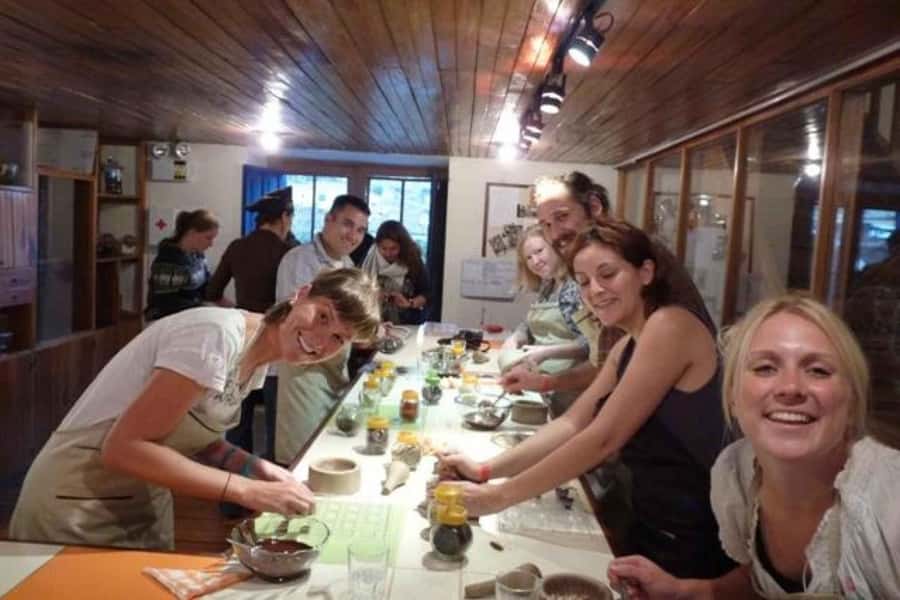
This experience works because it treats chocolate like food, not a souvenir. You’re in a chocolate workshop and museum setting, so you get context while still staying practical. That matters in Cusco, because people often arrive focused on Machu Picchu and forget that Peru’s food culture has its own star attraction.
The tone is interactive. You’re not watching someone do everything while you snack. Instead, you follow the process, understand why each step exists, and then use that knowledge immediately when you create your own bar and hot chocolate.
The 2-Hour Bean-to-Bar Flow You’ll Actually Remember
The core promise is simple: you’ll learn how cacao becomes chocolate from bean to bar and everything in between. In this short window, you cover four main processes, and each one has a specific job.
Here’s the flow you can expect, in the order you’ll experience it:
- Roasting the cacao beans
- Removing the cacao husk
- Grinding the cacao nibs on a metate with a mano
- Refining the cacao paste in a melangeur
That sequence is useful for you, because it stops the “chocolate magic” feeling. Once you understand what heat does during roasting, what husk removal avoids, and how grinding plus refining changes texture, you can spot better chocolate anywhere you go next.
Roasting Cacao Beans: Turning Flavor On (and Why Heat Matters)
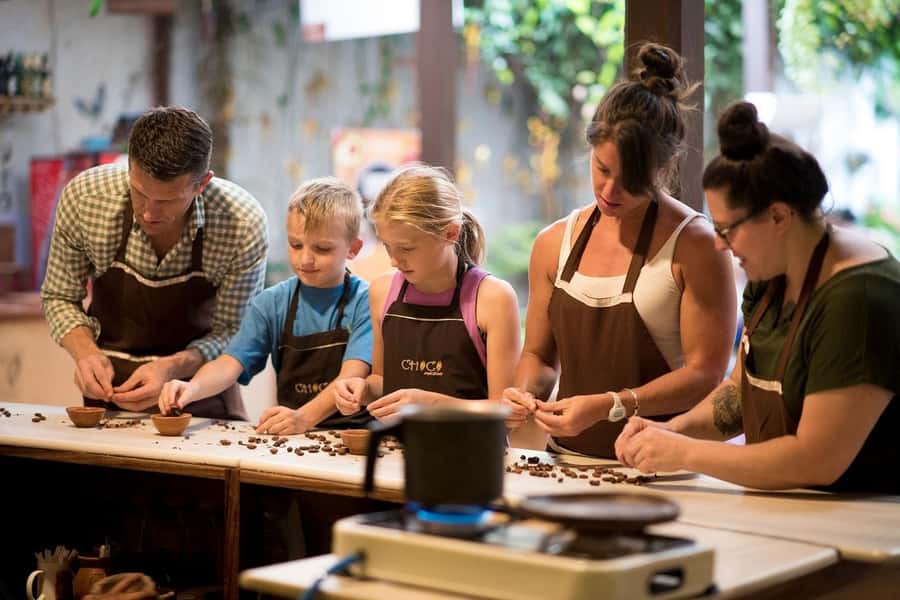
Roasting is the first real flavor shift. You’ll learn that the cacao beans need heat to develop the aromas that make chocolate taste like chocolate instead of just cocoa. This is also where you start understanding that cacao is not automatically sweet. It’s a raw ingredient, and the process builds the flavor.
What I like about starting here is that it gives you a mental model. If you know roasting is a flavor engine, you’ll taste the later steps with more clarity. You won’t just think, it tastes good. You’ll think, this is what roasting unlocked.
One practical note: since the class is only 2 hours, the roasting component moves efficiently. If you like slow, careful pacing, this may feel quick, but you still get the key idea and the steps you need to replicate the logic later.
Removing the Cacao Husk: Cleaner Taste, Better Results
After roasting, you move to removing the cacao husk. This part matters more than most people realize. The husk is the outer shell, and removing it means you work with the useful portion inside, the nibs.
For you, the payoff is confidence. Once you’ve seen the husk step, you’ll stop assuming chocolate quality is just about brand or sweetness. You’ll understand that processing choices start at the beginning, literally at the bean.
Nearby in Cusco, these earned their own write-ups
Grinding on a Metate with a Mano: A Real Aztec-Style Moment
This is one of the most memorable parts because it’s tactile and historical. You’ll grind the cacao nibs on a metate with a mano, using the same method associated with Aztec traditions.
Even if you’ve never held a metate before, you get the idea fast: grinding isn’t just physical work, it’s how you build from solid nibs into paste. As you grind, you can feel the shift from grainy to workable, which helps you understand why later refining exists.
The hidden value here is speed-learning. By doing this step, you’re more likely to remember the whole process later. It also makes the class feel authentic. You’re not just filling time, you’re handling the same kind of tools tied to long-standing cacao traditions in the Andes.
Refining with a Melangeur: Smoother Paste, Better Chocolate Texture
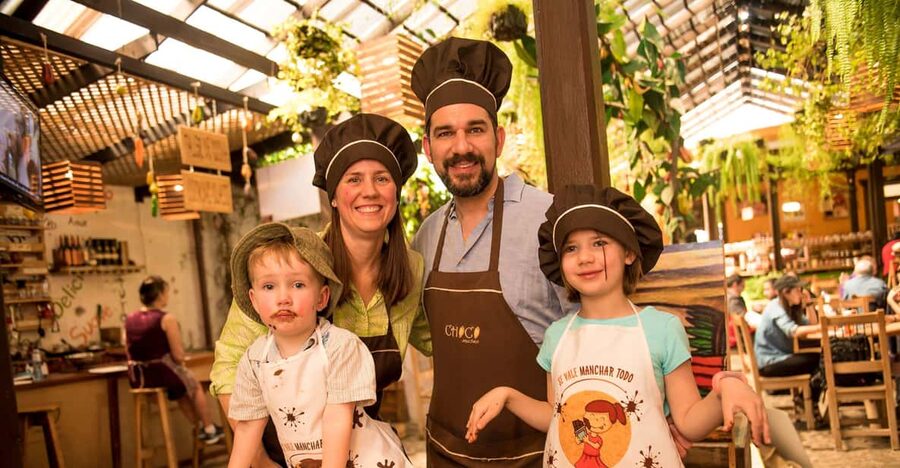
Once the cacao paste is ready, you’ll learn refinement using a melangeur. This is the technical step that helps chocolate become smoother and more consistent.
For you, this is where the education turns into a sensory result. Texture is a huge part of what people call “good chocolate,” but most classes never explain why. Refining gives you a reason to notice mouthfeel and how the paste changes as it becomes more uniform.
You’ll then use what you learned right away when you make the chocolate you’ll take home.
Your Hot Chocolate and Chocolate Bar: Choose Ingredients, Make It Yours
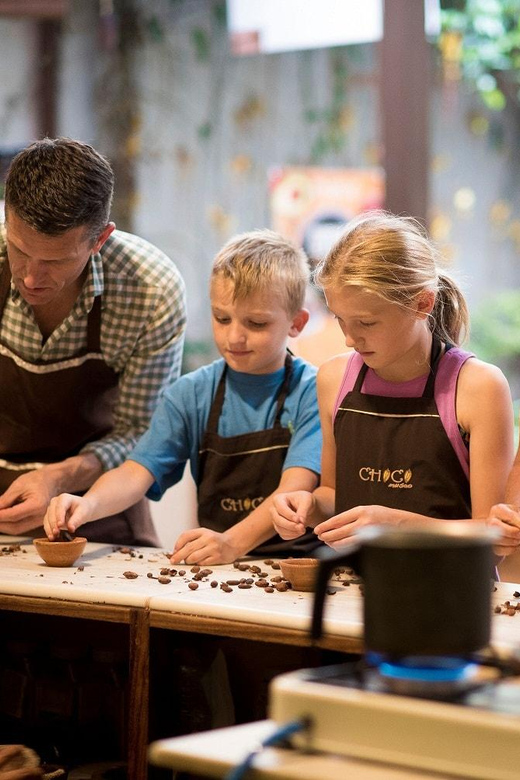
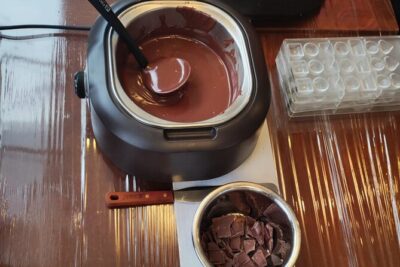
This workshop isn’t only about producing a bar. It’s about letting you shape the outcome. You create delicious hot chocolates and your own chocolate bar, with your choice of ingredients.
That ingredient choice is a big deal. Chocolate can swing from less sweet and more cacao-forward to richer and sweeter, and your preferences matter. You also get a practical lesson in balance: cacao flavor is the base, and additions affect how it tastes and how it feels.
And yes, you get to take your handmade chocolates home. If you’re the kind of traveler who likes edible souvenirs, this is one of the best kinds, because it’s not packaged just for tourists. It’s made in your session, with the process fresh in your head.
Maya and Conquistadores Drinks: Chocolate Culture Beyond the Bar
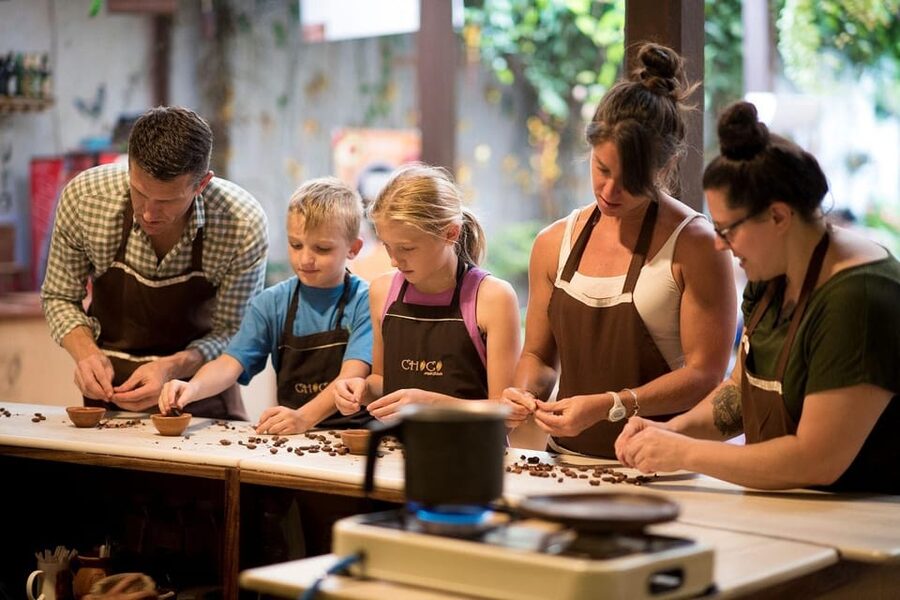
Tasting is part of the fun, but here it’s tied to culture. During the workshop, you’ll try drinks such as the Maya and the conquistadores.
Even with no big “teach-only” vibe, these drink names help you connect chocolate to broader Andean and historical storytelling. It’s not just about dessert, it’s about how cacao has been used for drinks and enjoyment.
For most people, the best approach is to taste slowly and compare. Pay attention to sweetness and how cacao flavor shows up in a drink compared with the bar. That comparison makes the whole workshop stick, even after you return to your hotel and your stomach wants plain snacks again.
Why Cusco Specifically Matters for Chocolate
You’ll also learn about the history behind famous cacao beans and why Cusco produces some of the finest chocolate. That local context is worth your attention because it helps you understand that chocolate quality isn’t only about one company or one recipe.
Cusco’s role makes sense in a practical way. When cacao-growing regions and processing methods align well, the result is more distinctive beans. The workshop’s emphasis on Cusco helps you leave with a sense of place, not just a bag of chocolate.
Who This Cusco Chocolate Workshop Fits Best
This is ideal if you want more than a quick tasting stop. It’s built for travelers who like doing things with their hands and learning how ingredients become food.
You’ll probably enjoy it most if:
- You’re a foodie who likes clear steps, not vague “chocolate stories”
- You enjoy workshops in general, especially ones where you create what you eat
- You want an affordable, time-friendly activity in Cusco that isn’t another long day trip
It’s also a solid option if you’re traveling with a partner, since you’ll both have your own bar and hot chocolate to compare afterward. If you’re traveling solo, it still works well because the process keeps you engaged, and the guide is there to explain what you’re doing as you go.
Practical tips so you get the most from your 2-hour class
Because it’s only 2 hours, treat this like a focused session. Come ready to pay attention, and don’t plan to keep checking messages every few minutes. The steps build on each other, and you’ll get more out of it if you follow the logic from roasting to refining.
Also, expect to taste. Chocolate and cacao drinks are part of the experience, and you’ll likely leave with a sugar-and-cacao buzz that makes the walk afterward feel extra satisfying.
If you’re sensitive to strong flavors, go slow during tasting so you can still enjoy your hot chocolate and bar-making step.
Should you book the Cusco bean-to-bar workshop?
I think you should book this if you want real value from a short Cusco activity. The key reasons are simple: you’ll learn the full process from cacao to chocolate bar, you’ll grind using a metate and mano, and you’ll leave with handmade organic chocolates you made yourself. That combination beats a basic chocolate tasting every time.
You might skip it if you already know the process and you’re only looking for a casual snack. This class is built for making and learning, not passive tasting.
If your goal is an authentic, edible memory with clear steps and hands-on fun, this is a very strong choice.
FAQ
How long is the Cusco bean-to-bar chocolate workshop?
The duration is 2 hours.
Is the tour guide available in English and Spanish?
Yes, the live tour guide is available in English and Spanish.
What will I make during the workshop?
You will create delicious hot chocolates and your own chocolate bar. You’ll also make organic chocolates tailored to your taste.
Do I get to choose ingredients for my chocolate and hot chocolate?
Yes, you can choose your ingredients for both the hot chocolates and the chocolate bar.
Are there any drinks included besides the chocolate?
Yes, you’ll try drinks such as the Maya and the conquistadores.
Is the workshop focused on the bean-to-bar process?
Yes. You learn the full process from roasting the cacao beans, removing cacao husk, grinding on a metate with a mano, and refining the cacao paste in a melangeur.
Can I cancel for a full refund?
Yes. You can cancel up to 24 hours in advance for a full refund.
Can I reserve now and pay later?
Yes, you can reserve your spot and pay nothing today.
What do I need to provide for contact before the workshop?
You should put your contact number correctly with your country code and have WhatsApp.
For last minute reservations, what should I do?
For last minute reservations, check availability with the supplier by email before booking.
More Drinking Tours in Cusco
- Cusco Pub Crawl: Bar Tour, Drinks And Club with no waiting lines
★ 5.0 · 76 reviews - Cusco: Pub Crawl with Skip-the-Line Access and Drinks
★ 4.6 · 57 reviews
More Tour Reviews in Cusco
- Cusco: Humantay Lake Tour with Breakfast and Buffet Lunch
★ 4.9 · 2,976 reviews - From Cusco: Moray, Maras Salt Mines & Chinchero Weavers Tour
★ 4.8 · 1,925 reviews - From Cusco: Full-Day Group Tour of Machu Picchu
★ 4.7 · 1,767 reviews - Machu Picchu Day Trip from Cusco
★ 4.5 · 1,644 reviews - Cusco: Half-Day City Tour with Sacsayhuaman and Q’enco
★ 4.6 · 1,129 reviews
Peruvian Plates Worth Booking
- Chocolate Workshop in Cusco with Premium Organic Cacao
★ 5.0 · 75 reviews - Cusco Cooking Class by ChocoMuseo in Cusco
★ 5.0 · 29 reviews - Cusco: Chocolate Workshop with the Best Local Organic Cacao
★ 4.5 · 23 reviews - Cusco street food tour
★ 4.4 · 9 reviews - 1.5h Cusco Chocolate Workshop – Truffles & Hot Chocolate
★ 4.3 · 8 reviews
Freshly reviewed across Cusco
- Excursion Cusco – Puno – Titicaca Observatory Train★ 5.0 · 3 reviews
- Sacred Valley Vip Cusco★ 4.7 · 3 reviews
- Cusco | Humantay Lake 1-Day Tour with Breakfast and Lunch★ 5.0 · 3 reviews
- Full-Day Condor Viewpoint & Inca Sites Tour★ 5.0 · 3 reviews
- Best of Cusco: Private Walking Tour with a Local★ 3.6 · 3 reviews
- From Cusco: Full-Day Private Sacred Valley Tour★ 5.0 · 3 reviews
Peruvian Food Experiences side by side.
 ★ 4.9Lima: Ultimate Peruvian Food TourFrom $105700 reviews
 ★ 4.9Lima: Historic Center Street Food, Market, and Eateries TourFrom $69216 reviews
 ★ 5.0Lima Street Food Tour Beyond NetflixFrom $50117 reviews
 ★ 5.0Cook an Authentic Ceviche And Peruvian Pisco Sour!From $42107 reviews
 ★ 5.0The 10 Tastings of Lima With Locals: Private Street Food Tour92 reviews
 ★ 5.0Market Tour, Tasting of 35 Fruits, and 4-Course Peruvian Cooking Class in LimaFrom $12586 reviews
 ★ 5.0Chocolate Workshop in Cusco with Premium Organic CacaoFrom $4575 reviews
 ★ 4.9Miraflores: Amazing Peruvian Cooking Class Ceviche Seafood and Pisco SourFrom $4057 reviews
Also on these Peru lists