
REVIEW · PERUVIAN FOOD
Cusco: Chocolate Workshop with the Best Local Organic Cacao
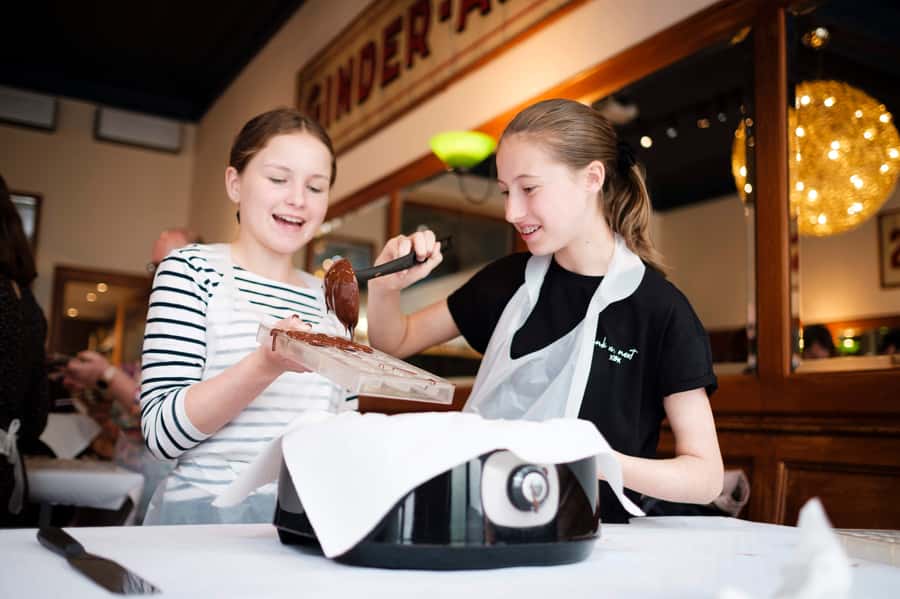
Cusco already smells like adventure, and this workshop adds chocolate to the mix. In about 2.5 hours, you’ll learn how to make Belgian-style pralines and mendiants using 100% organic, artisanal cacao from the Cusco jungle. It’s part class, part culture lesson, and part hands-on treat-making.
I love the practical, hands-on approach that gets you making chocolate bonbons from scratch, not just watching. I also love the payoff: you can take home a personalized box with roughly 21 pralines and 10 mendiants you created yourself.
One thing to consider: this experience is not suitable for people with diabetes, and it also has strict age limits (no children under 12, no spectators). If you fit those rules, you’ll likely have a great time.
In This Review
- Key things to know before you go
- Cusco’s chocolate workshop starts with a panoramic view
- The 2.5-hour flow: history, then hands-on bonbons
- Belgian pralines and mendiants: what you actually make
- Chuncho organic cacao from the Cusco jungle
- Toppings and fillings: customize like a real chocolatier
- Hot chocolate with a lesson you can repeat
- Who runs the class and what the energy feels like
- What you can take home: the best part of the value math
- Price and logistics: is it worth $47?
- When this workshop is a great fit, and when it’s not
- Should you book this Cusco chocolate workshop?
- FAQ
- Where is the meeting point for the Cusco chocolate workshop?
- How long is the chocolate workshop?
- What will I take home at the end?
- Is pick-up included from your hotel?
- Are there age limits or restrictions?
- Is it suitable for people with diabetes?
Key things to know before you go
- Meet at Limbus Restobar for a view first: the workshop starts at a spot with panoramic Cusco city scenery.
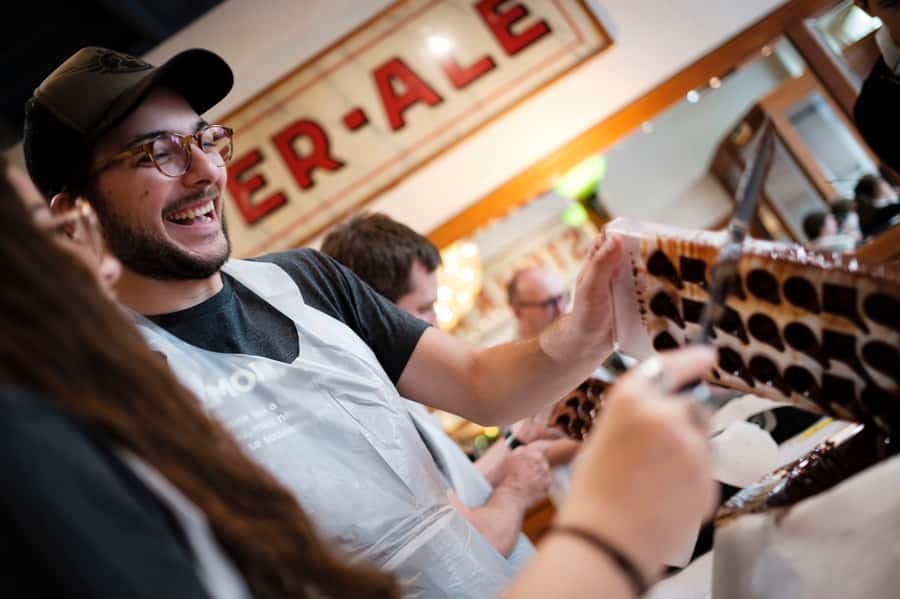
- You’ll work with Chuncho organic cacao: a local jungle cacao known for top-tier quality.
- Belgian pralines and mendiants, Cusco ingredients: you’ll follow a classic style, then customize with local toppings.
- Hot chocolate isn’t an afterthought: you’ll taste it and learn how to make it.
- You take home a personalized box: you’re leaving with about 300 grams of chocolate per person.
- Instructors bring energy in multiple languages: English, Spanish, and French are supported.
Ceviche, pisco sours and other Peruvian tables
- Chocolate Workshop in Cusco with Premium Organic Cacao
★ 5.0 · 75 reviews - Cusco Cooking Class by ChocoMuseo in Cusco
★ 5.0 · 29 reviews - Cusco: Chocolate Workshop with the Best Local Organic Cacao
★ 4.5 · 23 reviews - Cusco street food tour
★ 4.4 · 9 reviews
Cusco’s chocolate workshop starts with a panoramic view
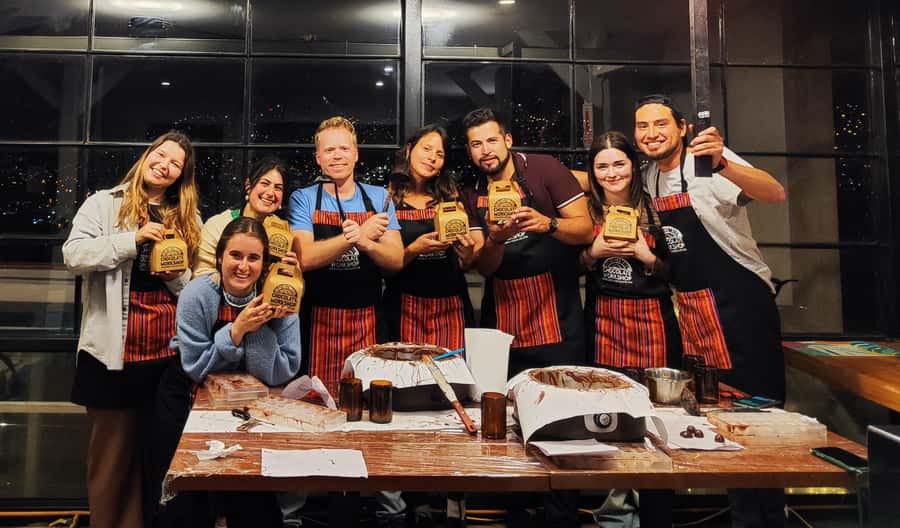
The meeting spot is Limbus Restobar, right in the heart of Cusco. Plan to arrive a few minutes early so you can get your bearings and enjoy the view before things get busy in the workshop room.
This setting matters more than you’d think. Cusco can feel like sensory overload when you first arrive. Starting with a calm, scenic moment helps you settle into the day. From there, the class shifts into a more focused mode: learn the story behind chocolate, then roll up your sleeves.
If you’re coming with friends, this kind of venue also makes it easier to chat and stay comfortable while the group gets started. And since there’s no pick-up, you’ll want to build in a little buffer for walking or getting your bearings around central Cusco.
The 2.5-hour flow: history, then hands-on bonbons
You’re looking at a 150-minute workshop that moves in clear stages. First, you get context. You’ll explore the history and culture of chocolate before you start melting and shaping anything. This is valuable because chocolate-making isn’t just chemistry, it’s also tradition, sourcing, and craft.
Then comes the main event: you make your own pralines and mendiants in the Belgian style. The format is designed so you’re not stuck for long stretches waiting. You get guidance “start to end,” plus all ingredients and utensils are included.
Here’s what you should expect your time to feel like:
- Early on, you learn what you’re making and how the ingredients behave.
- In the middle, you do the real work: melting, mixing, shaping, and assembling.
- Near the end, you finalize your selection and portion everything for the take-home box.
A nice touch is the hot chocolate. It doesn’t feel like a token sip between steps. You taste it, and you’ll learn how to make it too, so you can recreate at least part of the experience later.
Belgian pralines and mendiants: what you actually make
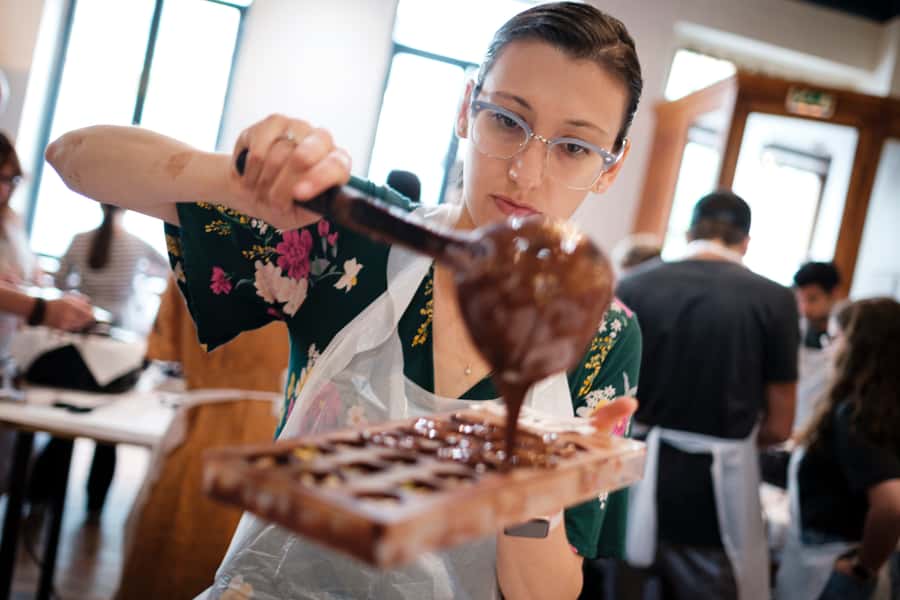
The workshop centers on two classic types of chocolate candies: pralines and mendiants.
Pralines are typically built with a filling inside chocolate. In this class, you’ll learn how to craft them using the cacao as the foundation, then customize the flavors. That matters because pralines can taste “samey” in some workshops if everyone gets the same setup. Here, you get choices.
Mendiants are usually thinner chocolate pieces with toppings arranged on top. They’re great because they let your toppings show, and they’re visually satisfying when you’re done. You’ll create a full portion to take home, not just one or two samples.
The class also includes a hot chocolate tasting, plus instruction that covers the making process. From what the instructors emphasize, the goal isn’t just to produce something edible, it’s to understand what makes the chocolate taste good and feel right.
Chuncho organic cacao from the Cusco jungle
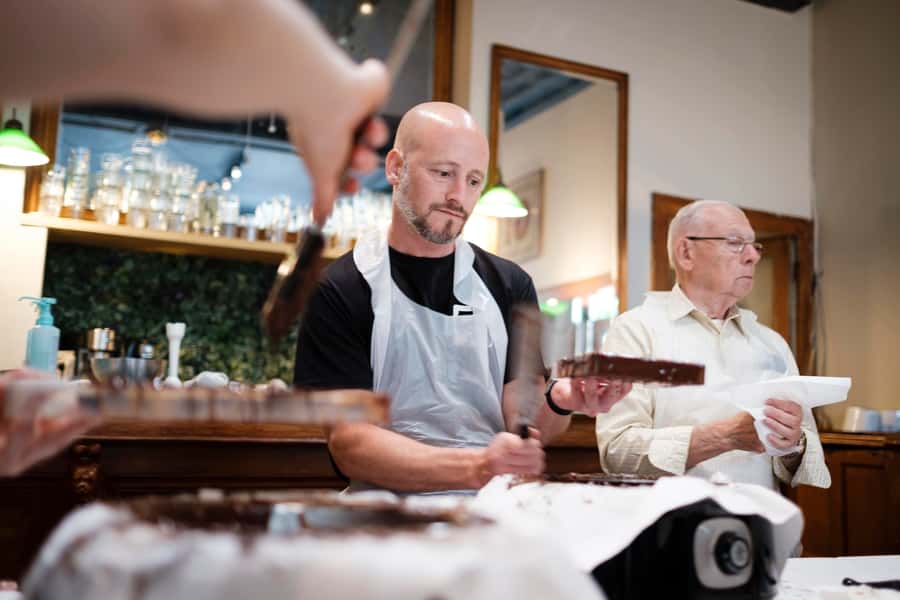
Chocolate is one of those topics where the details make a huge difference. Here, you’re not working with generic cocoa. The workshop highlights Chuncho cacao, described as one of the best organic cacao options in the world, and it’s presented as a local product from the jungle of the Cusco region.
Why you should care: cacao quality affects flavor in a way that’s easy to miss if you only think about sugar and “chocolate taste.” Better cacao tends to bring more complexity and character, which makes your pralines and mendiants taste more vivid even when you use simple fillings.
You’ll also hear why Peruvian chocolate is unique. Even without turning the session into a textbook, the class frames cacao as something with origin, farming, and identity, not just an ingredient you buy in a store.
If you love food stories that are grounded in real places, this part is a big reason the experience has such strong reviews. People leave talking about cacao, not just the candy-making steps.
Nearby in Cusco, these earned their own write-ups
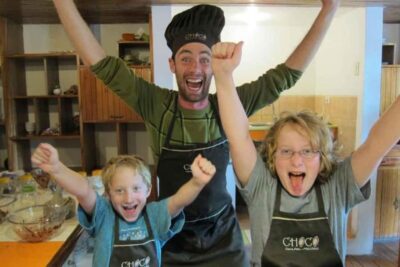
Toppings and fillings: customize like a real chocolatier
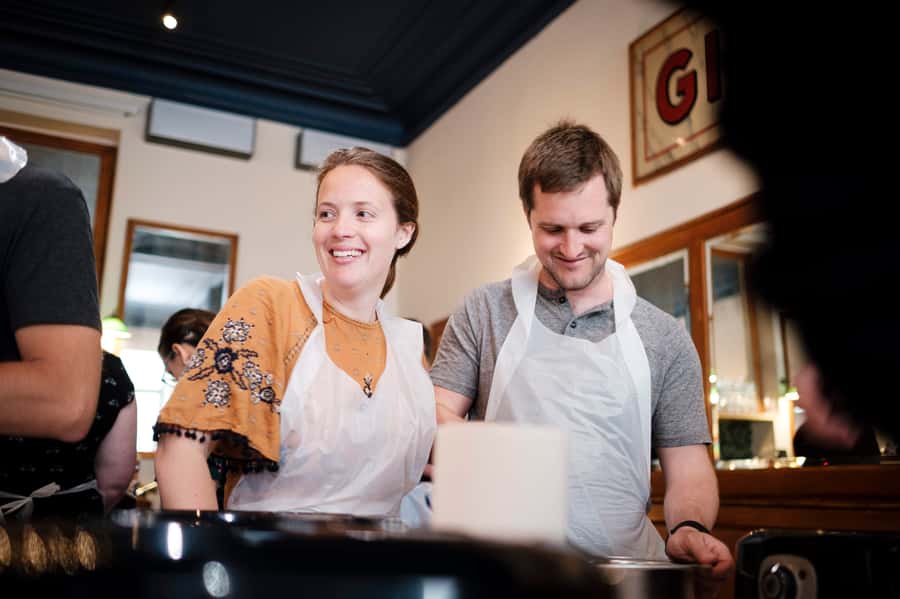
One of the best parts of this workshop is that you don’t just make one flavor. You’ll be able to take inspiration from a range of toppings when you choose what goes into your pralines and mendiants.
The included topping options you’ll encounter include:
- Ganache that you make yourself
- Homemade local jam
- An extensive variety of local and organic nuts
This is where value becomes obvious. At $47 per person, you’re not paying mainly for chocolate. You’re paying for guided work plus the chance to build a mixed box of chocolates that actually matches your taste.
Practical tip: when you’re choosing fillings, think about texture as much as flavor. Nuts add crunch, jam adds brightness, ganache adds richness. A mix makes your take-home box more interesting, especially if you’re sharing.
Also, because you’ll make many pieces, you’ll quickly learn what combination tastes balanced versus overly sweet or heavy. That feedback loop is hard to get in a quick tasting, but it’s built into a hands-on session.
Hot chocolate with a lesson you can repeat
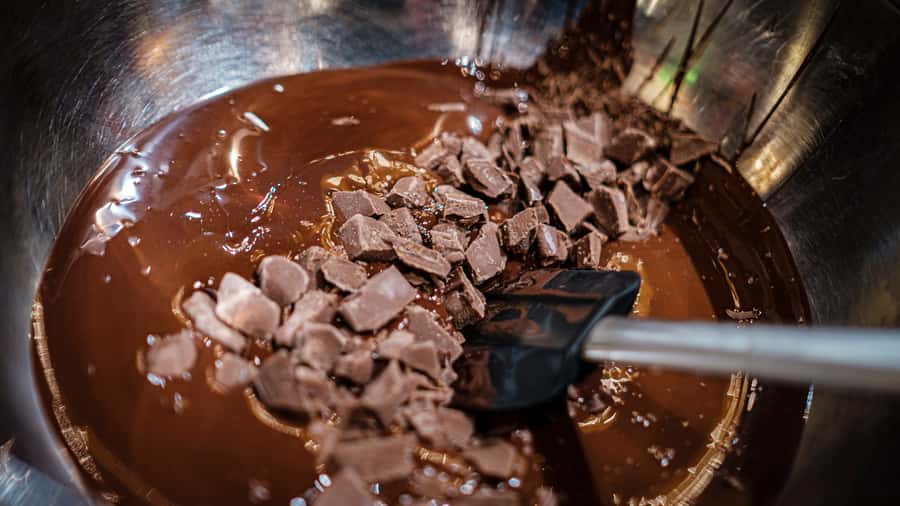
Hot chocolate is often treated as an easy extra. Here, it’s part of the instruction. During the workshop, you’ll taste a hot chocolate and learn how to make it.
That means you’re leaving with more than candy. You’ll likely be able to recreate the drink style back home, which is a more practical souvenir than a bag of sweets you finish in a day.
If you’re traveling in cool Cusco evenings, this also makes sense. Having a drink technique you can repeat later feels like a real win, not just something to get you through the workshop.
Who runs the class and what the energy feels like
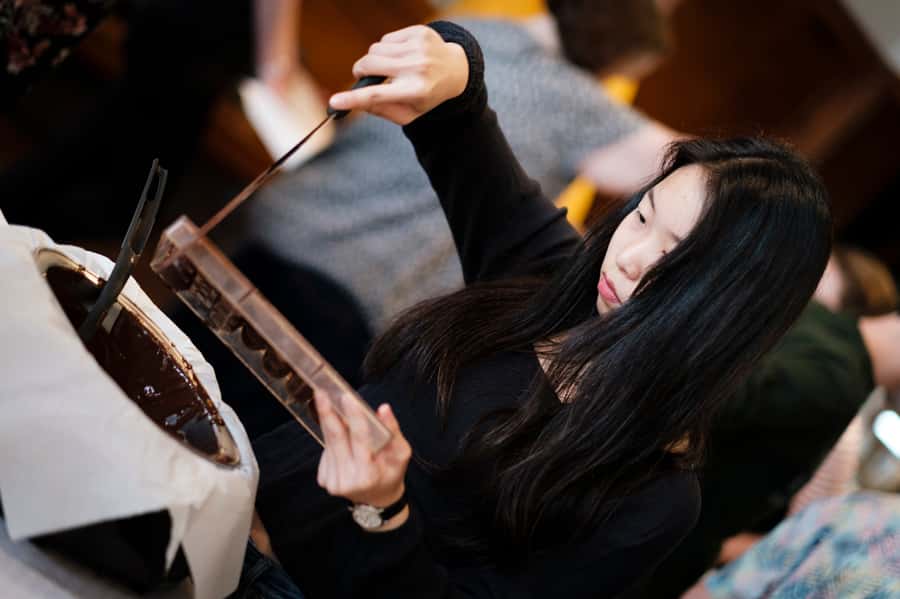
The vibe is hands-on and social. The instructors you might meet include names like David, Ken, Angel, Marco, and Alex, and the class is taught in English, Spanish, and French depending on the group.
Instructors being upbeat matters in chocolate workshops. Tempering and assembling can be fiddly, and good pacing keeps you from feeling rushed. The energy described by people who’ve done the workshop points to a class where you can ask questions, laugh, and still get a clean result.
I’d also call out that this is a focused experience. The workshop states that spectators aren’t allowed, and children under 12 aren’t allowed. So you’re going to be working with a group that’s there to participate, not just watch.
What you can take home: the best part of the value math
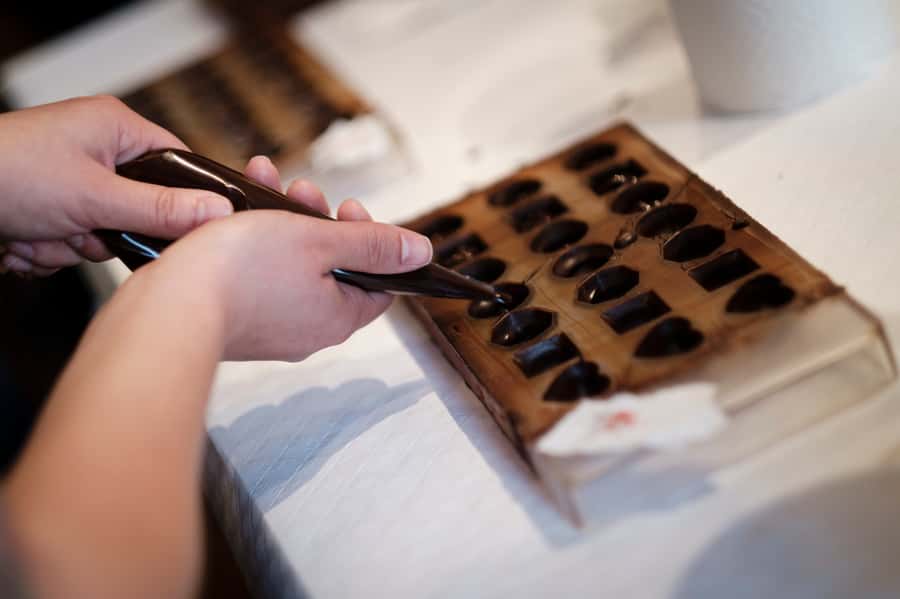
Here’s the part that usually sells this workshop: the quantity and the packaging.
You’ll be able to take home:
- About 21 pralines and 10 mendiants you made
- A personalized box to share later
- Roughly 300 grams of chocolate per person included in the experience
That’s a lot of chocolate for one sitting, especially with the “from scratch” angle. And since you’re making your own fillings and toppings, it feels personal when you open the box later.
One caution: since you’re making chocolate pieces, they can be sensitive to heat and handling. If you’re heading straight to a hot car, a long walk, or an afternoon tour right afterward, keep that in mind. A sturdy box helps, but plan how you’ll transport it.
Price and logistics: is it worth $47?
For Cusco, $47 per person lands in the category of a premium food experience, but it doesn’t look overpriced when you break down what’s included.
You get:
- A 2.5-hour workshop with guided assistance throughout
- All ingredients and utensils
- Hot chocolate tasting and instruction
- 300 grams of chocolate included
- A take-home personalized box
That’s why it works as value. You’re not just buying chocolate, you’re paying for an experience that turns into a literal box of results. If you like learning by doing, and you want a tastier souvenir than another photo stop, this pricing makes sense.
If you’re only interested in a quick taste, you might prefer something shorter. But if your goal is to bring home a mix of chocolates you made yourself, this is the kind of time-and-money trade that usually feels fair.
When this workshop is a great fit, and when it’s not
This is best for you if you:
- Like hands-on food classes where you build something you can share
- Want to learn about cacao origins, not just sweet recipes
- Appreciate Belgian-style chocolate with a Peruvian twist through local toppings
- Prefer experiences that end with a take-home box you actually use
It may not be the right fit if:
- You’re traveling with kids under 12 (or you need an unaccompanied minor option), because those aren’t allowed
- You need a child-friendly spectator setup, because spectators aren’t permitted
- You have diabetes, since the activity is marked as not suitable
Also note: one review mentioned a desire to see more about roasting and opening the beans. That’s a good consideration for you if you’re purely interested in cacao processing steps beyond what supports the candy-making. The workshop focus is on making pralines and mendiants and learning techniques that lead to finished chocolates.
Should you book this Cusco chocolate workshop?
Book it if you want a hands-on class that pairs organic Chuncho cacao with classic Belgian candy styles, and you care about leaving with a real, personalized box. The panoramic meeting point helps too, because you get a scenic start in central Cusco before you start melting chocolate.
Skip it if you need a spectator-friendly experience, you’re traveling with children under 12, or you have diabetes. And if you’re expecting a full step-by-step cacao bean roasting walkthrough, know that this is mainly a make-and-taste workshop, not a processing lab.
FAQ
Where is the meeting point for the Cusco chocolate workshop?
You meet at Limbus Restobar. At the reception, indicate that you are coming for the Chocolate workshop, or el taller de chocolate, and the receptionist will lead you to the experience.
How long is the chocolate workshop?
The workshop lasts about 150 minutes, or 2.5 hours.
What will I take home at the end?
You’ll take home a personalized box with your handmade chocolates, including around 21 pralines and 10 mendiants, plus the hot chocolate you learn to make.
Is pick-up included from your hotel?
No. There is no pick-up. You should meet directly at the workshop location.
Are there age limits or restrictions?
Yes. Unaccompanied minors are not allowed, and children under 12 years old are not allowed. Spectators are also not allowed.
Is it suitable for people with diabetes?
No. The workshop is not suitable for people with diabetes.
More Dessert Tours in Cusco
- Chocolate Workshop in Cusco with Premium Organic Cacao
★ 5.0 · 75 reviews - 1.5h Cusco Chocolate Workshop – Truffles & Hot Chocolate
★ 4.3 · 8 reviews - Cusco: Bean to bar chocolate workshop
★ 5.0 · 3 reviews
More Tour Reviews in Cusco
- Cusco: Humantay Lake Tour with Breakfast and Buffet Lunch
★ 4.9 · 2,976 reviews - From Cusco: Moray, Maras Salt Mines & Chinchero Weavers Tour
★ 4.8 · 1,925 reviews - From Cusco: Full-Day Group Tour of Machu Picchu
★ 4.7 · 1,767 reviews - Machu Picchu Day Trip from Cusco
★ 4.5 · 1,644 reviews - Cusco: Half-Day City Tour with Sacsayhuaman and Q’enco
★ 4.6 · 1,129 reviews
Peruvian Plates Worth Booking
- Chocolate Workshop in Cusco with Premium Organic Cacao
★ 5.0 · 75 reviews - Cusco Cooking Class by ChocoMuseo in Cusco
★ 5.0 · 29 reviews - Cusco street food tour
★ 4.4 · 9 reviews - 1.5h Cusco Chocolate Workshop – Truffles & Hot Chocolate
★ 4.3 · 8 reviews - Cusco: Bean to bar chocolate workshop
★ 5.0 · 3 reviews
Freshly reviewed across Cusco
- Excursion Cusco – Puno – Titicaca Observatory Train★ 5.0 · 3 reviews
- Sacred Valley Vip Cusco★ 4.7 · 3 reviews
- Cusco | Humantay Lake 1-Day Tour with Breakfast and Lunch★ 5.0 · 3 reviews
- Full-Day Condor Viewpoint & Inca Sites Tour★ 5.0 · 3 reviews
- Best of Cusco: Private Walking Tour with a Local★ 3.6 · 3 reviews
- From Cusco: Full-Day Private Sacred Valley Tour★ 5.0 · 3 reviews
Peruvian Food Experiences side by side.
 ★ 4.9Lima: Ultimate Peruvian Food TourFrom $105700 reviews
 ★ 4.9Lima: Historic Center Street Food, Market, and Eateries TourFrom $69216 reviews
 ★ 5.0Lima Street Food Tour Beyond NetflixFrom $50117 reviews
 ★ 5.0Cook an Authentic Ceviche And Peruvian Pisco Sour!From $42107 reviews
 ★ 5.0The 10 Tastings of Lima With Locals: Private Street Food Tour92 reviews
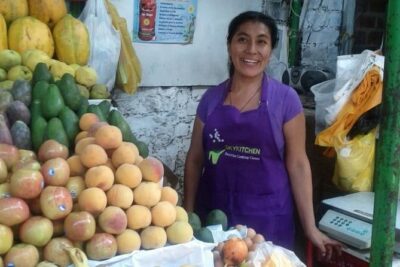 ★ 5.0Market Tour, Tasting of 35 Fruits, and 4-Course Peruvian Cooking Class in LimaFrom $12586 reviews
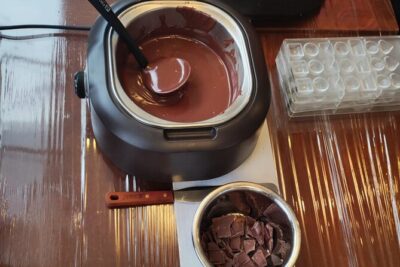 ★ 5.0Chocolate Workshop in Cusco with Premium Organic CacaoFrom $4575 reviews
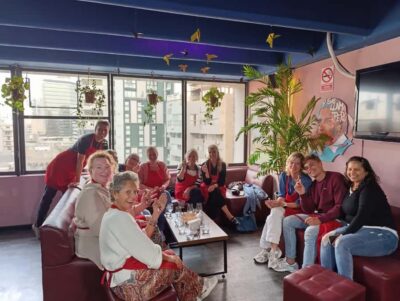 ★ 4.9Miraflores: Amazing Peruvian Cooking Class Ceviche Seafood and Pisco SourFrom $4057 reviews
Also on these Peru lists