
REVIEW · SACRED VALLEY
Cusco: Sacred Valley Day Trip with Maras & Moray Salt Mines
Cusco gets going early, and the Sacred Valley rewards that. This one-day trip strings together Inca farming and archaeology, starting with a quick stop in Chinchero and ending with major sites at Ollantaytambo and Pisac.
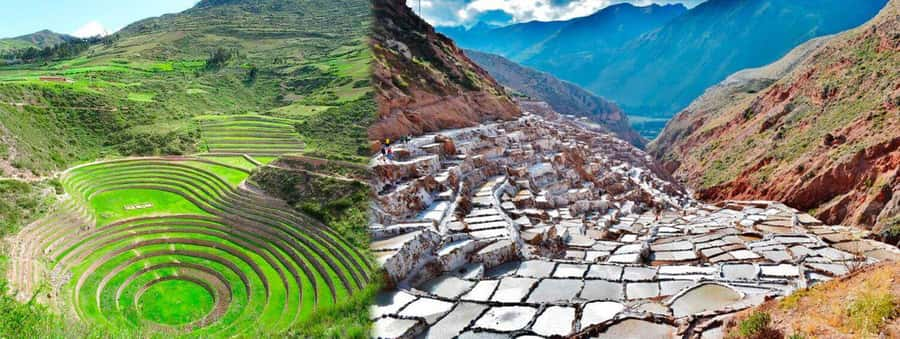
What I like most is how the day focuses on cause and effect, not just ruins. You’ll see salt production in Maras on a hillside, then move to Moray, where the Incas used terraces like a living science project. One potential drawback is the pace, it is a full-day loop with multiple archaeological stops, so it feels like a lot if you want slower, sit-and-stare time.
In This Review
- Key Highlights I Think You’ll Care About
- Price and What You Really Get for $35
- Cusco Pickup at 6 to 7 AM: Why the Early Start Matters
- Chinchero First: A Quick Guided Context Before the Big Stops
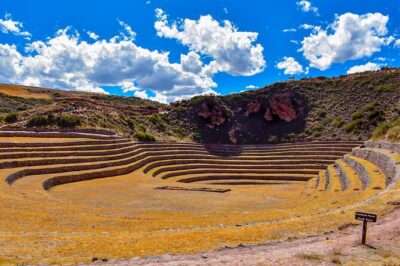
- Moray’s Terraced “Laboratory”: What to Look For
- Maras Salt Mines: Thousands of Wells on a Mountain Slope
- Urubamba Buffet Lunch: Included, And the Right Kind of Break
- Ollantaytambo: Temple of the Sun and the Feel of Inca Engineering
- Pisac Archaeological Complexes: Finishing Strong
- The Value Checklist: Is This Tour Worth Your One Day?
- Logistics You Can’t Ignore: What to Bring (and What Not to Do)
- Should You Book This Sacred Valley Day Trip?
- FAQ
- What time do they pick you up in Cusco, and what time do you get back?
- What is included in the $35 per person price?
- Are the Maras and Moray entrance fees included?
- How long is the tour?
- What languages will the live guide speak?
- Is this tour wheelchair friendly or suitable for visually impaired travelers?
Key Highlights I Think You’ll Care About
- Maras salt wells on steep mountain slopes, built and used for centuries
- Moray’s agricultural terraces, often described as the Incas experimental farming center
- Andean buffet lunch in Urubamba, included and built for a long day
- Ollantaytambo stops including the Temple of the Sun complex
- Pisac archaeological complexes to cap off the day with more stone and views
More Sacred Valley itineraries on our list
- Cusco: Sacred Valley, Pisac, Ollantaytambo, Salt Mines Moray
★ 4.6 · 1,058 reviews - Sacred Valley: Chinchero, Moray, Ollantaytambo & Pisac+Lunch
★ 4.8 · 501 reviews - Sacred Valley: Maras & Moray by Quad Bike from Cusco
★ 4.6 · 418 reviews - From Cusco: 2-Day Trip to the Sacred Valley and Machu Picchu
★ 4.6 · 265 reviews
Price and What You Really Get for $35
At about $35 per person for a full day, this tour is good value if you’re trying to do a lot without the hassle of stitching together buses and tickets yourself. The big win is that the price covers the practical stuff: hotel pickup (near or within the historic center), a professional guide, buffet lunch, and drop-off back near Plaza de Armas in Cusco.
The main thing to know is that two key entrance costs are not included: Maras and Moray. Maras is listed at S/15 (about $5 USD), and Moray is listed as a partial tourist ticket at S/70 (about $20 USD). So your true cost depends on what you pay at the gates. Still, even with those entrances, you’re usually paying for convenience plus guide time, not just transportation.
Cusco Pickup at 6 to 7 AM: Why the Early Start Matters
Pickup runs between 6:00 and 7:00 AM, and you’ll get dropped off around 6:30 to 7:00 PM. That timing tells you what kind of day this is: a loop tour meant to cover several Sacred Valley highlights in one go.
Why that matters for you: if you’re adjusting to altitude in Cusco, an early departure can feel like a grind. On the other hand, starting early usually helps you squeeze in more before the later crowds and before the day gets long. Bring your energy snacks if you’re the type who gets hungry fast, but note lunch is included later, so you’re not totally on your own.
Chinchero First: A Quick Guided Context Before the Big Stops
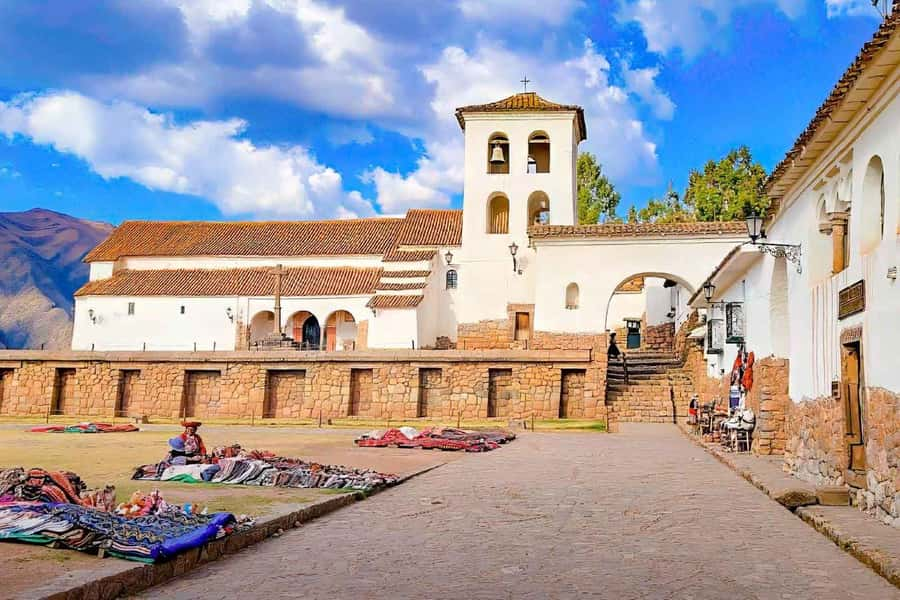
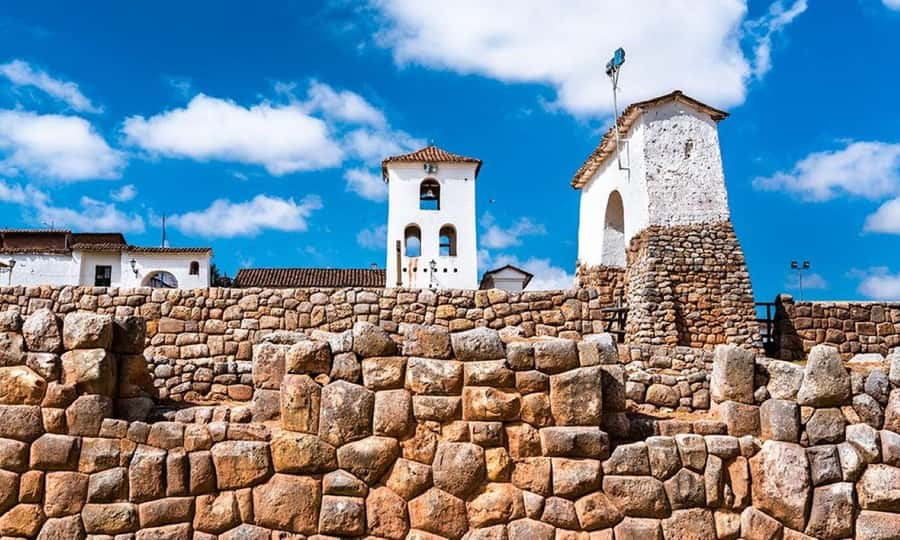
The day starts with a transfer to Chinchero for a brief guided tour. Chinchero is a smart first stop because it gives you a framework for what you’re about to see, the Sacred Valley’s role as a major food supplier and the Incas’ connection to the land.
You’re not just being dropped into one ruin after another. The guide helps you connect the dots, from the region’s importance at the origins of the Urubamba River (known in the past as Vilcanota) to the archaeological centers the Incas built along the river’s banks. Think of Chinchero as the warm-up, so Maras and Moray land with more meaning later.
Moray’s Terraced “Laboratory”: What to Look For
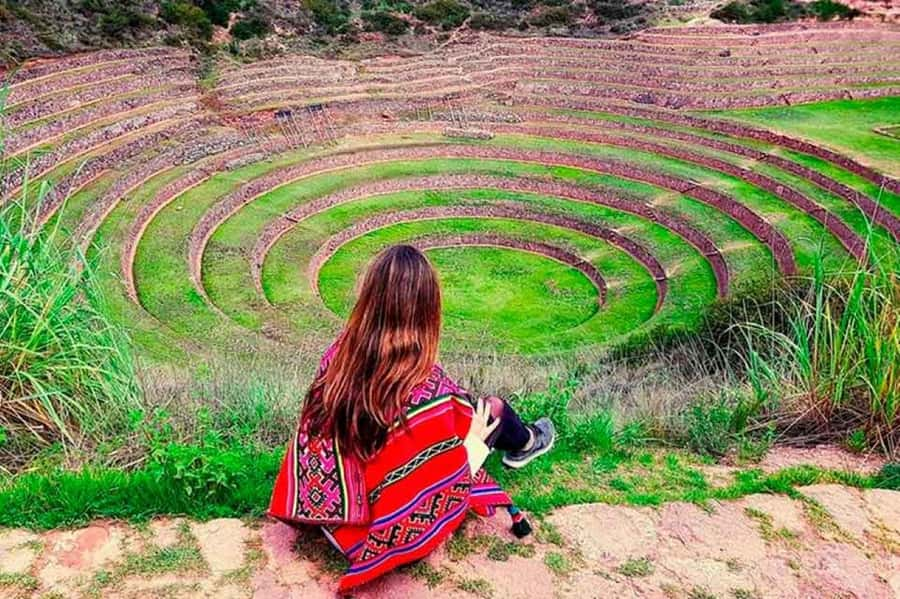
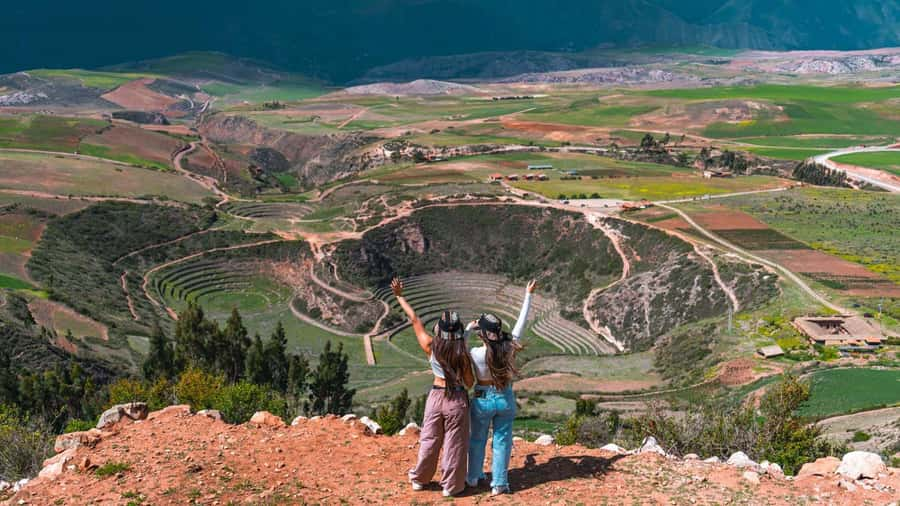
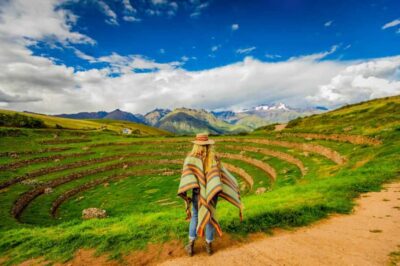
Moray is described as the Incas agricultural laboratory, and that description is exactly why this stop feels different. Instead of only sightseeing, you’re looking at the idea of controlled conditions, terraces that helped people test how crops might behave across microclimates.
Even if you don’t consider yourself a “science person,” this is one of those places where you’ll benefit from a guided explanation. The terrain itself does most of the teaching: multiple levels, layered stone, and a setting that helps you understand why the Incas experimented where they did.
Practical note: Moray entrance is not included. The listing calls it a partial tourist ticket (S/70 or about $20 USD). If you want to avoid last-minute scrambling, have cash ready.
Maras salt and Moray terracing, other trips
Maras Salt Mines: Thousands of Wells on a Mountain Slope
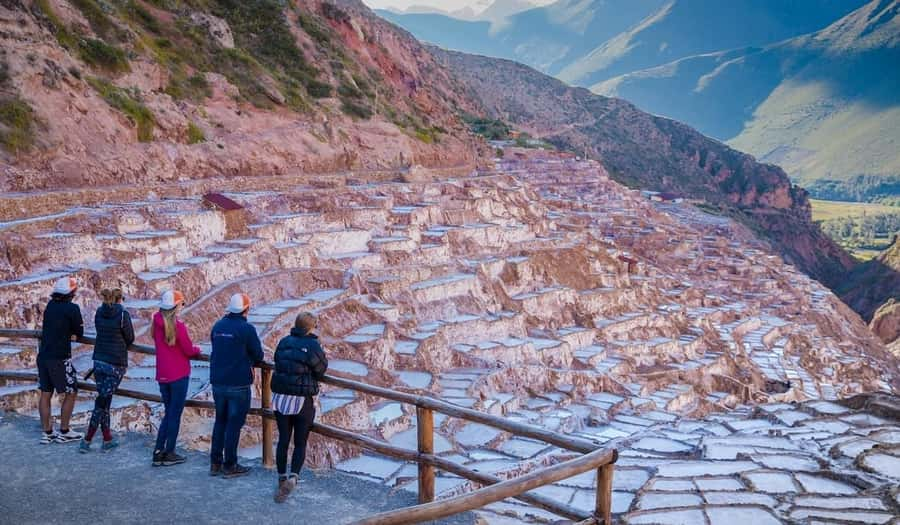
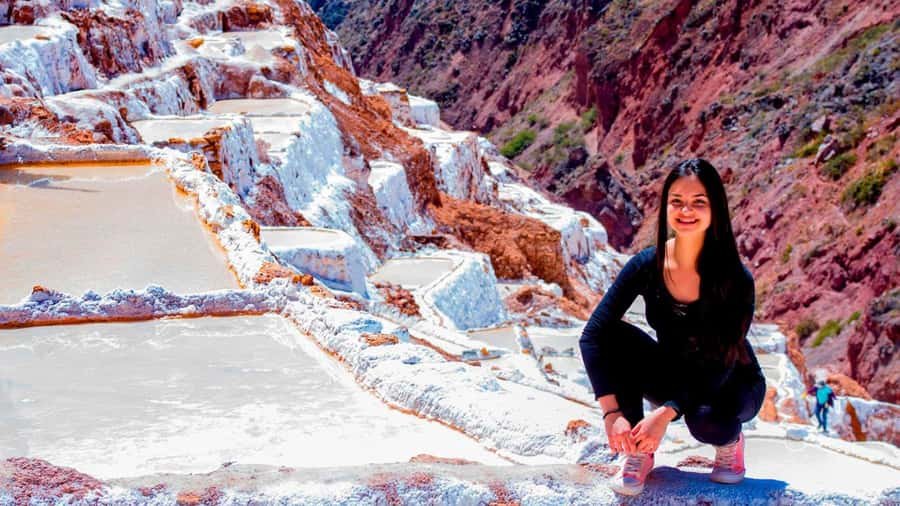
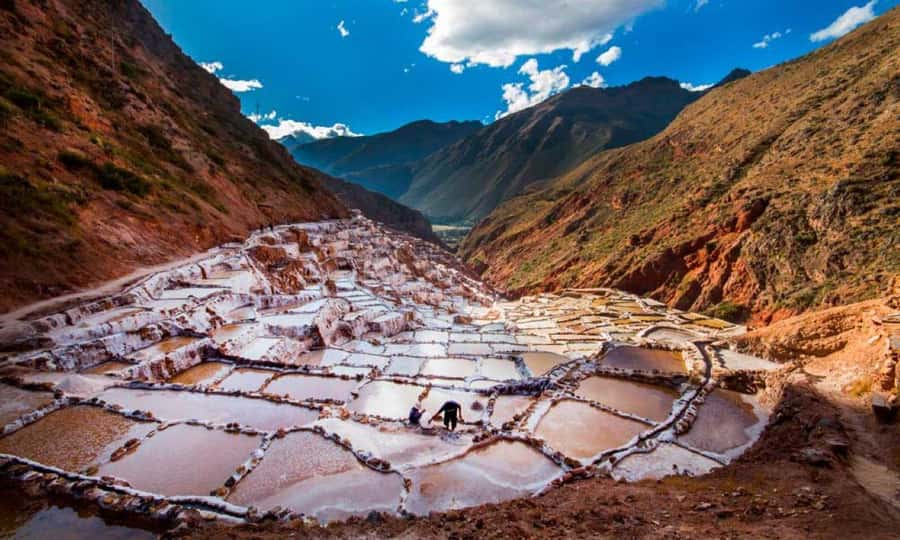
After Moray, you head to a viewpoint where you can see the thousands of salt wells of Maras. The big wow factor is scale and geometry. The wells dot the mountain slopes in a dense pattern, and once you see it from above, it is hard to look away.
What makes this stop more than a quick photo stop is the age and continuity of the site. These salt wells are described as being over 3,000 years old. That means you’re not just looking at something old, you’re looking at something that has been doing real work for a very long time.
You’ll want to take a few minutes to look, then rotate your attention between the wells and the surrounding slopes. It helps you grasp how the system fits the terrain. Also, plan on some walking and uneven ground near viewpoints, so wear shoes that can handle rough paths.
Maras entrance is also not included. The cost is listed at S/15 (about $5 USD).
Urubamba Buffet Lunch: Included, And the Right Kind of Break
You stop in Urubamba for a break and an Andean buffet lunch, and this is genuinely useful in the middle of a long day. When tours are packed, the best meal is the one that refuels you without turning into a culinary research project.
This lunch is included, so you’re not chasing food between stops. It also breaks the rhythm, giving you time to catch your breath and reset before Ollantaytambo and Pisac, which are both archaeology heavy.
If you’re sensitive to altitude fatigue, eat steadily, not just a big hit. Warm food tends to help, and you’ll likely feel better as you move into the afternoon.
Ollantaytambo: Temple of the Sun and the Feel of Inca Engineering
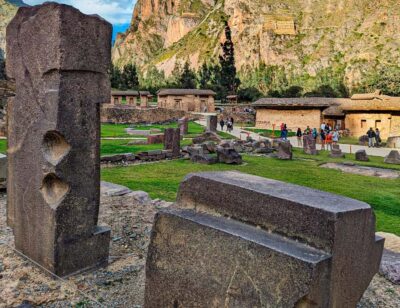
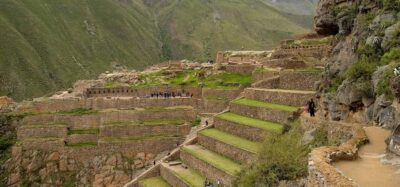
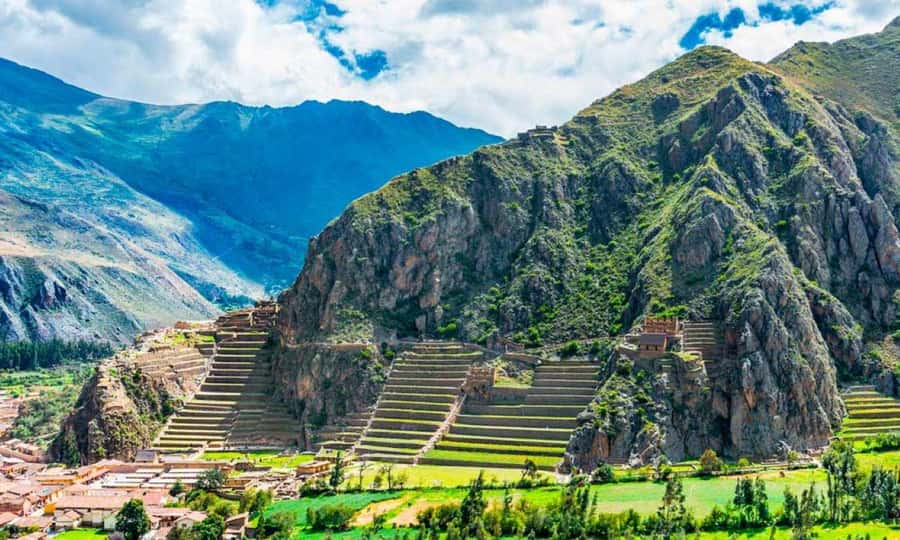
Next up is Ollantaytambo, with visits to the most important complexes, including the Temple of the Sun. This is one of the stops where the Inca approach becomes obvious. Stone, alignment, and built space all feel purposeful, and the location makes it easy to imagine how people lived and moved through these places.
Why this matters: by the time you reach Ollantaytambo, you’ve already seen agriculture at Moray and salt production at Maras. That context makes the archaeological stops feel less random. You can start asking better questions, like how the Incas organized food, labor, and religious or state priorities across the valley.
You’ll likely take photos, but I’d also encourage you to pause and listen. The guide’s job here is to help you translate what you’re seeing into why it was built. If you’re going to ask questions, this is the time, because you’ll get more out of the explanation while everything is fresh.
Pisac Archaeological Complexes: Finishing Strong
After Ollantaytambo, the last major archaeological stop is Pisac, where you’ll visit important complexes. Pisac is a good closing chapter because it keeps the day’s theme going, Inca sites tied to land and order, not just pretty scenery.
By this point, your body may be ready for the end of the day, but it’s worth keeping your attention switched on. You’ll get more meaning from Pisac if you remember what the day has been teaching you so far: the Sacred Valley as a vital food supplier, with key sites built along the Urubamba area, and engineering that worked with geography.
The Value Checklist: Is This Tour Worth Your One Day?
Here’s how I’d judge it if you had to choose. This trip is a strong fit if you want:
- A single-day “big hits” route across Sacred Valley highlights
- A guide that explains how agriculture and archaeology connect
- Lunch included, so you’re not hunting meals during a tight schedule
It is not a great fit if you:
- Want a slow, unhurried day with long breaks
- Prefer to control entrances and timing on your own
- Need a more accessible itinerary, since the tour is listed as not suitable for wheelchair users and visually impaired people
One detail that stuck out from an actual guide experience: one verified booking highlighted Christian as the guide, praising how he shared clear information about Inca history and stayed happy to answer extra questions. That lines up with what you should look for in a tour like this. When a day is packed, a guide who can adapt to your questions makes the difference between rushing and actually understanding.
Logistics You Can’t Ignore: What to Bring (and What Not to Do)
Bring what you’ll need for a day in and out of sites. The basics listed are passport, camera, cash, and a power bank. Cash matters because Maras and Moray entrance are not included.
Also note the “no nonsense” rules: no drones, no smoking in the vehicle, no alcohol or drugs, and no littering. If you’re traveling with water and snacks, keep it tidy and follow the group’s rhythm.
One extra practical tip: you’re asked to provide a WhatsApp number with the correct country code. That’s there so the activity provider can coordinate with you smoothly during the process. If you don’t use WhatsApp, make sure your number is ready anyway, or you might miss messages.
Should You Book This Sacred Valley Day Trip?
I’d book it if your goal is one full day where you check major Sacred Valley landmarks, you get a guide who can connect the sites, and you don’t want to manage transportation across multiple stops on your own.
I’d think twice if you hate early mornings, want to spend lots of time wandering without structure, or you need accessibility support beyond what this tour is listed for.
If you fit the first group, this is a solid way to experience the Sacred Valley’s core ideas. You’ll see how people used the valley for food, how salt production worked on the hillside, and how the Incas built major centers across the route. It is a long day, but it is built around meaningful stops, not random stops you’ll forget the next morning.
FAQ
What time do they pick you up in Cusco, and what time do you get back?
Pickup from your hotel is between 6:00 and 7:00 AM. Return to Cusco is around 6:30 to 7:00 PM, with drop-off near Plaza de Armas.
What is included in the $35 per person price?
The tour includes hotel pickup (near or within the historic center), a buffet lunch, a professional guide, and drop-off near Plaza de Armas in Cusco.
Are the Maras and Moray entrance fees included?
No. Maras entrance is not included (S/15 or about $5 USD). Moray entrance is also not included (partial tourist ticket S/70 or about $20 USD).
How long is the tour?
It’s listed as a 1-day experience.
What languages will the live guide speak?
The guide provides live interpretation in Spanish and English.
Is this tour wheelchair friendly or suitable for visually impaired travelers?
No. It is listed as not suitable for wheelchair users or visually impaired people.
More Tour Reviews in Cusco
- Cusco: Humantay Lake Tour with Breakfast and Buffet Lunch
★ 4.9 · 2,976 reviews - From Cusco: Moray, Maras Salt Mines & Chinchero Weavers Tour
★ 4.8 · 1,925 reviews - From Cusco: Full-Day Group Tour of Machu Picchu
★ 4.7 · 1,767 reviews - Machu Picchu Day Trip from Cusco
★ 4.5 · 1,644 reviews - Cusco: Half-Day City Tour with Sacsayhuaman and Q’enco
★ 4.6 · 1,129 reviews
Maras Salt and the Moray Rings
- From Cusco: Moray, Maras Salt Mines & Chinchero Weavers Tour
★ 4.8 · 1,925 reviews - Cusco: Sacred Valley, Pisac, Ollantaytambo, Salt Mines Moray
★ 4.6 · 1,058 reviews - Cusco:Chinchero,Moray & Salt Mines drop-off in Ollantaytambo
★ 4.8 · 793 reviews - Sacred Valley: Chinchero, Moray, Ollantaytambo & Pisac+Lunch
★ 4.8 · 501 reviews - Sacred Valley: Maras & Moray by Quad Bike from Cusco
★ 4.6 · 418 reviews
Sacred Valley, Further Afield
- Cusco: Sacred Valley, Pisac, Ollantaytambo, Salt Mines Moray
★ 4.6 · 1,058 reviews - Sacred Valley: Chinchero, Moray, Ollantaytambo & Pisac+Lunch
★ 4.8 · 501 reviews - Sacred Valley: Maras & Moray by Quad Bike from Cusco
★ 4.6 · 418 reviews - From Cusco: 2-Day Trip to the Sacred Valley and Machu Picchu
★ 4.6 · 265 reviews - Full-Day Excursion to Sacred Valley, Pisac and Ollantaytambo from Cusco
★ 4.5 · 174 reviews
Freshly reviewed across Cusco
- Excursion Cusco – Puno – Titicaca Observatory Train★ 5.0 · 3 reviews
- Sacred Valley Vip Cusco★ 4.7 · 3 reviews
- Cusco | Humantay Lake 1-Day Tour with Breakfast and Lunch★ 5.0 · 3 reviews
- Full-Day Condor Viewpoint & Inca Sites Tour★ 5.0 · 3 reviews
- Best of Cusco: Private Walking Tour with a Local★ 3.6 · 3 reviews
- From Cusco: Full-Day Private Sacred Valley Tour★ 5.0 · 3 reviews
Sacred Valley Tours side by side.
 ★ 4.8From Cusco: Sacred Valley & Maras Salt Mines Tour with LunchFrom $282,227 reviews
 ★ 4.6Cusco: Sacred Valley, Pisac, Ollantaytambo, Salt Mines MorayFrom $281,058 reviews
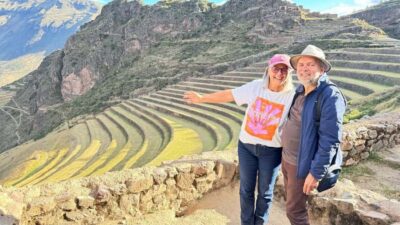 ★ 4.8Sacred Valley: Chinchero, Moray, Ollantaytambo & Pisac+LunchFrom $25501 reviews
 ★ 4.6Sacred Valley: Maras & Moray by Quad Bike from CuscoFrom $39418 reviews
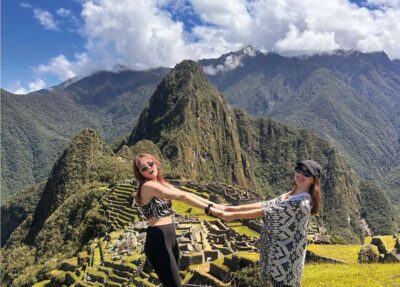 ★ 4.6From Cusco: 2-Day Trip to the Sacred Valley and Machu PicchuFrom $370265 reviews
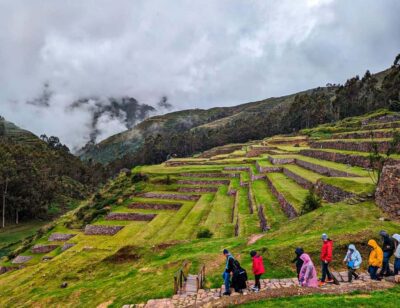 ★ 4.8Cusco:Sacred Valley Pisaq,Ollantaytambo,Chinchero with LunchFrom $28183 reviews
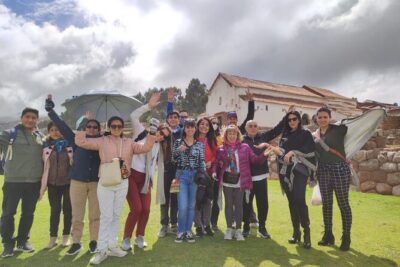 ★ 4.5Full-Day Excursion to Sacred Valley, Pisac and Ollantaytambo from CuscoFrom $47174 reviews
 ★ 5.0Food and Culture Full day Tour in the Sacred ValleyFrom $200144 reviews
Also on these Peru lists