
REVIEW · MARAS AND MORAY
Cusco:Chinchero,Moray & Salt Mines drop-off in Ollantaytambo
One day, Sacred Valley in big bites. This Cusco to Ollantaytambo tour strings together textile traditions, Inca farming experiments, and the salt mines, then finishes with the 200-step fortress at Ollantaytambo. I like how it packs major sites into one smooth direction, so you can keep momentum for Machu Picchu planning.
Two things I really love: the textile weaving stop in Chinchero, where you get to see traditional techniques in a working cultural setting, and the payoff view from the top of Ollantaytambo’s terraced defensive fortress. A possible drawback to plan around is that not all entrance fees are included, and the day runs close to a train schedule, with group service ending around 15:30.
If you want a fast but not chaotic intro to the Sacred Valley, this tour is a solid fit. Just come ready for sun, long stairs, and the small extra ticket costs at each site.
In This Review
- Key highlights worth your attention
- One-way Sacred Valley logistics: Cusco to Ollantaytambo without the backtracking
- Chinchero: textiles, culture, and what you can actually buy (if you want)
- Moray terraces: circular agriculture built for a tricky climate
- Maras salt mines: 5,000+ salt ponds and long-term food storage
- Urubamba buffet lunch: a break that keeps the day from feeling rushed
- Ollantaytambo fortress: more than 200 steps to a defensible view
- Price and value: what $27 really buys you, and what to budget extra
- Pace and who will love it most
- Should you book Cusco to Chinchero, Moray, Salt Mines, and Ollantaytambo?
- FAQ
- How long is the tour?
- Where do you get picked up?
- Where does the tour end?
- Is lunch included?
- Do I need to buy tickets for the sites?
- Are drinks included?
- What should I bring?
- Are drones allowed?
- What is the cutoff for free cancellation?
- Do they offer private or small-group service?
Key highlights worth your attention
- Chinchero textile weaving stop: Learn how Andean textiles are made using long-standing methods, plus some time for shopping.
- Moray agricultural terraces: See how the Incas used circular terraces to grow crops on uneven terrain.
- Maras salt mines: Walk among thousands of salt ponds that helped preserve food for long periods.
- Urubamba buffet lunch: A proper sit-down lunch included, with options for different tastes.
- Ollantaytambo one-way finish: End at the train station or main square, ideal for connecting to Aguas Calientes later.
- Time-managed small-group feel: Many people report the day stays on schedule without feeling rushed.
Maras salt and Moray terracing, other trips
- Cusco: Sacred Valley, Pisac, Ollantaytambo, Salt Mines Moray
★ 4.6 · 1,058 reviews - Cusco:Chinchero,Moray & Salt Mines drop-off in Ollantaytambo
★ 4.8 · 793 reviews - Sacred Valley: Chinchero, Moray, Ollantaytambo & Pisac+Lunch
★ 4.8 · 501 reviews - Sacred Valley: Maras & Moray by Quad Bike from Cusco
★ 4.6 · 418 reviews
One-way Sacred Valley logistics: Cusco to Ollantaytambo without the backtracking
This is designed as a one-direction day: you start in Cusco, you work your way through the Sacred Valley, and you end in Ollantaytambo. That matters because Cusco to Machu Picchu usually comes with decision points, especially around timing. By the time you finish this tour, you’re not scrambling to find transport back into town, you’re already where you need to be.
The day runs about 8 to 9 hours. Pickup is from your Cusco hotel, and you ride in a van that keeps travel time reasonable between stops. Typical legs are around an hour to get to Chinchero, then shorter drives between Moray, Maras, and Urubamba, before heading to Ollantaytambo. It’s the kind of route that helps you see a lot, without turning the whole day into a bus ride.
You’ll also get a bilingual guide in English and Spanish, and that shows in how the stops are explained as you go. In recent days, guides like Julio and Felipe have been specifically praised for keeping the energy up and switching languages smoothly, and others like Nora and John have been praised for being organized and helpful. Your exact guide will vary, but the style of narration tends to be consistent, practical explanations tied directly to what you’re standing in front of.
Chinchero: textiles, culture, and what you can actually buy (if you want)
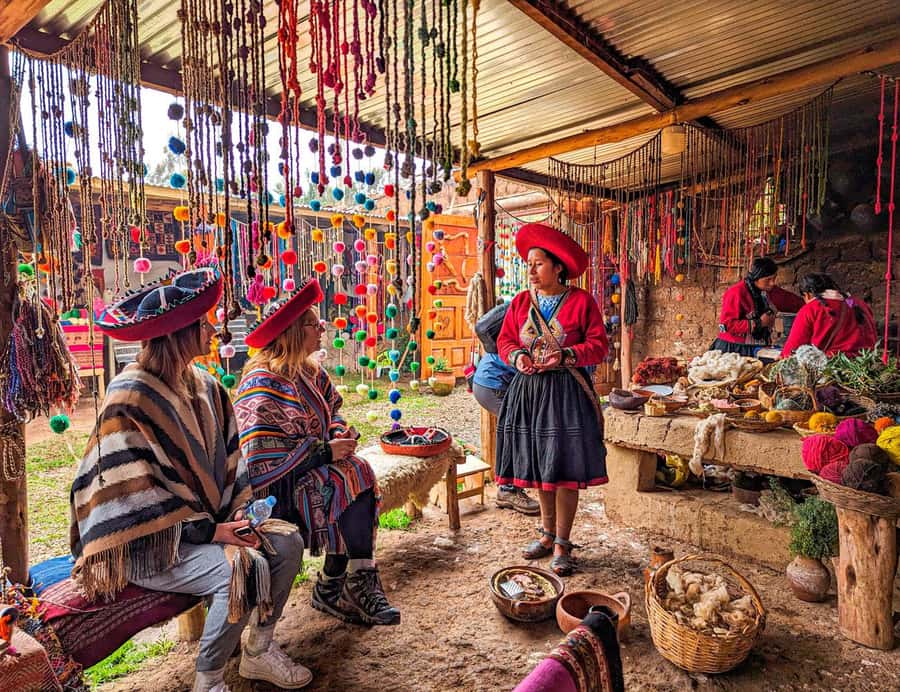
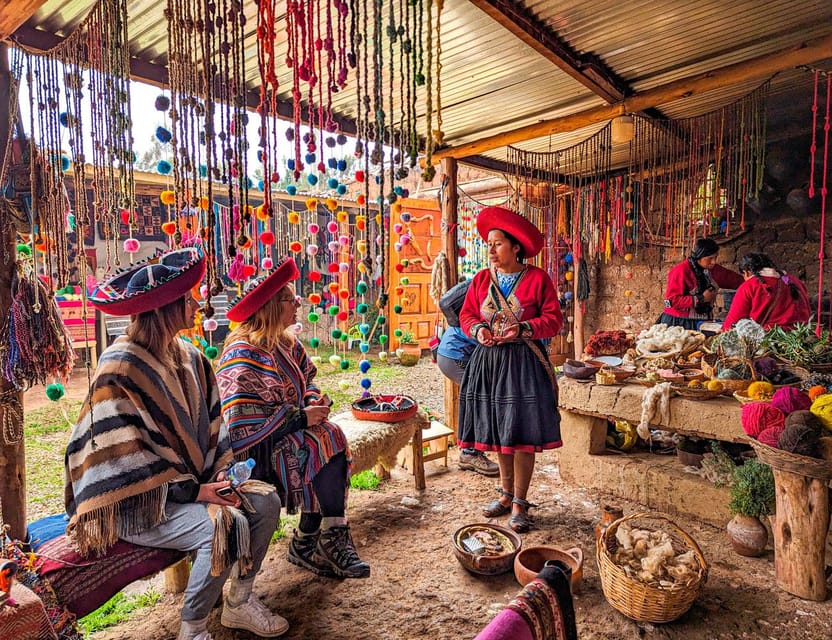
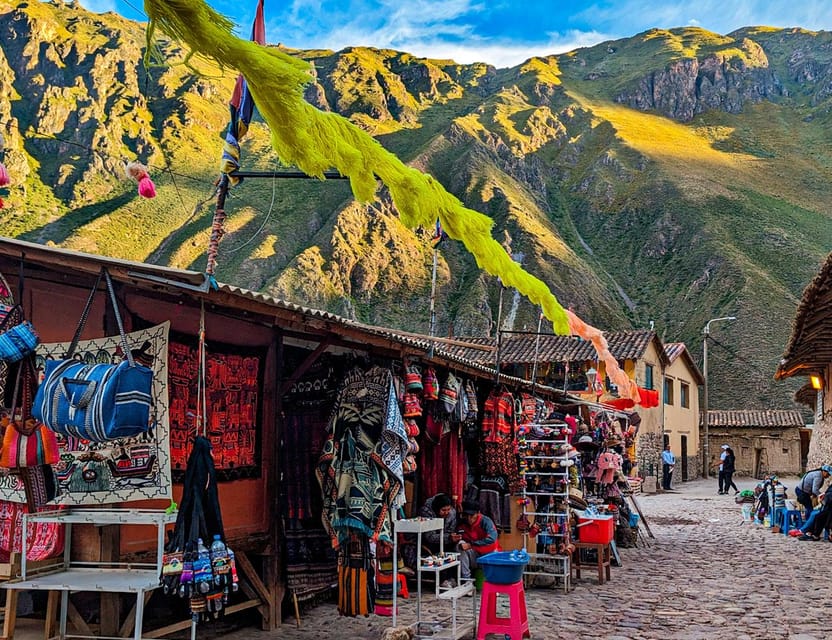
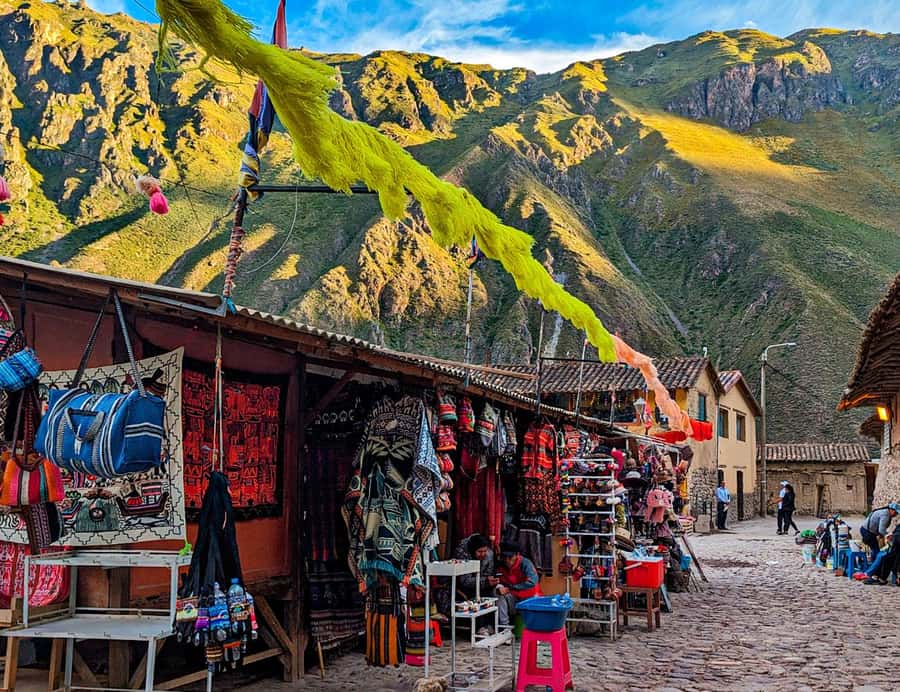
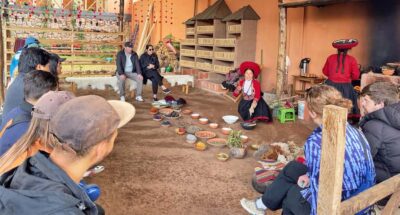
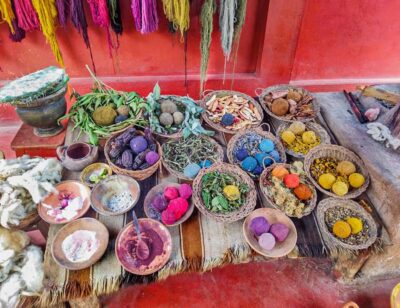
Chinchero is the first major stop, a small town known for a long weaving tradition. You get a photo stop, then a guided visit that focuses on textiles and the local craft process. The most useful part of this stop is not just looking at colorful items, it’s learning how the textiles are made using traditional Incan techniques.
You’ll also have time to shop. That’s a big deal in Chinchero because it’s one of those places where you can buy Andean goods that feel tied to a real craft rhythm, not just a souvenir table. Many people look for alpaca scarves and related items here, and the tour schedule builds in a bit of breathing room so you can browse without feeling dragged through.
What to watch for: Chinchero can be sunny and bright, and your stop includes walking. Bring the basics listed for the tour, especially sunscreen, a hat, and sunglasses. Also plan for cash, because tickets and shopping are paid on site.
The downside? Shopping time can be a little repetitive for people who only want ruins. If that’s you, focus on the weaving demonstration and treat the shopping portion as optional.
Moray terraces: circular agriculture built for a tricky climate
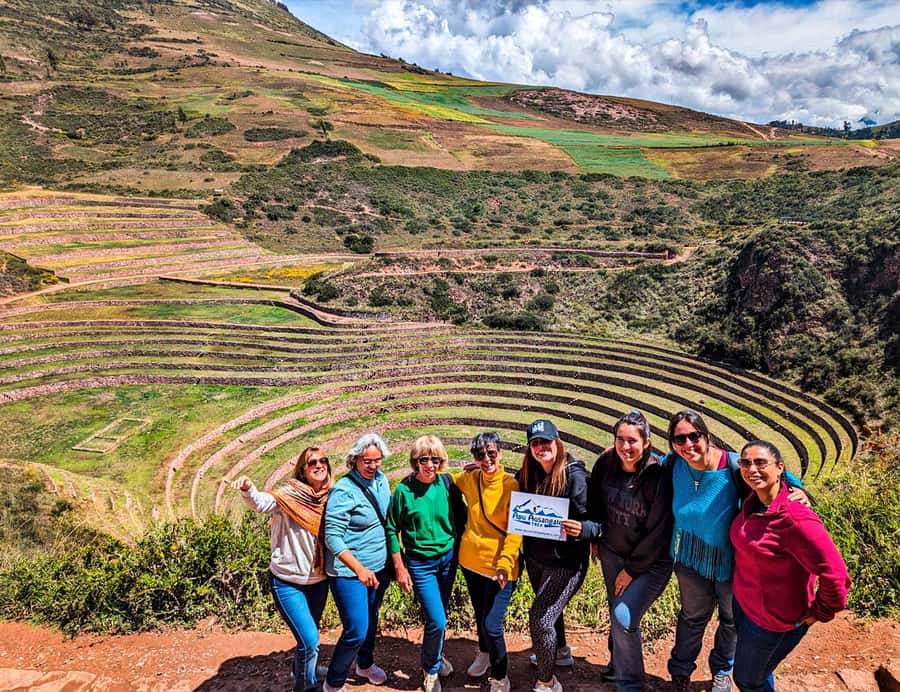
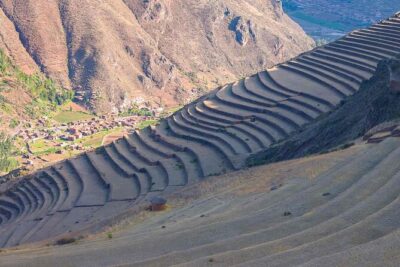
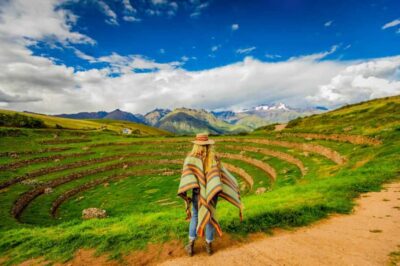
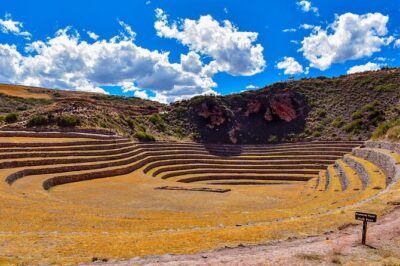
Moray is where the tour turns scientific in an Inca way. You’ll visit the agricultural terraces built along the hillside, and your guide will explain why these circular layouts matter. The key idea is that the terraces helped produce crops in conditions that were less ideal for farming. In other words, the Incas were working with microclimates, not just stacking stone.
The experience here is visual and it’s also grounded in function. When you stand looking at the circular terracing, you can actually imagine the logic: different levels of exposure and temperature, the layout designed to help crops do better where plain flat fields wouldn’t work as well.
Time-wise, you’re given a photo stop, guided tour, and a short walk. It’s enough to understand the concept, without turning Moray into a full-day hike.
One practical note: Moray is part of a multi-site ticket setup. You’ll need the partial tourist ticket for Chinchero, Moray, and Ollantaytambo. It’s purchased at the first site you visit, so keep an eye on that early on in the day.
Maras salt mines: 5,000+ salt ponds and long-term food storage
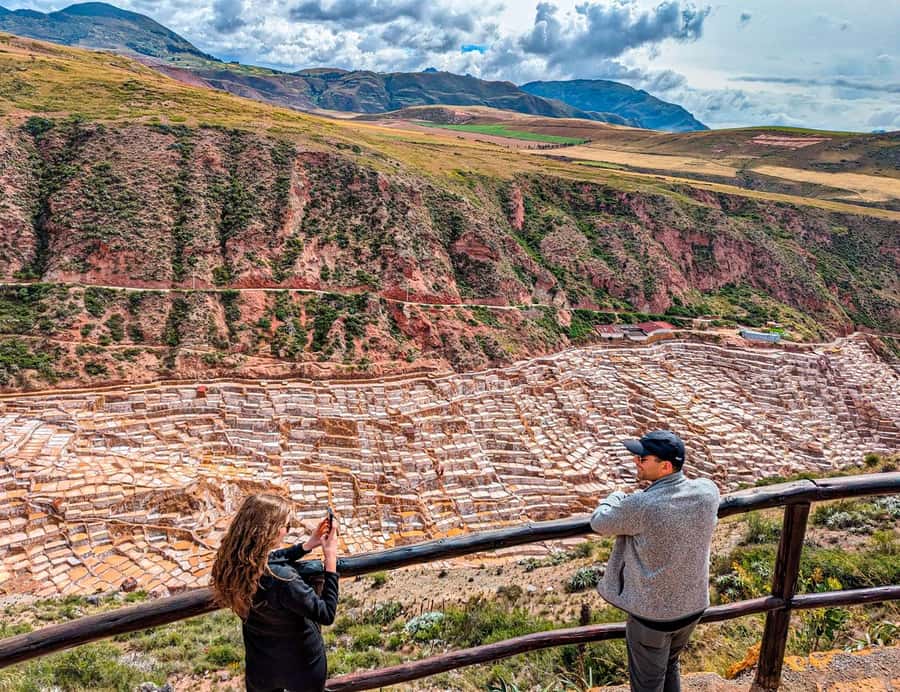
After Moray, you head to Maras Salt Mines, one of those places that looks almost unreal until you realize it’s been worked for a very long time. Your stop includes a guided visit and time to walk around the salt pond area.
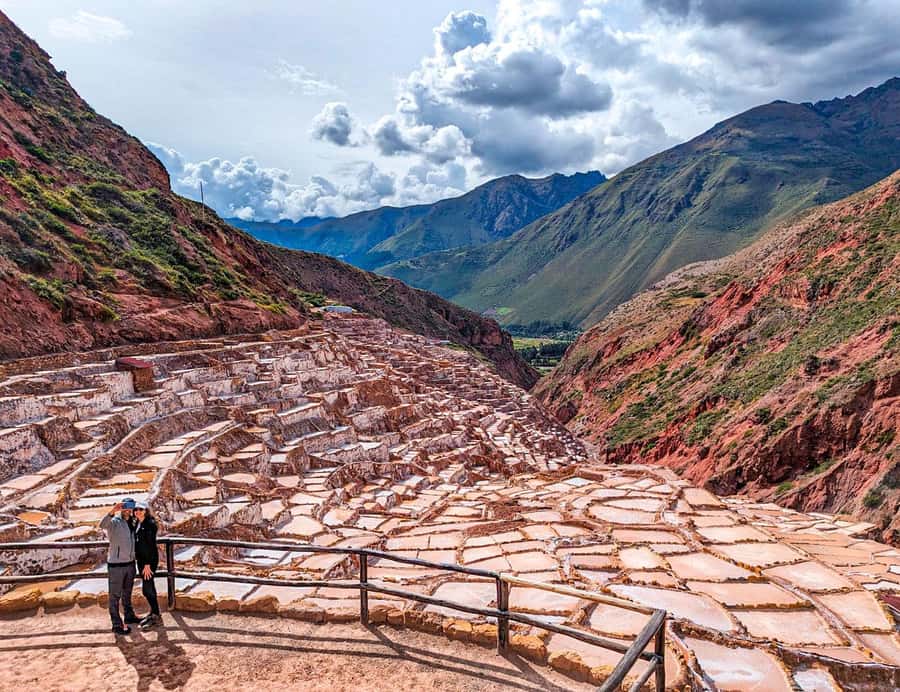
The standout detail is scale. There are over 5,000 salt ponds here, and the salt mining tradition helped preserve food for long periods, which connects the place to everyday survival, not only spectacle. Your guide should tie that to Andean life and how communities used resources strategically.
This is also one of the best photo stops of the day, because the geometric patterns and the pale salt pools create strong visuals. You’ll want your camera ready, but also give yourself a moment to slow down. It’s easy to sprint for photos and miss the explanation that makes the salt ponds meaningful.
Near the salt mine area, there’s also time for shopping in Maras. If you enjoy small, local craft stalls, that extra window helps. If you’d rather keep moving, treat shopping as optional and stay focused on the mining walk.
Ticket reality check: the salt mine entrance ticket is not included. Plan on purchasing it on site, and keep cash handy. Also, drinks aren’t included, so water becomes part of your day planning. The tour includes water to bring, not water for you, so come with your own bottle.
Pisac market and Ollantaytambo fortress, other runs
Urubamba buffet lunch: a break that keeps the day from feeling rushed
Lunch happens in Urubamba, often described as the capital of the Sacred Valley of Urubamba. The tour includes a buffet lunch, with about 45 minutes for eating. This timing is one of the reasons the whole day works. You get a real pause after Moray and before Ollantaytambo.
The best practical advice here is to eat like you’ll climb later. Ollantaytambo includes a big stair ascent, so don’t skip lunch or just pick at it. You’ll also want to keep your energy steady, because the afternoon is where the day ramps up.
Many people have said the lunch buffet is excellent, and that it includes enough options for vegetarians. That’s important if you’re picky, or if you simply want a meal that doesn’t feel like a compromise.
Ollantaytambo fortress: more than 200 steps to a defensible view
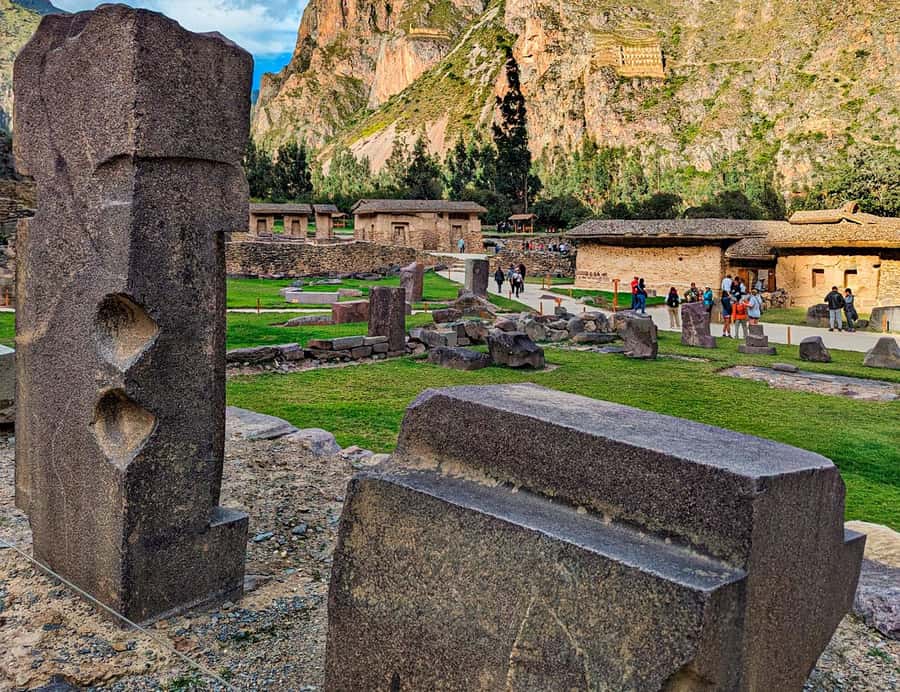
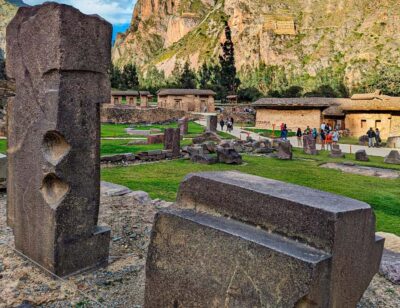
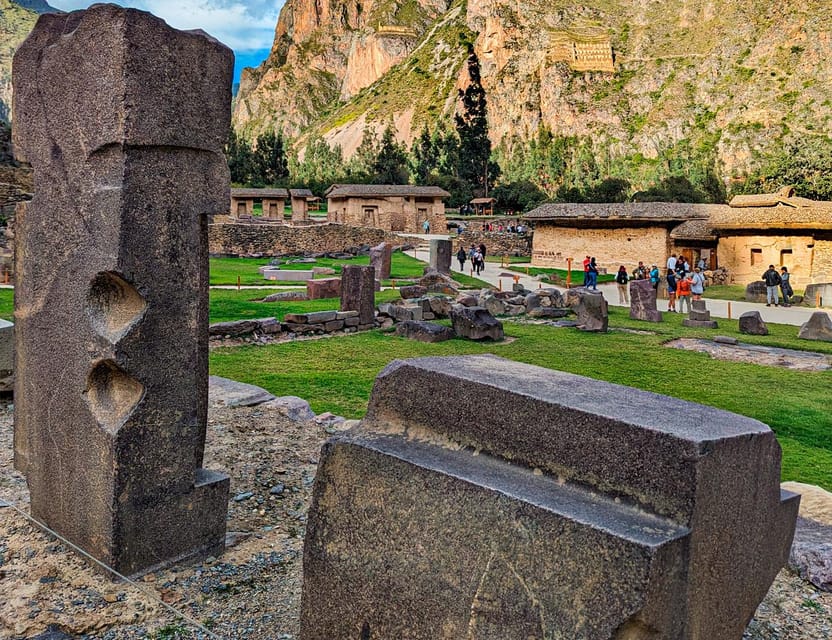
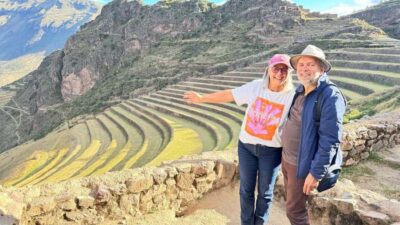
If the first half of the day is about farming and food, Ollantaytambo flips the theme to defense and power. You’ll arrive for a photo stop and guided visit, then you climb over 200 steps to reach the top of an ancient terraced fortress overlooking the town.
This is the tour’s physical highlight. Yes, it’s a lot of stairs. But the reward is also clear, you’re up high enough to see how the fortress could defend a valley town. The terraced layout feels intentional, not decorative, and that helps connect the stones to the people who lived there.
What you should do in the moment: take your time near the main points the guide highlights. It’s tempting to just run to the top for the view, but the best payoff comes when you connect the architecture to the explanation you get on site.
When you’re done, you end the tour with a drop-off at either the train station or Ollantaytambo main square. Group service typically wraps around 15:30. If you’re taking the train onward, the tour info recommends booking after 16:00 for groups. If you do private service, you’ll generally have more flexibility and the end time can align better with your train schedule.
Price and value: what $27 really buys you, and what to budget extra
The headline price is $27 per person, and that’s why this tour appeals to a lot of people. But the real value comes from what’s included.
Included:
- Pickup from your Cusco hotel
- Bilingual guide
- Transportation throughout the day
- Buffet lunch in Urubamba
- Drop-off in Ollantaytambo (train station or main square)
Not included:
- Partial tourist ticket for Chinchero, Moray, and Ollantaytambo, purchased at the first site, listed as 70 PEN
- Entrance ticket to the salt mine, purchased on site, listed as 20 PEN
- Drinks
- Return transportation to Cusco
So you’re paying for the big structure: transport, guided time at each major stop, and lunch, plus the crucial one-way finish that saves you effort once you move toward Machu Picchu. Then you pay separate site fees and drinks. For many travelers, that combination feels like a fair deal because you get a guided overview of multiple Sacred Valley highlights in one day, rather than piecing it together yourself.
My advice is to budget a little extra on day-of costs for tickets and water, then you won’t be surprised when the group reaches the first paid site. Also carry cash. The tour specifically calls for cash, and you’ll likely use it more than once.
Pace and who will love it most
This is a packed day. It’s packed in a controlled way, with set photo stops, guided visits, and short walks, not an all-day wandering plan. Many people have described the schedule as smooth and well organized, even when it includes a lot of driving and multiple sites.
You’ll probably love this tour if:
- You want to see the Sacred Valley without doing multiple separate days
- You’re heading to Machu Picchu and need a convenient one-way finish in Ollantaytambo
- You like history explained as you stand in front of the site, not only in a lecture
- You enjoy cultural craft stops, like textiles, even if you are not shopping heavily
You might want a different plan if:
- You hate stair climbing. Ollantaytambo’s ascent is part of the experience.
- You prefer slower travel with longer free time at each ruin or viewpoint.
- You’re only interested in ruins and would rather skip textile and salt-related activities.
One more nuance: the day can feel fast for some people, but it’s designed so you don’t miss key moments. If you arrive early and keep your pacing steady, it feels more like a satisfying tour than a checklist sprint.
Should you book Cusco to Chinchero, Moray, Salt Mines, and Ollantaytambo?
Book it if you want maximum Sacred Valley value in a single day, and you specifically want the convenience of finishing in Ollantaytambo for your next step. The strongest reasons to choose it are the breadth of stops, the included buffet lunch, and the way the route ends where your Machu Picchu plans often continue.
Skip or reconsider if you’re trying to minimize entrance fees and day-of spending, or if a 200+ step climb sounds miserable. Also, if your train departure is early, aim for timing that gives you a buffer, since group service ends around 15:30.
If you fall in the sweet spot, you’ll come away with a clearer feel for how the Incas managed food, farming, craft, and defense, all connected through places you can see in one day.
FAQ
How long is the tour?
It runs about 8 to 9 hours.
Where do you get picked up?
Pickup is included from your hotel in Cusco.
Where does the tour end?
The group tour ends in Ollantaytambo, either at the train station or the main square.
Is lunch included?
Yes. A buffet lunch in Urubamba is included.
Do I need to buy tickets for the sites?
Yes. You need a partial tourist ticket for Chinchero, Moray, and Ollantaytambo, bought at the first site for 70 PEN. The salt mine entrance ticket is purchased on site for 20 PEN.
Are drinks included?
No. Drinks are not included.
What should I bring?
Bring sunglasses, sun hat, camera, sunscreen, water, and cash.
Are drones allowed?
No, drones are not allowed.
What is the cutoff for free cancellation?
You can cancel up to 24 hours in advance for a full refund.
Do they offer private or small-group service?
Yes. Private or small groups are available.
More Tour Reviews in Cusco
- Cusco: Humantay Lake Tour with Breakfast and Buffet Lunch
★ 4.9 · 2,976 reviews - From Cusco: Moray, Maras Salt Mines & Chinchero Weavers Tour
★ 4.8 · 1,925 reviews - From Cusco: Full-Day Group Tour of Machu Picchu
★ 4.7 · 1,767 reviews - Machu Picchu Day Trip from Cusco
★ 4.5 · 1,644 reviews - Cusco: Half-Day City Tour with Sacsayhuaman and Q’enco
★ 4.6 · 1,129 reviews
Pisac and Ollantaytambo Again
- From Cusco: Moray, Maras Salt Mines & Chinchero Weavers Tour
★ 4.8 · 1,925 reviews - Cusco: Sacred Valley, Pisac, Ollantaytambo, Salt Mines Moray
★ 4.6 · 1,058 reviews - Sacred Valley: Chinchero, Moray, Ollantaytambo & Pisac+Lunch
★ 4.8 · 501 reviews - Pisac Indian Market and Ollantaytambo Fortress with Lunch
★ 4.5 · 395 reviews - Full-Day Excursion to Sacred Valley, Pisac and Ollantaytambo from Cusco
★ 4.5 · 174 reviews
Maras Salt and the Moray Rings
- From Cusco: Moray, Maras Salt Mines & Chinchero Weavers Tour
★ 4.8 · 1,925 reviews - Cusco: Sacred Valley, Pisac, Ollantaytambo, Salt Mines Moray
★ 4.6 · 1,058 reviews - Sacred Valley: Chinchero, Moray, Ollantaytambo & Pisac+Lunch
★ 4.8 · 501 reviews - Sacred Valley: Maras & Moray by Quad Bike from Cusco
★ 4.6 · 418 reviews - From Cusco: Quad bike tour Moray and Salt Mines
★ 4.7 · 314 reviews
Freshly reviewed across Cusco
- Excursion Cusco – Puno – Titicaca Observatory Train★ 5.0 · 3 reviews
- Sacred Valley Vip Cusco★ 4.7 · 3 reviews
- Cusco | Humantay Lake 1-Day Tour with Breakfast and Lunch★ 5.0 · 3 reviews
- Full-Day Condor Viewpoint & Inca Sites Tour★ 5.0 · 3 reviews
- Best of Cusco: Private Walking Tour with a Local★ 3.6 · 3 reviews
- From Cusco: Full-Day Private Sacred Valley Tour★ 5.0 · 3 reviews
Maras and Moray Tours side by side.
 ★ 4.8From Cusco: Sacred Valley & Maras Salt Mines Tour with LunchFrom $282,227 reviews
 ★ 4.8From Cusco: Moray, Maras Salt Mines & Chinchero Weavers TourFrom $151,925 reviews
 ★ 4.6Cusco: Sacred Valley, Pisac, Ollantaytambo, Salt Mines MorayFrom $281,058 reviews
 ★ 4.8Sacred Valley: Chinchero, Moray, Ollantaytambo & Pisac+LunchFrom $25501 reviews
 ★ 4.6Sacred Valley: Maras & Moray by Quad Bike from CuscoFrom $39418 reviews
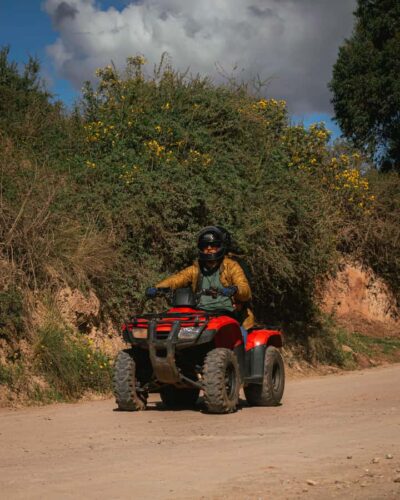 ★ 4.7From Cusco: Quad bike tour Moray and Salt MinesFrom $27314 reviews
 ★ 5.0From Cusco: Moray, Maras Salt Mines & Chinchero Weavers Half-DayFrom $15126 reviews
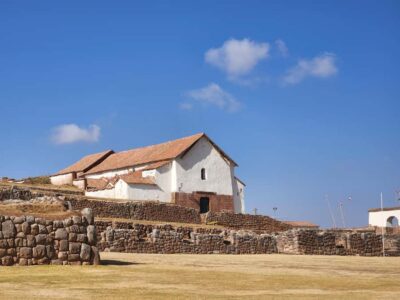 ★ 4.5From Cusco: Chinchero, Moray, Maras and OllantaytamboFrom $4583 reviews
Also on these Peru lists