
REVIEW · MARAS AND MORAY
From Cusco: Moray, Maras Salt Mines & Chinchero Weavers Half-Day
Three Sacred Valley sites in one tight loop.
This half-day route packs Chinchero, Moray, and the Maras Salt Mines into a smooth mountain drive, with big altitude scenery and hands-on culture like Quechua weaving and natural dye colors.
I love how the day balances human scale with real Inca-era engineering, especially at Moray’s terraced bowl. I also like the focus on practical experiences, like seeing how dyes come from plants and then getting time at the salt pools to actually look, not just pose.
One possible drawback: you are riding in a shared vehicle for a long chunk of the morning to early afternoon, and when the group is full the mini bus can feel cramped.
In This Review
- Quick Hits: What Makes This Trip Work
- How This Half-Day Sacred Valley Tour Fits Into Cusco Life
- Chinchero: Quechua Market Energy and Real Weaving Techniques
- Moray’s Terraced Bowl: Inca Crop Testing, Not Just Pretty Steps
- Maras Salt Mines (Salineras): Ancient Labor in 3,000 Small Pools
- Timing, Comfort, and Photo Strategy for a 6 to 7 Hour Day
- Bilingual Guides: Stories That Make Each Stop Click
- Price and Value: What You Pay, What You Still Need to Budget
- Who This Tour Suits Best
- Should You Book This Tour?
- FAQ
- How long is the Cusco to Moray, Maras Salt Mines, and Chinchero tour?
- What time are pickup and return in Cusco?
- What entrance fees are not included?
- Is breakfast or lunch included?
- How many people are in the group?
- What happens if the weather is bad?
Quick Hits: What Makes This Trip Work
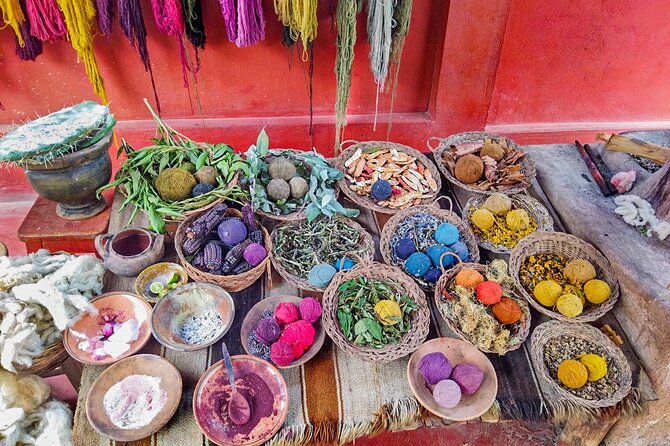
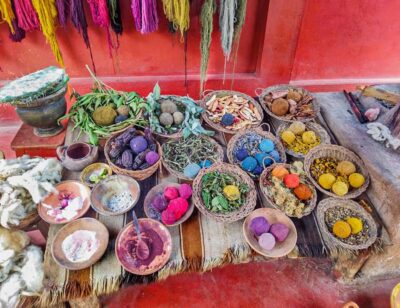
- Chinchero market and weaving demo with bartering culture and natural plant dye explanations
- Moray’s terraced microclimates where Inca builders tested crop conditions across levels
- Maras Salineras salt pools with a look at 3,000 small pans fed by a hot spring
- Small-group feel (max 16) and a bilingual guide who helps with stories and photos
- Fast return near Plaza de Armas around 3:15 pm so you can plan lunch on your own
Maras salt and Moray terracing, other trips
- Cusco: Sacred Valley, Pisac, Ollantaytambo, Salt Mines Moray
★ 4.6 · 1,058 reviews - Cusco:Chinchero,Moray & Salt Mines drop-off in Ollantaytambo
★ 4.8 · 793 reviews - Sacred Valley: Chinchero, Moray, Ollantaytambo & Pisac+Lunch
★ 4.8 · 501 reviews - Sacred Valley: Maras & Moray by Quad Bike from Cusco
★ 4.6 · 418 reviews
How This Half-Day Sacred Valley Tour Fits Into Cusco Life
This tour is built for people who want Sacred Valley highlights without committing to a full day out. The pickup window is 8:20 am to 8:40 am, and the return is around 3:15 pm near Plaza de Armas, which matters because Cusco afternoons can be flexible for you, especially if you have another plan later.
You’ll go high, fast. Chinchero sits at about 3,762 meters, then Moray is around 3,450 meters. That altitude means you should start hydrated and plan on taking it slow at first, especially if you are sensitive to altitude.
The pace is also time-bound. The stops are fairly tight, and the timeline can feel a little sensitive if anyone runs late, since you’re sharing the schedule with a small group.
Chinchero: Quechua Market Energy and Real Weaving Techniques
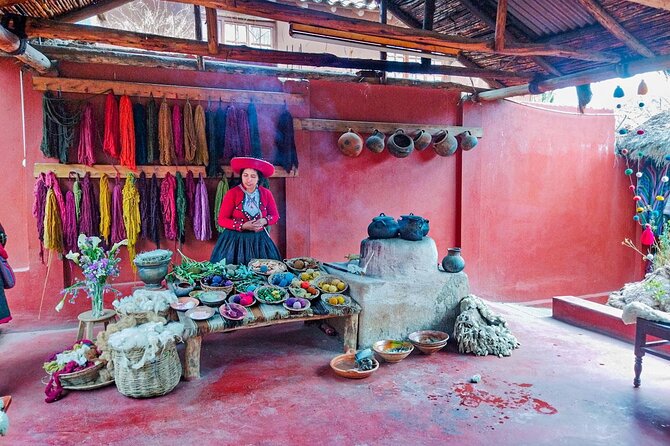
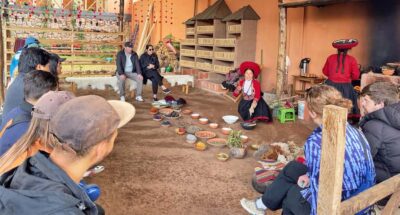
Chinchero is your first major cultural stop, and it’s more useful than it sounds if you treat it like a learning moment, not a quick photo stop. You’ll spend about an hour there, and it’s a mix of a traditional market atmosphere and a weaving workshop.
Here’s what makes Chinchero special on this route:
- You can watch bartering in action, which helps you understand how local trade works beyond a simple tourist transaction.
- You’ll see a weaving workshop tied to the Quechua tradition, with an emphasis on how they create colors from natural plants.
- You may be able to dress for photos in Andean clothing, which is great if you want a visual sense of traditional style.
The practical note: this stop includes only part of the town and an Andean textile center, so don’t expect a full walk through everything Chinchero has to offer. Instead, use the hour efficiently. Ask questions about dye plants and materials, and if you want better photos, stand where you can show both the weaving process and the background town feel.
Also, shopping is present. One honest caution I’d keep in mind: some textile areas can shift quickly toward sales. If you’re only browsing, you’ll still get good value from the demonstration, but set your expectations that not every minute is purely educational.
Moray’s Terraced Bowl: Inca Crop Testing, Not Just Pretty Steps
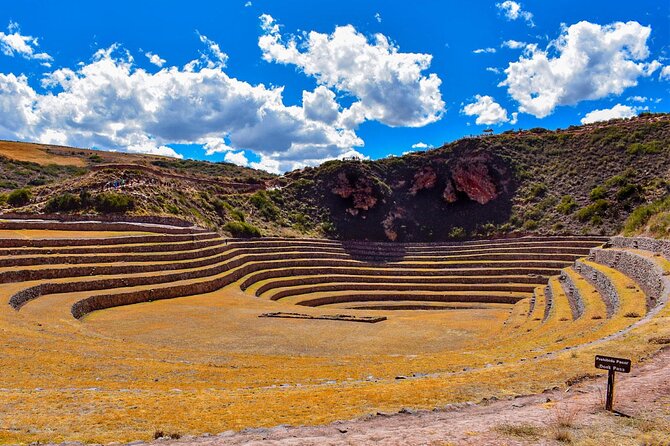
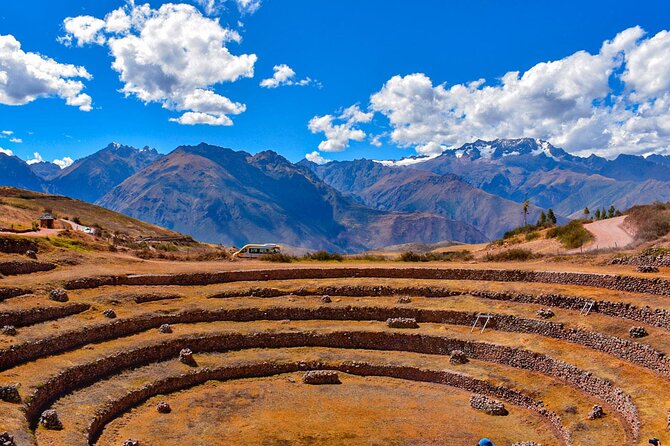
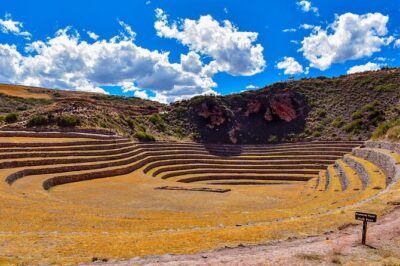
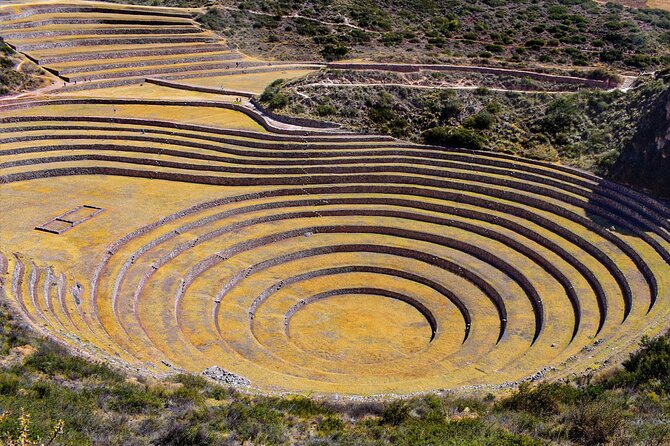
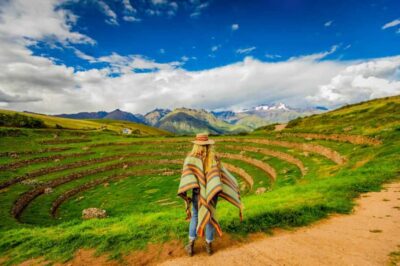
Moray is where the day turns from culture to science. You’ll have about an hour here, and this is the part where you get to see agricultural terraces shaped into a huge bowl with levels and irrigation. The idea is that the Incas were experimenting with microclimates, using the bowl shape to recreate different growing conditions across terrace levels.
This stop is especially worth it if you like understanding why places look the way they do. It’s not just stepped stone. You’re looking at a system designed to make high-altitude farming more workable by creating sub-climates where crops might grow better.
Two practical tips for Moray:
- Wear sturdy shoes. Terrain can be uneven around terrace edges, and you’ll want solid footing.
- Budget your camera time early. The best viewpoints take a little moving, and your hour goes quickly.
Moray also has an entrance fee not included on the base price. If you’re traveling on a tight budget, factor that in ahead of time so you don’t feel surprised later.
Maras Salt Mines (Salineras): Ancient Labor in 3,000 Small Pools
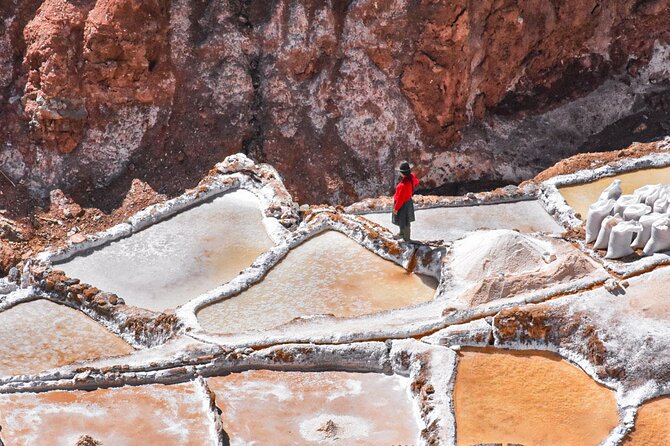
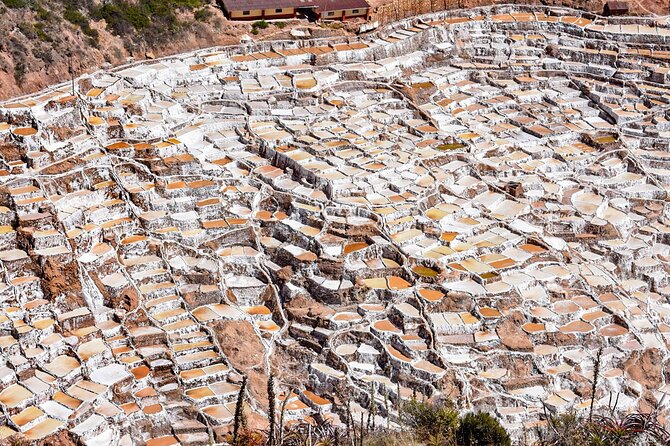
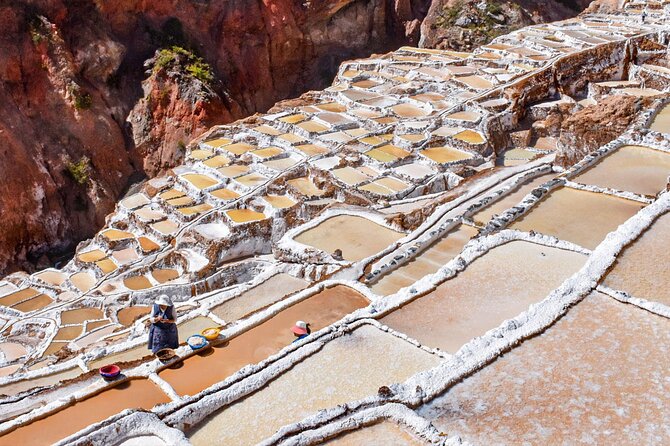
Then you’ll head to Salineras, the famous Maras salt mines. This is the stop that many people remember most because it feels both huge and oddly delicate at the same time. You’re looking at roughly 3,000 small pools, carved into the hillside.
How the system works, in plain terms:
- Workers fill the pools with salt water every three days during the dry season.
- The water comes from a natural hot spring.
- The salt is eventually processed, ground, treated with iodine, packaged, and shipped to regional markets.
That last part matters. This isn’t a frozen museum site. It’s a working salt operation with a continuity that goes back to pre-Inca time and continues today.
One practical note from the route: on the way you also pass Maras village, which still shows colonial architecture made from thin stone. If you’re into architecture, it’s a nice quick visual break before you focus fully on the salt pools.
Timing matters here too. You get about an hour, and the photos are worth it, but also try to slow down long enough to watch the pattern of pools and how the hillside shapes the whole layout. Even without any fancy explanations, your eyes will start to connect the engineering logic.
Pisac market and Ollantaytambo fortress, other runs
Timing, Comfort, and Photo Strategy for a 6 to 7 Hour Day
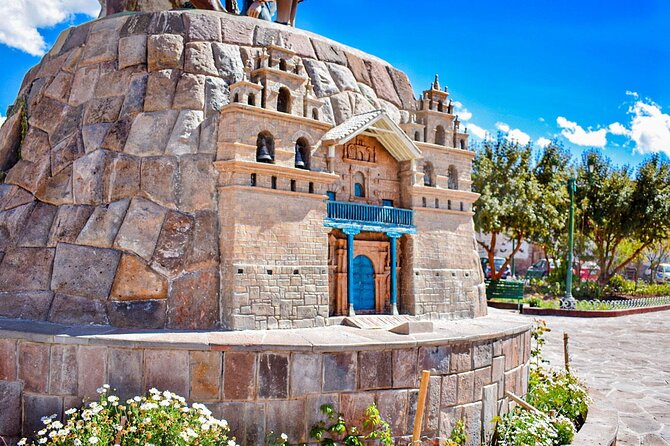
Even though it’s marketed as half-day, your day runs about 6 to 7 hours from pickup to return. That’s not a problem, but it does change how you should prepare.
Bring water and a snack. Lunch is not included, so you’ll be back near Plaza de Armas around 3:15 pm, when you can eat on your own. If you assume a full meal is coming, you’ll likely feel it near the end of the tour. A simple snack can make Moray and the salt pools feel more relaxed.
Comfort can vary. The tour uses a shared vehicle, and when it’s full you may find the mini bus less comfortable than you hoped. If you’re prone to back or knee discomfort, choose a seat where you can adjust posture and take breaks when you stop.
Photo strategy that works:
- Use Chinchero early for the weaving and plant-dye visuals.
- In Moray, prioritize wider shots first, then close-ups of terraces.
- In Salineras, look for angles that show the slope of the hillside and the grid-like pools.
Also, guides can make a real difference here. Multiple guides have been praised for stories and for helping couples with photo viewpoints. Names that show up in this kind of route include Felipe, Eddie, Julio, and Manuel. If you get one of those personalities, you’re likely to get clear explanations in both English and Spanish.
Bilingual Guides: Stories That Make Each Stop Click
A big value of this tour is that the guide is bilingual. That matters in Cusco because you want the story behind the stones, not just a list of what you’re seeing.
The best guides do two things:
- They connect the sites to how people live, historically and today.
- They keep the pace smooth while still giving you time to look.
On this route, guides like Felipe and Julio have been noted for engaging history, and some guides have even shared coca leaves to taste. If you’re curious, ask politely. Peru’s coca tradition is a big part of Andean life, and tasting it is a small moment that can add context to what you see.
Price and Value: What You Pay, What You Still Need to Budget
At $15.20 per person for the tour itself, the base price is low for a route that includes transportation and a bilingual guide. That said, two major entrance fees are not included, and you should plan for them.
What you pay separately on the day:
- Moray entrance: $19 or 70 soles
- Salt mines entrance: $6 or 20 soles
Chinchero and the Cusco orientation stops are listed as free admissions, so the main cost comes from Moray and Salineras.
Here’s the way I’d think about value: you’re paying a small amount for guided access and logistics, while the entrance fees buy you the two biggest set-piece sites. If you skip those entrances mentally and assume everything is covered, you can end up with sticker shock. If you budget them, the total becomes a straightforward deal for three major Sacred Valley sights.
Who This Tour Suits Best
This is a great match if you want a first taste of the Sacred Valley and you don’t want to commit to a very long day. It’s also ideal if you care about hands-on culture, like weaving and natural dye color processes, and if you like practical explanations that help you see patterns.
It’s less ideal if:
- You need long, unhurried breaks for meals, since lunch is on your own.
- You dislike shared transport where comfort can vary when the vehicle is full.
- You want deep exploration of just one town, since Chinchero is only partially covered and the itinerary is intentionally tight.
Should You Book This Tour?
I’d book this if you want a smart, scenic sampler: Chinchero for Quechua weaving, Moray for Inca agricultural design, and Maras salt mines for real working-life history. The combination of culture plus engineered farming plus a living salt operation gives you a well-rounded Sacred Valley overview in a manageable schedule.
But do book with your eyes open. Entrance fees are extra, lunch is not included, and the vehicle ride can feel long. If you handle those three points, you’ll get very strong value from a route that stays efficient without skipping the best parts.
FAQ
How long is the Cusco to Moray, Maras Salt Mines, and Chinchero tour?
It runs about 6 to 7 hours.
What time are pickup and return in Cusco?
Pickup is between 8:20 am and 8:40 am, and you return around 3:15 pm near Plaza de Armas.
What entrance fees are not included?
Moray entrance costs $19 or 70 soles, and the Salt Mines entrance costs $6 or 20 soles. Chinchero and the Cusco stops are listed as free admissions.
Is breakfast or lunch included?
No. Breakfast and lunch are not included, so plan to eat on your own after you return near Plaza de Armas.
How many people are in the group?
This tour has a maximum of 16 travelers.
What happens if the weather is bad?
The tour requires good weather. If it’s canceled due to poor weather, you’ll be offered a different date or a full refund.
If you tell me your travel dates and whether you prefer earlier starts or slower pacing, I can suggest whether this half-day format fits your plan or if you’d be happier with a longer Sacred Valley day.
Wool, Dye and Loom
- From Cusco: Moray, Maras Salt Mines & Chinchero Weavers Tour
★ 4.8 · 1,925 reviews - Cusco: Alpaca and Llama Farm Tour w/ Transfer & Weaving Demo
★ 4.9 · 151 reviews - City Tour in Cusco & visit Museum South American Camelid Private.
★ 5.0 · 147 reviews - The Textile Workshop Experience in Cusco Region
★ 5.0 · 118 reviews - Sacred Valley Textile Workshop – Dyeing & Weaving in Cusco
★ 5.0 · 92 reviews
Pisac and Ollantaytambo Again
- From Cusco: Moray, Maras Salt Mines & Chinchero Weavers Tour
★ 4.8 · 1,925 reviews - Cusco: Sacred Valley, Pisac, Ollantaytambo, Salt Mines Moray
★ 4.6 · 1,058 reviews - Cusco:Chinchero,Moray & Salt Mines drop-off in Ollantaytambo
★ 4.8 · 793 reviews - Sacred Valley: Chinchero, Moray, Ollantaytambo & Pisac+Lunch
★ 4.8 · 501 reviews - Pisac Indian Market and Ollantaytambo Fortress with Lunch
★ 4.5 · 395 reviews
Maras Salt and the Moray Rings
- From Cusco: Moray, Maras Salt Mines & Chinchero Weavers Tour
★ 4.8 · 1,925 reviews - Cusco: Sacred Valley, Pisac, Ollantaytambo, Salt Mines Moray
★ 4.6 · 1,058 reviews - Cusco:Chinchero,Moray & Salt Mines drop-off in Ollantaytambo
★ 4.8 · 793 reviews - Sacred Valley: Chinchero, Moray, Ollantaytambo & Pisac+Lunch
★ 4.8 · 501 reviews - Sacred Valley: Maras & Moray by Quad Bike from Cusco
★ 4.6 · 418 reviews
Freshly reviewed across Cusco
- Excursion Cusco – Puno – Titicaca Observatory Train★ 5.0 · 3 reviews
- Sacred Valley Vip Cusco★ 4.7 · 3 reviews
- Cusco | Humantay Lake 1-Day Tour with Breakfast and Lunch★ 5.0 · 3 reviews
- Full-Day Condor Viewpoint & Inca Sites Tour★ 5.0 · 3 reviews
- Best of Cusco: Private Walking Tour with a Local★ 3.6 · 3 reviews
- From Cusco: Full-Day Private Sacred Valley Tour★ 5.0 · 3 reviews
Maras and Moray Tours side by side.
 ★ 4.8From Cusco: Sacred Valley & Maras Salt Mines Tour with LunchFrom $282,227 reviews
 ★ 4.8From Cusco: Moray, Maras Salt Mines & Chinchero Weavers TourFrom $151,925 reviews
 ★ 4.6Cusco: Sacred Valley, Pisac, Ollantaytambo, Salt Mines MorayFrom $281,058 reviews
 ★ 4.8Cusco:Chinchero,Moray & Salt Mines drop-off in OllantaytamboFrom $27793 reviews
 ★ 4.8Sacred Valley: Chinchero, Moray, Ollantaytambo & Pisac+LunchFrom $25501 reviews
 ★ 4.6Sacred Valley: Maras & Moray by Quad Bike from CuscoFrom $39418 reviews
 ★ 4.7From Cusco: Quad bike tour Moray and Salt MinesFrom $27314 reviews
 ★ 4.5From Cusco: Chinchero, Moray, Maras and OllantaytamboFrom $4583 reviews
Also on these Peru lists